

Nomad Mykonos
Mikonos, Mykonos
Hotel in Mykonos, Greece
 Book with Pearl
The Read
Cycladic Seclusion with Private Pools
Why go
A calmer Kalo Livadi choice for a special-occasion Mykonos stay, with MICHELIN Guide Hotels 1 Key recognition in 2025 and a Mr & Mrs Smith Seal of Approval in 2026. Worth prioritising for couples or families with older children who want boutique quiet over resort scale; less compelling for families needing built-in kids' facilities.
About Nomad Mykonos
Is Nomad Mykonos worth booking for a special-occasion stay in Mykonos? It can be, if the decision is based on its hotel recognition and the fit of a Mykonos stay rather than on assumptions about specific facilities, dining, family programming, or location within the island. Confirm practical details directly before booking.
The strongest reasons to consider Nomad Mykonos are its recognition: MICHELIN Guide, Hotels 1 Key in 2025, Small Luxury Hotels of the World membership in 2025, and the Mr & Mrs Smith Seal of Approval in 2026. Its dress code is smart casual. Planning should stay flexible and avoid assuming a specific service style, room setup, dining program, or resort feature set.
A Mykonos choice with confirmed hotel recognition
Nomad Mykonos is best assessed as a Mykonos hotel with notable recognition. The MICHELIN Guide Hotels 1 Key distinction is the clearest quality signal, while Small Luxury Hotels of the World membership and the Mr & Mrs Smith Seal of Approval provide additional context for travelers comparing premium stays.
Caution is appropriate for travelers who need specifics on family facilities, room configuration details, children's programming, dining, pricing, hours, or a particular neighborhood location within Mykonos. Families, groups, and travelers with specific needs should confirm those details with the hotel before booking. For a wider scan, use Our full Mykonos hotels guide; for dining-led planning around the stay, cross-check Our full Mykonos restaurants guide, Our full Mykonos bars guide, Our full Mykonos wineries guide, and Our full Mykonos experiences guide.
Who should choose it, and who should cross-shop
Choose it when the priority is staying at Nomad Mykonos specifically and the hotel recognition is meaningful to the trip. It is a weaker fit if the group needs firm details on family facilities, business amenities, dining style, room layout, pricing, or exact location within Mykonos before committing.
For a similar Mykonos search, compare Archipelagos Hotel, Cali Mykonos, Mykonos Bliss, Panoptis Escape, and Pietra e Mare. Other dining and hotel options in Mykonos can also help frame whether Nomad Mykonos is the right fit for the trip.
Planning details
- Location
- Kalo Livadi, Mikonos 846 00
- Website
- nomadmykonos.com
- Phone
- +30 2289 072800
The take
The Take
The Vibe
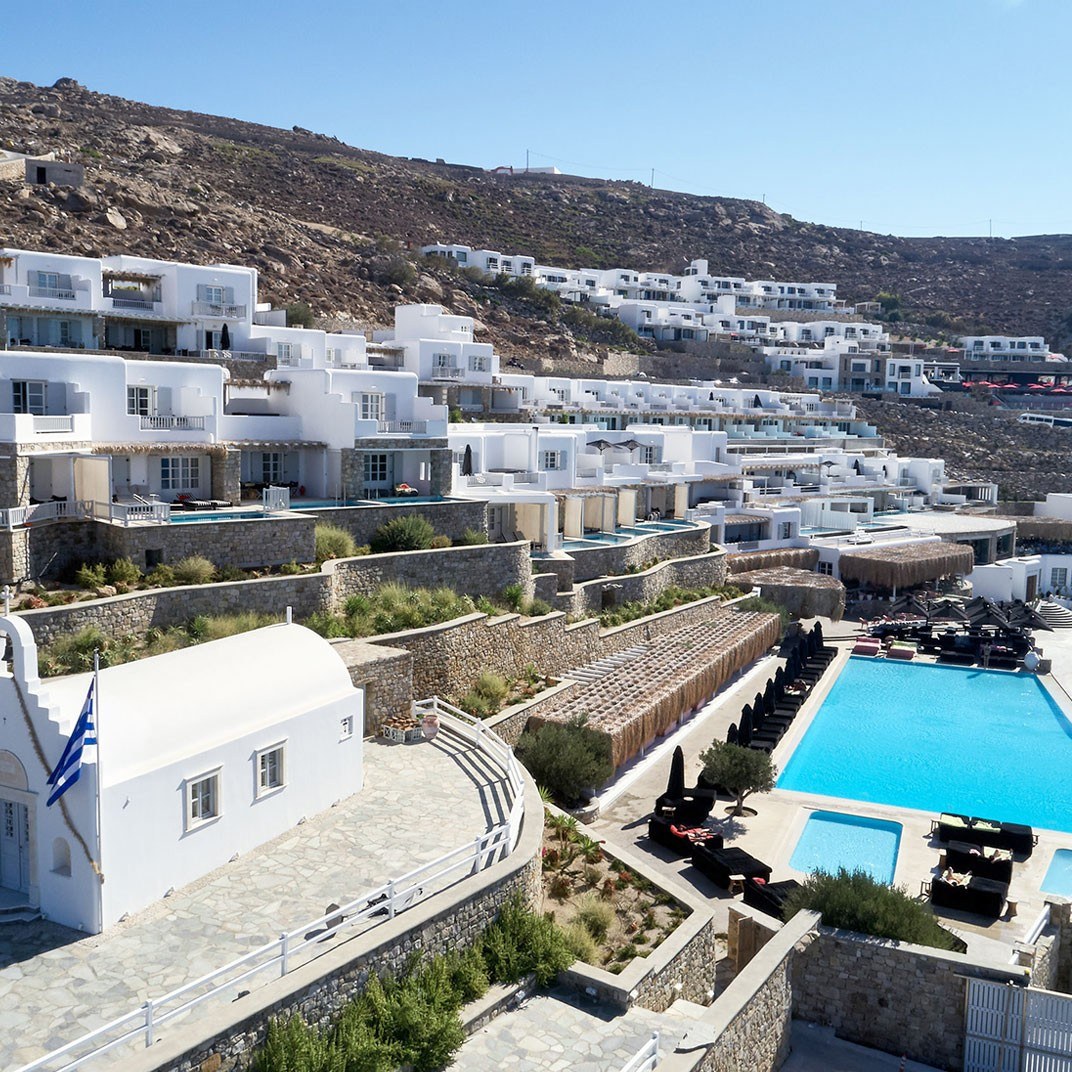
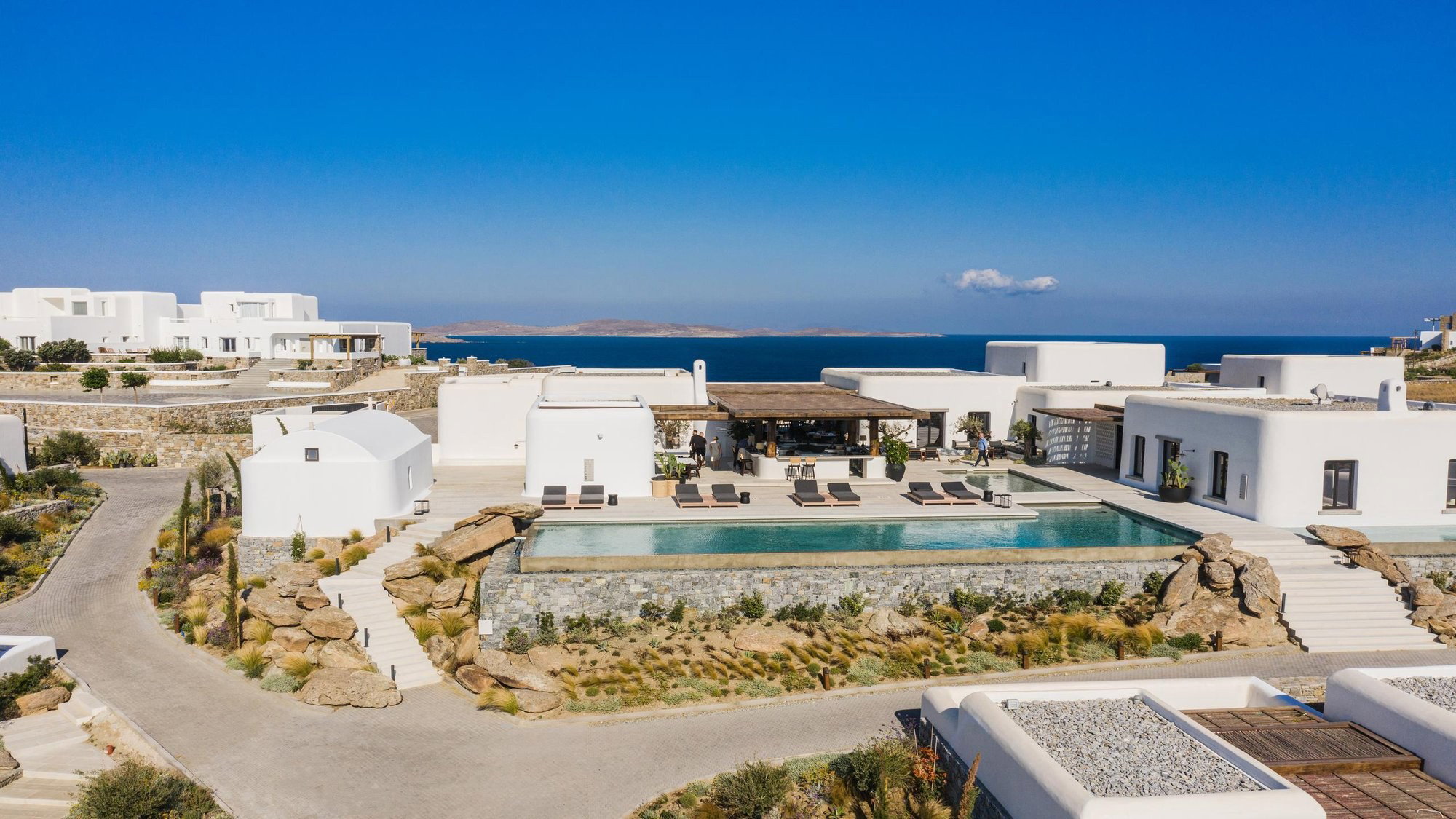
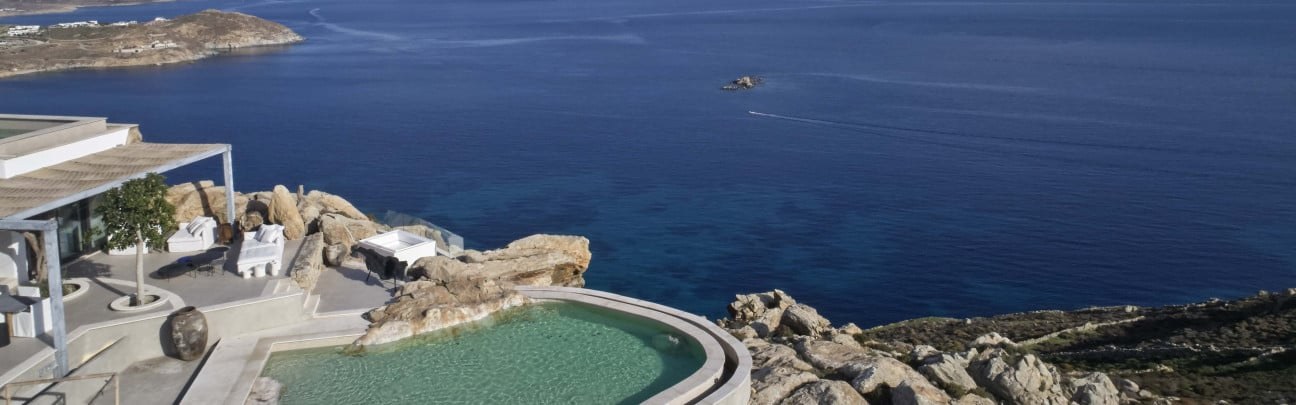
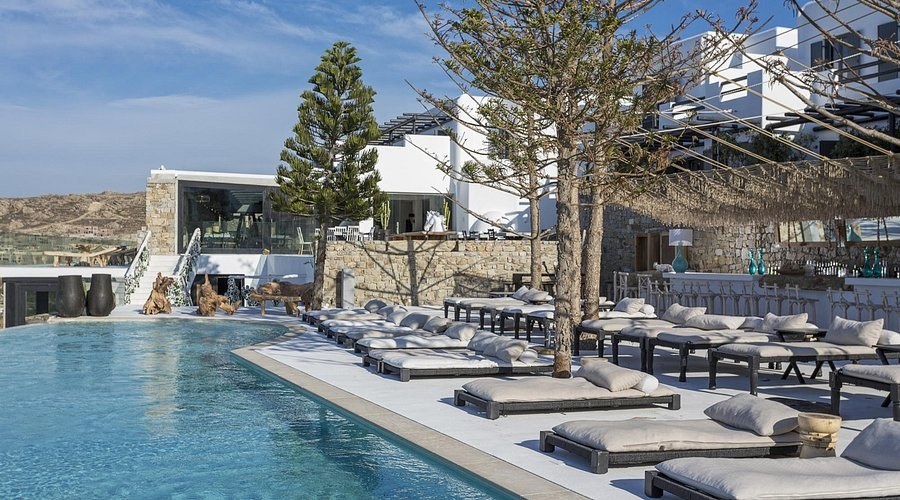
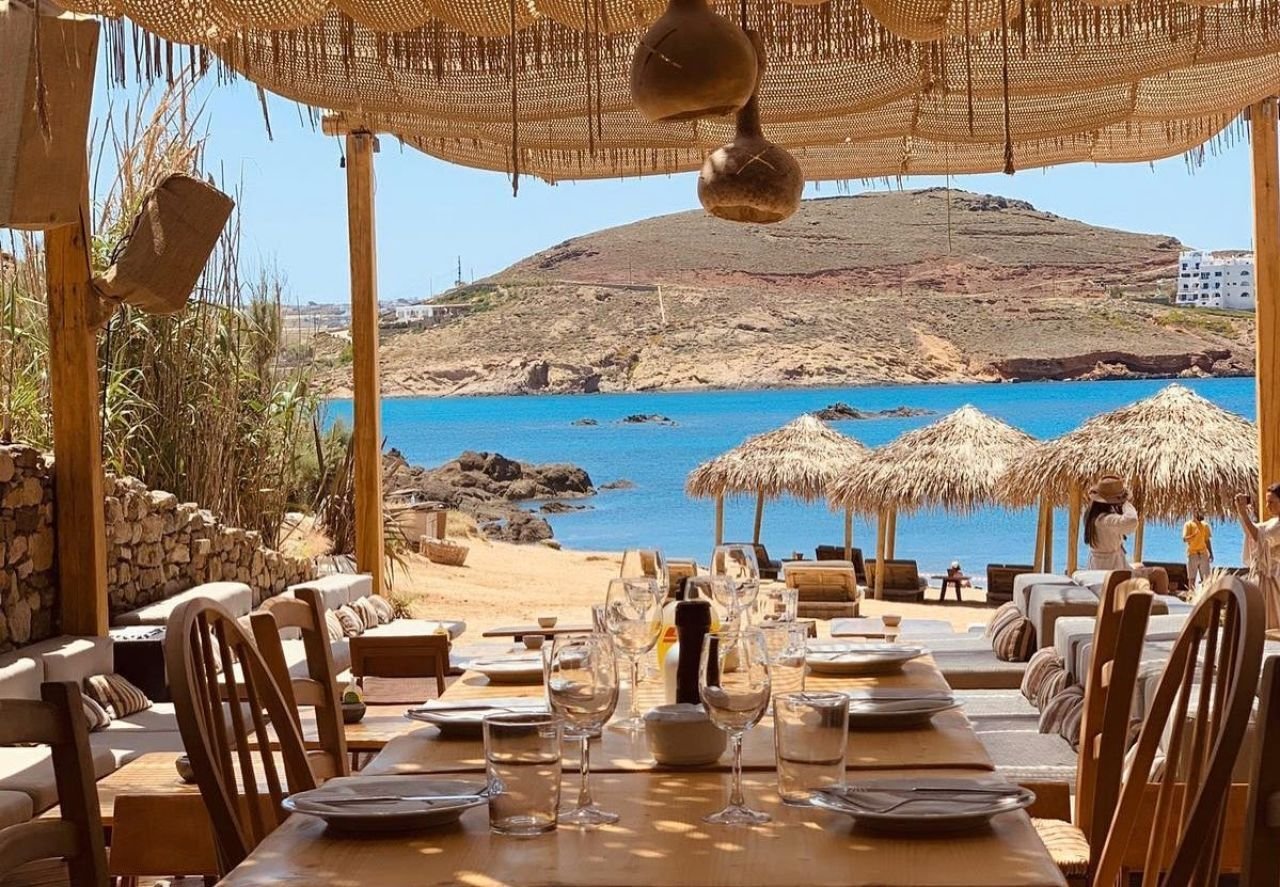
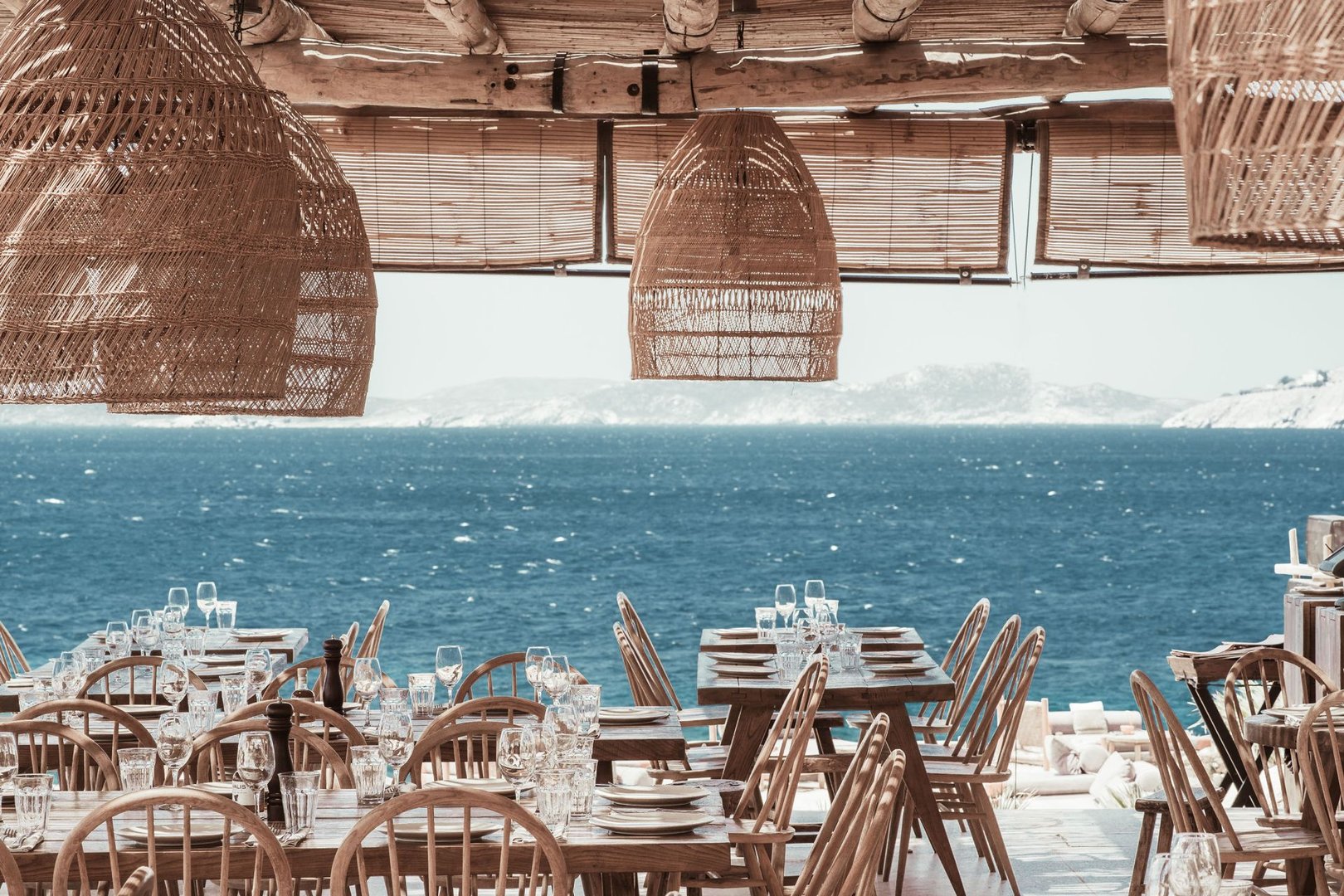
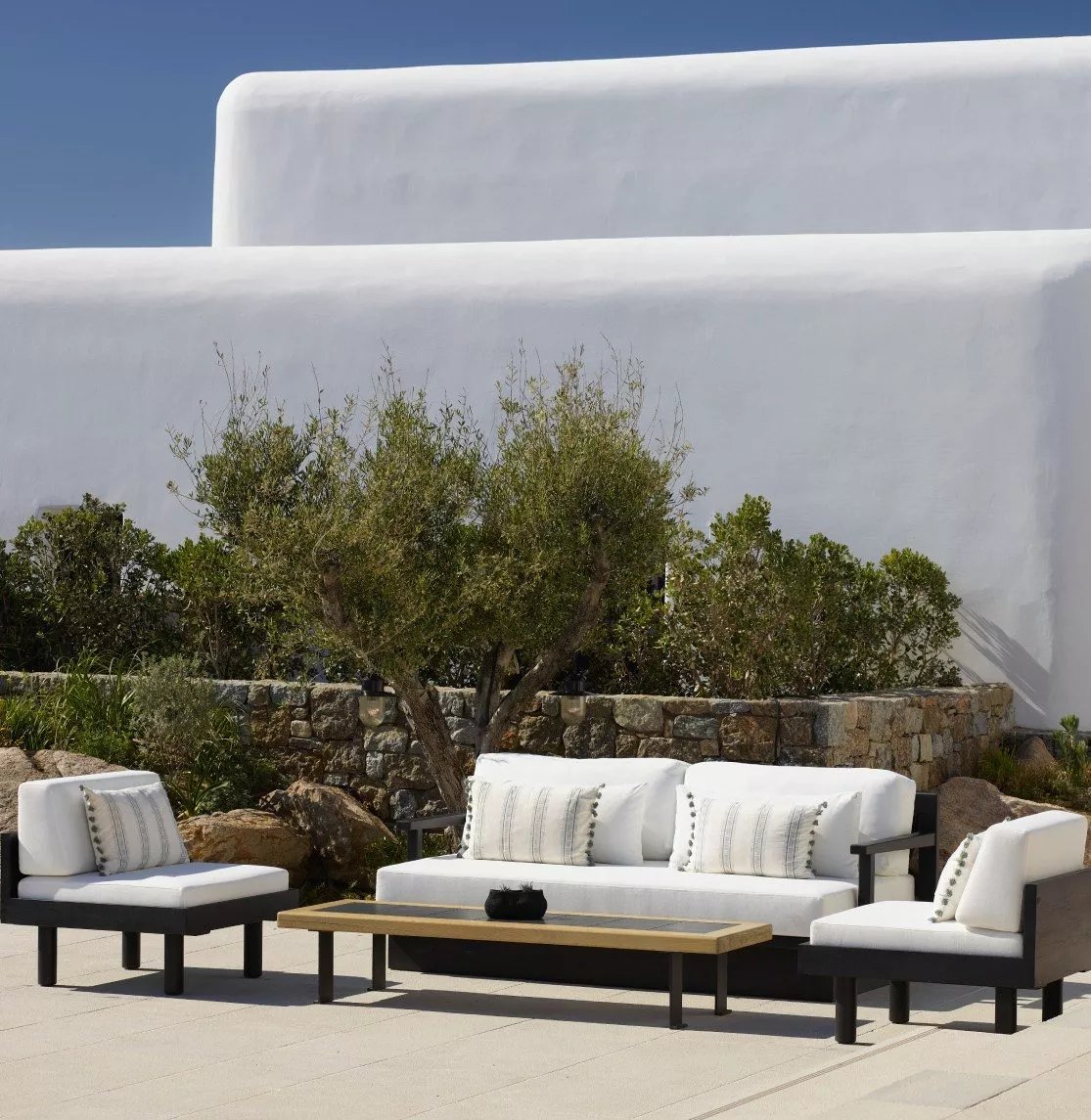
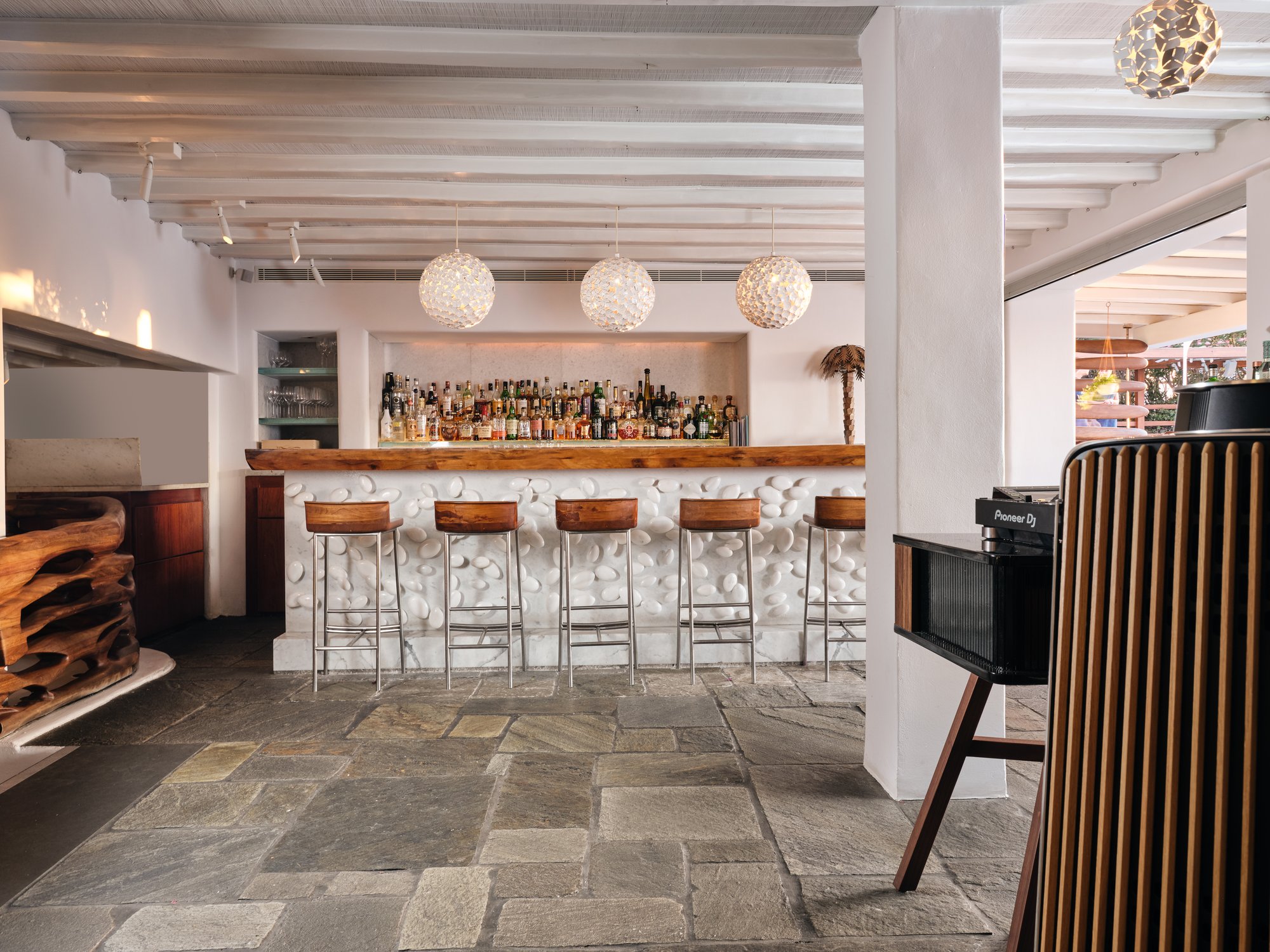
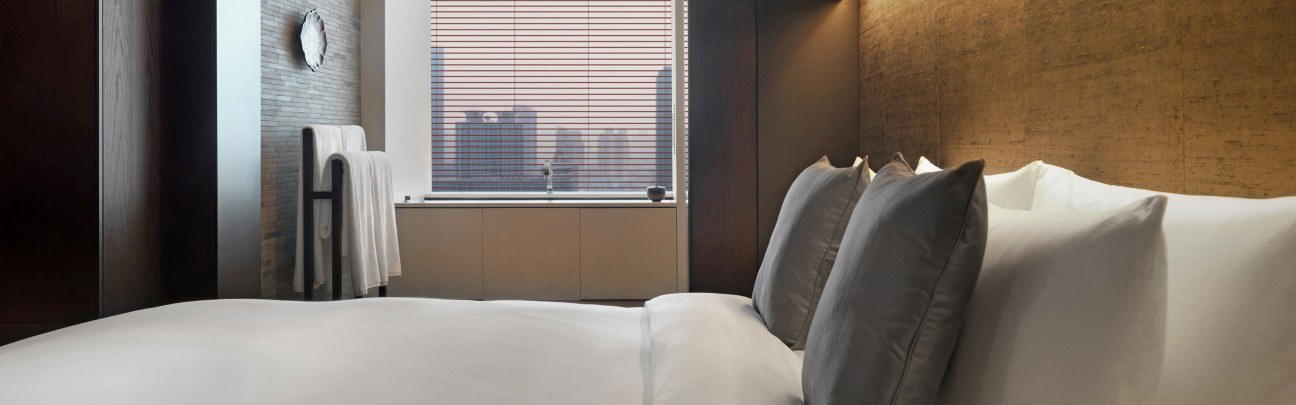
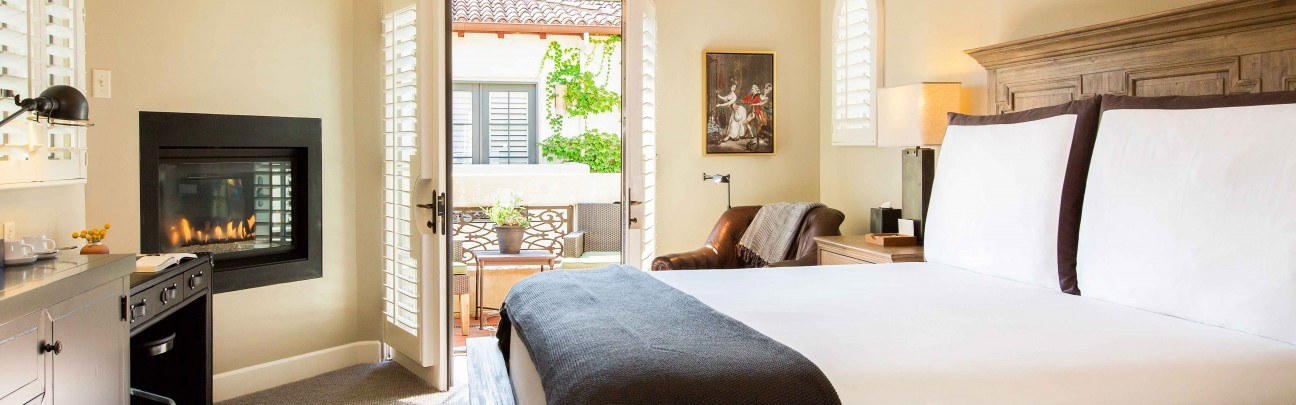
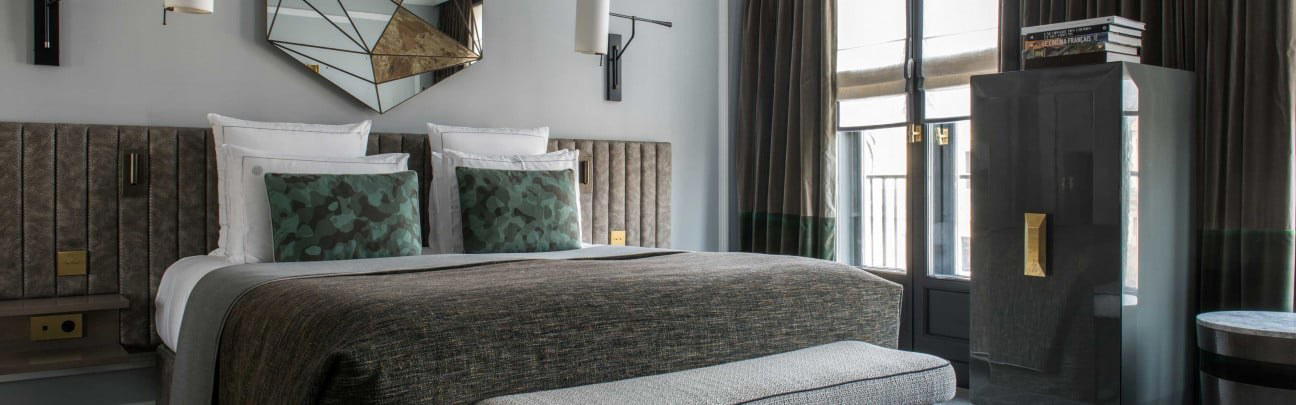
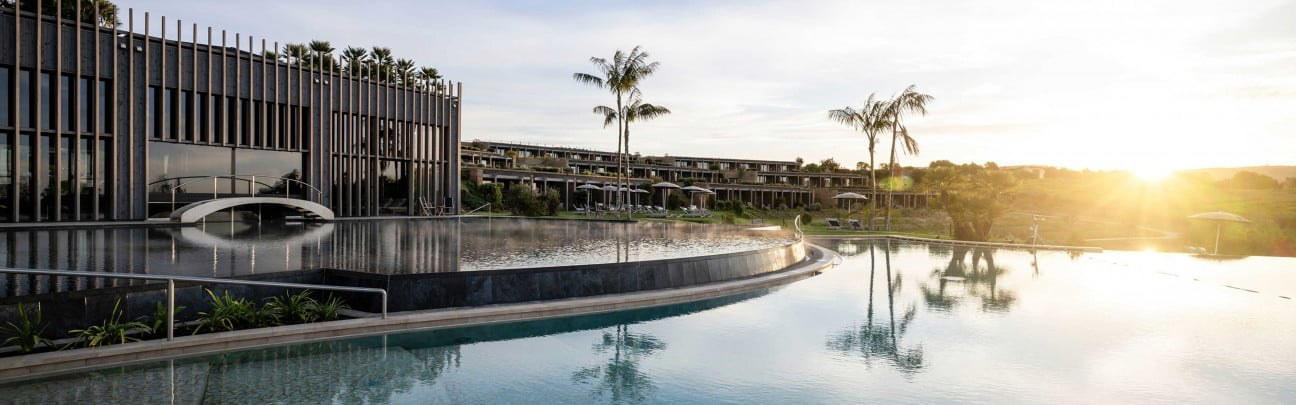
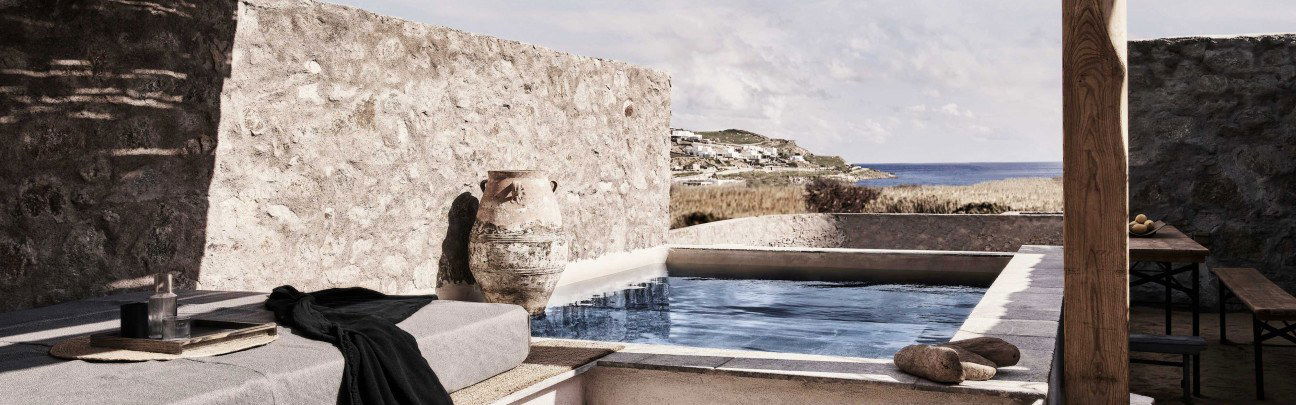
Nomad Mykonos reads as a quietly assured, design-forward hillside retreat. The architecture and interiors favor material honesty—rough-hewn Cycladic walls, statement ceramics and neutral fabrics—so the overall effect is spare and modern rather than ornamental. Perched above Kalo Livadi, the property frames the Aegean across scrub and pale stone, which lends a scenic, almost elemental quality to the guest experience. With a boutique scale and deliberate restraint in its design language, Nomad feels intimate and serene: a place that privileges composition, daylight and view over the island’s more ostentatious offerings.
Best For
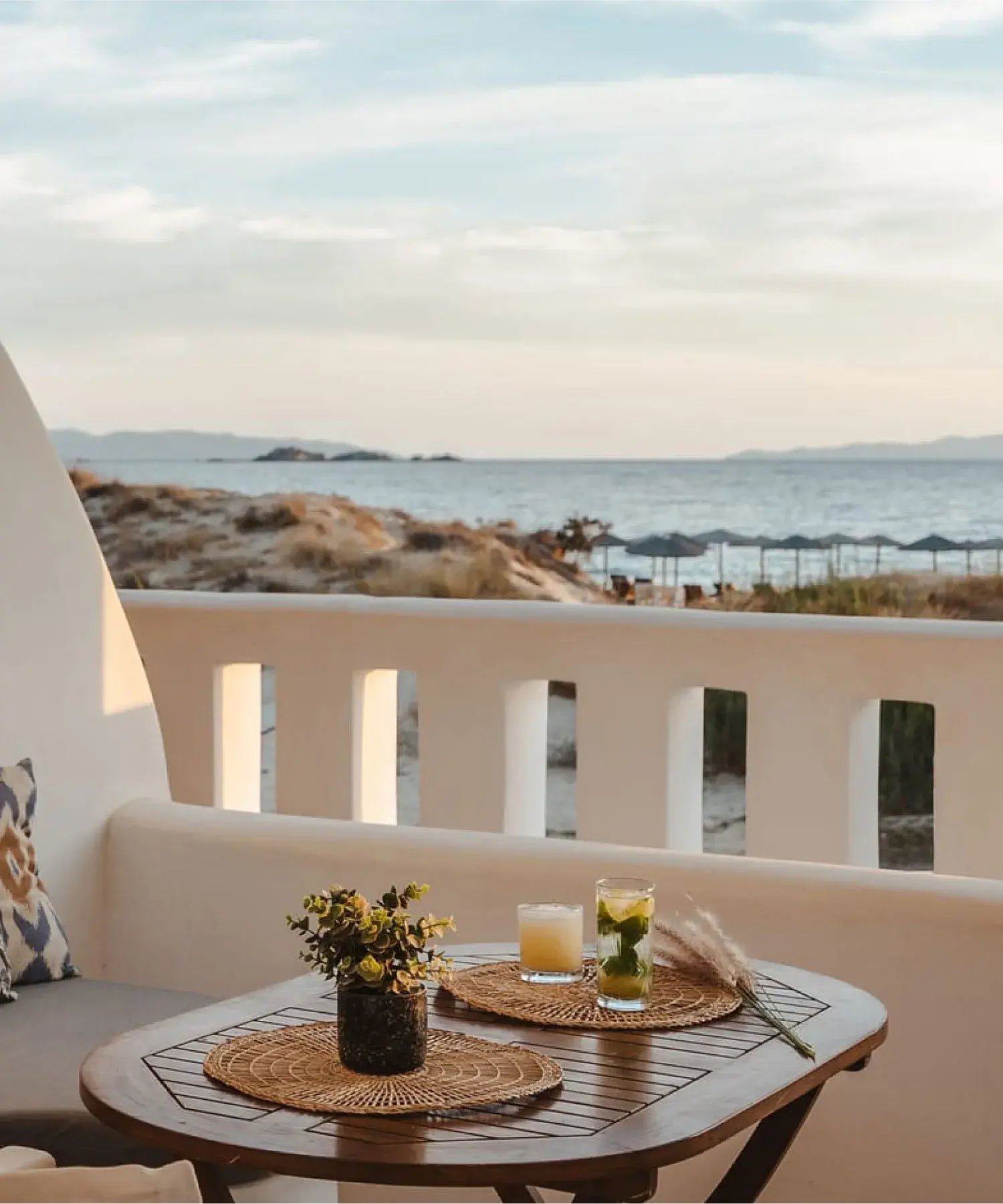
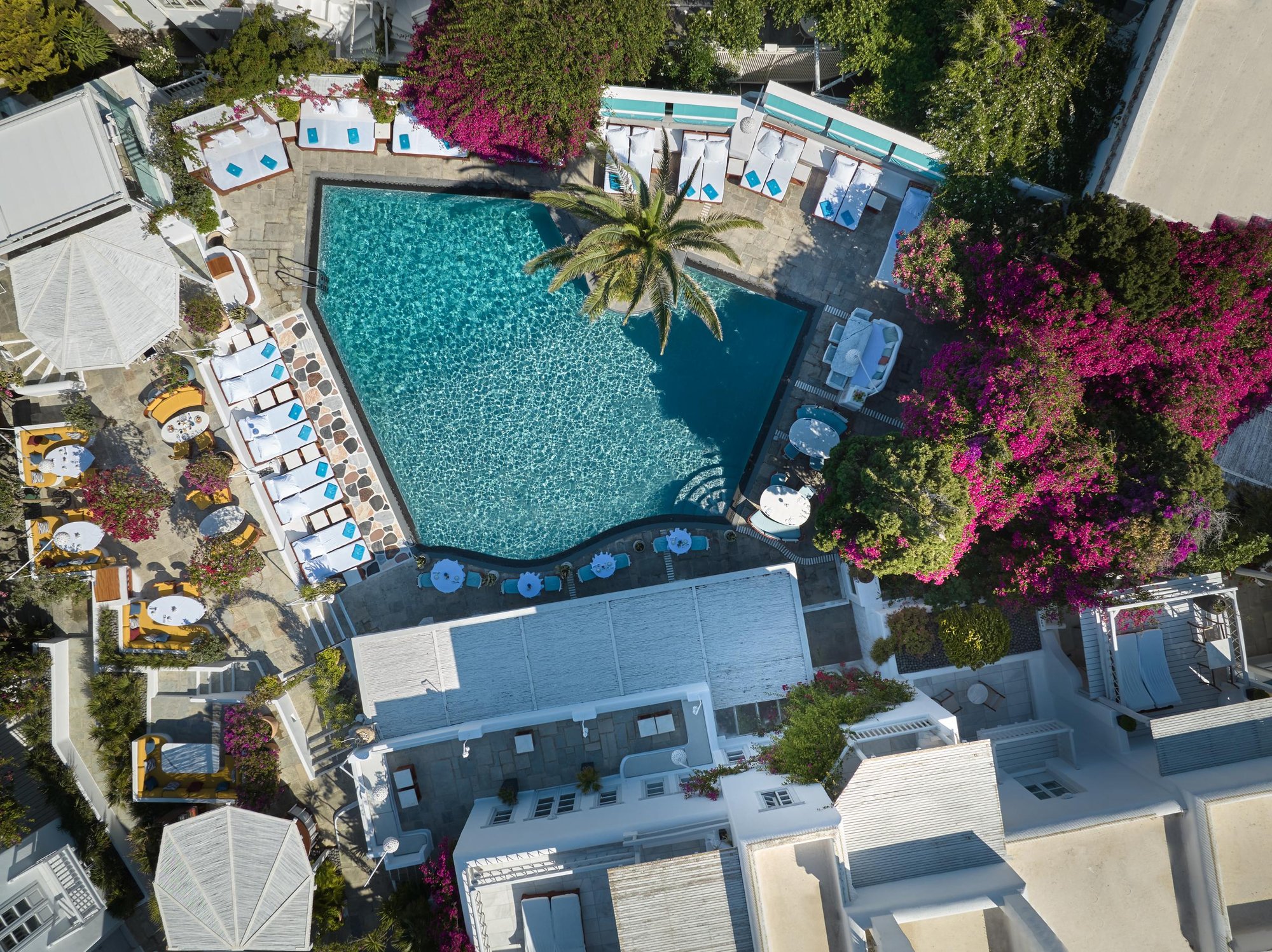
This is a hotel for travelers who prize calm, considered design and privacy. The suite-only layout and limited keys make it well suited to couples, honeymooners and design-minded visitors seeking a low-key Mykonos experience away from the island’s louder beach-club circuit. The quieter Kalo Livadi setting and private terraces with options for pools or hot tubs appeal to those who want a restorative stay—think slow mornings on a sun-soaked terrace and evenings framed by Aegean light—rather than late-night island revelry.
Stay Tips
When booking, prioritize higher-tier suite categories if a private pool or hot tub matters to you: the property notes that amenities vary by category. Aim for a room with terraces and sea-facing sightlines to make the most of the Aegean views mentioned throughout the description. Expect a design-led, low-key atmosphere—book ahead during peak season since the hotel emphasizes limited keys—and plan transfers to Kalo Livadi rather than Mykonos Town if you want the quieter-bay experience the property markets.
Venue details
Ambiance
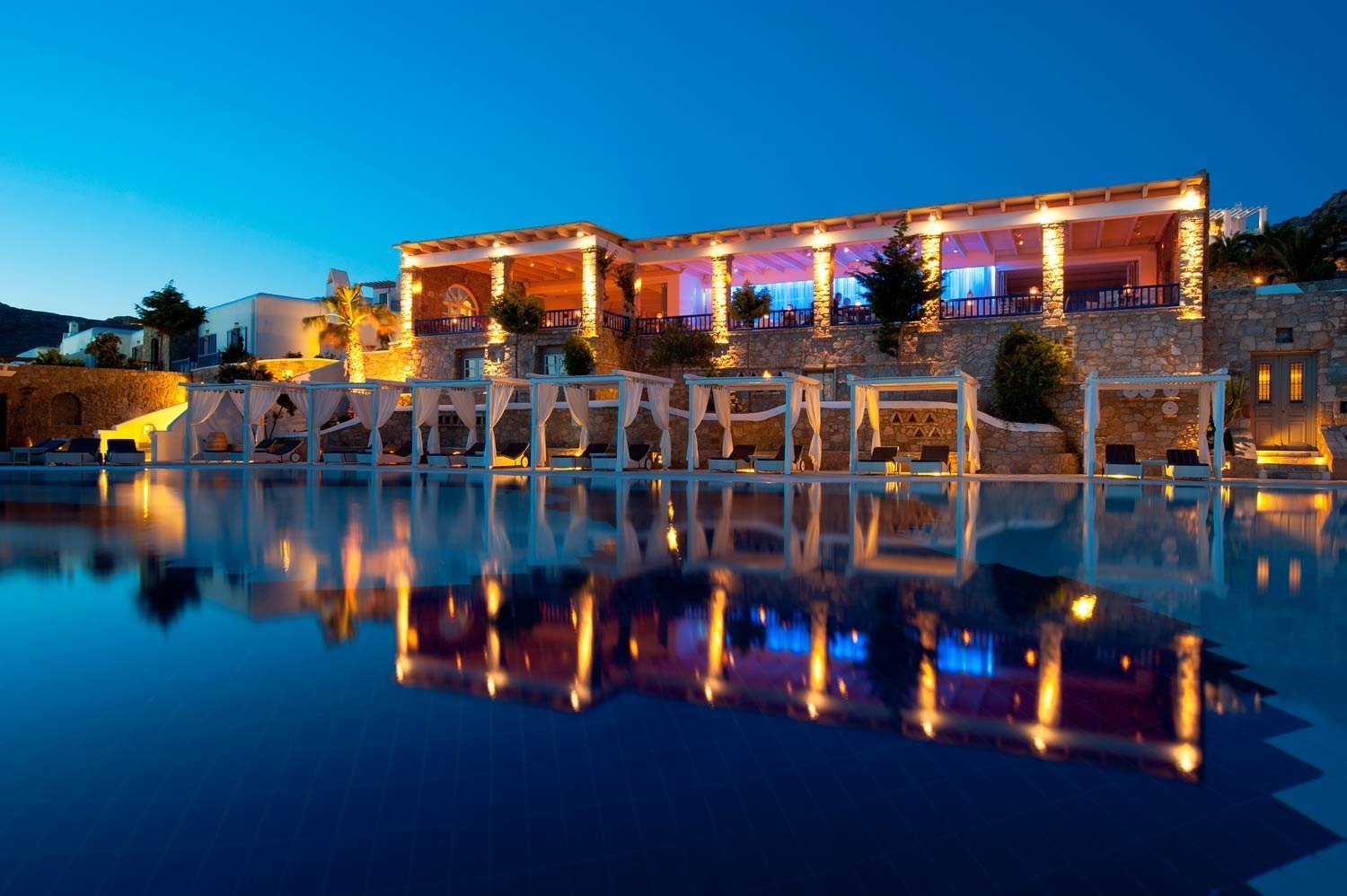
Tranquil and serene with natural light flooding minimalist interiors, warm fireplaces, and relaxed poolside vibes fostering peace and privacy.
Tags
Vibe
Best For
Experience
Amenities
View
About the Stay
- Rooms
- 14
- Check-in
- 15:00
- Check-out
- 11:00
- Property Style
- Boho Chic Cycladic Boutique with Earthy, Minimalist Luxury
- Design Style
- Minimalist Cycladic with Aliveri Marble, Stone Elements, Neutral Tones, and Seamless Indoor Outdoor Flow
Know before you go
Know Before You Go
- Getting there
- Kalo Livadi, Mikonos 846 00
Planning details
Location

Also consider
Also Consider
- Mykonos Bliss, Notable alternative
- Pietra e Mare, Notable alternative
- Archipelagos Hotel, Notable alternative
- Cali Mykonos, Notable alternative
- Panoptis Escape, Notable alternative
Hotel context
How it compares in Mykonos
Against Mykonos Bliss, Pietra e Mare, and Archipelagos Hotel, Nomad Mykonos is the sharper pick when atmosphere and recent recognition matter more than chasing the broadest resort setup. For value-sensitive travelers, Archipelagos Hotel and Pietra e Mare are the names to check first; for a quieter boutique stay, Nomad Mykonos should sit higher on the list.
Cali Mykonos and Panoptis Escape are stronger cross-shops for travelers looking at higher-end Mykonos stays where privacy and experience quality drive the decision. Cali Mykonos is the better comparison if the trip is built around a resort-style beach stay; Panoptis Escape is the more relevant alternative if the brief is seclusion and a polished special-occasion setting.
Booking difficulty is the practical divider. If Nomad Mykonos is not available, start with Panoptis Escape for a similar celebration mood or Archipelagos Hotel for a more flexible Mykonos fallback. Families should compare room setup and on-property facilities closely before choosing among them.
Explore Mykonos
Around this place
Discover more on Pearl
Unlock the full Nomad Mykonos guide in Pearl, including awards, comparisons, FAQs, planning details, and nearby places.
Compare Nomad Mykonos
| Venue | Location | Awards |
|---|---|---|
| Nomad Mykonos | Mykonos | 2026 Mr & Mrs Smith Luxury HotelsMichelin 1 Key 20252025 Michelin 1 KeySmall Luxury Hotels Member 2025 |
| Mykonos Bliss | Mykonos | No published awards |
| Pietra e Mare | Mykonos | No published awards |
| Archipelagos Hotel | Mykonos | Small Luxury Hotels Member 2025 |
| Cali Mykonos | Mykonos | No published awards |
| Panoptis Escape | Mykonos | 2026 Mr & Mrs Smith Luxury HotelsMichelin 1 Key 20252025 Michelin 1 KeySmall Luxury Hotels Member 2025 |
How Nomad Mykonos compares with similar nearby venues.
FAQ
Frequently Asked Questions
How is the dining at Nomad Mykonos?
If food is central to the trip, ask the hotel directly about its dining concept, cuisine, menu format, and service style before booking.
Is Nomad Mykonos family-friendly?
Nomad Mykonos may be considered for a Mykonos stay, but families should confirm practical needs, including family facilities, children's programming, and room configurations, directly with the hotel before booking.
Is Nomad Mykonos good for business travel?
Business travelers should check directly with Nomad Mykonos about business amenities, meeting facilities, and work-focused services to make sure the hotel fits the purpose of the trip.
What is Nomad Mykonos known for?
Nomad Mykonos is recognized by the MICHELIN Guide, Hotels 1 Key in 2025, has Small Luxury Hotels of the World membership in 2025, and received the Mr & Mrs Smith Seal of Approval in 2026. The dress code is smart casual.