



Sofitel Munich Bayerpost
Theresienwiese, Munich
Hotel in Munich, Germany
 Book with Pearl
The Read
Renaissance Shell, Contemporary Interior
Why go
Book Sofitel Munich Bayerpost if central-station convenience and recognisable luxury credentials matter more than a quiet neighborhood feel. Suite-level is worth checking for longer stays, work-heavy trips, or families needing space; for a short transit stay, a standard room is the sharper value play.
About Sofitel Munich Bayerpost
Sofitel Munich Bayerpost is a Munich hotel with several luxury-recognition signals: World Luxury Hotel Awards 2025 regional winner, Forbes Recommended for 2026, Virtuoso Luxury Hotel Partner for 2026, and MICHELIN Guide hotel selection for 2025. Its recognitions are a strong basis for considering it, alongside its smart-casual dress code.
Sofitel Munich Bayerpost is a recognised Munich luxury-hotel option; confirm practical details directly before committing. Its credibility is clear, but it does not establish a specific service style, price point, or room-value hierarchy.
Suite upgrade: worth considering only after confirming current details
It is not possible to recommend a specific room category or suite strategy. If extra space matters for your stay, compare the current room descriptions, cancellation rules, and total price directly with the hotel or booking channel before upgrading.
The key decision filter should be practical rather than assumption-based: book the category that matches the space and flexibility you actually need, then compare it with other Munich options. Travellers considering alternatives may also look at Schwan Locke, Munich or Rocco Forte Charles Hotel as part of a broader hotel search.
Who should book this over a smaller Munich hotel
Choose Sofitel Munich Bayerpost if luxury recognition is important to the decision and you want a Munich hotel with a smart-casual dress code. Its recognitions give it a clear credibility signal among Munich hotel options.
If you are still comparing styles of stay, 25hours Hotel The Royal Bavarian, Koenigshof, a Luxury Collection Hotel, Munich, and House of Hütter - Münchner Kindl are other named Munich options to review. The best choice will depend on current rates, availability, room needs, and the type of stay you prefer.
Booking difficulty, room-value differences, and service details should not be assumed. Compare current availability and policies before deciding. Sofitel Munich Bayerpost is best assessed on its Munich location, smart-casual dress code, and recognised luxury-hotel credentials.
Quick reference: consider it for luxury recognition in Munich; confirm room, rate, and service details before booking.
For broader planning, use Our full Munich hotels guide, then cross-check dining in Our full Munich restaurants guide, drinks in Our full Munich bars guide, wineries in Our full Munich wineries guide, and activities in Our full Munich experiences guide.
Planning details
- Location
- Bayerstraße 12, 80335 München
- Website
- sofitel.accor.com/hotels/5413?merchantid=seo-maps-DE-5413&sourceid=aw-cen
- Phone
- +49 89 599480
The take
The Take
The Vibe
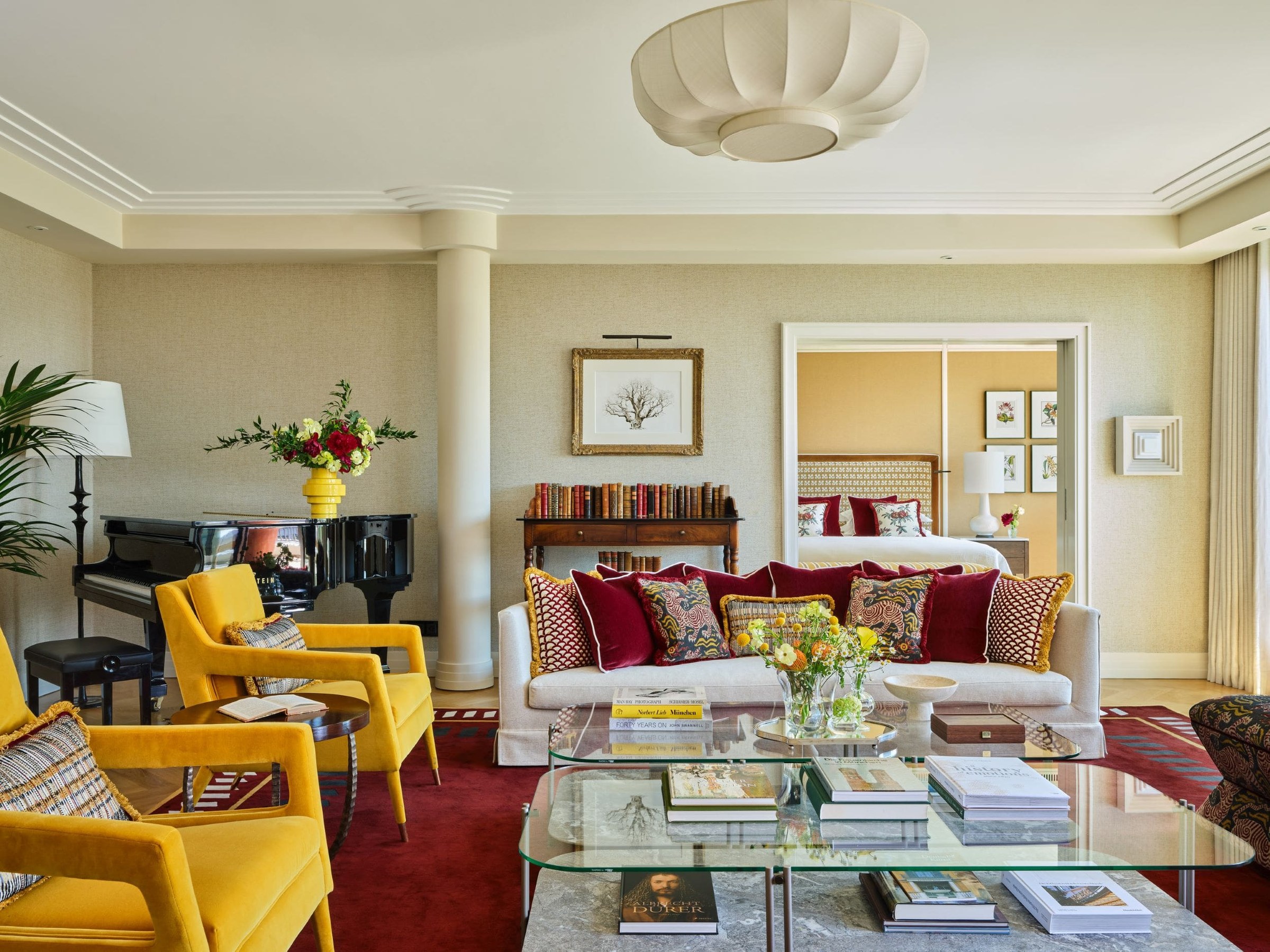
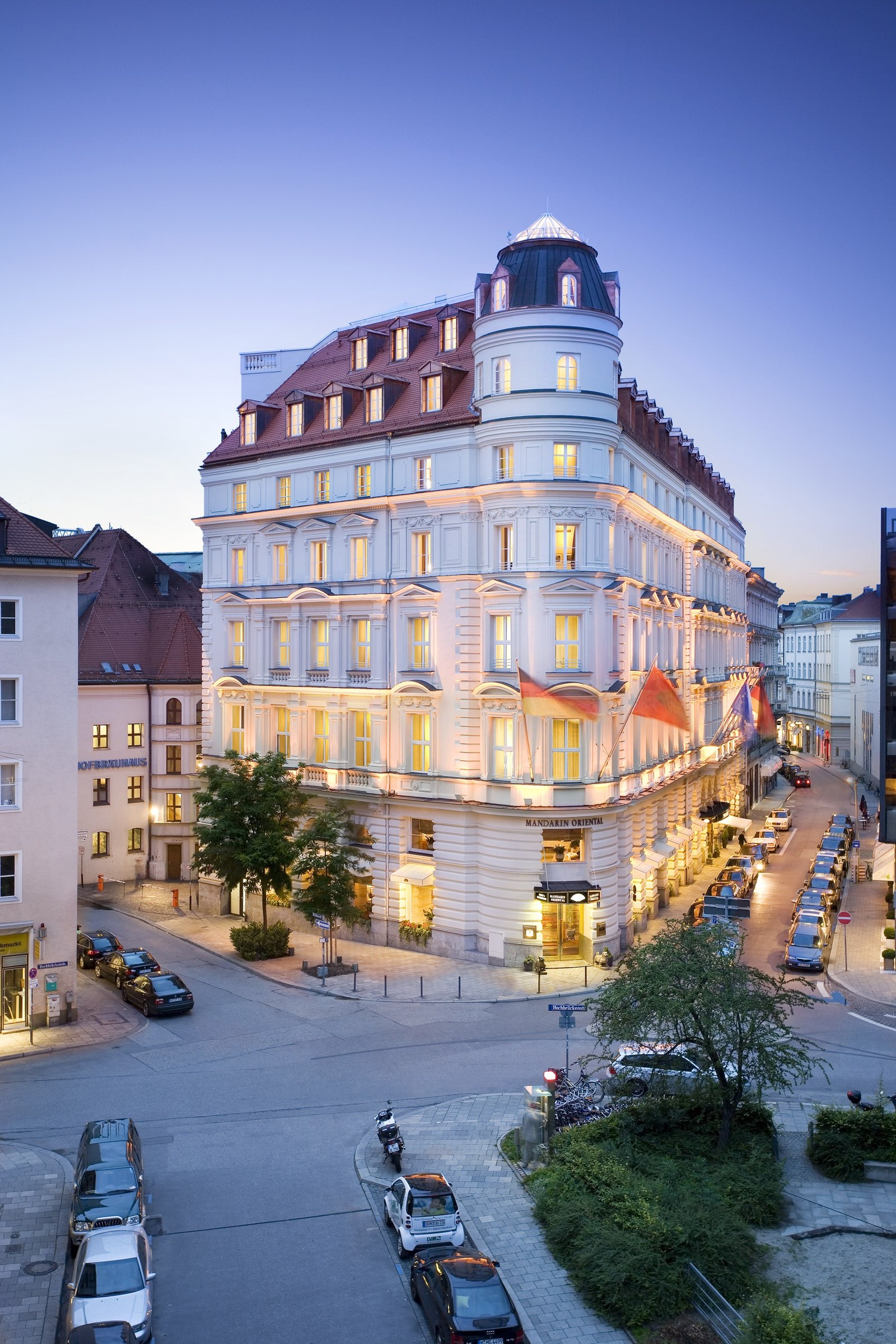
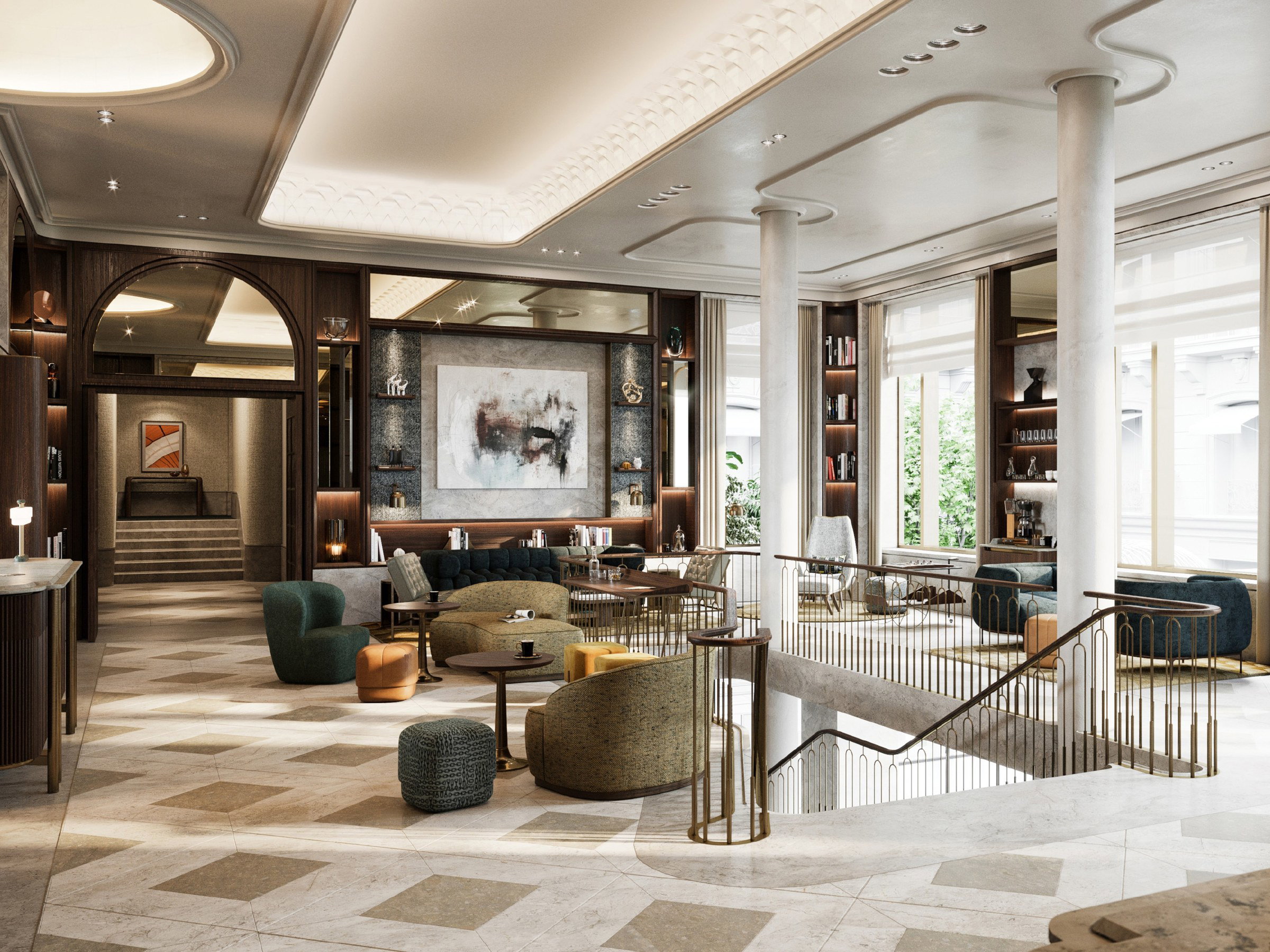
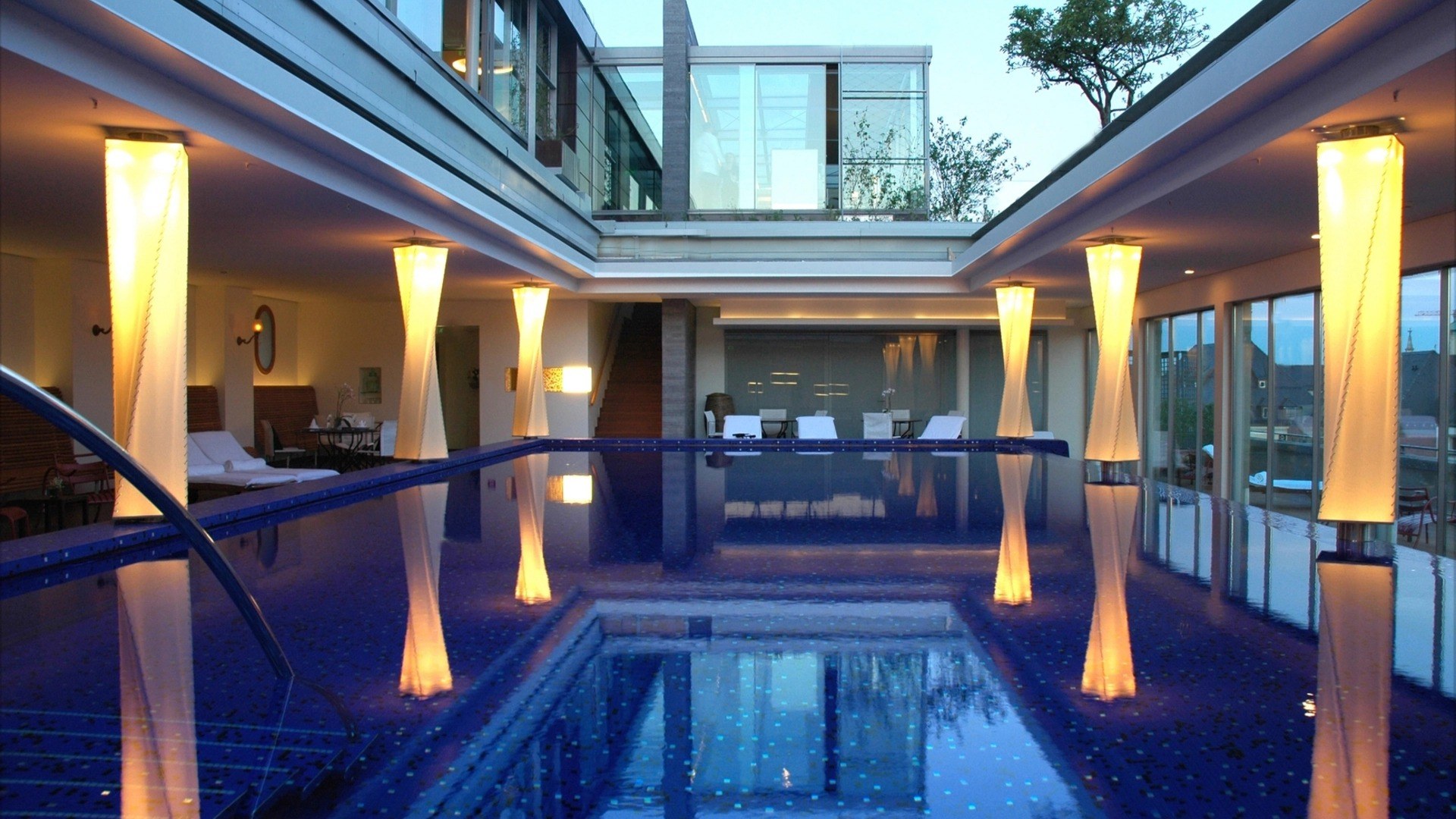
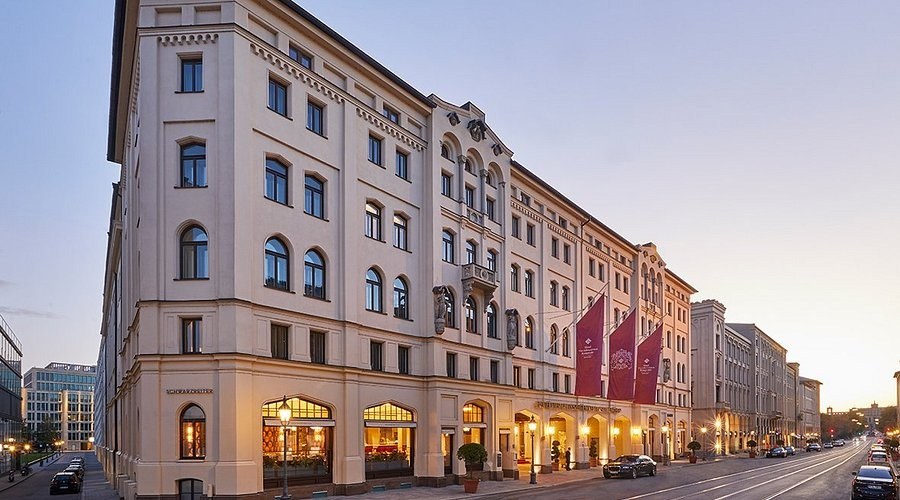
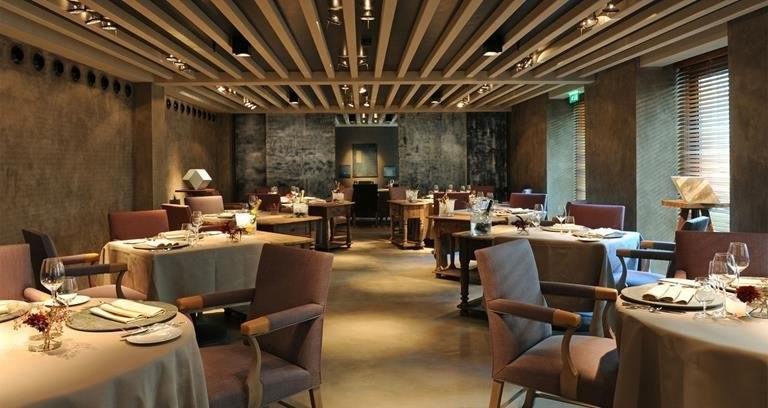
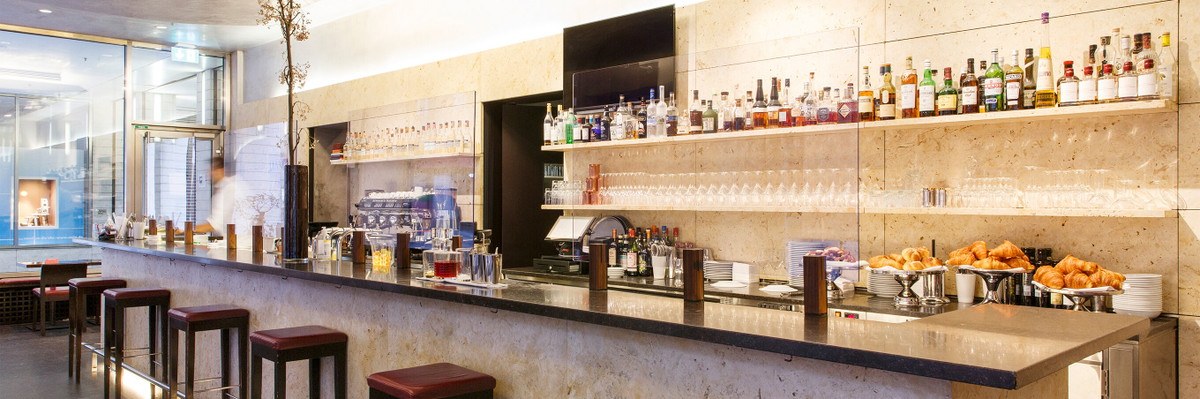
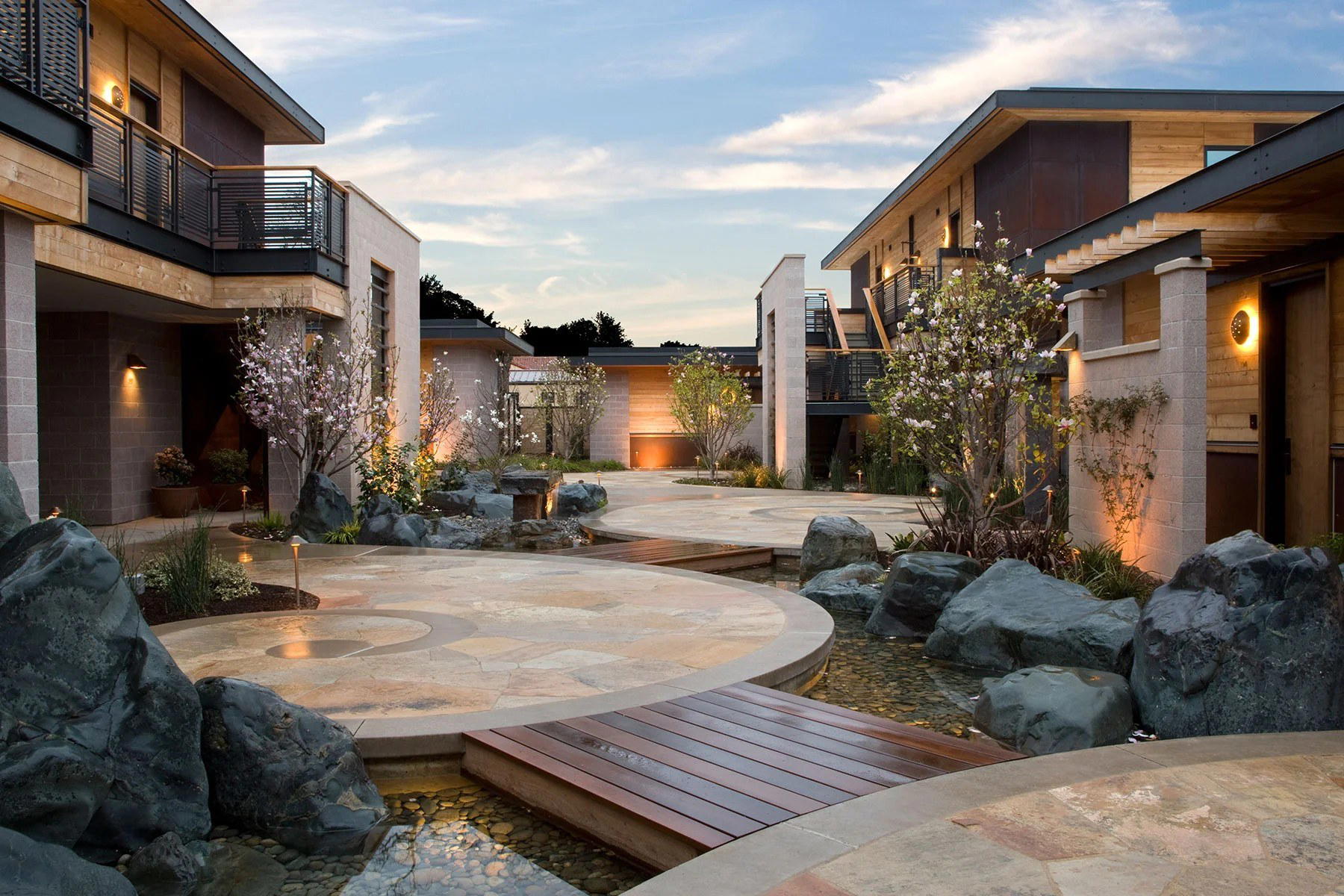
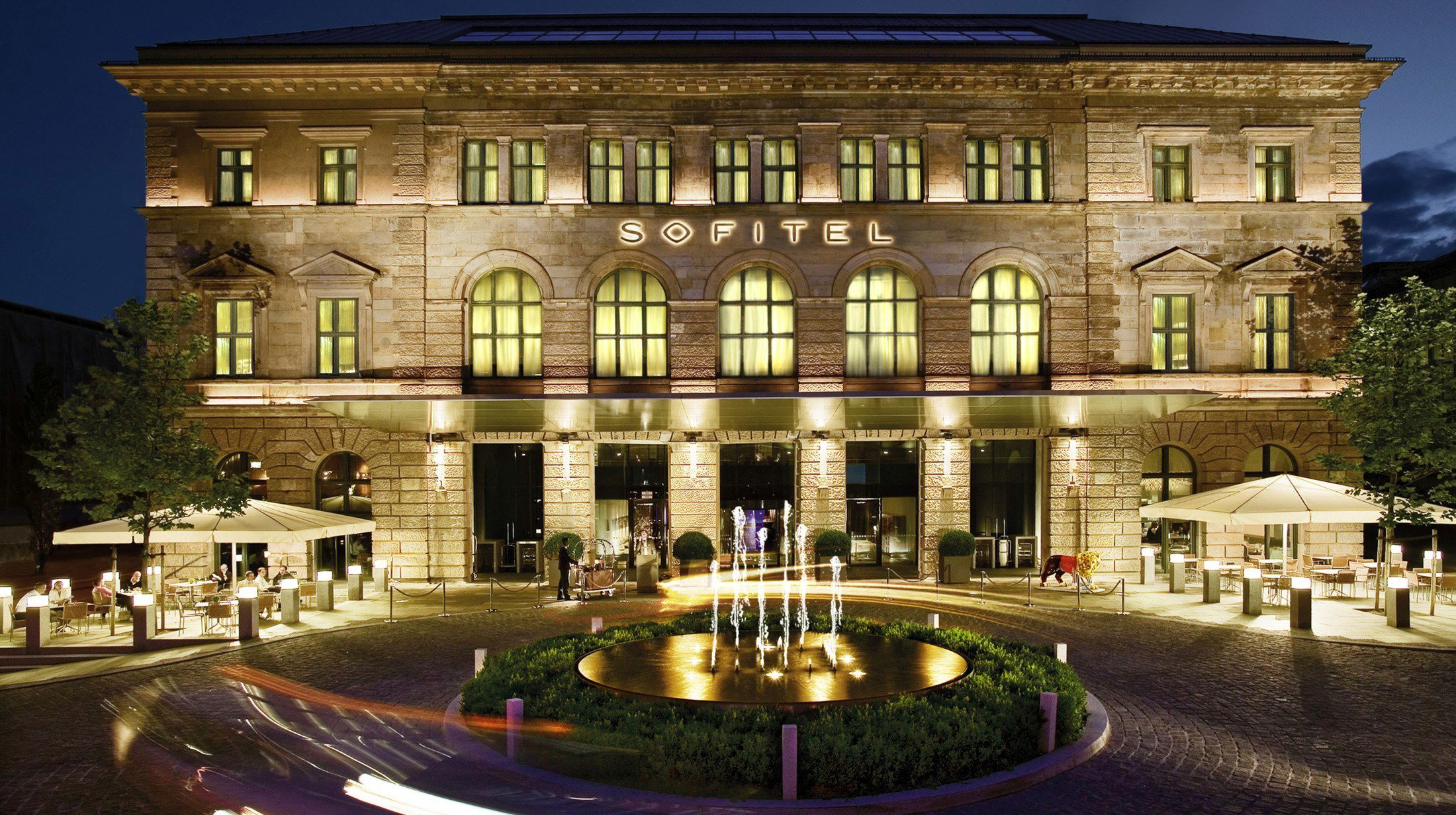
Sofitel Munich Bayerpost stages a deliberate contrast between civic-era architecture and contemporary French-inflected design. The sandstone façade and Italian High Renaissance origins announce the building’s historic gravitas, while glass atrium volumes, chrome detailing and saturated color introduce a modern, design-forward sensibility. The Sofitel touch—attentive but not stiff—softens the institutional bones, producing a hotel that feels both formally rooted and pleasantly approachable. The interplay of old and new is the property’s defining characteristic: it reads as an architectural conversation rather than a pastiche, appealing to guests who value heritage with a stylish, modern counterpoint.
Best For
This hotel suits travelers who appreciate architecture, design and dependable full-service hospitality. Its proximity to Munich’s central station makes it convenient for business travelers and rail arrivals, while the property’s design-forward program and French hospitality codes attract leisure guests seeking a polished, city-center stay. Repeat guests are common, suggesting the hotel works well for people who value consistency alongside character. With a high online rating across many reviews, it’s a reliable choice for anyone wanting a blend of historic building fabric and contemporary interiors rather than a purely boutique or purely institutional experience.
Venue details
Ambiance
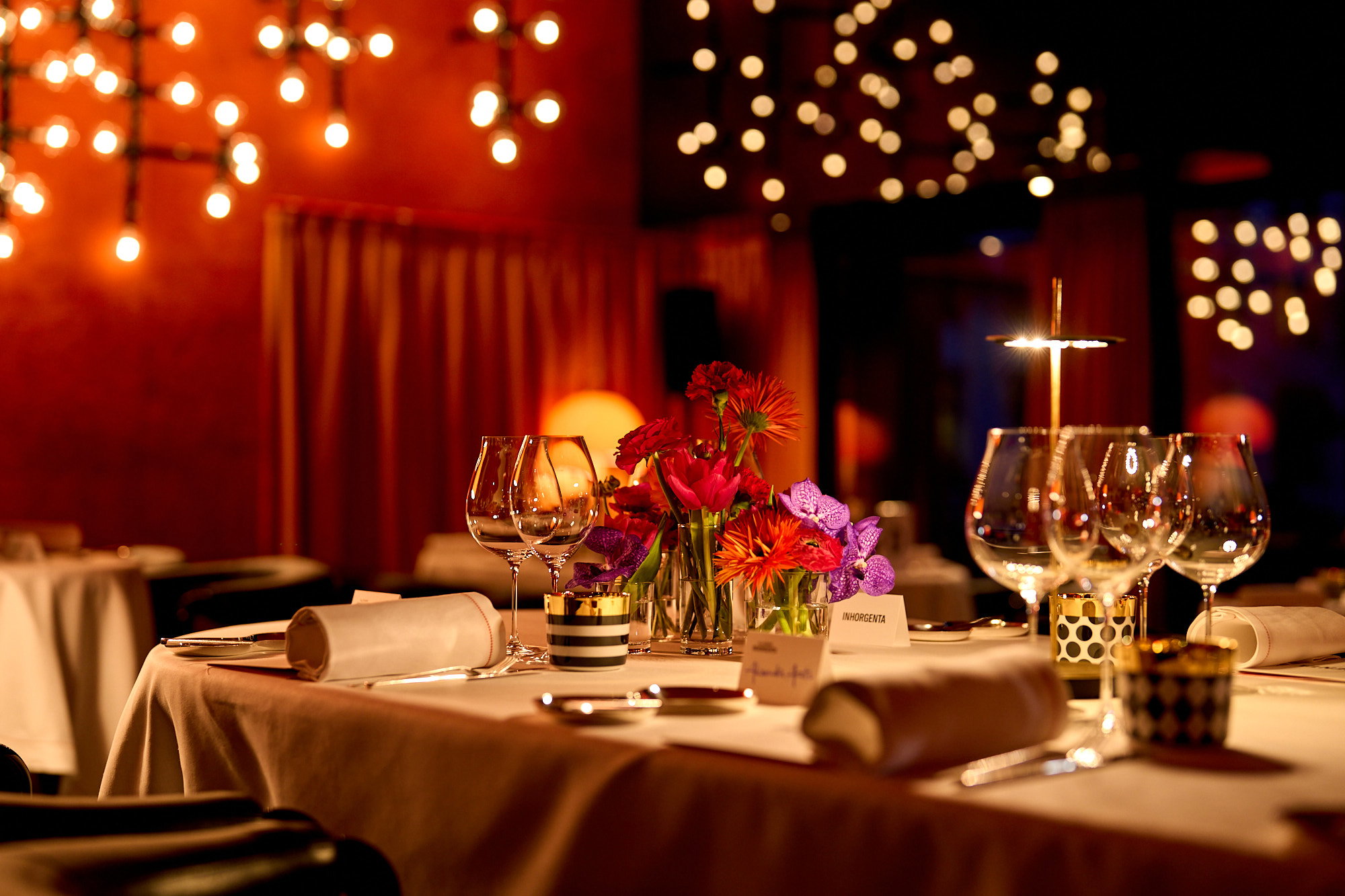
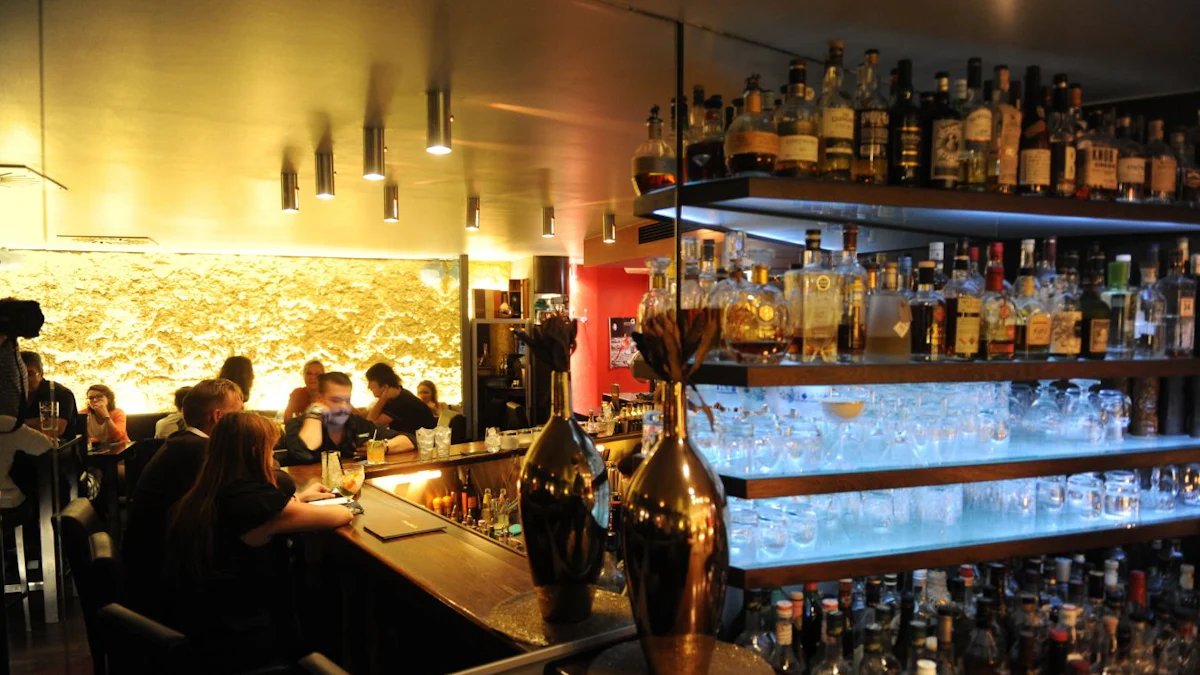
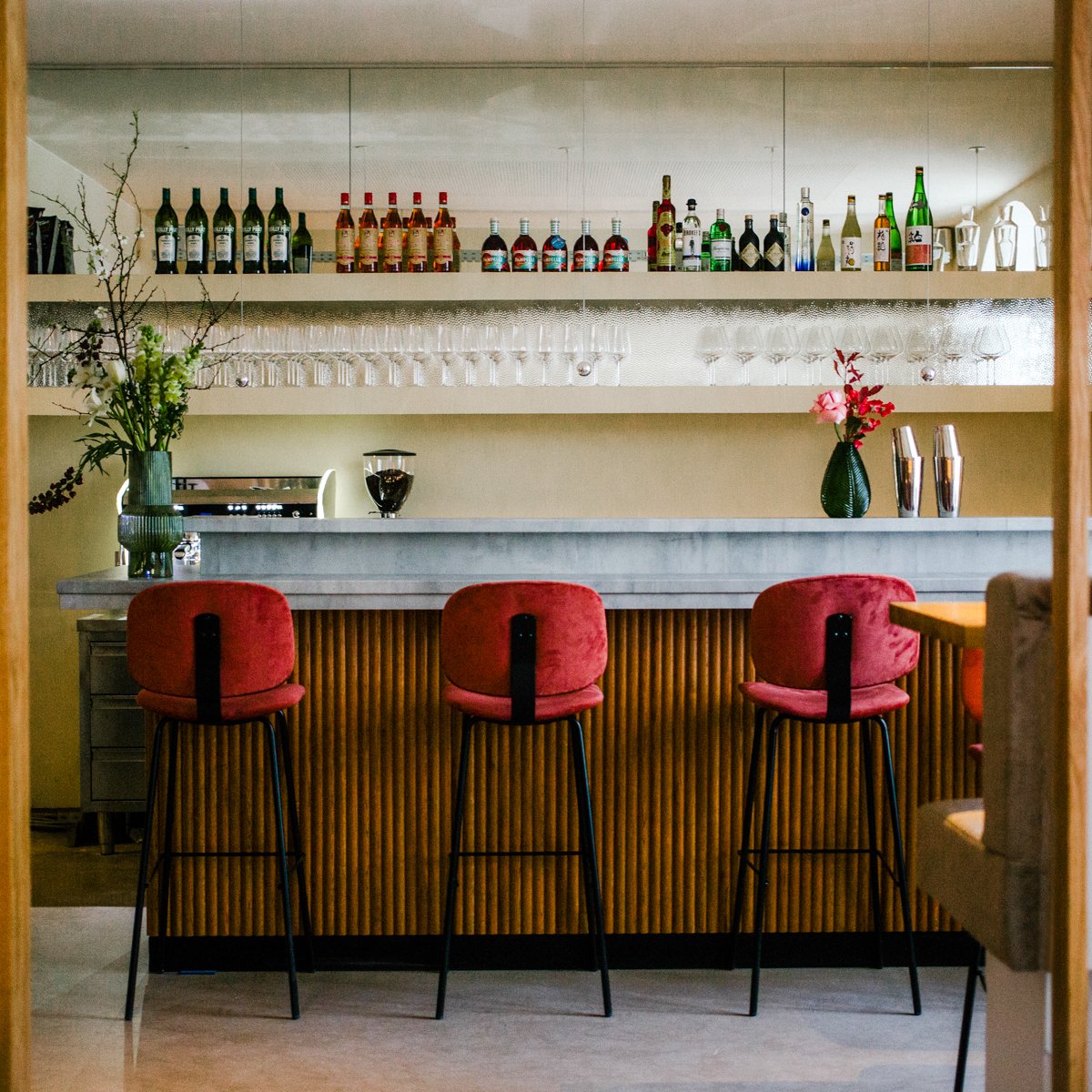
Elegant and modern with cozy, spacious rooms featuring natural stone bathrooms, soft lighting, and comfortable Sofitel MyBed for relaxation.
Tags
Vibe
Best For
Experience
Amenities
View
Accessibility
About the Stay
- Rooms
- 396
- Check-in
- 15:00
- Check-out
- 12:00
- Property Style
- Contemporary Luxury in a Historic Neoclassical Building
- Design Style
- Avant Garde French Inspired with Retro Chic and Bohemian Elements
Know before you go
Know Before You Go
- Getting there
- Bayerstraße 12, 80335 München
Planning details
Location
Bayerstraße 12, 80335 München · Directions
sofitel.accor.com/hotels/5413?merchantid=seo-maps-DE-5413&sourceid=aw-cen
Recognition and awards


Also consider
Also Consider
- 25hours Hotel The Royal Bavarian, Notable alternative
- Schwan Locke, Munich, Notable alternative
- Rocco Forte Charles Hotel, Notable alternative
- Koenigshof, a Luxury Collection Hotel, Munich, Notable alternative
- House of Hütter - Münchner Kindl, Notable alternative
Hotel context
How It Compares
Sofitel Munich Bayerpost is the practical luxury pick in this set: better for central access and large-hotel reliability than 25hours Hotel The Royal Bavarian, which is more playful and likely a better fit for design-led short stays. If value means less formality and more personality, 25hours is easier to justify; if value means recognisable luxury systems, Sofitel is the safer call.
Against Schwan Locke, Munich, the decision is format. Schwan Locke makes more sense for guests who want apartment-style independence, especially on longer stays. Sofitel is the stronger choice for travellers who prefer a full-service hotel rhythm and do not want the stay to feel self-managed.
Rocco Forte Charles Hotel and Koenigshof, a Luxury Collection Hotel, Munich are the more direct luxury cross-shops if the budget stretches and ambiance matters more than station convenience. House of Hütter - Münchner Kindl is the better alternative for a smaller, more character-led Munich stay. With hard booking difficulty, Sofitel should be checked early rather than held as a backup.
Around this place
Discover more on Pearl
Unlock the full Sofitel Munich Bayerpost guide in Pearl, including awards, comparisons, FAQs, planning details, and nearby places.
Compare Sofitel Munich Bayerpost
| Venue | Location | Awards |
|---|---|---|
| Sofitel Munich Bayerpost | Munich | 2026 Virtuoso Luxury Hotel Collection2026 Forbes RecommendedWorld Luxury Hotel Awards 20252025 Michelin Selected Hotels2025 Forbes Recommended |
| 25hours Hotel The Royal Bavarian | Munich | No published awards |
| Schwan Locke, Munich | Munich | No published awards |
| Rocco Forte Charles Hotel | Munich | 2026 Forbes 4-Star2026 Virtuoso Luxury Hotel CollectionLeading Hotels of the World 20262026 La Liste Top Hotels2025 Michelin 2 Keys2024 Michelin 2 Keys |
| Koenigshof, a Luxury Collection Hotel, Munich | Munich | 2026 Virtuoso Luxury Hotel Collection2025 Michelin 1 Key |
| House of Hütter - Münchner Kindl | Munich | 2026 Michelin Guide New Hotels2026 Mr & Mrs Smith Luxury Hotels2025 Michelin Selected HotelsSmall Luxury Hotels Member 2025 |





How Sofitel Munich Bayerpost compares with similar nearby venues.
FAQ
Frequently Asked Questions
How is the location of Sofitel Munich Bayerpost?
Which room category is best at Sofitel Munich Bayerpost?
It is not possible to name a best room category. Choose based on the current room descriptions, price, cancellation terms, and how much space you need. The hotel's recognition includes MICHELIN Guide hotel selection for 2025.
What is check-in like at Sofitel Munich Bayerpost?
Do loyalty programs work at Sofitel Munich Bayerpost?
Loyalty-program details are not provided. If points, status benefits, or partner privileges are important, confirm eligibility through the hotel or your booking channel before reserving. The basis for considering Sofitel Munich Bayerpost is its Munich location, smart-casual dress code, and recognition list.
How does Sofitel Munich Bayerpost compare to other Munich hotels?
Sofitel Munich Bayerpost is a recognised Munich hotel with luxury credentials. If you are comparing options, you may also review Koenigshof, a Luxury Collection Hotel, Munich, 25hours Hotel The Royal Bavarian, Schwan Locke, Munich, Rocco Forte Charles Hotel, and House of Hütter - Münchner Kindl, then decide based on current rates, availability, and the stay experience you want.