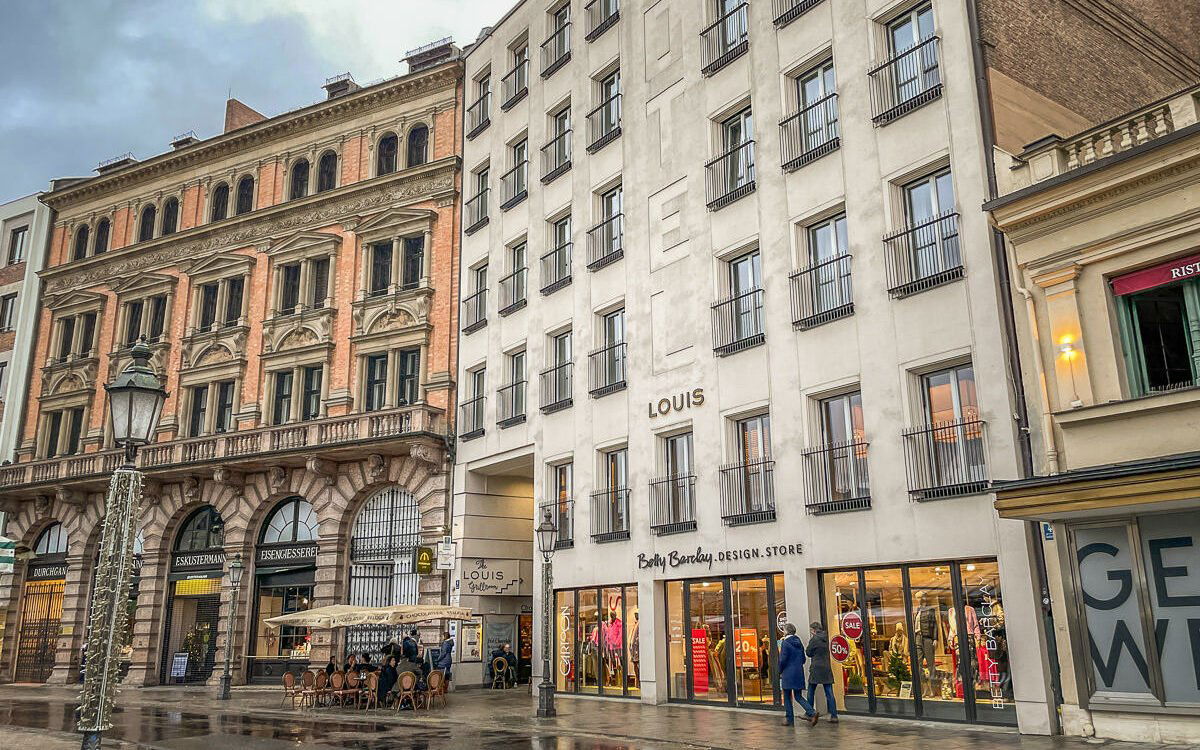

LOUIS Hotel
Isarvorstadt, Munich
Hotel in Munich, Germany
 Book with Pearl
The Read
Price
$100–200per night
Why go
LOUIS Hotel is worth booking for a first Munich stay built around walkability, design, and the Viktualienmarkt address. Choose a practical room category unless extra workspace or downtime matters; the strongest value is the central location, backed by Design Hotels membership and MICHELIN hotel selection.
About LOUIS Hotel
Is LOUIS Hotel worth booking in Munich? It can be, if you want a Munich hotel with design-hotel positioning: LOUIS Hotel is listed as a 2026 Design Hotels Member and is selected in the MICHELIN Guide hotel listings for 2025. The dress code is smart casual.
For the best decision, judge the stay on the strongest signals rather than on assumptions about room types, amenities, dining, or location specifics. Book for your space and bedding needs, then compare the rate against other Munich hotel options before committing.
Book for confirmed hotel positioning, not unverified extras
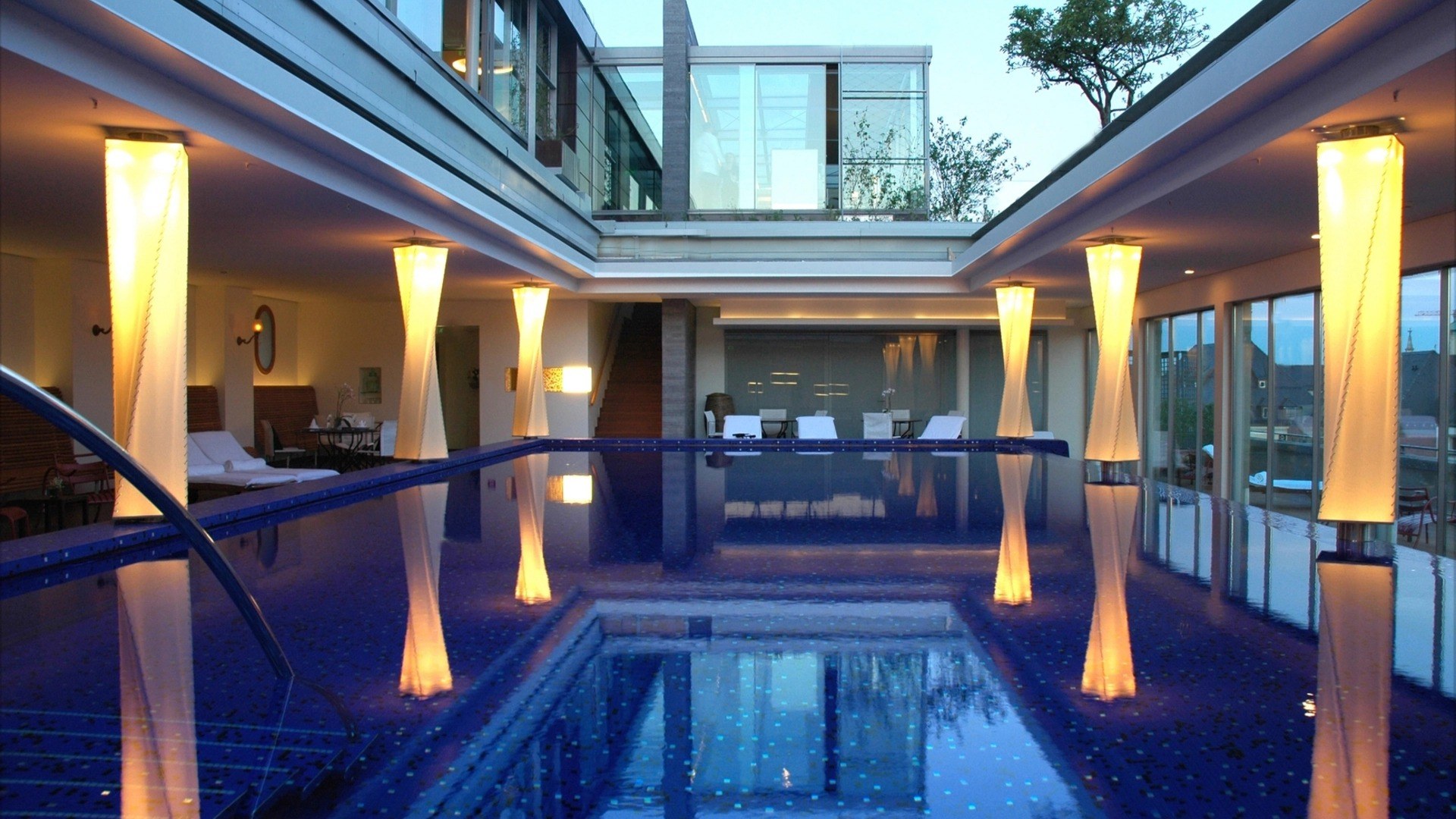
LOUIS Hotel is a Munich option with two clear recognition signals: 2026 Design Hotels Member status and selection in the MICHELIN Guide hotel listings for 2025. Beyond that, do not base the booking on assumptions about a pool, spa, restaurant concept, or service style.
For trip planning, compare the hotel against other Munich stays and keep the decision practical: rate, room needs, and the kind of hotel atmosphere you prefer. Use Our full Munich hotels guide to compare the wider field, and keep Our full Munich restaurants guide and Our full Munich bars guide open for evening planning.
Who should book simply, and who should confirm more detail
Couples and solo travelers should start with simple room logic unless they know they need more space. The value signals are the Munich location, Design Hotels membership, MICHELIN hotel selection, and smart-casual dress code, not a specific suite, view, or room configuration. Business travelers, families, and larger parties should confirm space, bedding, and any practical requirements directly before booking.
For a different Munich hotel mood, compare BEYOND by Geisel, Cortiina Hotel, Do & Co Hotel Munich, Hotel Lux, and Mandarin Oriental Munich. For wider trip planning, use the Munich hotel, restaurant, and bar guides linked above.
LOUIS Hotel is best evaluated as a Munich hotel with design and guide-recognition credentials. Any finer decision should come from current booking details rather than assumptions about amenities, dining, or room categories.
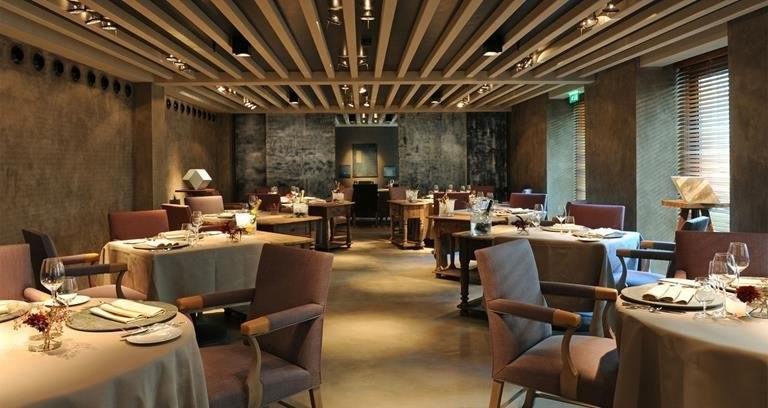
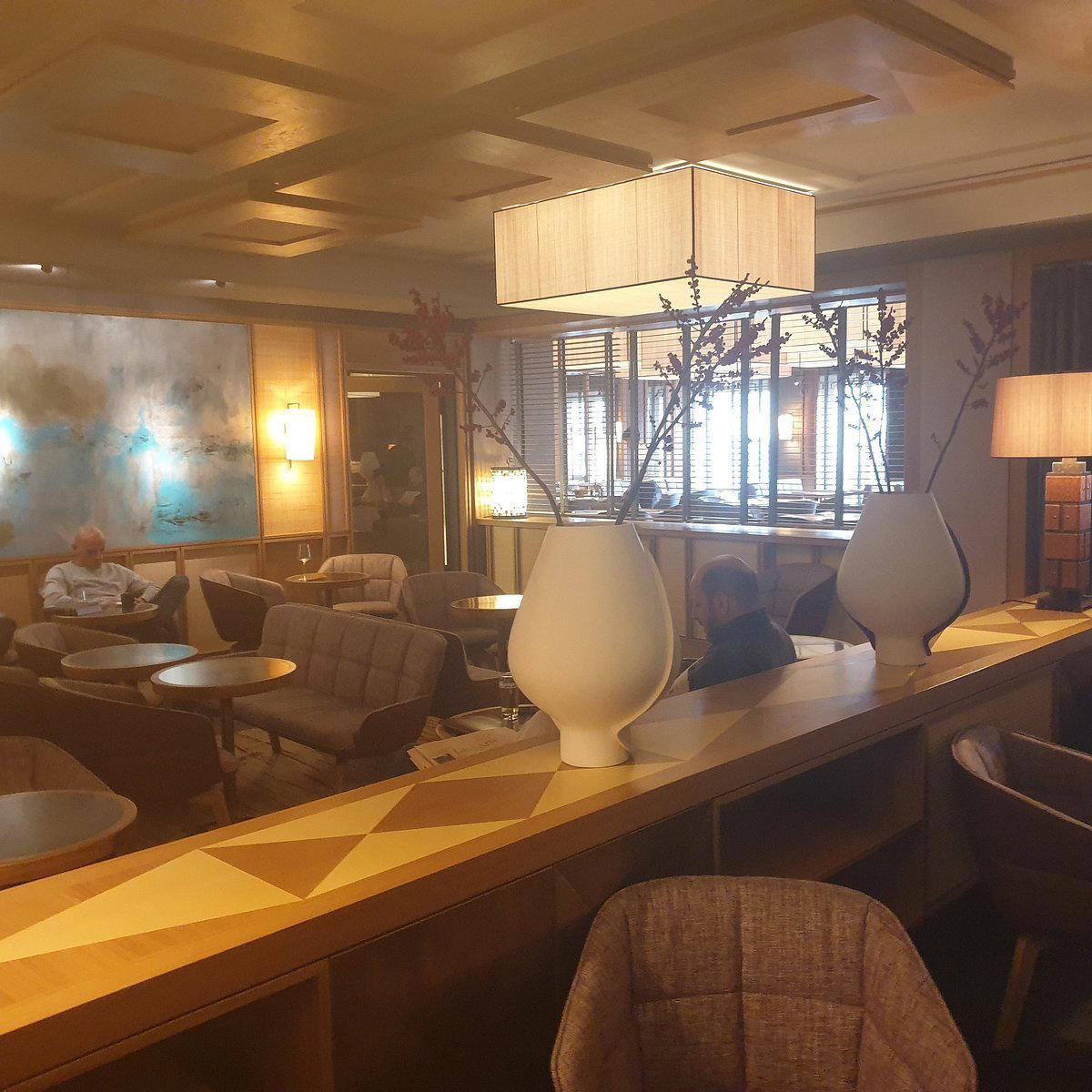
Inside LOUIS Hotel
Planning details
- Location
- Viktualienmarkt, 6, Munich 80331, Germany
- Website
- louis-hotel.com/en
- Phone
- +49 89 411 190 80
The take
The Take
The Vibe
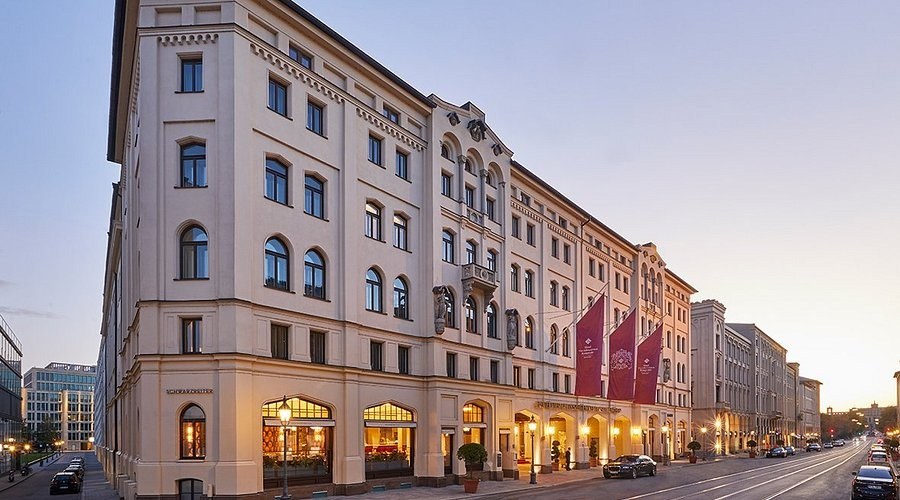
The LOUIS Hotel reads as a compact, design-forward alternative to Munich’s grand avenues. Set directly beside the Viktualienmarkt, the property channels the market’s daily rhythm: a low hum of commerce, seasonal produce, and neighbourhood energy that filters in through guestroom windows. Rather than imposing formality, the hotel trades on intimacy and local texture: poised and chic yet tied to an old-market precinct whose continuous operation since 1807 lends a quietly historic character. Expect scenic glimpses of market life, a charming Altstadt atmosphere, and a measured, intimate scale that feels lived-in rather than ostentatious.
Best For
LOUIS is best for travellers who prize local immersion over boulevard-style pomp. It suits couples on a romantic getaway and guests on a business trip who want direct access to authentic city life, but it is equally well matched to weekend escapes and anniversaries where atmosphere matters as much as comfort. The hotel particularly rewards those who enjoy morning routines tied to place, the market’s seasonal stalls and daily commerce are effectively part of the guest experience, making it a strong pick for visitors who want to wake up into the city rather than to escape it.
Stay Tips
When booking, prioritize rooms that face the Viktualienmarkt or mention an interest in market views: copy emphasizes that the market 'arrives' through the windows each morning, so a market-facing room maximizes that character. Plan to visit the market early in the day to experience seasonal produce and the neighbourhood’s morning energy. Because the hotel trades on its Altstadt setting rather than grand-hotel trappings, expect a personalised, design-focused stay rather than large-scale hotel amenities; adjust expectations and ask the front desk for local vendor recommendations.
Venue details
Ambiance
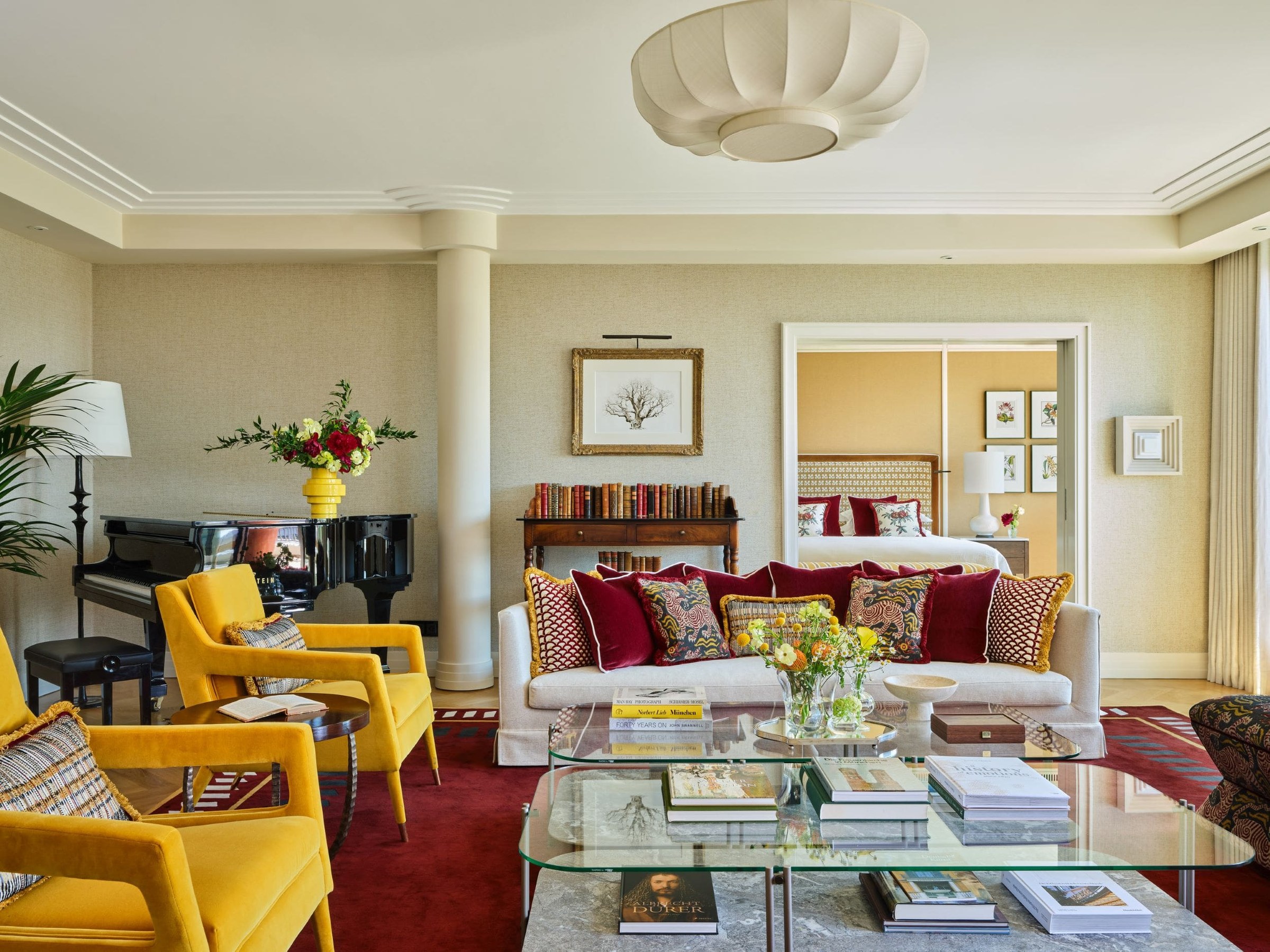
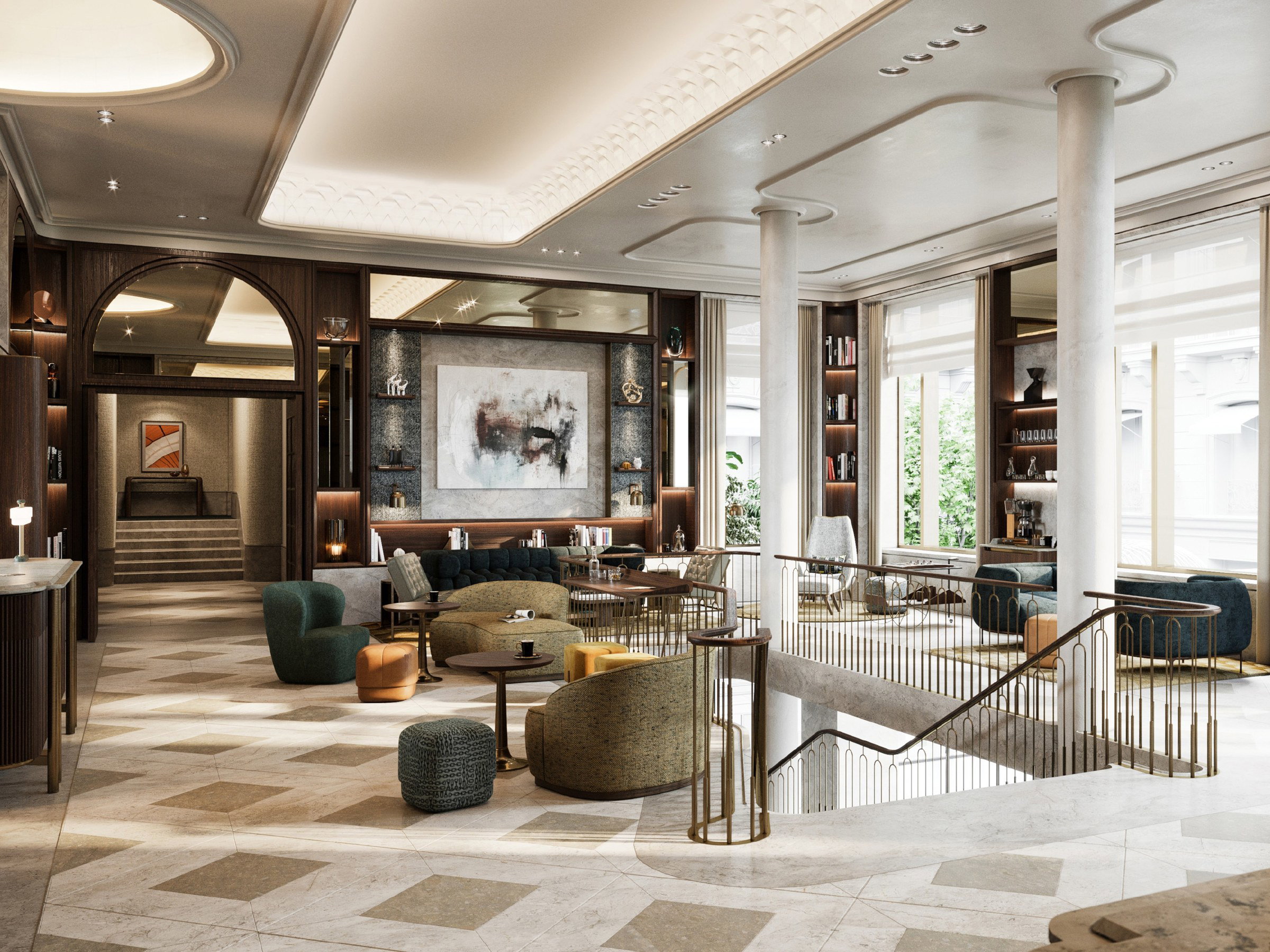
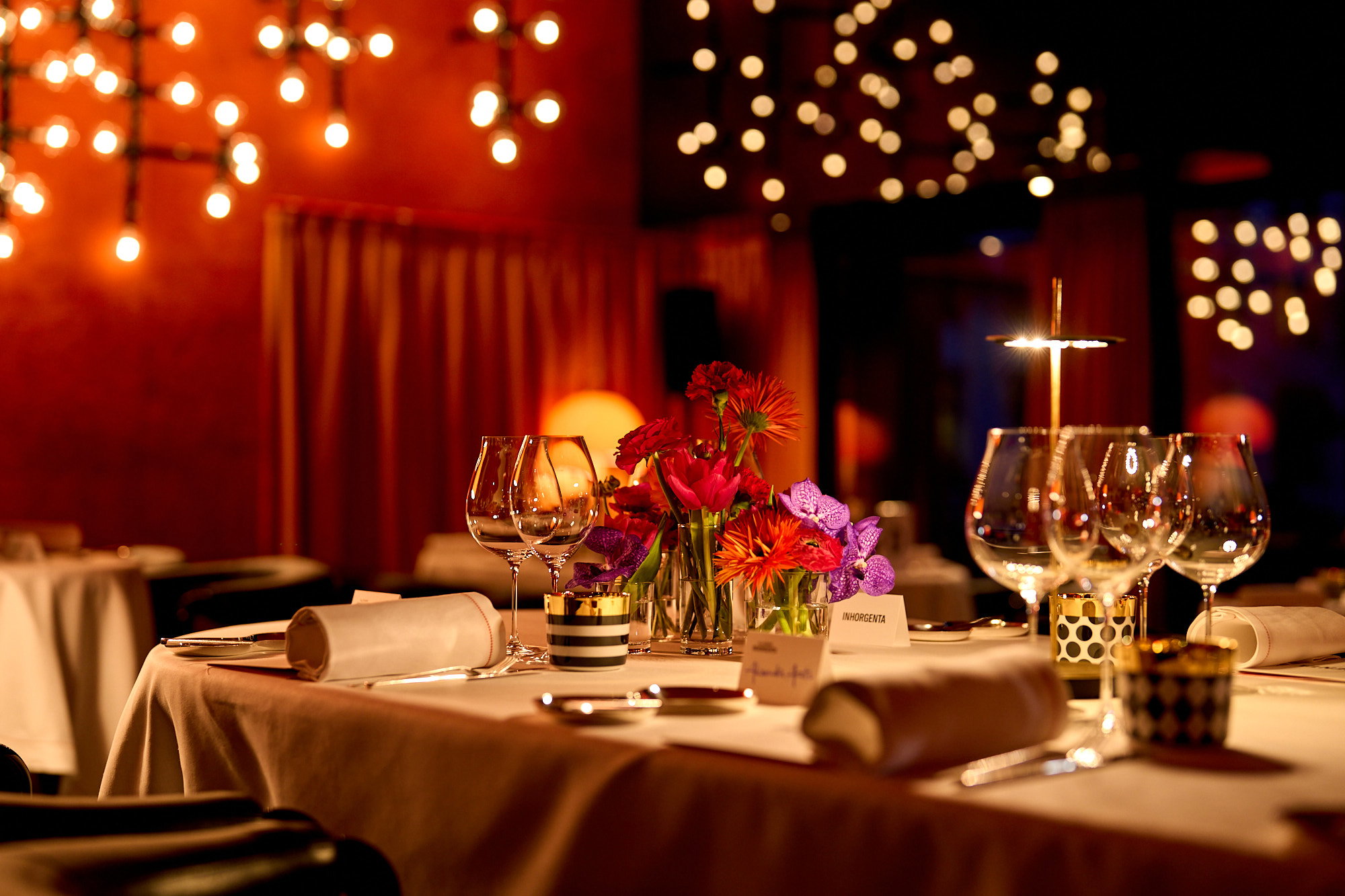
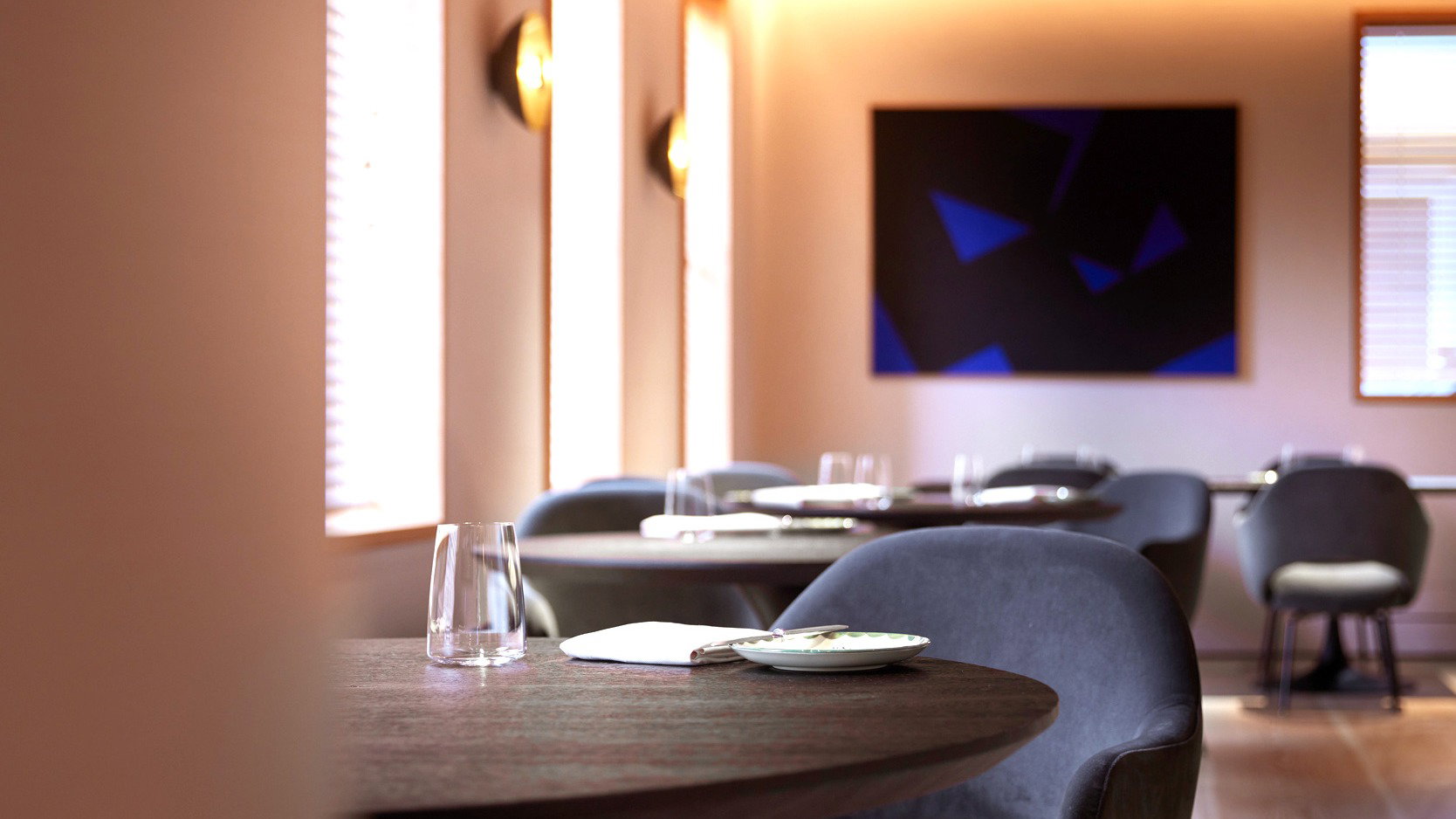
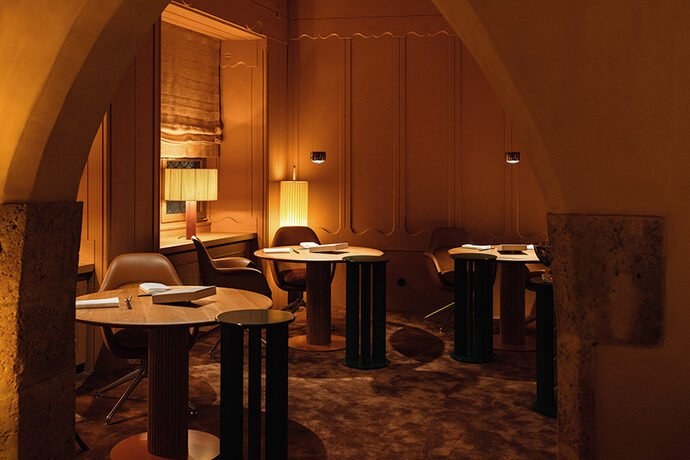
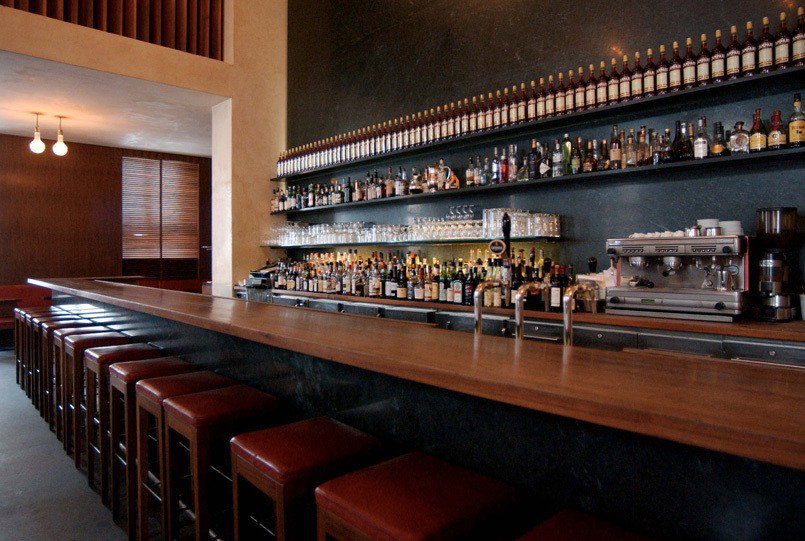
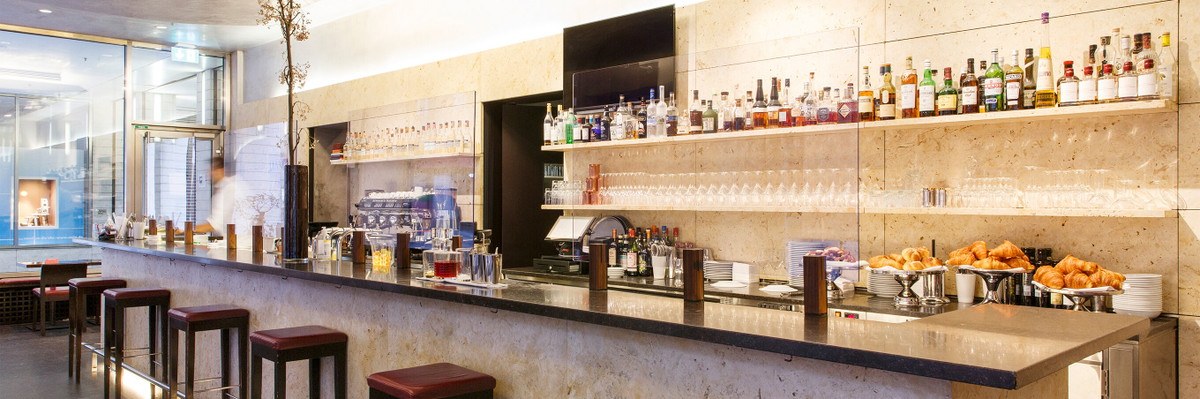
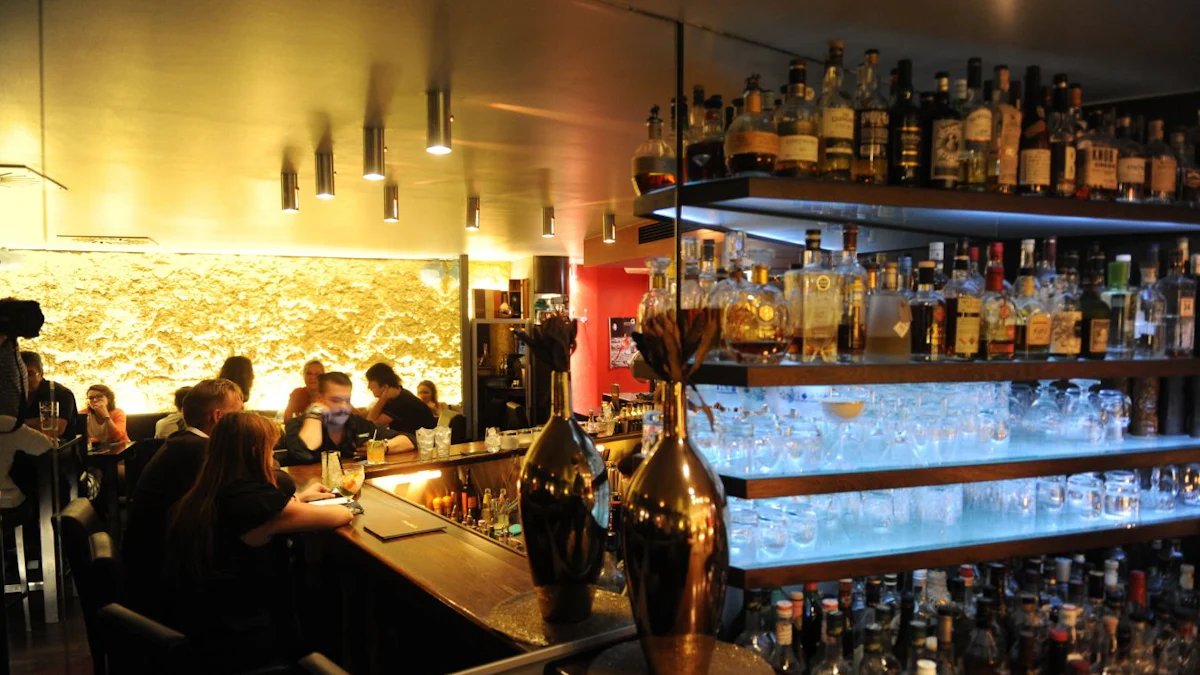
Inviting and calming with indirect lighting, modern design, soundproofed rooms, and a cozy yet luxurious atmosphere that feels rejuvenating.
Tags
Vibe
Best For
Experience
Amenities
View
Accessibility
About the Stay
- Rooms
- 72
- Check-in
- 15:00
- Check-out
- 11:00
- Property Type
- Boutique hotel
- Property Style
- Luxury Boutique Hotel with Handcrafted Interior Design Using Natural Materials, Elegant Modern Aesthetic with Parisian Metro Inspired Tiling.
- Design Style
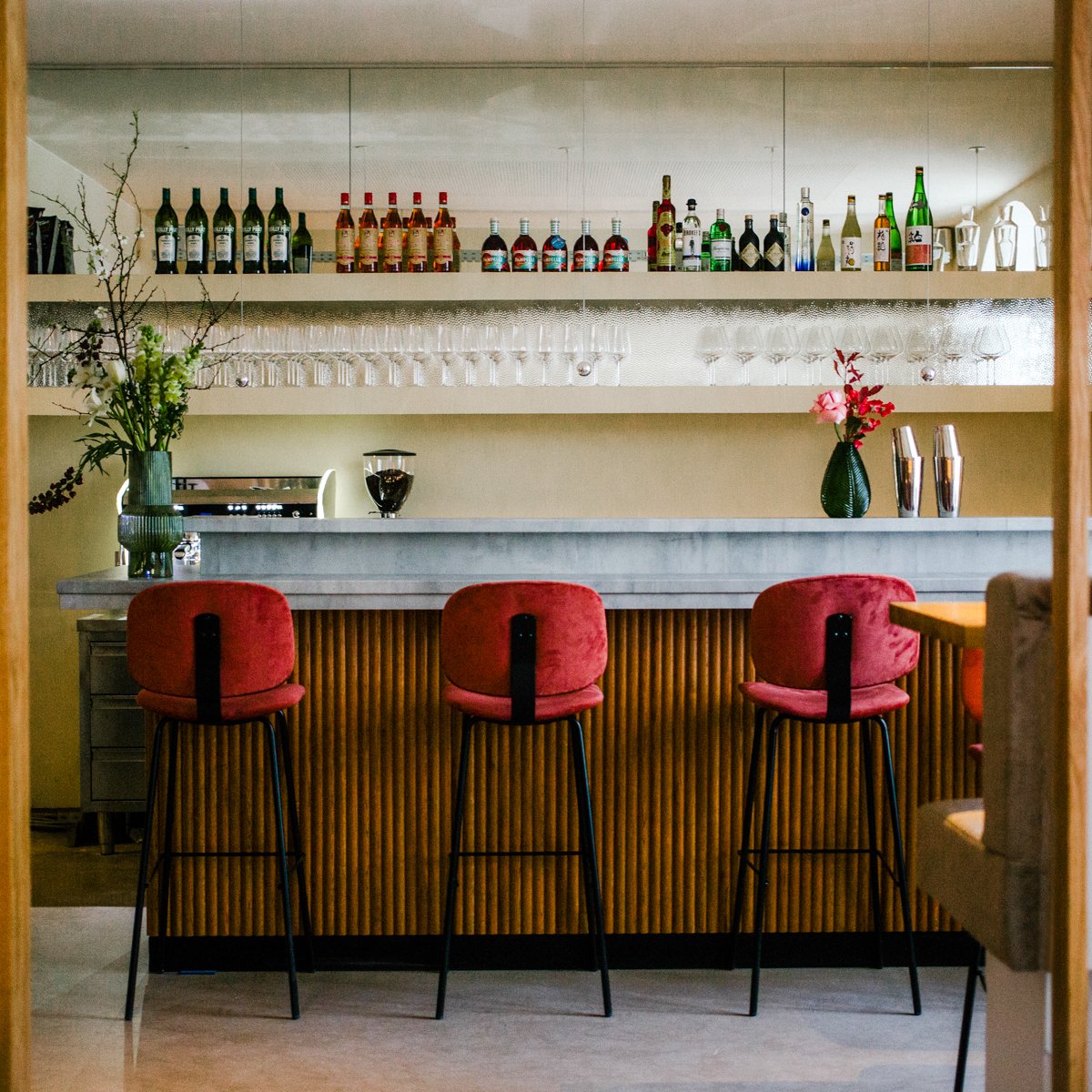
- Contemporary Luxury with Handmade Walnut and Oak Furnishings, Natural Stone, Elegant Tiling, Indirect Lighting, and Minimalist Design Elements.
- Airport Transfer
- Available
- Spa
- Yes
- Pets
- Allowed
- Families
- Welcome
- Cancellation
- Moderate
Know before you go
Know Before You Go
- Getting there
- Viktualienmarkt, 6, Munich 80331, Germany
Planning details
Location
Recognition and awards
Also consider
Where to look if this is not the fit
If LOUIS Hotel is priced above comfort, try Cortiina Hotel for a boutique Munich alternative. If the trip calls for more luxury infrastructure, Mandarin Oriental Munich is the cleaner upgrade path.
Hotel context
How LOUIS Hotel compares in Munich
Choose LOUIS Hotel over Hotel Lux if design credibility and a calmer hotel feel matter more than a lower-friction city crash pad. It is also the more location-led choice for readers who want Viktualienmarkt as the trip anchor rather than a broader Munich base.
BEYOND by Geisel is the sharper cross-shop for travelers who want an intimate, high-touch central stay, while Cortiina Hotel fits readers who like boutique Munich without putting the market address at the center of the decision. LOUIS Hotel is the safer pick when the itinerary is old town first, room second.
For a heavier luxury stay, compare Mandarin Oriental Munich; it is the better fit for guests prioritizing spa-style amenities and polished service depth. Do & Co Hotel Munich is the stronger choice for a more social, dining-adjacent city stay. LOUIS Hotel lands between them: design-forward, central, and easier to justify when location is the main spend.
Around this place
Discover more on Pearl
Unlock the full LOUIS Hotel guide in Pearl, including awards, comparisons, FAQs, planning details, and nearby places.
Compare LOUIS Hotel
| Venue | Location | Awards |
|---|---|---|
| LOUIS Hotel | Munich | 2026 Design Hotels Collection2025 Michelin Selected Hotels |
| BEYOND by Geisel | Munich | 2026 Virtuoso Luxury Hotel Collection2026 Michelin 1 Key2025 Michelin 1 KeyPreferred Hotels L.V.X. Collection 2025 |
| Hotel Lux | Munich | No published awards |
| Cortiina Hotel | Munich | 2026 Design Hotels Collection2026 Michelin 1 Key2025 Michelin 1 Key |
| Do & Co Hotel Munich | Munich | 2026 Michelin 1 Key2025 Michelin 1 Key |
| Mandarin Oriental Munich | Munich | 2026 Forbes 4-Star2026 Virtuoso Luxury Hotel Collection2026 La Liste Top Hotels2026 Michelin 2 Keys2025 Michelin 2 Keys2025 Forbes 4-Star2024 Michelin 2 Keys |






How LOUIS Hotel Munich compares with similar nearby venues.
FAQ
Frequently Asked Questions
How is the dining at LOUIS Hotel?
Dining at LOUIS Hotel should be confirmed directly with the hotel, and Munich restaurant planning can be handled separately if food is central to the trip.
How is the location of LOUIS Hotel?
LOUIS Hotel is in Munich. Location-sensitive travelers should confirm the exact position before booking.
When is the best time to book LOUIS Hotel?
If your dates are fixed, compare current availability and cancellation terms before committing.
How does LOUIS Hotel compare to other Munich hotels?
Choose LOUIS Hotel if you want a Munich hotel with Design Hotels membership and MICHELIN Guide hotel selection. Mandarin Oriental Munich, BEYOND by Geisel, Cortiina Hotel, Do & Co Hotel Munich, and Hotel Lux are other Munich options to compare depending on your budget, style preference, and booking needs.
Do loyalty programs work at LOUIS Hotel?
The recognition signal here is LOUIS Hotel's 2026 Design Hotels Member status.