
The Xcape River Kwai
Mueang Kanchanaburi
Hotel in Mueang Kanchanaburi, Thailand
 Book with Pearl
Why go
The Xcape River Kwai is worth considering if the point of the trip is a slower Kanchanaburi stay by the River Kwai rather than Bangkok convenience. MICHELIN Guide hotel recognition gives it a useful trust signal, but verified details on dining, room categories, and pricing are limited, so confirm logistics before committing.
About The Xcape River Kwai
For a Mueang Kanchanaburi trip, The Xcape River Kwai is a hotel with MICHELIN Guide, Hotels Selected recognition for 2025, giving the property a clear place in the planning conversation. Assess it with practical stay details in mind, and confirm essentials directly before booking.
Use The Xcape River Kwai as a Mueang Kanchanaburi hotel option, with the booking decision guided by the elements that will matter to the specific trip. Travelers should check current room information, arrival logistics, and any on-site services through the venue's official channels before committing, especially if those details will affect the itinerary or the overall comfort of the stay.
Choose it as a Mueang Kanchanaburi hotel option
The key distinction is its MICHELIN Guide hotel recognition. Other named comparison hotels include Avani+ Riverside Bangkok Hotel, The StandardX, Bangkok Phra Arthit, The Siam, Chakrabongse Villas, and Siri Sala Private Thai Villa. The Xcape River Kwai is the Mueang Kanchanaburi option in that set, which makes its role straightforward: it is the property to look at when the destination is Mueang Kanchanaburi rather than one of the other locations represented by those hotels.
Keep the booking decision practical: confirm the room type, arrival plan, and any dining or amenity details directly with the hotel. This keeps the decision tied to information that is current, specific, and relevant to the stay itself. If Mueang Kanchanaburi is central to the trip, The Xcape River Kwai belongs on the shortlist; if the trip depends on another city, compare it with hotels based there and let the destination guide the choice.
Planning details
- Location
- 138, Nong Ya, Mueang Kanchanaburi District, Kanchanaburi 71000, Thailand
- Website
- xcapehotels.com
- Phone
- +66 34 552 124
The take
The Take
The Vibe
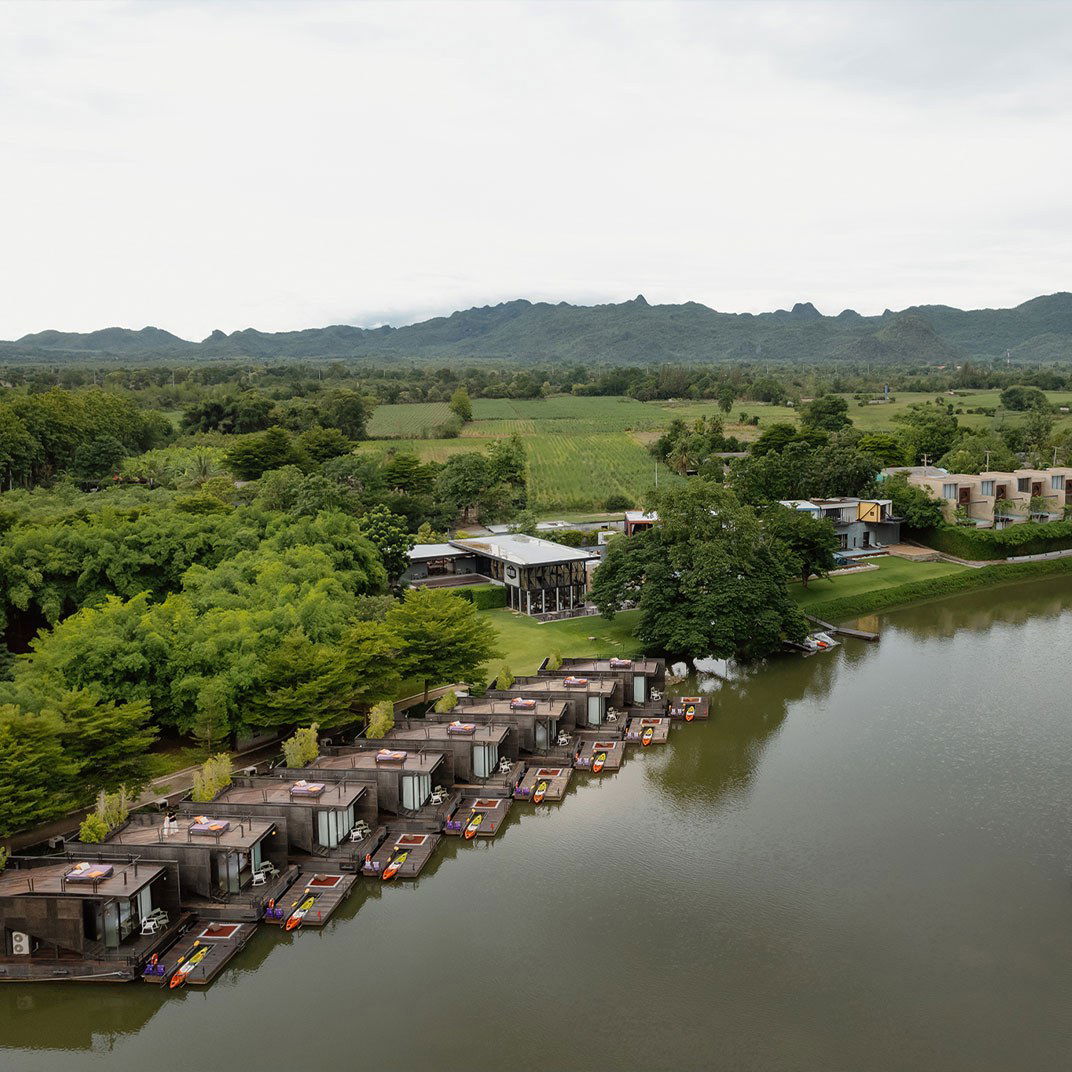
The Xcape River Kwai frames its identity around the river: morning mist, slow-moving water and timber structures form the sensory backbone of a composed, low-key retreat. The property reads as a considered river stay that balances modern structural intention with the rustic language of local waterfront accommodation. Its inclusion in the Michelin Guide’s Selected Hotels list signals an attentiveness to quality without the excesses of grand palace hotels—this is a refined, quietly appointed stop that foregrounds scenery and calm rather than nightlife or urban spectacle. The overall tone is serene and intentionally restrained.
Best For
This hotel is best for travelers who want to center their trip on the river and the surrounding landscape—couples seeking a serene romantic escape, families looking for a quieter base for exploring Kanchanaburi, and weekend visitors who prefer staying on the water rather than in town. It also suits history-minded guests who are visiting the province’s notable sites, since the property sits outside the town centre but within reach of the region’s key memorials and attractions. The setting rewards multi-night stays that let guests settle into the pace of the river.
Stay Tips
Book with the river placement in mind: the description stresses that physical placement matters, so request a room that faces the Kwai if river views and the sounds of current are important to you. Factor travel time into plans—the property sits roughly three hours by road west of Bangkok—so arrive with at least an overnight or weekend buffer rather than attempting a rushed day trip. The Michelin Selected designation indicates a quality threshold, so treat reservations as considered stays rather than ad-hoc stops when planning an itinerary.
Venue details
Ambiance
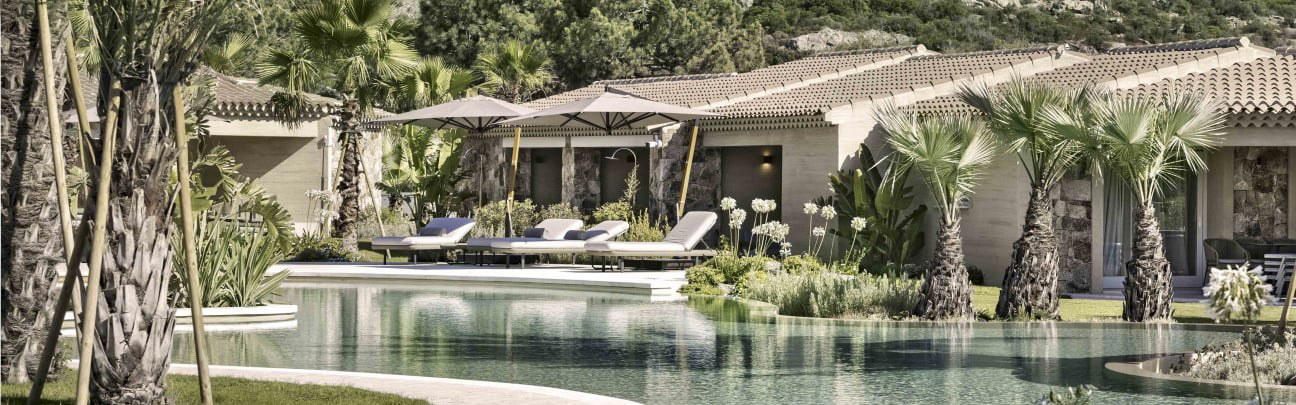
Indoor-outdoor design with sleek nature retreats featuring wood and stone, floor-to-ceiling windows, private decks overlooking the water, and industrial-chic spa.
Tags
Vibe
Best For
Experience
Amenities
View
About the Stay
- Rooms
- 32
- Check-in
- 15:00
- Check-out
- 11:00
- Property Style
- Modern Design Led Riverside Resort with Eclectic Cabins and Villas
- Design Style
- Contemporary Architecture Blending Industrial Chic and Natural Materials Inspired by Frank Lloyd Wright
Know before you go
Know Before You Go
- Getting there
- 138, Nong Ya, Mueang Kanchanaburi District, Kanchanaburi 71000, Thailand
Planning details
Location
138, Nong Ya, Mueang Kanchanaburi District, Kanchanaburi 71000, Thailand · Directions
Recognition and awards
Also consider
Also Consider
- Siri Sala Private Thai Villa, Notable alternative
- The StandardX, Bangkok Phra Arthit, Notable alternative
- Chakrabongse Villas, Notable alternative
- The Siam, Notable alternative
- Avani+ Riverside Bangkok Hotel, Notable alternative
Hotel context
How It Compares
The Xcape River Kwai is the practical pick for travelers who specifically want Mueang Kanchanaburi and the River Kwai setting. The StandardX, Bangkok Phra Arthit and Avani+ Riverside Bangkok Hotel are easier choices for Bangkok access, restaurants, and short stays, but they do not solve the Kanchanaburi brief.
For a more private, villa-led stay, compare it with Siri Sala Private Thai Villa and Chakrabongse Villas. Those make more sense for groups or travelers who want a self-contained Bangkok stay; The Xcape River Kwai is the better fit when the location itself is the reason to travel.
The Siam is the stronger splurge comparison for a Bangkok luxury stay with more city infrastructure around it. Choose The Xcape River Kwai for a lower-friction Kanchanaburi escape; choose the Bangkok peers if dining choice, transfers, and urban polish matter more than the River Kwai setting.
Explore Mueang Kanchanaburi
Around this place
Discover more on Pearl
Unlock the full The Xcape River Kwai guide in Pearl, including awards, comparisons, FAQs, planning details, and nearby places.
Compare The Xcape River Kwai
| Venue | Location | Awards |
|---|---|---|
| The Xcape River Kwai | Mueang Kanchanaburi | 2025 Michelin Selected Hotels |
| Siri Sala Private Thai Villa | Bangkok | 2025 Michelin Selected HotelsSmall Luxury Hotels Member 2025 |
| The StandardX, Bangkok Phra Arthit | Bangkok | No published awards |
| Chakrabongse Villas | Bangkok | 2026 La Liste Top Hotels2025 Michelin Selected Hotels |
| The Siam | Bangkok | 2026 Virtuoso Luxury Hotel Collection2026 Mr & Mrs Smith Luxury Hotels2026 La Liste Top Hotels2025 World’s 50 Best Hotels · #70Tatler Best Hotels Asia-Pacific 20252025 Michelin 3 Keys2024 World's 50 Best Hotels · #262024 Michelin 3 Keys2023 World's 50 Best Hotels · #42 |
| Avani+ Riverside Bangkok Hotel | Bangkok | 2026 La Liste Top Hotels |






How The Xcape River Kwai compares with similar nearby venues.
FAQ
Frequently Asked Questions
Is The Xcape River Kwai family-friendly?
The Xcape River Kwai is in Mueang Kanchanaburi and has MICHELIN Guide, Hotels Selected recognition for 2025. Families should confirm room setup, bedding, child policies, and any relevant services directly with the hotel before booking.
How is the dining at The Xcape River Kwai?
How does The Xcape River Kwai compare to other hotels?
The Xcape River Kwai is the Mueang Kanchanaburi option among the named comparison hotels. Other comparison names include Avani+ Riverside Bangkok Hotel, The StandardX, Bangkok Phra Arthit, The Siam, Chakrabongse Villas, and Siri Sala Private Thai Villa. Choose based on where your trip needs to be based, then confirm the current hotel details directly.