


La Bastide de Moustiers
Moustiers-Sainte-Marie
Hotel in Moustiers-Sainte-Marie, France
 Book with Pearl
The Read
Ducasse's Provençal Farmhouse
Why go
La Bastide de Moustiers is worth booking for a quiet, food-led Provence stay near Moustiers-Sainte-Marie, especially if the trip is built around the Verdon area rather than tight business logistics. Its Michelin Key and La Liste recognition give it credibility, but the format suits couples, small senior trips, and first-timers with a car more than schedule-heavy work travel.
About La Bastide de Moustiers
La Bastide de Moustiers is a hotel in Moustiers-Sainte-Marie with two recognition points: Michelin 1 Key in 2024 and La Liste Top Hotels 2026 at 90pts. The dress code is smart casual.
For a first stay in Moustiers-Sainte-Marie, the clearest reason to keep it on the shortlist is its premium recognition. It is best approached as a property to verify carefully before booking, especially if the trip depends on particular amenities, dining arrangements, transfer plans, or event requirements.
Choose it for confirmed recognition, not service assumptions
The strongest grounded case for La Bastide de Moustiers is simple: it has a Michelin 1 Key and a 90-point La Liste Top Hotels listing for 2026. Those signals make it relevant for travelers who want a more considered hotel choice in Moustiers-Sainte-Marie.
What should not be assumed is equally important. There is no detail here for capacity, event setup, room count, restaurant format, cuisine, pricing, or transport logistics. If those points matter, confirm them directly before treating the hotel as the right fit.
The dining angle should be before it drives the booking
La Bastide de Moustiers may be relevant for travelers who care about the overall hotel experience, but there is no cuisine style, menu format, service schedule, or price detail in the record provided here. Do not build the booking decision around a specific dining claim unless the property confirms it.
The safest planning approach is to treat the hotel as a premium Moustiers-Sainte-Marie option with confirmed recognition, then check current details directly. That is especially important for any trip where dining, timing, dietary needs, or booking method will affect the itinerary.
Who should cross-shop before committing
Travelers comparing options can also look at Hotel des Gorges du Verdon, La Bonne Étape, and Lou Calen, depending on the wider Provence itinerary and the type of stay they want to confirm. Château de Berne and Le Couvent des Minimes, Un Hôtel & Spa L'Occitane en Provence may also be useful reference points for a broader regional hotel search.
The verdict: book La Bastide de Moustiers when its recognition and Moustiers-Sainte-Marie setting match the trip, and when any required details have been checked directly. Skip making assumptions about amenities, dining, logistics, or group suitability without confirmation.
Part of
Alain Ducasse28 locations on PearlInside La Bastide de Moustiers
Planning details
- Location
- 511 Chem. de Quinson, 04360 Moustiers-Sainte-Marie
- Website
- bastide-moustiers.com/fr
- Phone
- +33 4 92 70 47 47
The take
The Take
The Vibe
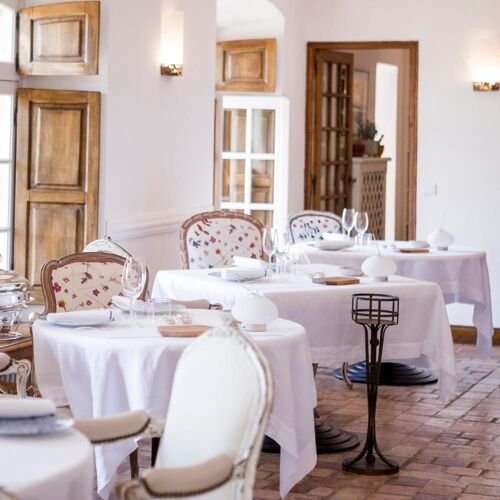
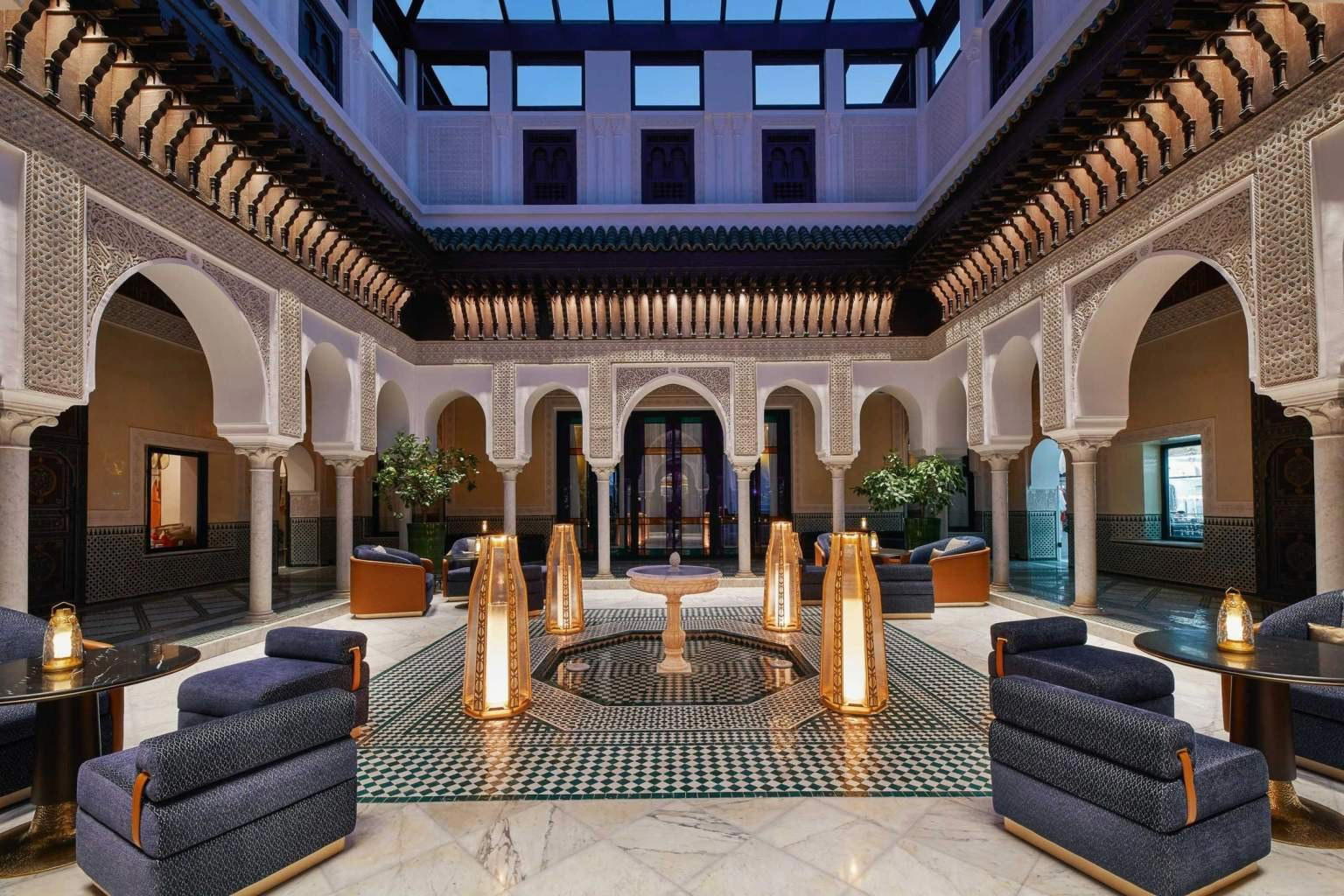
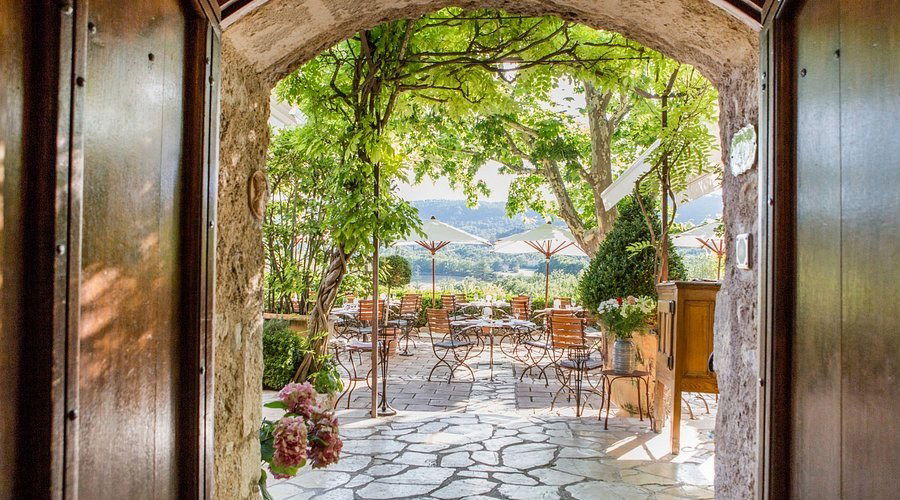
La Bastide de Moustiers reads like an authentic Provençal house rather than a themed hotel. The 17th-century stone structure, thick walls and terracotta floors foreground the building's history, while Tonia Peyrot’s careful refresh keeps the rooms domestic and restrained. Gardens spill into lavender fields and olive groves, and paths meander rather than direct — a quietly charming, serene composition that feels native to this more rugged corner of the Alpes de Haute Provence. The property’s modest scale and attention to local materials produces an intimate, historically grounded atmosphere rather than a polished, stage-set version of Provence.
Best For
This is an ideal stay for couples and quietly minded travelers who want to be away from the main tourist circuit and close to the natural drama of the Gorges du Verdon. With only thirteen rooms and a domestic scale, the house suits romantic getaways, anniversaries and weekend escapes where privacy and a measured pace matter. Guests who appreciate architecture and restrained design will enjoy the dialogue between the 17th-century fabric and the carefully considered interiors; food-minded visitors will value proximity to the kitchen garden and the on-site restaurant that uses it.
Stay Tips
Allow time to explore the gardens and surrounding lavender fields; the grounds are a central part of the experience and the kitchen garden feeds the hotel restaurant. Plan to dine on-site to see how the productive garden informs the menu. Expect modest, domestic-scaled rooms rather than palatial suites—the hotel’s charm is its restraint and historic character. Because the property sits off the main tourist circuit and emphasizes a quiet, contemplative pace, factor in travel time if you are coming from busier Provençal hubs, and use the stay as a base for visiting the Gorges du Verdon.
Venue details
Ambiance
Peaceful and serene with warm Provençal elegance, shaded terraces overlooking lush gardens and valleys, and a relaxed yet sophisticated country atmosphere.
Tags
Vibe
Best For
Experience
Amenities
View
Accessibility
About the Stay
- Rooms
- 13
- Property Style
- Provençal Country House with Pavilions in a Park Setting
- Design Style
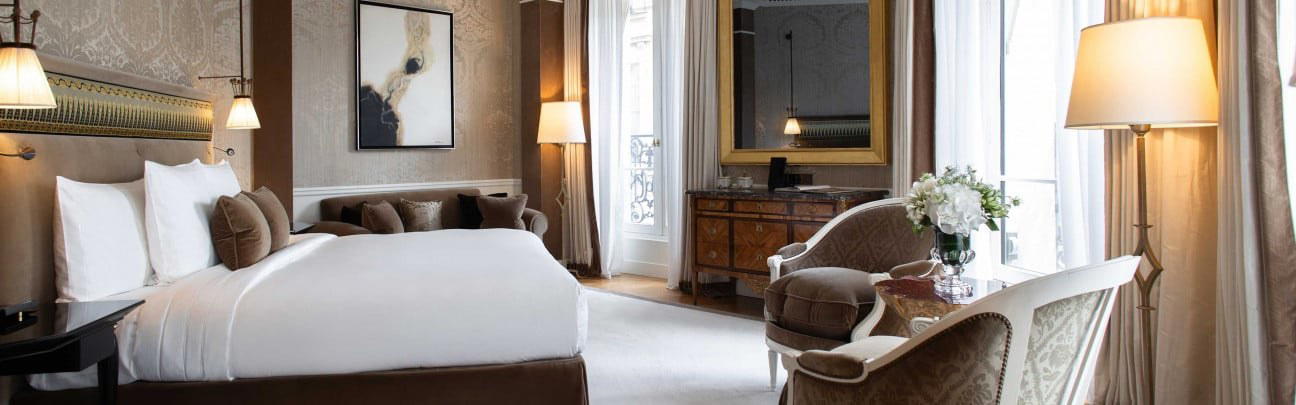
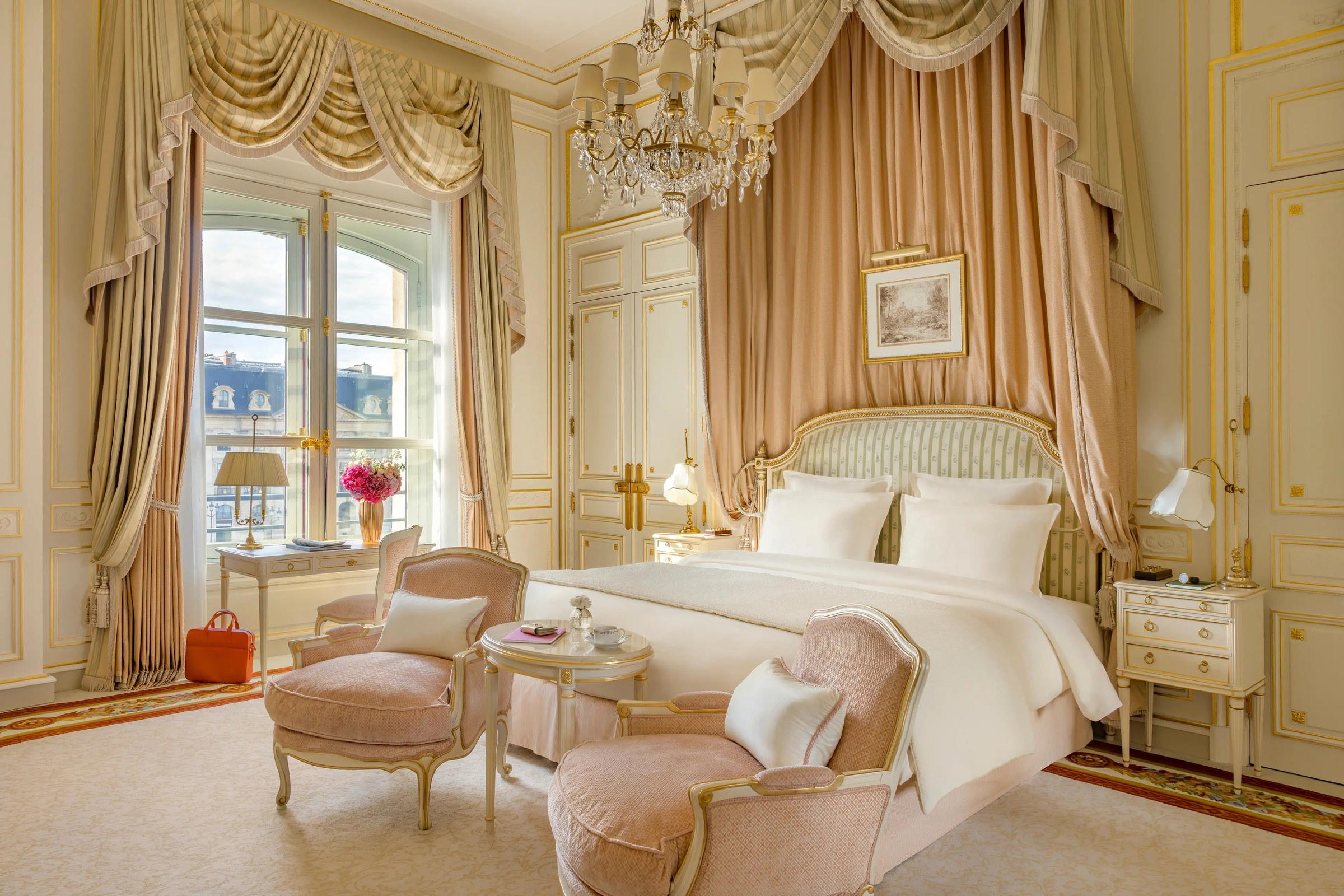
- Uniquely Decorated Rooms Blending Rustic Charm with Elegant Comfort, Featuring Fireplaces, Terracotta Tiles, and Views
Know before you go
Know Before You Go
- Getting there
- 511 Chem. de Quinson, 04360 Moustiers-Sainte-Marie
Planning details
Location
511 Chem. de Quinson, 04360 Moustiers-Sainte-Marie · Directions
Recognition and awards


Also consider
Also Consider
- Hotel des Gorges du Verdon, Notable alternative
- La Bonne Étape, Notable alternative
- Lou Calen, Notable alternative
- Le Couvent des Minimes, Un Hôtel & Spa L'Occitane en Provence, Notable alternative
- Château de Berne, Notable alternative
Hotel context
Among the nearby countryside options, La Bastide de Moustiers is the stronger pick when atmosphere and a food-led stay matter more than convenience. Hotel des Gorges du Verdon is the more obvious cross-shop for travelers prioritising Verdon access and scenery, while La Bastide de Moustiers is better for guests who want the hotel itself to carry the evening.
La Bonne Étape is the practical alternative for a classic Provence stop with a hospitality-and-dining focus. Lou Calen should be on the list if the reader wants a village-based stay with a different pace. For a broader resort-style Provence choice, compare Le Couvent des Minimes, Un Hôtel & Spa L'Occitane en Provence and Château de Berne, both of which make more sense when spa, estate, or resort infrastructure matters.
Value depends on the trip type. La Bastide de Moustiers is the better bet for a contained, quiet countryside stay near Moustiers-Sainte-Marie; Hotel des Gorges du Verdon is easier to justify for a view-led Verdon itinerary; La Bonne Étape is the safer cross-shop for a traditional Provence hotel stop. If booking difficulty becomes an issue, start with Lou Calen or La Bonne Étape before widening to the resort properties.
Explore Moustiers-Sainte-Marie
Around this place
Discover more on Pearl
Unlock the full La Bastide de Moustiers guide in Pearl, including awards, comparisons, FAQs, planning details, and nearby places.
Compare La Bastide de Moustiers
| Venue | Location | Awards |
|---|---|---|
| La Bastide de Moustiers | Moustiers-Sainte-Marie | 2026 Vogue Best Hotels in Provence2026 La Liste Top HotelsMichelin 1 Key 20252025 Michelin 1 Key2024 Michelin 1 Key |
| Hotel des Gorges du Verdon | La Palud Sur Verdon | No published awards |
| La Bonne Étape | Château-Arnoux-Saint-Auban | 2026 Relais Chateaux Hotels2025 Relais Chateaux Award2025 Michelin 1 Key2024 Michelin 1 Key |
| Lou Calen | Cotignac | No published awards |
| Le Couvent des Minimes, Un Hôtel & Spa L'Occitane en Provence | Mane | 2026 Virtuoso Luxury Hotel Collection2026 Relais Chateaux Hotels2025 Relais Chateaux Award |
| Château de Berne | Lorgues | 2026 Forbes Recommended2026 Virtuoso Luxury Hotel Collection2026 Relais Chateaux Hotels2026 La Liste Top Hotels2025 Conde Nast Best Hotels · #20World Luxury Hotel Awards 20252025 Michelin 1 Key2025 Gault & Millau Exceptional Hotel2025 Relais Chateaux Award |






How La Bastide de Moustiers compares with similar nearby venues.
FAQ
Frequently Asked Questions
Is La Bastide de Moustiers family-friendly?
La Bastide de Moustiers is in Moustiers-Sainte-Marie, has Michelin 1 Key recognition, and has a smart casual dress code. Families should confirm room setup, services, and any child-related policies directly before booking.
When is the best time to book La Bastide de Moustiers?
La Bastide de Moustiers has premium recognition, so travelers with fixed dates should check availability directly and avoid relying on assumptions about demand or timing.
How is the location of La Bastide de Moustiers?
How does La Bastide de Moustiers compare to other hotels?
La Bastide de Moustiers stands out for Michelin 1 Key recognition and a 90-point La Liste Top Hotels 2026 listing. Travelers can also compare it with Château de Berne, Hotel des Gorges du Verdon, La Bonne Étape, Le Couvent des Minimes, Un Hôtel & Spa L'Occitane en Provence, and Lou Calen, while confirming each property's current services directly.