
Hotel Leone
Montelparo
Hotel in Montelparo, Italy
 Book with Pearl
The Read
Price
$100–200per night
Why go
Hotel Leone is a good fit if Montelparo is the point of the trip. It suits quiet celebrations, small work retreats, and travelers who want a Michelin-selected hotel in a village setting; cross-shop spa and resort peers if facilities, loyalty perks, or a larger on-property setup matter more.
About Hotel Leone
Hotel Leone is a hotel in Montelparo with a smart-casual dress code and confirmed MICHELIN Guide Hotels Selected recognition for 2025.
The clearest third-party signal is the MICHELIN Guide Hotels Selected 2025 recognition. That makes Hotel Leone worth considering for travelers specifically looking at Montelparo and wanting a hotel with a confirmed guide listing, while leaving practical details such as rooms, amenities, and on-property services to be checked directly before booking.
Quiet village base, better for focused stays than resort-style downtime
Hotel Leone is in Montelparo.
For planning, treat the hotel as a Montelparo stay with confirmed MICHELIN hotel-selection recognition and a smart-casual dress code. If a trip depends on specific amenities, transport convenience, family facilities, or a particular dining arrangement, confirm those details with the hotel before making the reservation.
Who should book it, and who should cross-shop
Book Hotel Leone if the priority is staying in Montelparo at a property with confirmed MICHELIN Guide Hotels Selected 2025 recognition. It is less suitable to choose solely on the basis of assumptions about facilities, loyalty benefits, pricing, or service format.
For a special occasion, business stop, or longer stay, the practical approach is to verify the details that matter most for your itinerary before booking.
For broader planning, compare Hotel Leone with other regional hotel options such as Filodivino Wine Resort & Spa, Interno Marche Design Experience Hotel, Palazzo Seneca, Torre Del Nera Albergo Diffuso Spa, and Villa Corallo according to the specific features you need. Choose Hotel Leone when Montelparo and its confirmed MICHELIN hotel-selection recognition are the main fit.
Planning details
- Location
- Via Vittorio Emanuele II', 60, 63853 Montelparo FM, Italy
- Website
- hotelleonemarche.com
- Phone
- +39 340 416 6054
The take
The Take
The Vibe
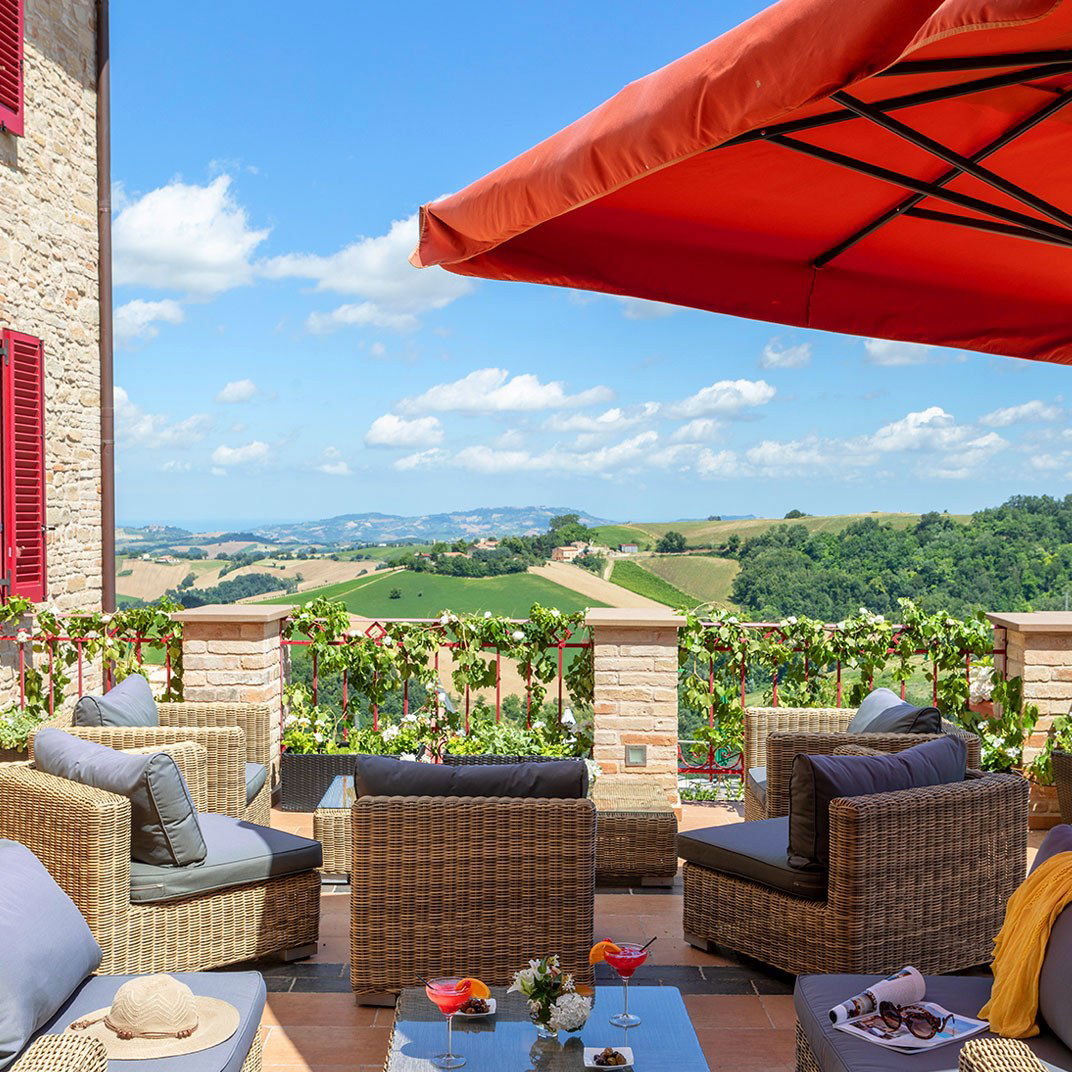
Hotel Leone sits at the heart of Montelparo’s main street, and its character is inseparable from the town’s layered history. Rooms and common spaces occupy a building that reads like a timeline: Romanesque foundations, Renaissance facades and later interventions combine to create a quietly historic, classic atmosphere. The setting is compact and picturesque (stone streets, terracotta rooflines and a campanile framed by the Sibillini range) and the hotel feels integrated with everyday town life rather than set apart. Guests seeking an authentic, understated stay in a hilltop Italian comune will find the property’s historic personality the principal draw.
Best For
This property is best for travelers who prize authenticity over resort-style programming. It suits couples and small groups who want a peaceful base for exploring Le Marche’s interior: wandering medieval streets, admiring local architecture and enjoying mountain-framed skylines. The hotel’s MICHELIN Selected distinction signals a reliable standard of hospitality in a destination that otherwise lacks large-scale amenities, so it also works well for anyone looking for a thoughtfully run, quietly refined stay rather than a full-service resort experience.
Stay Tips
Expect a hotel embedded in the town’s main street rather than a remote resort: Hotel Leone occupies Via Vittorio Emanuele II, and the approach along the provincial road emphasizes the town’s skyline and views toward the Sibillini range. Hotel Leone has no shuttle services or concierge-led spa programming, so plan logistics accordingly and embrace the town’s self-contained rhythm. The MICHELIN Selected note is a helpful signal of quality; use it as reassurance of attentive hospitality in a small, historically layered hilltop setting.
Venue details
Ambiance
Tranquil and peaceful with romantic lighting, comfortable beds, and a relaxing atmosphere praised in guest reviews.
Tags
Vibe
Best For
Experience
Amenities
View
About the Stay
- Rooms
- 12
- Check-in
- 15:00
- Check-out
- 11:00
- Property Type
- Boutique hotel
- Property Style
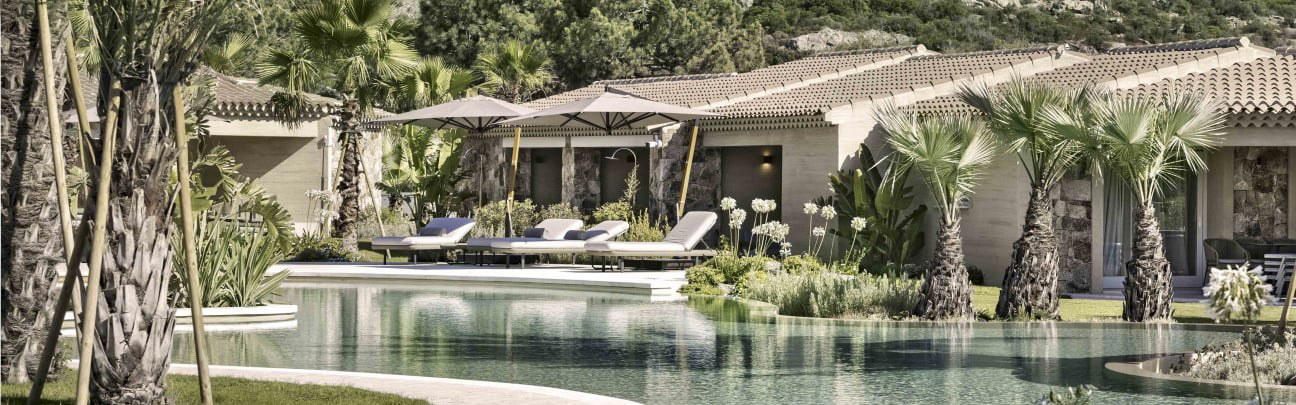
- Historic 16th Century Palazzo Restored with Modern Comforts
- Design Style
- Mix of Traditional Italian, Ethnic, and Modern Styles with Antique Furniture
- Pool
- Yes
- Cancellation
- Moderate
Know before you go
Know Before You Go
- Getting there
- Via Vittorio Emanuele II', 60, 63853 Montelparo FM, Italy
Planning details
Location
Via Vittorio Emanuele II', 60, 63853 Montelparo FM, Italy · Directions
Recognition and awards
Also consider
Also Consider
- Interno Marche Design Experience Hotel, Notable alternative
- Villa Corallo, Notable alternative
- Palazzo Seneca, Notable alternative
- Filodivino Wine Resort & Spa, Notable alternative
- Torre Del Nera Albergo Diffuso Spa, Notable alternative
Hotel context
How it compares with nearby hotel options
Choose Hotel Leone if the priority is a quieter Montelparo base with easier planning and a more intimate feel. Interno Marche Design Experience Hotel is the better cross-shop for travelers who want a design-led stay, while Filodivino Wine Resort & Spa makes more sense when wine-country downtime and spa-style facilities matter more than village calm.
For a higher-commitment destination feel, compare Palazzo Seneca and Torre Del Nera Albergo Diffuso Spa. Those are stronger candidates for guests who want the hotel itself to fill more of the itinerary. Hotel Leone is the leaner choice for travelers who want recognition, atmosphere, and a simpler base rather than a facilities-heavy stay.
Villa Corallo is the practical alternative to check if availability or room fit does not line up here. For couples and small work trips, Hotel Leone remains the cleaner recommendation when quiet and low booking friction matter; for groups or spa-first weekends, the resort peers are safer.
Explore Montelparo
Around this place
Discover more on Pearl
Unlock the full Hotel Leone guide in Pearl, including awards, comparisons, FAQs, planning details, and nearby places.
Compare Hotel Leone
| Venue | Location | Awards |
|---|---|---|
| Hotel Leone | Montelparo | 2025 Michelin Selected Hotels |
| Interno Marche Design Experience Hotel | Tolentino | No published awards |
| Villa Corallo | Sant'Omero | 2026 Michelin 1 Key2025 Michelin 1 Key |
| Palazzo Seneca | Norcia | 2026 Virtuoso Luxury Hotel Collection2026 Mr & Mrs Smith Luxury Hotels2026 Relais Chateaux Hotels2025 Michelin Selected Hotels2025 Relais Chateaux Award |
| Filodivino Wine Resort & Spa | San Marcello | No published awards |
| Torre Del Nera Albergo Diffuso Spa | Scheggino | No published awards |




How Hotel Leone Montelparo compares with similar nearby venues.
FAQ
Frequently Asked Questions
How does Hotel Leone compare to nearby hotels?
Choose Hotel Leone if you specifically want a stay in Montelparo with confirmed MICHELIN Guide Hotels Selected 2025 recognition. For other regional options, compare it with Filodivino Wine Resort & Spa, Interno Marche Design Experience Hotel, Palazzo Seneca, Torre Del Nera Albergo Diffuso Spa, or Villa Corallo based on the facilities and setting you need.
When is the best time to book Hotel Leone?
Book when your Montelparo dates are firm, especially if Hotel Leone is central to your itinerary. The confirmed MICHELIN Guide Hotels Selected 2025 recognition is a useful reason to check availability early, but current booking conditions should be directly with the property.