
Monjuso Shorotei
Amanohashidate, Miyazu
Hotel in Miyazu, Japan
 Book with Pearl
The Read
Price
$300–500per night
Why go
Monjuso Shorotei is worth considering for a quiet ryokan stay in Miyazu, especially if wellness means baths, calm rooms, and a slower pace rather than a large spa resort. The MICHELIN Guide Hotels Selected nod for 2025 is the main trust signal; confirm inclusions and bath details before paying a premium.
About Monjuso Shorotei
Monjuso Shorotei in Miyazu is listed in the MICHELIN Guide, Hotels Selected (2025). Before booking, check facilities, room types, rates, service format, and included amenities directly with the property or booking channel.
A hotel choice to research carefully in Miyazu
Consider Monjuso Shorotei if you are planning a stay in Miyazu and want a property with MICHELIN Guide Hotels Selected (2025) recognition. Review the details of the stay experience before assuming a particular style, amenity level, or service format.
Before paying a premium, confirm the practical details that matter for your trip: room category, rate inclusions, arrival timing, bath or wellness facilities, meal arrangements, and cancellation terms. If those details match your needs, the MICHELIN Guide selection gives the property a credible reason to be on your Miyazu shortlist.
What to check before committing
Reservations: confirm current availability and booking terms directly with the property or your booking channel. Budget: compare the quoted rate against what is included before assuming value. Dress: follow the property's current guidance if any is provided. Location: Monjuso Shorotei is in Miyazu. For broader planning, compare other Miyazu stay and dining options, then confirm the details that matter directly with each venue or booking channel.
Planning details
- Location
- 466 Monju, Miyazu, Japan
- Phone
- +81 772-22-2151
The take
The Take
The Vibe
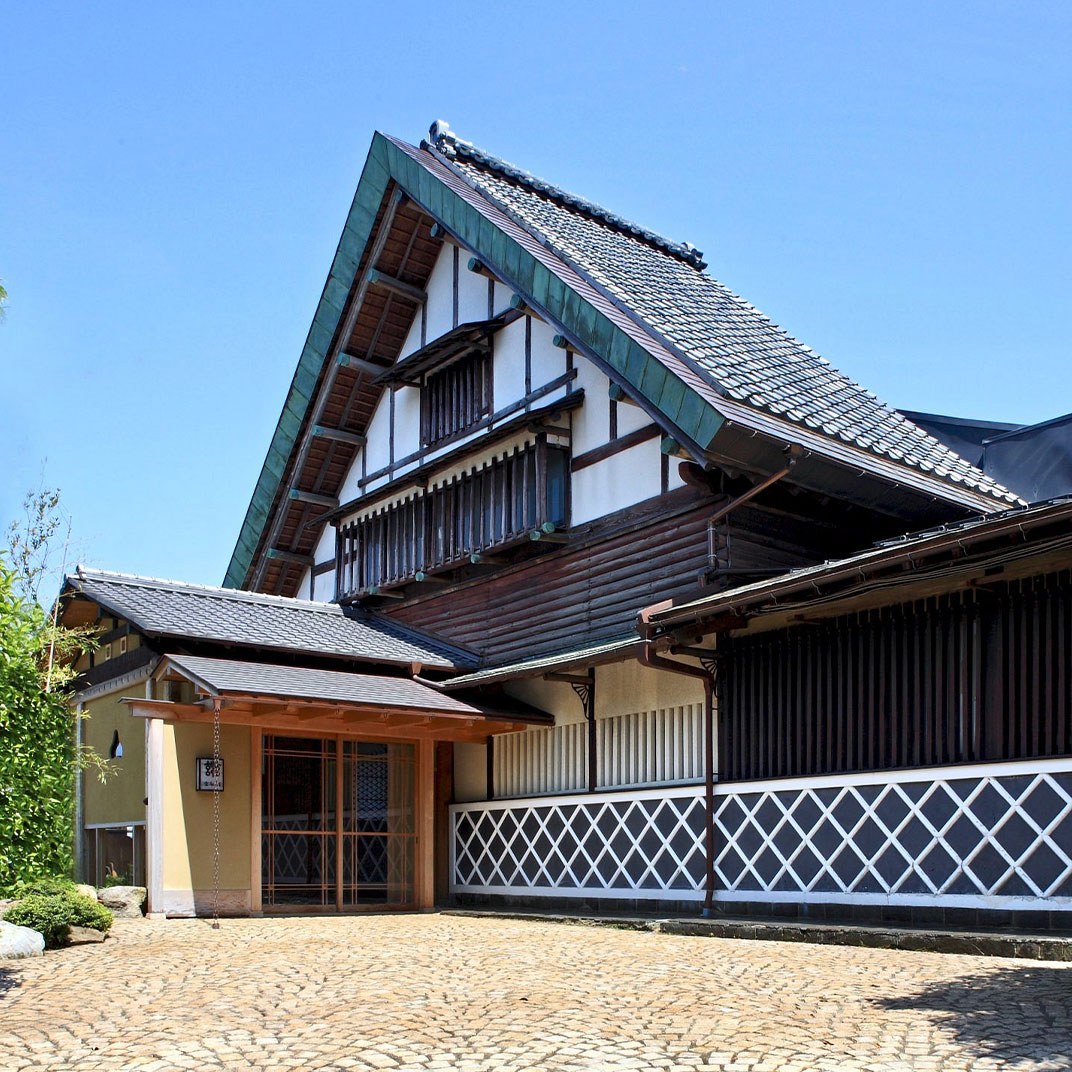
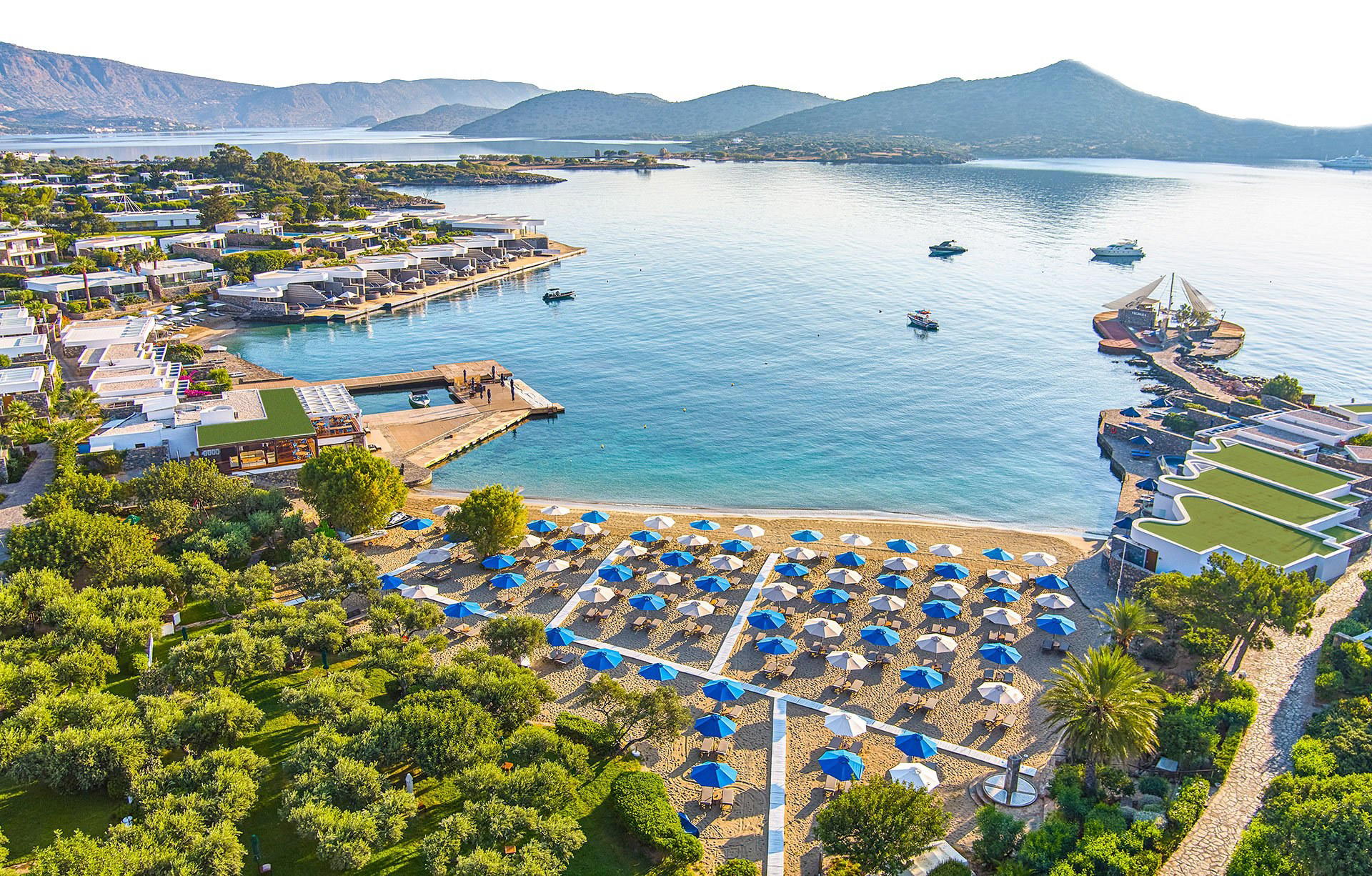
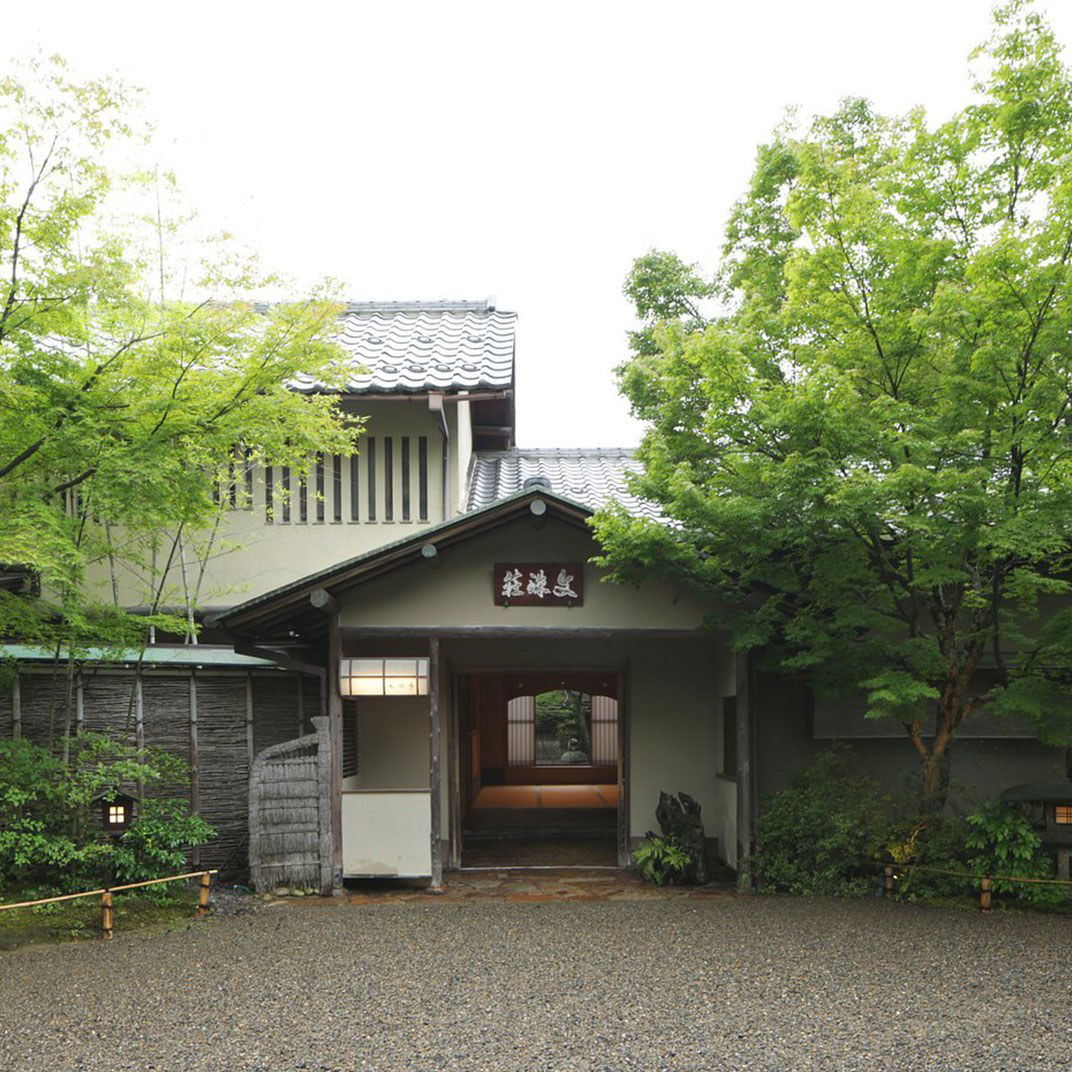
Monjuso Shorotei reads as a classic, historically rooted ryokan that foregrounds architecture and landscape over spectacle. The property leans into regional conventions, tatami rooms, engawa verandas and carefully arranged gardens, to create a calm, contemplative experience. Its placement beside the pine‑covered sandbar at Amanohashidate makes the view an organizing gesture of the design rather than an incidental backdrop. Expect a serene, intimate pace throughout the property, where traditional materials and sightlines encourage quiet observation and a measured, restorative stay.
Best For
This ryokan is especially well suited to travelers seeking a scenic, measured retreat: think romantic getaways, honeymoons, anniversaries and short weekend escapes. The inclusion of seasonal kaiseki dining and the property's Michelin Selected recognition position it for special-occasion evenings, while the quiet, contemplative architecture favors couples or small parties after a day of viewing Amanohashidate. Guests who value historic context, thoughtful design and a landscape-centric stay will find Monjuso Shorotei particularly rewarding.
Stay Tips
Reserve kaiseki dinner in advance when possible, as the property emphasizes seasonal, multi-course dining. Request a room with engawa (veranda) sightlines to make the most of the sandbar and garden views that the architecture is calibrated to reveal. Pack and expect to wear the provided yukata as house dress and plan time to use communal or private bath facilities. Keep expectations rooted in traditional ryokan rhythms, leisurely meals and contemplative time, rather than bustling hotel programming.
Venue details
Ambiance
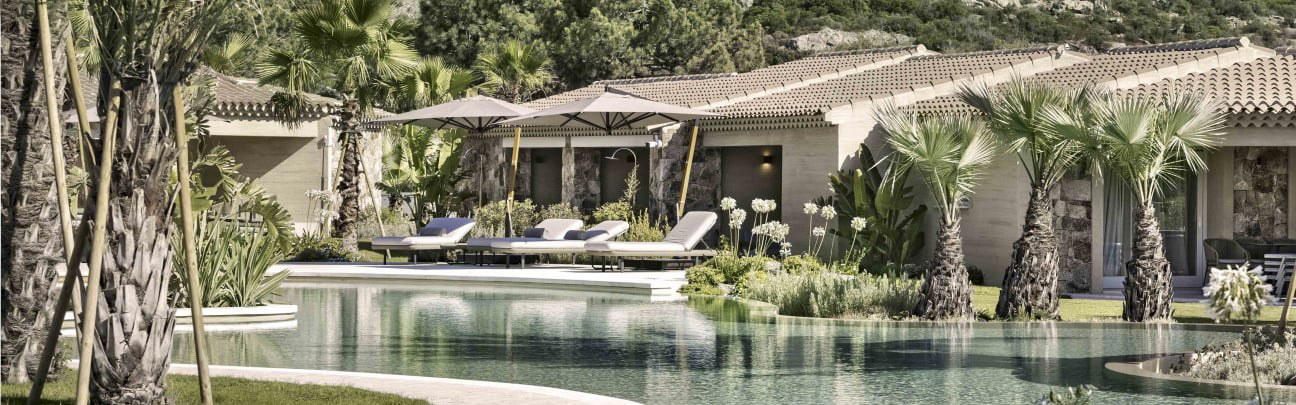
Evocative sukiya wood-framed architecture with tatami rooms, low chabudai tables, spacious lobby featuring fireplace, bar, and terrace overlooking lush gardens and natural surroundings.
Tags
Vibe
Best For
Experience
Amenities
View
About the Stay
- Rooms
- 0
- Check-in
- 14:00
- Check-out
- 11:00
- Property Type
- Heritage hotel
- Property Style
- Traditional Japanese Ryokan Blending Heritage Architecture with Modern Luxury.
- Design Style
- Sukiya Wood Framed Style with Tatami Flooring and Panoramic Terraces.
- Breakfast
- Included
- Airport Transfer
- Available
- Families
- Welcome
Know before you go
Know Before You Go
- Getting there
- 466 Monju, Miyazu, Japan
Planning details
Location
466 Monju, Miyazu, Japan
Recognition and awards
Explore Miyazu
Around this place
Discover more on Pearl
Unlock the full Monjuso Shorotei guide in Pearl, including awards, comparisons, FAQs, planning details, and nearby places.
FAQ
Frequently Asked Questions
When is the best time to book Monjuso Shorotei?
Book once your Miyazu dates are fixed and you have confirmed the current rate, cancellation terms, and arrival details. Monjuso Shorotei has MICHELIN Guide, Hotels Selected (2025) recognition.
Which room category is best at Monjuso Shorotei?
The best room category depends on the current options offered by the property and what matters most for your stay. Compare room layouts, views, inclusions, and upgrade value through the venue's official channels before choosing.
How does Monjuso Shorotei compare to nearby hotels?
Monjuso Shorotei stands out in this guide because it is in Miyazu and has MICHELIN Guide, Hotels Selected (2025) recognition. For a fair comparison with other Miyazu hotels, check current rates, room details, cancellation policies, and included services before booking.
Do loyalty programs work at Monjuso Shorotei?
If earning or redeeming points is important, confirm directly with the property or your booking channel before reserving. Monjuso Shorotei is best evaluated on its Miyazu location and MICHELIN Guide, Hotels Selected (2025) recognition.
What is check-in like at Monjuso Shorotei?
Confirm check-in procedures, arrival timing, luggage arrangements, and any required booking information directly with the property before you travel to Miyazu.
How is the location of Monjuso Shorotei?
Monjuso Shorotei is in Miyazu. Use the property's official directions or your confirmed booking information when planning transport and arrival.
How is the pool and spa at Monjuso Shorotei?
If pool, spa, bath, or wellness amenities are important to your stay, confirm the current facilities and any access rules directly with the property before booking.