
Hotel Shigira Mirage
Ueno, Miyakojima
Hotel in Miyakojima, Japan
 Book with Pearl
The Read
Reef-Palette Architecture
Why go
Choose Hotel Shigira Mirage for a family-friendly Miyakojima resort stay where comfort and ease matter more than a private-hideaway mood. Its 2025 Small Luxury Hotels of the World membership is the main trust signal, and the strongest fit is a milestone island trip where multiple ages need the hotel to carry the logistics.
About Hotel Shigira Mirage
Hotel Shigira Mirage is a hotel in Miyakojima. It is a Small Luxury Hotels of the World member in 2025, and the stated dress code is smart casual. Travelers should confirm room types, services, dining details, and current operating information directly with the hotel before booking.
This review is best read as a cautious planning note rather than a full assessment of the stay experience. The clearest takeaway is that Hotel Shigira Mirage belongs on a Miyakojima hotel shortlist for travelers who value a recognized luxury-hotel affiliation and want to compare it with other premium properties in the area.
A better fit for travelers comparing recognized Miyakojima hotels
Consider Hotel Shigira Mirage if Small Luxury Hotels of the World membership is a useful signal in your hotel search. Specific claims about facilities, room layouts, restaurants, family services, transport, or activity support should be checked directly before relying on them for trip planning.
For comparison, travelers may also look at The Shigira, Shigira Bayside Suite Allamanda, Rosewood Miyakojima, Blue Ocean Hotel & Resort Miyakojima, and Miyakojima Tokyu Hotel & Resorts. The right choice will depend on availability, room needs, pricing, and the style of stay each hotel currently offers.
Who should choose it, and who should cross-shop
Hotel Shigira Mirage is most relevant for travelers who want to stay in Miyakojima and are specifically considering hotels with a premium positioning. Its Small Luxury Hotels of the World membership in 2025 gives one reliable point of reference, but it should not be used as a substitute for checking the current details that matter to your trip.
Cross-shop it if you are still deciding among Miyakojima hotel options. Compare Blue Ocean Hotel & Resort Miyakojima, Miyakojima Tokyu Hotel & Resorts, Rosewood Miyakojima, Shigira Bayside Suite Allamanda, and The Shigira, then verify current rates, room categories, policies, and on-property services directly with each hotel.
Planning details
- Location
- Arazato-1405-201 Ueno, Miyakojima, Okinawa 906-0202
- Website
- shigira.com/hotel/mirage
- Phone
- +81 980-74-7400
The take
The Take
The Vibe
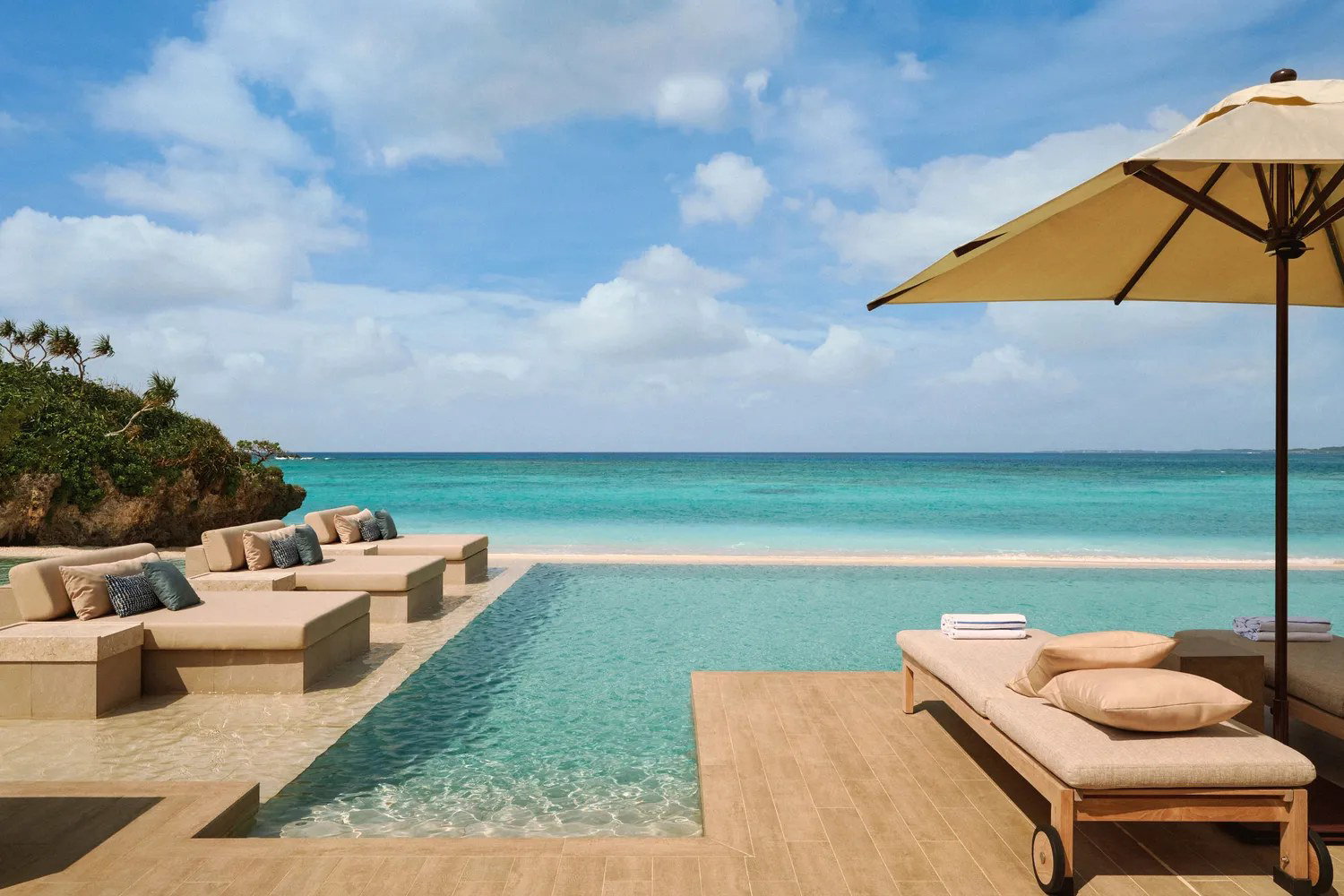
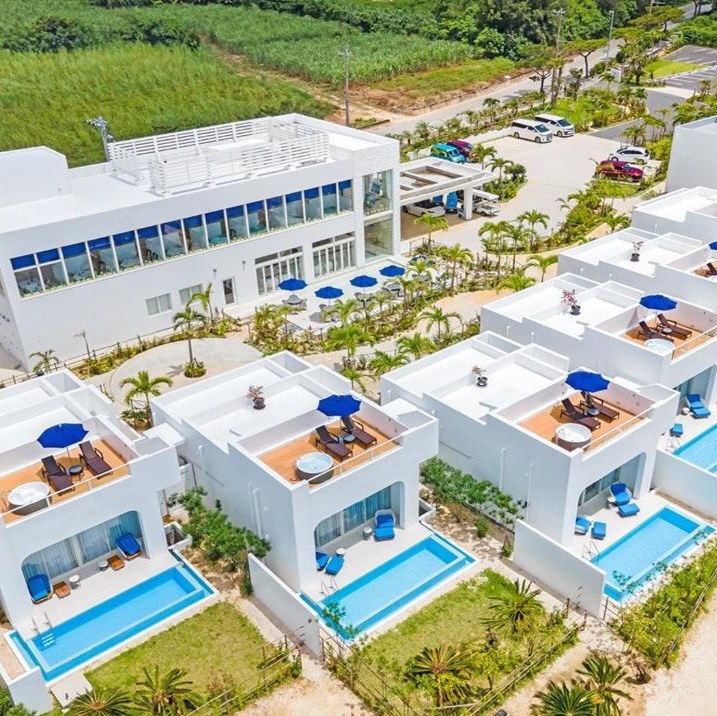
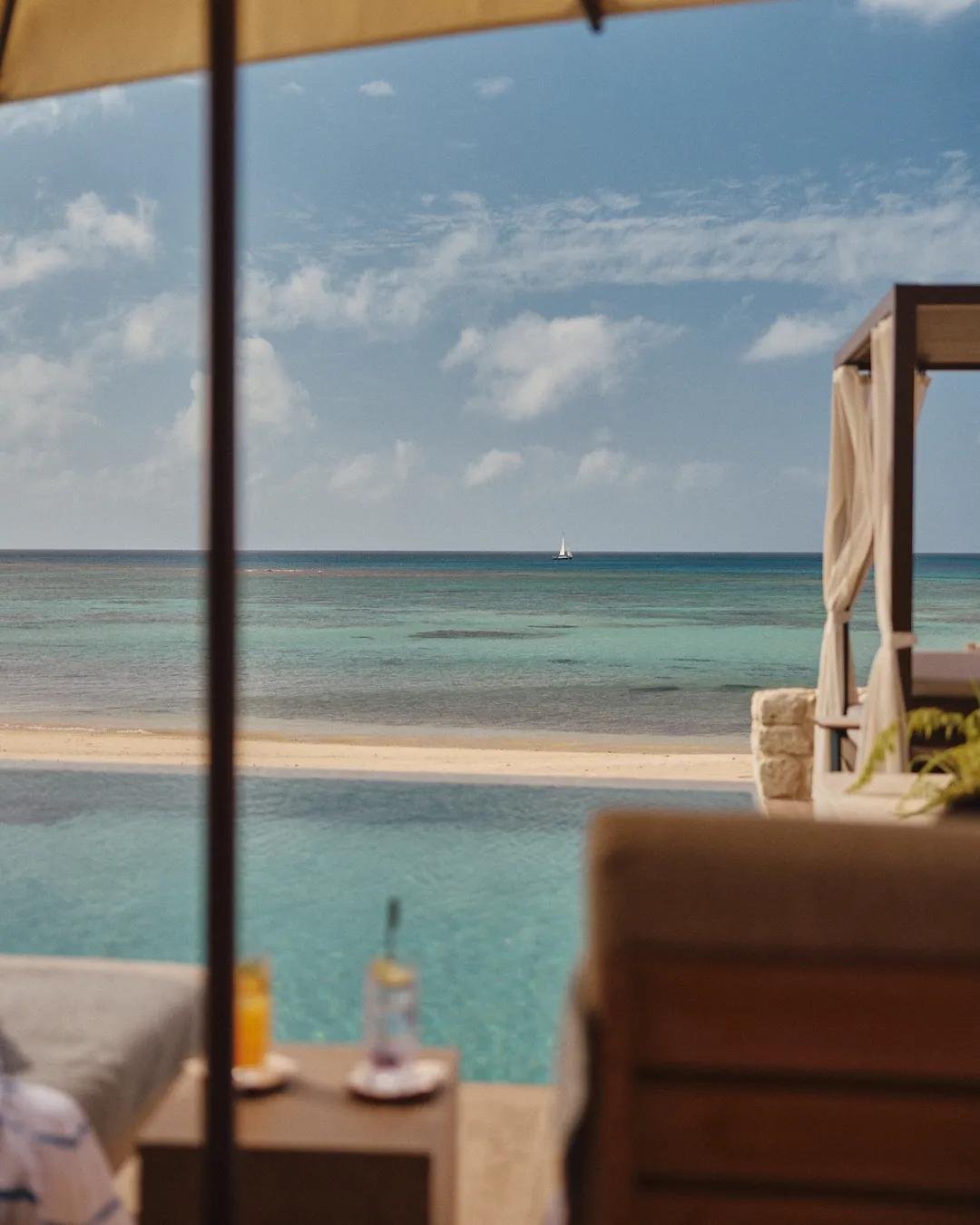
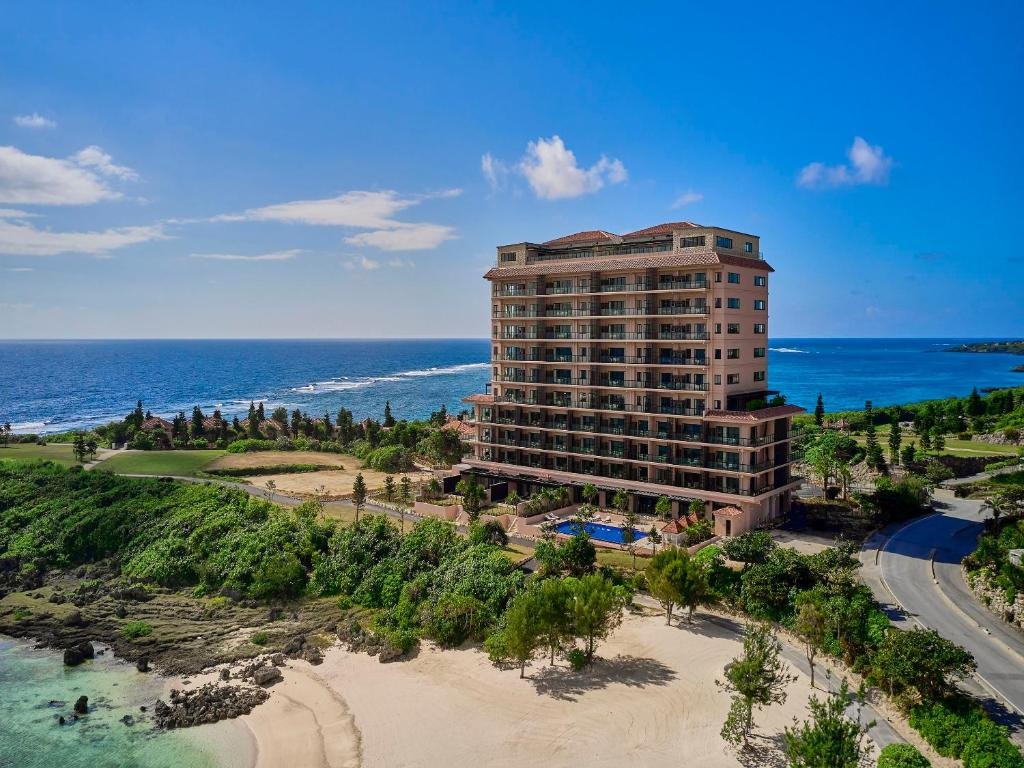
Hotel Shigira Mirage reads as a quietly luxurious island retreat that foregrounds the sea at every turn. Design choices lean on a reef-inspired palette—turquoises, greens and layered blues—so interiors and exteriors feel like extensions of the shoreline. The property embraces an unhurried, destination-resort temperament rather than urban formality, so the overall mood is calm and considered: architecture and landscape work together to keep the water as the dominant visual presence, producing a serene, relaxed atmosphere for guests seeking time away from the mainland rush.
Best For
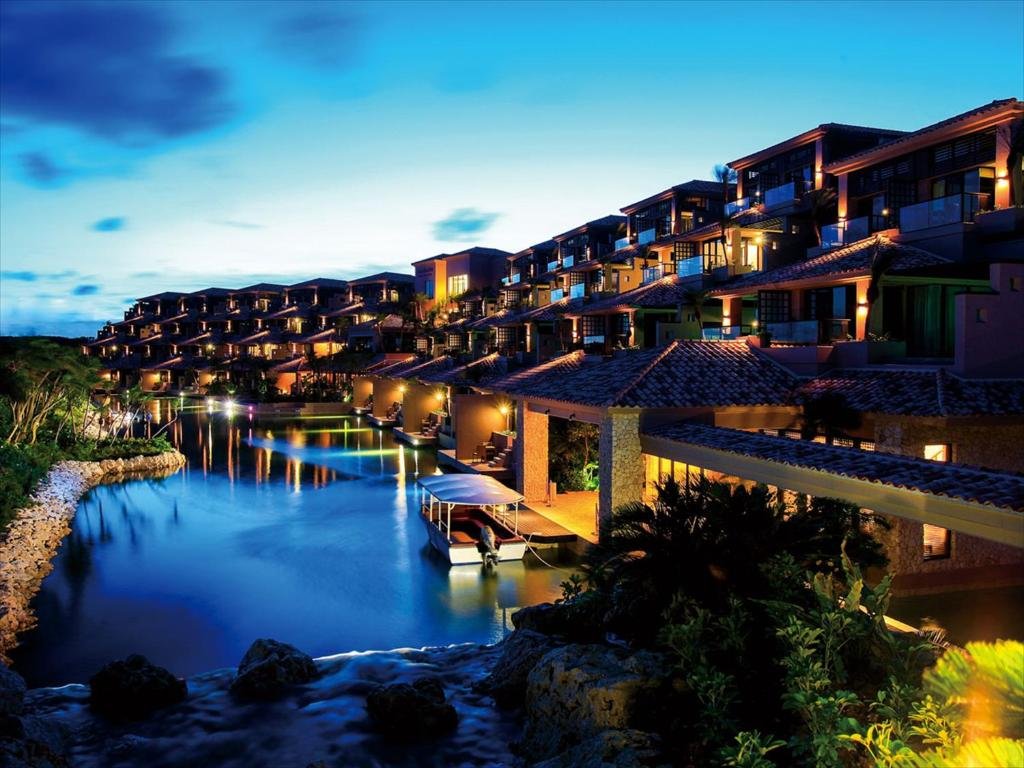
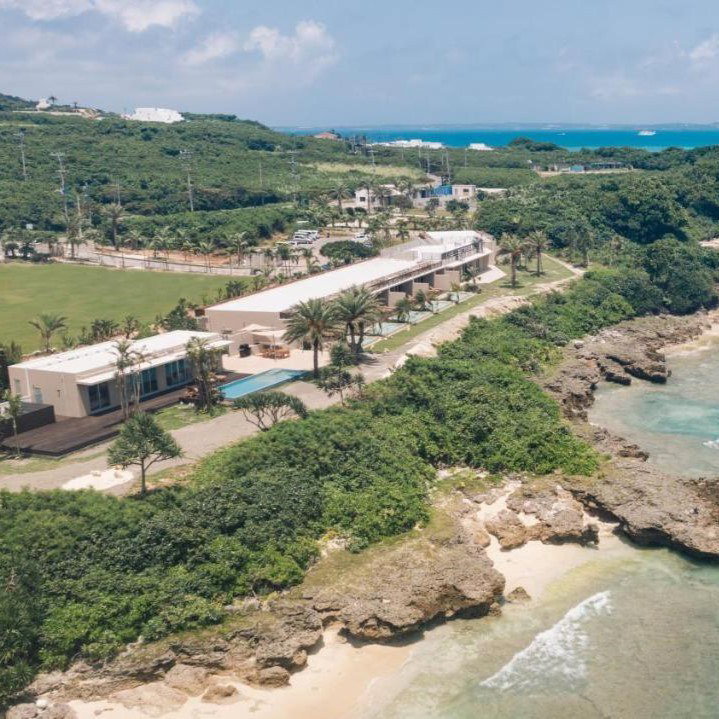
Shigira Mirage is best for travelers seeking a destination-style escape on Miyakojima: it's an especially good fit for honeymooners and couples on romantic getaways who want water-forward design and privacy, and for families looking for a resort environment with generous grounds. The property's placement within a cluster of sister properties also makes it practical for multi-generation stays or group trips where access to shared resort infrastructure matters. Overall, it is tuned to leisurely, scenic stays rather than quick urban stopovers.
Stay Tips
Book through the Shigira Resort booking channels to ensure access to the cluster's shared infrastructure and amenities mentioned in the property description. When reserving, prioritize accommodations that emphasize shoreline positioning to maximize the property's water-centric architecture and views. Consider traveling outside peak mainland holiday windows—Miyakojima's appeal is the unhurried pace, and visiting in quieter periods better showcases the tranquil, reef-inspired setting the hotel cultivates.
Venue details
Ambiance
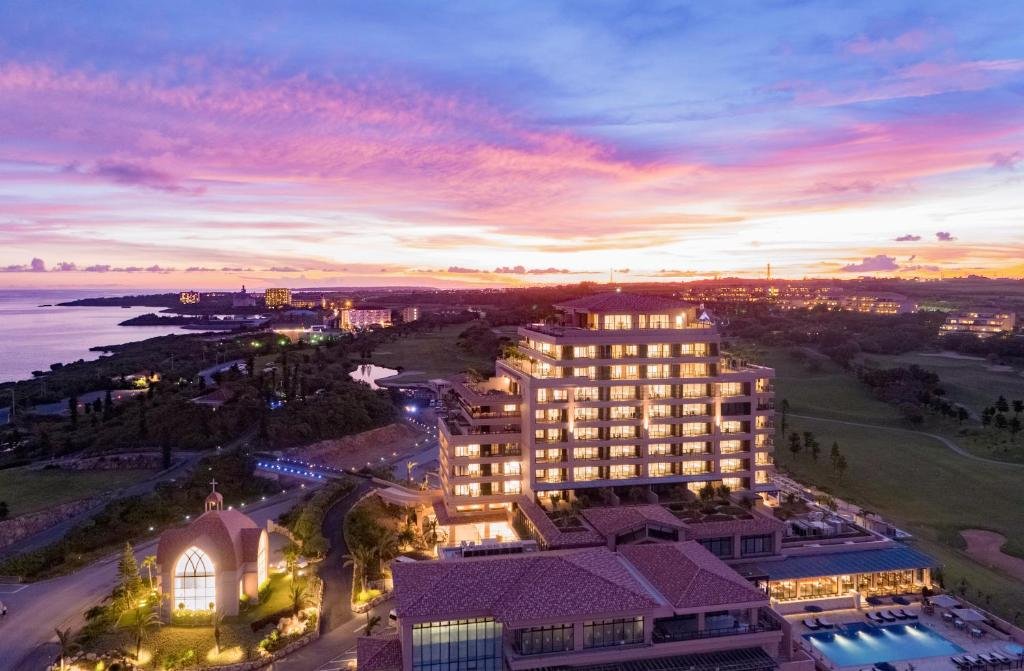
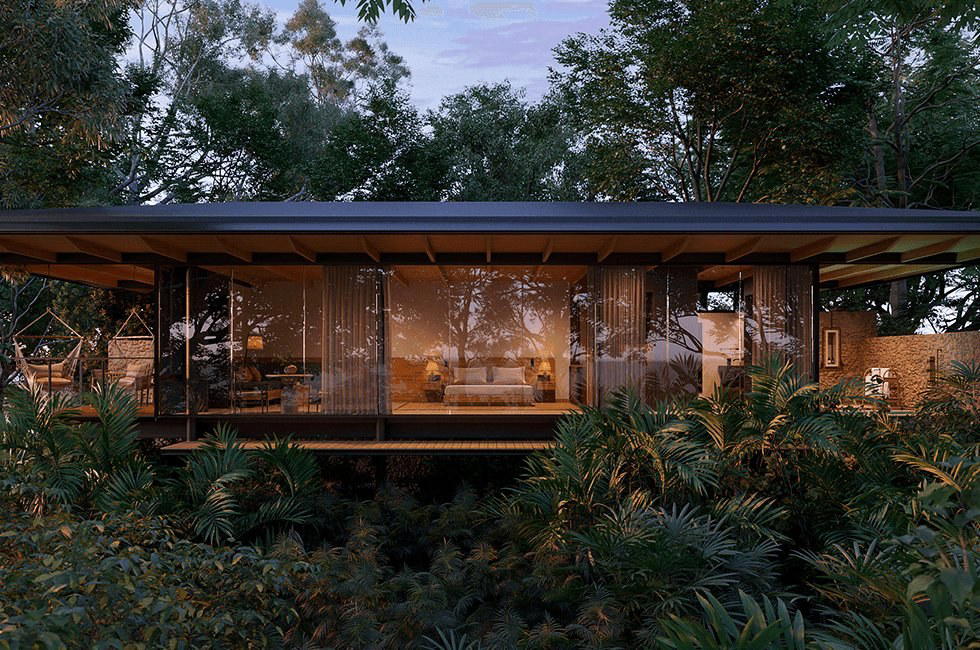
Serene and sophisticated with large windows framing moody sunsets and ocean vistas, lush garden surroundings, and a tranquil tropical atmosphere.
Tags
Vibe
Best For
Experience
Amenities
View
Accessibility
About the Stay
- Rooms
- 120
- Check-in
- 15:00
- Check-out
- 11:00
- Property Style
- Luxurious Beachfront Resort with Bayside High Rise and Villa Accommodations
- Design Style
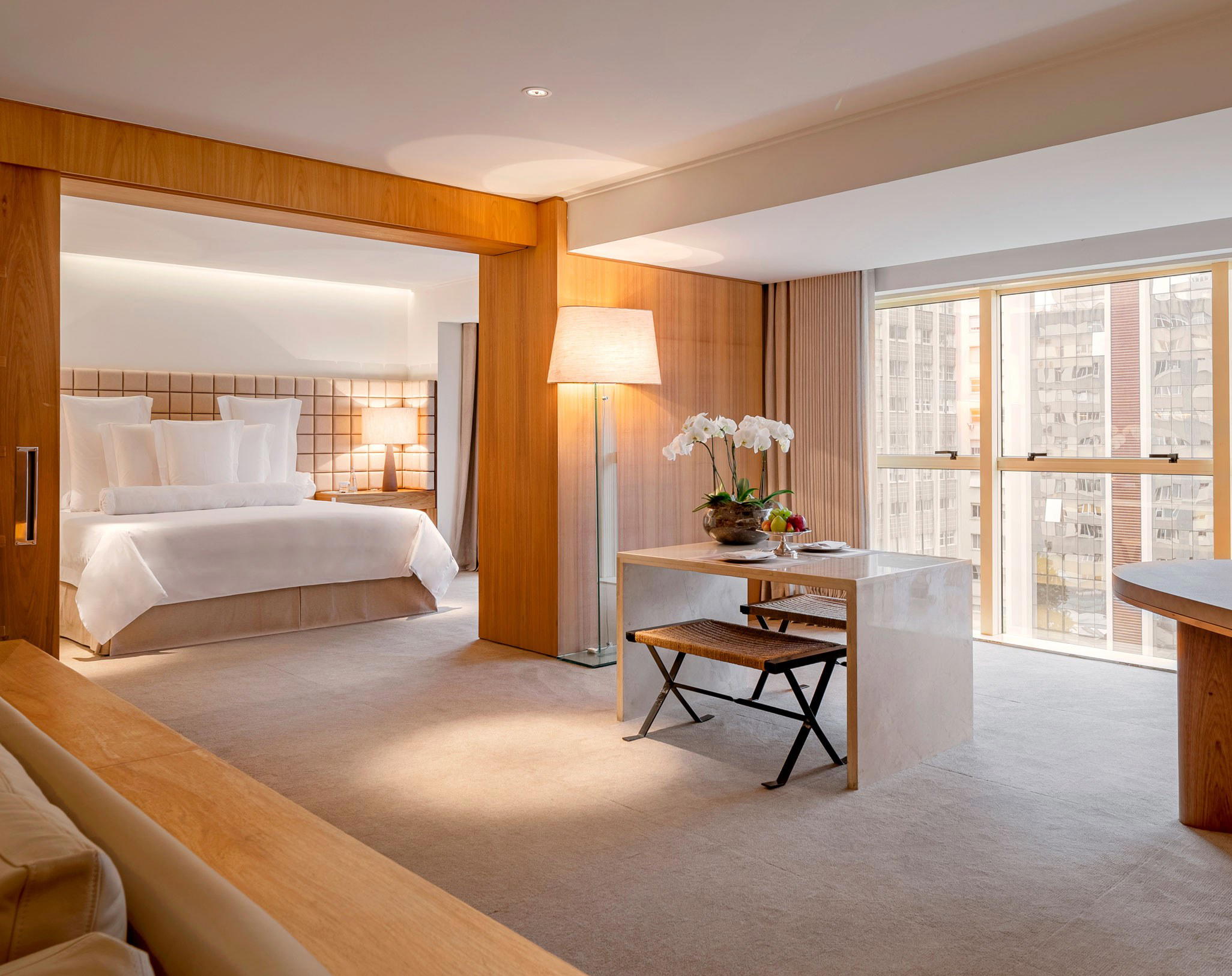
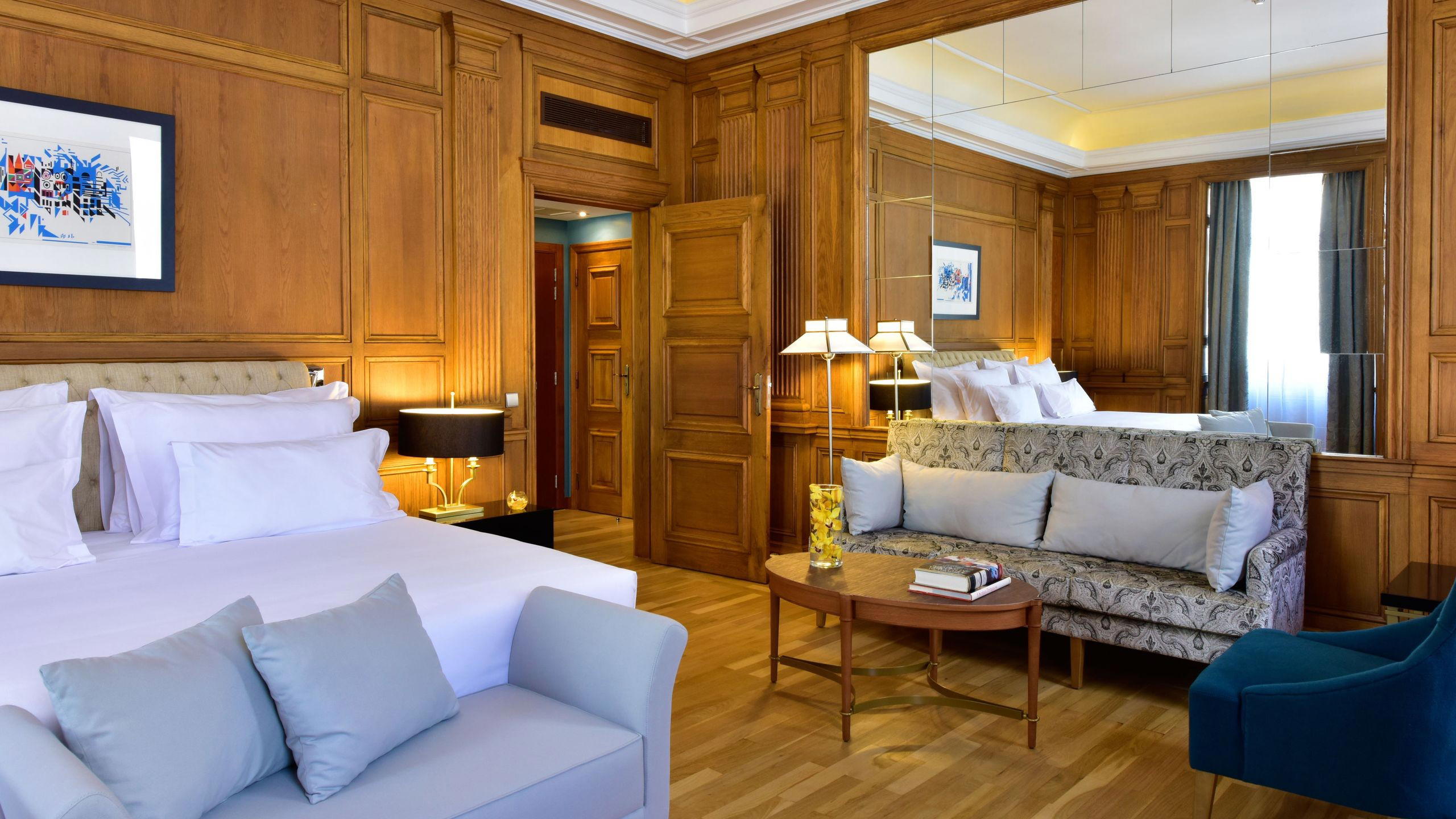
- Modern Elegant with Blue Accents and Large Windows for Ocean Views
Know before you go
Know Before You Go
- Getting there
- Arazato-1405-201 Ueno, Miyakojima, Okinawa 906-0202
Planning details
Location
Arazato-1405-201 Ueno, Miyakojima, Okinawa 906-0202 · Directions
Recognition and awards

Also consider
Where to look if this does not fit
If the trip is more about privacy than resort ease, cross-shop The Shigira first. If the group wants more space and a quieter villa-style stay, compare Blue Ocean Hotel & Resort Miyakojima.
Hotel context
How Hotel Shigira Mirage compares in Miyakojima
Hotel Shigira Mirage is the practical luxury pick in this set: easier to justify for families and milestone travelers than The Shigira if the goal is comfort without pushing into the highest splurge tier. The Shigira is the one to price-check when privacy and a more rarefied stay matter more than value.
Shigira Bayside Suite Allamanda is the closest cross-shop for travelers who want resort scale and suite-style comfort. Miyakojima Tokyu Hotel & Resorts is the safer comparison for travelers prioritizing a larger, more conventional resort feel over a luxury-hotel signal.
Rosewood Miyakojima is the better fit for guests chasing the newest luxury statement, while Blue Ocean Hotel & Resort Miyakojima is worth checking if villa-style space and a quieter mood matter more than brand recognition. If booking Hotel Shigira Mirage is easy for the dates, it is the balanced choice among these peers.
Explore Miyakojima
Around this place
Discover more on Pearl
Unlock the full Hotel Shigira Mirage guide in Pearl, including awards, comparisons, FAQs, planning details, and nearby places.
Compare Hotel Shigira Mirage
| Venue | Location | Awards |
|---|---|---|
| Hotel Shigira Mirage | Miyakojima | Small Luxury Hotels Member 2025 |
| The Shigira | Miyakojima | Small Luxury Hotels Member 2025 |
| Shigira Bayside Suite Allamanda | Miyakojima | Small Luxury Hotels Member 2025 |
| Miyakojima Tokyu Hotel & Resorts | Okinawa | Preferred Hotels Member 2025 |
| Rosewood Miyakojima | Miyakojima | 2026 Travel + Leisure It List HotelsTown & Country Hotel Awards 20262025 Michelin 2 Keys |
| Blue Ocean Hotel & Resort Miyakojima | Miyakojima | No published awards |




How Hotel Shigira Mirage Miyakojima Review compares with similar nearby venues.
FAQ
Frequently Asked Questions
How does Hotel Shigira Mirage compare to nearby hotels?
Hotel Shigira Mirage is a Miyakojima hotel with Small Luxury Hotels of the World membership in 2025. Travelers can compare it with Miyakojima Tokyu Hotel & Resorts, Rosewood Miyakojima, Blue Ocean Hotel & Resort Miyakojima, Shigira Bayside Suite Allamanda, and The Shigira, while confirming current services and room details directly with each property.
Is Hotel Shigira Mirage family-friendly?
Family facilities and services are not specified here. If you are planning a family stay in Miyakojima, contact Hotel Shigira Mirage directly to confirm room setup, policies, and any relevant support before booking.
Which room category is best at Hotel Shigira Mirage?
Room categories and layouts are not specified here. Choose a room only after checking the hotel's current inventory, capacity, and policies directly with Hotel Shigira Mirage. The Shigira is another nearby option to compare if you are considering a different hotel style in Miyakojima.
Is Hotel Shigira Mirage good for business travel?
Business-travel facilities are not specified here. If your trip is work-related, confirm current internet, workspace, meeting, transport, and schedule needs directly with Hotel Shigira Mirage. Miyakojima Tokyu Hotel & Resorts is another hotel to compare in Miyakojima.
Do loyalty programs work at Hotel Shigira Mirage?
Hotel Shigira Mirage is a Small Luxury Hotels of the World member in 2025. Travelers should check directly with the hotel or the relevant booking channel to confirm whether any benefits, rates, or program terms apply to their stay. Rosewood Miyakojima is another premium hotel to compare in Miyakojima.