

Starhotels E.c.ho.
Stazione Centrale - Ponte Seveso, Milan
Hotel in Milan, Italy
 Book with Pearl
The Read
Corporate-District Design Anchor
Price
$100–200per night
Why go
Starhotels E.c.ho. is a practical Milan Centrale pick for families, rail travelers, and business stays where convenience matters more than grand-hotel ceremony. Choose it for an easier base with recognized hotel credentials; cross-shop more formal luxury peers if the property itself needs to carry the occasion.
About Starhotels E.c.ho.
Starhotels E.c.ho. is a Milan hotel with a smart-casual dress code and two points of recognition: Preferred Hotels Member (2025) and MICHELIN Guide, Hotels Selected (2025). Choose the hotel based on fit, availability, and your own trip priorities, especially if you are weighing its setting and overall profile against other Milan options.
The recommendation is deliberately cautious: choose Starhotels E.c.ho. if its Milan setting, recognition, and smart-casual tone match the kind of stay you want. If the hotel itself is meant to be the centre of the occasion, compare it with other Milan options before booking. Here, the practical value is a simple profile: a recognized Milan hotel to consider alongside other established properties.
A Milan hotel with confirmed recognition
Starhotels E.c.ho. has two recognition points for 2025: Preferred Hotels Member and MICHELIN Guide, Hotels Selected. Those references can help reduce uncertainty when you are narrowing a Milan hotel shortlist, but they should not be stretched into claims about specific facilities, dining formats, room categories, or service style unless those details are confirmed directly before booking.
For a special occasion, set expectations carefully. It is better to treat Starhotels E.c.ho. as a Milan hotel with recognized status and a smart-casual standard, then decide whether its current offer fits the trip you are planning.
Where the decision gets easier
The clearest reason to keep Starhotels E.c.ho. on the shortlist is the combination of Milan location, smart-casual dress code, and 2025 recognition. The external recognition helps with confidence, while the final decision should come from practical checks: dates, rates, room needs, and any services that matter to your stay.
Dining should not be treated as the main reason to book unless you have confirmed the current in-house options directly. Milan offers many choices for meals out, so plan restaurants separately if food is a major part of the trip. For broader planning, pair the stay with Our full Milan restaurants guide, then use Our full Milan bars guide if the trip includes an evening out.
Compared with other Milan hotels, this is a property to consider when recognition and a direct smart-casual profile matter more than claims about amenities or service style. For a wider hotel scan before committing, use Our full Milan hotels guide; if the Milan trip extends into activities, consider planning those separately rather than over-optimising the hotel choice.
Planning details
- Location
- Vle Andrea Doria, 4, 20124 Milano MI
- Website
- starhotels.com/en/our-hotels/echo-milan
- Phone
- +39 02 67891
The take
The Take
The Vibe
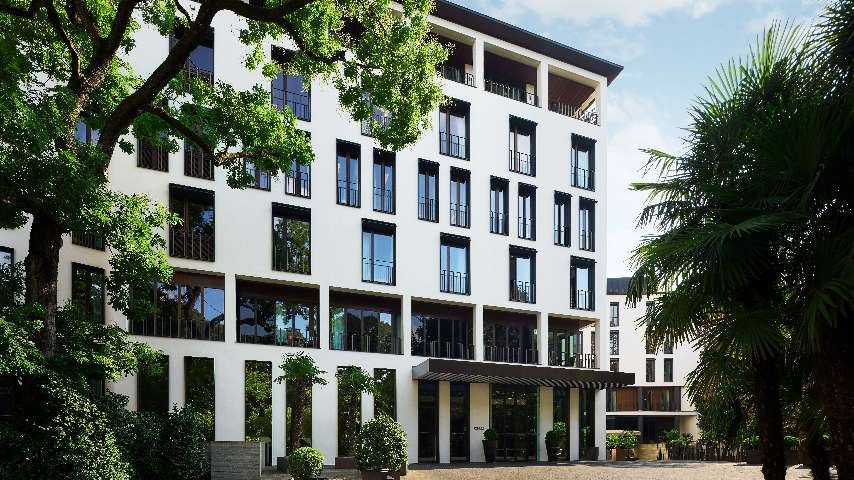
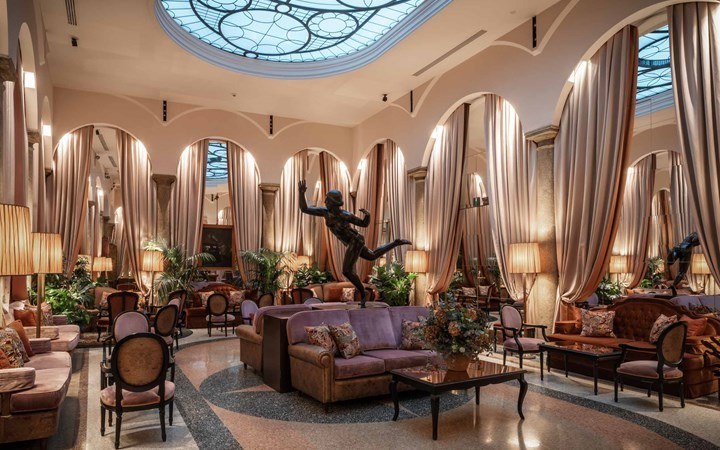
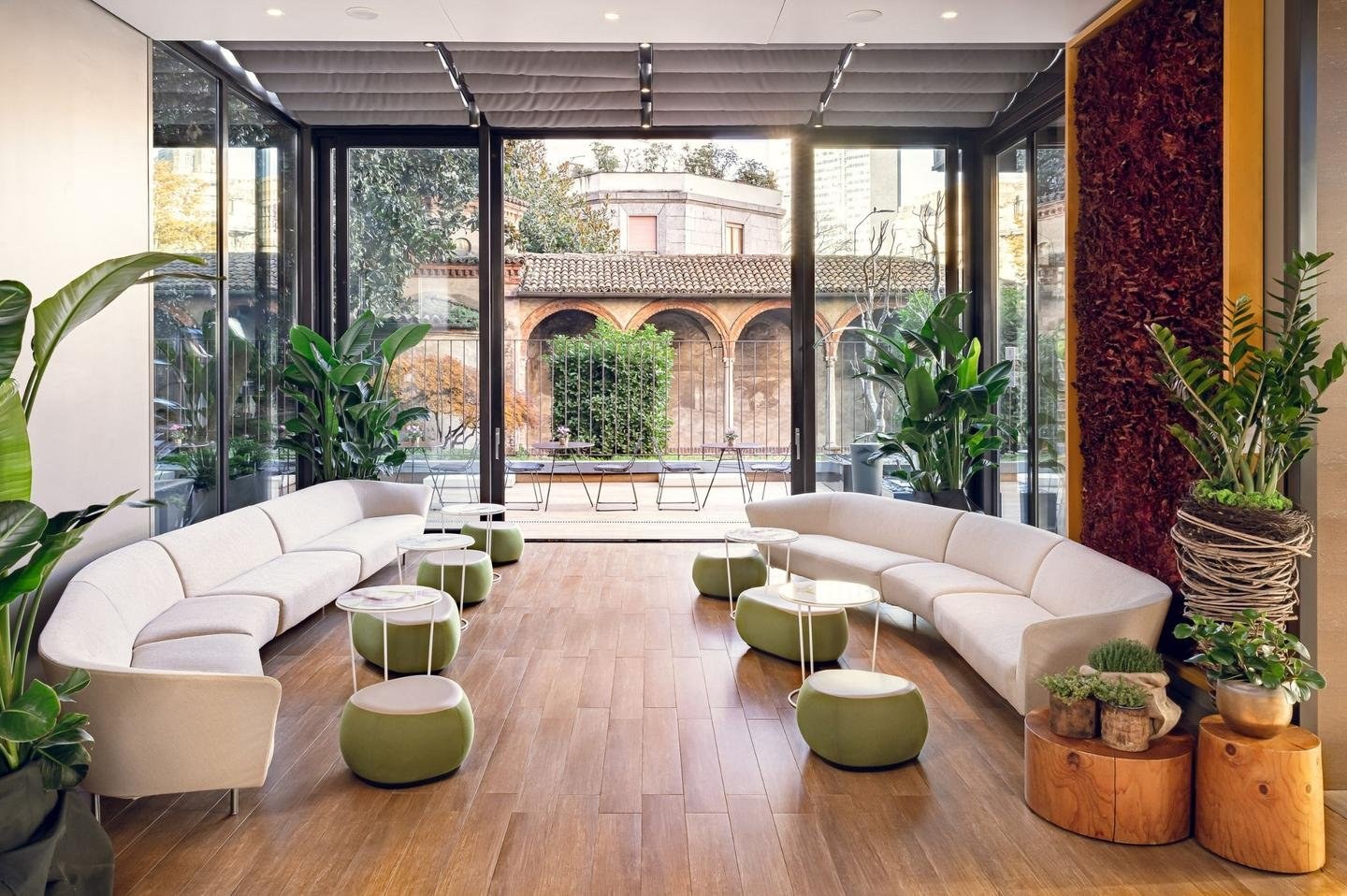
Starhotels E.c.ho. presents a sophisticated, professionally oriented atmosphere that balances modern design impulses with the operational efficiencies of a full-service business property. It sits geographically and stylistically between Milan’s heritage palazzi and the newer design-led hotels, so the mood leans toward polished utility rather than boutique theatricality. The hotel’s eco-minded designation further frames its identity as considered and contemporary: it’s the kind of place where sustainability is part of the brand positioning, and where the guest experience prioritizes clarity, efficiency and a restrained modern aesthetic over overt spectacle.
Best For
This hotel is best for travelers who prioritize access and efficiency in northern Milan. With 143 rooms and a full-service business-hotel stance, it suits business travelers connecting through Stazione Centrale and visitors who want a practical launching point for the Repubblica and Porta Venezia neighborhoods. Its scale and service orientation make it a solid choice for people seeking dependable amenities and straightforward logistics rather than immersive, design-led neighbourhood stays — and its eco designation appeals to guests who value formal sustainability commitments.
Stay Tips
Book E.c.ho. if proximity to Stazione Centrale or easy access to Repubblica and Porta Venezia matters for your itinerary. Because the property operates at a larger, full-service scale, reserve early for peak business periods to secure preferred room types. If sustainability matters to you, ask at booking about the hotel’s eco initiatives — the name itself signals a formal environmental orientation, and the front desk can point to specific programs and options available during your stay.
Venue details
Ambiance
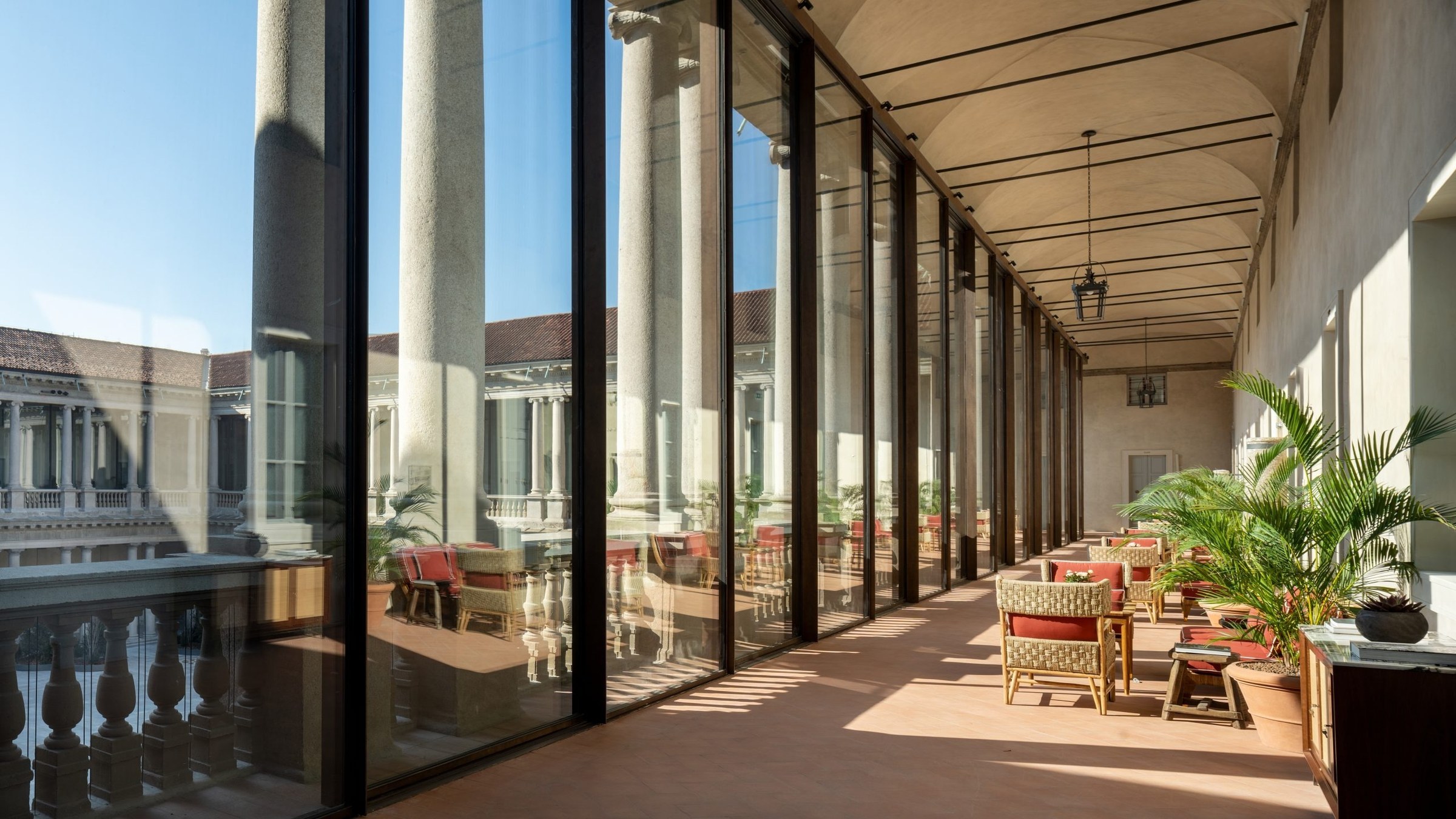
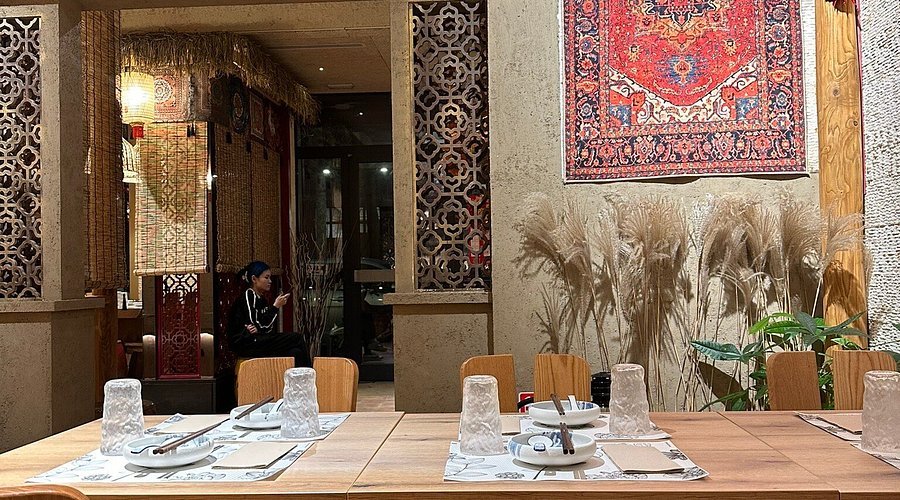
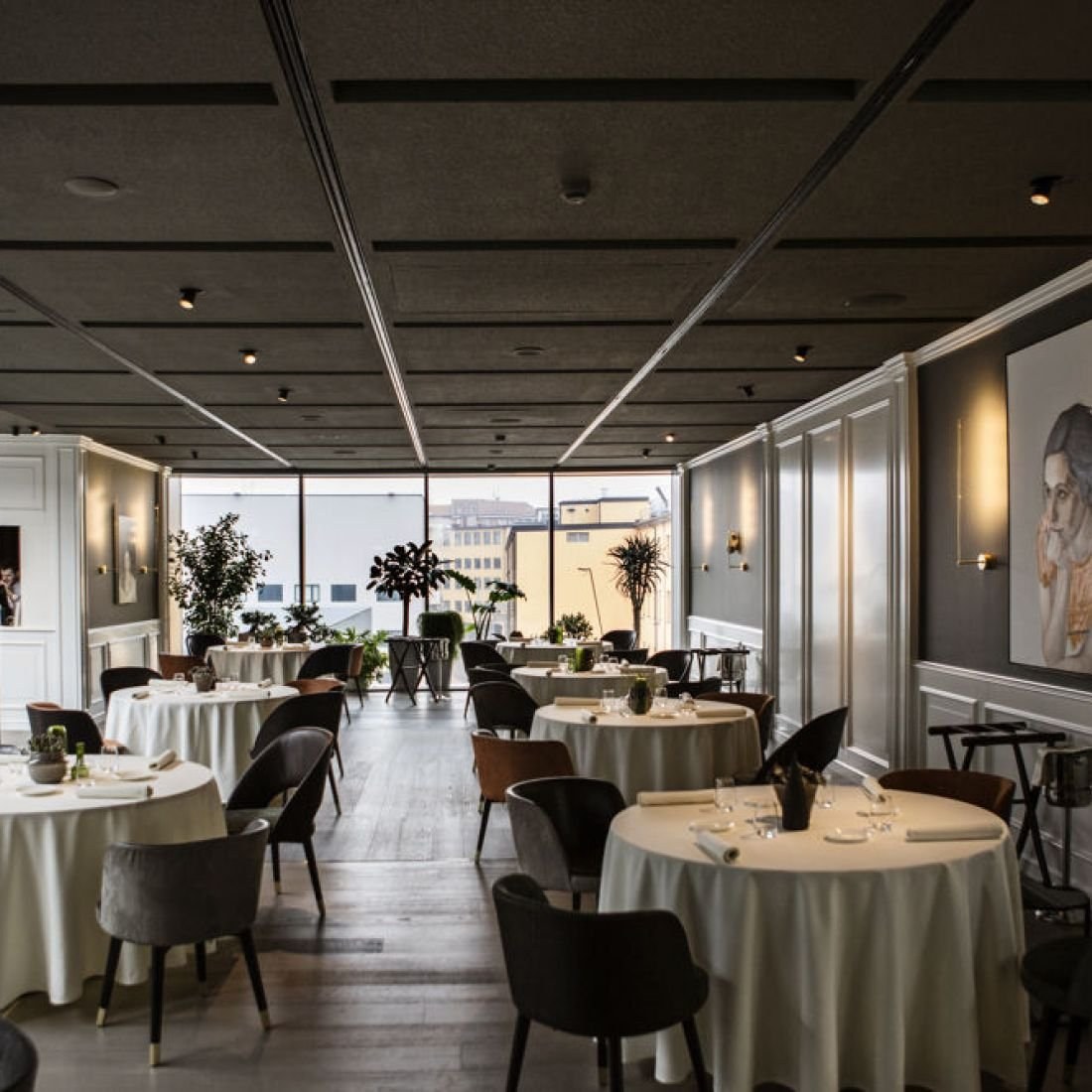
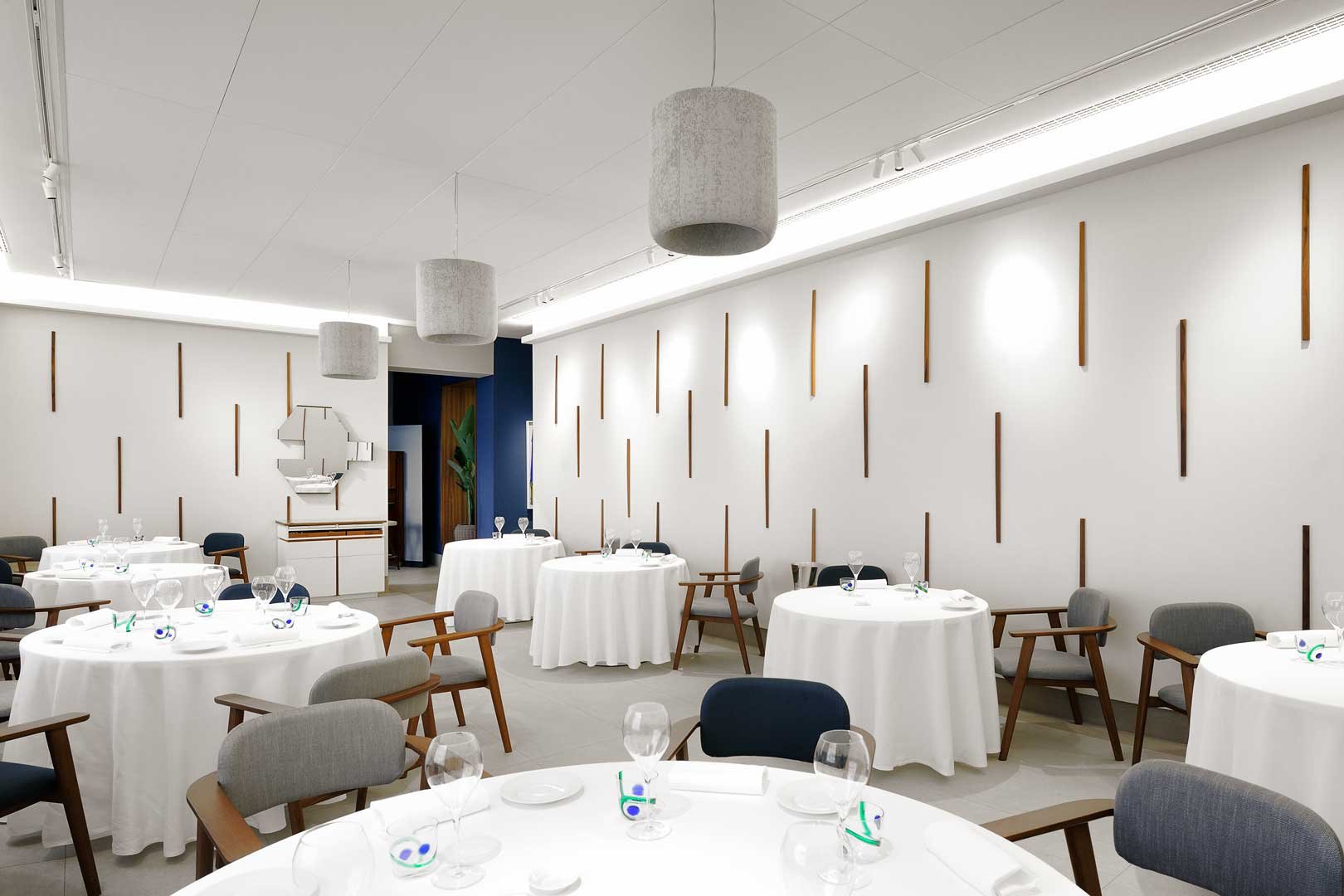
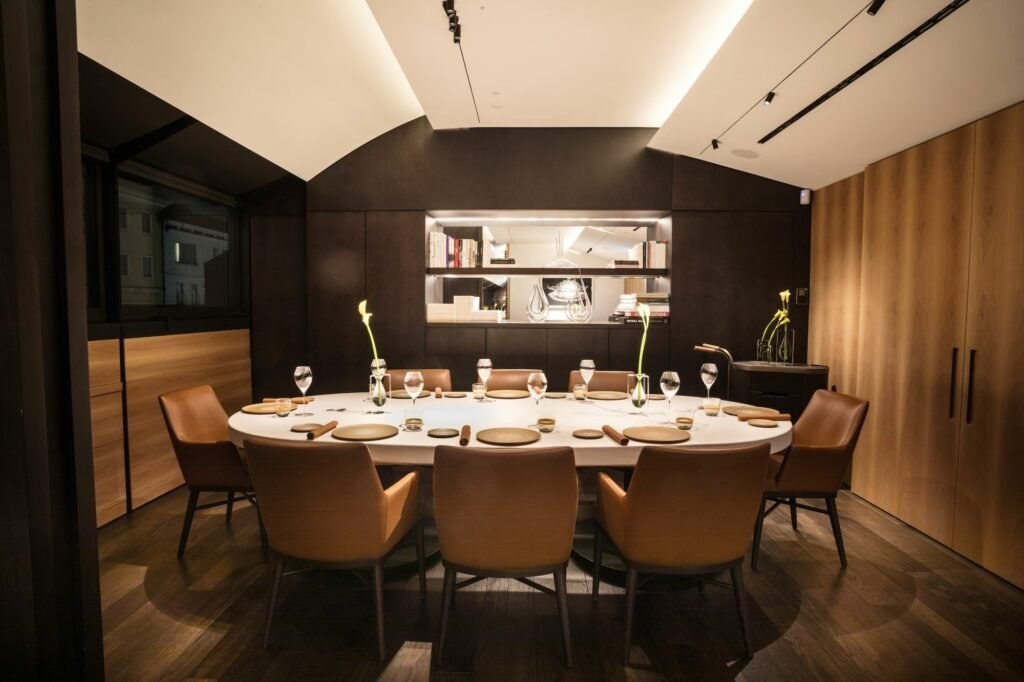
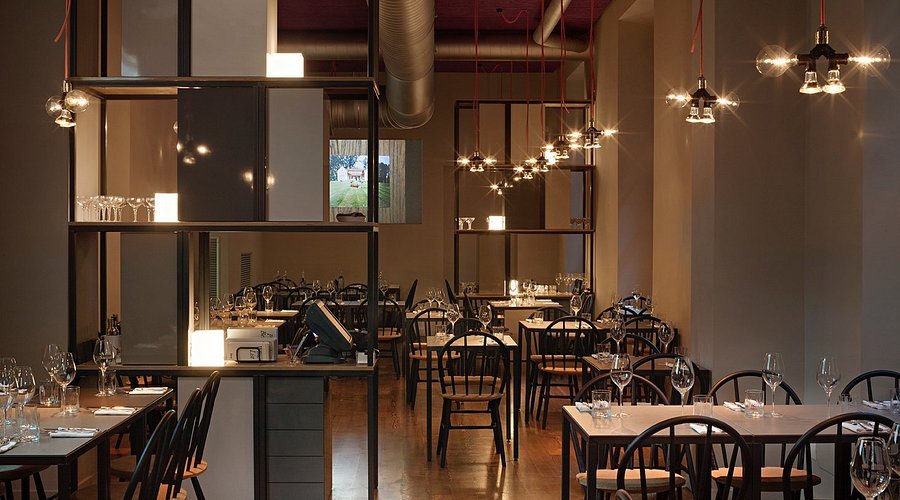
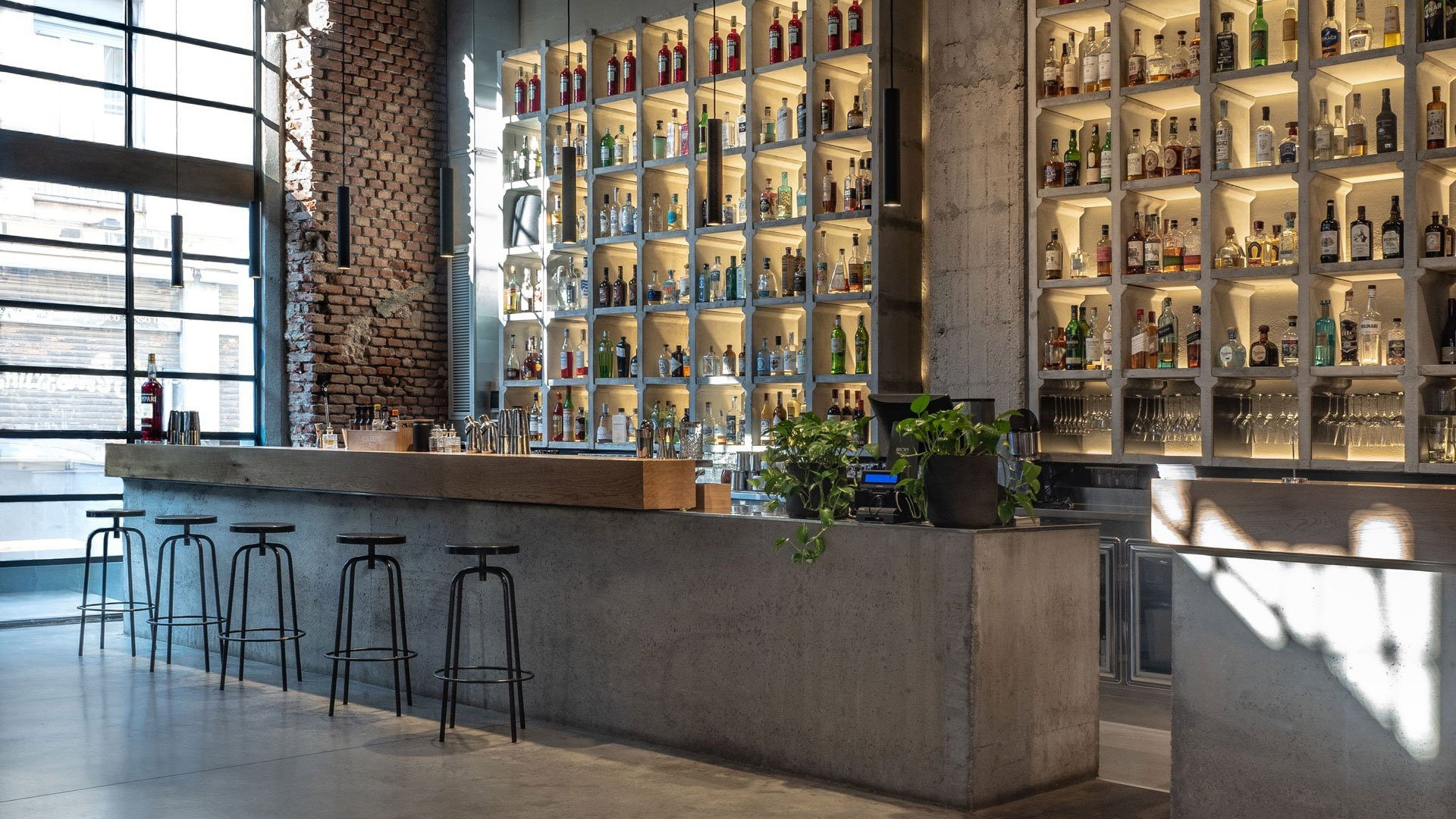
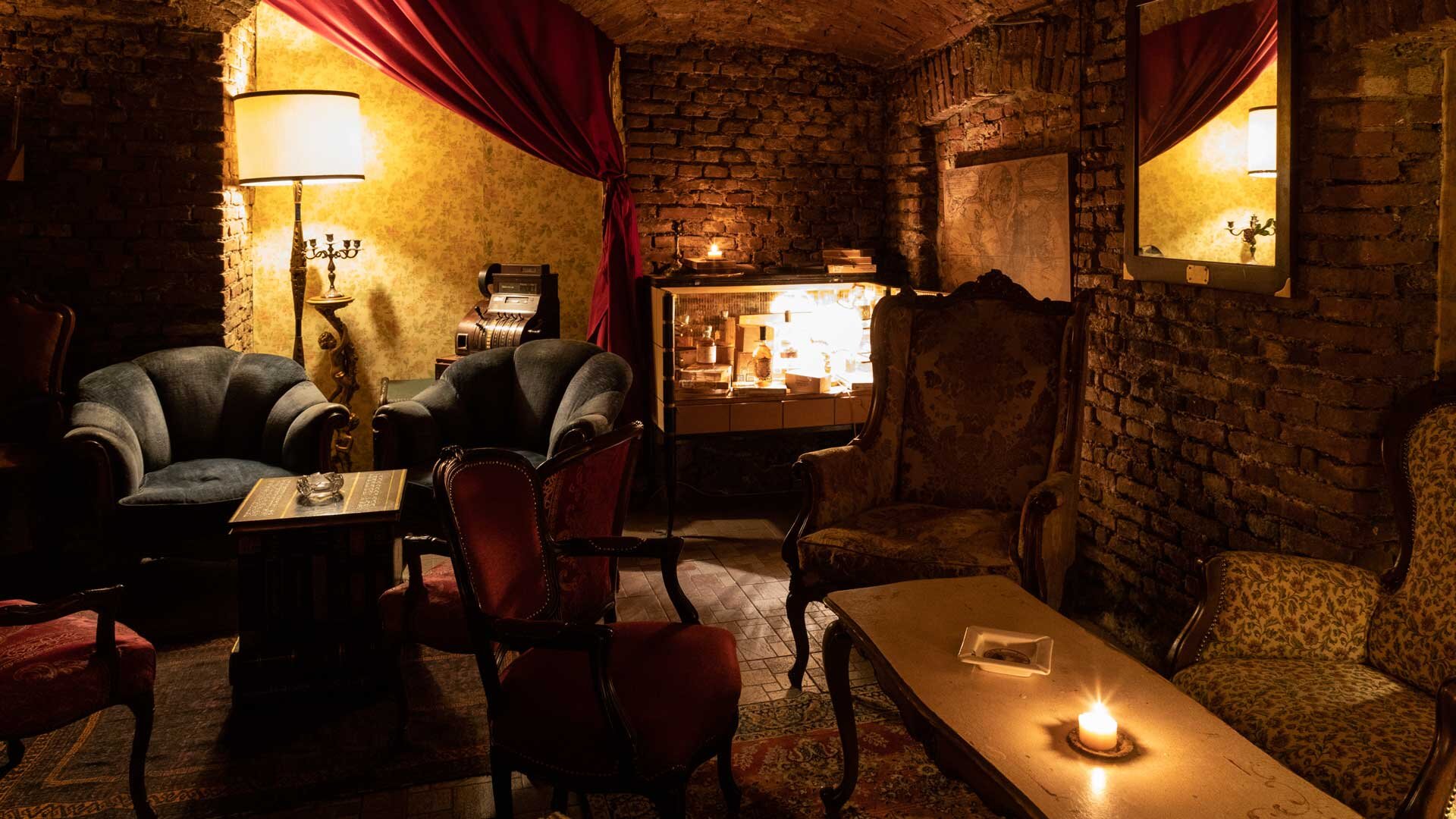
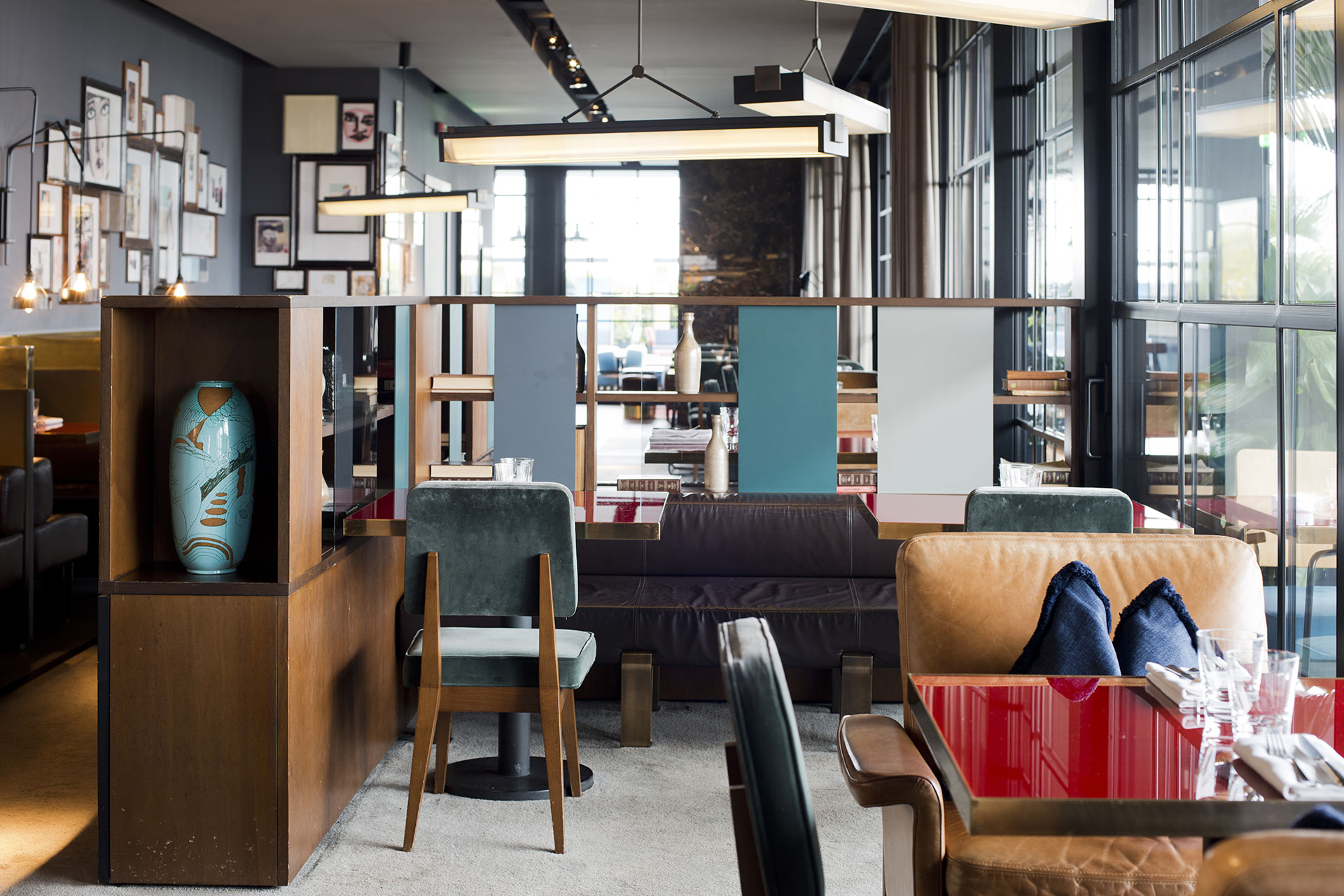
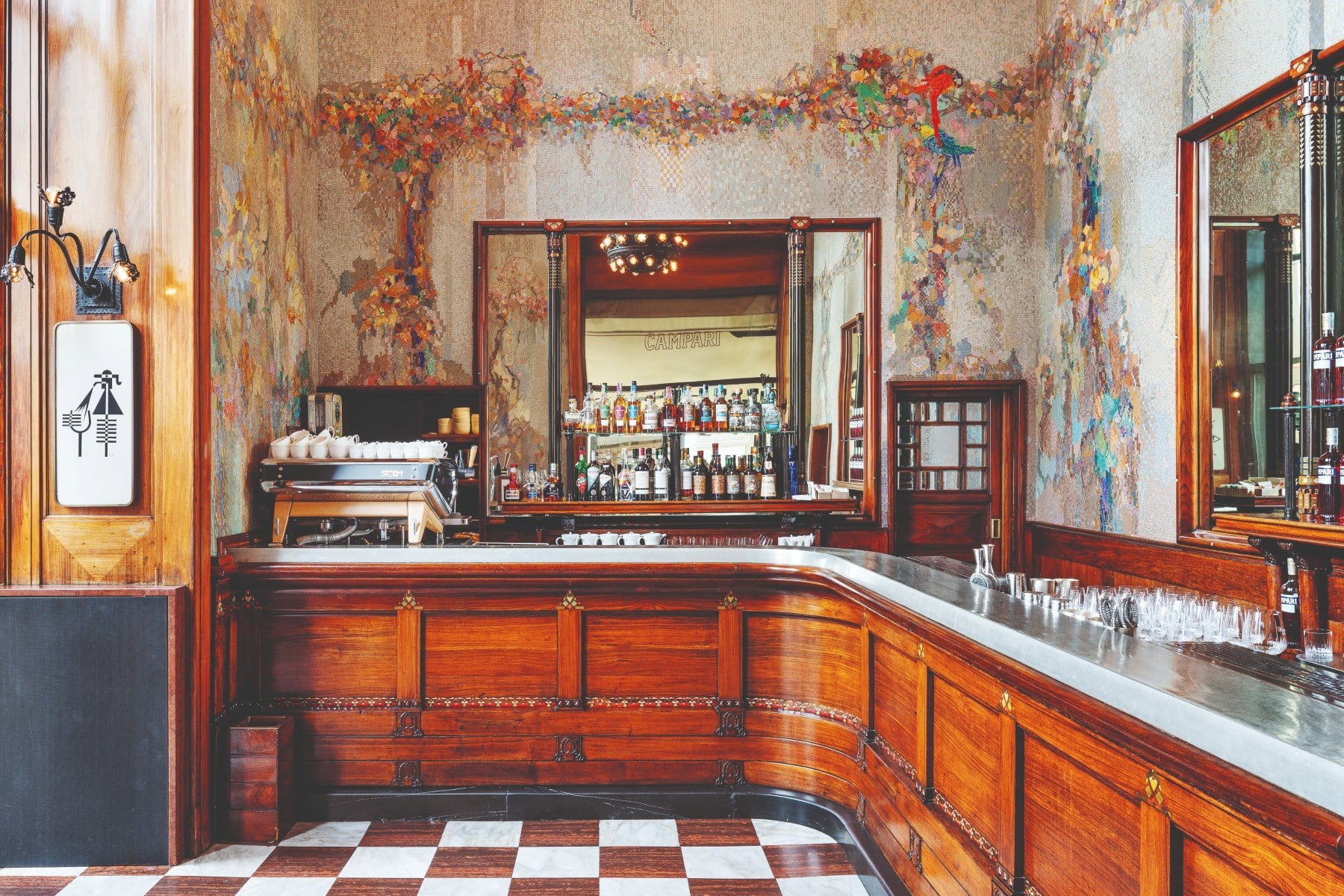
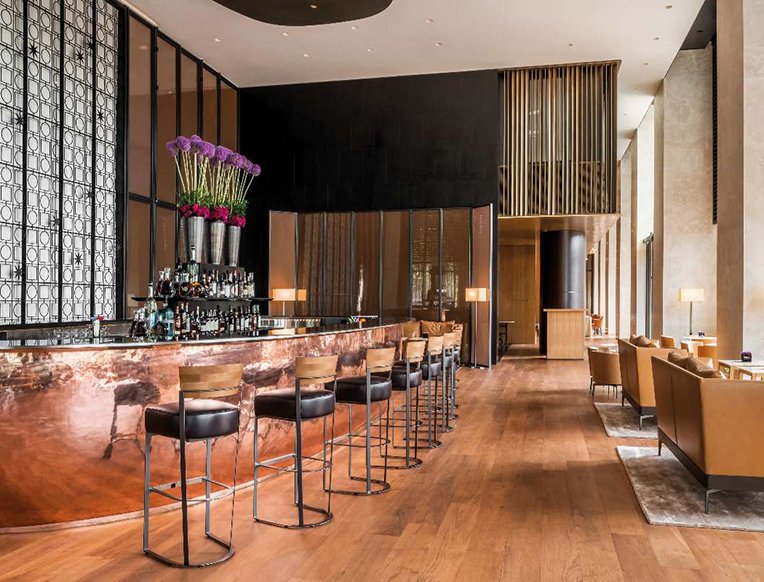
Tranquil and stylish with natural light, modern eco-friendly interiors, relaxing bar atmosphere, and occasional live jazz.
Tags
Vibe
Best For
Experience
Amenities
View
Accessibility
About the Stay
- Rooms
- 143
- Check-in
- 14:00
- Check-out
- 12:00
- Property Type
- Boutique hotel
- Property Style
- Eco Contemporary Urban Boutique
- Design Style
- Modern Minimalist with Natural Textures and Ecological Materials
- Pets
- Allowed
- Families
- Welcome
- Cancellation
- Moderate
Know before you go
Know Before You Go
- Getting there
- Vle Andrea Doria, 4, 20124 Milano MI
Planning details
Location
Vle Andrea Doria, 4, 20124 Milano MI · Directions
Recognition and awards
Also consider
Also Consider
- Starhotels Anderson, Notable alternative
- Excelsior Hotel Gallia, A Luxury Collection Hotel, Notable alternative
- Hyatt Centric Milano Centrale, Notable alternative
- Duo Milan Porta Nuova, a Tribute Portfolio Hotel, Notable alternative
- The Westin Palace, Milan, Notable alternative
Hotel context
Starhotels Anderson is the closest logical cross-shop because it sits in the same Milan Centrale decision lane. Choose Starhotels E.c.ho. when the priority is a calmer, lighter-feeling stay; choose Anderson if availability, rate, or room configuration works better for the same rail-friendly brief.
Excelsior Hotel Gallia, A Luxury Collection Hotel and The Westin Palace, Milan are better fits when the hotel is part of the celebration and a more formal service style matters. Starhotels E.c.ho. is the easier recommendation for families and short stays that need less ceremony and more day-to-day convenience.
Hyatt Centric Milano Centrale and Duo Milan Porta Nuova, a Tribute Portfolio Hotel are the better cross-shops for travelers who want a more brand-driven or Porta Nuova-adjacent feel. If booking difficulty is a concern, Starhotels E.c.ho. is an easier first pass: less about status signaling, more about getting the Milan logistics right.
Around this place
Discover more on Pearl
Unlock the full Starhotels E.c.ho. guide in Pearl, including awards, comparisons, FAQs, planning details, and nearby places.
Compare Starhotels E.c.ho.
| Venue | Location | Awards |
|---|---|---|
| Starhotels E.c.ho. | Milan | 2025 Michelin Selected HotelsPreferred Hotels Member 2025 |
| Starhotels Anderson | Milan | No published awards |
| Excelsior Hotel Gallia, A Luxury Collection Hotel | Milan | 2026 Virtuoso Luxury Hotel Collection2026 Forbes 4-Star2025 Forbes 4-Star |
| Hyatt Centric Milano Centrale | Milan | No published awards |
| Duo Milan Porta Nuova, a Tribute Portfolio Hotel | Milan | No published awards |
| The Westin Palace, Milan | Milan | No published awards |


How Starhotels E.c.ho. Milan compares with similar nearby venues.
FAQ
Frequently Asked Questions
How is the dining at Starhotels E.c.ho.?
If dining is central to the trip, confirm current options directly and compare the overall hotel fit with The Westin Palace, Milan or Excelsior Hotel Gallia, A Luxury Collection Hotel.
What recognition does Starhotels E.c.ho. have?
Starhotels E.c.ho. is a Preferred Hotels Member (2025) and is listed in MICHELIN Guide, Hotels Selected (2025). Before booking, compare direct-book terms with third-party rates and confirm any details that matter to your Milan stay.
Is Starhotels E.c.ho. family-friendly?
Families considering a Milan stay should confirm the current room options and practical details directly, then compare the fit with other hotels such as Hyatt Centric Milano Centrale.
When is the best time to book Starhotels E.c.ho.?
Book when the confirmed rate, cancellation terms, and room options work for your Milan dates. If you are comparing similar hotel choices, Starhotels Anderson is another Milan property to check before committing.
Which room category is best at Starhotels E.c.ho.?
Is Starhotels E.c.ho. good for business travel?
Starhotels E.c.ho. may suit a business trip to Milan if its current rate, location, and available room setup match your needs. For comparison, Duo Milan Porta Nuova, a Tribute Portfolio Hotel and The Westin Palace, Milan are also worth checking depending on the style of stay you prefer.
How does Starhotels E.c.ho. compare to other Milan hotels?
Pick Starhotels E.c.ho. if you want a Milan hotel with a smart-casual dress code and 2025 recognition from Preferred Hotels and the MICHELIN Guide hotel selection. Excelsior Hotel Gallia, A Luxury Collection Hotel and Hyatt Centric Milano Centrale are useful alternatives to compare for a different hotel profile.