Fernet-Branca
northern Milan, Milan
Winery in Milan, Italy
 Book with Pearl
The Read
Milan Bitter Authority
Why go
Fernet-Branca is a better fit for travelers tracing Milan's bitter-spirits and aperitivo heritage than for anyone seeking a conventional winery tasting. Treat it as a production-history stop and cross-shop it with Campari, Ramazzotti, and Fratelli Branca Distillerie if the goal is a drinks-focused Milan itinerary.
About Fernet-Branca
Fernet-Branca is a Milan venue with a casual dress code and Pearl 3 Star Prestige recognition for 2025. Plan with care and confirm practical details directly before making it a fixed part of an itinerary.
A Milan stop with limited public detail
The clearest grounded facts are simple: Fernet-Branca is in Milan, the dress code is casual, and it is recognized with Pearl 3 Star Prestige (2025). Specific claims about cuisine, menus, service format, pricing, hours, reservations, visitor access, or tastings are not available.
For that reason, the safest way to evaluate Fernet-Branca is as a potential Milan stop to research further, not as a confirmed meal, tasting, or tour plan. If it is important to your trip, verify current access, timing, and format through official channels before you go.
Book only if the format matches the trip
Recommendation is conditional: yes if you are specifically interested in including Fernet-Branca in a Milan itinerary and are comfortable confirming the details yourself; no if you need a clearly documented restaurant, bar, tasting, or visitor format in advance. Cuisine, chef, menu, price range, and standard tasting details are not part of the available profile, so do not anchor a meal around it. Pair broader Milan planning with Our full Milan restaurants guide, Our full Milan bars guide, and Our full Milan hotels guide.
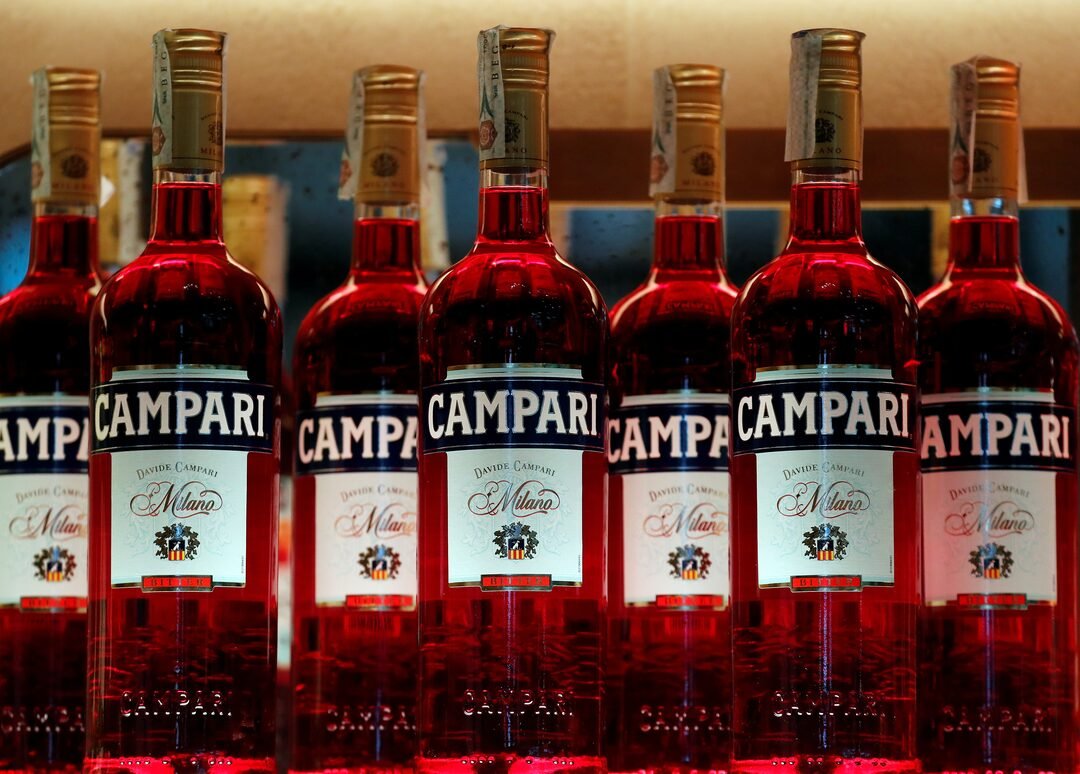
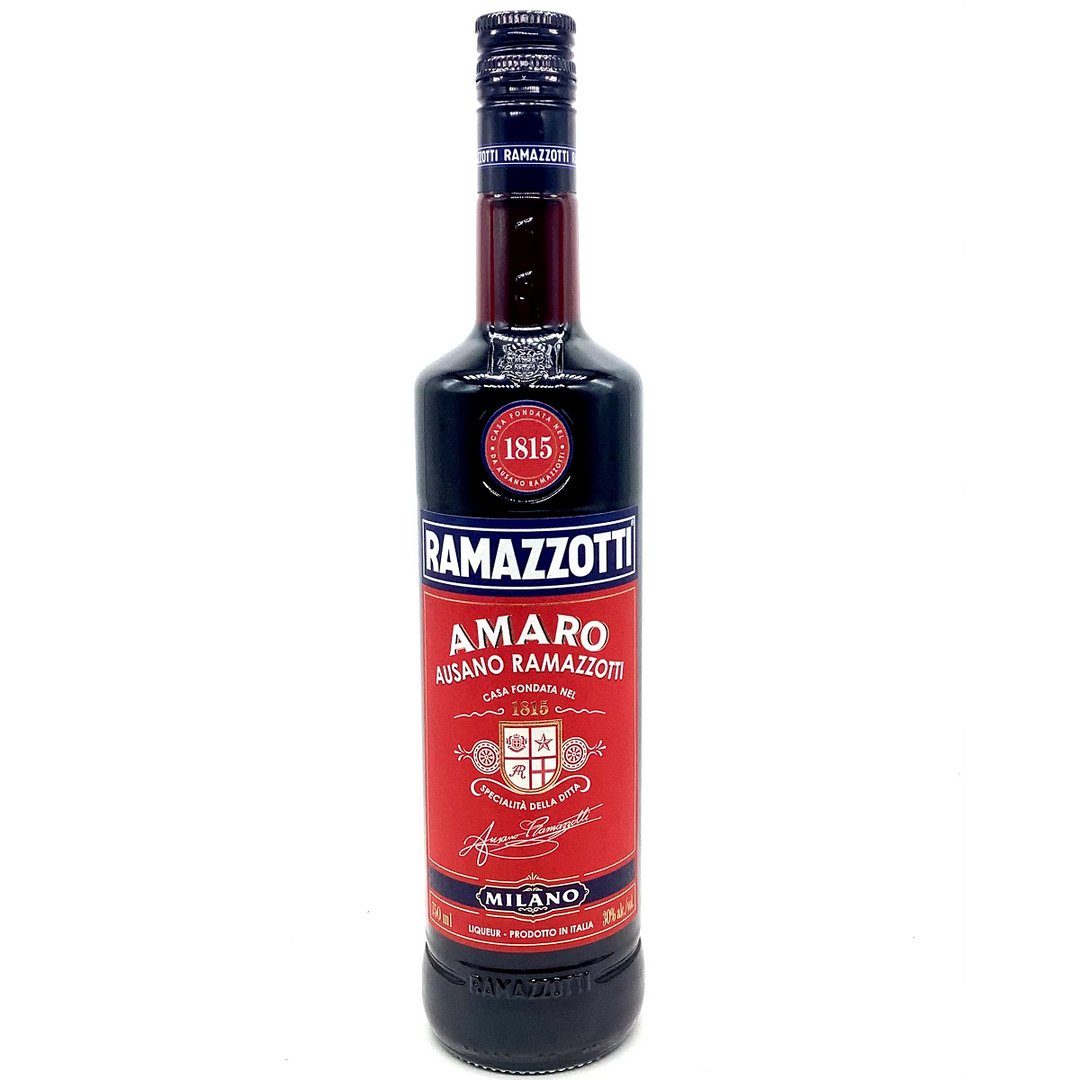
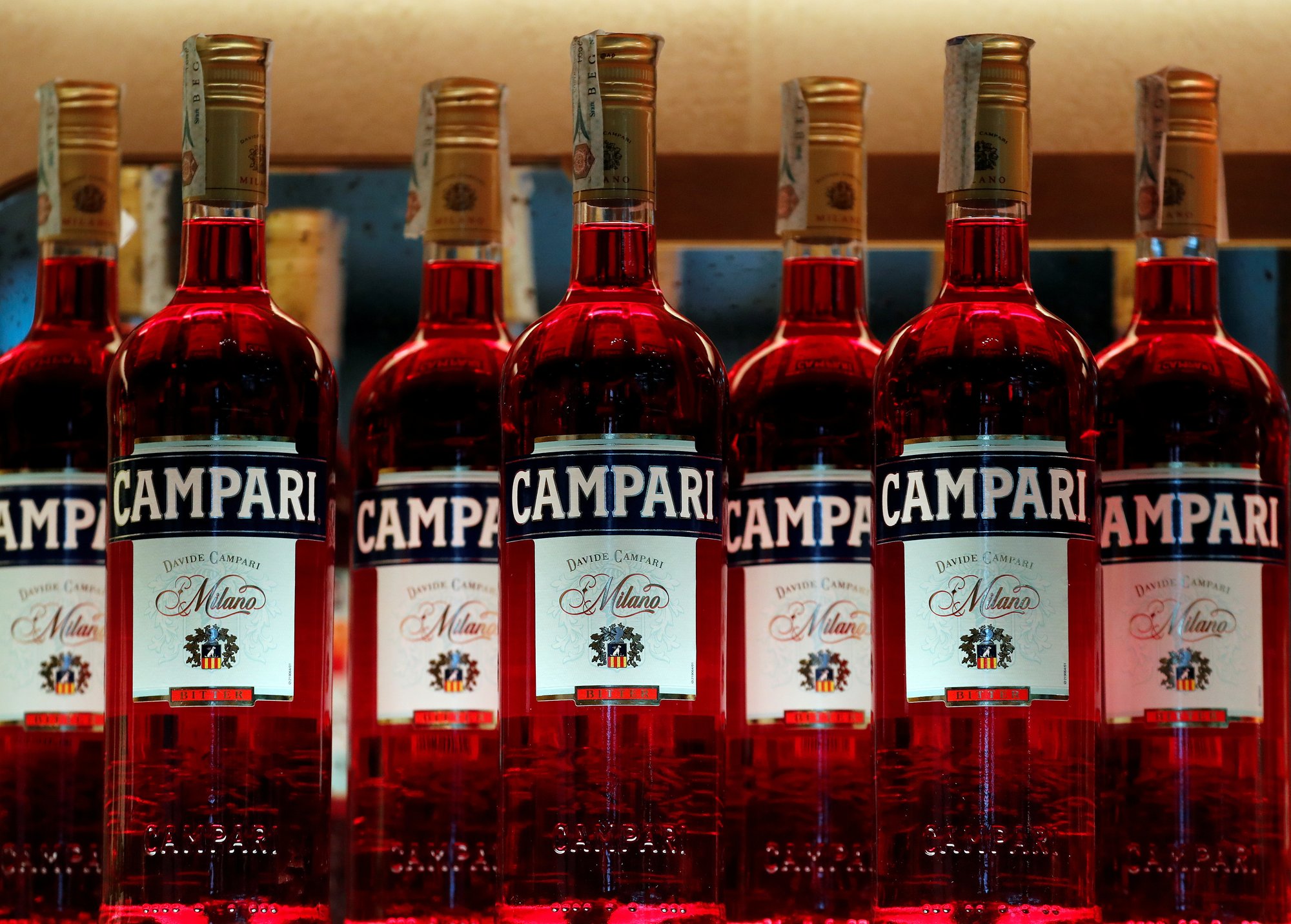
For comparison research, other names to consider include Campari, Ramazzotti, Amaro Ramazzotti, Fratelli Branca Distillerie, and Illva Saronno (Disaronno). Use those references as context only, and confirm each venue's current access and visitor details separately.
Use Fernet-Branca as one possible piece of a broader Milan plan rather than the whole plan. For a city-wide view, start with broader Milan guides and then confirm which stops match the kind of visit you actually want.
Planning details
- Location
- Milan
- Phone
- +39 02 8513 970
The take
The Take
The Vibe
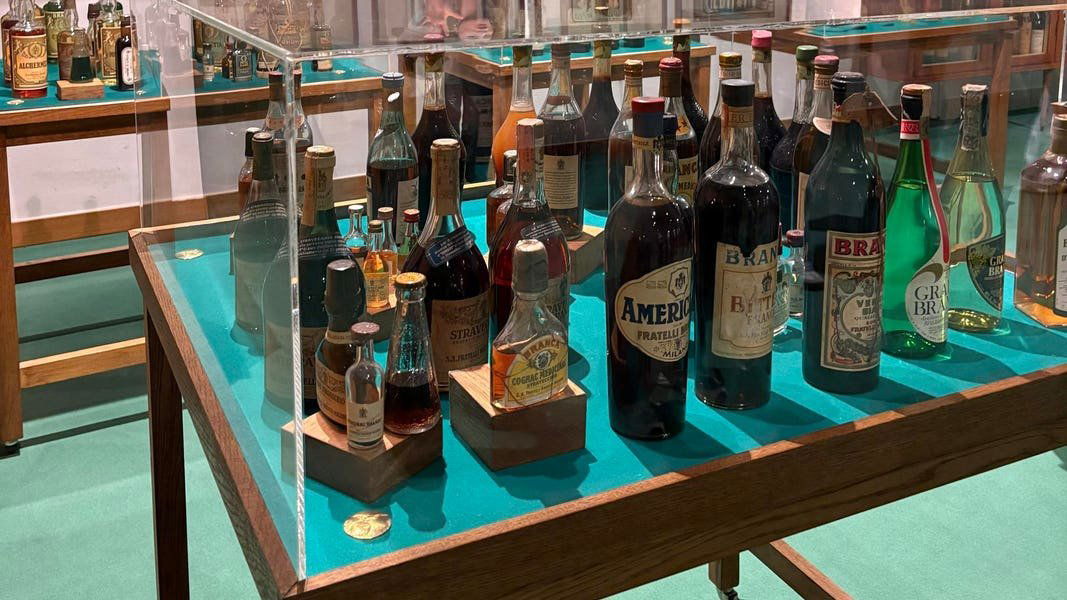
Fernet‑Branca reads like a piece of Milanese industrial memory — a distilled civic identity more than a trendy newcomer. The site sits in the city's historic distilling quarter and the brand's amber bottles and unmistakable label are woven through local aperitivo bars and enoteche. The tone is resolute and uncompromising: dense, herbal and classically bitter rather than fashioned for easy consumption. Visitors encounter a product that feels both generational and municipal, a formulation maintained across decades and presented with the steadiness of something that helped shape how a city drinks.
Best For
This is a destination for anyone interested in the history and craft of amaro: educators, bartenders, and curious drinkers who want to understand a harsher, herbal expression of the category. The liqueur’s presence in aperitivo bars ties it to after‑work rituals and informal tastings, while its longstanding production pedigree makes it useful as a teaching example in guided tastings. Expect stops at enoteche and bars where Fernet‑Branca is part of the local drinking fabric rather than a passing fashion.
Tasting Tips
Ask for Fernet‑Branca neat and at room temperature — the description explicitly notes that classic service. The liqueur is noticeably dense and layered with botanicals, so order a small measure and sip slowly to parse the bitterness and textural weight. Because this is an uncompromising, historically formulated amaro, pacing and concentration reveal its botanical architecture; reserve larger pours for contexts where a focused tasting or education is the aim.
Venue details
Ambiance
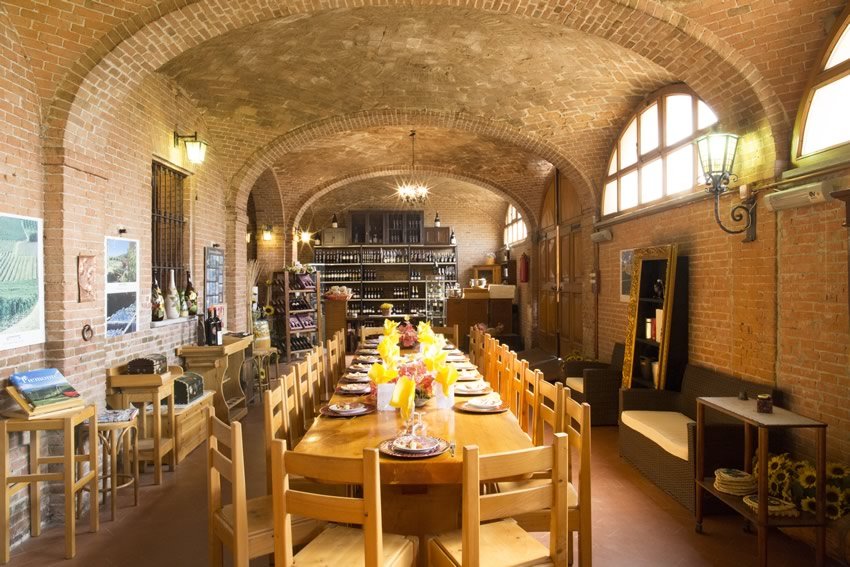
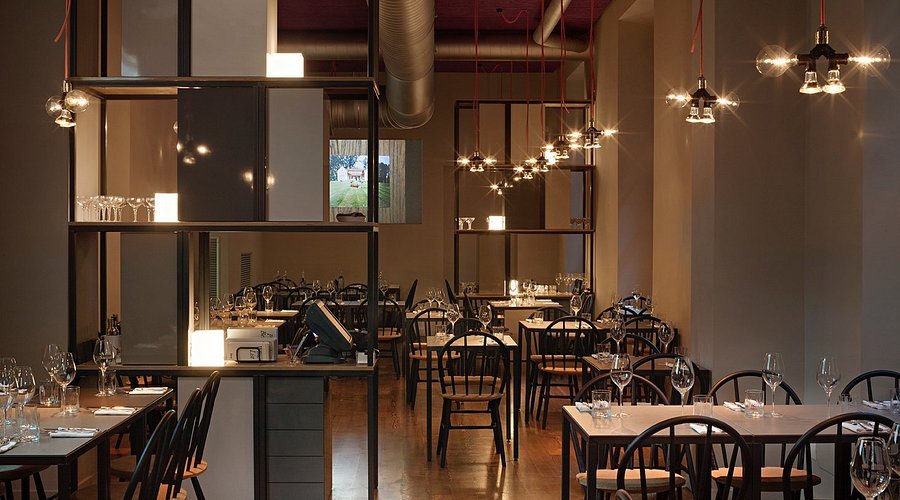
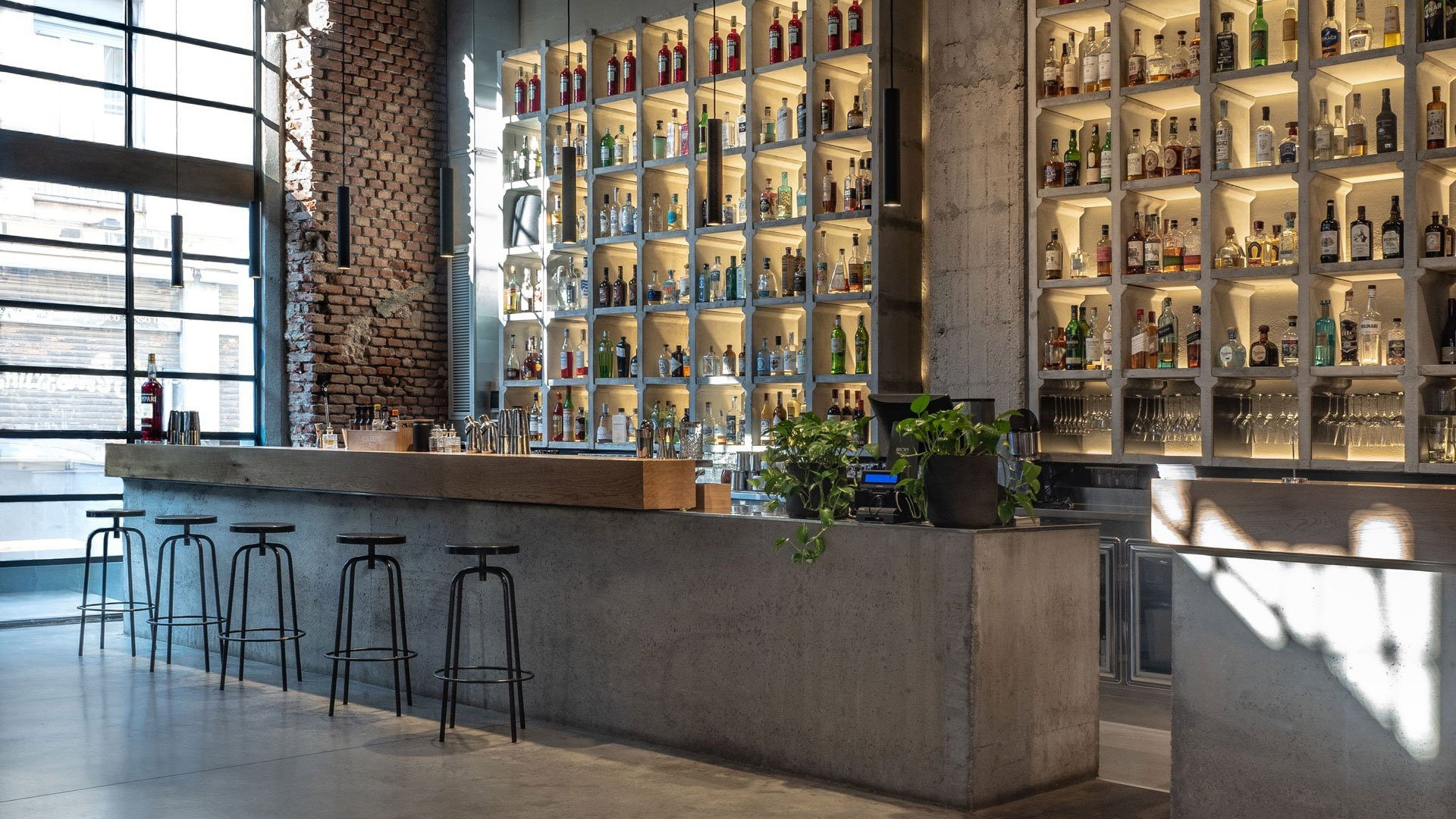
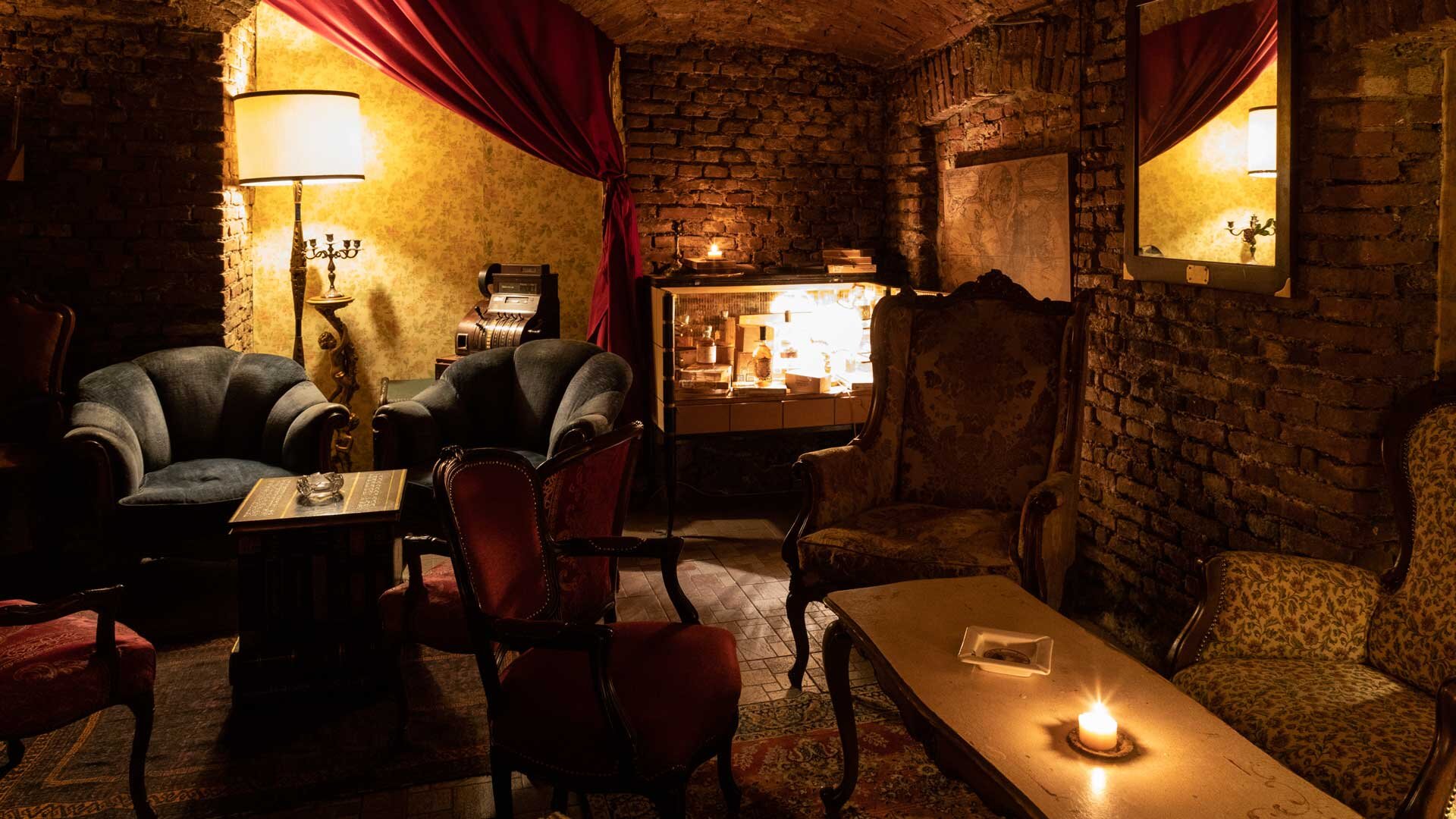
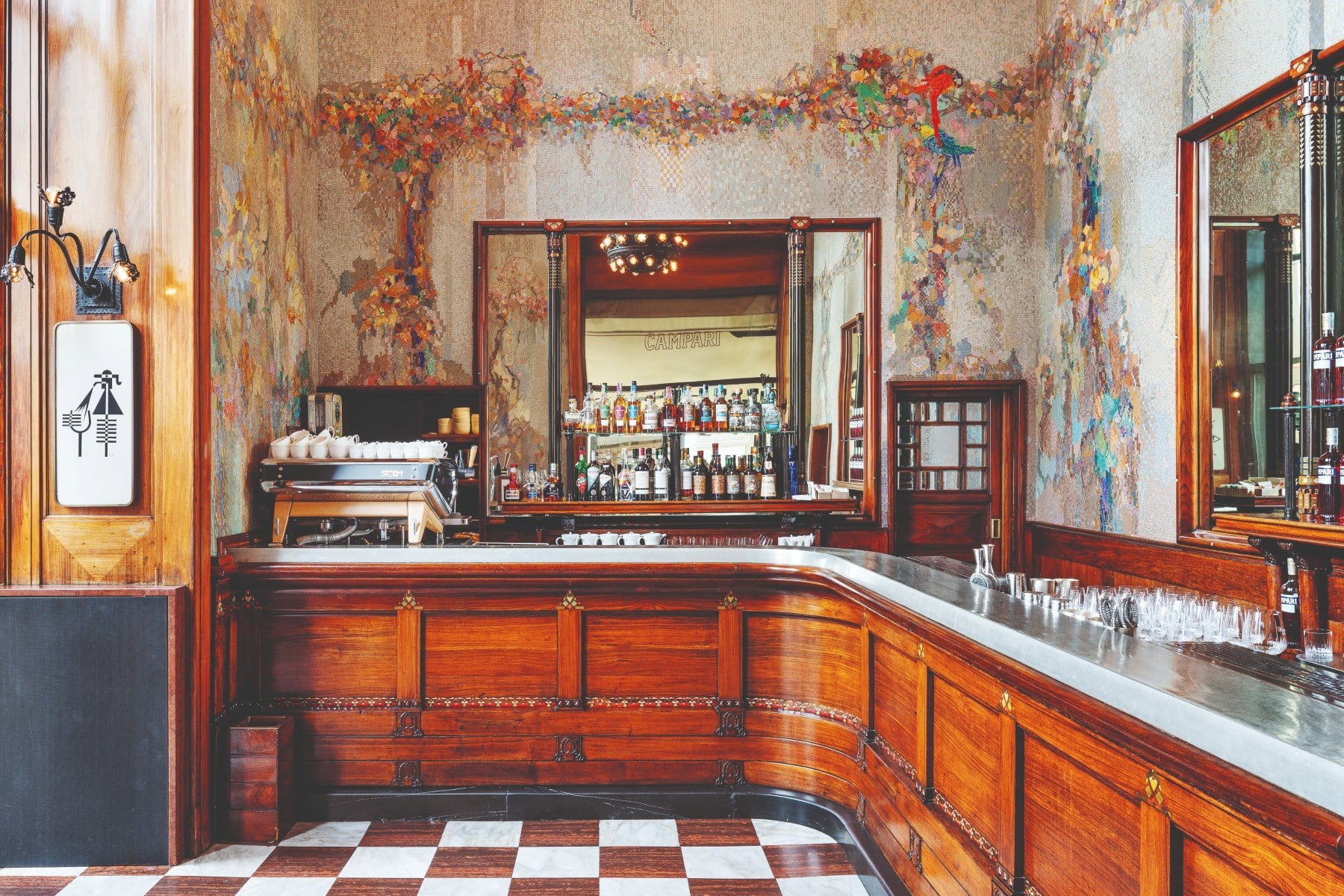
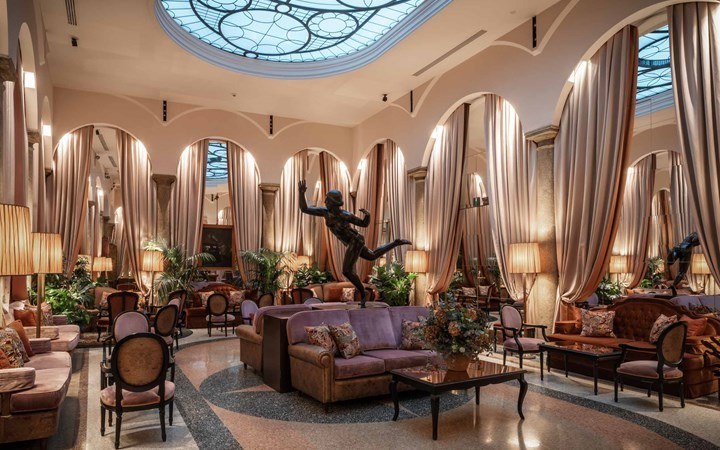
Apothecary-like with complex herbal aromas, dimly lit aging halls filled with oak vats, and a medicinal, sophisticated atmosphere.
Tags
Vibe
Best For
Experience
At the Vineyard
- Appellation
- Milan
- Tour Duration
- 90 minutes
- Visits
- By reservation
- Wine Styles
- Fortified
- Wine Club
- Not available
Know before you go
Know Before You Go
- Getting there
- Milan
Planning details
Location
Milan · Directions
Also consider
Also Consider
- Amaro Ramazzotti, Notable alternative
- Fratelli Branca Distillerie, Notable alternative
- Ramazzotti, Notable alternative
- Campari, Notable alternative
- Illva Saronno (Disaronno), Notable alternative
Winery context
How It Compares
Choose Fernet-Branca if the priority is Milan's bitter-spirits identity and production philosophy. Fratelli Branca Distillerie is the closest comparison for readers who want the same family of drinks heritage, while Campari is the stronger pick for an aperitivo-focused itinerary with broader cocktail-culture appeal.
Amaro Ramazzotti and Ramazzotti make sense for travelers comparing Milan amaro names rather than wine estates. If booking access is the deciding factor, keep multiple Milan spirits options in play because published visitor details are thin across this set. For value, the safer move is to pair one producer-style stop with a separate bar or restaurant plan rather than expecting a full food-and-drink experience on site.
Illva Saronno (Disaronno) is the out-of-metro alternative for liqueur heritage, but it serves a different brief. Pick it if the trip is expanding beyond Milan; stay with Fernet-Branca, Campari, or Ramazzotti if the goal is a tighter city itinerary.
Around this place
Discover more on Pearl
Unlock the full Fernet-Branca guide in Pearl, including awards, comparisons, FAQs, planning details, and nearby places.
Compare Fernet-Branca
| Venue | Location | Awards |
|---|---|---|
| Fernet-Branca | Milan | No published awards |
| Amaro Ramazzotti | Milan | No published awards |
| Fratelli Branca Distillerie | Milan | No published awards |
| Ramazzotti | Milan | No published awards |
| Campari | Milan | No published awards |
| Illva Saronno (Disaronno) | Saronno | No published awards |
How Fernet-Branca Milan compares with similar nearby venues.
FAQ
Frequently Asked Questions
What is Fernet-Branca known for here?
The profile here is limited to Fernet-Branca in Milan, a casual dress code, and Pearl 3 Star Prestige (2025). Specific beverage, menu, or visitor-experience details are not included in this guide.
What other names are useful for comparison research?
For comparison research, look at Campari, Ramazzotti, Amaro Ramazzotti, Fratelli Branca Distillerie, and Illva Saronno (Disaronno). Confirm current visitor details for each venue separately.
Does Fernet-Branca have membership or bottle-access details?
No membership or bottle-access details are listed for Fernet-Branca in Milan. The confirmed information here is the casual dress code and Pearl 3 Star Prestige (2025), not club membership or bottle access.
Do I need a reservation at Fernet-Branca?
Reservation requirements are not listed here. Treat Fernet-Branca as a planning-first Milan stop and confirm access before you go, especially if it is part of a tight itinerary.