
Hotel Oculto
Juarez, Mexico City
Hotel in Mexico City, Mexico
 Book with Pearl
Why go
Hotel Oculto is worth considering if you want a quiet, small-scale Juárez base and do not need a full-service hotel checklist. It is a weaker fit for loyalty-point travelers, spa-focused stays, or anyone who wants a clearly published dining and amenity program before booking.
About Hotel Oculto
Hotel Oculto is a venue listing in Mexico City. Details about its address, neighborhood, amenities, dining, room types, service format, pricing, or policies are limited, so it's advisable to confirm the essentials directly before booking. In practical terms, the name and city alone are not enough to establish whether it suits a particular itinerary, travel style, or expectation for comfort and convenience.
For travelers comparing Mexico City stays, Hotel Oculto may still be worth reviewing if the name and city match the trip you are planning. Avoid relying on assumptions about location style, services, or on-site facilities. If those details matter, ask for current information before committing. Mexico City choices can vary widely in feel and function, so even basic missing information can affect whether a stay feels seamless or uncertain once plans are underway.
Book only after confirming the practical details
The right approach is to verify the basics directly: location within Mexico City, arrival process, room category if applicable, payment terms, cancellation policy, and any service needs around luggage or transport. Information on a restaurant, spa, loyalty program, family facilities, business services, or other amenities is not available. Those gaps do not necessarily rule the property out, but they do mean that travelers should build their decision around direct confirmation rather than implication.
If you are choosing between Hotel Oculto and other Mexico City options, compare it with alternatives such as Brick Hotel, Casa Seis Siete, Colima 71 - Casa de Arte Hotel, Hotel Carlota, or Roso Guest House. Comparing against other listings can clarify what is known, what remains open, and which questions still need answers. Hotel Oculto should be evaluated directly with the property rather than through assumptions about its style or services.
Planning details
- Location
- C. Versalles 80, Juárez, Cuauhtémoc, 06600 Ciudad de México, CDMX, Mexico
- Website
- hoteloculto.com
- Phone
- +52 56 5668 1022
The take
The Take
The Vibe
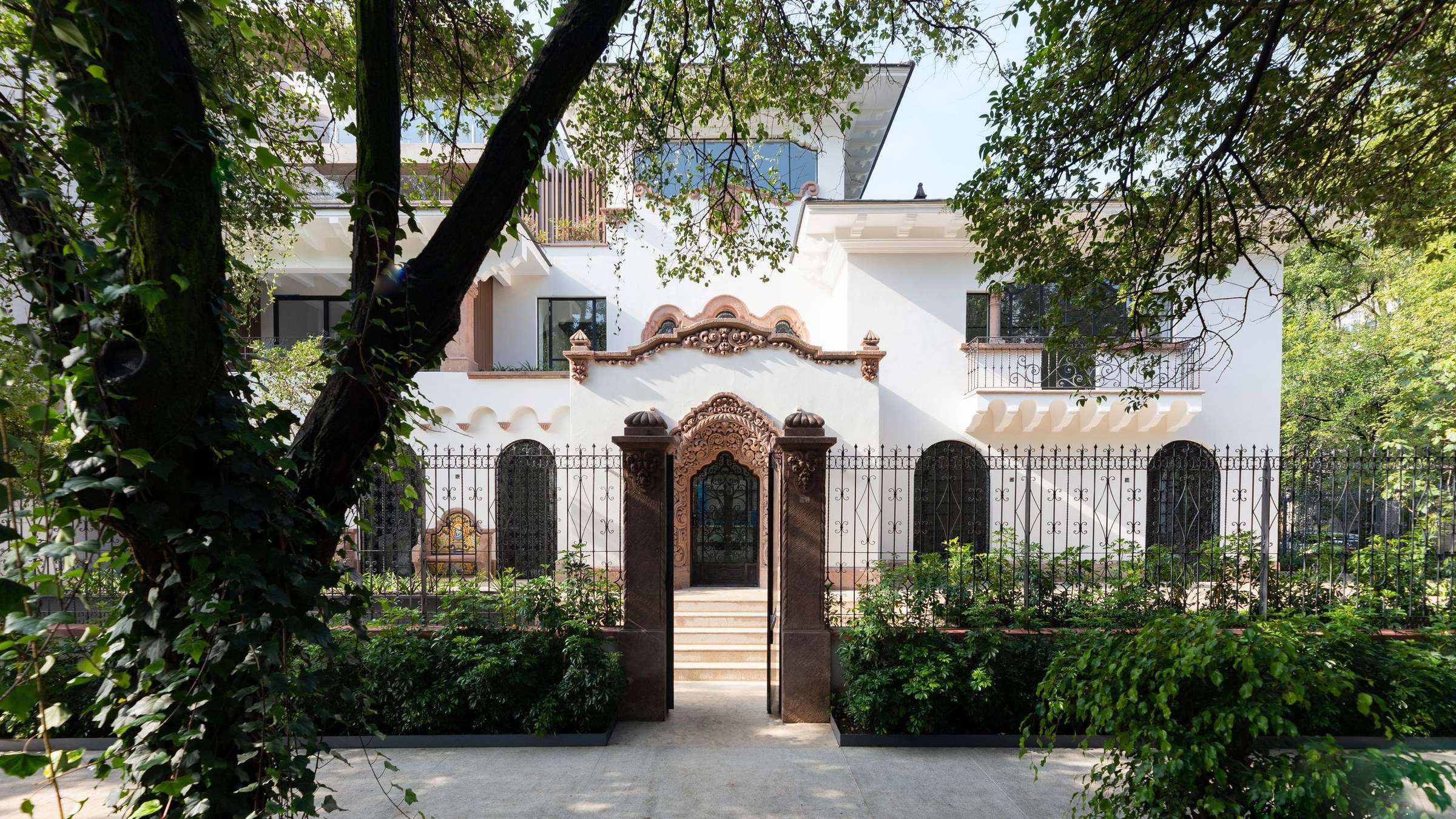
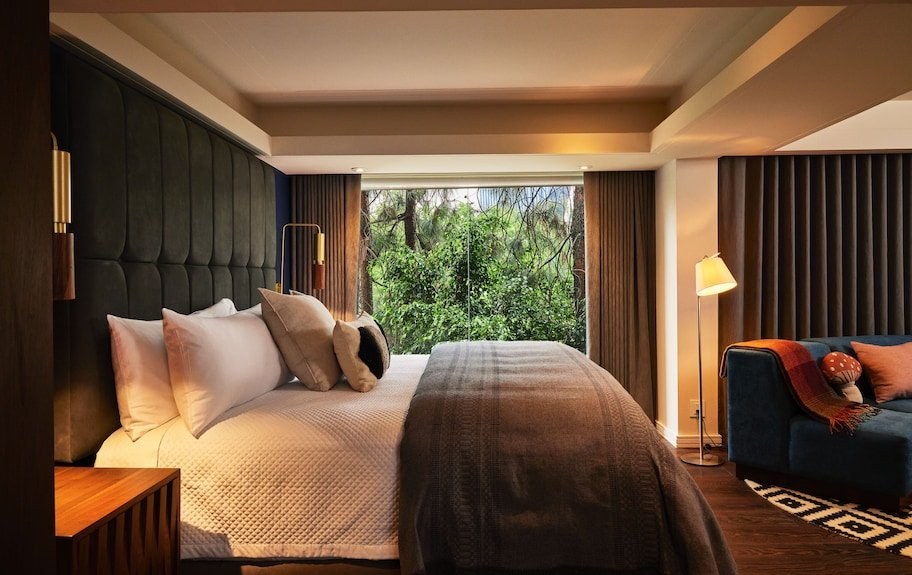
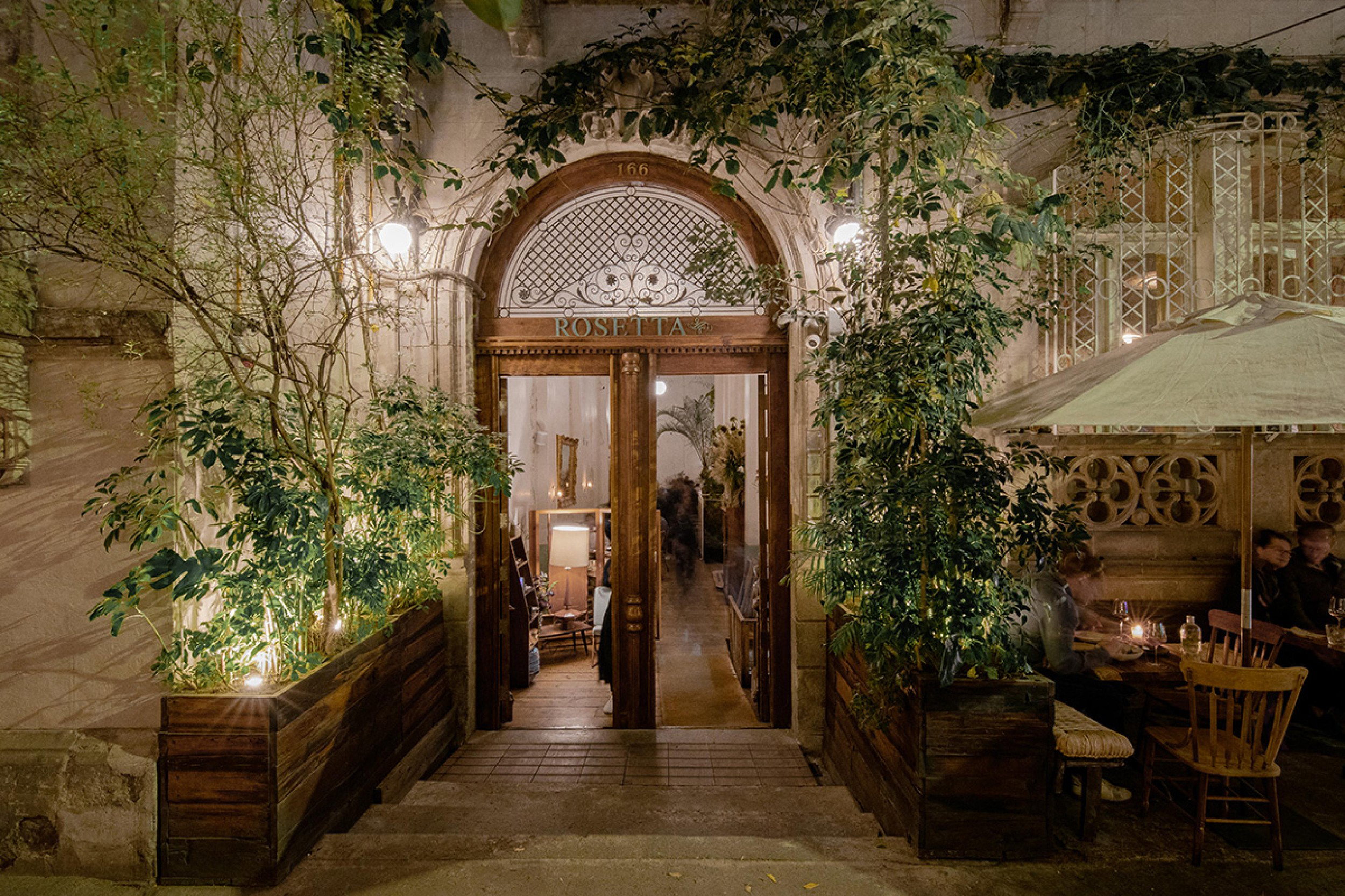
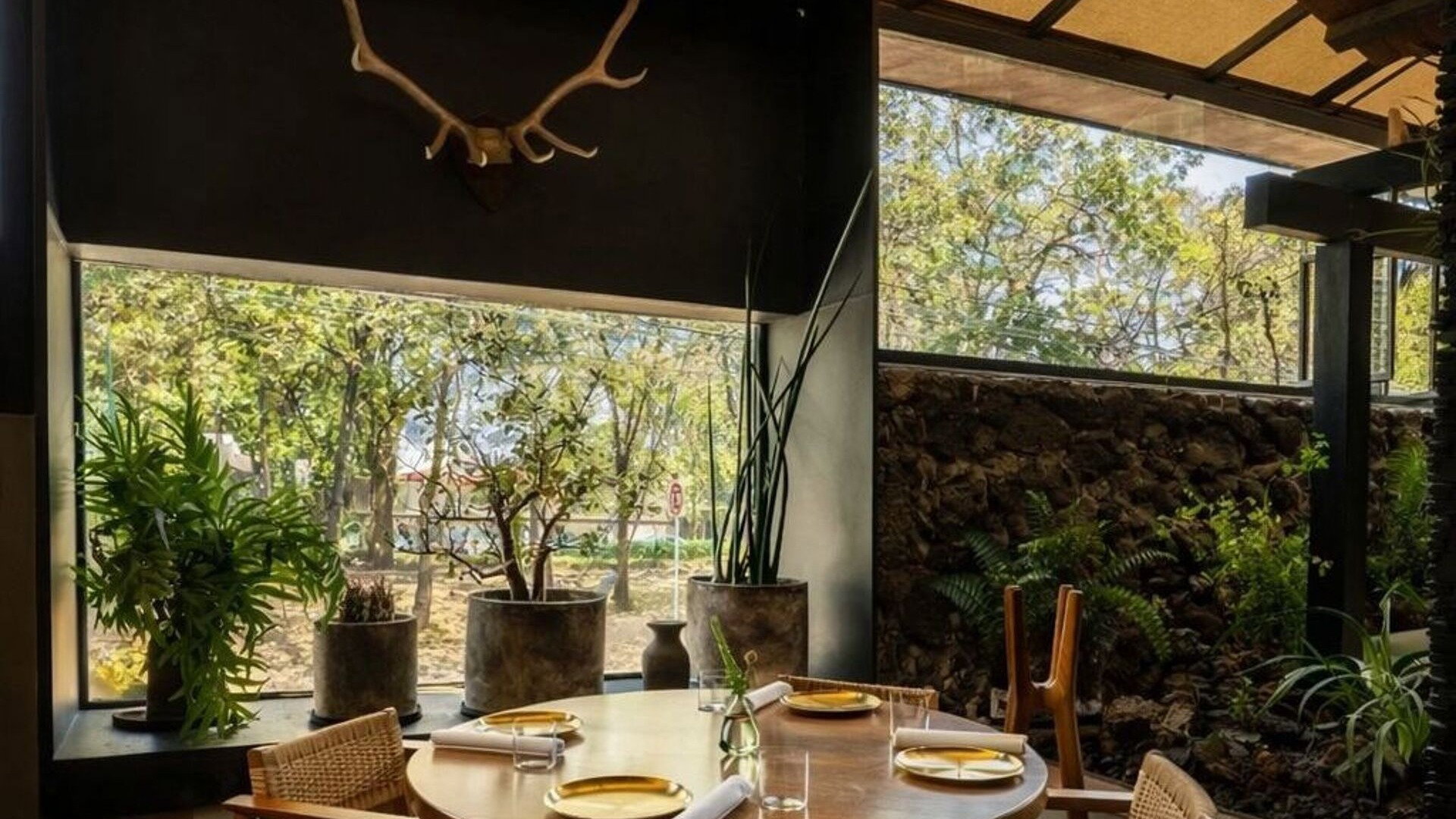
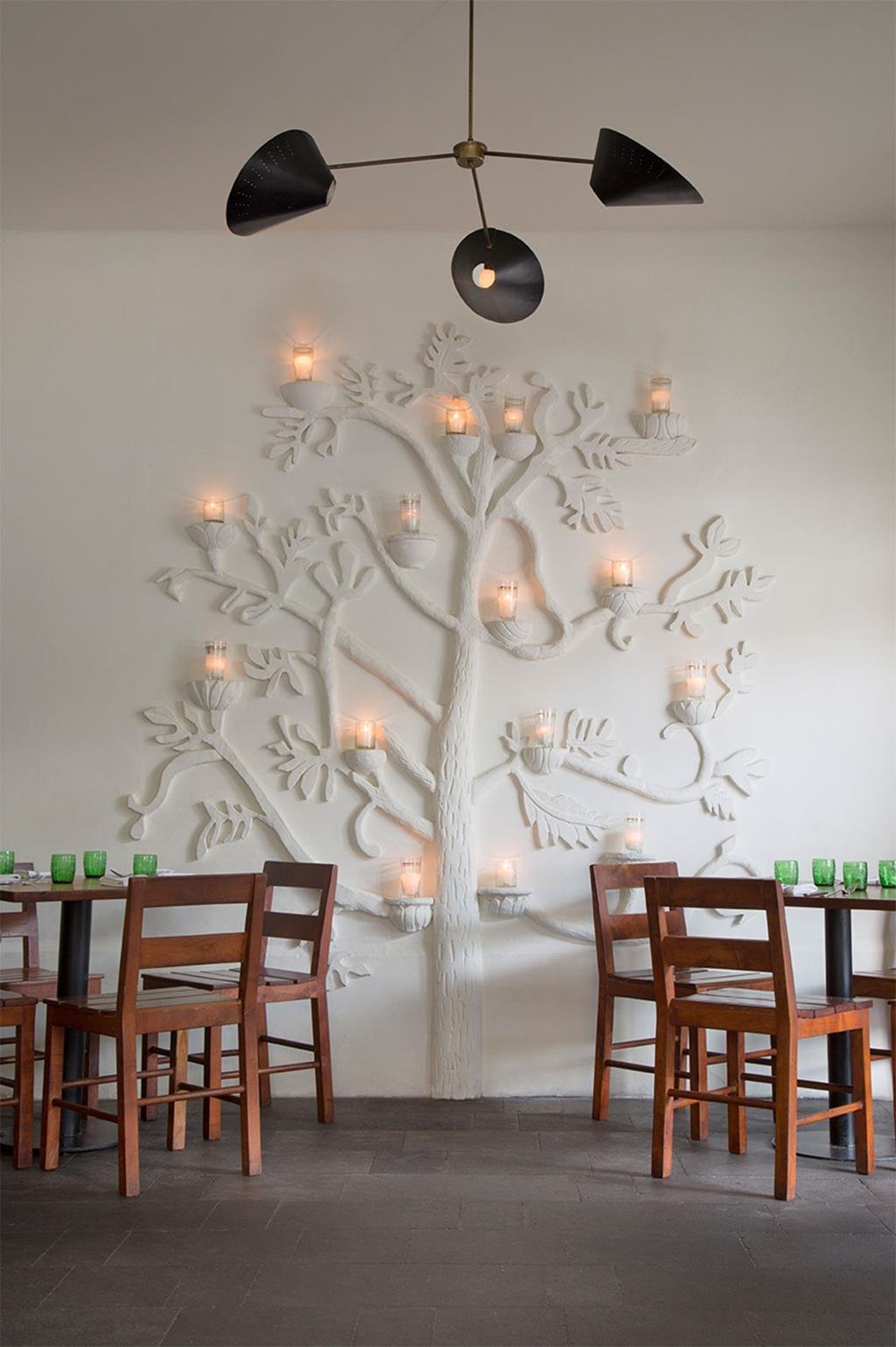
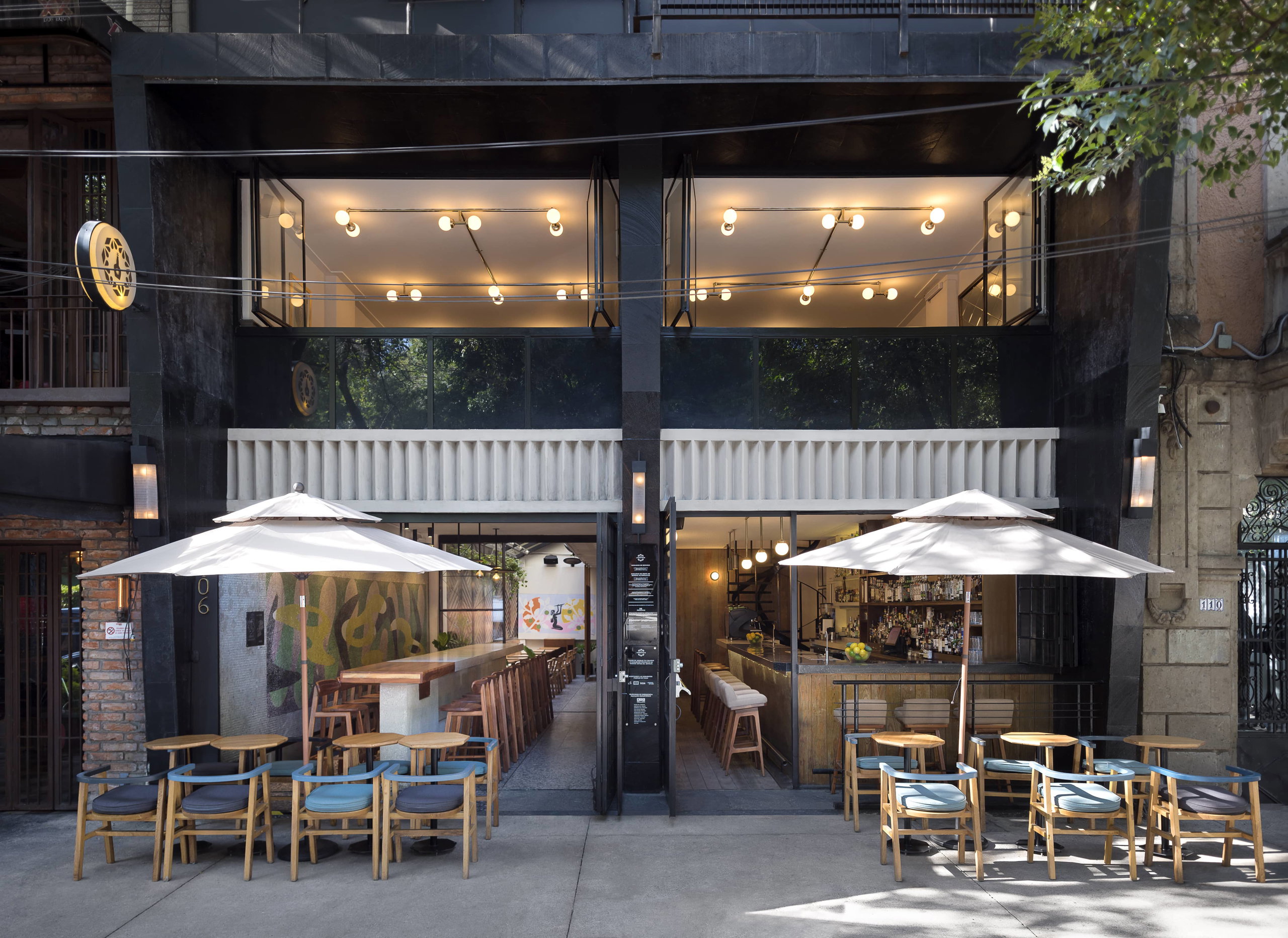
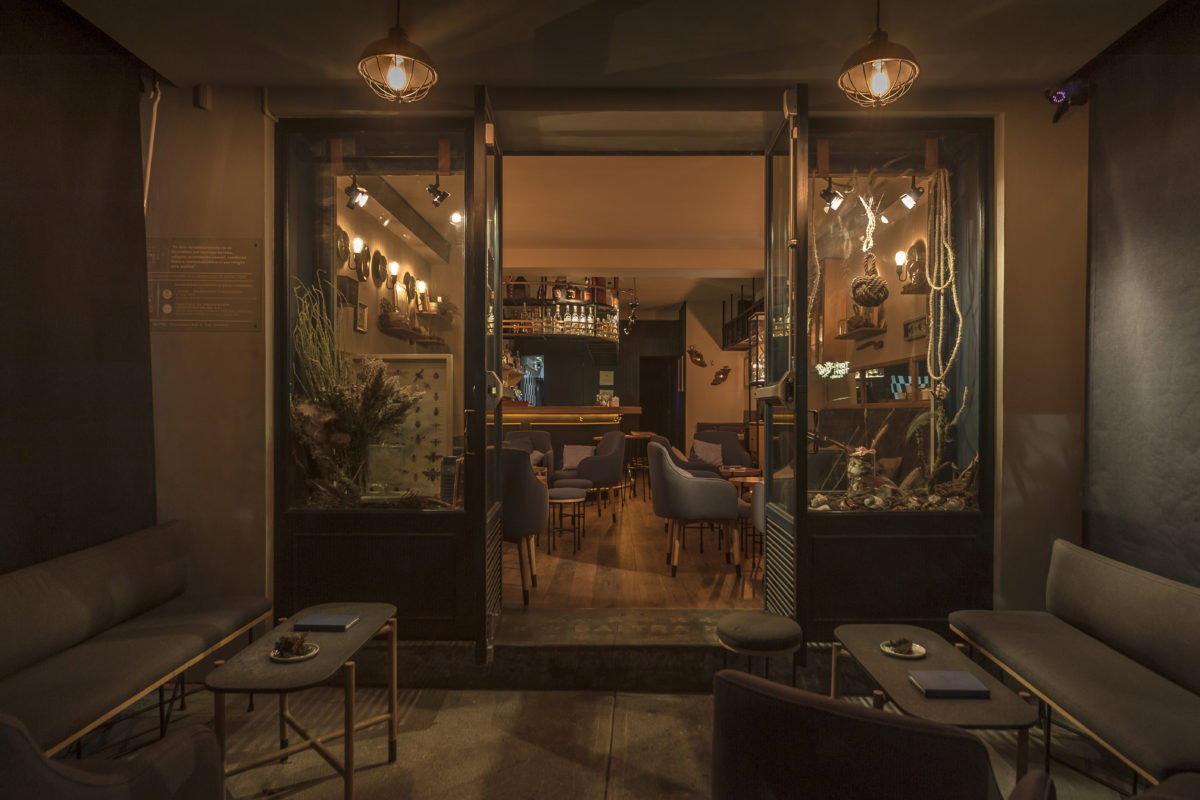
Hotel Oculto presents itself as a quietly assertive boutique stay that rewards curiosity. The property leans into a ‘hidden’ identity, positioning the neighborhood and its architecture as the primary draw rather than loud hotel theatrics. The writing emphasizes a refined, design-forward sensibility: it belongs to an architecturally interesting tier of residential colonias where converted mansions and repurposed industrial buildings sit alongside purpose-built boutique properties. Guests find a restrained, thoughtful atmosphere that treats the room as a calm base for exploring Mexico City’s contemporary art, architecture and food scenes, rather than the destination’s main spectacle.
Best For
Hotel Oculto is best for travelers who prioritize neighborhood immersion and design-led stays. It suits visitors who want a low-key, boutique base from which to explore La Juárez and adjacent colonias—places celebrated for galleries, architecture and an ambitious dining scene. The property appeals to those who prefer independent, curiosity-driven hotels to large-brand predictability: travelers here value walking the streets, discovering local restaurants and experiencing the city’s cultural pulse. It’s a strong choice for short urban getaways where the surrounding neighbourhood is the main event and the room functions as a thoughtful, quietly furnished retreat.
Stay Tips
Book Hotel Oculto when your trip prioritizes neighborhood exploration and the city’s cultural program. Because the hotel markets itself as part of a boutique tier that emphasizes architecture and local context, plan your itinerary around nearby galleries, contemporary restaurants and walking routes through La Juárez, Roma or Condesa. Treat the hotel as your base rather than the centerpiece—allow time to wander and reserve sought-after local restaurants in advance. If architecture and design are primary interests, check the hotel’s location relative to specific galleries or cultural venues you intend to visit to maximize your time on foot.
Venue details
Ambiance
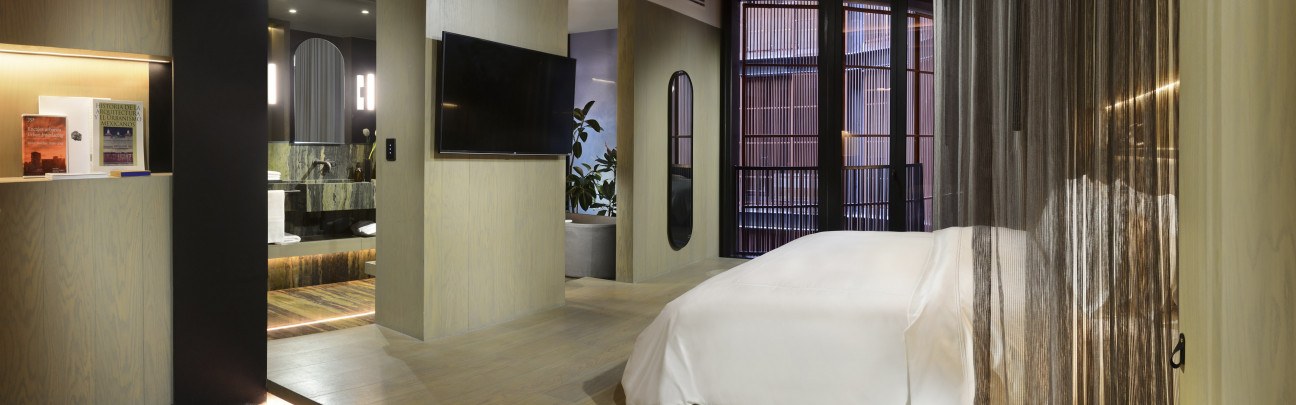
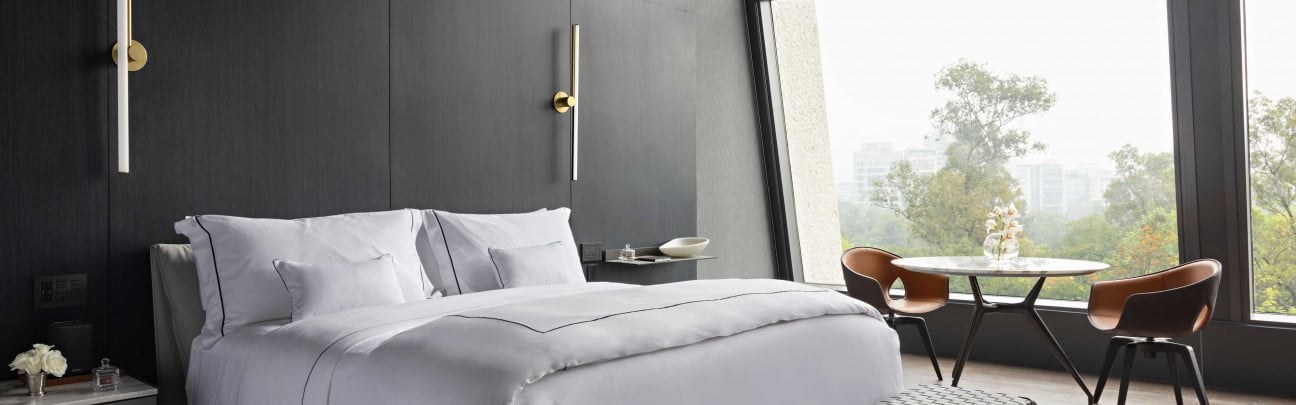
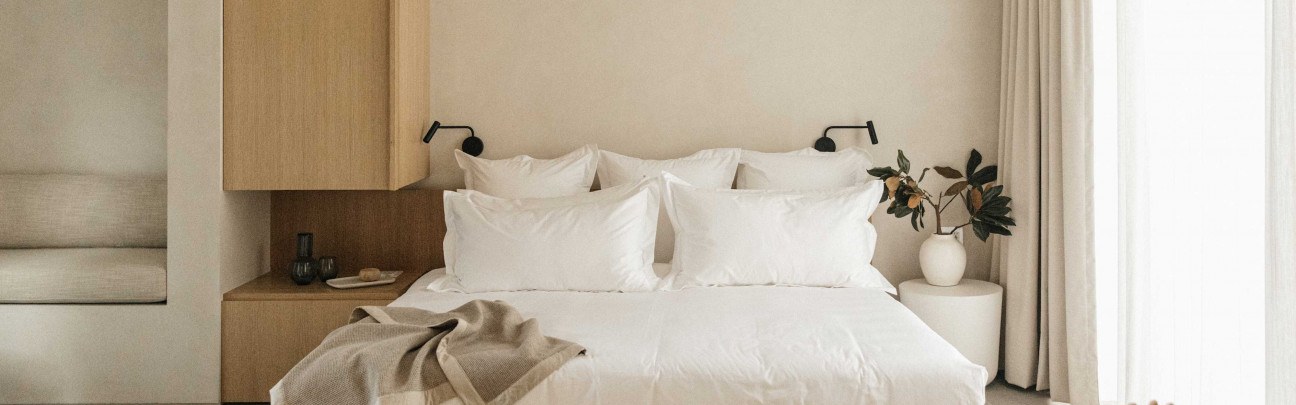
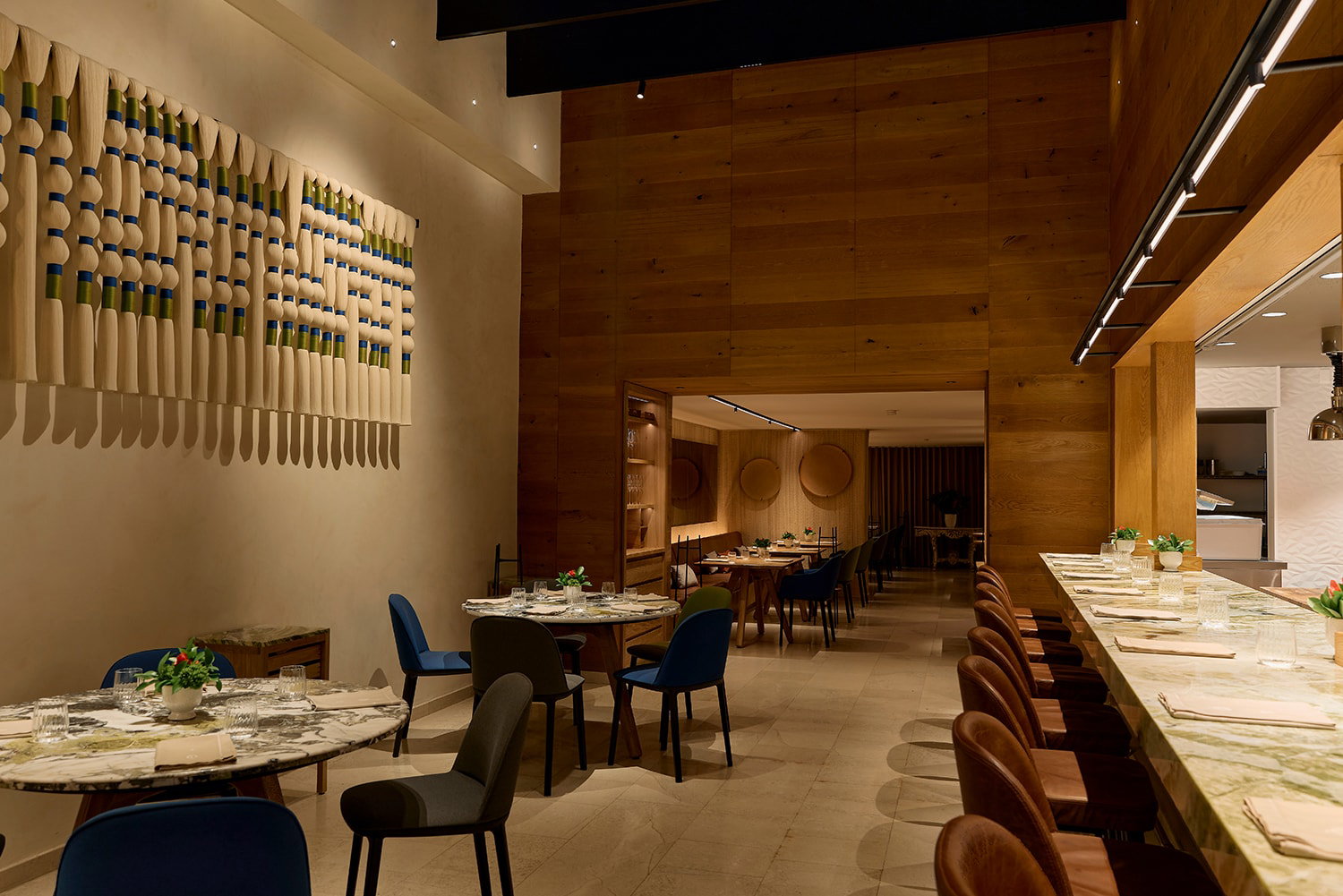
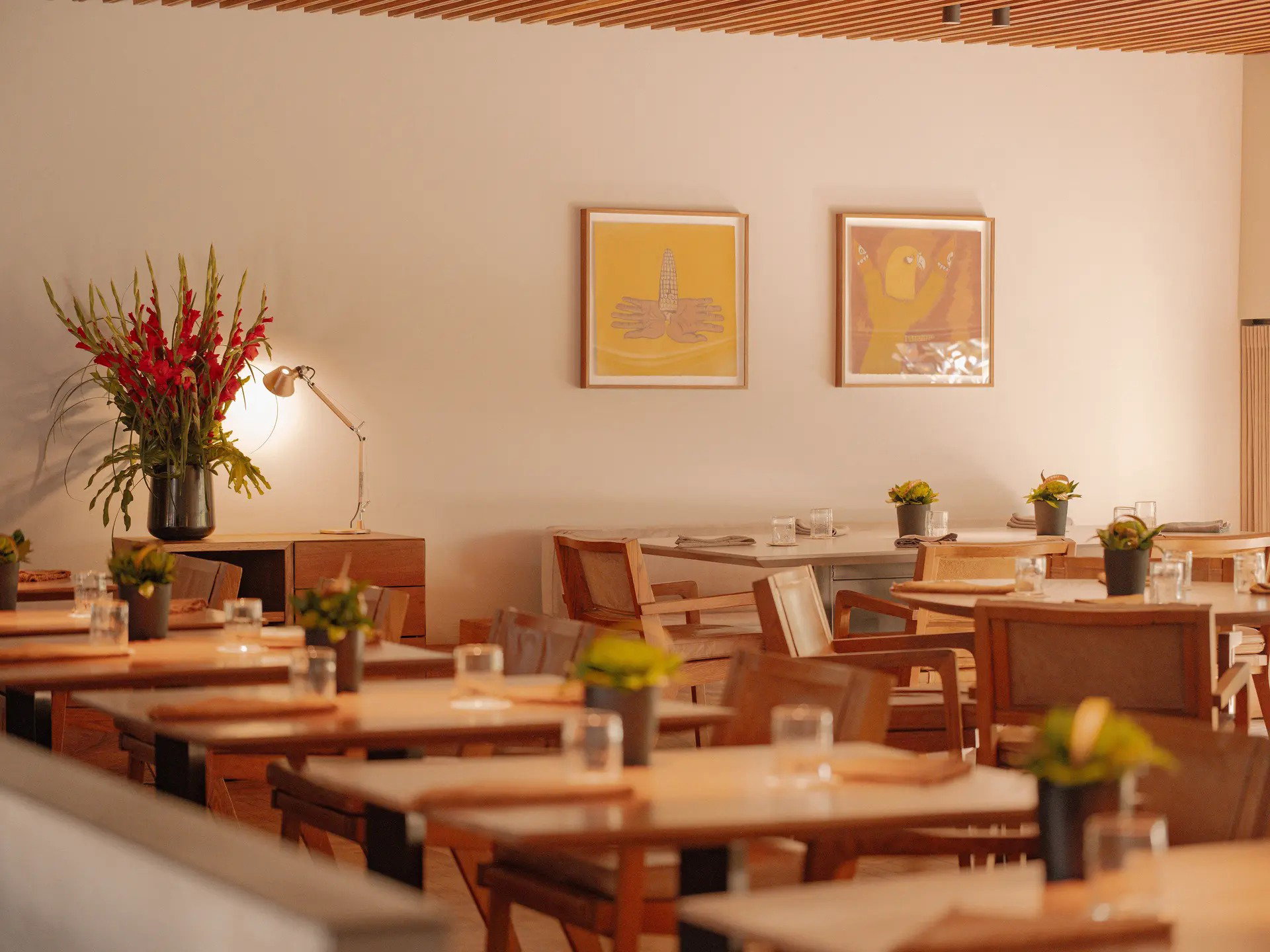
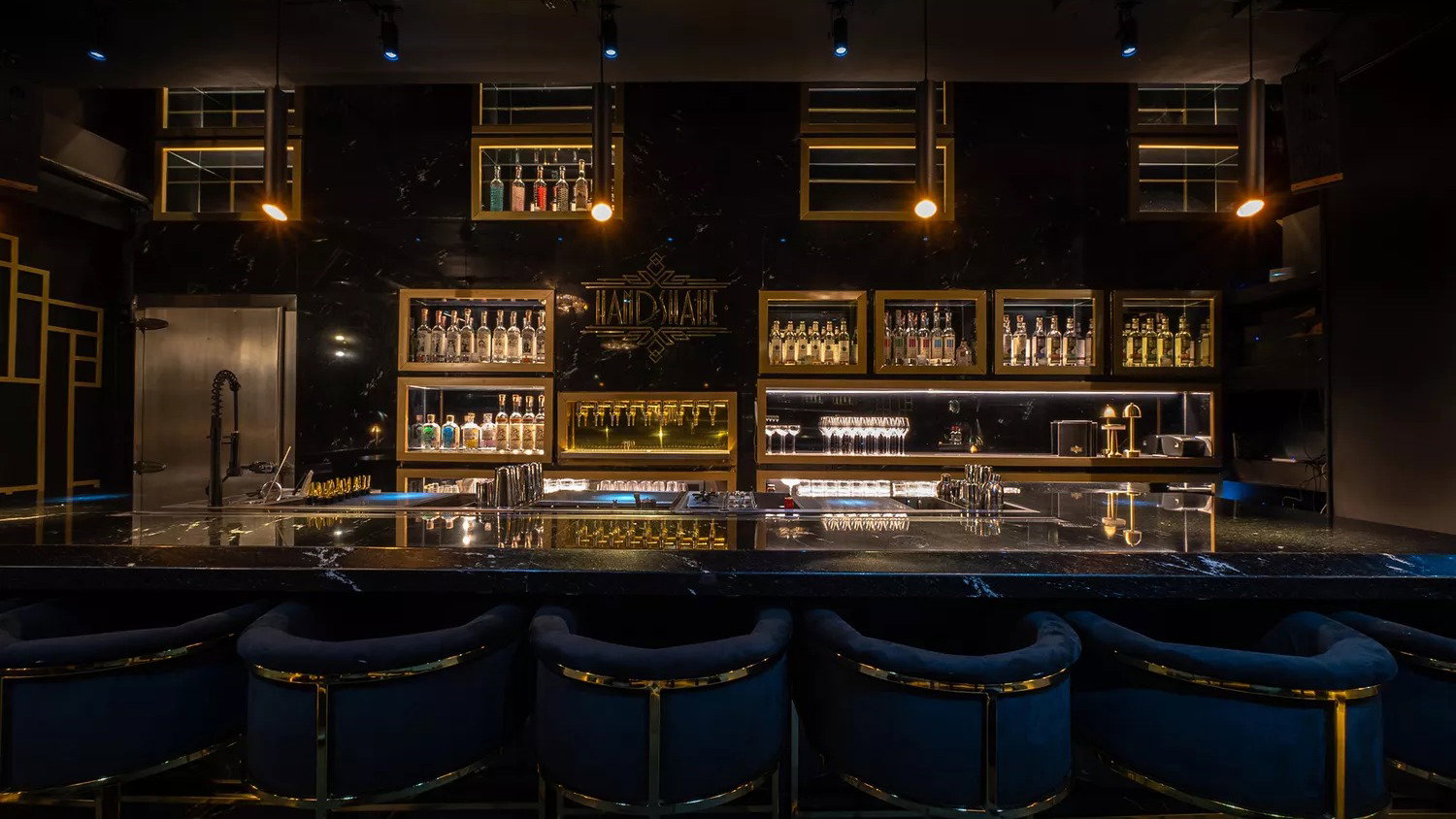
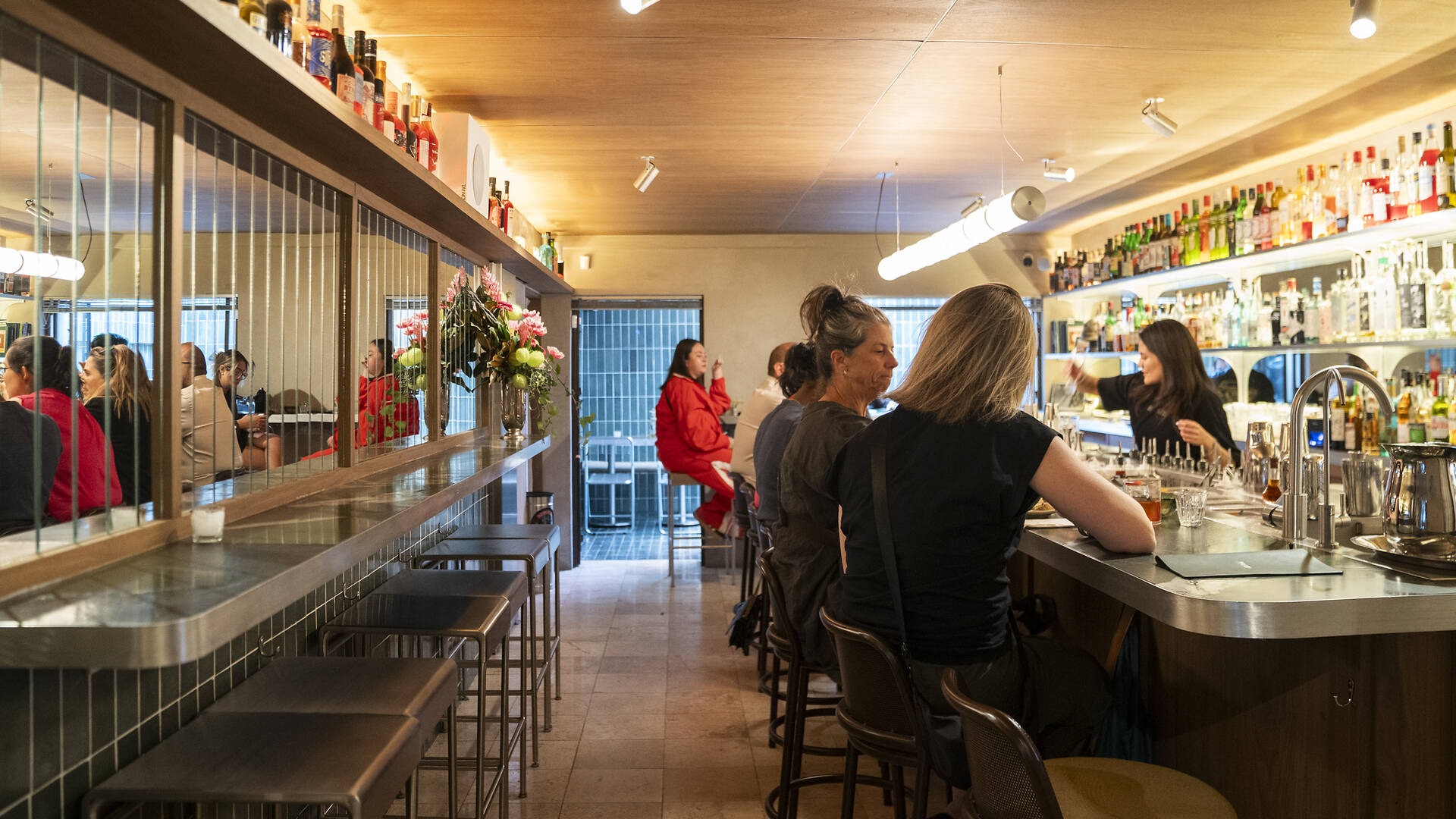
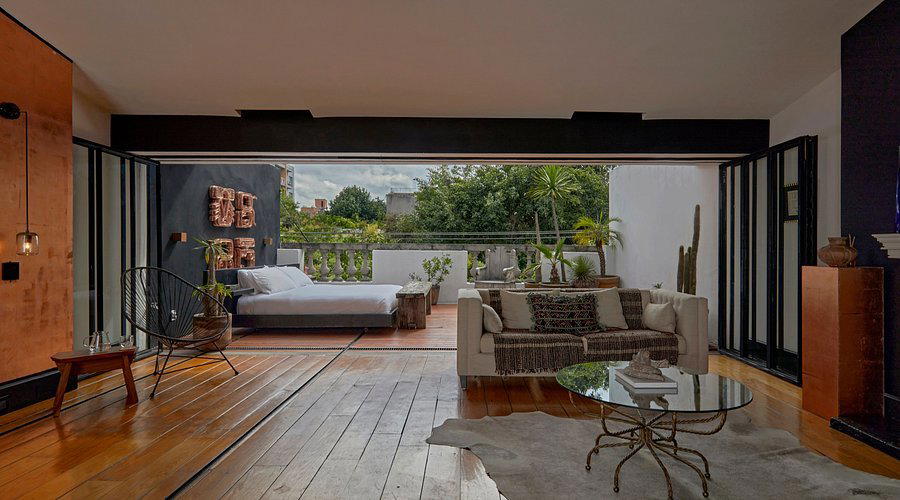
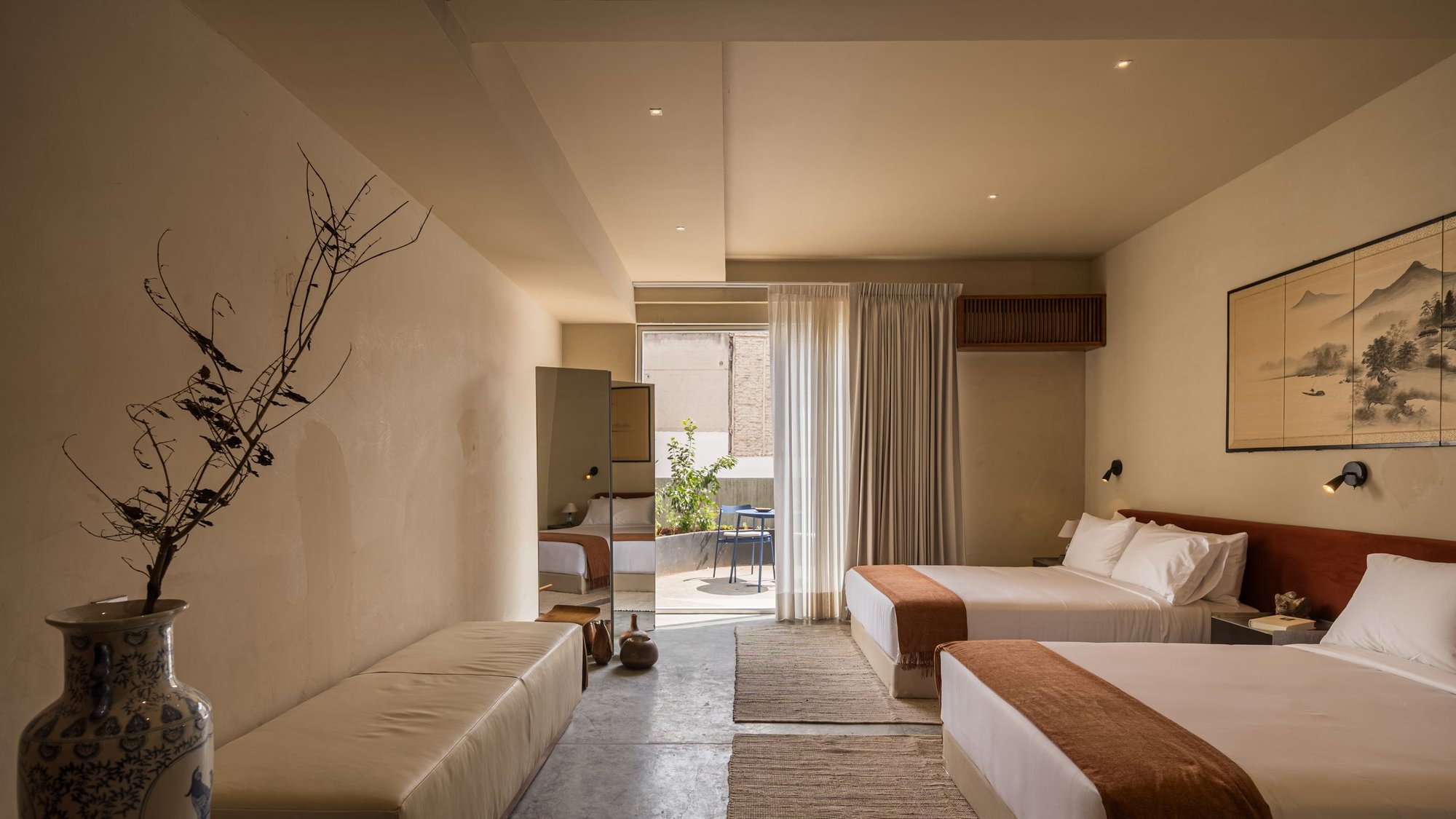
Intentional, calm interiors with soft light, natural materials, and curated contemporary spaces offering a quiet retreat amid urban energy.
Tags
Vibe
Best For
Experience
Amenities
View
About the Stay
- Rooms
- 21
- Check-in
- 15:00
- Check-out
- 12:00
- Property Type
- Boutique hotel
- Property Style
- Boutique Hotel in Restored Heritage Building with Contemporary Design
- Design Style
- Contemporary Industrial with Natural Materials and Soft Lighting
- Airport Transfer
- Available
- Spa
- Yes
Know before you go
Know Before You Go
- Getting there
- C. Versalles 80, Juárez, Cuauhtémoc, 06600 Ciudad de México, CDMX, Mexico
Planning details
Location
C. Versalles 80, Juárez, Cuauhtémoc, 06600 Ciudad de México, CDMX, Mexico · Directions
Recognition and awards

Also consider
Also Consider
- Colima 71 - Casa de Arte Hotel, Notable alternative
- Hotel Carlota, Notable alternative
- Casa Seis Siete, Notable alternative
- Roso Guest House, Notable alternative
- Brick Hotel, Notable alternative
Hotel context
How it compares in Mexico City
Choose Hotel Oculto if the priority is a discreet Juárez stay and an easier booking path. Colima 71 - Casa de Arte Hotel is the stronger pick for travelers who want a more defined boutique-hotel identity, while Hotel Carlota is a better cross-shop if atmosphere and a more established scene matter more than quiet.
Casa Seis Siete and Roso Guest House are closer alternatives for guests who like small-format stays but want to compare neighborhood feel before committing. If the trip is a celebration and the hotel itself needs to do more of the work, Brick Hotel is the safer splurge-style comparison; Hotel Oculto is the simpler, lower-profile choice when location and privacy matter more than a headline hotel experience.
Explore Mexico City
Around this place
Discover more on Pearl
Unlock the full Hotel Oculto guide in Pearl, including awards, comparisons, FAQs, planning details, and nearby places.
Compare Hotel Oculto
| Venue | Location | Awards |
|---|---|---|
| Hotel Oculto | Mexico City | 2026 Vogue Best Hotels in Mexico City |
| Colima 71 - Casa de Arte Hotel | Mexico City | 2026 Vogue Best Hotels in Mexico City2026 Mr & Mrs Smith Luxury Hotels2026 Michelin 1 Key2025 Michelin 1 Key |
| Hotel Carlota | Mexico City | No published awards |
| Casa Seis Siete | Mexico City | No published awards |
| Roso Guest House | Mexico City | Small Luxury Hotels Member 2025 |
| Brick Hotel | Mexico City | 2026 Mr & Mrs Smith Luxury Hotels2026 Michelin 1 Key2025 Michelin 1 KeySmall Luxury Hotels Member 2025 |



How Hotel Oculto Mexico City compares with similar nearby venues.
FAQ
Frequently Asked Questions
Do loyalty programs work at Hotel Oculto?
How is the dining at Hotel Oculto?
Restaurant or dining information for Hotel Oculto is not available. Plan to confirm any on-site dining details directly, or consider other dining in Mexico City separately.
What is check-in like at Hotel Oculto?
How is the location of Hotel Oculto?
Is Hotel Oculto family-friendly?
Family-travel details for Hotel Oculto are not available. If you are traveling with children, confirm room setup, occupancy rules, and any relevant amenities directly before booking.
How does Hotel Oculto compare to other Mexico City options?
Compare Hotel Oculto directly with other Mexico City options such as Brick Hotel, Casa Seis Siete, Colima 71 - Casa de Arte Hotel, Hotel Carlota, and Roso Guest House based on current rates, location, policies, and services.
Is Hotel Oculto good for business travel?
Business-travel details for Hotel Oculto are not available. If you need reliable work space, meeting access, early check-in, luggage support, or specific invoicing, confirm those details directly before booking.