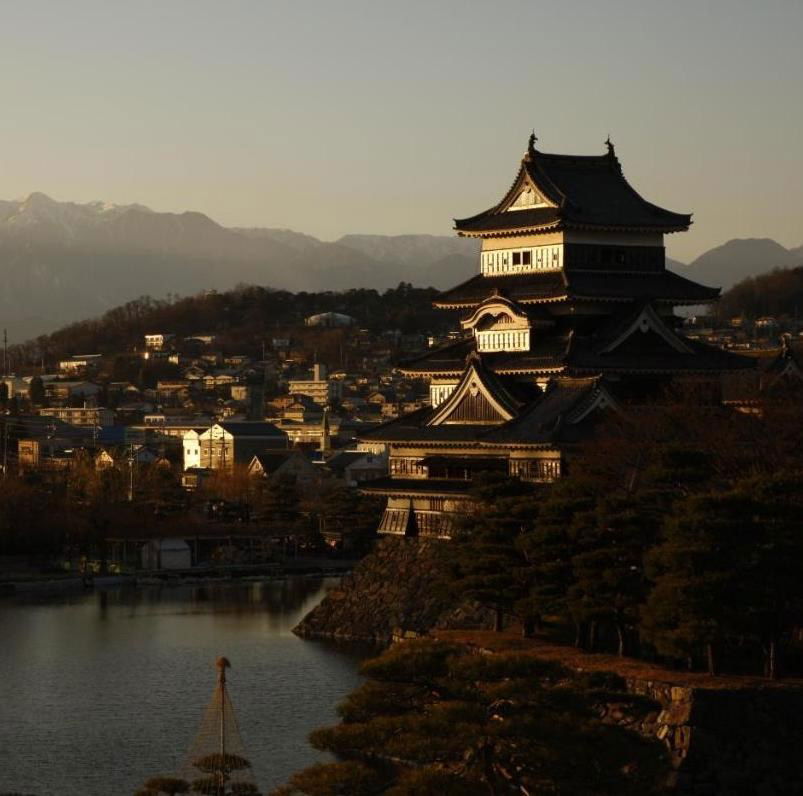

Matsumoto Jujo
Asama Onsen, Matsumoto
Hotel in Matsumoto, Japan
 Book with Pearl
Why go
Book Matsumoto Jujo if you want a Matsumoto hot-spring base that works for families and flexible itineraries. It is a stronger fit than remote resort peers when access and ease matter, while Tobira Onsen Myojinkan is the better call for a more secluded retreat.
About Matsumoto Jujo
Matsumoto Jujo is a Matsumoto hotel with MICHELIN Guide Hotels Selected (2025) recognition. It is best considered as a Matsumoto stay rather than through assumptions about a specific dining format, room concept, service style, or resort program.
The most grounded booking signal is direct: it belongs on a Matsumoto hotel shortlist for travelers who want a recognized stay in the city. Dress code is casual, which keeps the practical tone simple. For specifics such as room types, meal plans, facilities, transfers, or special services, confirm directly with the hotel before booking.
Book it when flexibility matters more than ryokan formality
Book Matsumoto Jujo when the priority is staying in Matsumoto with a hotel that has MICHELIN Guide hotel selection status. It should not be chosen on assumptions about a particular ryokan format, dining structure, seat count, chef, price point, or itinerary style alone.
It is a sensible shortlist candidate when you want the hotel decision to remain practical and low-risk: Matsumoto location, casual dress code, and recognized hotel status. If a trip depends on specific services, meal requirements, accessibility needs, or activity planning, those details should be checked with the property rather than inferred.
Where it fits in a regional hotel shortlist
Among regional hotel options, Matsumoto Jujo is the Matsumoto choice in this comparison set. Tobira Onsen Myojinkan and BYAKU Narai are other options to consider, and the right pick depends less on assumed amenities and more on where you want the overnight base to be.
HOTEL LA VIGNE HAKUBA by Onko Chishin, House of Finn Juhl Hakuba, and The Hiramatsu Karuizawa Miyota may also belong on a broader regional shortlist. For travelers specifically planning around Matsumoto, Matsumoto Jujo remains the direct fit among these named options.
Who should skip it
Skip it if you need confirmed details about a particular cuisine, meal format, room style, activity program, price range, or specialized service. Matsumoto Jujo is best evaluated on the facts that are established: it is in Matsumoto, has a casual dress code, and is MICHELIN Guide Hotels Selected (2025).
Planning details
- Location
- 3 Chome-13-1 Asamaonsen, Matsumoto, Nagano 390-0303, Japan
- Website
- matsumotojujo.com
- Phone
- +81 263-87-8606
The take
The Take
The Vibe
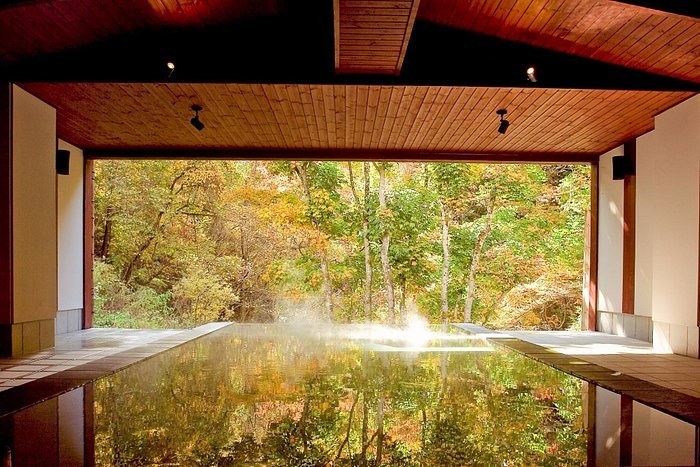
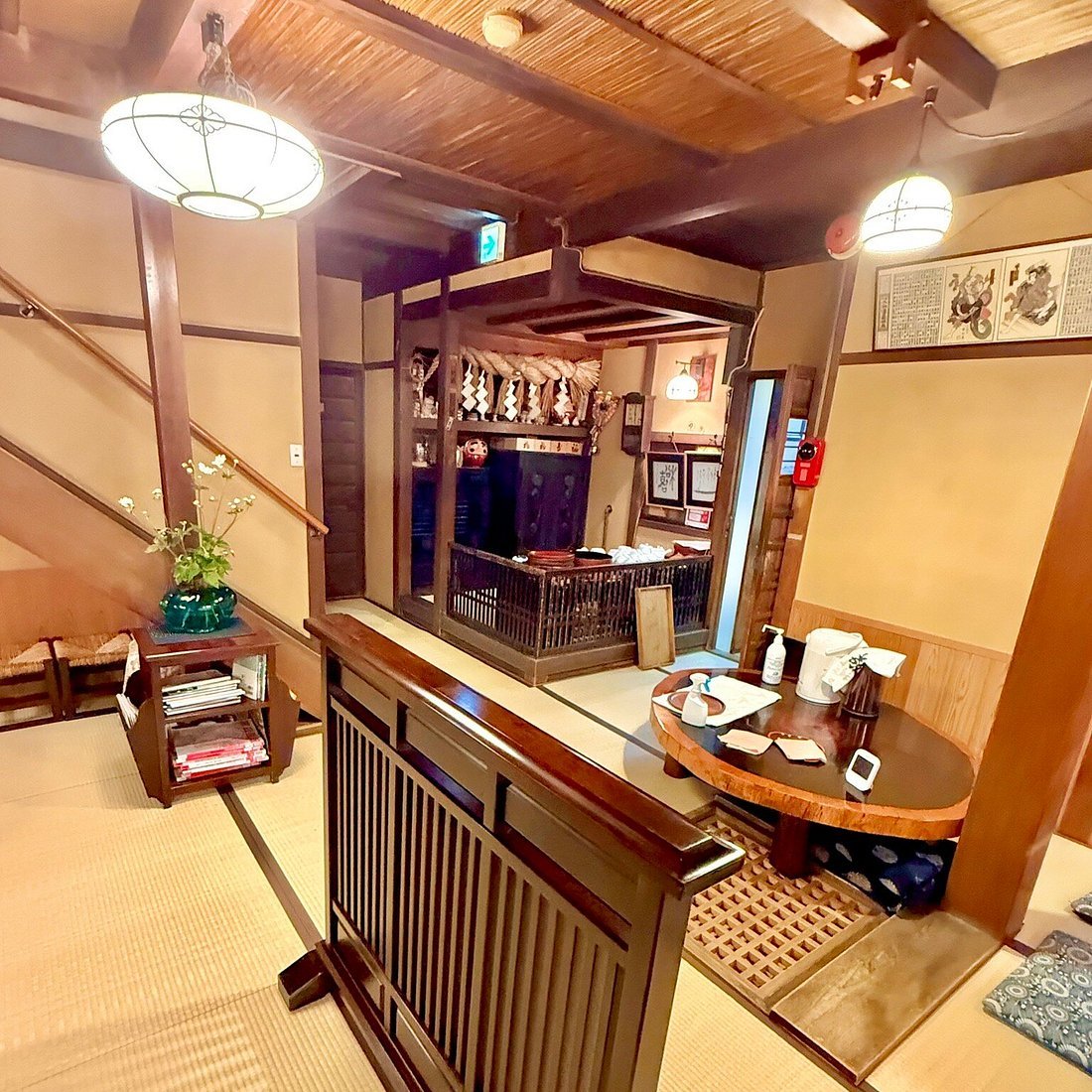
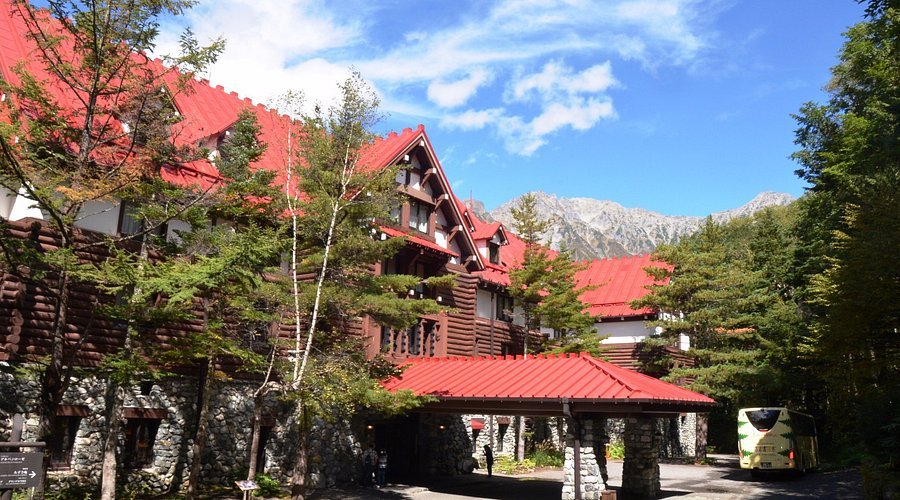
Matsumoto Jujo reads as an onsen inn that is woven into its neighbourhood rather than set apart. The building sits among narrow lanes, older timber-frame structures and mid-century renovations, and that layered architecture gives the property an intimate, classic presence. Because the inn occupies a thermal, mountainous context at the base of the Japan Alps, the atmosphere leans toward quiet and serene rather than theatrical; arrival feels like a gradual transition from the city to a thermal retreat. The result is a charming, quietly refined stay that foregrounds place and architectural continuity over resort-style detachment.
Best For
This ryokan suits travellers who want both access to Matsumoto’s attractions and an authentic onsen experience. Its embedded location inside the Asama Onsen quarter makes it a good choice for guests who prefer a layered, neighbourhood arrival sequence—strolling narrow lanes and encountering historic vernacular buildings—rather than an isolated hilltop resort. The property’s Michelin Selected recognition signals careful hospitality and attention to detail, so it appeals to people seeking a considered thermal retreat with proximity to the city rather than a self-contained campus-style getaway.
Venue details
Ambiance
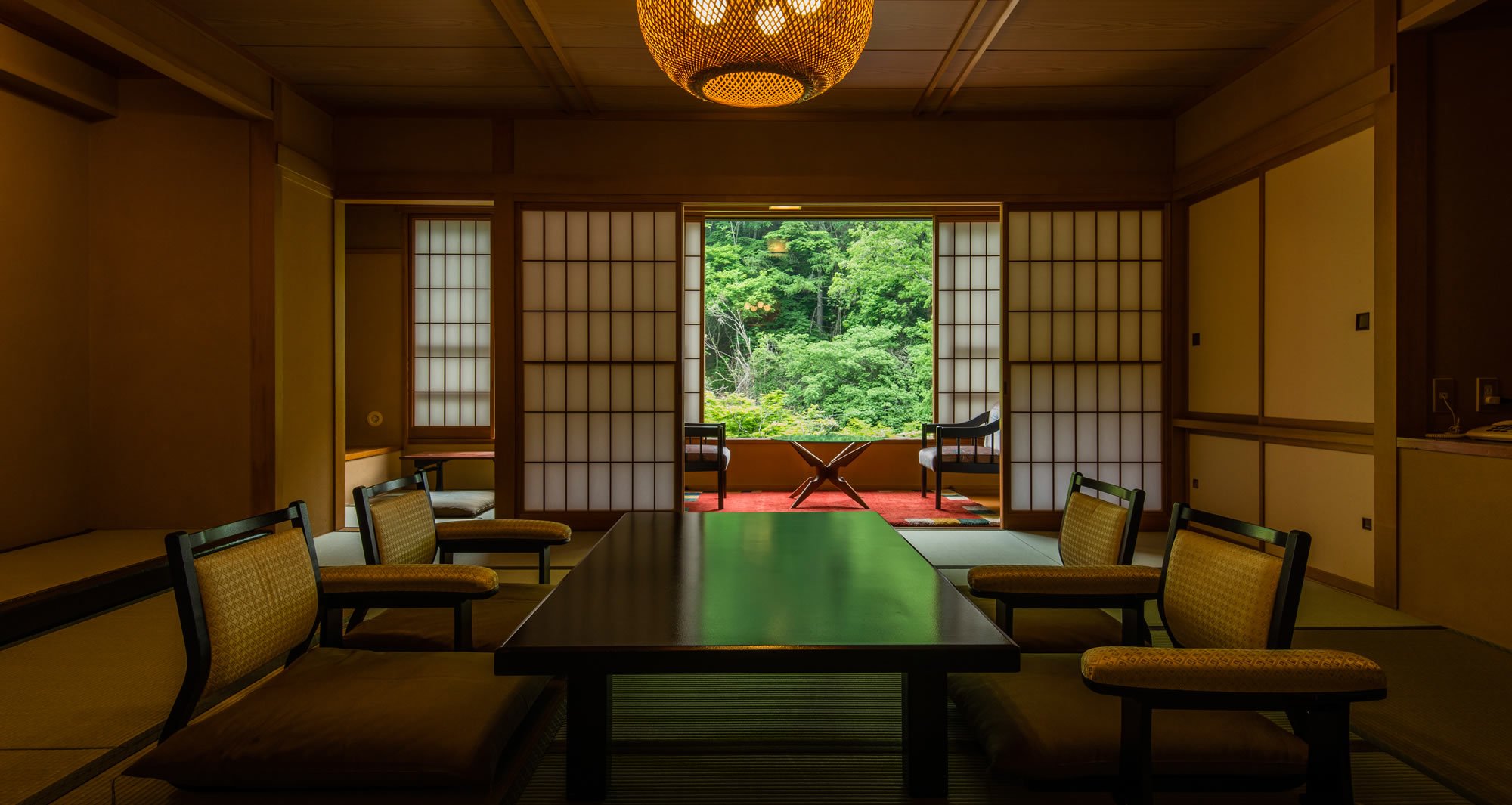
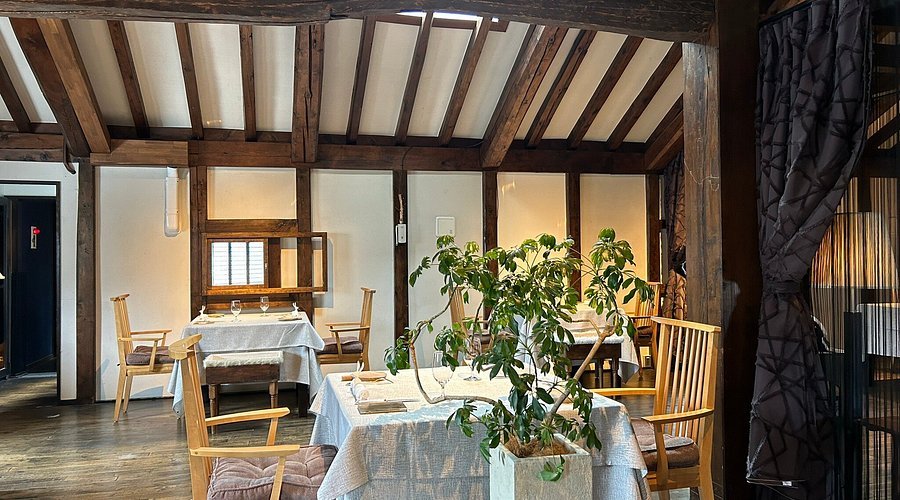
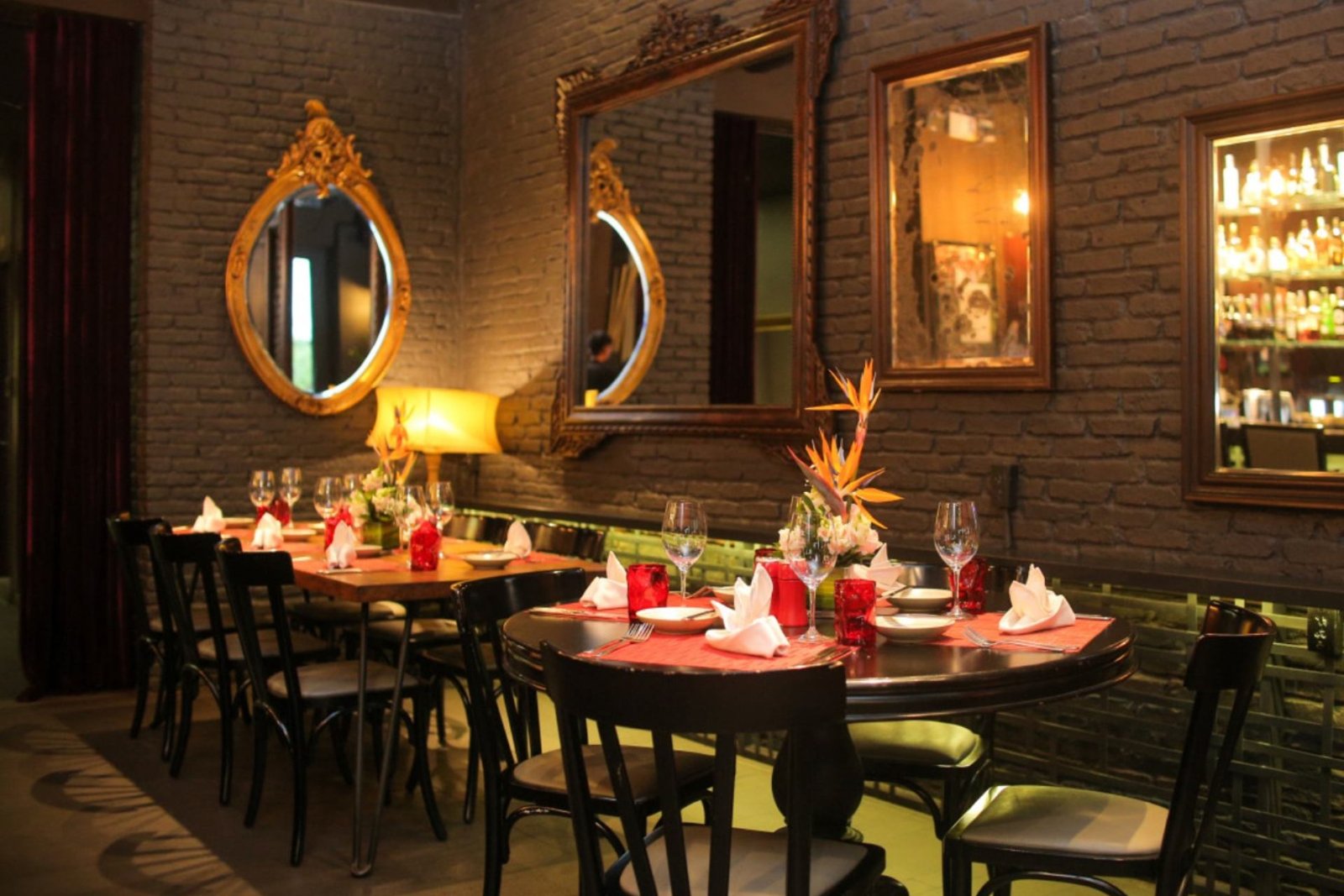
Refined and tranquil atmosphere blending modern design with preserved historic materials, low furniture, exposed concrete, and massive windows framing mountain and town views.
Tags
Vibe
Best For
Experience
Amenities
View
Accessibility
About the Stay
- Rooms
- 38
- Check-in
- 15:00
- Check-out
- 11:00
- Property Type
- Boutique hotel
- Property Style
- Revitalized Historic Hot Spring Inn with Contemporary Social Hub Elements Including Bookstore and Local Dining.
- Design Style
- Modern Minimalist with Exposed Materials, Low Designer Furniture, and Natural Integration.
- Spa
- Yes
- Families
- Welcome
- Cancellation
- Moderate
Know before you go
Know Before You Go
- Getting there
- 3 Chome-13-1 Asamaonsen, Matsumoto, Nagano 390-0303, Japan
Planning details
Location
3 Chome-13-1 Asamaonsen, Matsumoto, Nagano 390-0303, Japan · Directions
Recognition and awards
Also consider
Where to book if this is not the right fit
Choose Tobira Onsen Myojinkan if the group wants a quieter, more retreat-led onsen stay and does not need the same level of Matsumoto flexibility.
Choose BYAKU Narai if the appeal is a heritage-town itinerary rather than using Matsumoto as the base. For mountain-focused travel, look at HOTEL LA VIGNE HAKUBA by Onko Chishin or House of Finn Juhl Hakuba.
Hotel context
How it compares in and around Matsumoto
Tobira Onsen Myojinkan is the cleaner choice for travelers who want the trip to revolve around a retreat setting. Matsumoto Jujo is easier to recommend for families and repeat visitors who want onsen time without giving up the flexibility of staying in Matsumoto's orbit.
BYAKU Narai is the stronger pick for a heritage-town stay outside the city, while Matsumoto Jujo is better for travelers whose days are centered on Matsumoto. The Hiramatsu Karuizawa Miyota is the more resort-polished cross-shop, but it is less useful if Matsumoto access is the priority.
For mountain-led trips, HOTEL LA VIGNE HAKUBA by Onko Chishin and House of Finn Juhl Hakuba make more sense. Choose Matsumoto Jujo when the itinerary is city-plus-onsen rather than ski, hiking, or resort-first.
Explore Matsumoto
Around this place
Discover more on Pearl
Unlock the full Matsumoto Jujo guide in Pearl, including awards, comparisons, FAQs, planning details, and nearby places.
Compare Matsumoto Jujo
| Venue | Location | Awards |
|---|---|---|
| Matsumoto Jujo | Matsumoto | 2025 Michelin Selected Hotels |
| Tobira Onsen Myojinkan | Matsumoto | 2026 Relais Chateaux Hotels2026 Michelin 1 Key2025 Michelin Selected Hotels2025 Relais Chateaux Award |
| BYAKU Narai | Narai | 2026 Michelin 1 Key2025 Michelin 1 Key2024 Michelin 1 Key |
| The Hiramatsu Karuizawa Miyota | Miyota | 2026 Michelin 2 Keys2025 Michelin 2 Keys2024 Michelin 1 Key |
| HOTEL LA VIGNE HAKUBA by Onko Chishin | Hakuba | No published awards |
| House of Finn Juhl Hakuba | Hakuba | No published awards |




How Matsumoto Jujo compares with similar nearby venues.
FAQ
Frequently Asked Questions
Which room category is best at Matsumoto Jujo?
How is the dining at Matsumoto Jujo?
The hotel is recognized in the MICHELIN Guide Hotels Selected (2025) list, but dining details such as cuisine, chef, menu format, or service style should be checked directly with the property.
Do loyalty programs work at Matsumoto Jujo?
Is Matsumoto Jujo good for business travel?
It can be considered for a stay in Matsumoto, but business-specific facilities or services should be confirmed directly with the hotel. If you need meeting space, work amenities, or corporate billing, check those details before booking.
Is Matsumoto Jujo family-friendly?
Families can still consider Matsumoto Jujo as a Matsumoto hotel, but should check room setup, meal arrangements, and any child-related policies directly before booking.