Tenuta Il Cicalino
Massa Marittima
Hotel in Massa Marittima, Italy
 Book with Pearl
The Read
Price
$100–200per night
Why go
A calm countryside choice for Massa Marittima if the trip is about Maremma space rather than resort spectacle. Tenuta Il Cicalino is easiest to justify outside peak summer, when the quieter inland setting and easier booking profile give a stronger value case than a high-season coastal stay.
About Tenuta Il Cicalino
Tenuta Il Cicalino is a venue in Massa Marittima. The dress code is casual, and the property is listed in the MICHELIN Guide as Hotels Selected for 2025.
Travelers should confirm practical details such as facilities, services, room types, dining formats, prices, hours, and guest amenities directly with the property before booking.
What to know about Tenuta Il Cicalino
Tenuta Il Cicalino is a Massa Marittima stay to evaluate on its location, casual dress code, and MICHELIN Guide Hotels Selected recognition for 2025.
Do not treat that recognition as a promise of any particular amenity, service style, dining program, spa, beach access, or room setup. If those details matter to the trip, confirm them before committing.
When the value case is strongest
Compare live seasonal pricing, booking conditions, minimum stays, and best-value booking windows for Tenuta Il Cicalino directly when planning.
For trip planning in Massa Marittima, pair the stay with current local research, including our full Massa Marittima restaurants guide, and confirm any practical details directly before booking.
Who should book, and who should cross-shop
Book Tenuta Il Cicalino if its Massa Marittima location, casual dress code, and MICHELIN Guide Hotels Selected 2025 recognition match what you are looking for. Cross-shop if you need specific facilities, service style, dining, beach access, loyalty benefits, or room categories before choosing.
Planning details
- Location
- Località Cicalino, 58024 Massa Marittima GR, Italy
- Website
- tenutacicalino.com
- Phone
- +39 0566 902031
The take
The Take
The Vibe
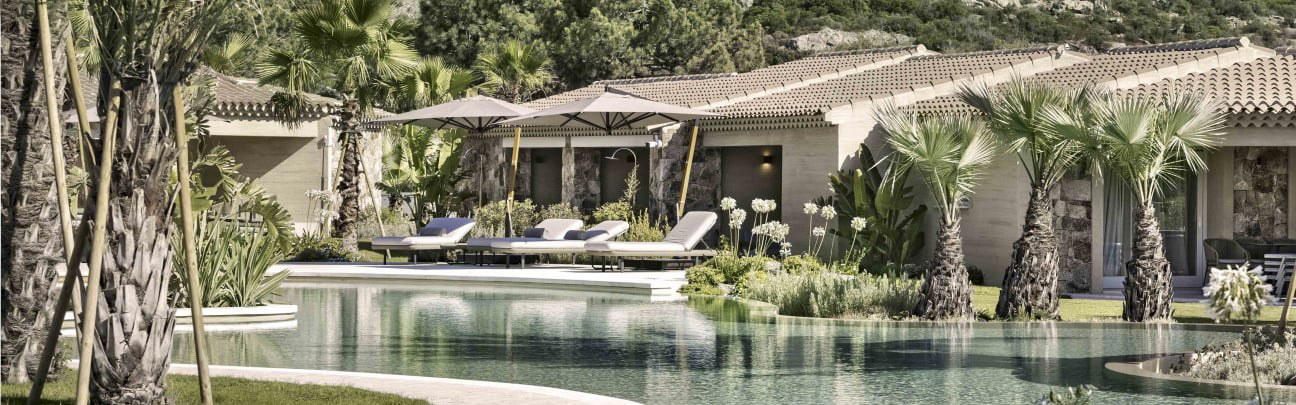
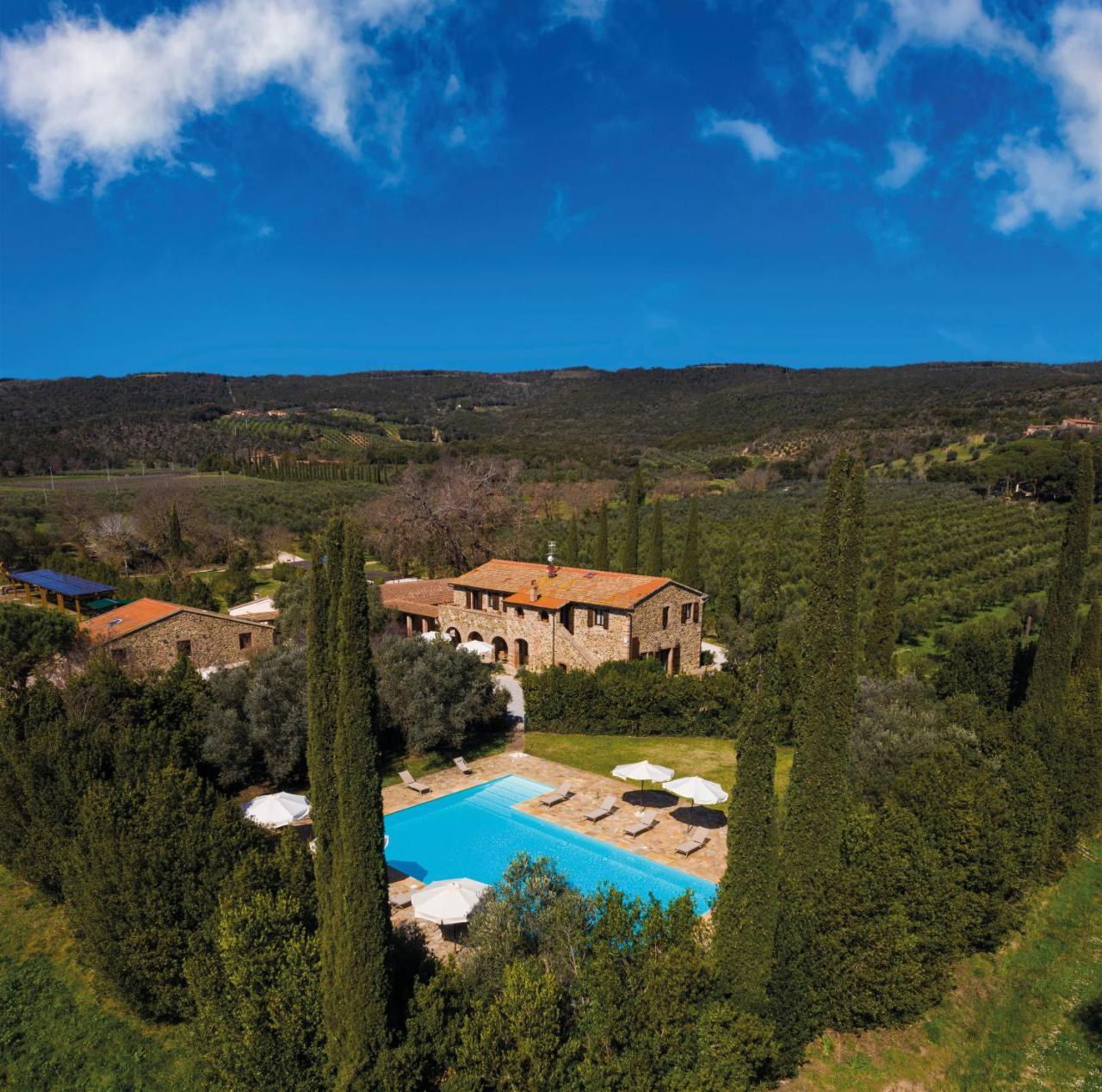
Tenuta Il Cicalino presents an understated, historically rooted agriturismo sensibility that reads as a convincing Maremma estate rather than a transplanted resort. The property foregrounds local materials—stone, terracotta and timber—and the architecture is described as part of the agricultural whole, so the built fabric feels authentic and archaeologically layered. Approaches along unpaved tracks and the decline of road noise set a quietly relaxed tone before you arrive. Recognised on the Michelin Selected Hotels list for 2025, Il Cicalino is quietly refined: design and tradition are in balance, and the experience favours subtlety over spectacle.
Best For
Il Cicalino suits travellers seeking a slow, restorative stay in southern Tuscany: think romantic getaways, wellness retreats, family vacations and short weekend escapes. The property rewards visitors who are willing to move beyond the busy Florentine and Sienese circuits and who appreciate a working-estate context—fields, outbuildings and cultivated land form part of the visit. Its quieter, less performed character appeals to those looking for time away from crowded tourist routes and for a more regionally authentic encounter with Maremma’s landscape and architectural traditions.
Stay Tips
Allow extra time for arrival and plan logistics around the property's rural approach: the road shifts from provincial tarmac to an unpaved track and the journey is part of the architectural experience. The estate sits outside Massa Marittima, so consult local guides for nearby dining and outings—the description links to a wider Massa Marittima restaurants guide for context. Travellers should be prepared to explore the surrounding countryside rather than rely on town-centre conveniences, and to treat the stay as a base for slow exploration of the Maremma hills.
Venue details
Ambiance
Rustic Tuscan charm with stone walls, garden views, cozy lighting, and serene countryside atmosphere.
Tags
Vibe
Best For
Experience
Amenities
View
Accessibility
About the Stay
- Rooms
- 43
- Check-in
- 16:00
- Check-out
- 10:00
- Property Type
- Boutique hotel
- Property Style
- Restored Tuscan Farmhouses Blending Rustic Authenticity with Modern Comforts
- Design Style
- Rustic Tuscan with Modern Amenities
- Airport Transfer
- Available
- Pool
- Yes
- Spa
- Yes
- Pets
- Allowed
- Families
- Welcome
- Cancellation
- Moderate
Know before you go
Know Before You Go
- Getting there
- Località Cicalino, 58024 Massa Marittima GR, Italy
Planning details
Location
Recognition and awards
Also consider
Also Consider
- Conti di San Bonifacio, Notable alternative
- Vedetta Relais, Notable alternative
- The Sense Experience Resort, Notable alternative
- Borgo Santo Pietro, Notable alternative
- Tenuta Merlò, Notable alternative
Hotel context
How it compares with nearby countryside and resort stays
Conti di San Bonifacio and Vedetta Relais are the closer cross-shops for travelers weighing countryside atmosphere against a more styled retreat. Tenuta Il Cicalino is the more practical call if the priority is an easy-booking rural base near Massa Marittima rather than a stay chosen for a stronger destination-hotel identity.
The Sense Experience Resort is the better fit for travelers who want a resort mood and coastal orientation. Tenuta Il Cicalino makes more sense when beach access is secondary and the value case depends on quiet, countryside pacing, and a lower-pressure base for exploring inland Maremma.
Borgo Santo Pietro is the splurge comparison for guests who want a more complete luxury-hotel experience, while Tenuta Merlò is worth checking if the brief is another rural estate stay. Choose Tenuta Il Cicalino when ease, location around Massa Marittima, and a quieter atmosphere matter more than maximal service depth.
Explore Massa Marittima
Around this place
Discover more on Pearl
Unlock the full Tenuta Il Cicalino guide in Pearl, including awards, comparisons, FAQs, planning details, and nearby places.
Compare Tenuta Il Cicalino
| Venue | Location | Awards |
|---|---|---|
| Tenuta Il Cicalino | Massa Marittima | 2026 Michelin Guide New Hotels2025 Michelin Selected Hotels |
| Conti di San Bonifacio | Gavorrano GR | 2026 Michelin 1 Key2025 Michelin 1 Key2024 Michelin 1 Key |
| Vedetta Relais | Scarlino | No published awards |
| The Sense Experience Resort | Follonica | 2025 Michelin Selected HotelsPreferred Hotels Member 2025 |
| Borgo Santo Pietro | Chiusdino | 2026 Virtuoso Luxury Hotel Collection2026 Mr & Mrs Smith Luxury Hotels2026 La Liste Top HotelsLeading Hotels of the World 20262026 Michelin 3 Keys2025 Michelin 3 Keys2024 Michelin 1 Key |
| Tenuta Merlò | Castagneto Carducci | No published awards |








How Tenuta Il Cicalino Massa Marittima compares with similar nearby venues.
FAQ
Frequently Asked Questions
How does Tenuta Il Cicalino compare to nearby hotels?
Tenuta Il Cicalino is a Massa Marittima option with MICHELIN Guide Hotels Selected recognition for 2025. If you are comparing it with Borgo Santo Pietro, The Sense Experience Resort, Conti di San Bonifacio, Tenuta Merlò, or Vedetta Relais, check the current details for each property directly, including facilities and service differences.
What is check-in like at Tenuta Il Cicalino?
How is the location of Tenuta Il Cicalino?
Tenuta Il Cicalino is in Massa Marittima. Check the property’s current location details for street address, neighborhood, landmarks, distance to the coast, and nightlife access.
Do loyalty programs work at Tenuta Il Cicalino?
Ask the property directly whether loyalty-program benefits apply at Tenuta Il Cicalino. The property is recognized by the MICHELIN Guide as Hotels Selected for 2025.
Is Tenuta Il Cicalino good for business travel?
Which room category is best at Tenuta Il Cicalino?
Choose only after reviewing the property's current room descriptions and confirming any requirements directly.