
Hotel in Marseillan, France
Domaine Tarbouriech
150ptsShellfish-Rooted Hospitality

About Domaine Tarbouriech
On the edge of the Étang de Thau, Domaine Tarbouriech occupies a working oyster estate turned Michelin Selected retreat in Marseillan, one of the Languedoc coast's most quietly serious food addresses. The property earns its selection through a direct relationship with the lagoon it sits beside, where shellfish farming and hospitality share the same terrain.
Where the Étang de Thau Meets the Architecture of Restraint
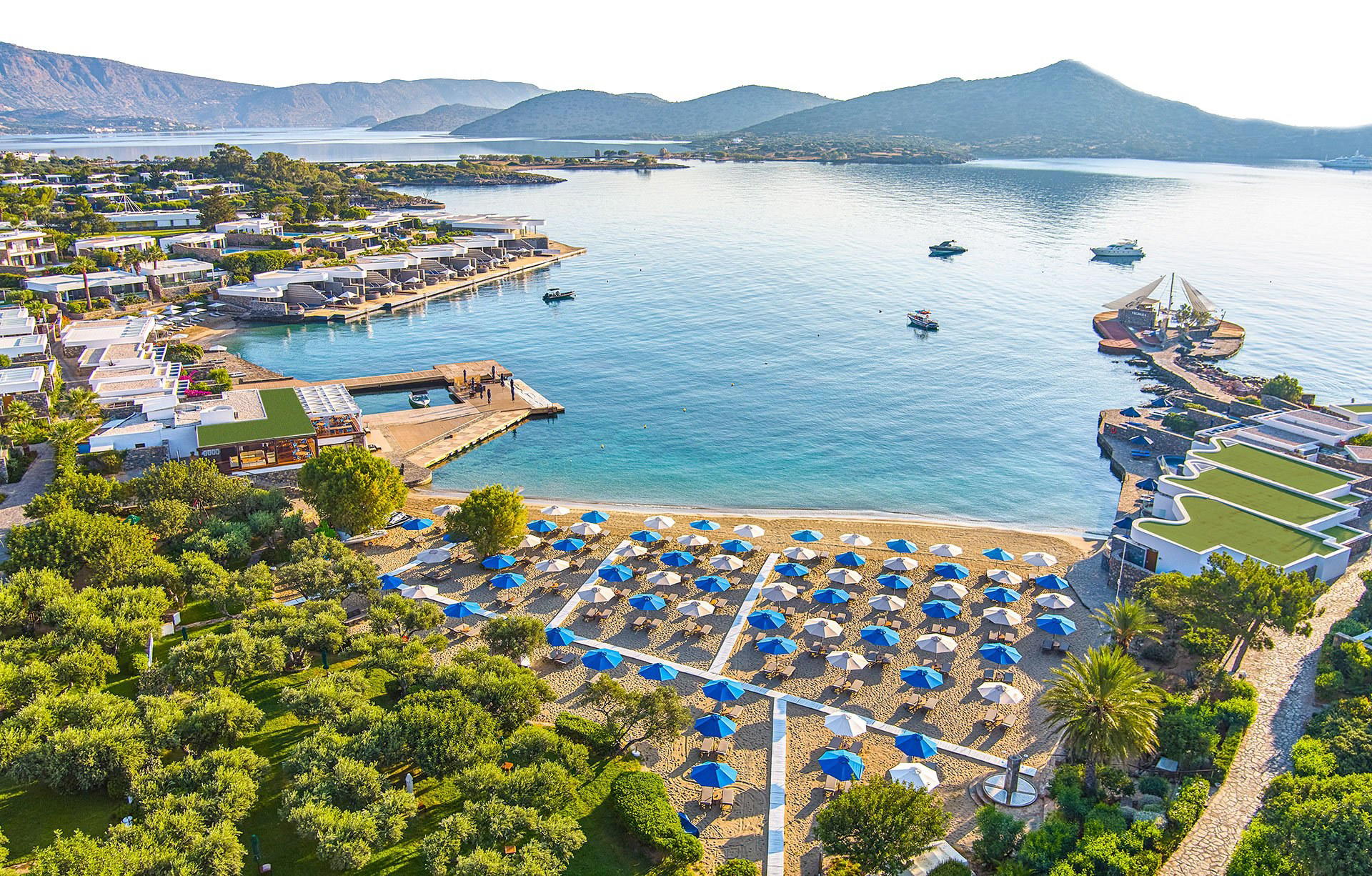
Approaching Domaine Tarbouriech along the flat coastal road outside Marseillan, the water appears before the buildings do. The Étang de Thau, a 75-square-kilometre saltwater lagoon separating the Hérault coastline from the Mediterranean proper, sets the visual register for everything that follows: horizontal, luminous, and stripped of ornament. Properties built in this landscape either fight that character or submit to it. Tarbouriech submits, and the architecture reads accordingly.
This is not a property designed to announce itself. The built environment here follows the logic of the garrigue and the lagoon rather than the conventions of resort hospitality. Low profiles, natural materials, and a site plan that keeps the water visible from multiple vantage points suggest a deliberate choice to let the setting carry the weight that elsewhere falls to a grand lobby or a signature facade. For travellers arriving from properties that signal luxury through grandeur — [Le Bristol Paris](https://www.enprimeurclub.com/hotels/le-bristol-paris-paris-hotel) or [Hôtel de Paris Monte-Carlo](https://www.enprimeurclub.com/hotels/htel-de-paris-monte-carlo-monte-carlo-hotel), for instance — the first impression at Tarbouriech requires a recalibration of what premium looks like in this corner of the south.
The Languedoc Model: Produce First, Hospitality Second
Marseillan sits at the western end of the Thau lagoon, a town whose identity has been shaped for centuries by oyster and mussel cultivation. The lagoon's particular salinity and temperature profile produce shellfish with a distinct mineral character that the regional food trade has built an entire commercial logic around. Tarbouriech emerged from that tradition rather than arriving as an outside hospitality concept imported onto the site. The domain remains, at its core, a shellfish producer , one that receives the Michelin Selected designation for 2025, placing it in the same curatorial tier as properties recognised for delivering a coherent, credible guest experience within their category.
That category, in this case, is production-rooted hospitality: the kind increasingly found across French wine and food regions where the primary product , oysters, wine, foie gras , anchors the property's identity more firmly than any designed amenity. [Les Sources de Caudalie in Bordeaux](https://www.enprimeurclub.com/hotels/les-sources-de-caudalie-bordeaux-hotel) operates by a similar logic in the vineyard context. [Hôtel Chais Monnet & Spa in Cognac](https://www.enprimeurclub.com/hotels/htel-chais-monnet-spa-cognac-hotel) does the same for spirits heritage. At Tarbouriech, the primary product is the lagoon itself.
Design as Deference
The architecture at Tarbouriech earns attention precisely because it does not demand it. Across southern France's premium hotel tier , from [La Réserve Ramatuelle](https://www.enprimeurclub.com/hotels/la-rserve-ramatuelle-htel-spa-and-villas-ramatuelle-hotel) on the Saint-Tropez peninsula to [The Maybourne Riviera in Roquebrune-Cap-Martin](https://www.enprimeurclub.com/hotels/the-maybourne-riviera-roquebrune-cap-martin-hotel) , the dominant mode is architectural statement: contemporary forms pressed against dramatic coastline, designer interiors competing with the view. Tarbouriech positions itself differently. The design philosophy here is closer to what you find at agricultural estates converted to hospitality use: structures that serve the landscape's logic rather than overwriting it.
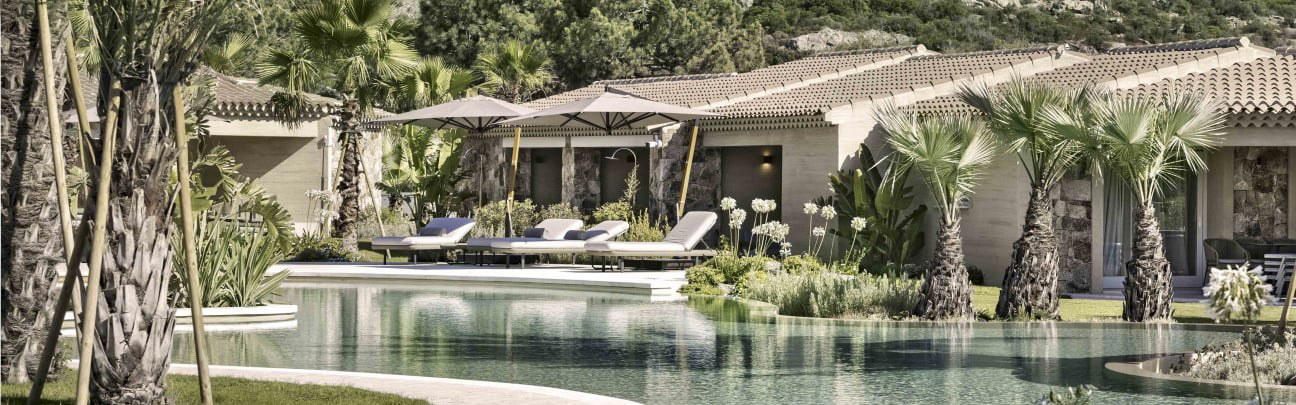
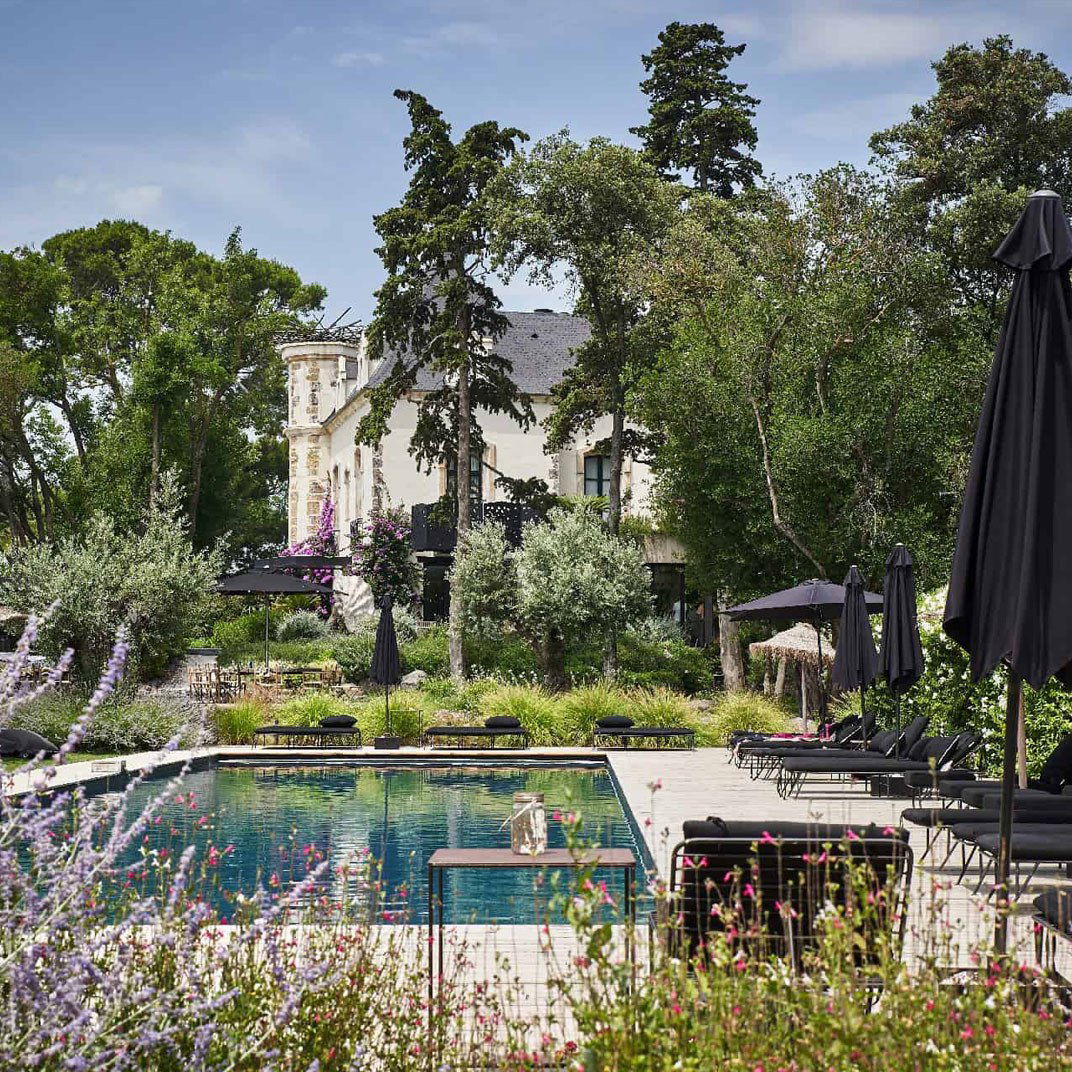
Stone, timber, and materials with regional provenance tend to characterise properties of this type. The aesthetic reads as vernacular rather than imported, which in the Languedoc context carries genuine authority. The region has a long history of architectural forms shaped by the relationship between land, water, and climate, and a property that honours those proportions communicates something that glass-and-concrete contemporaries in the same price bracket typically cannot.
Travellers comparing this to properties in the Provence premium tier , [La Bastide de Gordes](https://www.enprimeurclub.com/hotels/la-bastide-de-gordes-gordes-hotel), [Château de la Gaude in Aix-en-Provence](https://www.enprimeurclub.com/hotels/chteau-de-la-gaude-aix-en-provence-hotel), or [Baumanière Les Baux-de-Provence](https://www.enprimeurclub.com/hotels/baumanire-les-baux-de-provence-les-baux-hotel) , will find a different register entirely. Those properties work with historic built fabric: stone bastides, medieval villages, Provençal mas. Tarbouriech works with flatness and water, a compositional challenge that produces a more minimal result.
The Thau Lagoon as Context
Understanding Tarbouriech requires understanding what the Étang de Thau is and what it produces. The lagoon accounts for the majority of France's oyster output and a significant share of its mussel harvest. It is a working body of water, not a scenic backdrop groomed for hospitality purposes, and the farms visible from the domain's edge are active production facilities rather than decorative elements. That distinction matters because it defines the sensory environment of the property: the smell of salt and iodine, the presence of working boats, the rhythm of tidal agriculture.
For guests accustomed to Riviera properties where the sea is primarily visual , framed by a terrace, accessed by a pool, managed as scenery , Tarbouriech offers a more direct relationship with the water and what it contains. This is not a subtle difference in mood; it is a structural difference in what the property is.
Marseillan and the Surrounding Area
Marseillan itself is a small port town with a food culture oriented around the lagoon and the canal trade that connected it historically to Sète and Agde. The town's market, its restaurants, and its cafés operate at a remove from the tourist apparatus of the more visited Hérault coast. Sète, approximately 20 kilometres to the northeast along the N112, carries more culinary density and has been attracting serious food attention for several years. Pézenas, inland to the northwest, adds a different register: a historic town with a market culture and antique trade that draws a specific kind of French weekend traveller.
Guests using Tarbouriech as a base for the wider Languedoc should plan around the fact that this part of the coast operates on its own schedule. High summer compresses availability across the region; spring and autumn offer more space and often better conditions for both the shellfish and the landscape. Consulting [our full Marseillan restaurants guide](https://www.enprimeurclub.com/cities/marseillan) before arrival will help calibrate expectations for the local dining scene, which skews toward seafood, wine bars, and the kind of informal lunch culture that does not exist at the same register in, say, [Hôtel du Palais in Biarritz](https://www.enprimeurclub.com/hotels/htel-du-palais-biarritz-hotel) or [Le Negresco in Nice](https://www.enprimeurclub.com/hotels/le-negresco-nice-hotel).
For those building a broader southern France itinerary that includes multiple Michelin Selected properties, the Languedoc coast connects logically with the Rhône and Provence circuits. [Villa La Coste in Le Puy-Sainte-Réparade](https://www.enprimeurclub.com/hotels/villa-la-coste-le-puy-sainte-rparade-hotel) and [Hôtel & Spa du Castellet in Le Castellet](https://www.enprimeurclub.com/hotels/htel-spa-du-castellet-le-castellet-hotel) represent different aesthetic registers within the same Michelin Selected and premium-independent tier, and routing between them via the A9 or the slower coastal roads gives a reasonable cross-section of what the region's hospitality offer looks like at this level.
Planning Your Stay
Domaine Tarbouriech is located on Chemin des Domaines outside Marseillan, accessible by car from Montpellier in under an hour. The nearest major rail connection is Agde, with TGV services connecting to Paris Montpellier-Saint-Roch. Given the property's position on the lagoon edge and the absence of significant public transport to the site, a rental car is the practical choice for most guests, particularly those planning to move around the surrounding Hérault countryside. As a Michelin Selected property in 2025, booking in advance is advisable for the spring and summer season; the Thau lagoon area draws consistent interest from French and northern European travellers with a specific interest in seafood provenance and low-density coastal stays.
Frequently Asked Questions
Is Domaine Tarbouriech more formal or casual?
The property sits firmly in the casual-but-considered register that characterises production-rooted hospitality in the French south. The Michelin Selected designation confirms a baseline of quality and coherence, but the context is a working oyster domain on a flat lagoon, not a Riviera grand hotel. Dress expectations align with that setting: comfortable, appropriate for an outdoor and waterside environment. Guests arriving from more formally structured properties , [Château du Grand-Lucé](https://www.enprimeurclub.com/hotels/chteau-du-grand-luc-le-grand-luc-hotel) or [Royal Champagne Hotel & Spa in Champillon](https://www.enprimeurclub.com/hotels/royal-champagne-hotel-spa-champillon-hotel), for example , should expect a different social register, one defined by the lagoon rather than by hotel convention.
What room category do guests prefer at Domaine Tarbouriech?
Specific room category data is not available in our current records. Given the property's architectural emphasis on the lagoon view and its site plan oriented toward the Étang de Thau, accommodation with direct water orientation is likely to be the primary draw. Guests should confirm room positioning directly with the property before booking, as at a domain of this type the relationship between accommodation and the working estate is part of the experience.
What should I know about Domaine Tarbouriech before I go?
The property is, first and foremost, a shellfish estate. The hospitality dimension is real and Michelin-endorsed, but the setting is a working lagoon environment with the sensory character that implies. Guests who arrive expecting a conventional resort experience may need to adjust their frame. Those who arrive knowing they are staying on a functioning oyster domain, in a landscape defined by water, salt, and agricultural rhythm, will find the property operates with considerable integrity within that specific category. A rental car is close to essential. Spring and early autumn represent the most comfortable windows for both the weather and the local food culture.
Recognized By
Similar venues by awards
Related editorial
- Asia's 50 Best Restaurants 2026: The Chairman and Wing Go 1-2 from the Same BuildingThe Chairman takes No. 1 and Wing climbs to No. 2 at Asia's 50 Best Restaurants 2026. Both operate from the same Hong Kong building. Here's what it means.
- Four Seasons Yachts Debut: 95 Suites, 11 Restaurants, and a March 2026 Maiden VoyageFour Seasons I launches March 20, 2026, with 95 suites, a one-to-one staff ratio, and 11 onboard restaurants. Worth tracking if you want hotel-grade service at sea.
- LA Michelin Guide 2026: Seven New Restaurants from Tlayudas to Uzbek DumplingsMichelin's March 2026 California Guide update adds six LA restaurants and one Montecito newcomer, spanning Oaxacan tlayudas, Uzbek manti, and Korean-Italian pasta.
Save or rate Domaine Tarbouriech on Pearl
Keep this venue in your Pearl passport, rate it after you visit, and track it alongside every other place you collect.