
Rosa Malacca
Bandar Hilir, Malacca
Hotel in Malacca, Malaysia
 Book with Pearl
The Read
Price
$1–100per night
Why go
Rosa Malacca is a practical pick for travellers who want an easy-to-book, MICHELIN-selected hotel base in Malacca rather than a full resort-style stay. Shortlist it for couples, solo trips, or business travel where location and credibility matter more than confirmed spa, pool, or loyalty benefits.
About Rosa Malacca
Rosa Malacca is a Malacca hotel to consider when you want a stay with a clear editorial signal. It is in Malacca, the dress code is casual, and it is selected by the MICHELIN Guide for hotels in 2025.
The clearest reason to shortlist it is trust: Rosa Malacca is selected by the MICHELIN Guide for hotels in 2025. That does not, by itself, confirm a grand service model, a resort-style facilities list, a dining program, or a specific room setup. It does, however, give travellers a recognition point when comparing Malacca stays.
A practical Malacca base for a celebration stay
Rosa Malacca may suit travellers who want a Malacca base and prefer to make plans around the city rather than around hotel facilities. For broader planning, compare it with other dining and stay options in Malacca based on the details that matter to your trip.
The service angle here should be read carefully. The stronger, grounded case is simpler: Rosa Malacca is a Malacca hotel with MICHELIN Guide Hotels Selected recognition in 2025 and a casual dress code.
Who should choose it, and who should keep looking
Choose Rosa Malacca if the MICHELIN Guide hotel selection matters to you and you are comfortable confirming any practical requirements before booking. It may be a fit for travellers who want a Malacca stay with an editorial recognition signal, rather than a stay chosen for specific facilities.
For trip planning beyond the stay, Malacca guides and current local listings may be more useful than trying to make the hotel answer every part of the itinerary. The verdict: consider Rosa Malacca when you want a Malacca hotel with confirmed MICHELIN Guide Hotels Selected recognition. Look elsewhere, or confirm directly, if your decision depends on specific facilities, dining, loyalty benefits, or services.
Planning details
- Location
- 212 Jln Parameswara, Kampung Bandar Hilir, Malacca, Malaysia
- Website
- rosa.com.my
- Phone
- +606-281 9888
The take
The Take
The Vibe
Rosa Malacca reads like a focused, small-scale heritage stay. It occupies a prominent address in Kampung Bandar Hilir and makes the most of the layered Portuguese, Dutch, British and Peranakan fabric around A Famosa and the Stadthuys. Rather than competing with grand restored properties, the hotel leans into architectural grain and street-level presence: low room counts, careful reuse and a deliberate scale that foregrounds place over amenity breadth. The result is a quietly refined, historically rooted atmosphere where the city’s timeline is part of the guest experience rather than a backdrop.
Best For
This hotel is best for travelers who prize location and context over large-hotel facilities. Rosa Malacca suits guests who want to wake up in the middle of Malacca’s heritage core and explore on foot: museums, colonial sites and Peranakan streets are immediately accessible. The Michelin Selected designation signals consistent quality, but the property’s boutique scale means visitors should expect characterful spaces and a prioritization of place rather than extensive on-site services. It’s a natural pick for architecture-minded visitors, history fans and anyone booking a stay to be in the city rather than commuting in.
Stay Tips
When booking, treat location as the primary draw: choose Rosa Malacca to be inside Kampung Bandar Hilir rather than for full-service hotel amenities. Rosa Malacca is a boutique conversion with low room counts, so book early for peak dates and clarify service expectations if you need extensive facilities. Plan to spend time on foot, the hotel’s strength is street-level immersion in Malacca’s heritage sites, so bring comfortable shoes and an itinerary that leans on nearby walking attractions rather than on-site programming.
Venue details
Ambiance
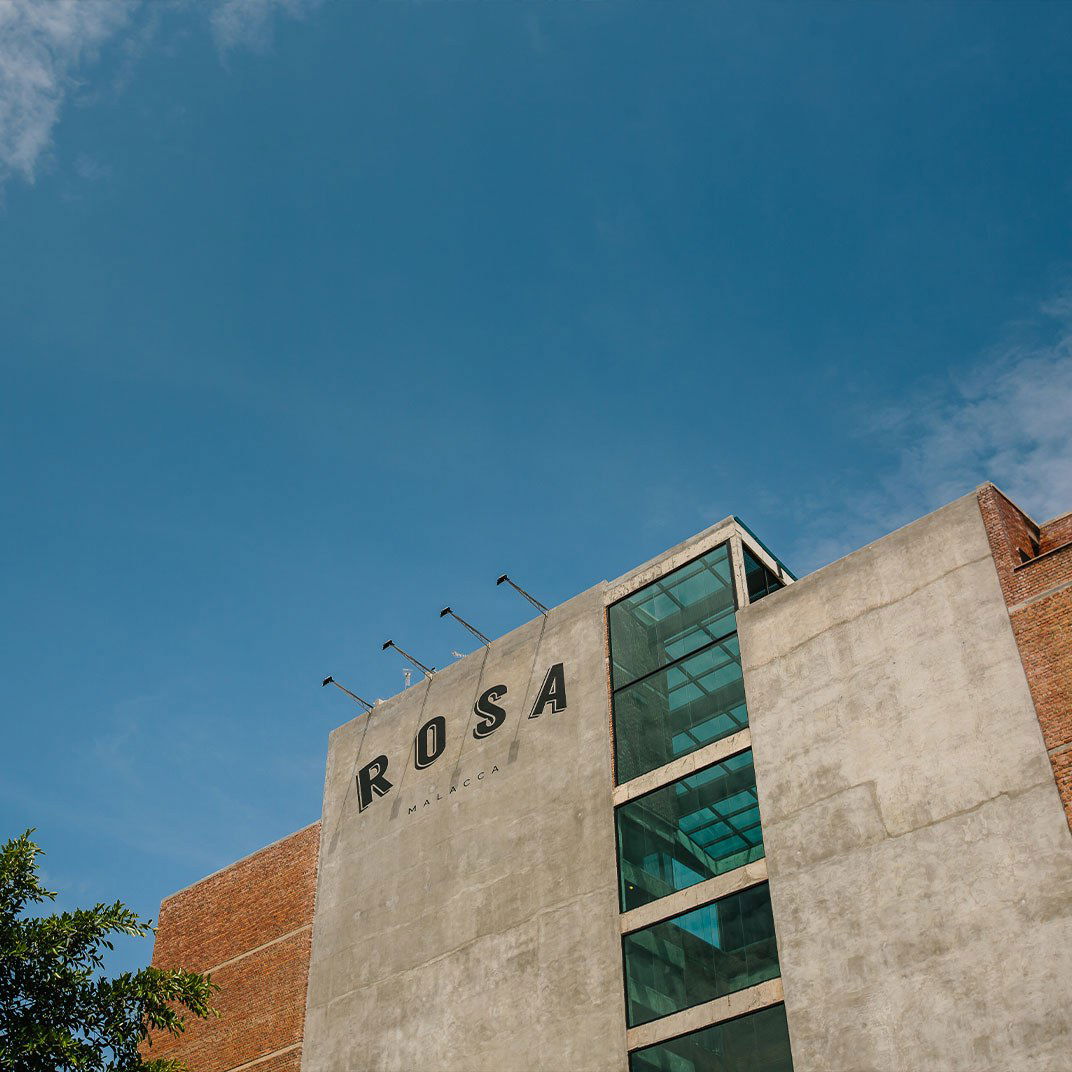
Cozy and calming atmosphere with industrial chic decor, polished cement floors, monochromatic palette, and twinkling lights in the open-air courtyard.
Tags
Vibe
Best For
Experience
Amenities
View
About the Stay
- Rooms
- 60
- Check-in
- 15:00
- Check-out
- 12:00
- Property Type
- Boutique hotel
- Property Style
- Designer Lifestyle Hotel with Progressive Offerings and Warm Service
- Design Style
- Industrial Chic with Clay Bricks, Exposed Beams, Recycled Wood, and Minimalist Monochrome Palette
- Families
- Welcome
- Cancellation
- Moderate
Know before you go
Know Before You Go
- Getting there
- 212 Jln Parameswara, Kampung Bandar Hilir, Malacca, Malaysia
Planning details
Location
Recognition and awards
Explore Malacca
Around this place
Discover more on Pearl
Unlock the full Rosa Malacca guide in Pearl, including awards, comparisons, FAQs, planning details, and nearby places.
FAQ
Frequently Asked Questions
Do loyalty programs work at Rosa Malacca?
Do not count on loyalty perks as the reason to choose Rosa Malacca, because no loyalty program detail is available. The confirmed signal is its MICHELIN Guide, Hotels Selected (2025) recognition.
How is the dining at Rosa Malacca?
Do not assume a specific dining program at Rosa Malacca.
How does Rosa Malacca compare to nearby hotels?
Rosa Malacca makes sense if you want a Malacca hotel with MICHELIN Guide, Hotels Selected (2025) recognition. Compare it with other Malacca stays based on the facilities and services you personally need, and confirm any unlisted details before booking.
When is the best time to book Rosa Malacca?
The best time to book depends on your travel dates and availability. If Rosa Malacca is your preferred Malacca stay, check availability early and confirm any important requirements directly before committing.
Is Rosa Malacca good for business travel?
It may work as a Malacca base if its details match what you need.