
Sofitel Kia Ora Moorea Beach Resort
Maharepa
Hotel in Maharepa, French Polynesia
 Book with Pearl
Why go
Book Sofitel Kia Ora Moorea Beach Resort if the trip needs a view-first Moorea resort with low planning friction and enough recognition to feel safe for a celebration. Value depends less on chasing the lowest rate and more on booking terms, inclusions, and room category fit.
About Sofitel Kia Ora Moorea Beach Resort
Sofitel Kia Ora Moorea Beach Resort is a hotel in Maharepa and is listed in the MICHELIN Guide hotel selection for 2025. The property belongs on a considered Maharepa shortlist, and current stay details should be confirmed directly before booking. In practical terms, that means the page can support the broad conclusion that the property belongs on a considered Maharepa shortlist, but it should not be used as a substitute for current, venue-supplied information about the particulars of a stay.
The dress code is smart casual. For travelers comparing places to stay or dine in Maharepa, use this page as a concise reference rather than a full amenities report: specific room types, services, dining formats, prices, and facilities should be checked with the venue's official channels. That distinction matters because a recognition listing can help establish baseline confidence, while the booking decision still depends on practical details that may vary by date, room, package, or channel. If those details are central to the trip, they should be confirmed at the source before plans are finalized.
Book it for a confirmed Maharepa hotel selection, not for extras
The main reason to keep Sofitel Kia Ora Moorea Beach Resort on a shortlist is its inclusion in the MICHELIN Guide hotel selection for 2025. That is a useful trust signal for travelers choosing from afar, especially when sorting through options in a destination where many decisions may be made before arrival, but it should not be stretched into claims about particular amenities, service style, room categories, dining, or on-property facilities. The listing confirms a level of editorial recognition; it does not, by itself, confirm every operational detail a guest might want to know.
If your decision depends on specific inclusions, policies, accessibility needs, meal plans, or activity planning, confirm those details directly before committing. The available information supports the Maharepa location, the smart casual dress code, and the MICHELIN Guide hotel selection; it does not establish more detailed claims about the stay experience. This is especially important for travelers with non-negotiable requirements, because even a well-recognized hotel may need to be assessed through the practical lens of what is currently bookable, what is included, and what is confirmed in writing for the dates in question.
Value depends on confirming the current booking details
Because pricing, package, room-category, and inclusion data vary, value should be judged from the current booking terms you see at the time of purchase. Compare the available rate conditions carefully, and do not assume that any particular inclusion or upgrade path applies unless it is shown by the venue or booking channel. A lower or higher rate can only be interpreted properly alongside the terms attached to it, so the most reliable value assessment comes from checking what the booking actually includes and what rules apply before payment.
For a wider Maharepa trip plan, compare Sofitel Kia Ora Moorea Beach Resort with other dining and hotel options in the area generically, then use official sources to confirm the details that matter for your dates. The strongest grounded takeaway is simple: this is a Maharepa hotel with MICHELIN Guide Hotels Selected recognition in 2025. Treat that as the reliable anchor, then layer on your own confirmation of the current stay conditions, dress expectations, and any booking-specific requirements before deciding whether it is the right fit for the trip.
Planning details
- Location
- Moorea-Maiao, Maharepa, French Polynesia
- Phone
- +689 40 55 12 12
The take
The Take
The Vibe
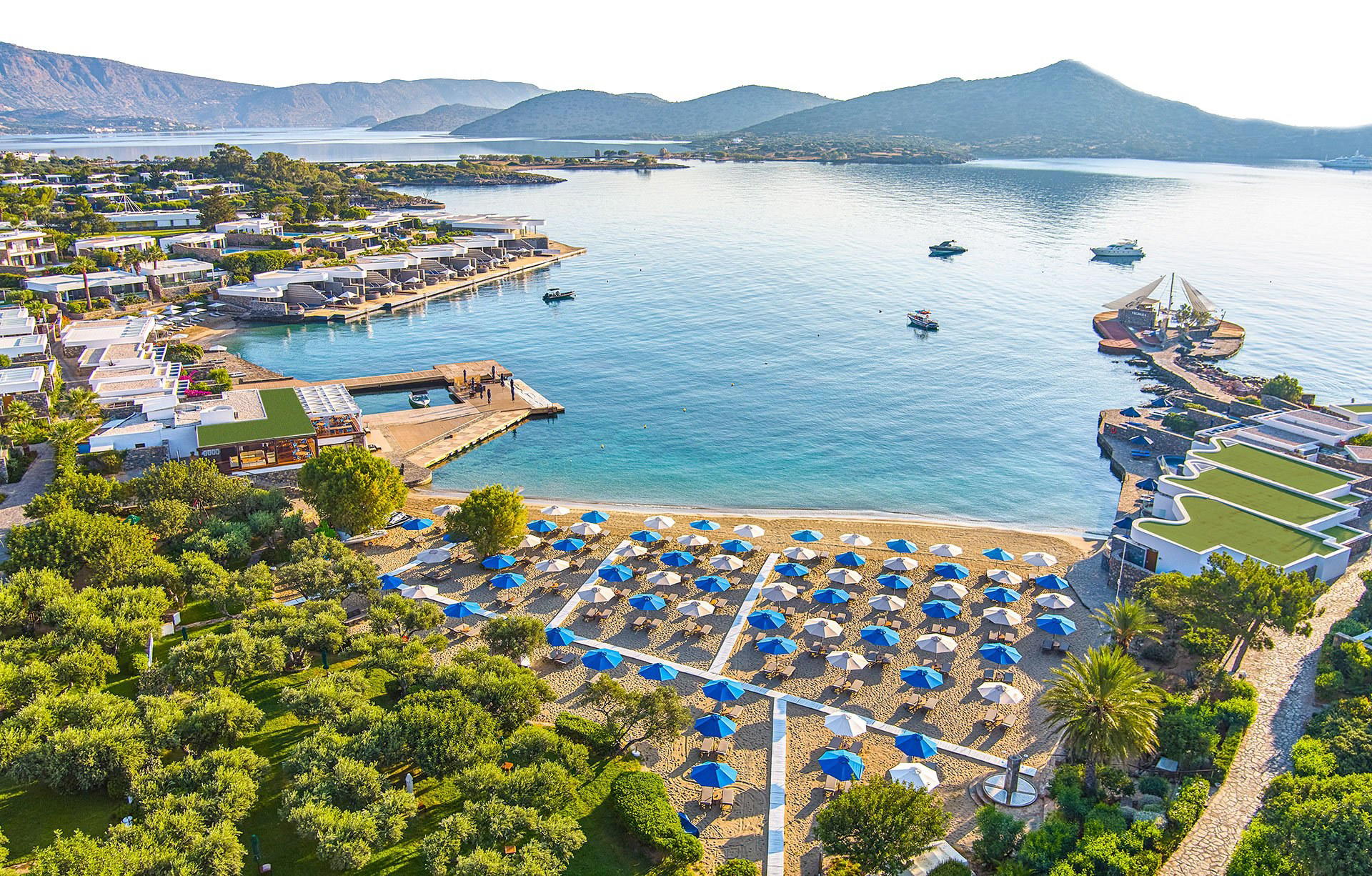
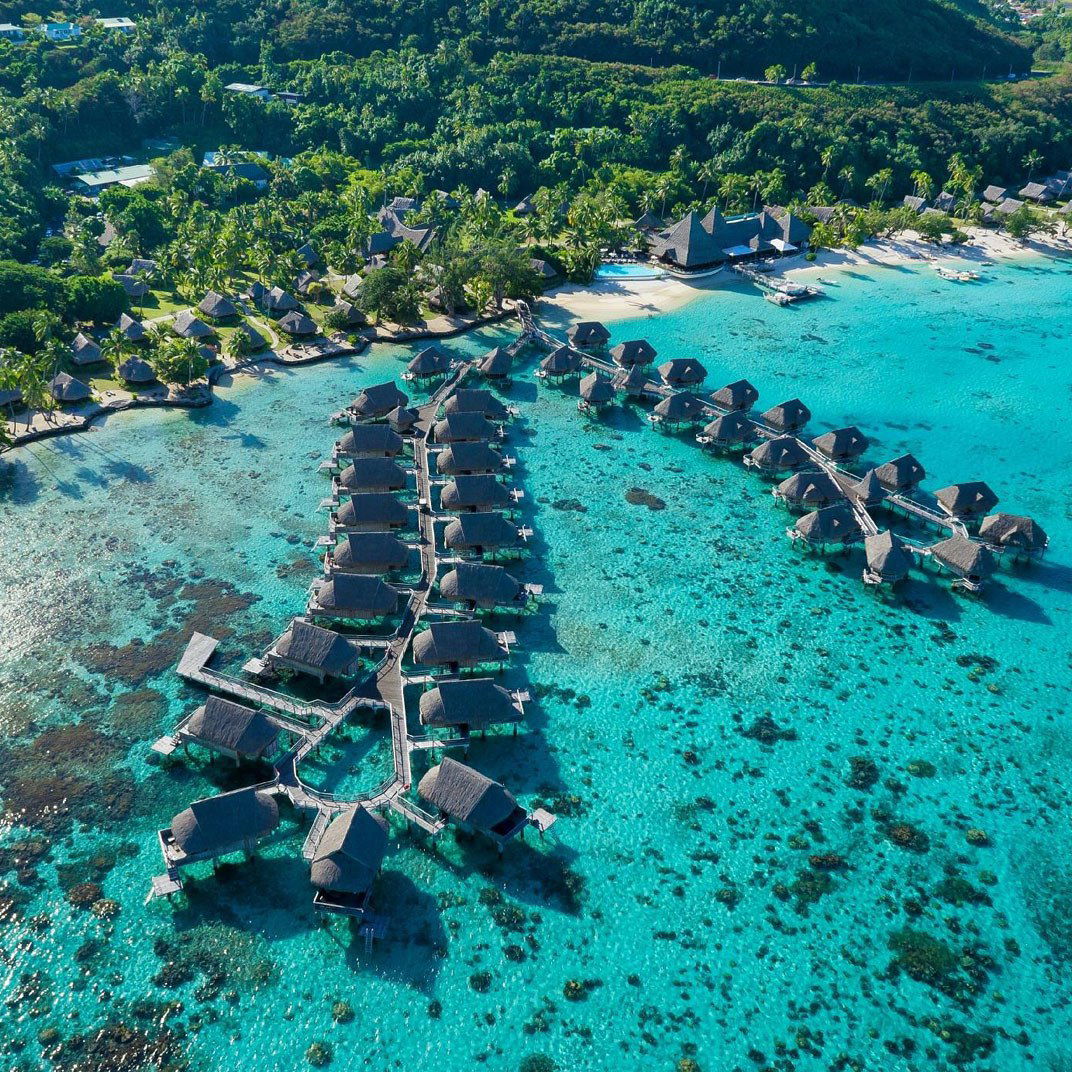
Sofitel Kia Ora Moorea Beach Resort foregrounds its natural setting: the description continually returns to the lagoon’s shifting palette and the island’s volcanic silhouette. The property is presented as part of a considered tradition of overwater bungalows where architecture responds to the water rather than merely occupying it. That context gives the resort a quietly historic and composed character — guests encounter a place shaped by local typology and the long lineage of Polynesian overwater accommodation. The Michelin Selected designation underscores a polished standard, so the overall impression is of a refined island retreat built around its maritime setting.
Best For
This resort suits travelers who prize the relationship between architecture and the sea: people seeking a hotel experience that deliberately frames Moorea’s lagoon are the clearest fit. The emphasis on overwater-bungalow tradition and the property’s inclusion in a Michelin Selected list point to a hotel that works well for elevated, memorable stays and milestone visits. It also reads as a strong pick for guests who want a beach-focused base — whether they arrive for a short luxury escape or a longer island stay — where the water is a defining element of the experience.
Stay Tips
Prioritize accommodation that maximizes the lagoon relationship: the write-up stresses that the resort’s layout intentionally incorporates the water, so book a room or bungalow described as lagoon- or water-facing to experience that design intent. The piece also highlights the property’s Michelin Selected status; treat that as a cue to expect attentive standards and to confirm any included dining or culinary offerings when reserving. If overwater accommodation is important, reference the history and design notes in the description when choosing a specific bungalow type so you get the closest possible connection to the lagoon.
Venue details
Ambiance
Serene and romantic with lush tropical gardens, turquoise lagoon views, and elegant French-Polynesian fusion lighting.
Tags
Vibe
Best For
Experience
Amenities
View
Accessibility
About the Stay
- Rooms
- 110
- Check-in
- 15:00
- Check-out
- 11:00
- Property Style
- Luxury Bungalow Resort Blending French Sophistication with Polynesian Charm.
- Design Style
- Polynesian Inspired with Woven Roofs, Exotic Woods, and Gauguin Esque Interiors.
Know before you go
Know Before You Go
- Getting there
- Moorea-Maiao, Maharepa, French Polynesia
Planning details
Location
Moorea-Maiao, Maharepa, French Polynesia · Directions
Recognition and awards
Explore Maharepa
Around this place
Discover more on Pearl
Unlock the full Sofitel Kia Ora Moorea Beach Resort guide in Pearl, including awards, comparisons, FAQs, planning details, and nearby places.
FAQ
Frequently Asked Questions
How is the pool and spa at Sofitel Kia Ora Moorea Beach Resort?
When is the best time to book Sofitel Kia Ora Moorea Beach Resort?
Do loyalty programs work at Sofitel Kia Ora Moorea Beach Resort?
Use only the current terms shown by the venue or booking channel when deciding how to book.
Is Sofitel Kia Ora Moorea Beach Resort good for business travel?
How does Sofitel Kia Ora Moorea Beach Resort compare to nearby hotels?
The confirmed differentiator in this guide's record is that Sofitel Kia Ora Moorea Beach Resort is a MICHELIN Guide Hotels Selected property for 2025 in Maharepa. For other comparisons, confirm current amenities, rates, and policies directly.
How is the location of Sofitel Kia Ora Moorea Beach Resort?
Sofitel Kia Ora Moorea Beach Resort is in Maharepa.