
Plataran Borobudur Resort and Spa
Tanjungan Village, Magelang
Hotel in Magelang, Indonesia
 Book with Pearl
Why go
Plataran Borobudur Resort and Spa is the stronger choice for a Borobudur-focused celebration stay than for a points-led or city-base trip. Its MICHELIN Guide Hotels Selected recognition for 2025 gives it a useful quality signal, while easy booking difficulty makes it less stressful to plan than more constrained luxury options nearby.
About Plataran Borobudur Resort and Spa
Consider Plataran Borobudur Resort and Spa in Magelang if you want a resort stay with a smart casual dress code and MICHELIN Guide Hotels Selected recognition for 2025.
A resort choice in Magelang
For travelers comparing premium stays in and around Magelang, the clearest reason to shortlist Plataran Borobudur Resort and Spa is its hotel recognition and resort identity. Check current room categories, restaurant concepts, prices, seat counts, amenities, and service details directly before booking.
Approach it as a setting-led resort option. That makes it most relevant for travelers who care about the overall stay and want a property with a MICHELIN Guide Hotels Selected 2025 listing.
Compare current booking, room, dining, and rate information through the venue's official channels before committing. The practical question is whether the property style and location in Magelang fit the trip.
Who should choose it, and who should cross-shop
Choose Plataran Borobudur Resort and Spa if the priority is a Magelang resort with smart casual dress code guidance and MICHELIN Guide Hotels Selected 2025 recognition. Cross-shop Amanjiwo, Hotel Le Temple Borobudur, and Villa Borobudur Resort if you are comparing other premium stays for the same trip. Garrya Bianti Yogyakarta and Alila Solo may also be relevant if your itinerary extends beyond Magelang.
The practical call: this is worth shortlisting when you want a resort stay in Magelang and are comfortable checking current room, rate, dining, and service details directly before booking. For broader planning, use our full Magelang hotels guide; if the trip also needs meals, bars, wineries, or activities, check our full Magelang restaurants guide, our full Magelang bars guide, our full Magelang wineries guide, and our full Magelang experiences guide.
Quick reference: Magelang resort; smart casual dress code; MICHELIN Guide Hotels Selected 2025 recognition.
Planning details
- Location
- Jl. Dusun Tanjungan, Dusun II, Borobudur, Kec. Borobudur, Kabupaten Magelang, Jawa Tengah 56553, Indonesia
- Website
- plataran.com/plataran-borobudur
- Phone
- +62 293 788888
The take
The Take
The Vibe
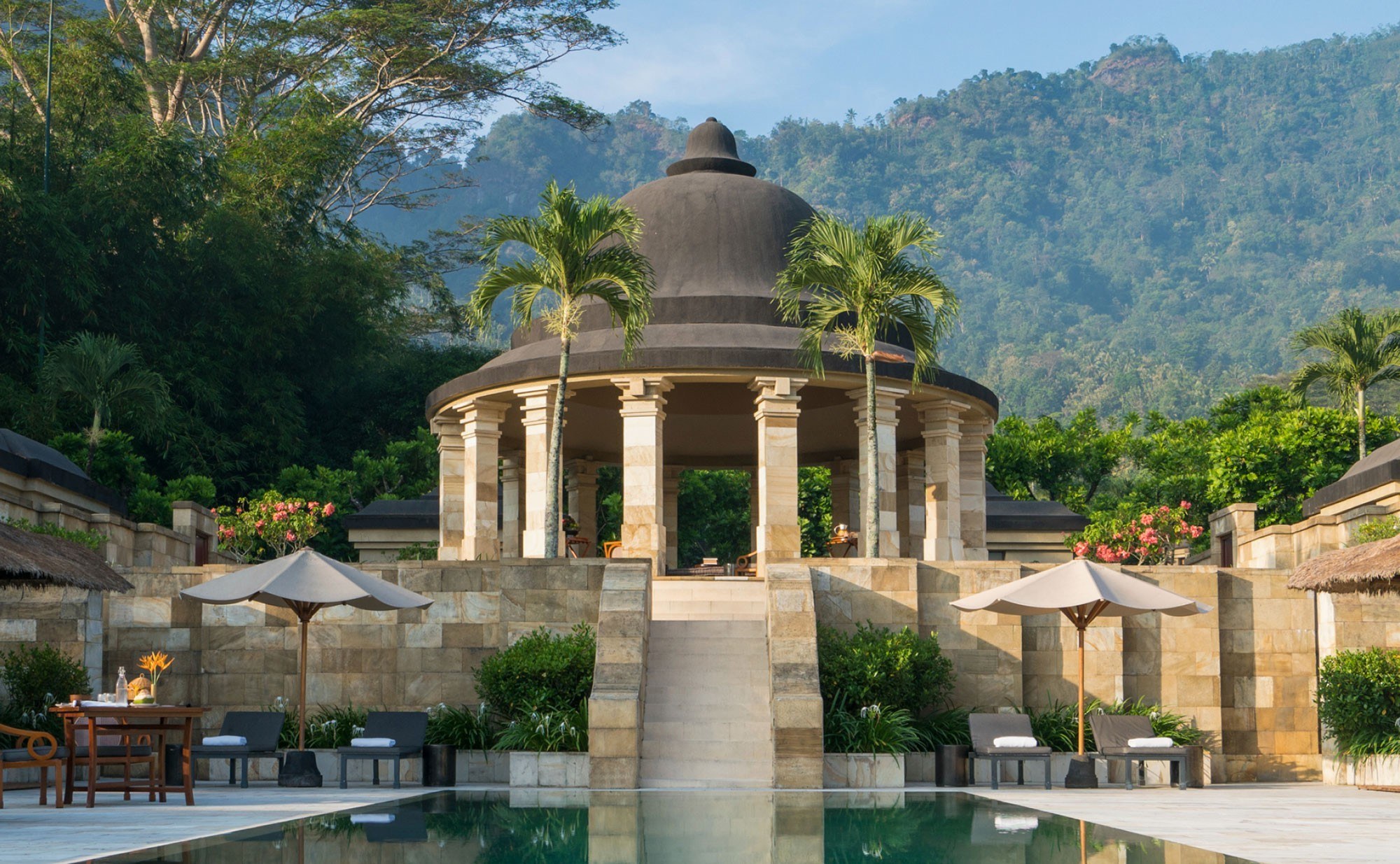
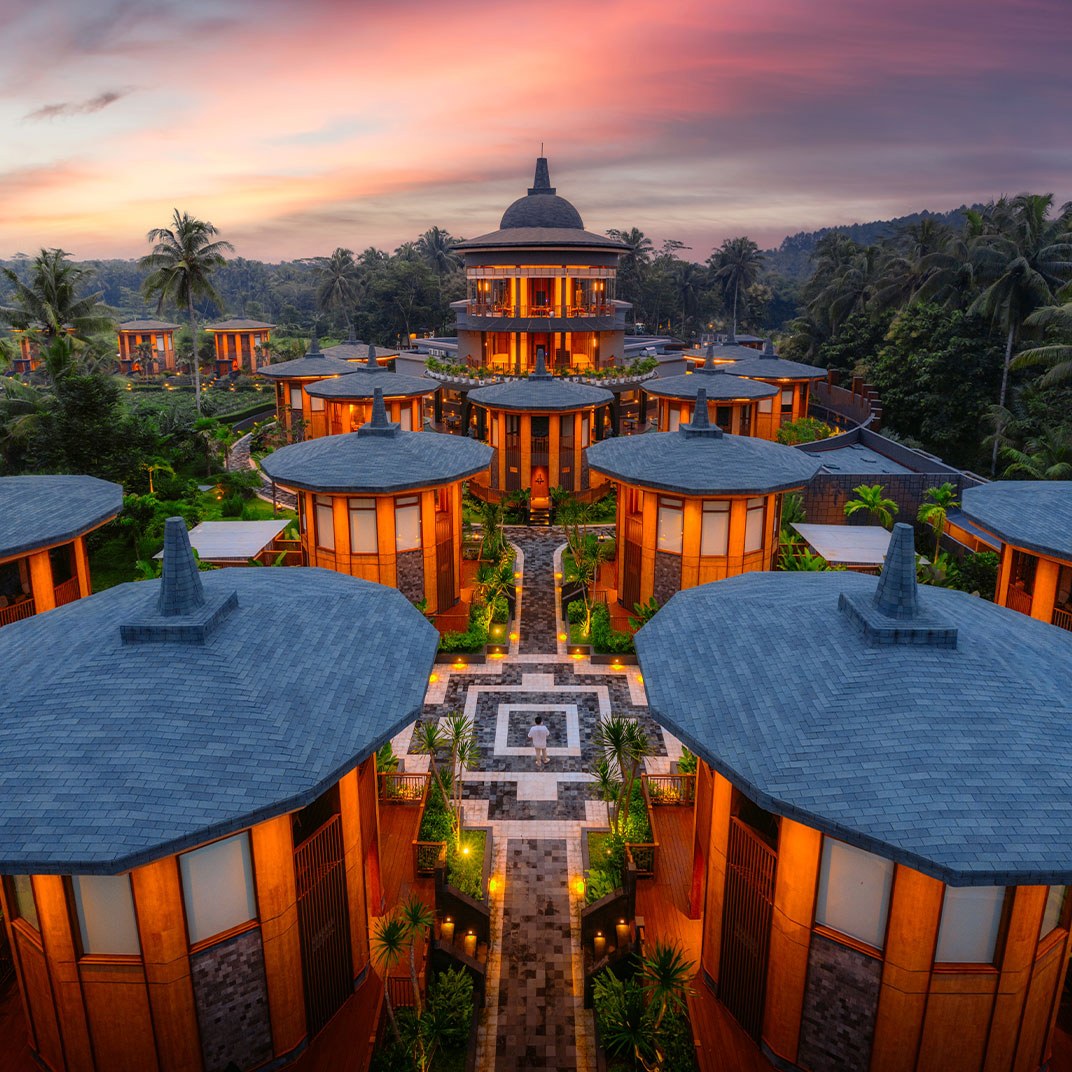
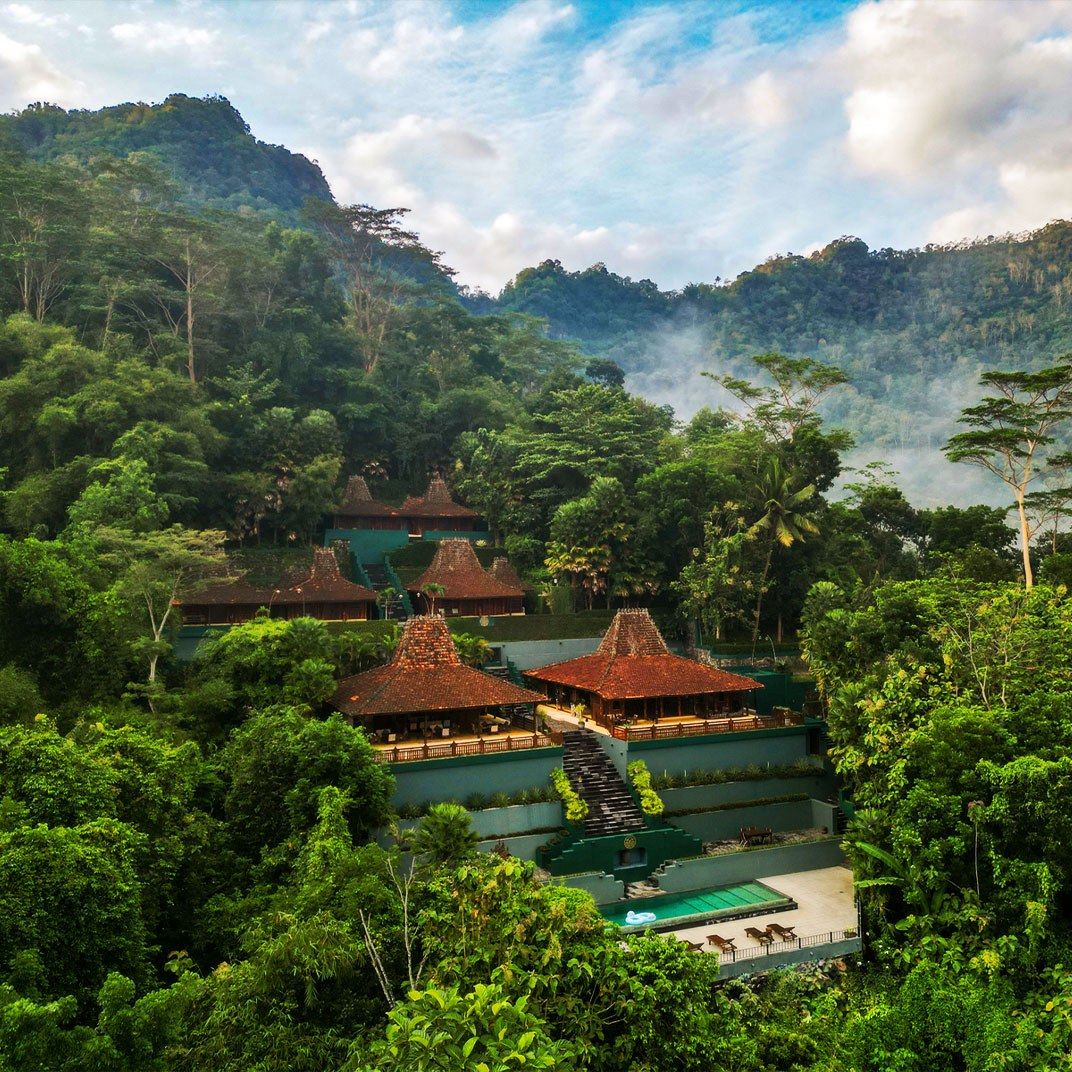
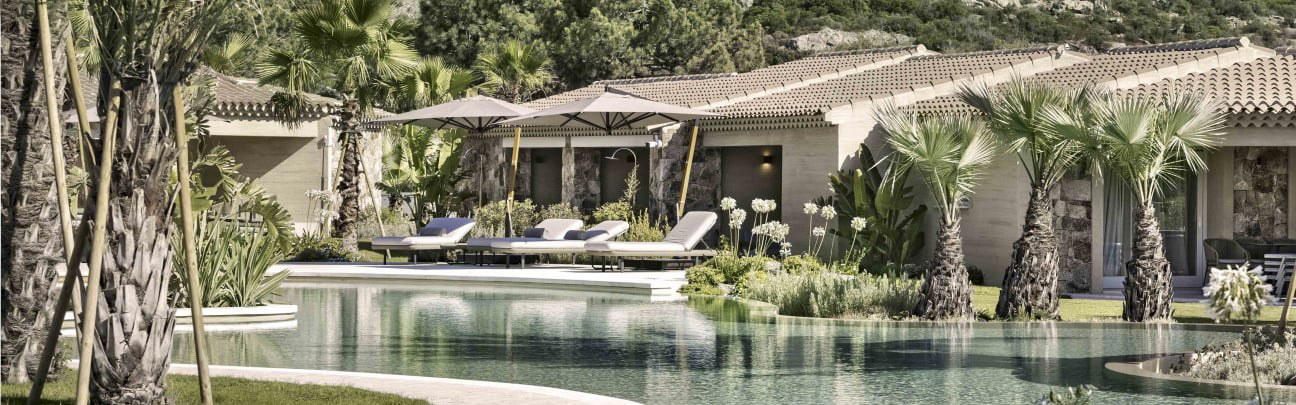
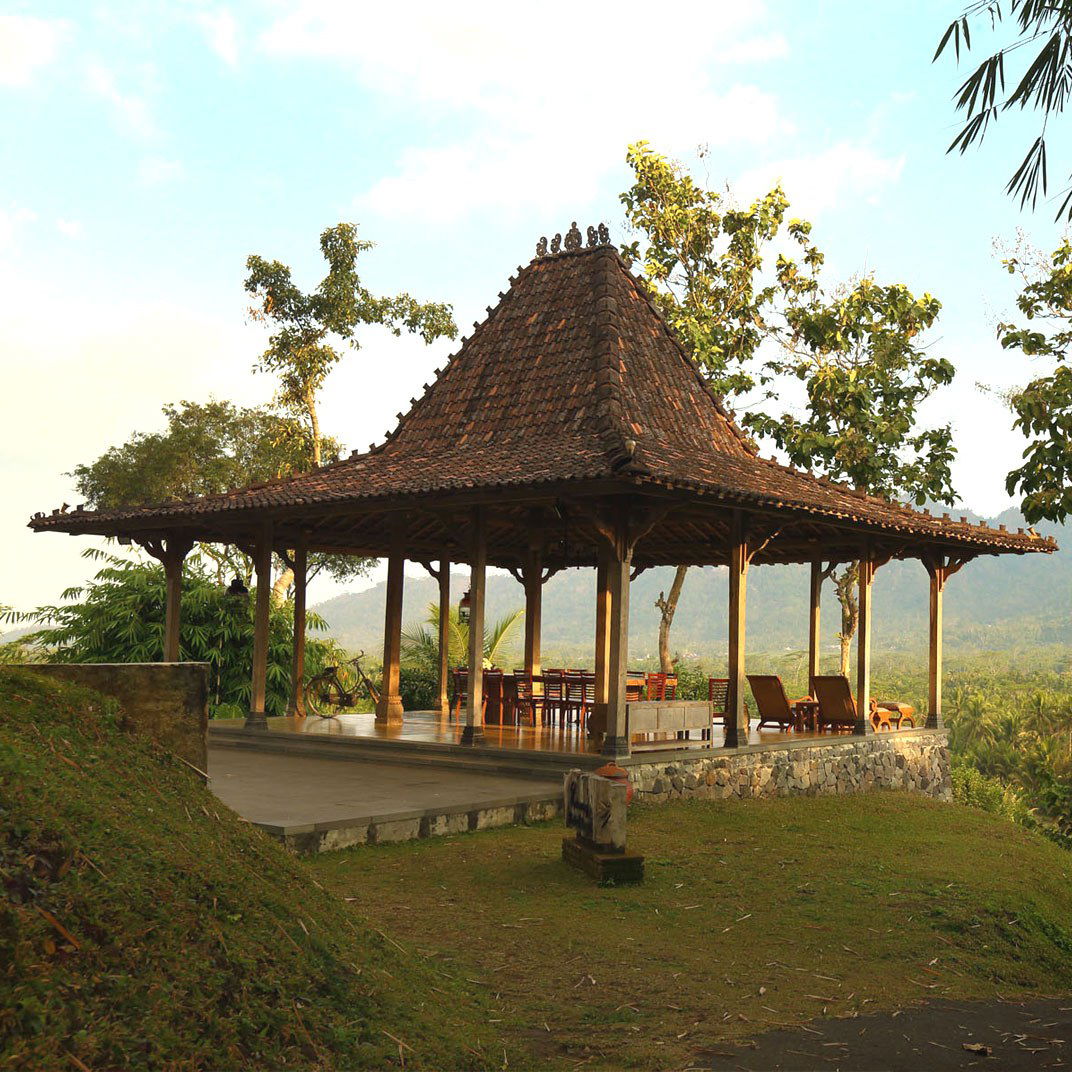
Plataran Borobudur reads as a quiet, grounded luxury property that prioritizes vernacular form and materiality. You approach across the Kedu Plain and rice paddies, and the resort announces itself as a sequence of low, dark-timbered joglo structures and open-sided pavilions. Hand-worked timber joinery and steeply tiered roofs are deployed deliberately, so the architecture feels native to the landscape rather than transplanted. That rooted design logic gives the property a charming, historic-leaning character: it is luxurious without flamboyance, measured in tone, and intent on making the agricultural surroundings part of the guest experience.
Best For
This resort is best for travelers who want quiet immersion near Borobudur combined with considered design and comfortable luxury. It suits couples on honeymoon or romantic getaways, guests marking anniversaries, and visitors booking wellness retreats who appreciate spa amenities in a rural, low-rise setting. The Michelin Selected designation signals elevated dining that complements evenings after temple visits, and design-minded travelers will value the joglo forms and crafted timberwork. In short, it works well for intimate escapes and restorative stays where the landscape and architecture are central to the experience.
Stay Tips
When planning a stay, book with proximity to Borobudur in mind: the property sits in the Borobudur corridor and is designed to integrate with the surrounding paddies and plain. Request a pavilion or room oriented toward the agricultural grounds to make the most of the setting. Factor dining into your itinerary—Plataran’s inclusion on the Michelin Hotels list suggests the hotel’s food program is a highlight— and reserve spa treatments early, since the property markets itself as a resort-and-spa experience rooted in traditional Javanese architecture.
Venue details
Ambiance
Tranquil and serene atmosphere with colonial charm, lush tropical landscapes, and elegant lighting enhancing the sophisticated, peaceful retreat.
Tags
Vibe
Best For
Experience
Amenities
View
About the Stay
- Rooms
- 21
- Check-in
- 15:00
- Check-out
- 12:00
- Property Style
- Javanese Inspired Luxury Villas Blending Traditional Indonesian Architecture with Modern Comfort
- Design Style
- Contemporary Classic with Minimalist and Vintage Indonesian Elements
Know before you go
Know Before You Go
- Getting there
- Jl. Dusun Tanjungan, Dusun II, Borobudur, Kec. Borobudur, Kabupaten Magelang, Jawa Tengah 56553, Indonesia
Planning details
Location
Jl. Dusun Tanjungan, Dusun II, Borobudur, Kec. Borobudur, Kabupaten Magelang, Jawa Tengah 56553, Indonesia · Directions
Recognition and awards
Also consider
Also Consider
- Hotel Le Temple Borobudur, Notable alternative
- Amanjiwo, Notable alternative
- Villa Borobudur Resort, Notable alternative
- Garrya Bianti Yogyakarta, Notable alternative
- Alila Solo, Notable alternative
Hotel context
How it compares with Borobudur and Central Java hotel peers
Plataran Borobudur Resort and Spa is the practical pick if the trip needs a calm Borobudur-area resort with easy booking difficulty and a special-occasion mood. Amanjiwo is the splurge comparison for travelers prioritizing a rarer luxury experience, while Hotel Le Temple Borobudur is the better cross-shop if design character is the main filter.
Villa Borobudur Resort makes more sense for travelers who want a villa-style stay and more residential privacy. Plataran is easier to recommend for couples or families who want a resort frame around Borobudur without making the hotel choice feel overcomplicated.
If the itinerary shifts away from Magelang, compare Garrya Bianti Yogyakarta for a Yogyakarta-leaning base and Alila Solo for a Solo stay. Those are better for city access; Plataran is better when Borobudur is the reason for the trip.
Explore Magelang
Around this place
Discover more on Pearl
Unlock the full Plataran Borobudur Resort and Spa guide in Pearl, including awards, comparisons, FAQs, planning details, and nearby places.
Compare Plataran Borobudur Resort and Spa
| Venue | Location | Awards |
|---|---|---|
| Plataran Borobudur Resort and Spa | Magelang | 2025 Michelin Selected Hotels |
| Hotel Le Temple Borobudur | Magelang | No published awards |
| Amanjiwo | Magelang | 2026 Virtuoso Luxury Hotel CollectionTatler Best Hotels Asia-Pacific 20252025 Michelin 3 Keys |
| Villa Borobudur Resort | Magelang | No published awards |
| Garrya Bianti Yogyakarta | Yogyakarta | 2025 Michelin 1 Key |
| Alila Solo | Solo | No published awards |




How Plataran Borobudur Resort and Spa compares with similar nearby venues.
FAQ
Frequently Asked Questions
How is the location of Plataran Borobudur Resort and Spa?
Plataran Borobudur Resort and Spa is in Magelang. For any more specific arrival directions, use the venue's official channels or your confirmed booking information.
How does Plataran Borobudur Resort and Spa compare to nearby hotels?
Pick Plataran Borobudur Resort and Spa if you want a Magelang resort with smart casual dress code guidance and MICHELIN Guide Hotels Selected 2025 recognition. Compare Amanjiwo, Hotel Le Temple Borobudur, Villa Borobudur Resort, Garrya Bianti Yogyakarta, and Alila Solo if you are deciding among premium stays for a wider itinerary.