

Van Oys Maastricht Retreat
Eijsden-Margraten, Maastricht
Hotel in Maastricht, Netherlands
 Book with Pearl
The Read
Terroir-Anchored Hotel Dining
Why go
Book Van Oys Maastricht Retreat if the stay itself is meant to be the point, not just a Maastricht base. Its 2025 Michelin 1 Key, Leading Hotels of the World membership, and 2026 Mr & Mrs Smith approval make it a stronger pick for a retreat-style Limburg trip than for a tightly scheduled city weekend.
About Van Oys Maastricht Retreat
Is Van Oys Maastricht Retreat worth booking for a Maastricht stay? It is worth considering seriously if you are comparing premium hotel options in Maastricht, but the decision should be made with care: details are limited, so avoid assuming specific services, room formats, dining concepts, or location advantages unless confirmed at the time of booking.
Its recognition helps frame the decision: Van Oys Maastricht Retreat holds a Michelin 1 Key, is a Leading Hotels of the World member, and has a Mr & Mrs Smith Seal of Approval. The dress code is smart casual. These facts place it in a notable hotel conversation for Maastricht, while still leaving practical booking questions to check directly.
Book this for its recognition, then check the practical details
The strongest grounded reason to shortlist Van Oys Maastricht Retreat is its recognition. Guests comparing Maastricht hotel options may also want to look at Hotel Beaumont, Kruisherenhotel Maastricht, or Hotel Monastère Maastricht, depending on the kind of stay they are planning. Since specific amenities, room categories, services, or dining details are not established, those points should be checked directly before committing.
That distinction matters for travelers who are choosing between several premium options. Van Oys Maastricht Retreat has recognition, but a good booking decision still depends on basics such as exact location fit, room preference, cancellation terms, on-site services, and the overall plan for the trip.
Who should compare it carefully
Van Oys Maastricht Retreat is best approached as a premium Maastricht hotel to evaluate against your own itinerary rather than as a property with assumed features. If its recognition is important to you, it belongs on the shortlist. If your decision depends on specific services, facilities, meal options, or transport convenience, check those details before booking.
Compared with Château Neercanne, this is a hotel-focused choice in Maastricht rather than a direct substitute for every kind of occasion. Compared with Cousins Boutique Hotel, it should be judged on the facts and on the specific booking details available for your dates. The safest comparison is practical: decide which property best matches the needs of your trip.
If this is the only Maastricht trip on the calendar, compare Van Oys Maastricht Retreat with other Maastricht hotels before deciding. If its recognition makes it appealing, place it high on the shortlist and check the details that matter most for your stay. Use our full Maastricht hotels guide for the city-wide scan, then cross-check dining in our full Maastricht restaurants guide, plus other Maastricht guides for trip planning.
Inside Van Oys Maastricht Retreat
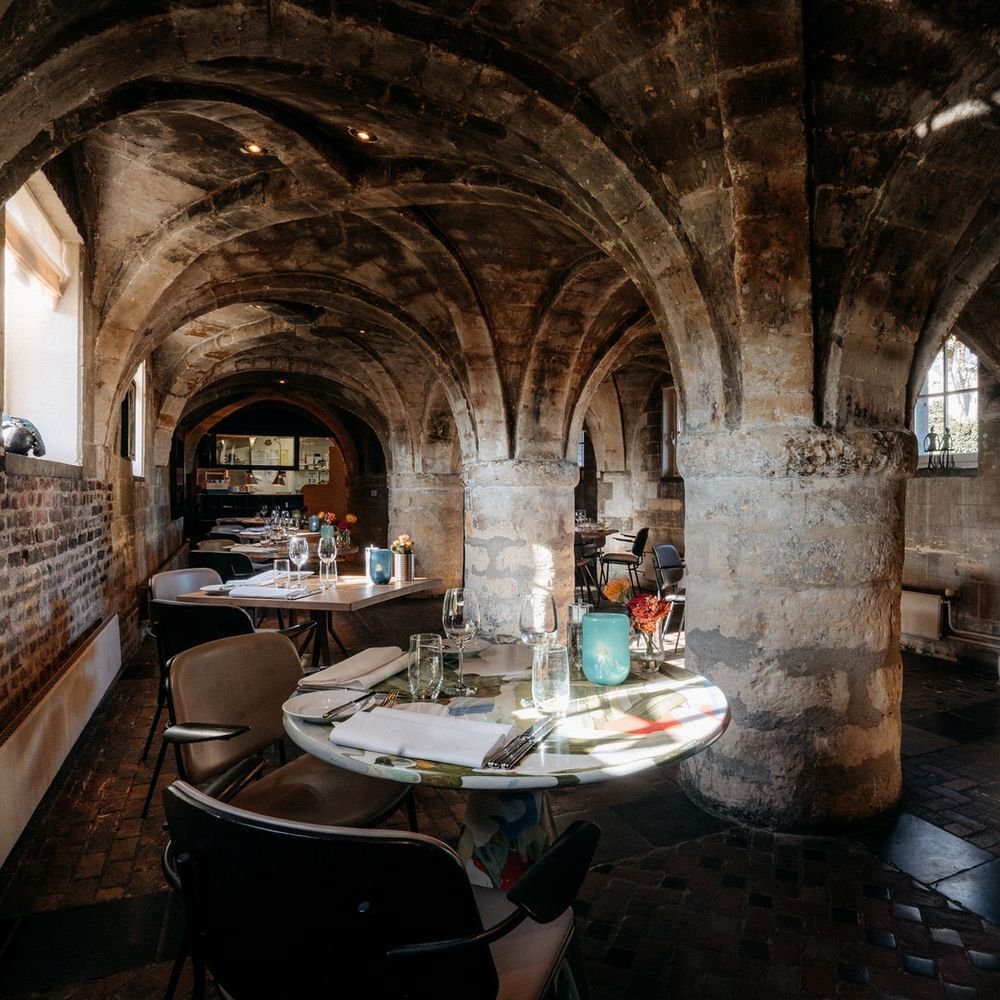
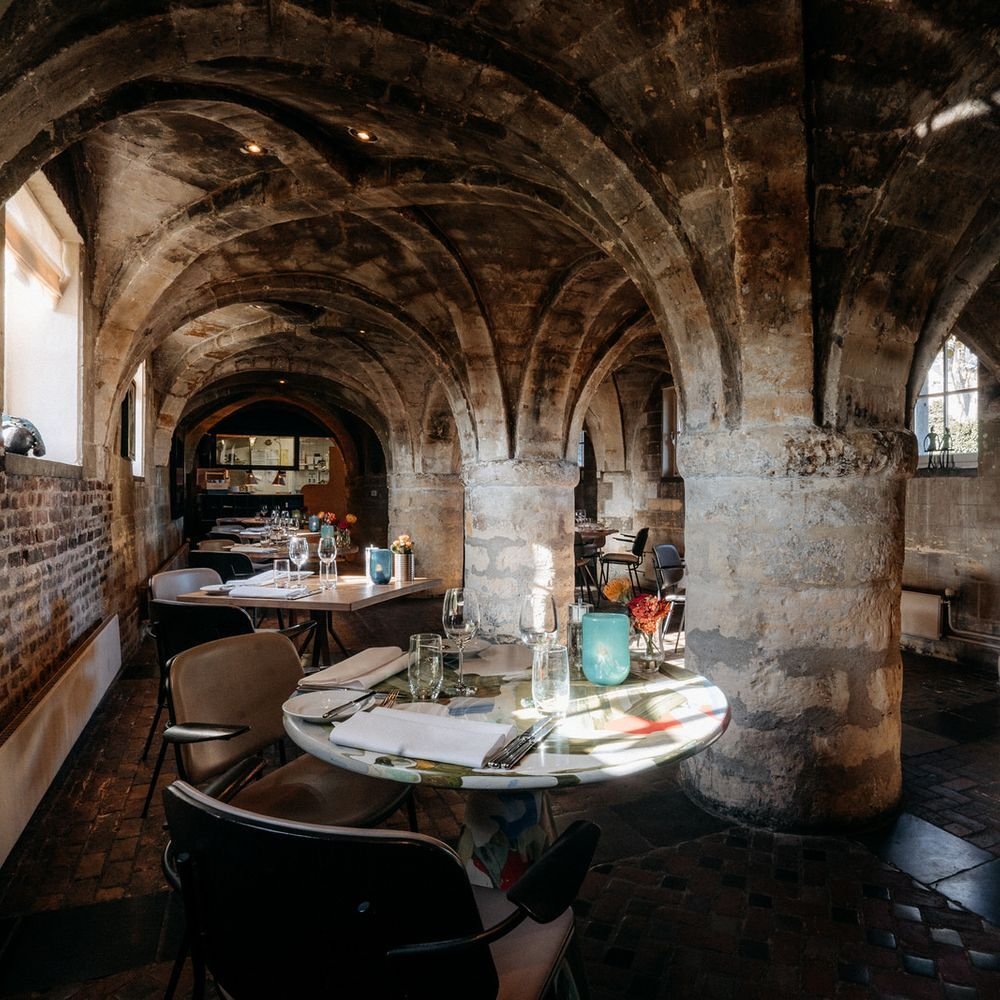
 restaurantMaes, Cuisine du TerroirSet within the Van Oys luxury hotel on the wooded fringes of Eijsden, Maes, Cuisine du Terroir draws its menu from a hundred-kilometre stretch of the Meuse River valley. Langoustines meet Limburg-style bouillabaisse; local lamb arrives seasoned with North African spice. The terrace overlooking the surrounding woodland makes the case for South Limburg as one of the Netherlands' most compelling regional dining destinations.
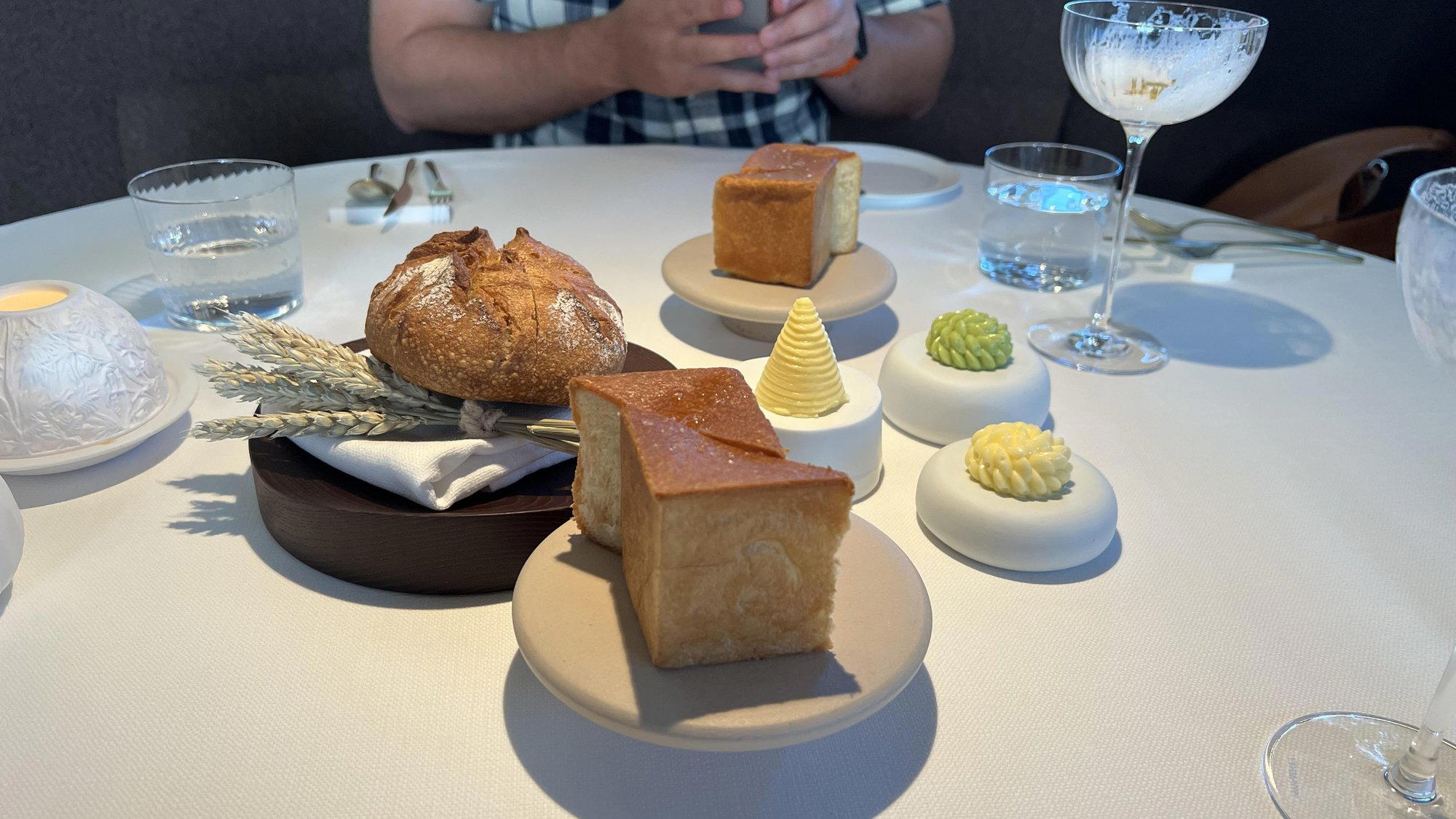 restaurantCreateHoused in the historic barn of Oost Castle in South Limburg, Create is Chef Guido Braeken's Modern French kitchen operating at the highest tier of Dutch fine dining. Braeken's sauce work and langoustine preparations draw comparisons with the Netherlands' most decorated tables, while the castle setting, managed by Hotel Van Oys, adds an architectural gravitas that few Dutch restaurant spaces can match.
Planning details
- Location
- Kasteellaan 1, 6245 SB Eijsden
- Website
- vanoys.com
- Phone
- +31 43 240 0040
The take
The Take
The Vibe
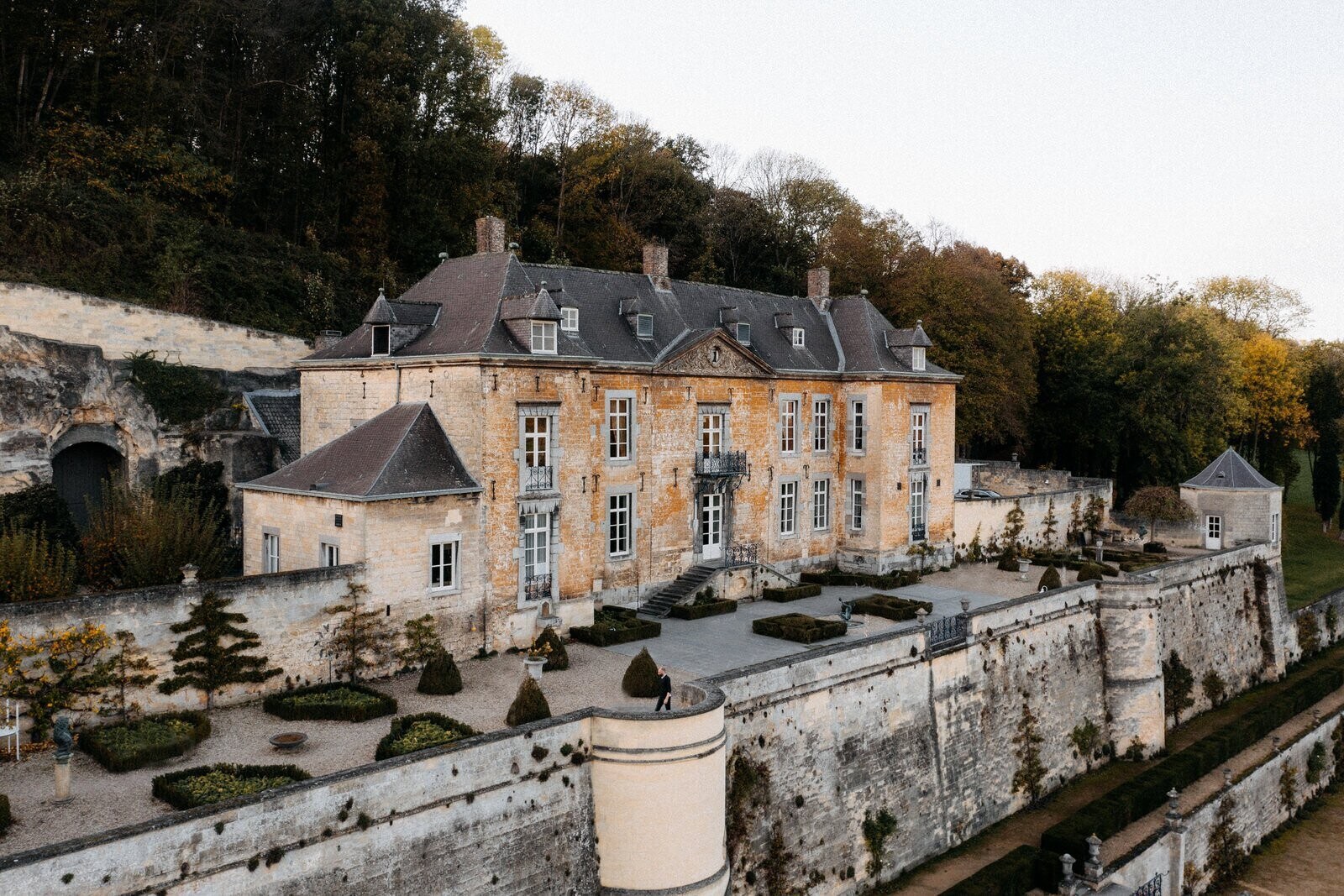
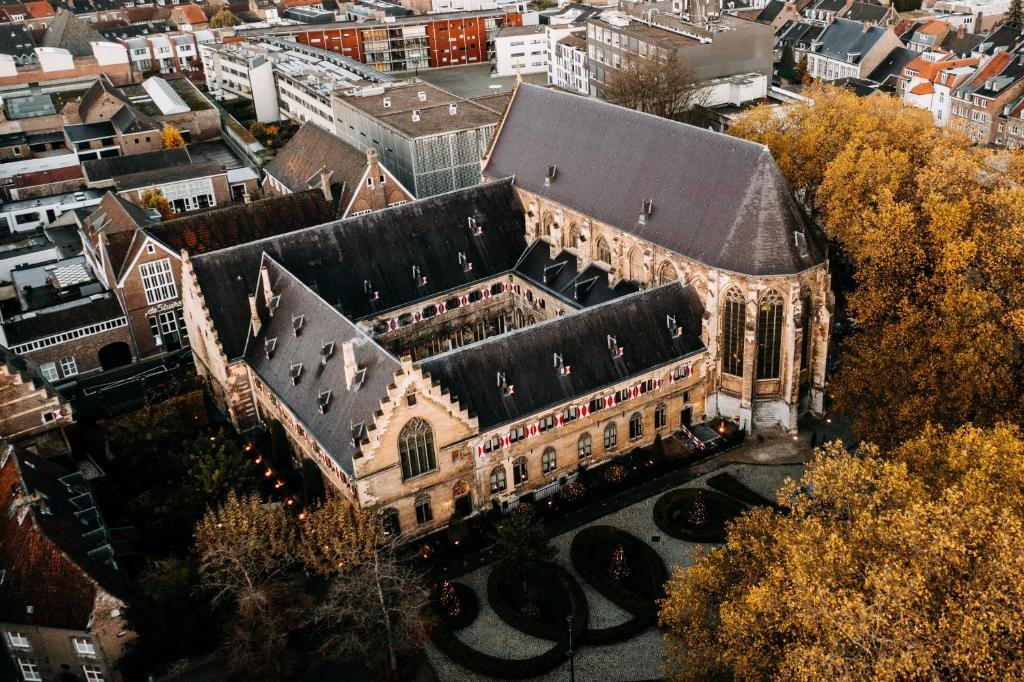
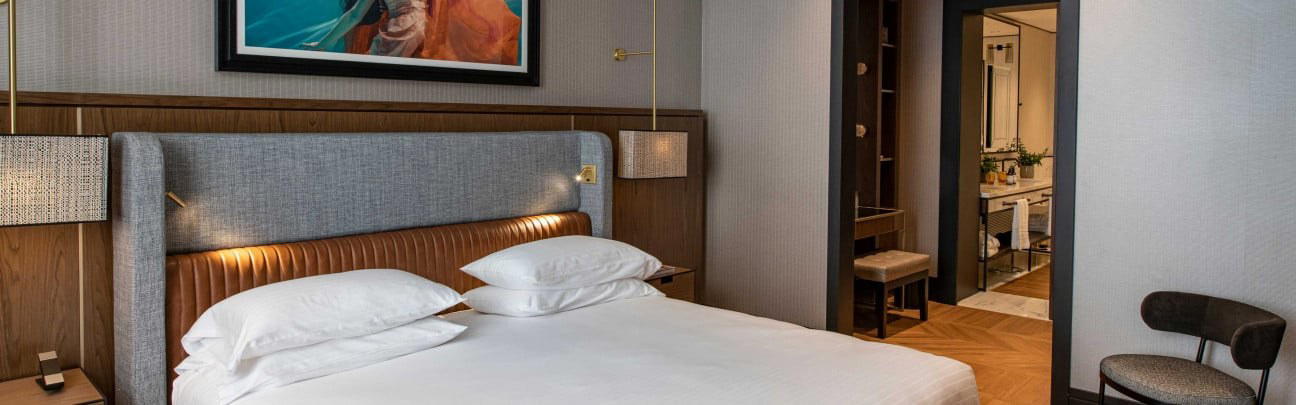
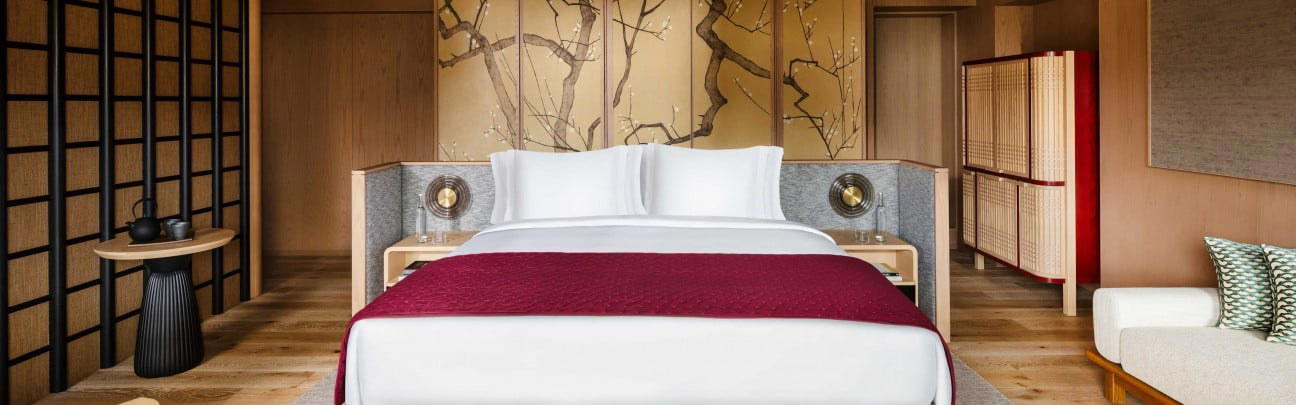
Van Oys Maastricht Retreat reads like a contemporary country house rooted in regional tradition. It leans on natural stone, exposed timber and an earthy palette to create a deliberately calming, low‑contrast aesthetic; the effect is serene rather than theatrical. The estate sits within a network of landgoed properties in southern Limburg, where gardens and grounds are integral to the experience, and its membership in a Leading Hotels collection signals independent architectural character and attentive service. Scale — 81 rooms, two restaurants and a spa — keeps the property feeling substantial without losing the human scale of a country retreat.
Best For
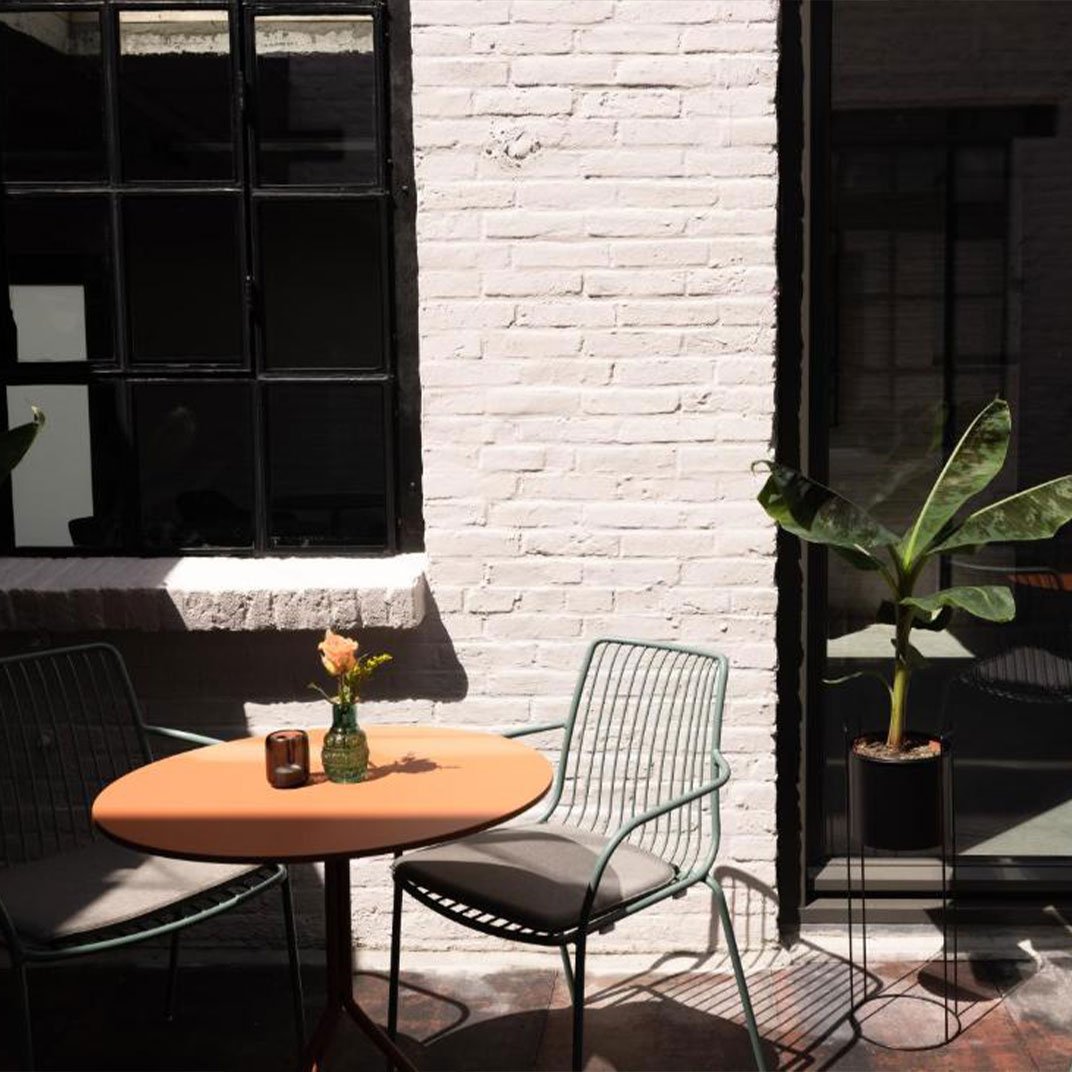
This retreat suits guests seeking a restorative countryside stay with easy access to Maastricht. It is particularly well matched to spa‑oriented breaks, romantic escapes and weekend getaways that value quiet grounds, thoughtful design and in‑house dining. The estate framework encourages time outdoors—walking the gardens or simply using a private terrace—while the town is close enough for day trips to historic streets and cathedral squares. For travelers who want a measured, design‑led rural base rather than a city hotel, Van Oys balances solitude and amenities.
Stay Tips
Book a higher‑category room if a private terrace or balcony matters to you; the description notes these rooms extend living space toward the gardens. Reserve dining and spa appointments in advance—Van Oys supports two restaurants and a spa but has a deliberate, not mass‑market, scale. Allow time to explore the estate grounds and plan at least a half‑day for a trip into Maastricht, which is roughly ten kilometres north. Expect service aligned with independent luxury hotels where staff‑to‑guest ratios are meaningful.
Venue details
Ambiance
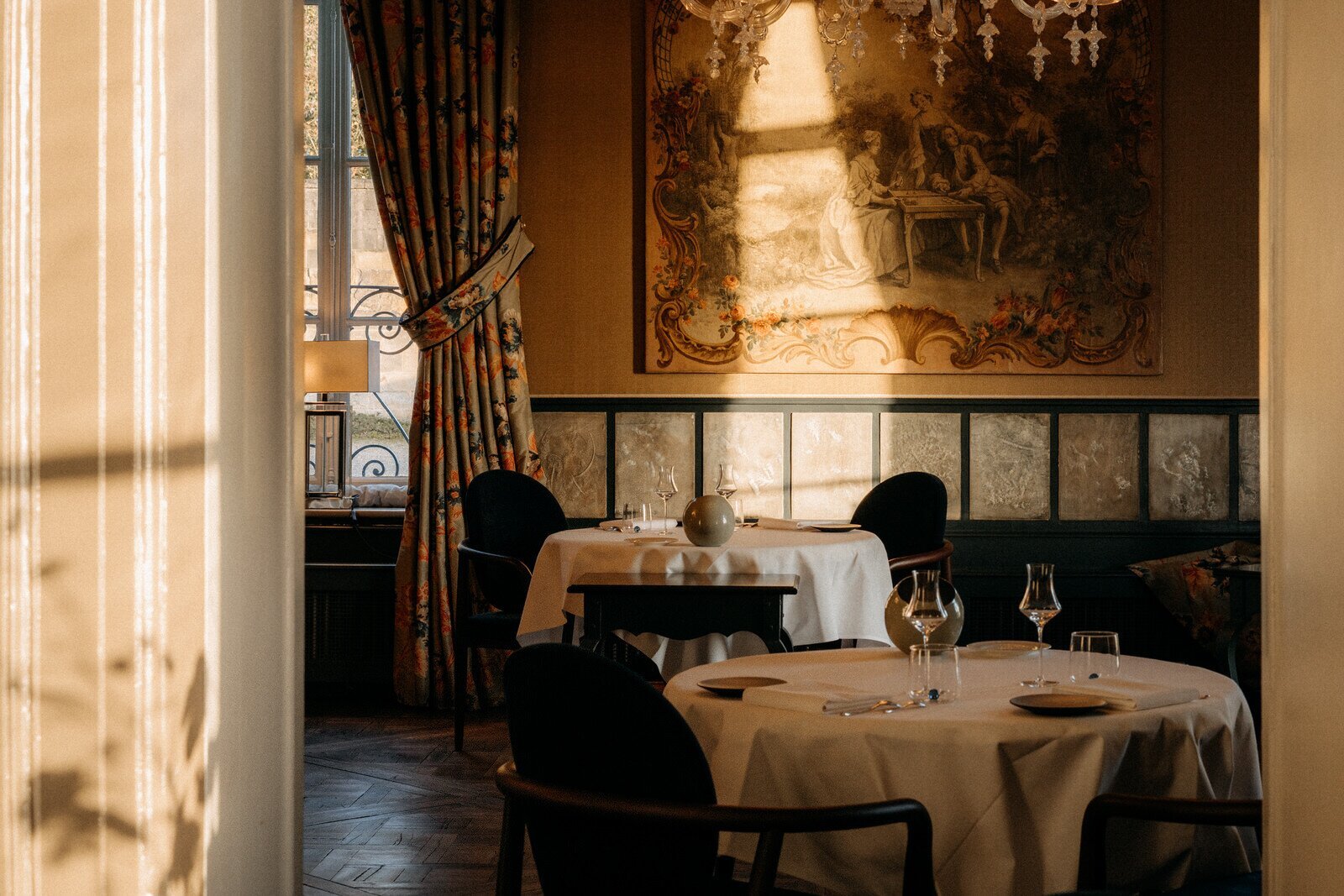
Warm, inviting lighting and luxurious castle atmosphere that makes guests feel pampered like royalty.
Tags
Vibe
Best For
Experience
Amenities
View
Accessibility
About the Stay
- Rooms
- 81
- Check-in
- 15:00
- Check-out
- 11:00
- Property Style
- Restored Medieval Château Estate Blending Historic Charm with Modern Eco Luxury
- Design Style
- Chic, Luxe Design with Warm Inviting Interiors
Know before you go
Know Before You Go
- Getting there
- Kasteellaan 1, 6245 SB Eijsden
Planning details
Location
Recognition and awards

Also consider
Where to book if this is full
Cross-shop Château Neercanne first if the appeal is a château-style escape near Maastricht. It keeps the trip in a similar lane, though the decision should come down to which property better fits the tone of the stay.
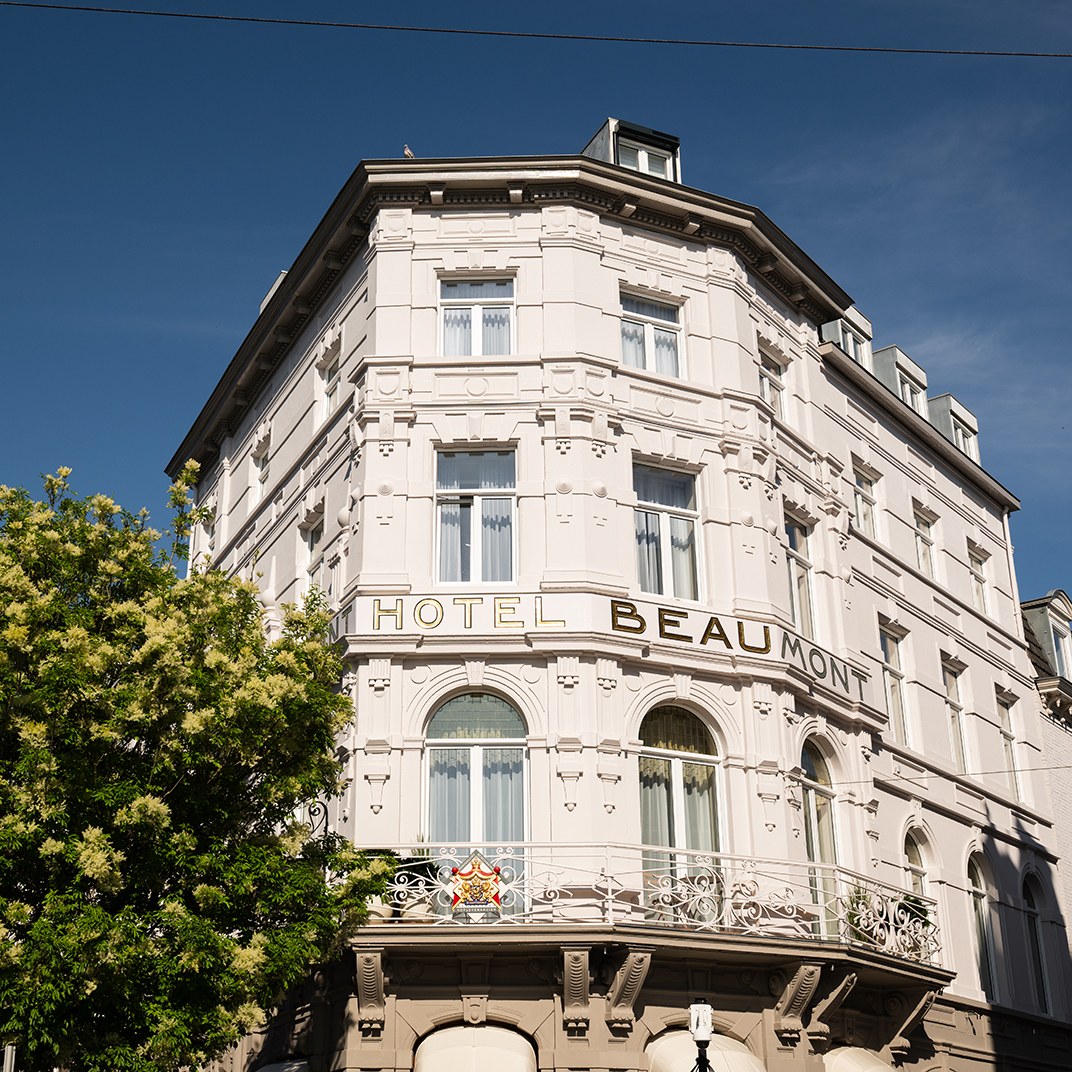
For a city-first fallback, book Hotel Beaumont. It is the safer choice when dinner plans, meetings, and walking access matter more than retreat atmosphere.
Hotel context
How it compares in Maastricht
Choose Van Oys Maastricht Retreat over Château Neercanne if the hotel experience matters more than simply choosing a historic setting. Château Neercanne is the natural cross-shop for travelers drawn to a château mood, but Van Oys is the more retreat-oriented call when the stay needs to carry the trip.
For city access, Hotel Beaumont, Kruisherenhotel Maastricht, and Hotel Monastère Maastricht are easier choices. They make more sense for travelers planning restaurant reservations, late bars, and quick walks between plans. Van Oys asks for more intentional scheduling, but gives a stronger sense of being away from the city.
Cousins Boutique Hotel is the sharper alternative for a smaller boutique stay. Pick it when intimacy and city rhythm matter. Pick Van Oys when the budget can stretch for a destination-style hotel and the itinerary has enough space to enjoy the property rather than just sleep there.
Explore Maastricht
Around this place
Discover more on Pearl
Unlock the full Van Oys Maastricht Retreat guide in Pearl, including awards, comparisons, FAQs, planning details, and nearby places.
Compare Van Oys Maastricht Retreat
| Venue | Location | Awards |
|---|---|---|
| Van Oys Maastricht Retreat | Maastricht | 2026 Mr & Mrs Smith Luxury HotelsLeading Hotels of the World 20262026 Michelin 1 KeyMichelin 1 Key 20252025 Michelin 1 Key |
| Château Neercanne | Maastricht | 2026 Relais Chateaux Hotels2026 Michelin 2 Keys2025 Relais Chateaux Award2025 Michelin 2 Keys |
| Hotel Beaumont | Maastricht | No published awards |
| Kruisherenhotel Maastricht | Maastricht | No published awards |
| Cousins Boutique Hotel | Maastricht | No published awards |
| Hotel Monastère Maastricht | Maastricht | No published awards |



How Van Oys Maastricht Retreat compares with similar nearby venues.
FAQ
Frequently Asked Questions
How does Van Oys Maastricht Retreat compare to nearby hotels?
Van Oys Maastricht Retreat has recognition including a Michelin 1 Key, Leading Hotels of the World membership, and a Mr & Mrs Smith Seal of Approval. Hotel Beaumont, Hotel Monastère Maastricht, and Kruisherenhotel Maastricht are also relevant Maastricht hotel comparisons, but the best choice depends on the details available for your dates.
When is the best time to book Van Oys Maastricht Retreat?
Book when your Maastricht dates and requirements are firm. Because Van Oys Maastricht Retreat has recognition including a Michelin 1 Key, it is sensible to compare availability and terms early rather than assuming the right option will remain available later.
What should I know before booking Van Oys Maastricht Retreat?
Van Oys Maastricht Retreat is in Maastricht, has a smart casual dress code, holds a Michelin 1 Key, is a Leading Hotels of the World member, and has a Mr & Mrs Smith Seal of Approval. Check any other details that matter to your stay before booking.