
Titanic Hotel Liverpool
Stanley Dock, Liverpool
Hotel in Liverpool, United Kingdom
 Book with Pearl
Why go
Titanic Hotel Liverpool is worth booking when the hotel itself is part of the trip, especially for returning visitors who want a more spacious-feeling dockside base rather than another central crash pad. The MICHELIN Guide hotel selection adds reassurance, but loyalty-focused travellers should compare booking channels carefully before giving up chain benefits.
About Titanic Hotel Liverpool
Titanic Hotel Liverpool is a Liverpool hotel with a MICHELIN Guide Hotels Selected (2025) listing. Assess it against your own trip needs, especially if room size, facilities, dining, or location details within the city are important.
The verdict: consider Titanic Hotel Liverpool if you want a Liverpool stay with a MICHELIN hotel-selection signal. If your decision depends on specific facilities, room categories, loyalty benefits, dining options, transport timing, or add-on services, confirm those details directly before booking.
Choose it for a Liverpool hotel selection signal
Titanic Hotel Liverpool's strongest point is its MICHELIN Guide Hotels Selected (2025) recognition. That is a useful quality signal, but it should not be stretched into promises about a particular service style, room format, restaurant, spa, or business-travel setup.
The dress code is smart casual. Travellers should still check the hotel's own guidance for any setting-specific requirements before arrival, especially if a stay includes dining, events, or other on-property plans.
For a second Liverpool stay, check the details that matter most
For returning visitors to Liverpool, the practical question is whether Titanic Hotel Liverpool fits the shape of the trip. Details such as room categories, facilities, prices, hours, service inclusions should be checked at the point of booking.
Business travellers should be especially careful not to infer amenities or policies. If late checkout, meeting space, loyalty credit, workspace, or transport timing matters, verify it directly before committing.
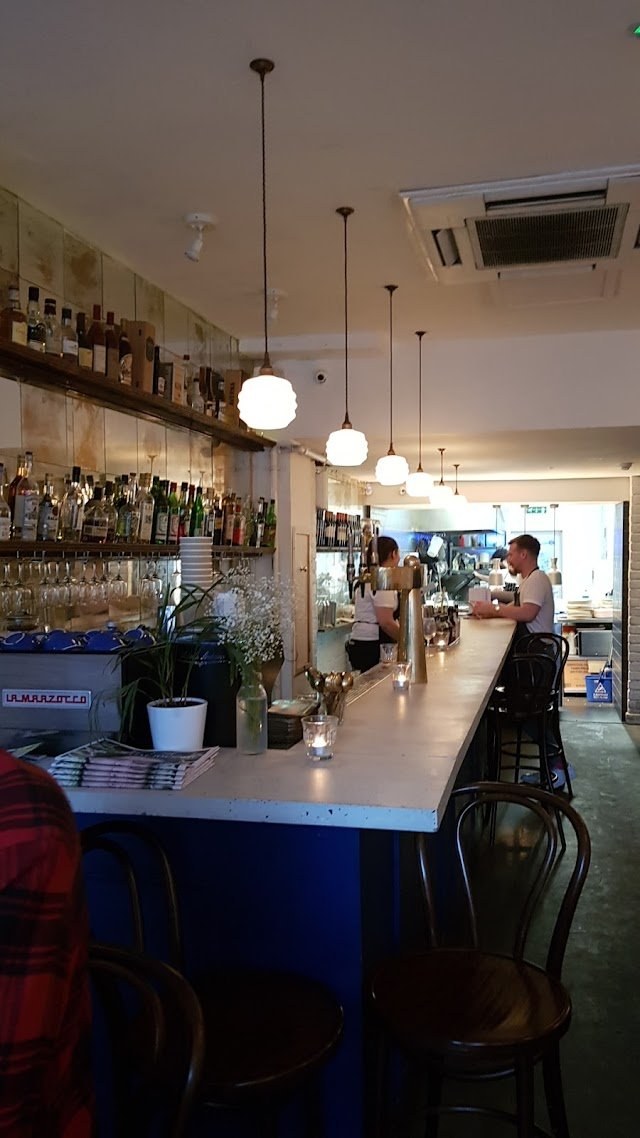
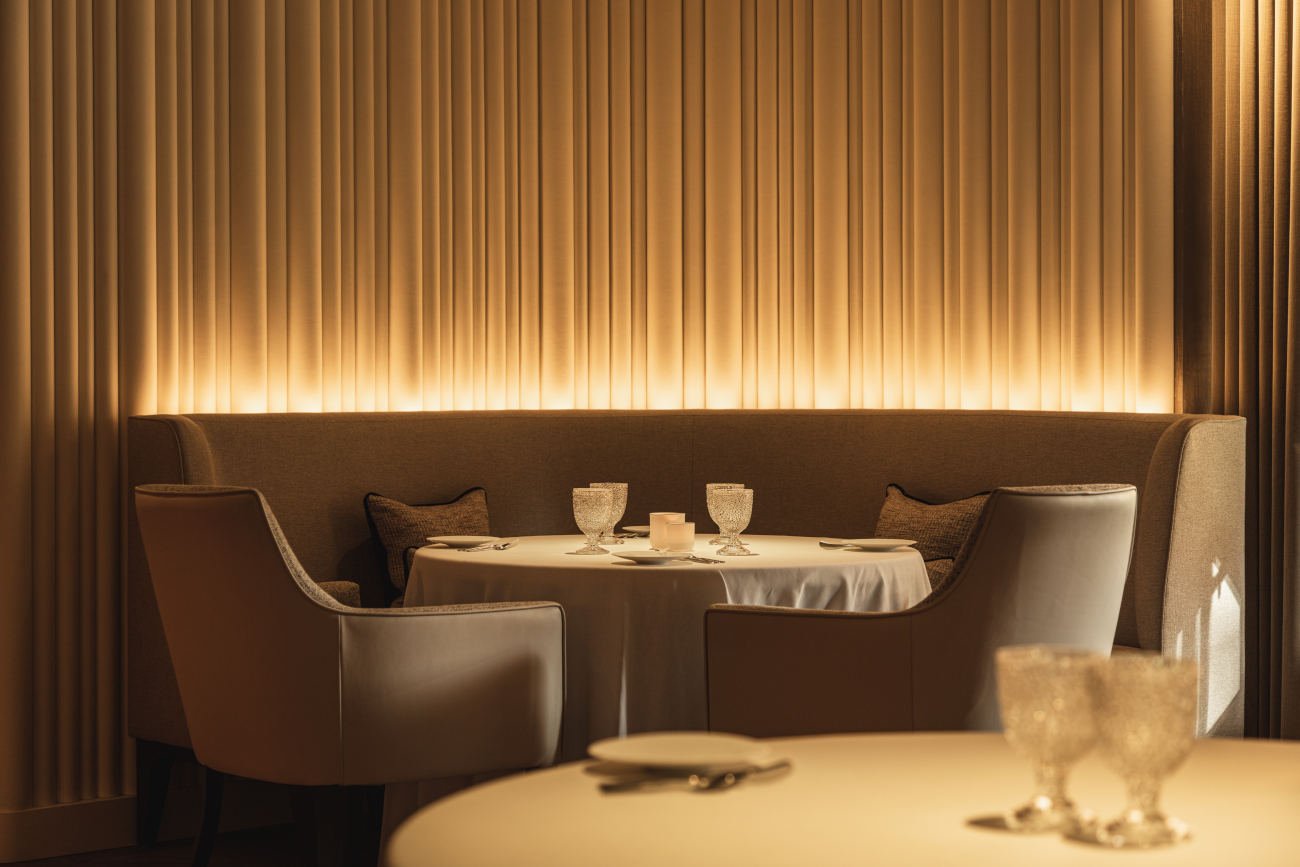
For dining-led travellers, use the hotel as a potential base and plan restaurants separately through Pearl's Liverpool restaurants guide. Do not assume a specific restaurant format, cuisine, drinks programme, or meal service unless it is confirmed by the hotel.
Quick reference: choose Titanic Hotel Liverpool for a Liverpool hotel with MICHELIN Guide Hotels Selected (2025) recognition; verify any facility, dining, room, or booking-policy detail directly before relying on it.
For wider trip planning, compare it against Pearl's Liverpool hotels guide, then plan the rest of the Liverpool itinerary separately.
Planning details
- Location
- Stanley Dock, Regent Road, Liverpool, UK
- Phone
- +44 0151 559 1444
The take
The Take
The Vibe
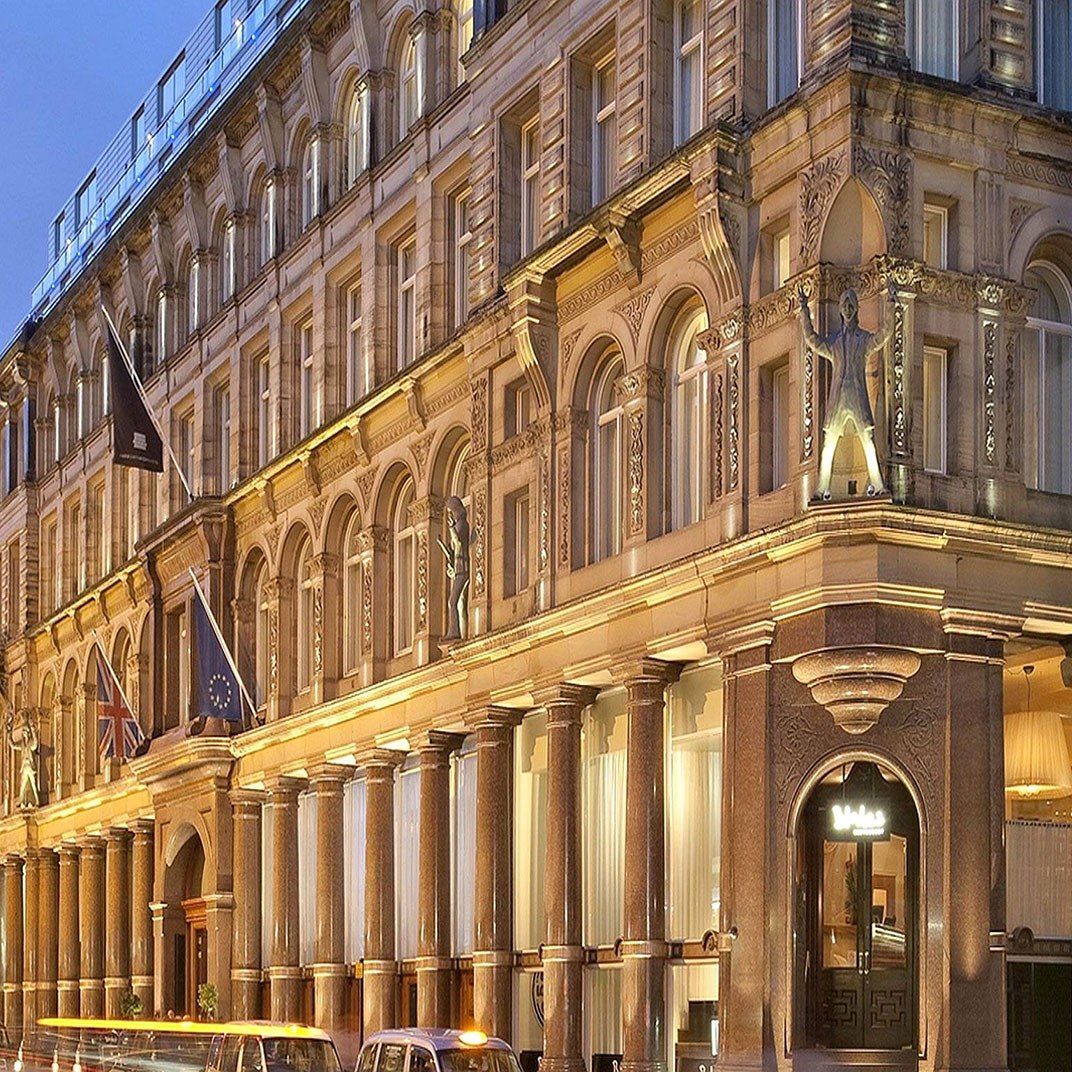
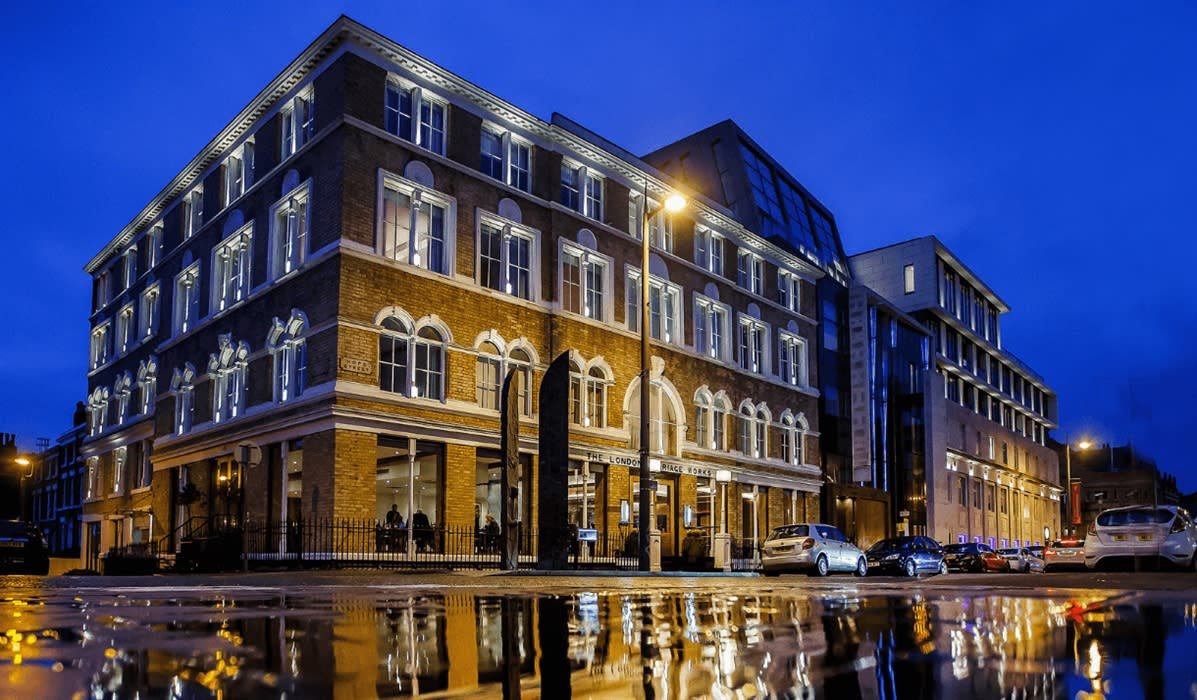
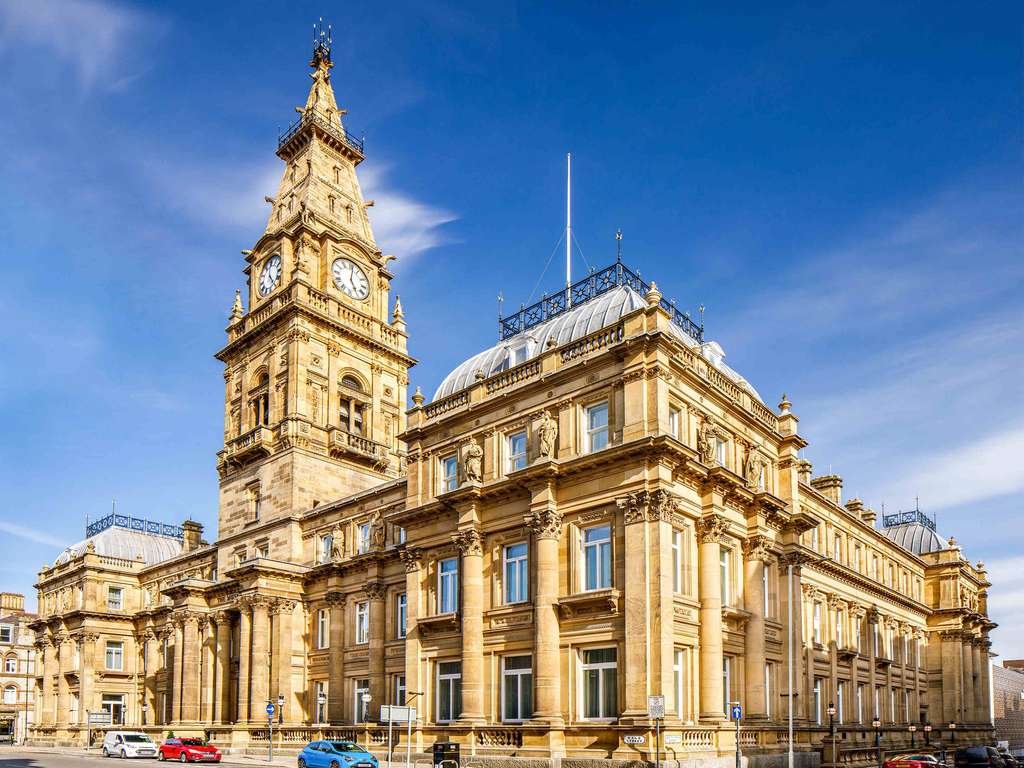
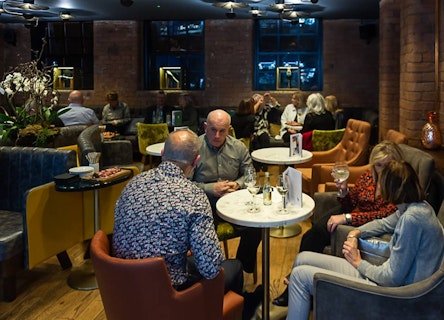
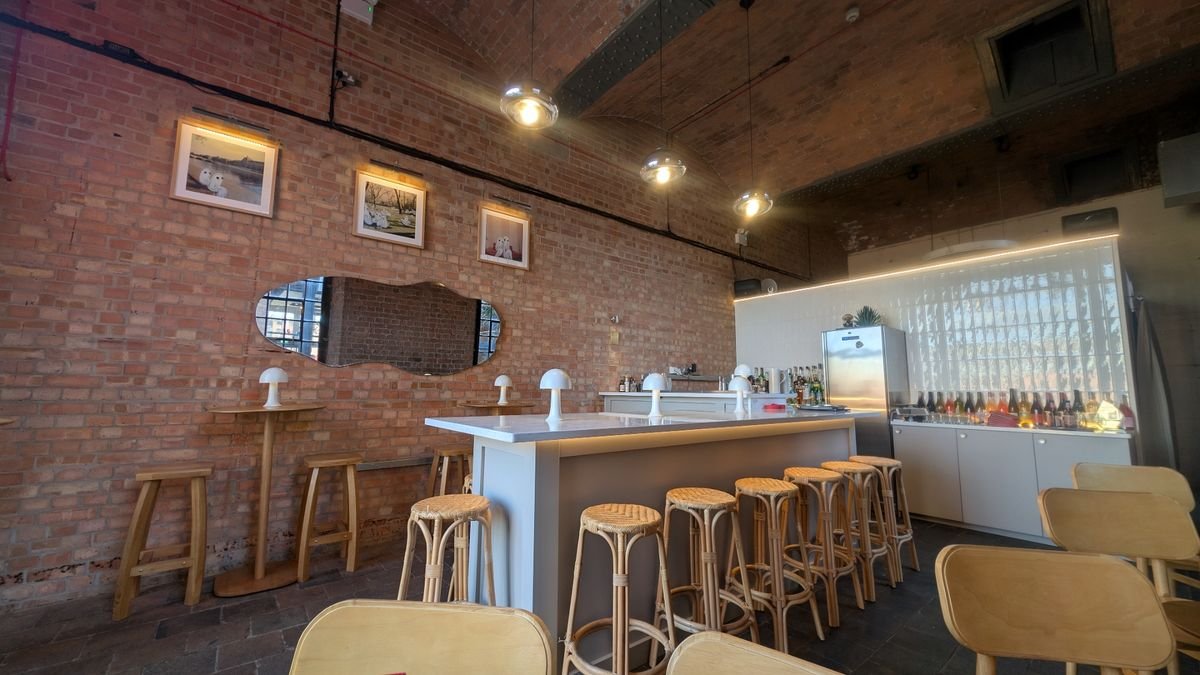
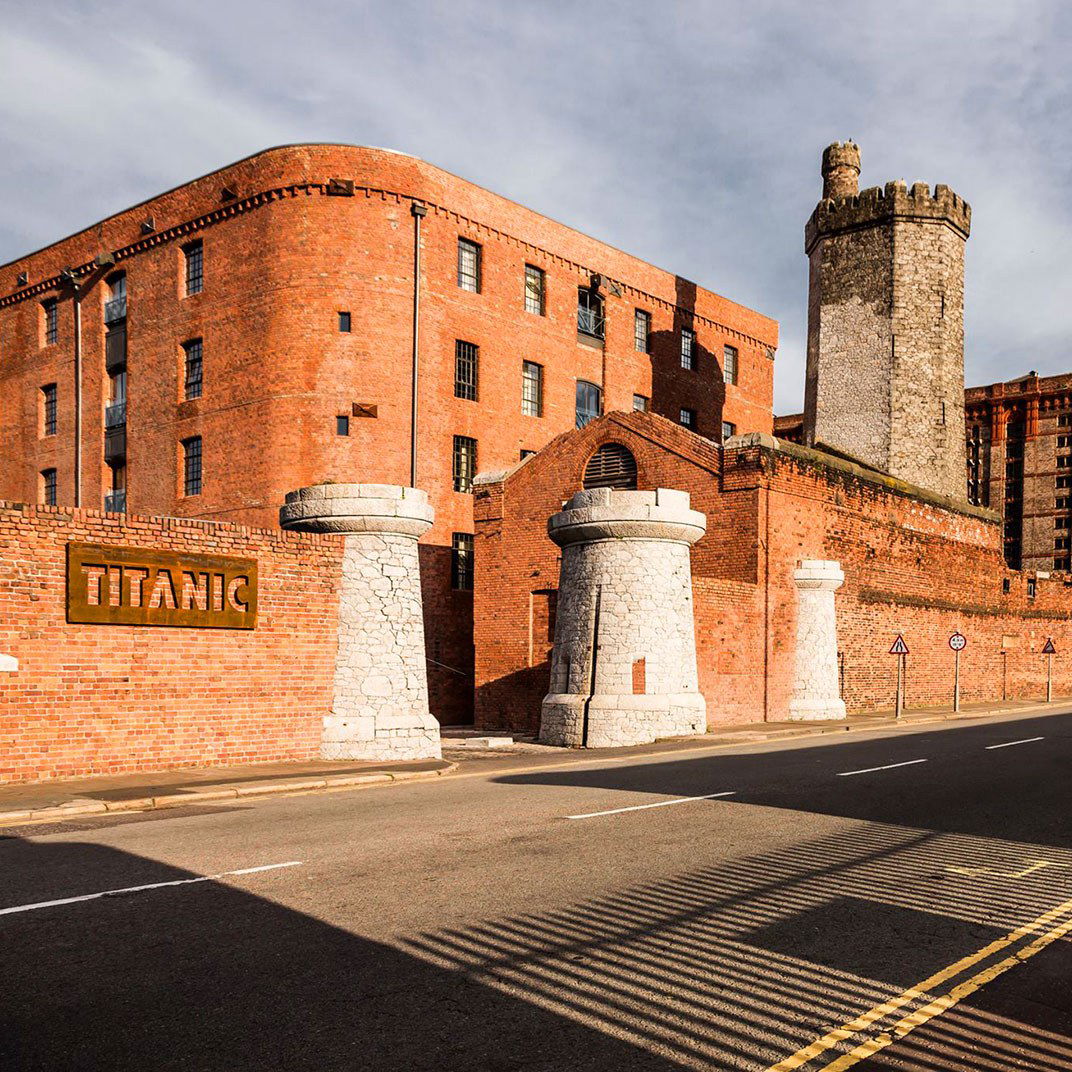
The Titanic Hotel Liverpool leans into scale and materiality: a vast Victorian tobacco warehouse converted into a hotel that announces itself long before you step inside. The building’s brick facades, loading bays and dock-side siting give the property an architectural bravado that reads as an icon of the north docks rather than a discreet city-centre stay. Interiors and service are framed by that outward presence—guests experience a strong sense of place rooted in industrial heritage and careful conversion, where atmosphere and the building’s weight carry as much signalling power as any curated decorative programme.
Best For
This is a hotel for guests who want a purposeful arrival and an experience anchored in architecture and location. It suits romantic getaways that value drama and character, business travellers who appreciate a distinctive, quieter base outside the city centre, and weekend escapes that prioritise atmosphere over proximity to shops. The Michelin Selected designation underlines that the property is recommended for its overall character and quality; staying here is a deliberate choice to commit to the north docks and the converted-warehouse narrative rather than casual convenience.
Venue details
Ambiance
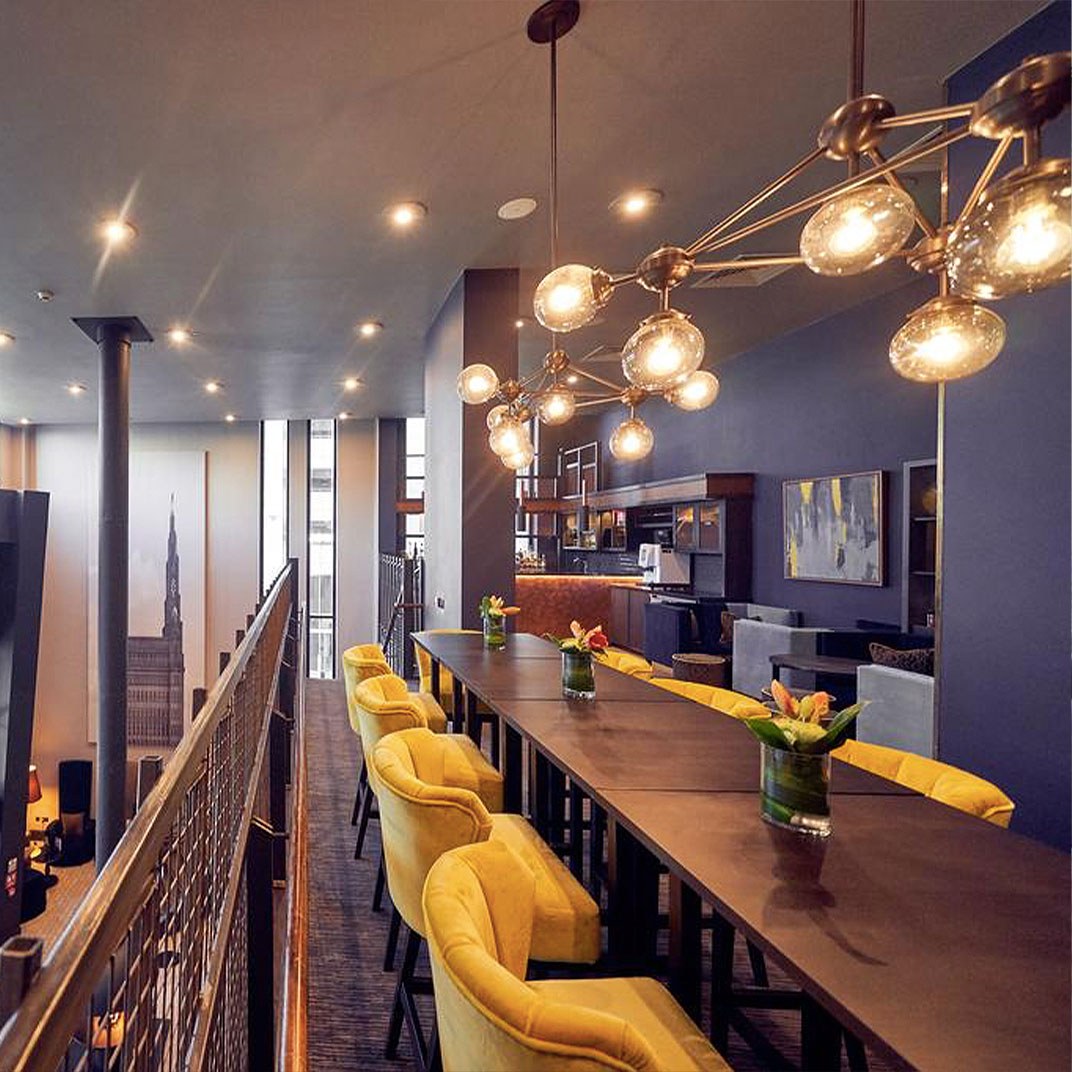
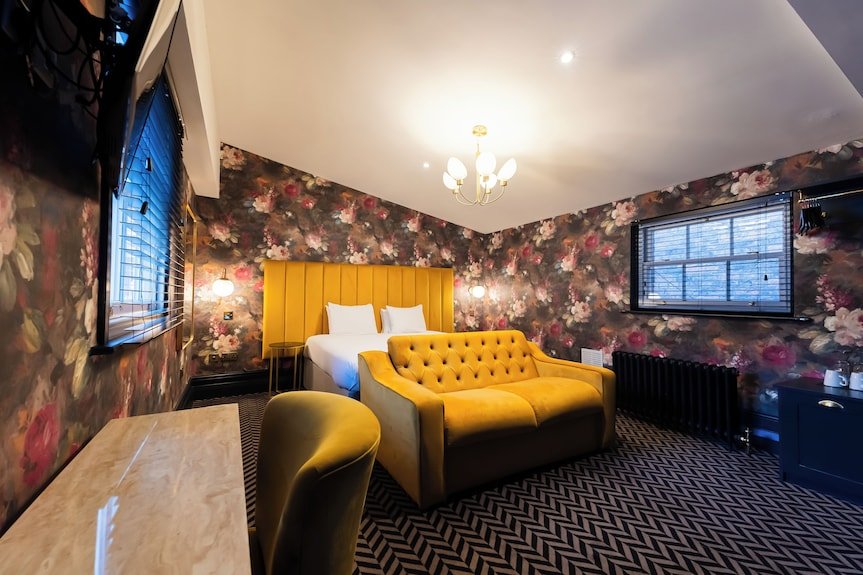
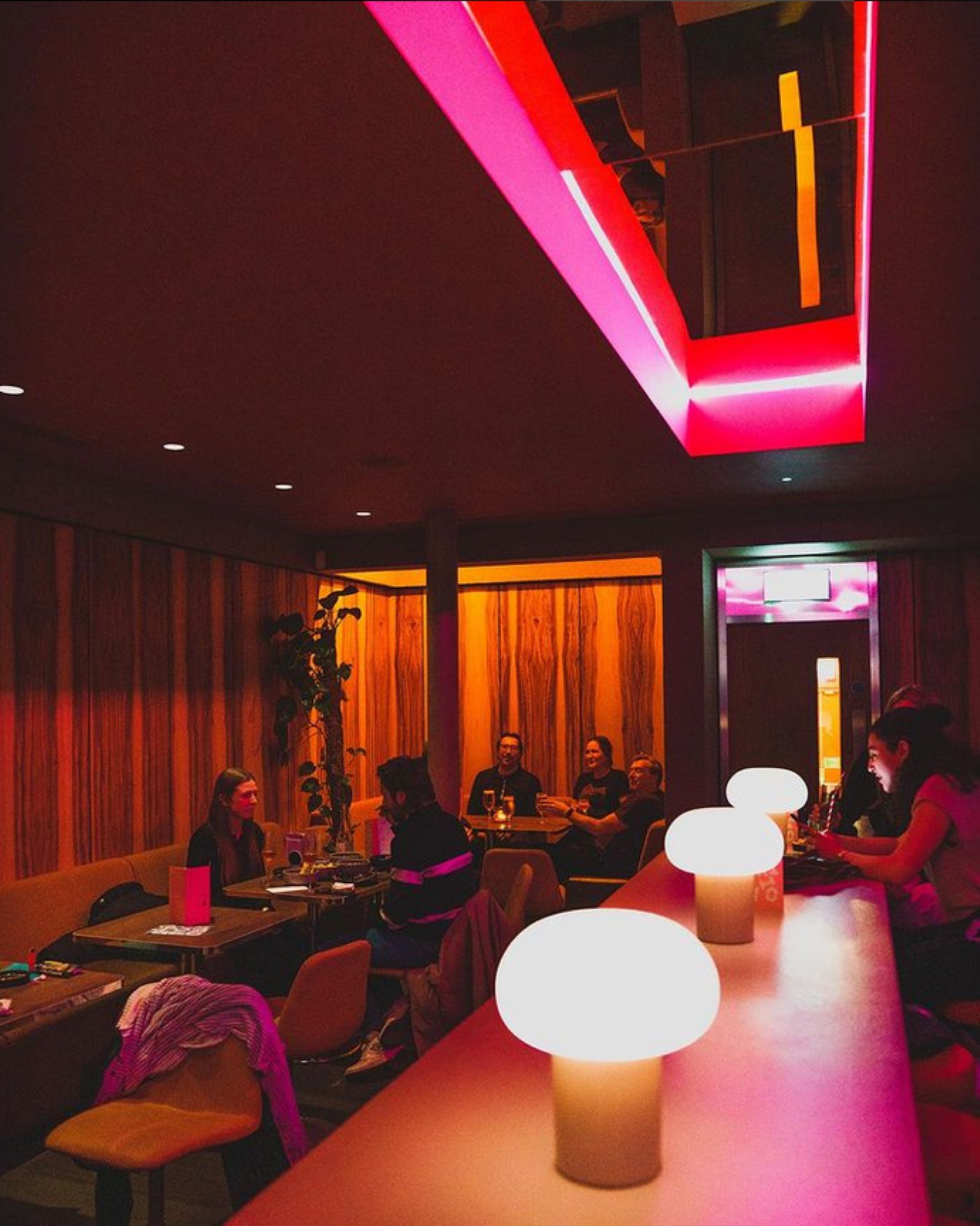
Atmospheric with exposed brickwork, soaring ceilings, and natural light from original windows, creating a cozy yet stylish industrial charm.
Tags
Vibe
Best For
Experience
Amenities
View
Accessibility
About the Stay
- Rooms
- 153
- Check-in
- 15:00
- Check-out
- 11:00
- Property Style
- Historic Warehouse Converted Into Contemporary Luxury Hotel
- Design Style
- Industrial Chic with Exposed Brick, Vaulted Ceilings, and Minimalist Furnishings
Planning details
Location
Stanley Dock, Regent Road, Liverpool, UK
Recognition and awards
Explore Liverpool
Around this place
Discover more on Pearl
Unlock the full Titanic Hotel Liverpool guide in Pearl, including awards, comparisons, FAQs, planning details, and nearby places.
FAQ
Frequently Asked Questions
How is the dining at Titanic Hotel Liverpool?
Is Titanic Hotel Liverpool good for business travel?
How is the pool and spa at Titanic Hotel Liverpool?
How is the location of Titanic Hotel Liverpool?
Titanic Hotel Liverpool is in Liverpool. Check specific location details when planning transport, meetings, dining, or sightseeing.
Do loyalty programs work at Titanic Hotel Liverpool?
Check your booking channel and the hotel's own terms before assuming points, elite credit, upgrades, or late checkout.
Which room category is best at Titanic Hotel Liverpool?
Choose based on the room descriptions, cancellation terms, current details provided at booking.