



Olissippo Lapa Palace
Madragoa, Lisbon
Hotel in Lisbon, Portugal
 Book with Pearl
The Read
Residential Palace Retreat
Why go
Olissippo Lapa Palace is the right Lisbon pick for travelers who want a classic luxury hotel with strong recent recognition, including World Travel Awards 2025 and Forbes Recommended 2026. It is less compelling for guests who want the easiest central base, so compare location and room tier carefully before paying up.
About Olissippo Lapa Palace
Olissippo Lapa Palace in Lisbon is best framed as a classic luxury-hotel choice with notable external recognition. Its credentials include Leading Hotels of World Member status for 2025, World Travel Awards 2025 recognition as a Leading Classic Hotel, Forbes Recommended status for 2026, and Virtuoso Luxury Hotel Partner status for 2026.
Planning should stay focused on the essentials. The dress code is smart casual, and the hotel's recognition supports considering it for travelers who value established luxury-hotel credentials in Lisbon. For a different style of stay, compare it with As Janelas Verdes/Riverview, a Lisbon Heritage Collection; Hotel York House Lisboa; JAM Hotel Lisbon; Palacio Ramalhete; and Tarabel Lisbon before deciding.
Book it for classic-hotel credentials
The clearest reason to shortlist Olissippo Lapa Palace is its recognition. Leading Hotels of World Member status, World Travel Awards recognition, Forbes Recommended status, and Virtuoso Luxury Hotel Partner status all point to a hotel with notable luxury-market visibility.
If room categories, prices, dining style, service format, wellness facilities, or a detailed location within Lisbon matter for your trip, confirm them directly with the hotel before booking.
Who should choose a different Lisbon base
Choose a different Lisbon base if your decision depends on specifics such as a particular room type, dining concept, price point, or facility list. In that case, compare Olissippo Lapa Palace with As Janelas Verdes/Riverview, a Lisbon Heritage Collection; Hotel York House Lisboa; JAM Hotel Lisbon; Palacio Ramalhete; and Tarabel Lisbon, then confirm current details with each property.
The verdict: Olissippo Lapa Palace is a credible Lisbon shortlist option for travelers who want a recognized classic hotel and are comfortable checking practical details directly. Its strongest hooks are smart casual dress code and luxury-hotel recognition; travelers seeking specific neighborhood details, facilities, restaurants, or room categories should confirm those points before booking.
Planning details
- Location
- Rua do Pau de Bandeira 4, 1249-021 Lisboa
- Website
- lapapalace.com
- Phone
- +351 21 394 9494
The take
The Take
The Vibe
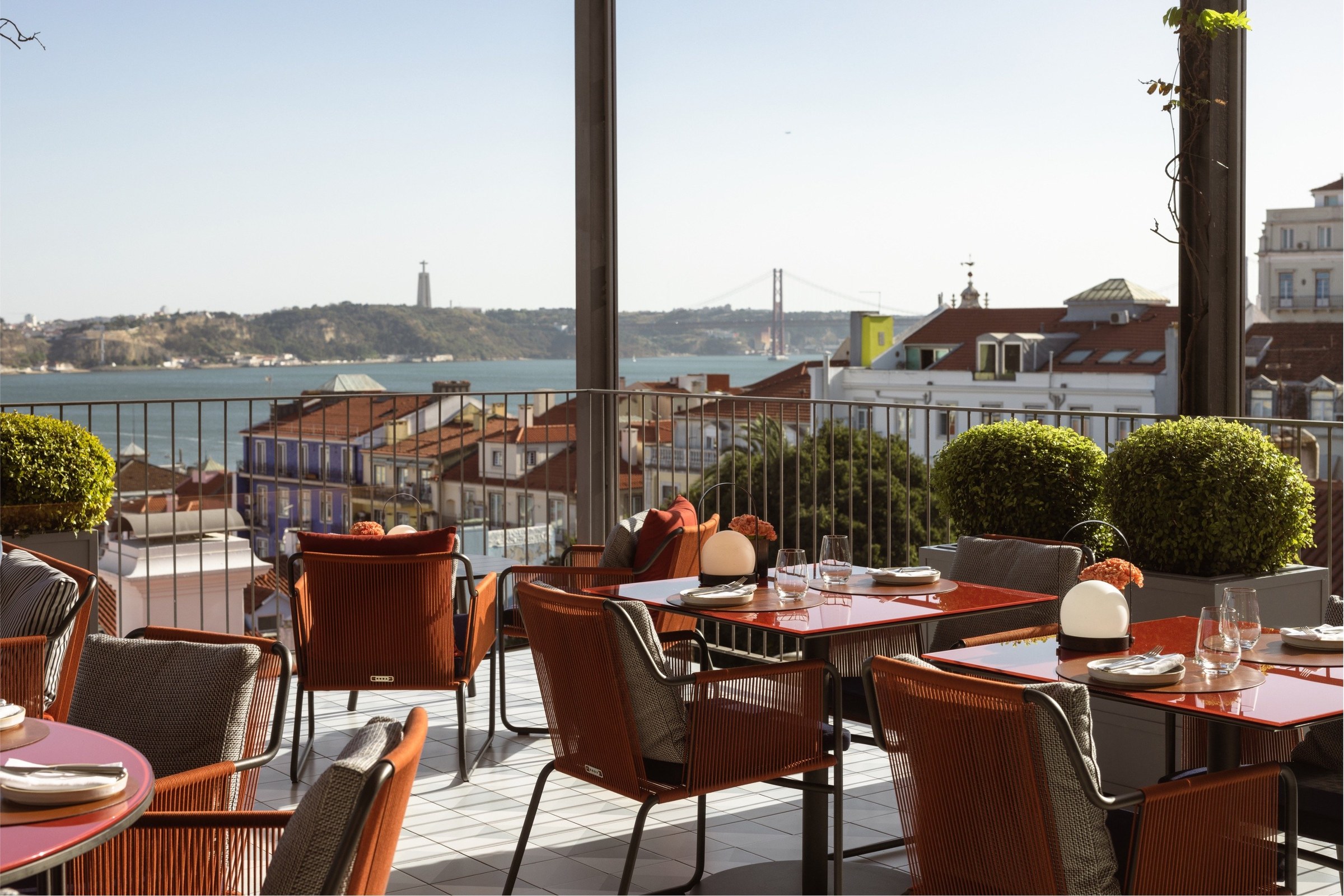
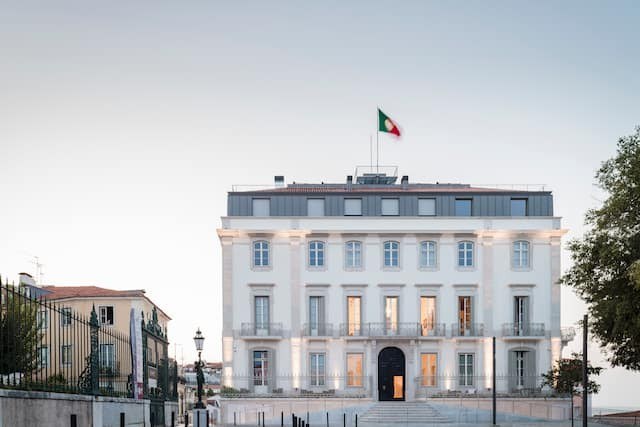
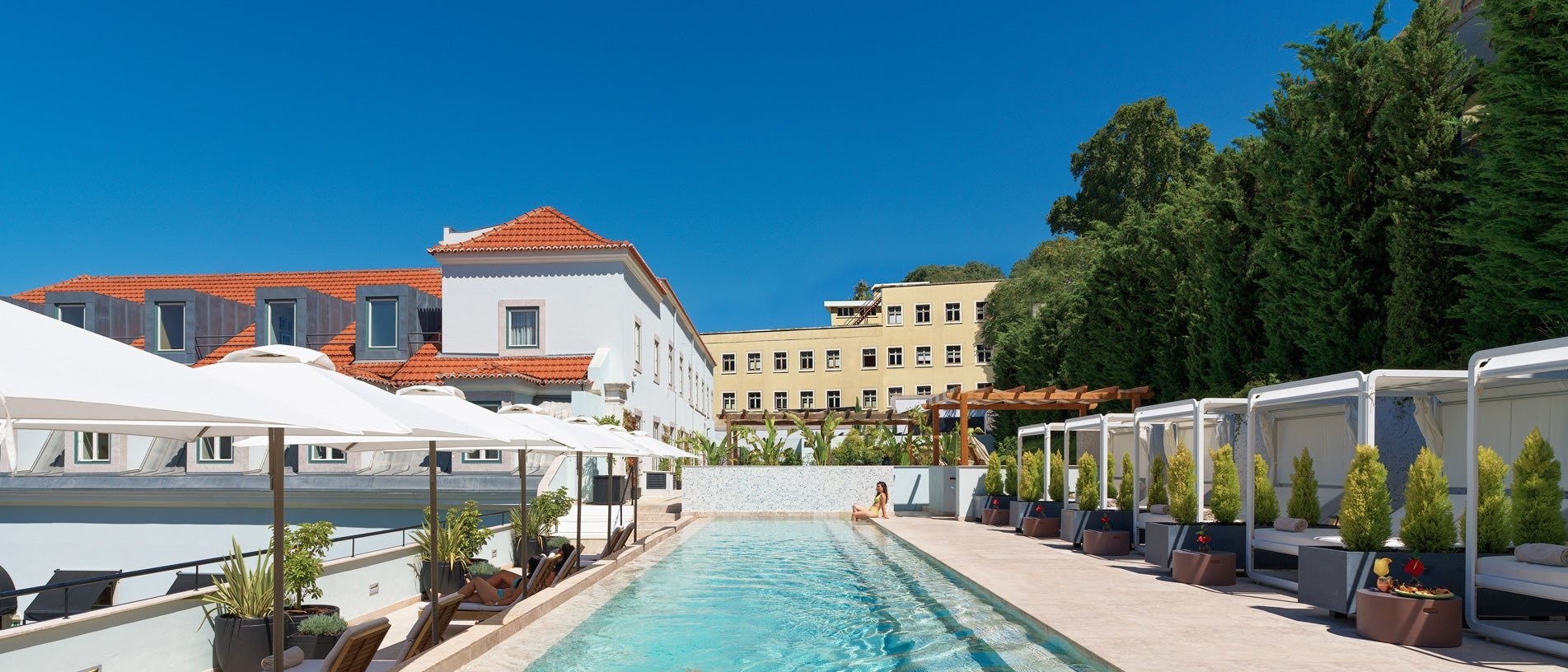
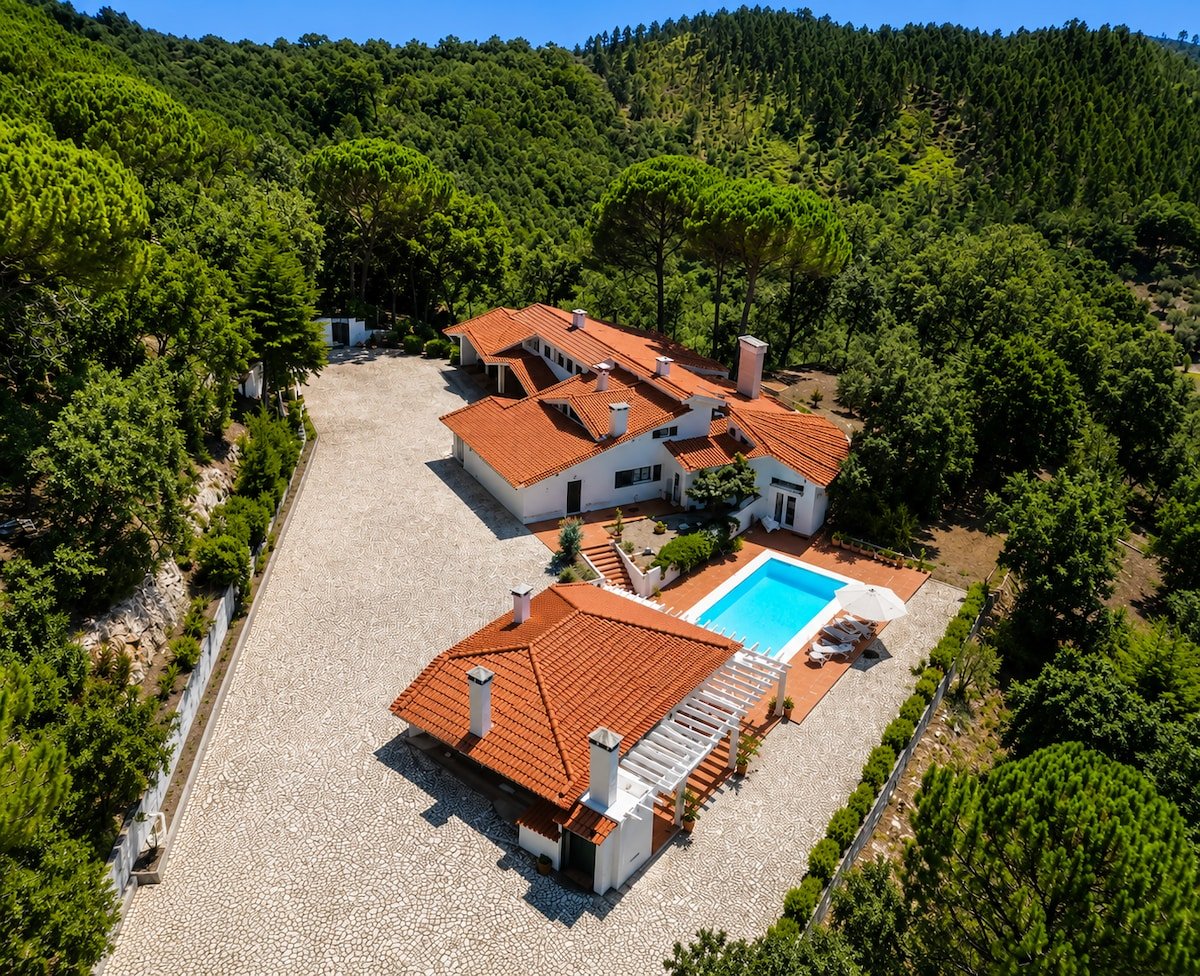
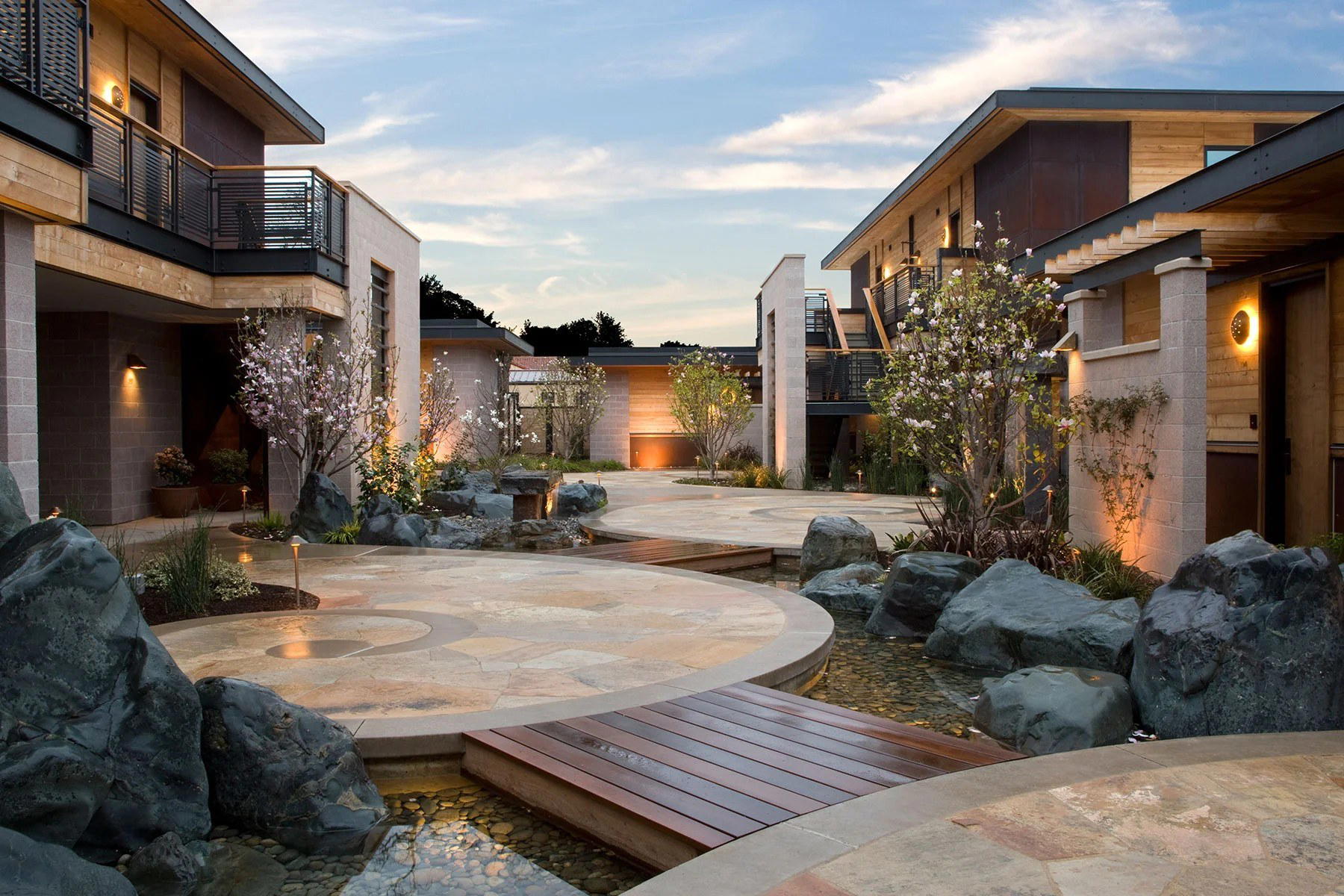
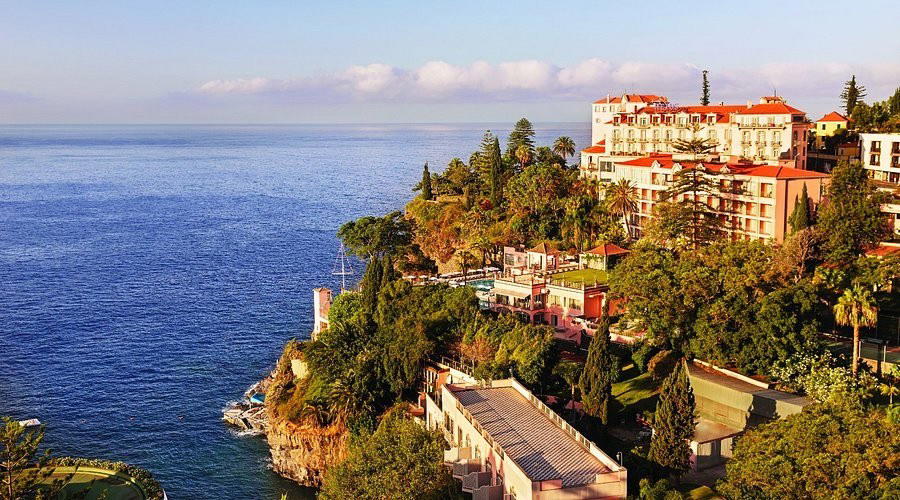
Olissippo Lapa Palace presents itself as a 19th‑century urban country house: a converted private palace that foregrounds architectural provenance and composed formality. The arrival down Rua do Pau de Bandeira and the formal façade framed by ornamental gardens and streams establish a scenic, restrained mood. With the Tagus visible below and gardens wrapping the property, the hotel leans into a tranquil, heritage-led character rather than a trendy or design-driven posture. Membership in Leading Hotels of the World and international awards underline its classic credentials; the overall effect is serene, scenic and quietly grand.
Best For
This is a hotel for travelers who prioritize heritage, quiet luxury and a scenic setting. The palace gardens and Tagus views make it a natural choice for honeymoons, anniversaries and romantic getaways, and the property’s scale and service orientation suit wellness-minded guests seeking a restful escape. Located in Lapa’s residential, diplomatic quarter, the hotel also appeals to visitors who want a discreet, refined base for exploring Lisbon’s historic neighborhoods and riverside promenades.
Venue details
Ambiance
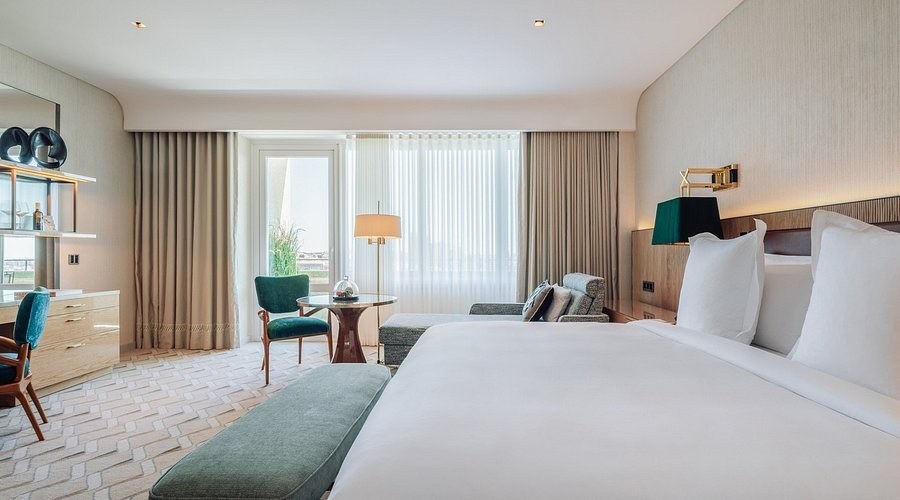
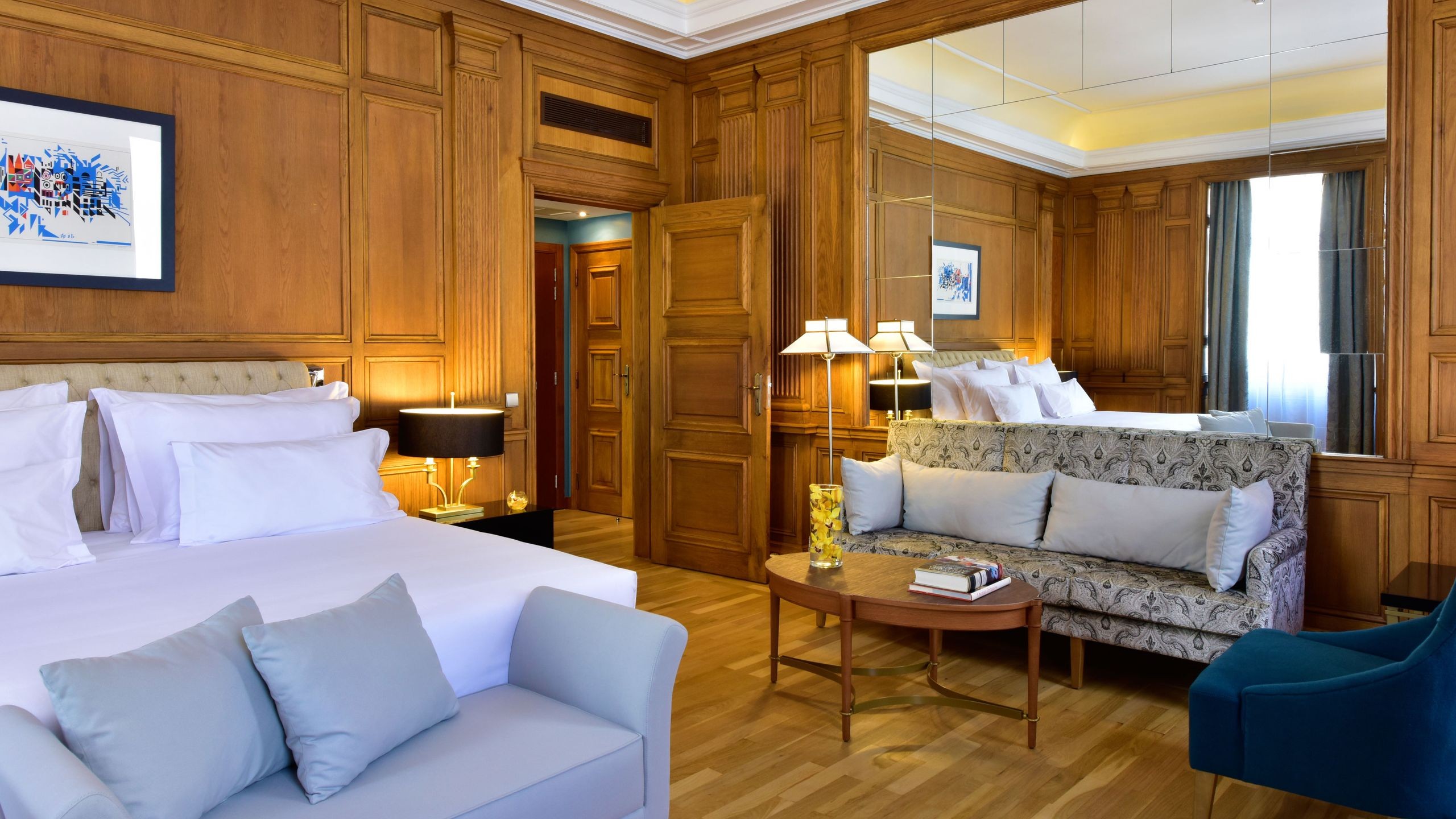
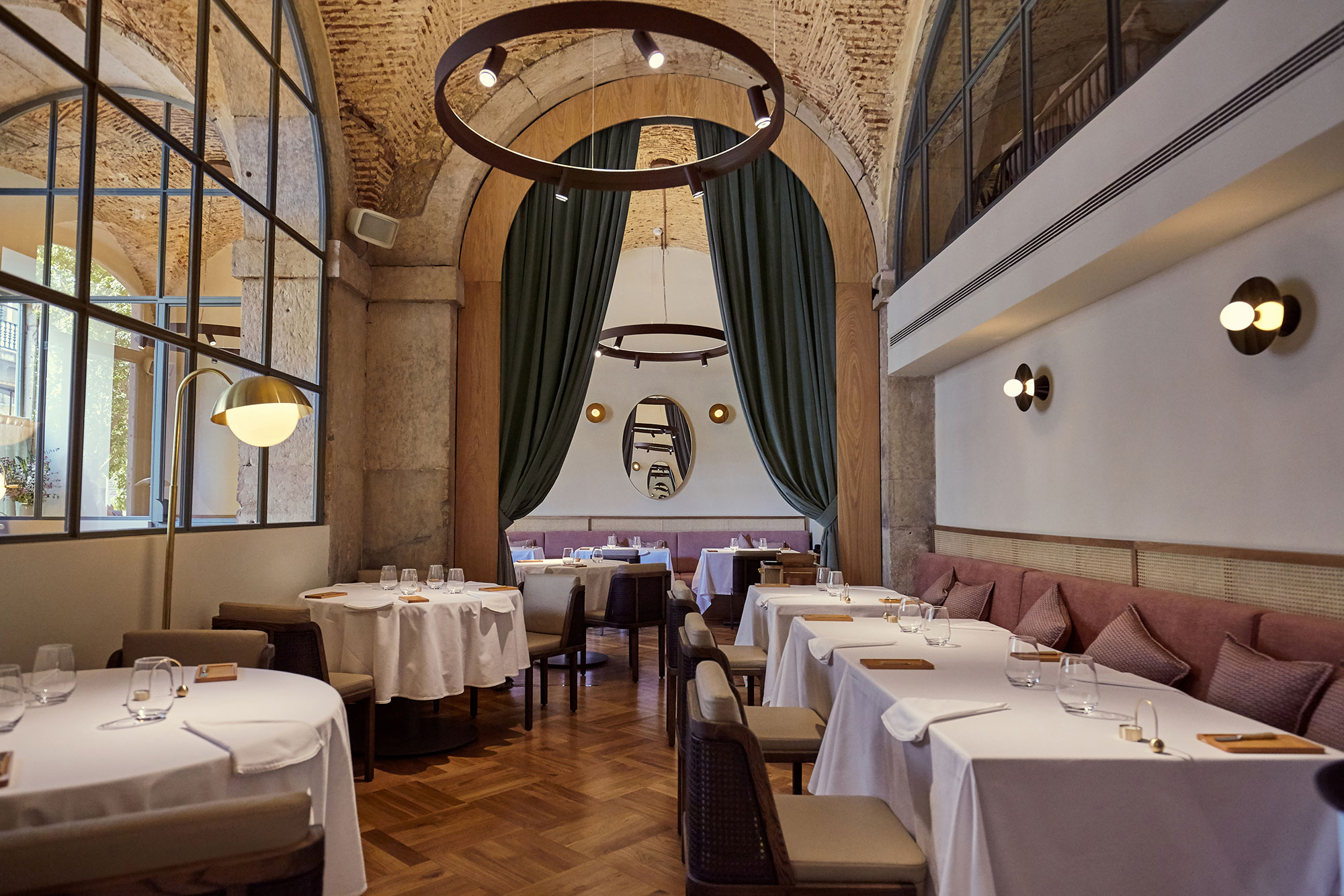
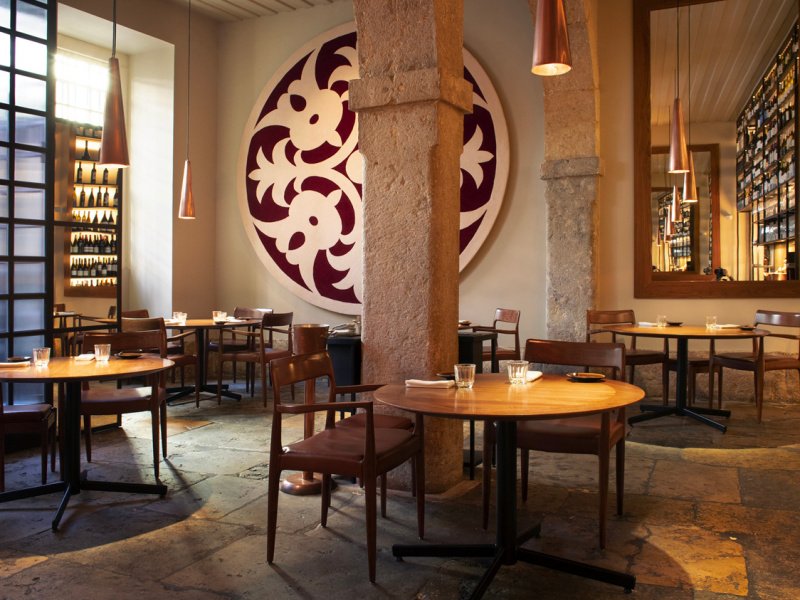
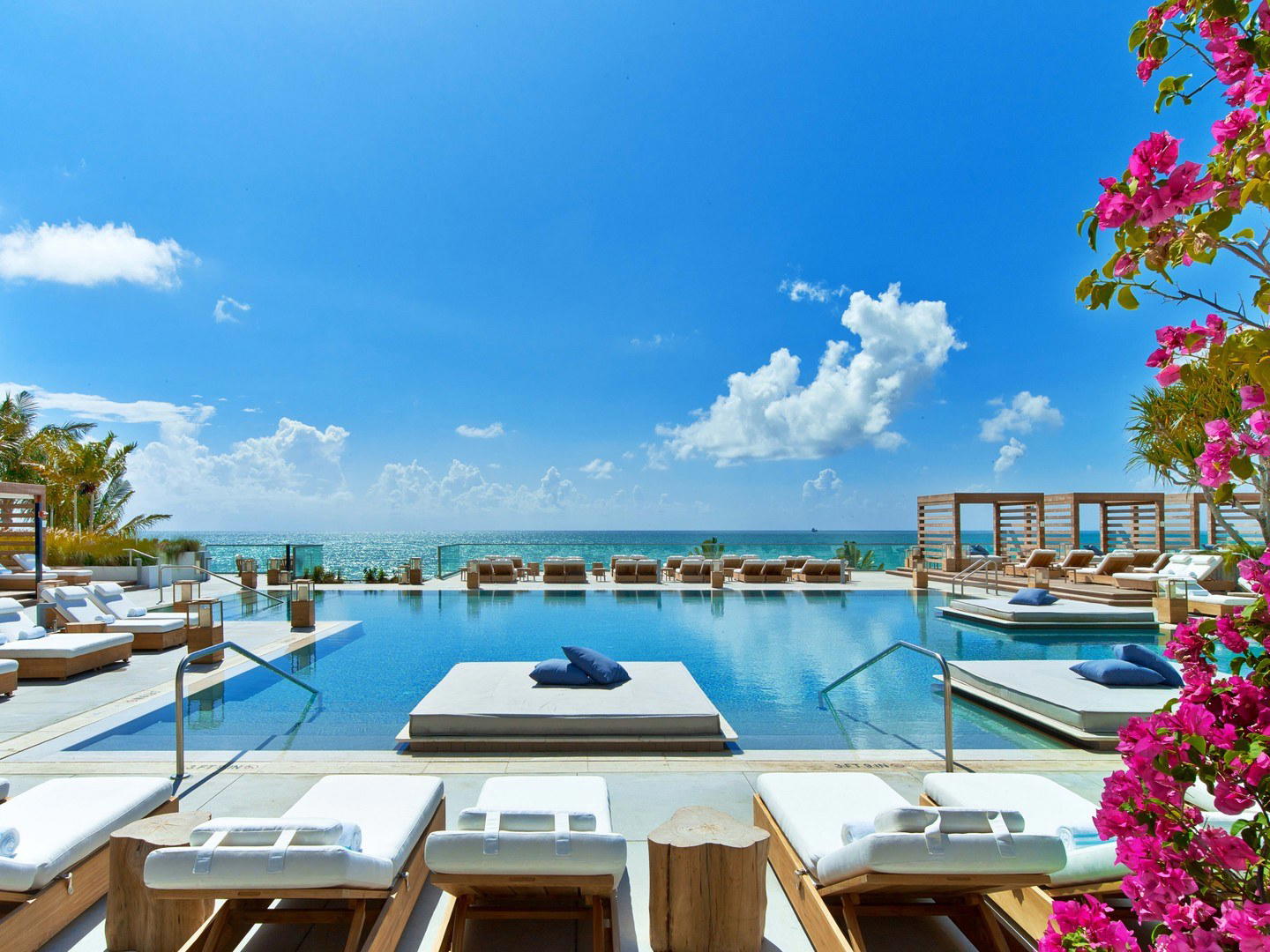
Elegant and regal atmosphere with warm lighting, traditional Portuguese decor, lush gardens, and serene poolside settings praised for opulence and relaxation.
Tags
Vibe
Best For
Experience
Amenities
View
Accessibility
About the Stay
- Rooms
- 109
- Check-in
- 14:00
- Check-out
- 12:00
- Property Style
- Historic Palace Hotel Blending Tradition and Modern Luxury
- Design Style
- Traditional Portuguese with Elegant Antiques, Hand Painted Tiles, and Luxurious Fabrics
Know before you go
Know Before You Go
- Getting there
- Rua do Pau de Bandeira 4, 1249-021 Lisboa
Planning details
Location




Also consider
Also Consider
- Tarabel Lisbon, Notable alternative
- Palacio Ramalhete, Notable alternative
- As Janelas Verdes/Riverview, a Lisbon Heritage Collection, Notable alternative
- Hotel York House Lisboa, Notable alternative
- JAM Hotel Lisbon, Notable alternative
Hotel context
How it compares in Lisbon
Choose Olissippo Lapa Palace over Tarabel Lisbon if external recognition and a more formal classic-hotel feel matter more than a smaller boutique mood. Its recent awards profile gives it the clearest luxury signal in this set, but that also means it is the one to plan furthest ahead for when dates are fixed.
Palacio Ramalhete, As Janelas Verdes/Riverview, a Lisbon Heritage Collection, and Hotel York House Lisboa are better cross-shops if you want heritage character without committing to the grander luxury-hotel lane. They are the more sensible shortlist for travelers who care about atmosphere and value before awards.
JAM Hotel Lisbon is the alternative when the brief is casual, design-led, and easier to justify for a lower-stakes trip. Book Olissippo Lapa Palace for a polished occasion stay; book JAM Hotel Lisbon when the hotel should support the trip rather than define it.
Around this place
Discover more on Pearl
Unlock the full Olissippo Lapa Palace guide in Pearl, including awards, comparisons, FAQs, planning details, and nearby places.
Compare Olissippo Lapa Palace
| Venue | Location | Awards |
|---|---|---|
| Olissippo Lapa Palace | Lisbon | 2026 Virtuoso Luxury Hotel Collection2026 Forbes RecommendedLeading Hotels of the World 2026World Travel Awards 20252025 Forbes Recommended |
| Tarabel Lisbon | Lisbon | No published awards |
| Palacio Ramalhete | Lisbon | No published awards |
| As Janelas Verdes/Riverview, a Lisbon Heritage Collection | Lisbon | No published awards |
| Hotel York House Lisboa | Lisbon | No published awards |
| JAM Hotel Lisbon | Lisbon | No published awards |
How Olissippo Lapa Palace Lisbon compares with similar nearby venues.
FAQ
Frequently Asked Questions
Is Olissippo Lapa Palace good for business travel?
For business travel, the key points are that Olissippo Lapa Palace is in Lisbon, has a smart casual dress code, and holds recognition including Leading Hotels of World Member status for 2025, World Travel Awards 2025 Leading Classic Hotel, Forbes Recommended status for 2026, and Virtuoso Luxury Hotel Partner status for 2026. Confirm any work-related needs directly with the hotel.
How is the dining at Olissippo Lapa Palace?
Dining details such as cuisine type, chef name, menu format, meal period, or restaurant concept should be checked through the hotel's official channels rather than treated as a primary reason to book.
Is Olissippo Lapa Palace family-friendly?
How is the pool and spa at Olissippo Lapa Palace?
How does Olissippo Lapa Palace compare to other hotels?
Olissippo Lapa Palace stands out for its luxury-hotel recognition, including Leading Hotels of World Member status for 2025, World Travel Awards 2025 Leading Classic Hotel, Forbes Recommended status for 2026, and Virtuoso Luxury Hotel Partner status for 2026. For comparison, consider As Janelas Verdes/Riverview, a Lisbon Heritage Collection; Hotel York House Lisboa; JAM Hotel Lisbon; Palacio Ramalhete; and Tarabel Lisbon, then check current details directly with each property.
Which room category is best at Olissippo Lapa Palace?
Choose a room only after checking the hotel's current options directly, especially if space, outlook, or a specific configuration is important.