
AlmaLusa Alfama
Castelo, Lisbon
Hotel in Lisbon, Portugal
 Book with Pearl
Why go
AlmaLusa Alfama is a strong Lisbon choice for travelers who want a boutique base in the historic quarter rather than a large corporate hotel. It works especially well for short business trips with leisure time built in, but compare it with Baixa or Chiado options if cross-city meetings and transport convenience matter more.
About AlmaLusa Alfama
AlmaLusa Alfama is a Lisbon hotel listed in the MICHELIN Guide Hotels Selected for 2025. It also follows a smart-casual dress code, making it a useful option to compare against other hotel stays before booking.
Use AlmaLusa Alfama as a shortlist candidate if you want a hotel in Lisbon and value a MICHELIN-selected property. For a trip built around appointments, dining, or a wider city itinerary, compare the fit against Hotel Vincci Baixa before deciding.
A good Lisbon base to shortlist
The 2025 MICHELIN hotel selection gives AlmaLusa Alfama a useful quality signal, especially for travelers looking for a credible Lisbon hotel to consider. That selection does not automatically make it the right choice for every traveler; it simply makes it a more credible Lisbon hotel to consider.
For first-timers, the main decision is whether AlmaLusa Alfama suits the exact trip plan, room needs, and preferred style of stay. If the schedule is packed with cross-city movement, use Our full Lisbon hotels guide to compare other Lisbon alternatives.
Who should choose it, and who should cross-shop
Choose it if the priority is a Lisbon hotel with MICHELIN Guide recognition and a smart-casual standard. Travelers comparing different styles of stay may also want to look at Baixa House. Travelers considering other hotel options should compare Memmo Alfama, Memmo Alfama Hotel Lisboa, Hotel Vincci Baixa, and Santiago de Alfama - Boutique Hotel before booking.
Do not overcomplicate the decision: if AlmaLusa Alfama fits the travel plan and live availability, it belongs on the shortlist. If price transparency, room type, dining scope, or family configuration is central to the decision, compare current rates and official room descriptions carefully before committing.
For broader trip planning, pair the hotel search with Our full Lisbon restaurants guide, Our full Lisbon bars guide, and Our full Lisbon experiences guide. For other stays, compare Lisbon options generically rather than relying on assumptions about services or amenities.
Planning details
- Location
- R. dos Bacalhoeiros 16, 1100-070 Lisboa, Portugal
- Website
- almalusahotels.com/alfama
- Phone
- +351 21 877 0200
The take
The Take
The Vibe
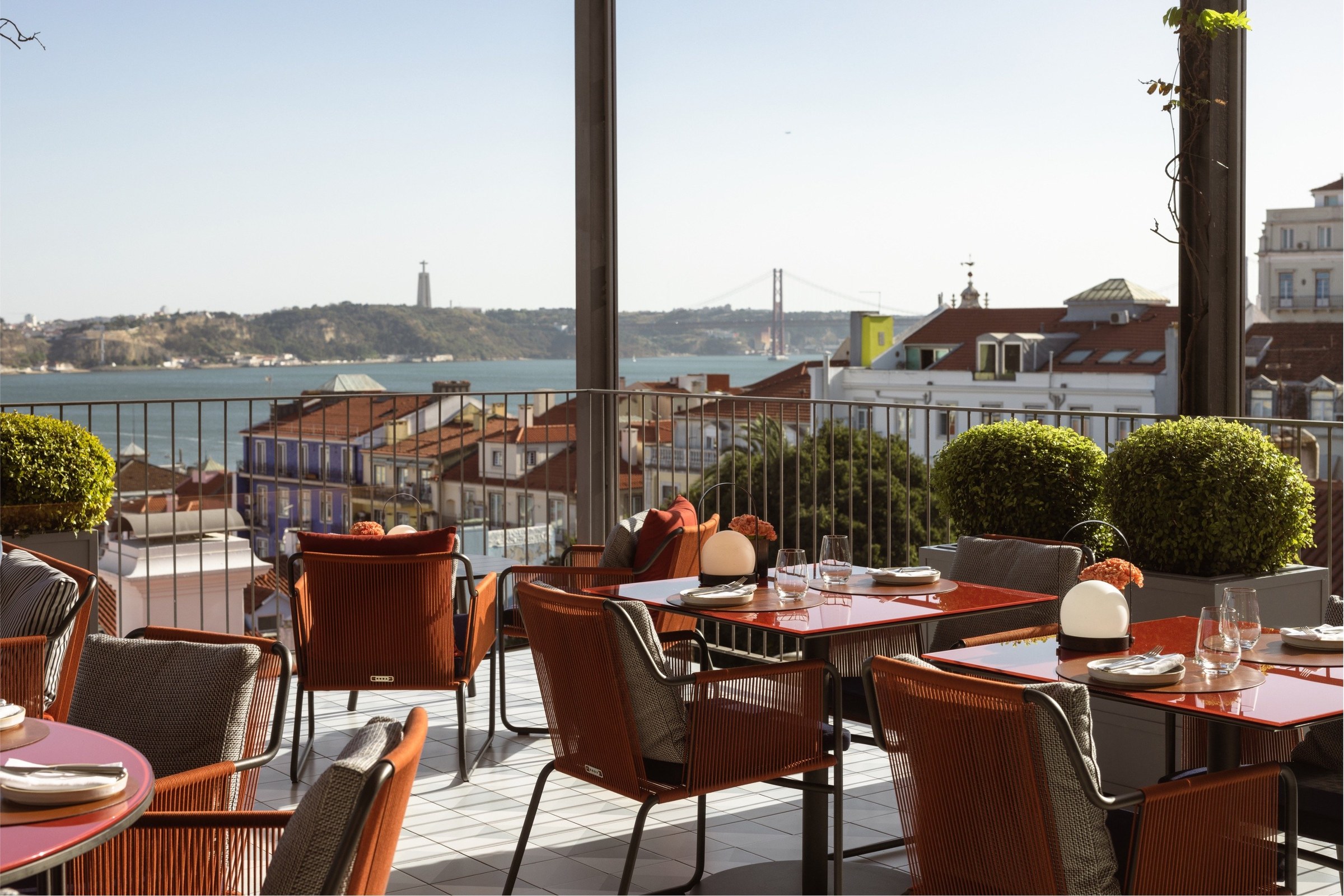
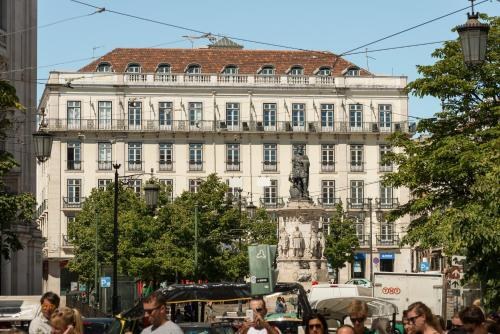
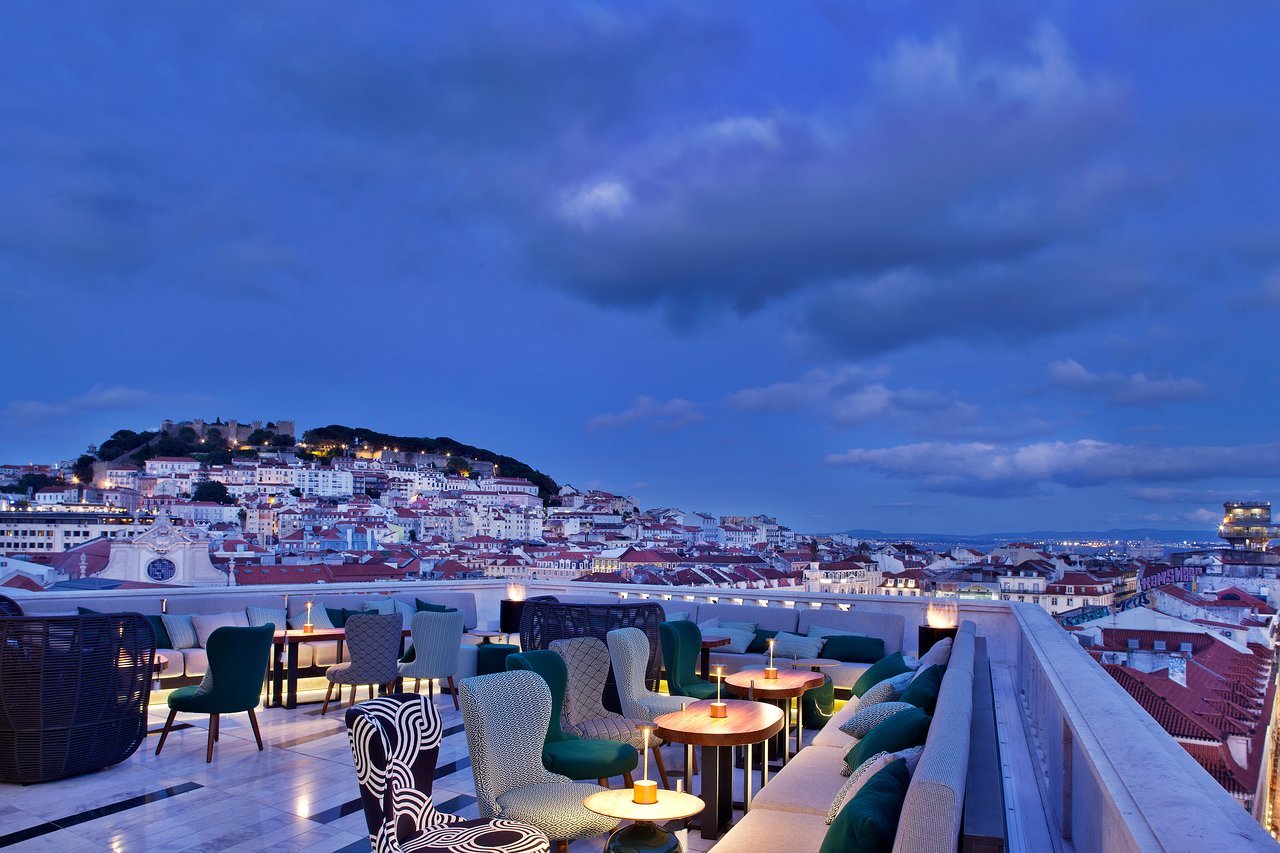
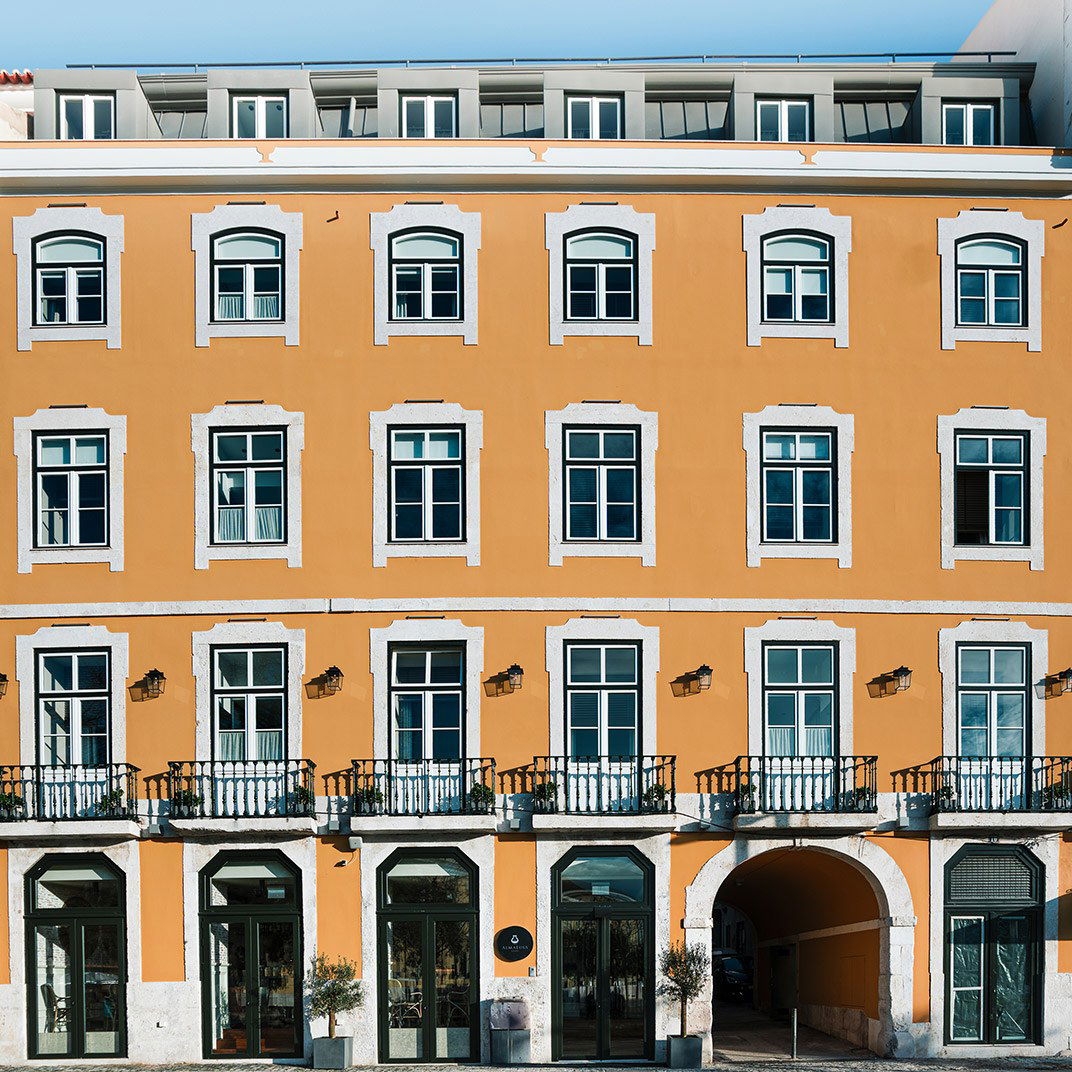
AlmaLusa Alfama reads as a small, thoughtfully converted hotel anchored in Lisbon’s oldest quarter. The property foregrounds place, narrow facades, azulejo fragments and a street plan that predates modern remaking, and the area’s soundscape, where the acoustic texture of fado drifts from open doorways. That sense of rootedness is precisely the hotel’s argument: it trades the homogenized amenity set of big-brand properties for character and legibility. Its inclusion in the 2025 Michelin Hotels selection reinforces that identity, signaling a polished, classic hospitality that foregrounds the neighbourhood more than spectacle.
Best For
This hotel suits travellers who want to be inside Alfama’s living history rather than on its periphery. The address on Rua dos Bacalhoeiros places guests within easy walking distance of the Sé cathedral, Castelo de São Jorge and the Tejo waterfront, and rooms catch changing light depending on which way you look out. It is a strong choice for cultural exploration, short weekend escapes and those who prize a sense of place: visitors who prefer to step into the neighbourhood rhythm and its evening fado atmosphere.
Venue details
Ambiance
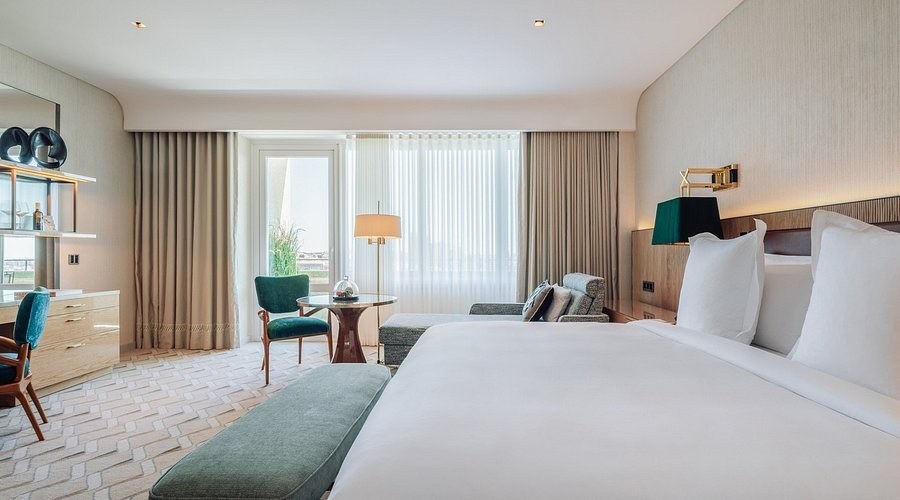
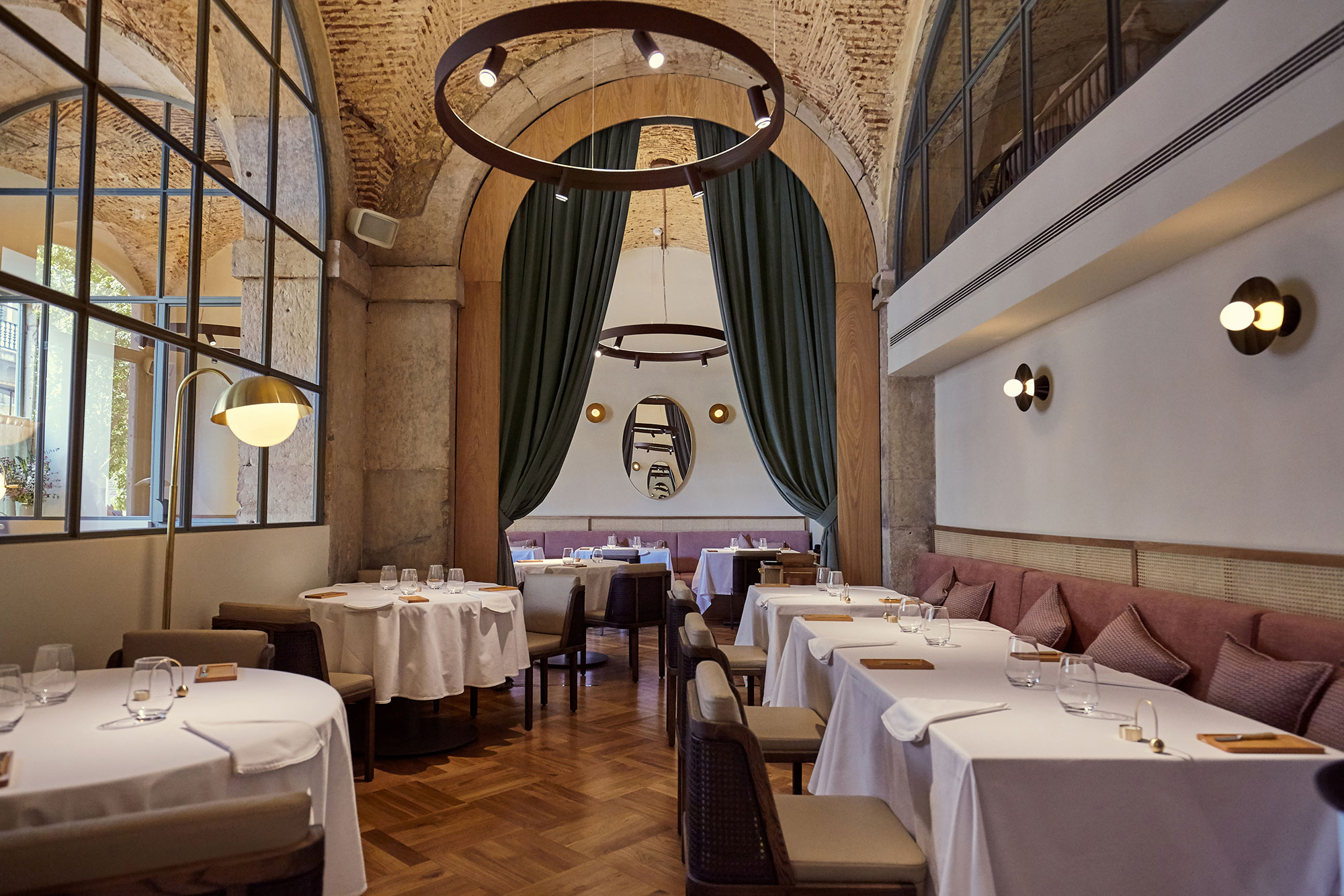
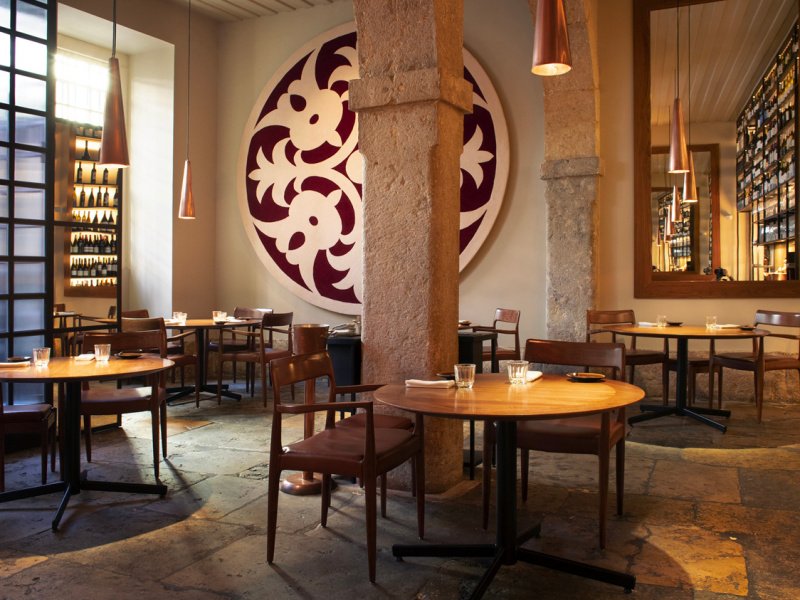
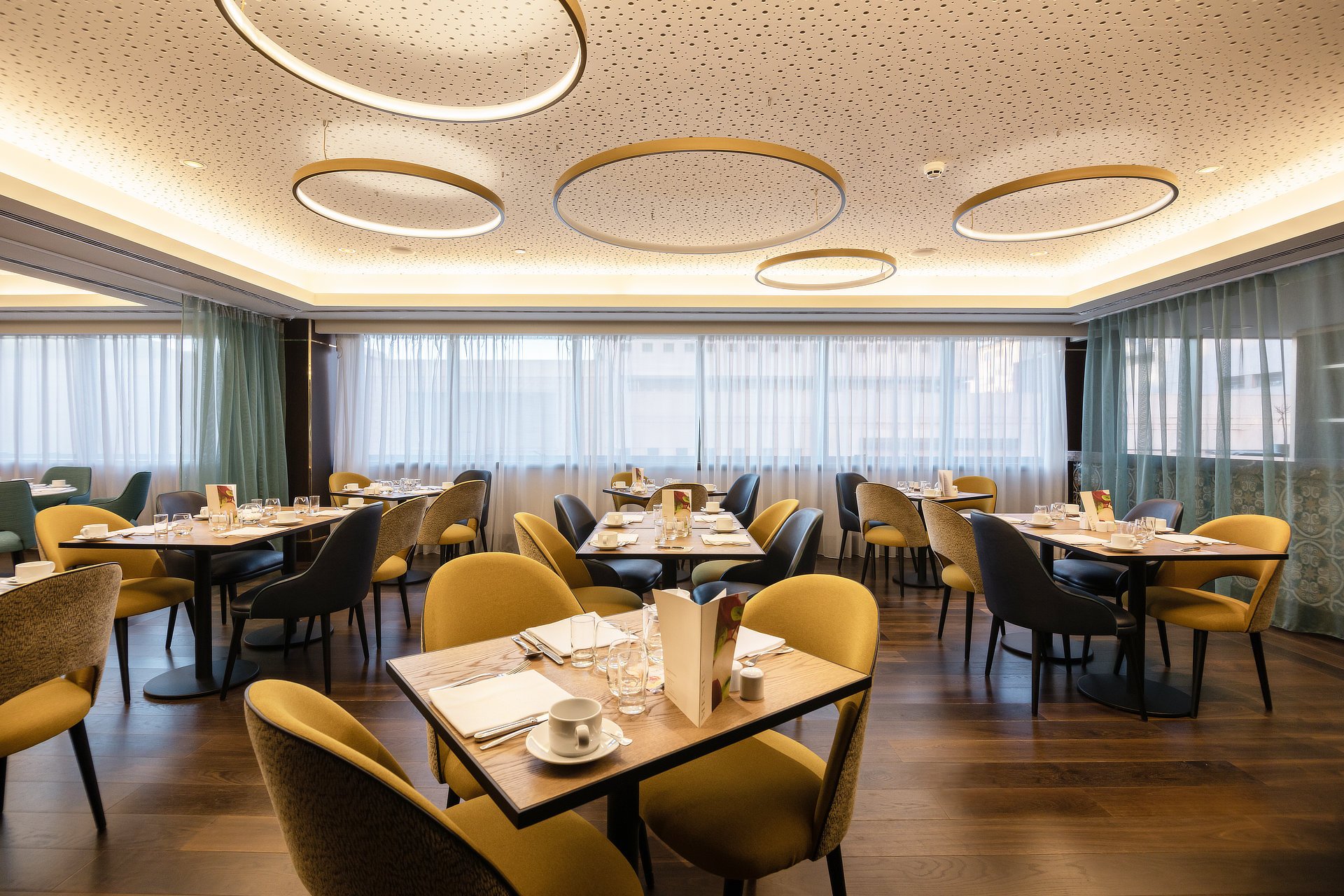
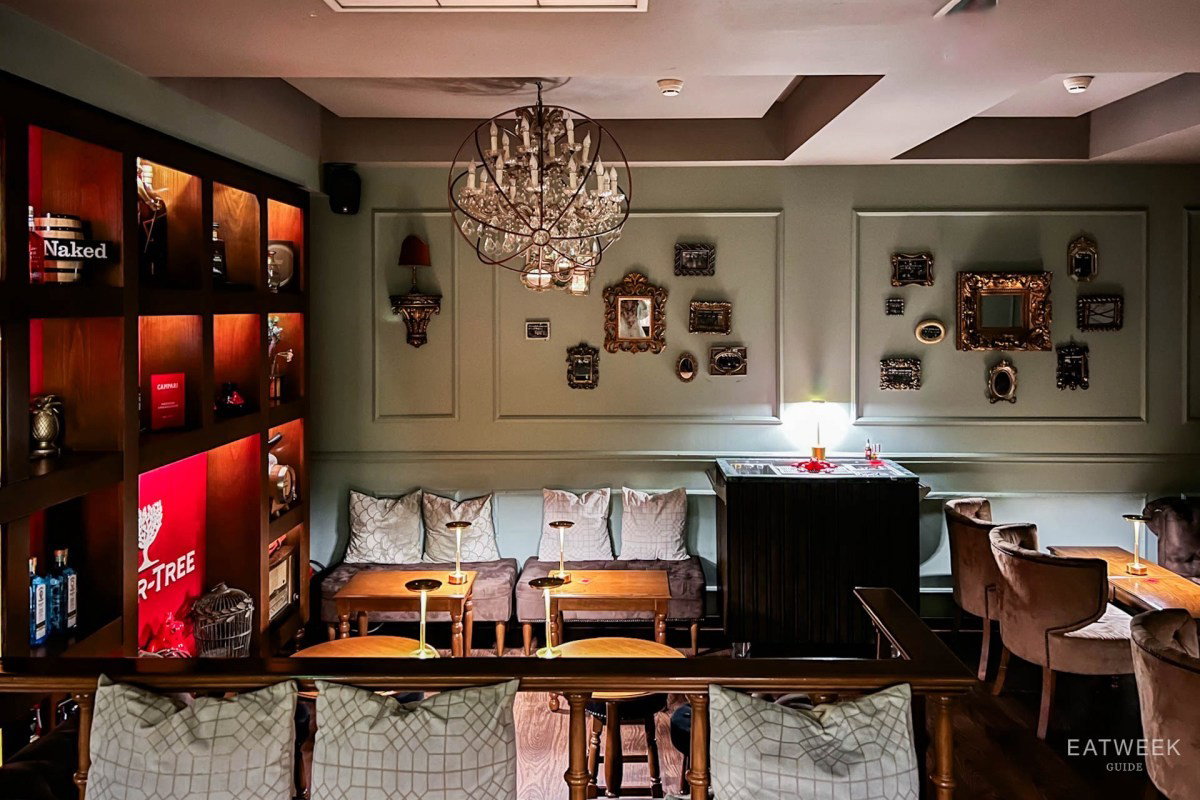
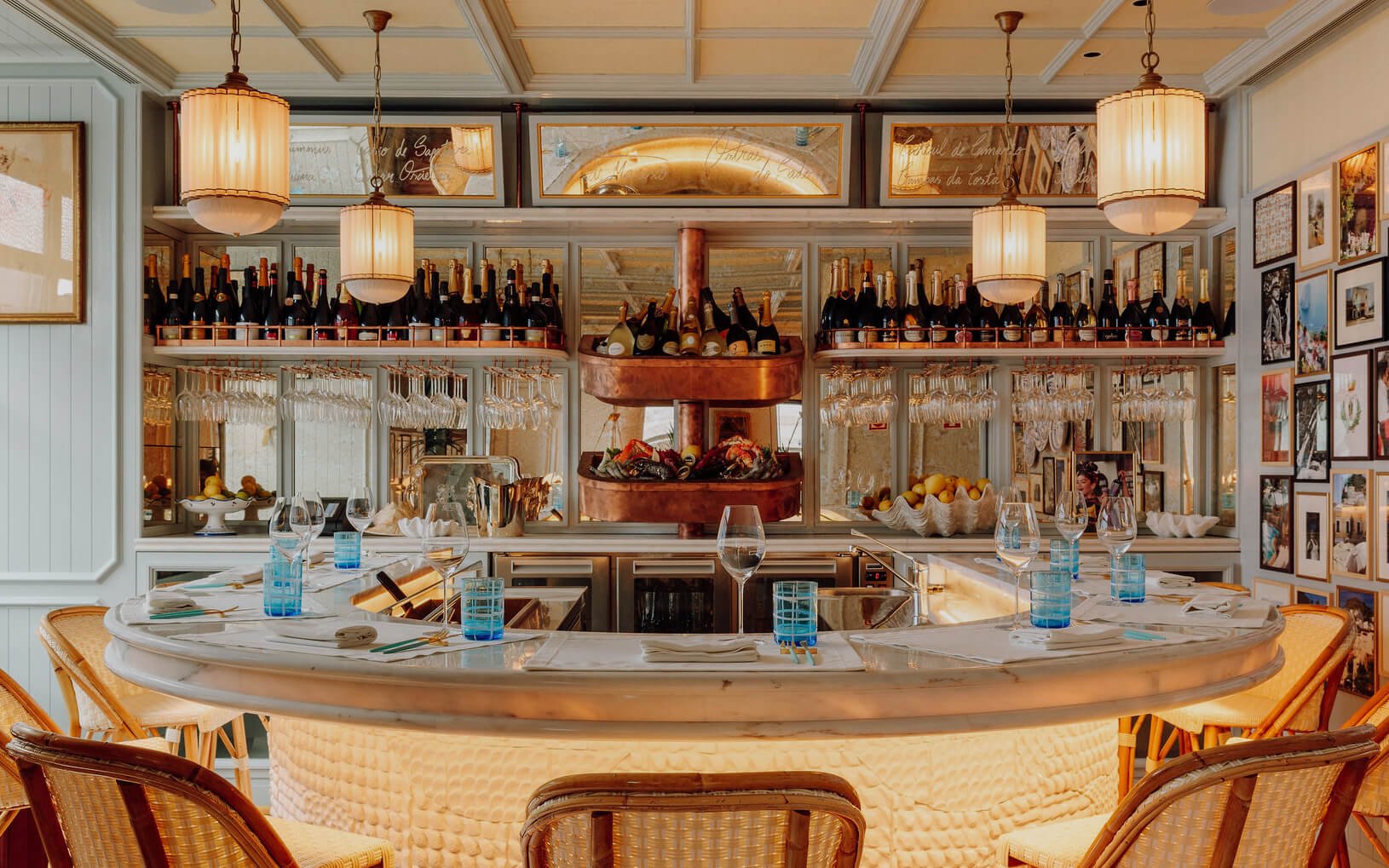
Soft and warm tones with natural textures and elegant furniture create a serene, cozy atmosphere inspired by Alfama's history.
Tags
Vibe
Best For
Experience
Amenities
View
Accessibility
About the Stay
- Rooms
- 25
- Check-in
- 15:00
- Check-out
- 12:00
- Property Type
- Boutique hotel
- Property Style
- Historic Boutique Hotel Fusing 12th Century Architecture with Modern Mediterranean Design
- Design Style
- Mediterranean with Soft Warm Tones, Natural Materials, and Portuguese Craftsmanship
- Spa
- Yes
- Cancellation
- Moderate
Know before you go
Know Before You Go
- Getting there
- R. dos Bacalhoeiros 16, 1100-070 Lisboa, Portugal
Planning details
Location
R. dos Bacalhoeiros 16, 1100-070 Lisboa, Portugal · Directions
Recognition and awards
Also consider
Also Consider
- Hotel Vincci Baixa, Notable alternative
- Baixa House, Notable alternative
- Memmo Alfama, Notable alternative
- Memmo Alfama Hotel Lisboa, Notable alternative
- Santiago de Alfama - Boutique Hotel, Notable alternative
Hotel context
How it compares in Lisbon
Against Hotel Vincci Baixa, AlmaLusa Alfama is the more neighborhood-led choice; Vincci Baixa is the safer pick for travelers who want a more central, functional base between meetings. If this is a first Lisbon trip and Alfama is part of the appeal, AlmaLusa makes more sense. If the schedule is business-heavy, Vincci Baixa is easier to justify.
Baixa House is the better cross-shop for travelers who want apartment-style independence or more space, especially for families and longer stays. AlmaLusa Alfama is a cleaner fit for a hotel stay with less planning required. For atmosphere within Alfama, compare Memmo Alfama and Memmo Alfama Hotel Lisboa; both are obvious alternatives if the guest wants to stay firmly in the neighborhood.
Santiago de Alfama - Boutique Hotel is the peer to check if the trip calls for a more classic boutique-hotel feel. AlmaLusa Alfama wins for a simple, easy-to-book shortlist choice in the old city; Santiago is the one to compare when the stay itself needs to carry more of the trip.
Around this place
Discover more on Pearl
Unlock the full AlmaLusa Alfama guide in Pearl, including awards, comparisons, FAQs, planning details, and nearby places.
Compare AlmaLusa Alfama
| Venue | Location | Awards |
|---|---|---|
| AlmaLusa Alfama | Lisbon | 2025 Michelin Selected Hotels |
| Hotel Vincci Baixa | Lisbon | No published awards |
| Baixa House | Lisbon | No published awards |
| Memmo Alfama | Lisbon | No published awards |
| Memmo Alfama Hotel Lisboa | Lisbon | No published awards |
| Santiago de Alfama - Boutique Hotel | Lisbon | 2026 Michelin 1 Key2025 Michelin 1 Key |


How AlmaLusa Alfama Lisbon compares with similar nearby venues.
FAQ
Frequently Asked Questions
When is the best time to book AlmaLusa Alfama?
Book when the live rate, room type, and cancellation terms fit your Lisbon trip. The MICHELIN Guide, Hotels Selected (2025) listing makes it a vetted option to consider, but current availability and official booking terms should drive the final decision.
Is AlmaLusa Alfama family-friendly?
If traveling with children, check AlmaLusa Alfama's official room descriptions and policies before booking.
How does AlmaLusa Alfama compare to other Lisbon hotels?
Choose AlmaLusa Alfama if you want a Lisbon hotel with a MICHELIN Guide, Hotels Selected (2025) listing and a smart-casual standard. Hotel Vincci Baixa, Baixa House, Memmo Alfama, Memmo Alfama Hotel Lisboa, and Santiago de Alfama - Boutique Hotel are natural cross-shops depending on the style of stay you want.