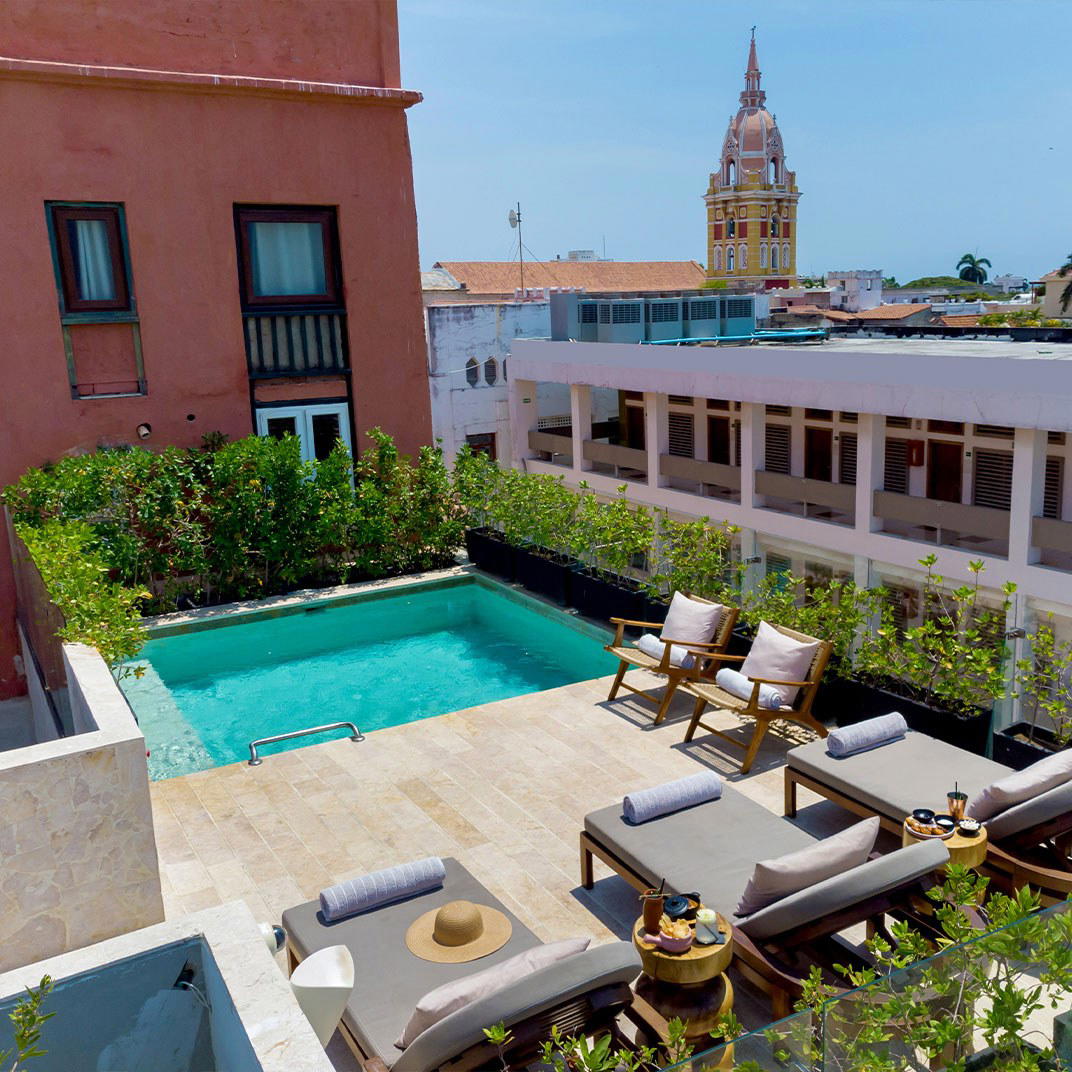

Banyan Tree Lijiang
Shuhe, Lijiang
Hotel in Lijiang, China
 Book with Pearl
Why go
Banyan Tree Lijiang is worth considering if the hotel is meant to carry part of the trip, not just provide a place to sleep. Its MICHELIN Guide hotel selection gives it a credible quality signal, while nearby peers may suit travelers who want either old-town convenience or a higher-priced splurge.
About Banyan Tree Lijiang
Banyan Tree Lijiang is a hotel in Lijiang with MICHELIN Guide Hotels Selected recognition for 2025. The safest way to assess it is as a Lijiang hotel to compare against other named stays, while checking directly for facilities, room types, dining, and specific location details.
Bookers should confirm current details directly with the hotel before making plans, especially for room categories, services, arrival logistics, and on-property amenities. The dress code is smart casual, and the hotel carries MICHELIN Guide Hotels Selected 2025 recognition.
Where the value case is strongest
The strongest argument for Banyan Tree Lijiang is simple: it is a Lijiang hotel with MICHELIN Guide Hotels Selected 2025 recognition. If that recognition matters to the trip, it belongs on a shortlist with Amandayan, Pullman Lijiang Resort and Spa, Hotel Indigo Lijiang Ancient Town, InterContinental Lijiang Ancient Town Resort, and Hylla Vintage Hotel.
Beyond that, do not assume a specific experience without checking current hotel information. Compare Banyan Tree Lijiang with Pullman Lijiang Resort and Spa or Amandayan if you are considering named hotel options in Lijiang.
Hotel Indigo Lijiang Ancient Town and InterContinental Lijiang Ancient Town Resort are also relevant comparisons for travelers considering named hotels in Lijiang. Choose based on the current room, rate, cancellation terms, and location details from each hotel rather than on assumptions.
Who should book, and who should cross-shop
Banyan Tree Lijiang is well suited to travelers who specifically want to consider a MICHELIN-selected hotel in Lijiang. It is also a reasonable option to keep in the mix if smart casual standards and hotel recognition are relevant to the stay.
Hylla Vintage Hotel is another named Lijiang option to compare before booking. For a broader scan before booking, compare current hotel information directly and arrange dining or activity plans separately with the hotel or relevant operators.
Part of
Banyan Tree27 locations on PearlPlanning details
- Location
- W698+2CG Yuerong Road, 束河路 Gucheng District, Lijiang, Yunnan, China, 674100
- Phone
- +86 888 533 1111
The take
The Take
The Vibe
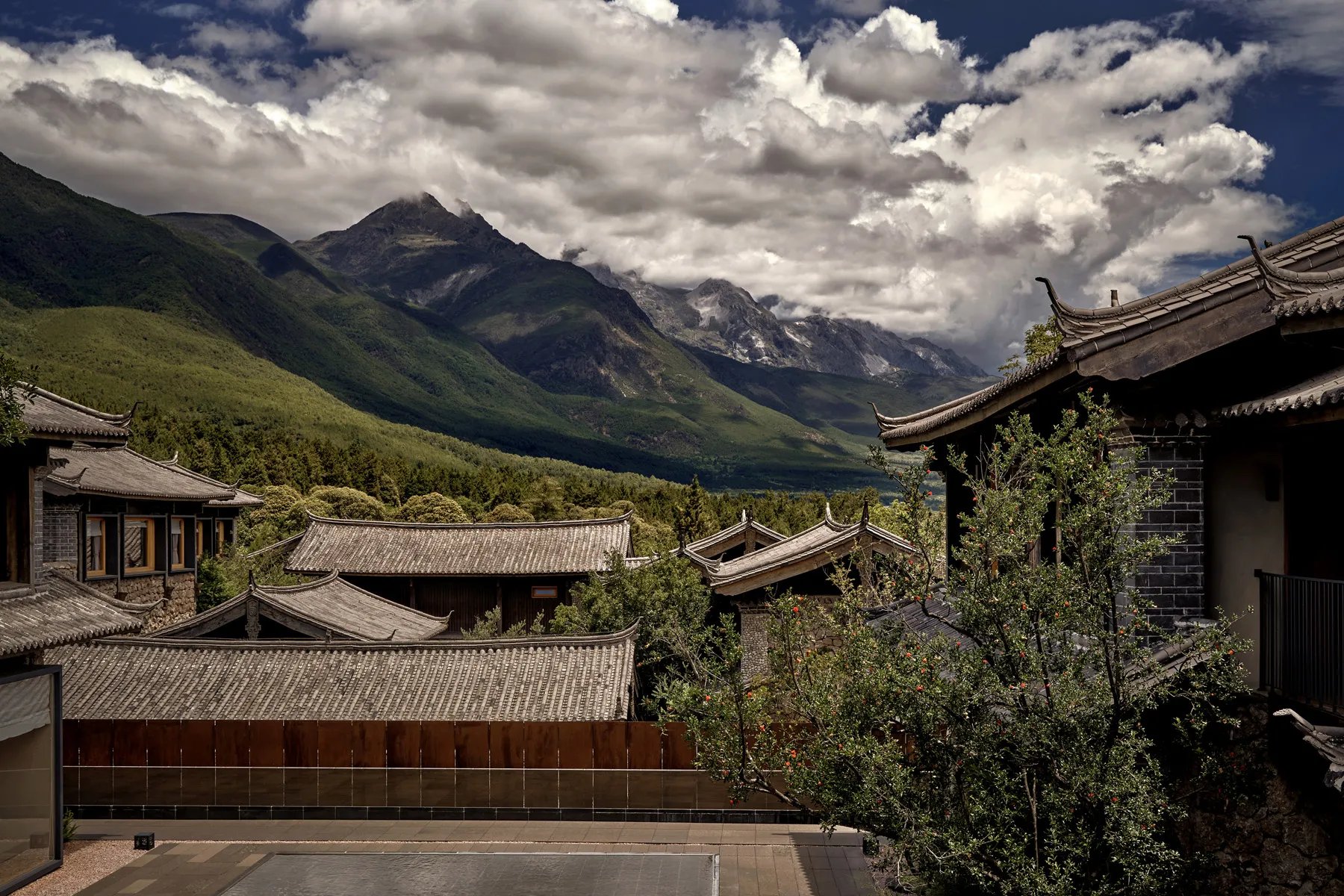
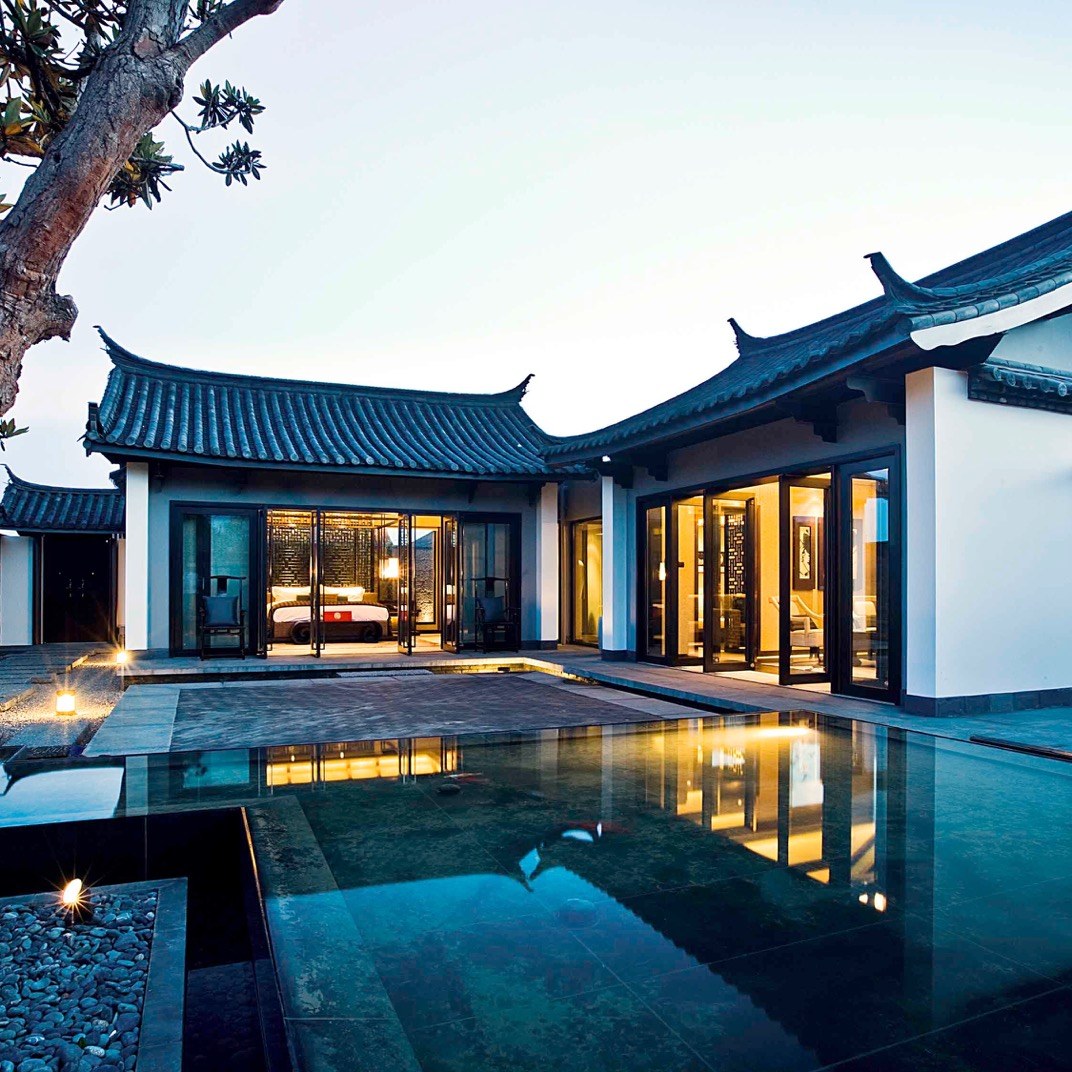
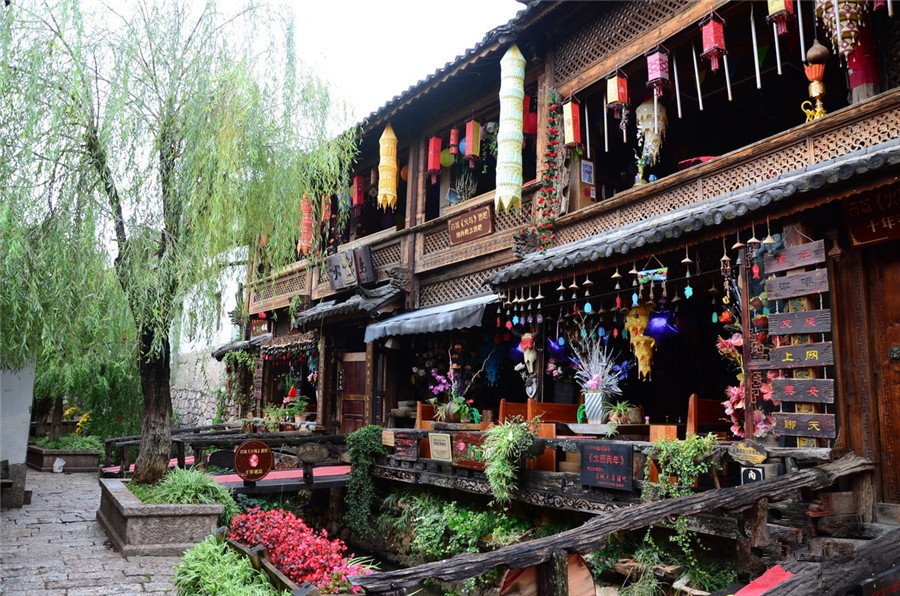
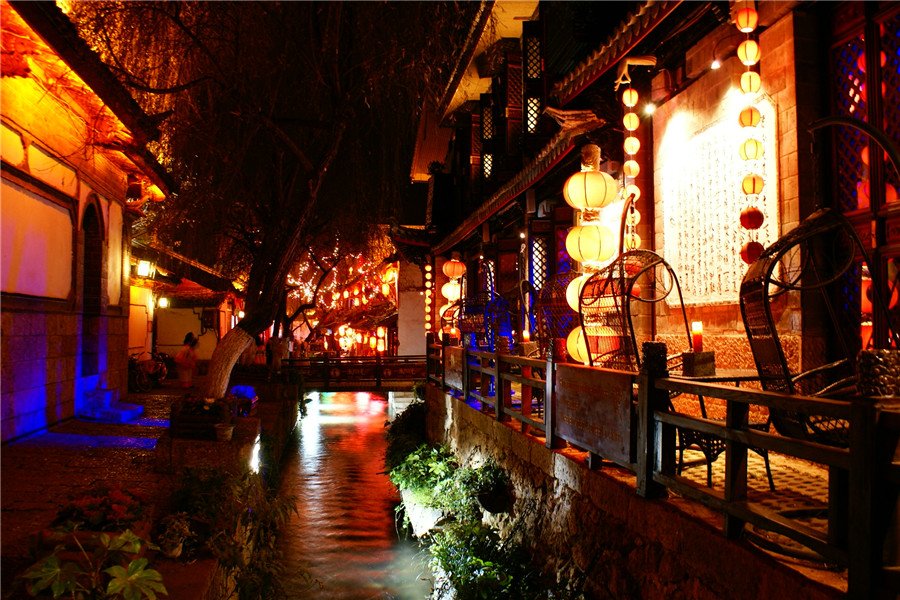
Banyan Tree Lijiang sits in Shuhe, the quieter, northern counterpart to Lijiang’s busy Ancient Town, and leverages that setting to offer a composed, heritage-focused experience. The property is described as villa-format, which reinforces a sense of privacy and measured scale rather than a bustling resort footprint. Its placement within the UNESCO-listed Naxi architectural fabric lends an authentic historic charm, while the MICHELIN Selected designation signals consistent standards of upkeep and service. The net effect is a sophisticated, serene hotel that foregrounds calm and cultural context over loud, tourist-facing energy.
Best For
This hotel suits travellers who want access to Lijiang’s old quarter without staying amid its busiest lanes. Its location in Shuhe places guests within walking distance of the heritage area while remaining removed from congested corridors, making it a good fit for those seeking a quieter base for short leisure stays or a restful overnight between explorations. The villa-format accommodation appeals to guests who prioritise privacy and a measured pace; the MICHELIN Selected recognition also reassures visitors seeking reliably high standards of hotel service.
Stay Tips
When booking, note that Banyan Tree Lijiang positions itself in Shuhe to balance proximity to the old quarter with a quieter setting, and that accommodation is offered in a villa-format. Prioritise villa-style rooms if privacy and a calm base matter to you. Because the property’s defining attributes are location and measured service quality, confirm walking-distance access to the parts of the old town you plan to visit if proximity is important; otherwise, expect a more tranquil alternative to staying inside the busiest heritage lanes.
Venue details
Ambiance
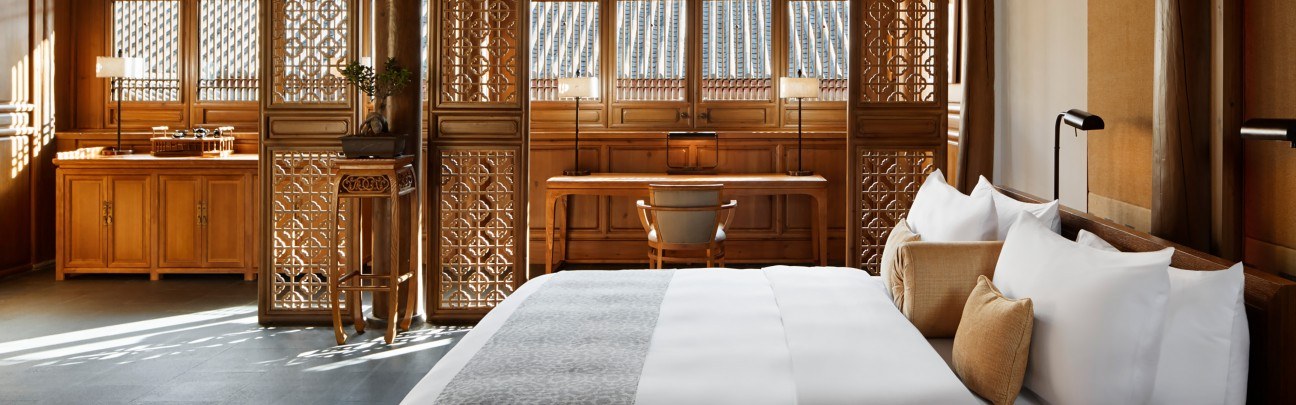
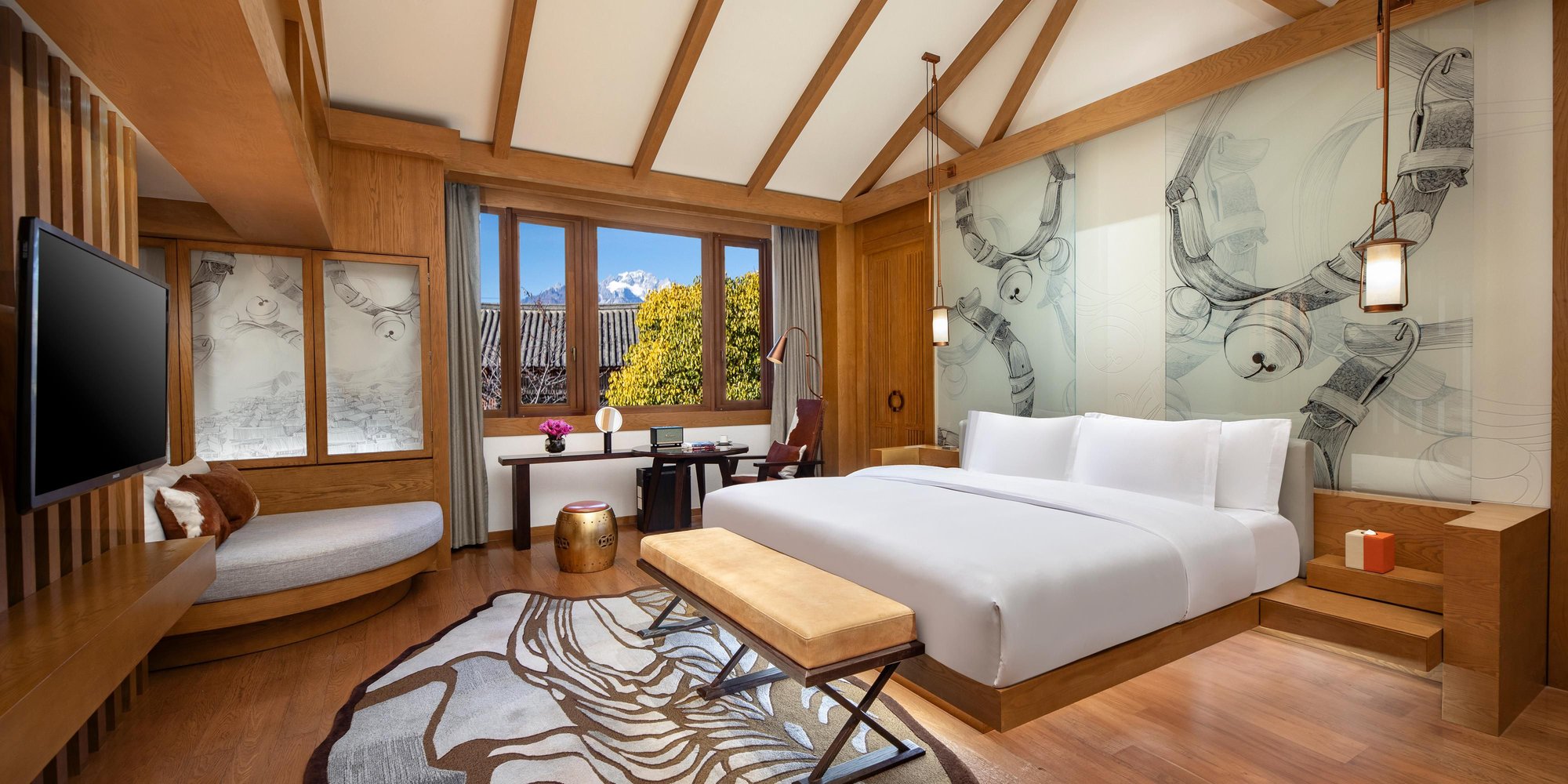
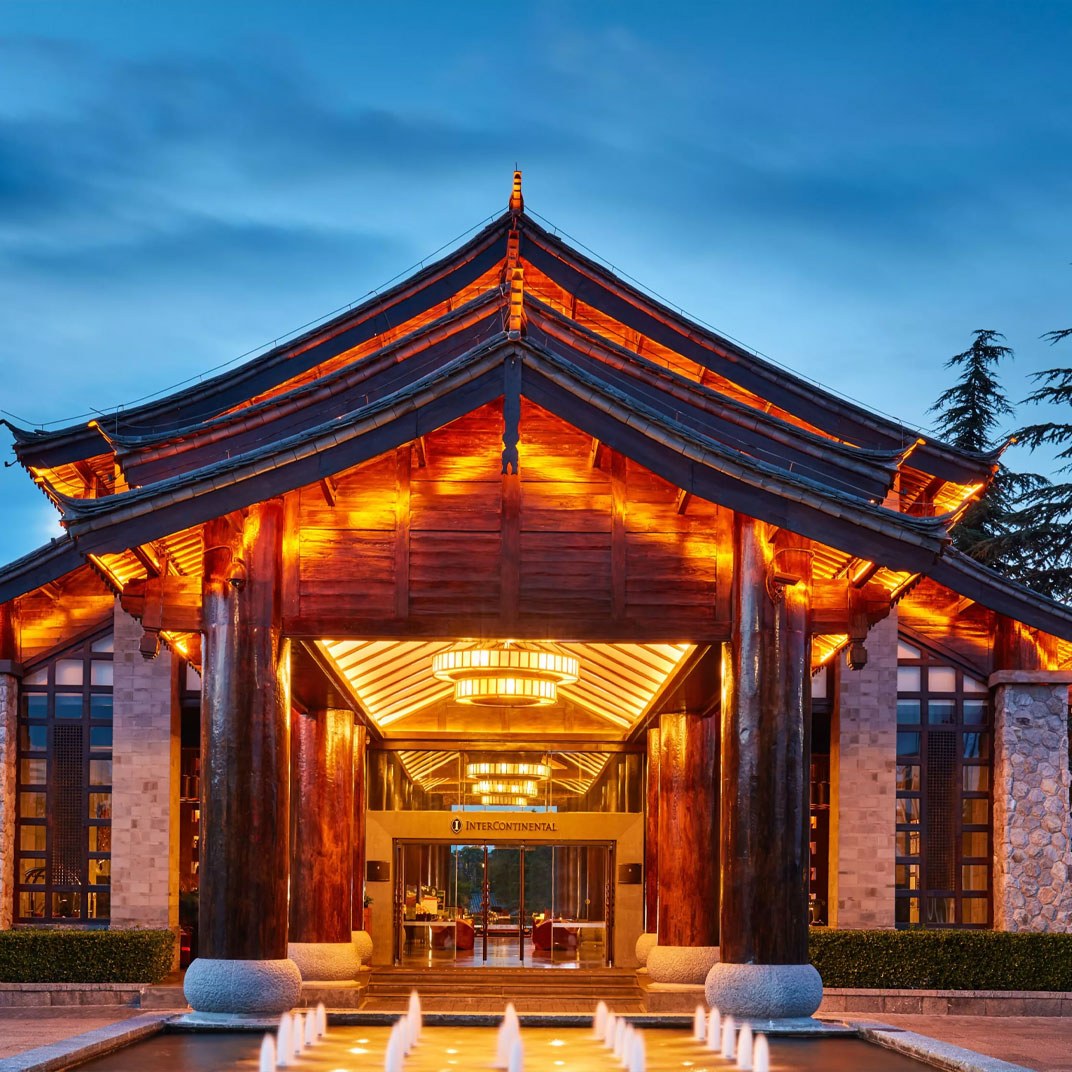
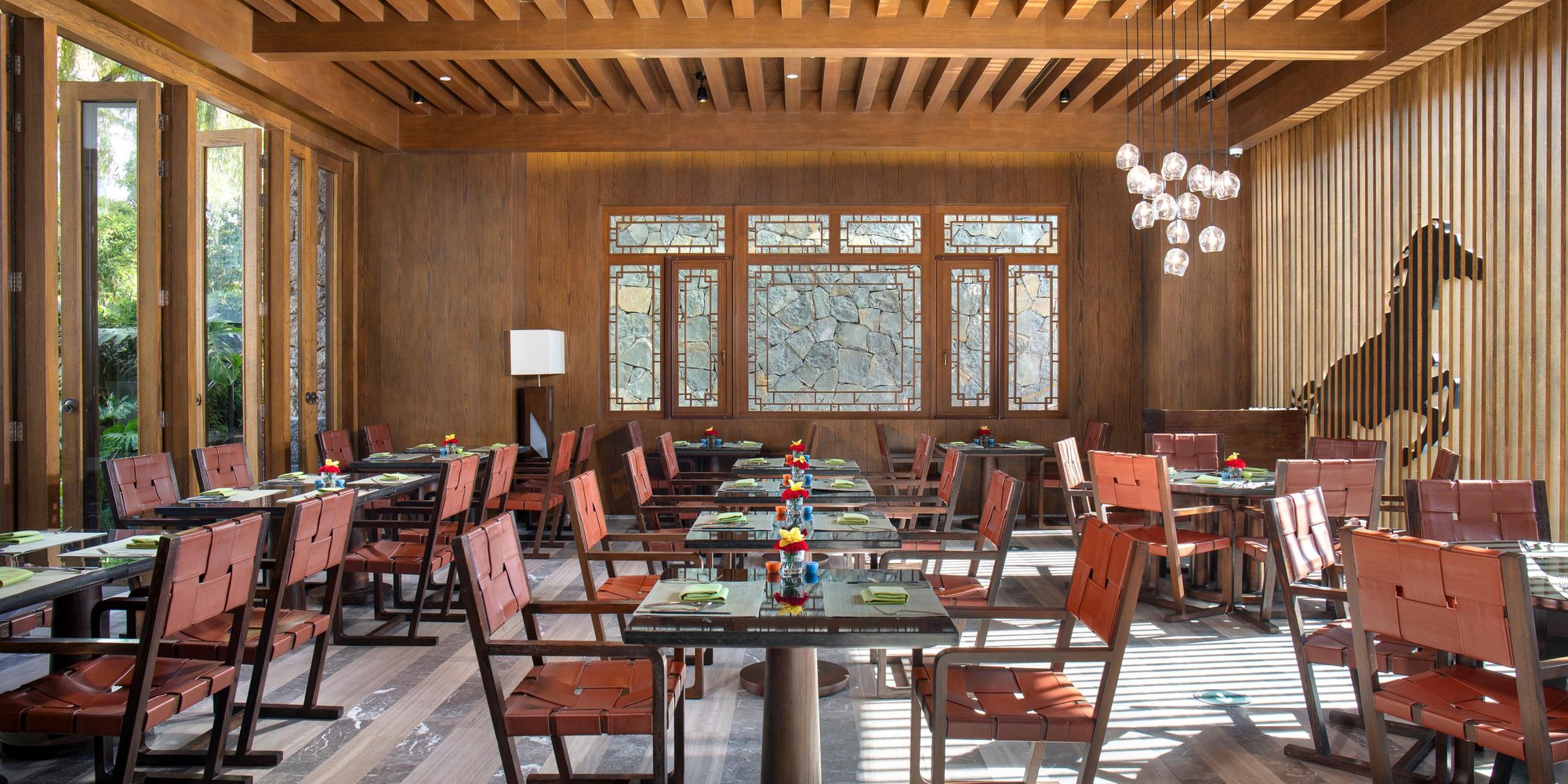
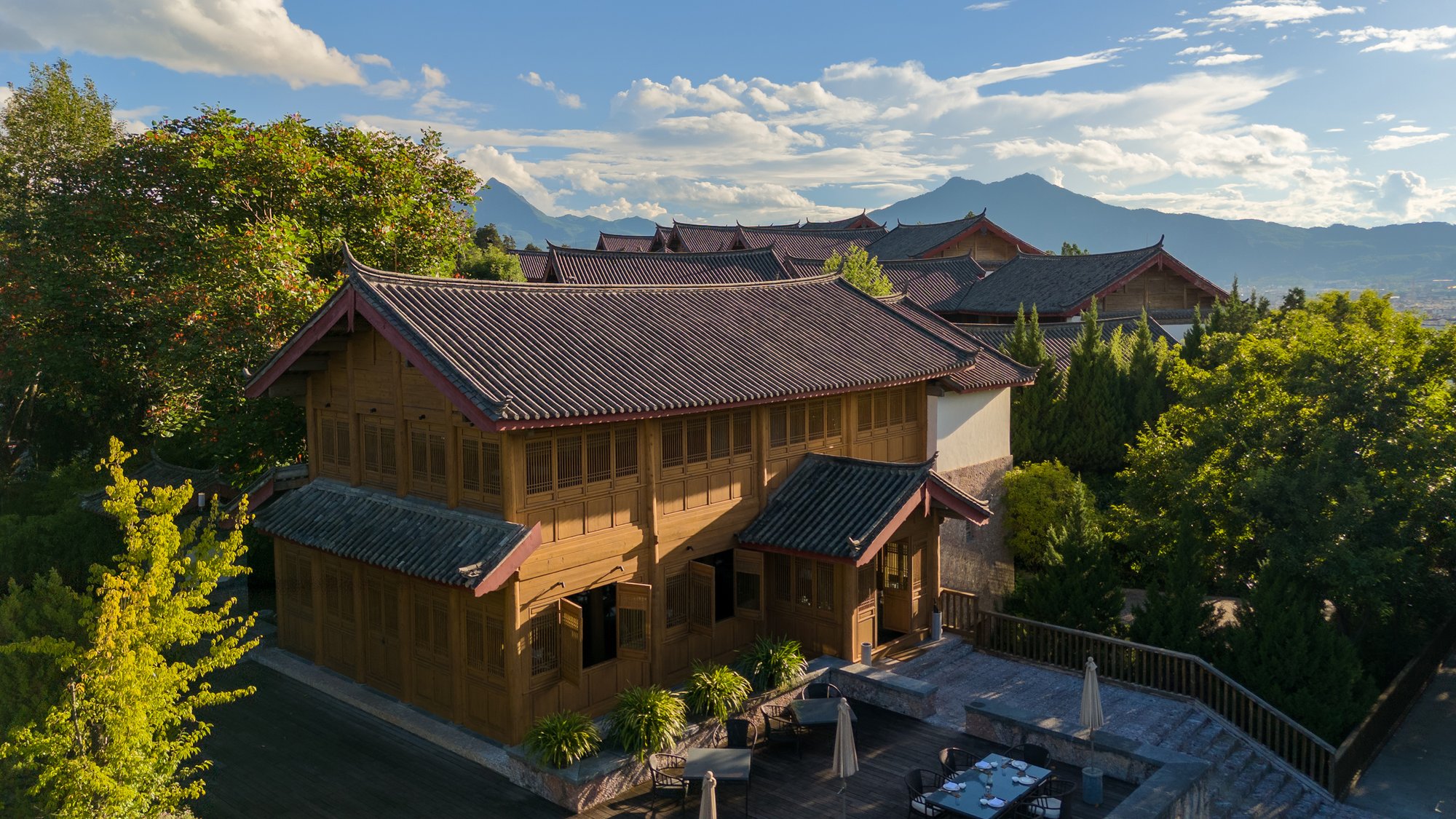
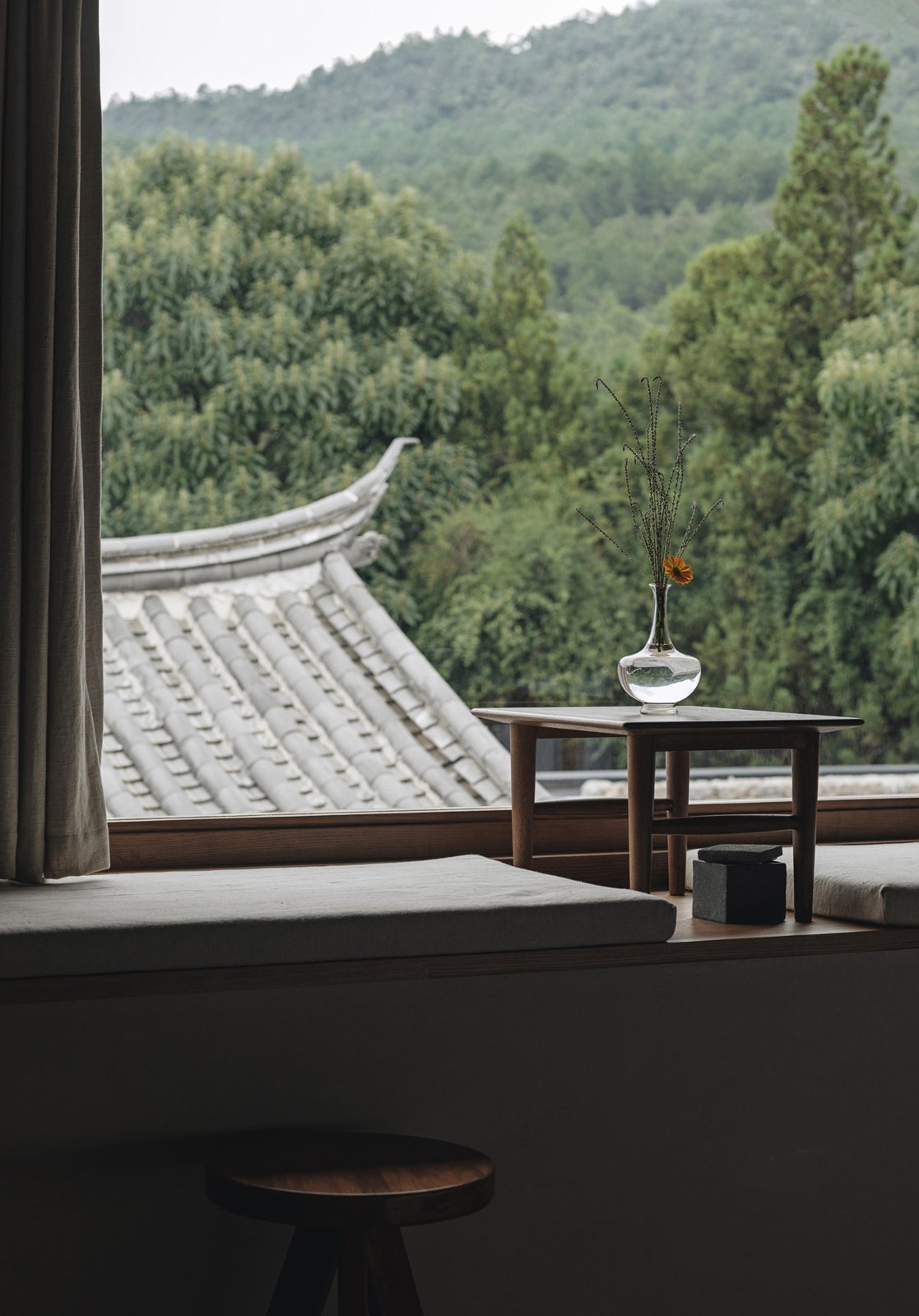
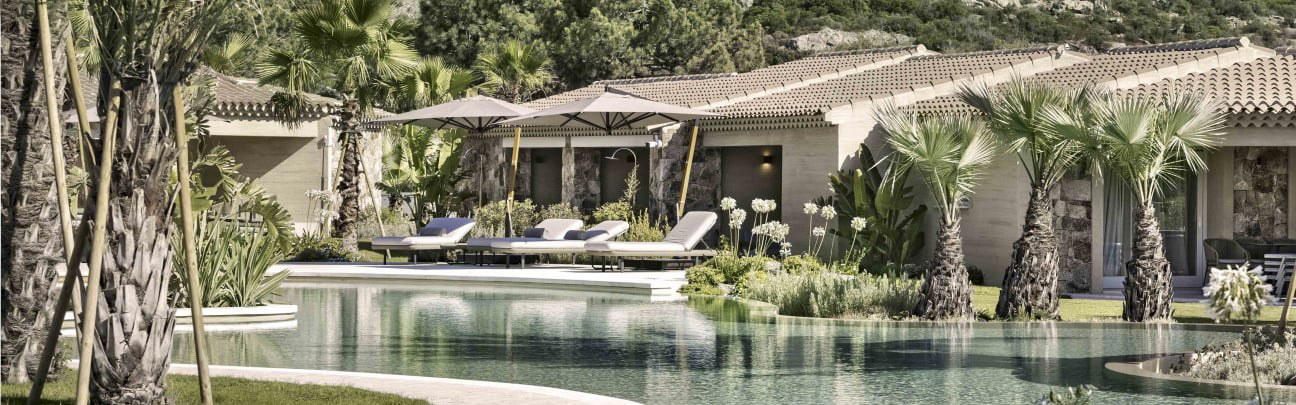
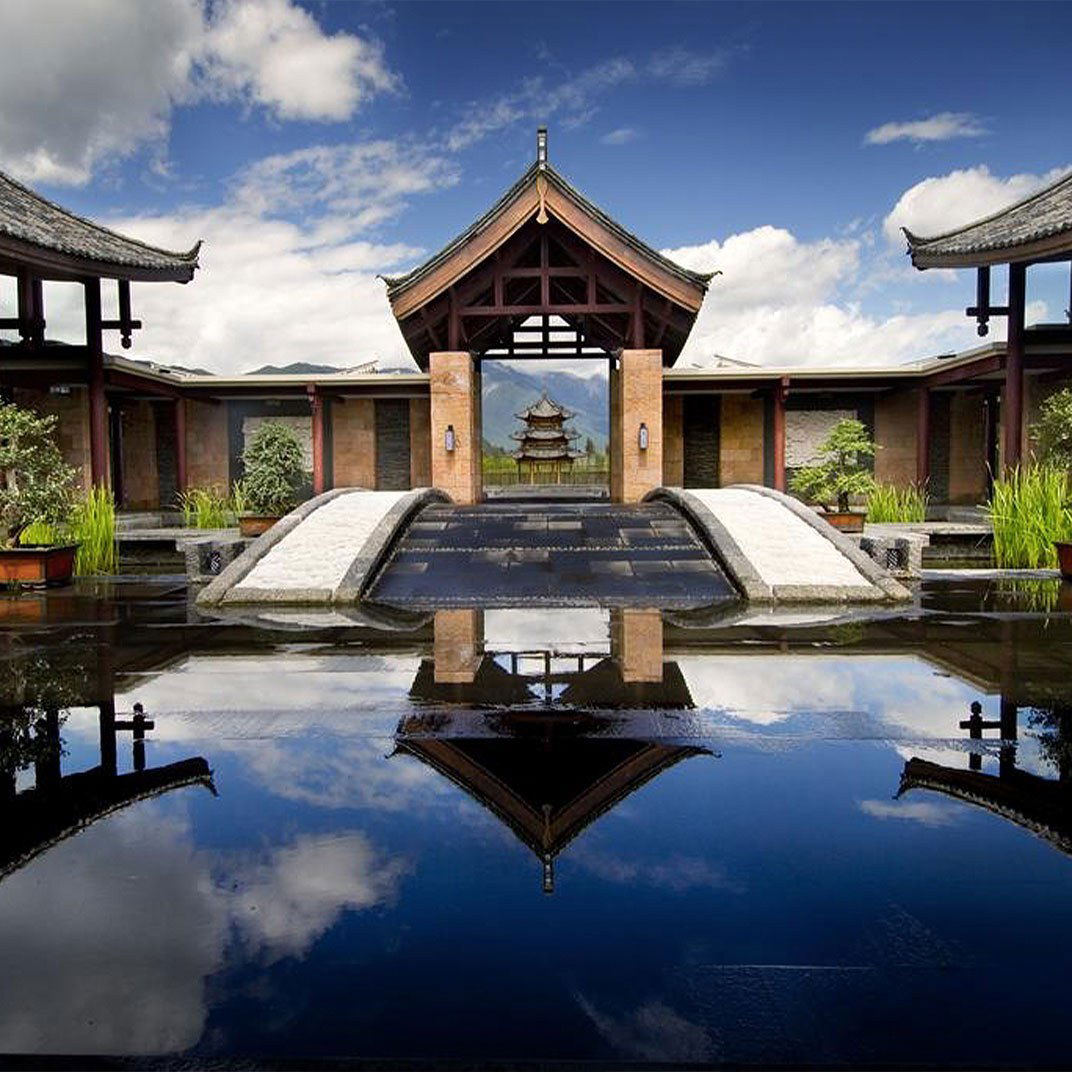
Tranquil and elegant with chinois décor, rich russet and gold tones, sweeping traditional roofs, and spectacular garden and mountain views.
Tags
Vibe
Best For
Experience
Amenities
View
About the Stay
- Rooms
- 123
- Check-in
- 15:00
- Check-out
- 12:00
- Property Style
- Naxi Inspired Luxury Resort Blending Oriental Tradition with Contemporary Comfort
- Design Style
- Traditional Naxi Architecture with Rich Russet and Gold Tones, Sweeping Roofs, and Lush Private Courtyards
Know before you go
Know Before You Go
- Getting there
- W698+2CG Yuerong Road, 束河路 Gucheng District, Lijiang, Yunnan, China, 674100
Planning details
Location
W698+2CG Yuerong Road, 束河路 Gucheng District, Lijiang, Yunnan, China, 674100 · Directions
Recognition and awards
Also consider
Where to look if this is not the right fit
If the goal is a more central Lijiang base, cross-shop Hotel Indigo Lijiang Ancient Town first. If the trip calls for a bigger luxury splurge, Amandayan is the cleaner upgrade path.
Hotel context
How Banyan Tree Lijiang compares
Banyan Tree Lijiang sits in the resort-minded lane of Lijiang hotels: stronger for travelers who want space, quiet, and a slower stay than for those who plan to spend every hour in the Ancient Town. Amandayan is the clearer splurge if design prestige is the deciding factor, while Banyan Tree is the more balanced choice when the budget has to justify the full stay.
Pullman Lijiang Resort and Spa is the practical cross-shop for value-seekers who want a resort setting without chasing the same recognition signal. Hylla Vintage Hotel makes more sense for travelers who prefer a smaller-feeling hotel with a more boutique mood.
For location-first trips, compare hard against Hotel Indigo Lijiang Ancient Town and InterContinental Lijiang Ancient Town Resort. Those are easier recommendations when walking access is the priority; Banyan Tree is the better call when the hotel itself needs to feel like a retreat.
Explore Lijiang
Around this place
Discover more on Pearl
Unlock the full Banyan Tree Lijiang guide in Pearl, including awards, comparisons, FAQs, planning details, and nearby places.
Compare Banyan Tree Lijiang
| Venue | Location | Awards |
|---|---|---|
| Banyan Tree Lijiang | Lijiang | 2025 Michelin Selected Hotels |
| Pullman Lijiang Resort and Spa | Lijiang | No published awards |
| Amandayan | Lijiang | 2026 Virtuoso Luxury Hotel Collection2026 Mr & Mrs Smith Luxury Hotels2026 Michelin 1 Key2025 Michelin 1 Key |
| Hylla Vintage Hotel | Lijiang | Leading Hotels of the World 2026 |
| Hotel Indigo Lijiang Ancient Town | Lijiang | No published awards |
| InterContinental Lijiang Ancient Town Resort | Lijiang | No published awards |




How Banyan Tree Lijiang compares with similar nearby venues.
FAQ
Frequently Asked Questions
Do loyalty programs work at Banyan Tree Lijiang?
Guests interested in loyalty benefits should confirm eligibility directly with the hotel before booking. Banyan Tree Lijiang is MICHELIN Guide Hotels Selected for 2025.
How does Banyan Tree Lijiang compare to other Lijiang hotels?
Banyan Tree Lijiang can be compared with Amandayan, Hotel Indigo Lijiang Ancient Town, Pullman Lijiang Resort and Spa, InterContinental Lijiang Ancient Town Resort, and Hylla Vintage Hotel. A key distinction is its MICHELIN Guide Hotels Selected 2025 recognition; other differences should be checked directly with each hotel.
Is Banyan Tree Lijiang family-friendly?
How is the location of Banyan Tree Lijiang?
What is check-in like at Banyan Tree Lijiang?
Which room category is best at Banyan Tree Lijiang?
The best choice depends on current room descriptions, rates, and availability from Banyan Tree Lijiang, so confirm those details before booking.