L'auberge Du Cheval Blanc et Spa
Lembach
Hotel in Lembach, France
 Book with Pearl
The Read
Coaching Inn Gastronomy
Price
$200–300per night
Why go
Book L'auberge Du Cheval Blanc et Spa if the goal is a quiet northern Alsace stay with credible luxury recognition, not a busy city break. Its Michelin 1 Key signal makes it worth considering for a planned countryside itinerary, especially in spring or early autumn. Cross-shop if price transparency, nightlife, or multiple nearby dining backups matter more.
About L'auberge Du Cheval Blanc et Spa
For Lembach, L'auberge Du Cheval Blanc et Spa offers a few key details: it is in Lembach, the dress code is smart casual, and it holds Michelin 1 Key recognition from 2024. This makes it relevant for travelers comparing a recognized venue in the area. Information regarding specific rooms, dining formats, prices, services, or on-site facilities beyond the venue name is not available.
A measured Lembach stay with limited detail
L'auberge Du Cheval Blanc et Spa is a Lembach venue with Michelin 1 Key recognition in 2024. Travelers who value that recognition may want to place it on a shortlist, especially if Lembach is already part of the trip.
Avoid choosing it based on assumptions about room categories, menu style, spa treatments, beverage programs, prices, hours, or added services. Confirm any practical details directly before booking, and treat the smart-casual dress code as the clearest guidance for how to pack and present yourself during the stay.
Who should choose it, and who should cross-shop
Choose L'auberge Du Cheval Blanc et Spa if you want a Lembach venue with Michelin 1 Key recognition and are comfortable confirming the finer details directly. It is a better fit for travelers who are selecting around the venue's recognized status than for travelers who need every service, schedule, or category known in advance.
If you are still comparing regional options, keep the comparison broad and fact-based. L'Arnsbourg, La Source des Sens, Lösch für Freunde, L'Arnsbourg Restaurant et Hôtel, and Villa René Lalique - Hôtel & Restaurant may be worth reviewing as other regional options, while other dining in Lembach can be considered generically when planning the trip.
The clean recommendation: keep L'auberge Du Cheval Blanc et Spa on the shortlist if Lembach is the right base and Michelin 1 Key recognition matters to the decision. Skip making assumptions beyond that. For anything involving exact services, room types, restaurant format, prices, or schedules, verify directly before committing.
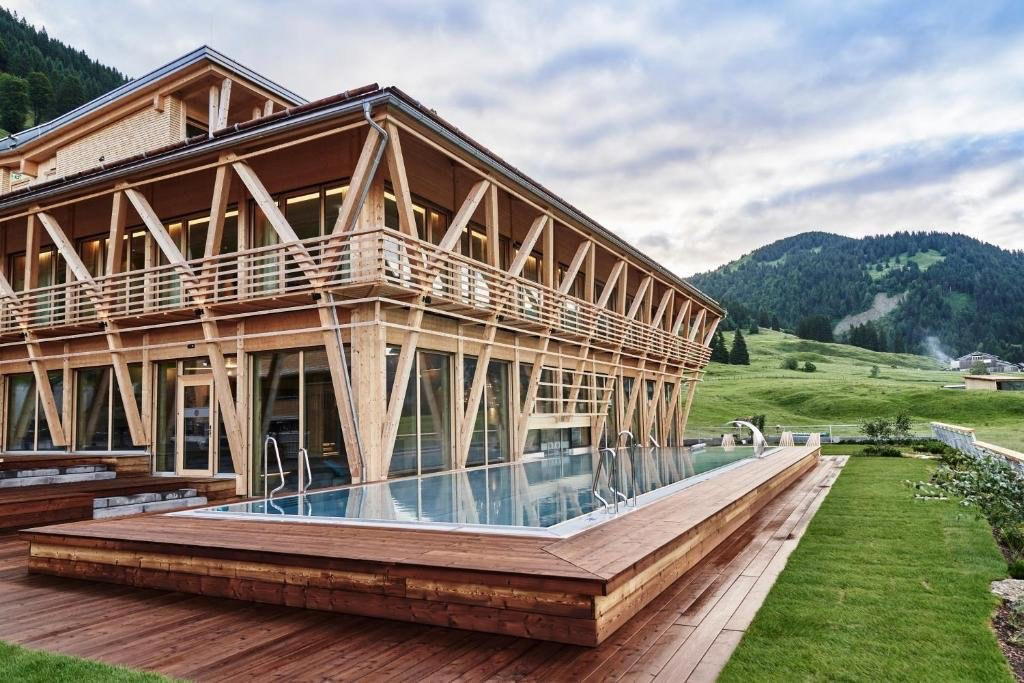
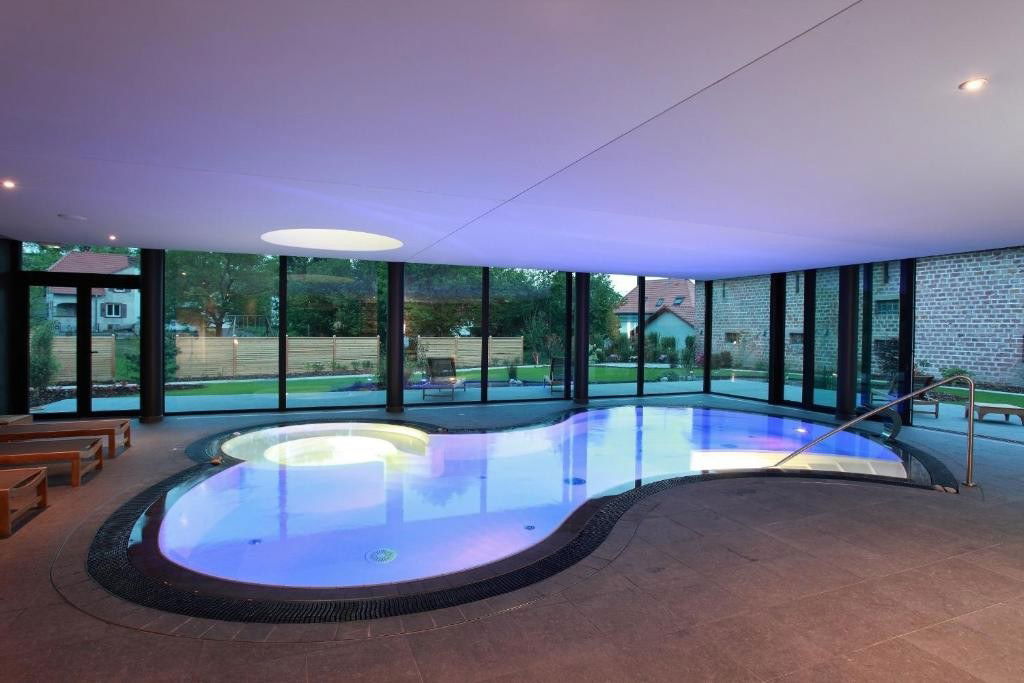
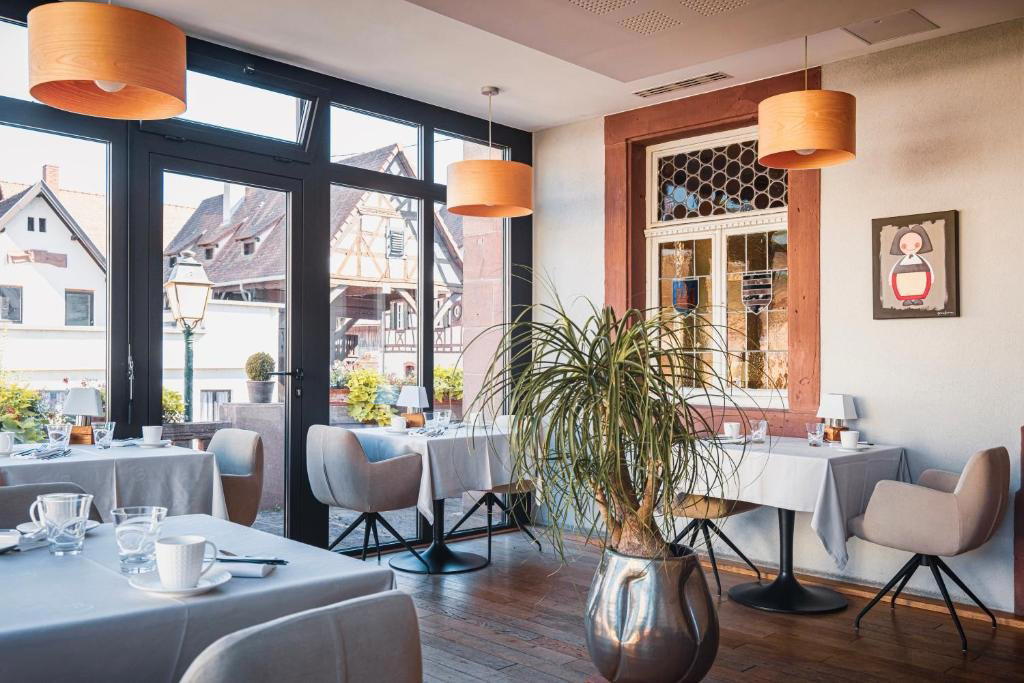
Inside L'auberge Du Cheval Blanc et Spa
Planning details
- Location
- 4 Rte de Wissembourg, 67510 Lembach
- Website
- cheval-blanc-lembach.fr
- Phone
- +33 3 88 94 41 86
The take
The Take
The Vibe
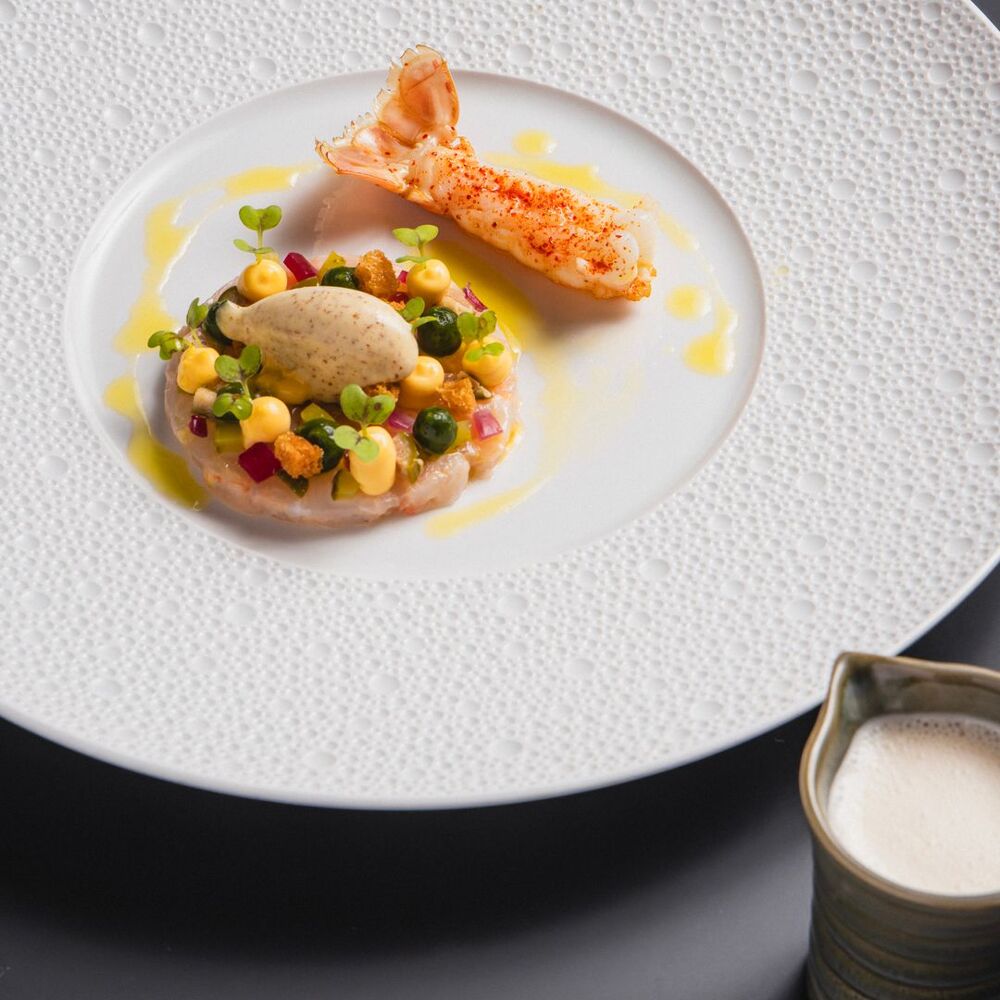
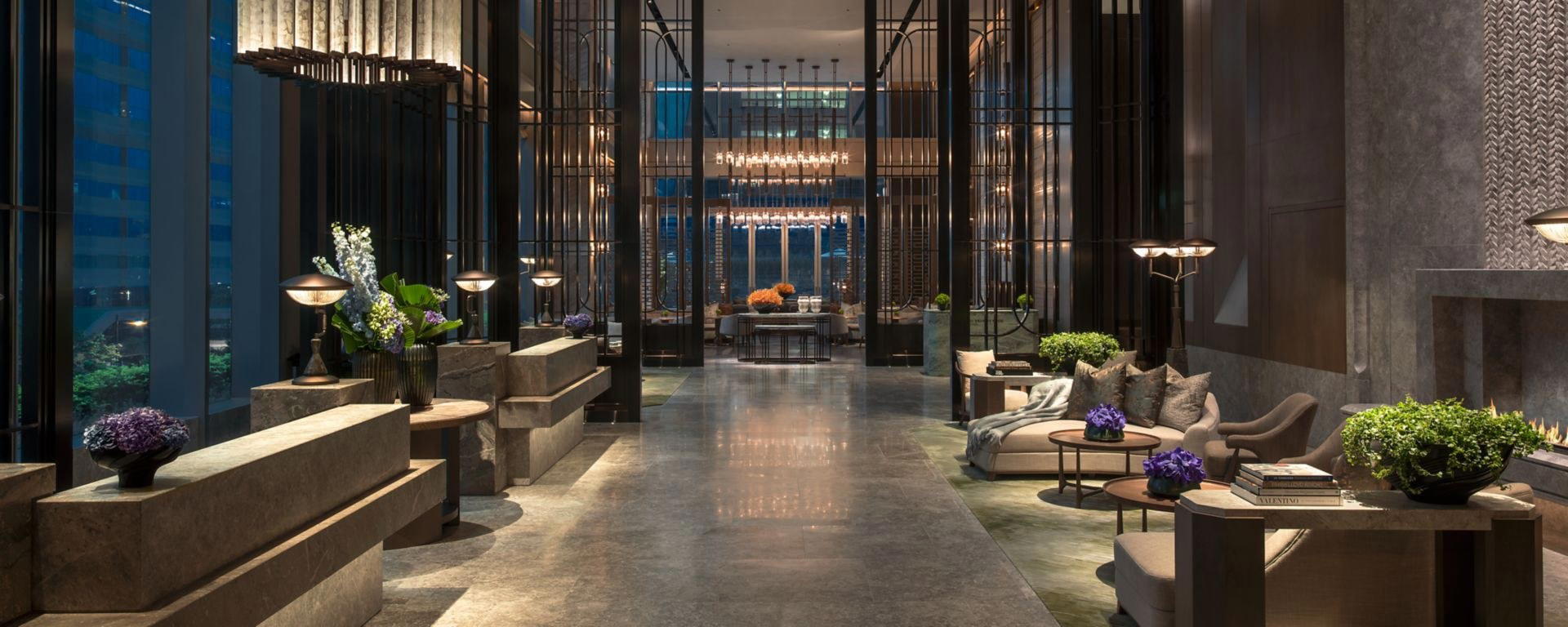
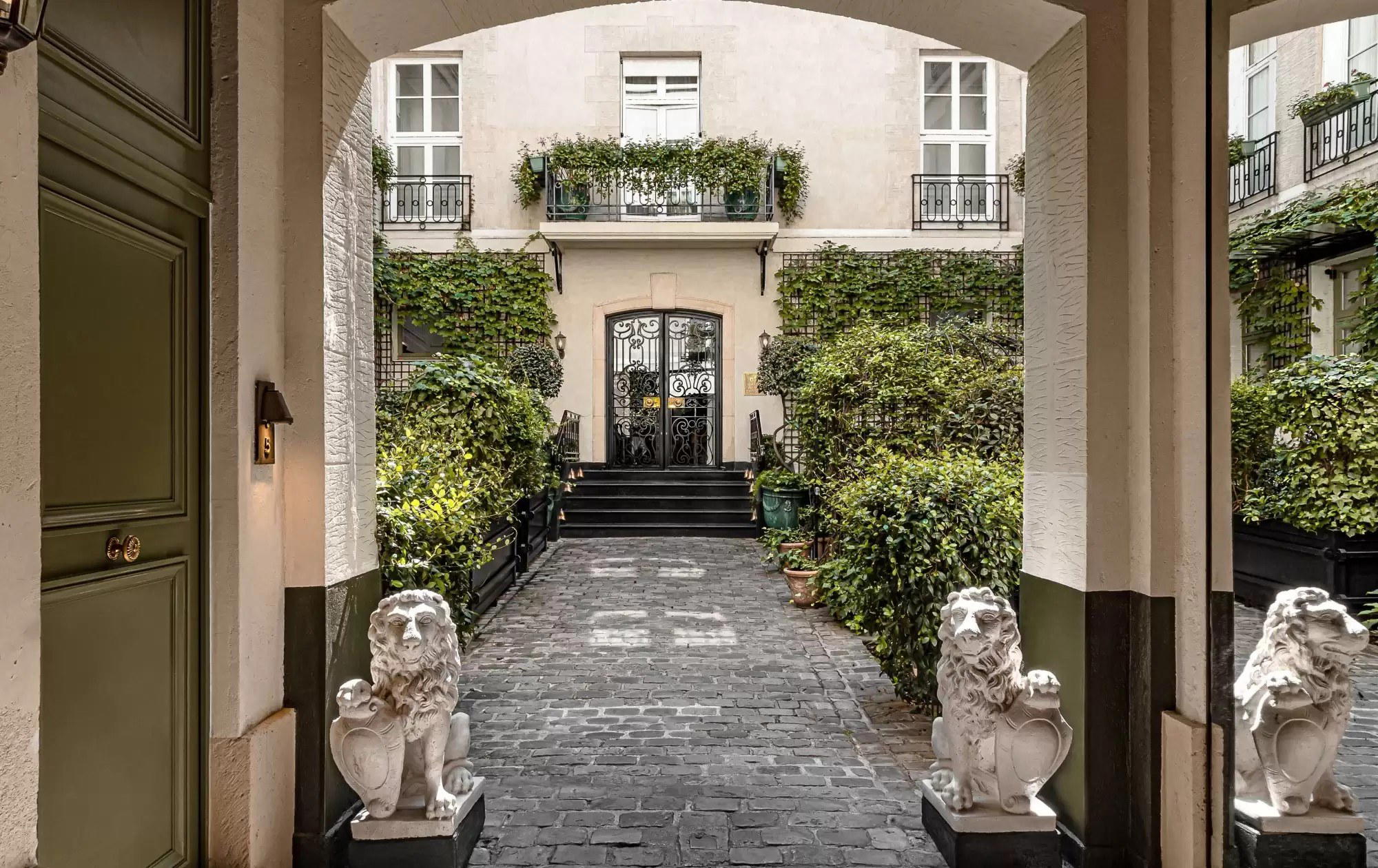
L'Auberge du Cheval Blanc et Spa occupies a genuine 1822 coaching inn and balances the building's stone-shell authenticity with an eclectic-luxe interior. The scale is small and intimate — just 21 rooms — and the setting in the Northern Vosges gives the hotel a quietly scenic, almost rural character. The long-running culinary identity and a 2024 Michelin Key award anchor the property as both historic and gastronomic, while a contemporary spa adds a modern counterpoint. The overall tone is calm and refined, suited to travelers who appreciate layered history and thoughtful, restrained design.
Best For
This hotel is best for food-minded travelers and quiet escape seekers. Its Michelin-recognized restaurant and continuous role as a dining destination since 1907 make it particularly appealing for culinary-focused stays and special anniversaries. The presence of a contemporary spa and the small size of the property also make it a natural choice for wellness-minded couples and those seeking a peaceful weekend away in the Vosges. The village’s unhurried pace supports low-key, restorative stays rather than bustling city itineraries.
Stay Tips
Book ahead for both rooms and the restaurant: the hotel is small (21 rooms) and the restaurant is a long-established, Michelin-recognized destination, so reservations are prudent. Schedule spa treatments in advance if you plan to use the contemporary spa during your stay. Because the property sits in a quiet, rural village, confirm arrival logistics before you travel; allowing extra time for regional roads and limited local services helps ensure a relaxed check-in and a smooth stay.
Venue details
Ambiance
Cozy and relaxing with phenomenal soundproofing, modern bathrooms, and serene spa atmosphere.
Tags
Vibe
Best For
Experience
Amenities
View
Accessibility
About the Stay
- Rooms
- 0
- Check-in
- 15:00
- Check-out
- 11:00
- Property Type
- Boutique hotel
- Property Style
- Charming Historic Auberge with Contemporary Spa Facilities
- Design Style
- Elegant and Modern with Chic Interiors
- Pool
- Yes
- Spa
- Yes
- Pets
- Allowed
Know before you go
Know Before You Go
- Getting there
- 4 Rte de Wissembourg, 67510 Lembach
Planning details
Location
Recognition and awards
Also consider
Also Consider
- La Source des Sens, Notable alternative
- L'Arnsbourg, Notable alternative
- L'Arnsbourg Restaurant et Hôtel, Notable alternative
- Villa René Lalique - Hôtel & Restaurant, Notable alternative
- Lösch für Freunde, Notable alternative
Hotel context
How it compares in and around Lembach
Against La Source des Sens, L'Arnsbourg, and L'Arnsbourg Restaurant et Hôtel, L'auberge Du Cheval Blanc et Spa is the more obvious pick for travelers who want a recognized hotel stay in Lembach rather than a meal-led stop with lodging attached. With booking difficulty marked hard, it is not the easiest fallback; plan dates early and cross-shop only if availability is tight.
Villa René Lalique - Hôtel & Restaurant is the stronger cross-shop for a higher-drama destination hotel mood, while Lösch für Freunde makes more sense for travelers looking beyond Lembach for a different countryside atmosphere. Choose Cheval Blanc when the priority is a quieter Alsace base with Michelin 1 Key recognition and a restrained village setting; choose the alternatives when the trip is built around a broader regional circuit or a more explicit restaurant-hotel comparison.
Explore Lembach
Around this place
Discover more on Pearl
Unlock the full L'auberge Du Cheval Blanc et Spa guide in Pearl, including awards, comparisons, FAQs, planning details, and nearby places.
Compare L'auberge Du Cheval Blanc et Spa
| Venue | Location | Awards |
|---|---|---|
| L'auberge Du Cheval Blanc et Spa | Lembach | 2026 Michelin 1 KeyMichelin 1 Key 20252025 Michelin 1 Key2024 Michelin 1 Key |
| La Source des Sens | Morsbronn-les-Bains | No published awards |
| L'Arnsbourg | Baerenthal | No published awards |
| L’Arnsbourg Restaurant et Hôtel | Baerenthal | 2026 Relais Chateaux Hotels2025 Relais Chateaux Award |
| Villa René Lalique - Hôtel & Restaurant | Wingen-sur-Moder | 2026 Relais Chateaux Hotels2026 Michelin 1 Key2025 Gault & Millau Exceptional Hotel2025 Michelin 1 Key2025 Relais Chateaux Award |
| Lösch für Freunde | Hornbach | No published awards |



How L'auberge Du Cheval Blanc et Spa compares with similar nearby venues.
FAQ
Frequently Asked Questions
How is the location of L'auberge Du Cheval Blanc et Spa?
L'auberge Du Cheval Blanc et Spa is in Lembach. A specific address is not provided. The venue holds Michelin 1 Key recognition from 2024.
Do loyalty programs work at L'auberge Du Cheval Blanc et Spa?
Loyalty program details are not available. Choose L'auberge Du Cheval Blanc et Spa for its Lembach setting and Michelin 1 Key recognition, and confirm any points, benefits, or booking-channel perks directly before reserving.
Which room category is best at L'auberge Du Cheval Blanc et Spa?
Room-category details are not available. If room type, size, view, or layout matters, confirm those specifics directly with L'auberge Du Cheval Blanc et Spa before booking.
How does L'auberge Du Cheval Blanc et Spa compare to other regional venues?
L'auberge Du Cheval Blanc et Spa is a Lembach option with Michelin 1 Key recognition from 2024. For comparison, you may also review L'Arnsbourg, La Source des Sens, Lösch für Freunde, L'Arnsbourg Restaurant et Hôtel, and Villa René Lalique - Hôtel & Restaurant, while checking each venue's current details directly.
What is check-in like at L'auberge Du Cheval Blanc et Spa?
Check-in details are not available. Plan around Lembach as the location, note the smart-casual dress code, and confirm arrival timing and any access instructions directly with the venue before travel.