
Temple Tree Resort Langkawi
Pantai Cenang, Langkawi
Hotel in Langkawi, Malaysia
 Book with Pearl
Why go
Temple Tree Resort Langkawi is worth considering for a character-led Pantai Cenang stay, especially if the trip is about exploring Langkawi rather than staying inside a full-service resort all day. Choose it over larger peers for personality and location; cross-shop The Datai, The Danna Langkawi, Four Seasons, or The Ritz-Carlton if spa depth, beach seclusion, or resort polish matter more.
About Temple Tree Resort Langkawi
For a Langkawi trip, Temple Tree Resort Langkawi is best considered as a casual hotel in Langkawi that is listed in the MICHELIN Guide hotel selection for 2025. Before booking, check directly with the property for facilities, dining, service style, prices, and exact location details.
The clearest reason to consider it is if you want a Langkawi stay with a casual feel and MICHELIN Guide hotel recognition. If you are comparing broader resort options on the island, it is reasonable to look at The Ritz-Carlton, Langkawi, The Datai, The Danna Langkawi, or Four Seasons Resort Langkawi, Malaysia before deciding.
A casual Langkawi stay with MICHELIN Guide recognition
Temple Tree Resort Langkawi is a Langkawi hotel with a casual dress code and MICHELIN Guide hotel recognition for 2025.
That makes it a candidate for travelers who are comfortable confirming practical details directly before booking. If you need a stay chosen around a specific spa, beach setup, dining program, or family facility list, compare Temple Tree Resort Langkawi with The Danna Langkawi, The Datai, The Ritz-Carlton, Langkawi, or Four Seasons Resort Langkawi, Malaysia and check the details that matter most to your trip.
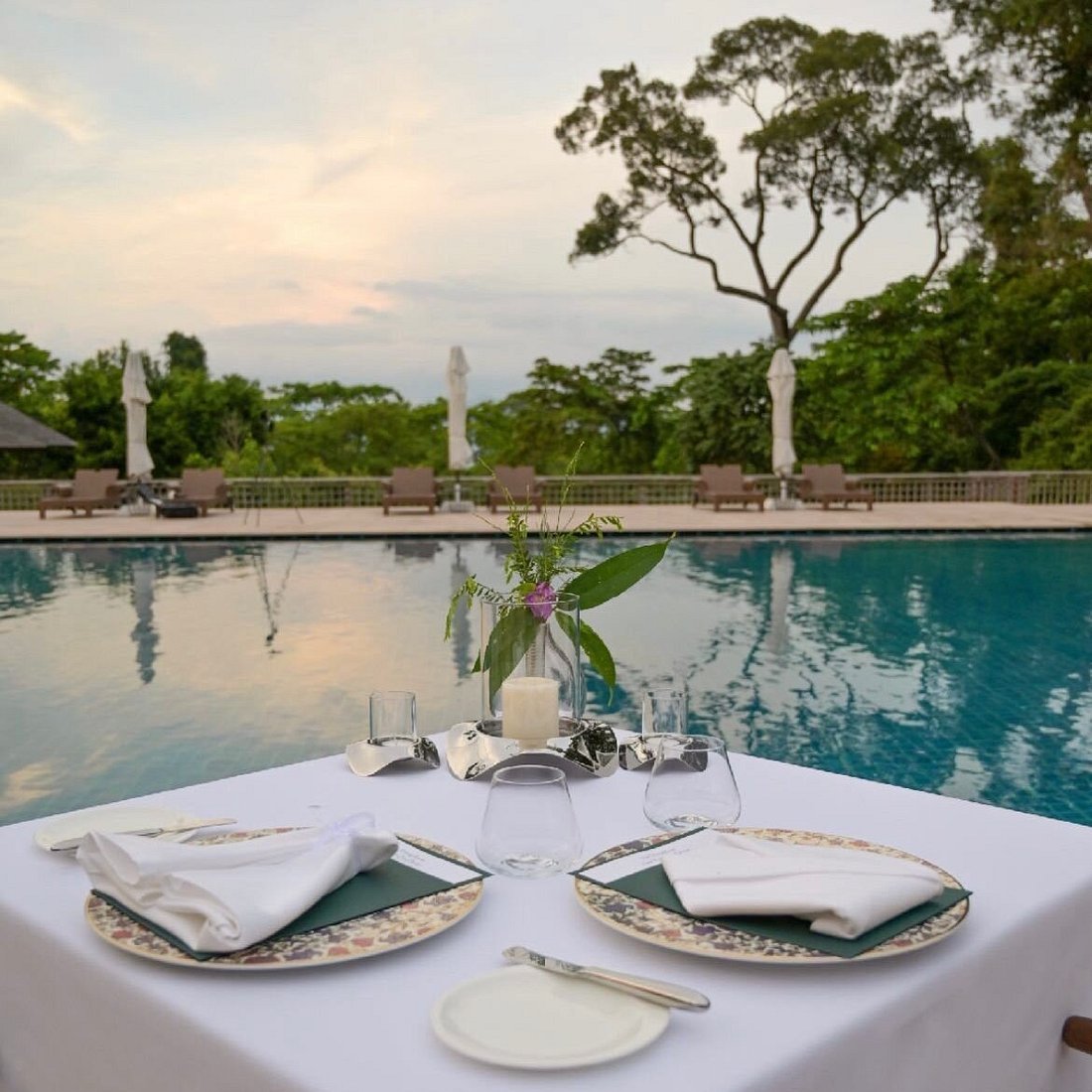
Pool and wellness expectations should stay practical
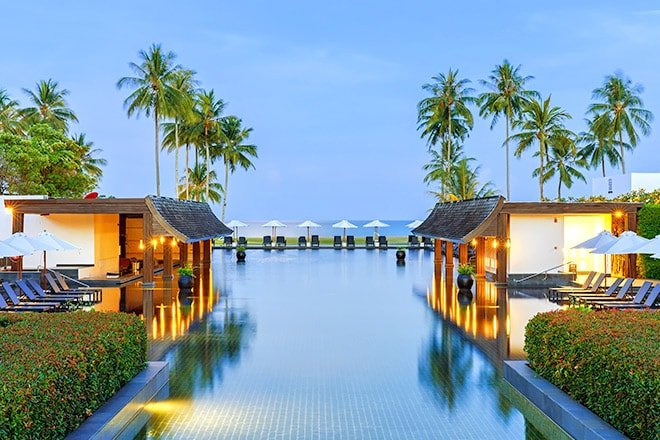
The wellness angle should be kept general. The MICHELIN Guide hotel selection for 2025 is a useful recognition signal, but travelers should check directly with the hotel if a spa, pool program, or wellness-focused stay is central to the trip. It is also worth comparing other Langkawi options where the relevant facilities match your plans.
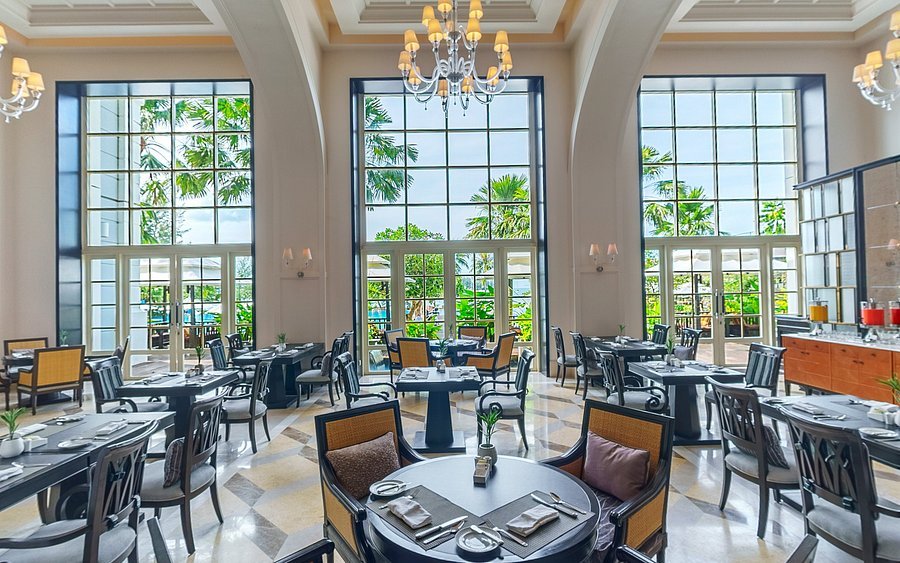
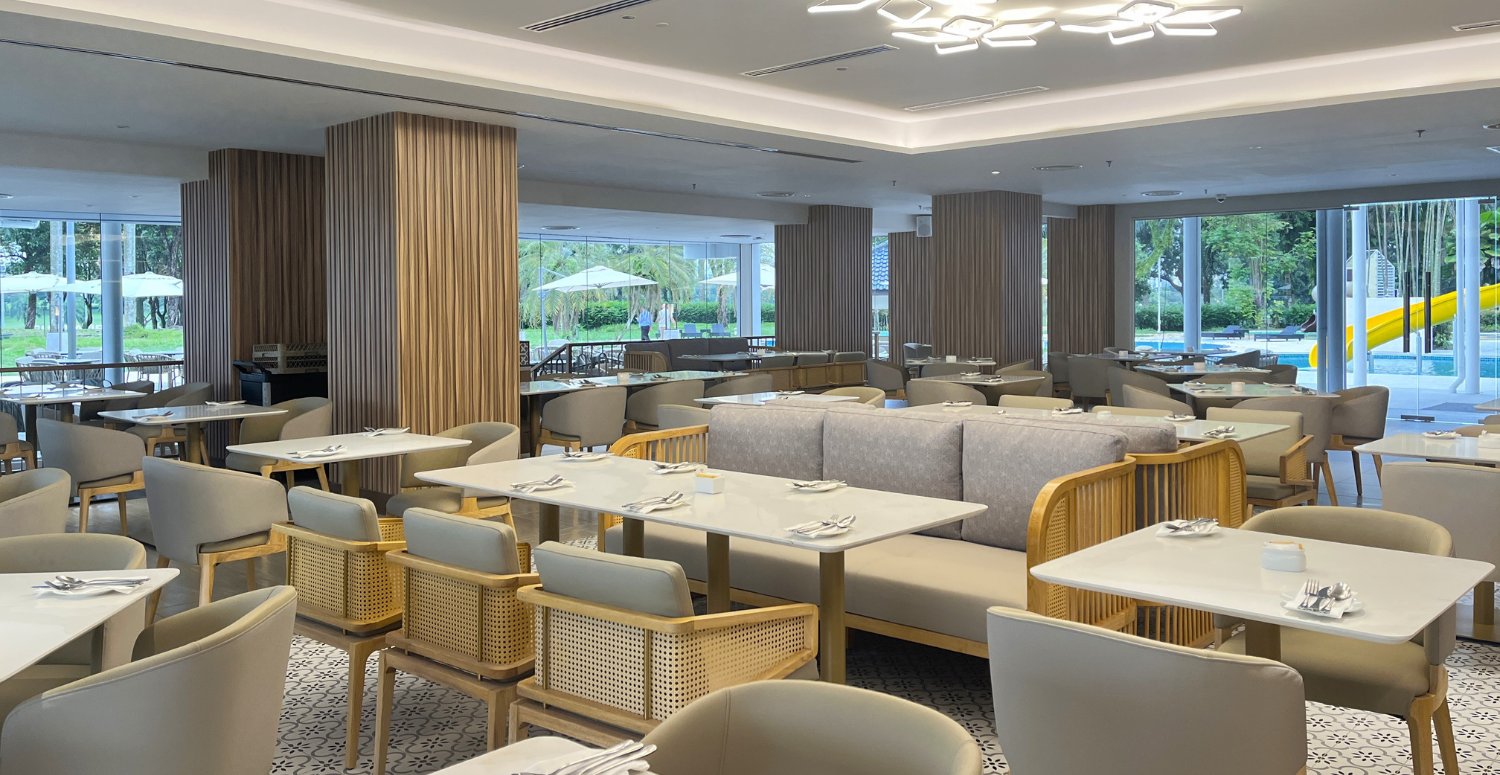
Dining expectations should also stay grounded. Confirm cuisine style, restaurant names, signature dishes, price points, and menu format directly with the property. Use Pearl's Langkawi restaurants guide if the trip needs separate dining planning.
Verdict: consider Temple Tree Resort Langkawi if you want a casual Langkawi hotel with MICHELIN Guide hotel selection in 2025. If the trip depends on specific facilities, dining, wellness, beach access, or service details, check those directly before booking or compare it with other Langkawi hotels.
Planning details
- Location
- Lot 1053, Jalan Pantai Chenang, Pantai Cenang, 07000 Langkawi, Kedah, Malaysia
- Website
- templetree.com.my
- Phone
- +60 17-599 5935
The take
The Take
The Vibe
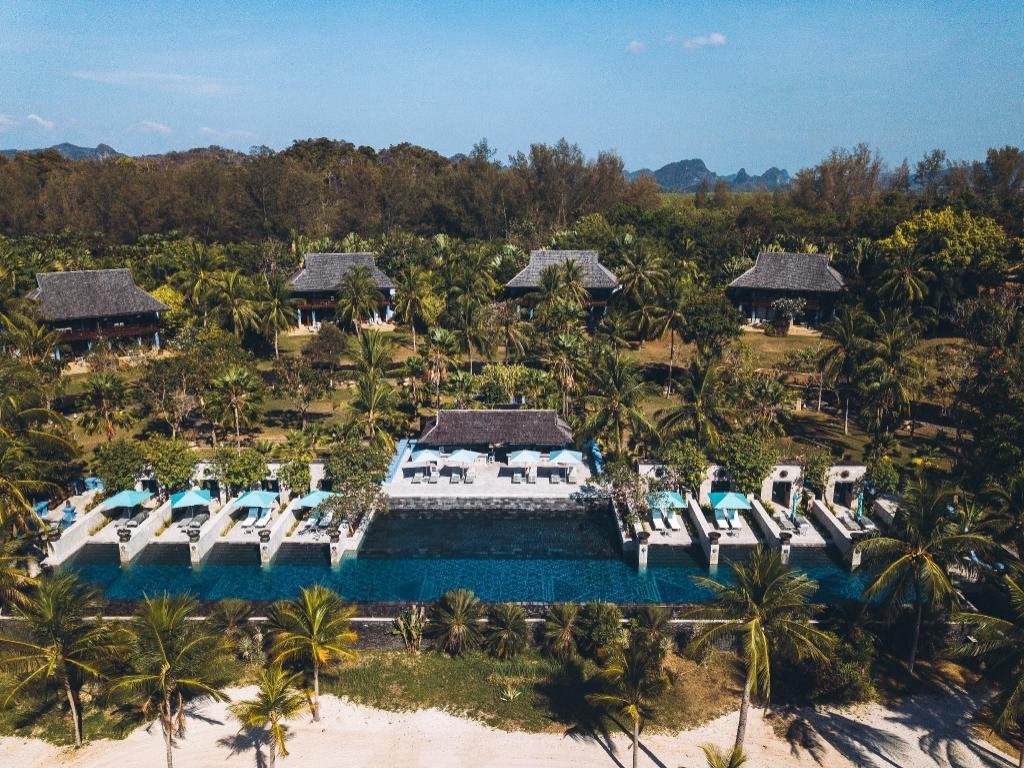
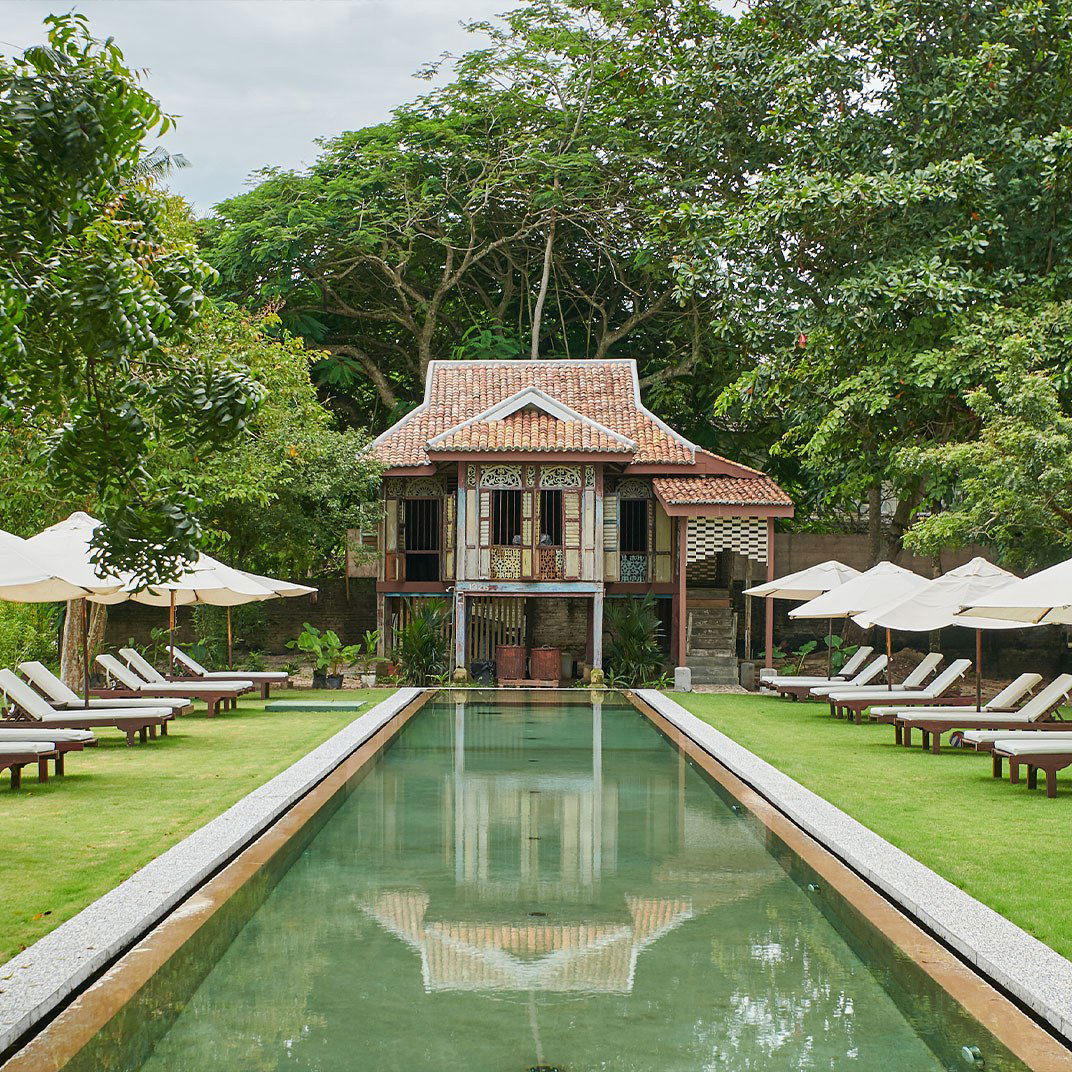
Temple Tree Resort presents itself as a deliberately small, architecture-first escape built from reclaimed Malay timber houses and colonial shophouses. The property foregrounds material grain, proportion and the spatial logic of relocated heritage buildings, so the sense of place comes from authentic structural fabric rather than a cohesive brand template. Open-air circulation and timber construction give the resort a tactile, quietly intimate character: it reads like a curated cluster of historic houses rather than a purpose-built hotel. The result is a charming, heritage-forward atmosphere that rewards visitors who care about craft, provenance and low-key design gestures.
Best For
This resort suits travellers who prioritise design and heritage over the full-service amenities of large international resorts. Because Temple Tree is assembled from salvaged historic buildings and emphasises an intimate, open-air layout, it appeals to guests seeking a quieter, characterful stay in Pantai Cenang — especially those interested in architecture, preservation and authentic local materials. Its smaller scale and distinct identity make it a good pick for couples and design-minded visitors who prefer boutique personality to a more anonymous, brand-driven experience.
Stay Tips
Temple Tree operates at a smaller scale compared with large branded resorts, so availability can be limited; book early if your travel dates are fixed. Pay attention to room descriptions or property notes that reference specific timber houses or shophouse buildings if you favour a particularly historic layout, and expect an open-air, heritage-focused setting rather than the extensive facilities typical of big resorts. The property's MICHELIN Selected recognition signals an elevated hospitality proposition, so treat bookings and special requests as you would at a boutique, design-led hotel.
Venue details
Ambiance
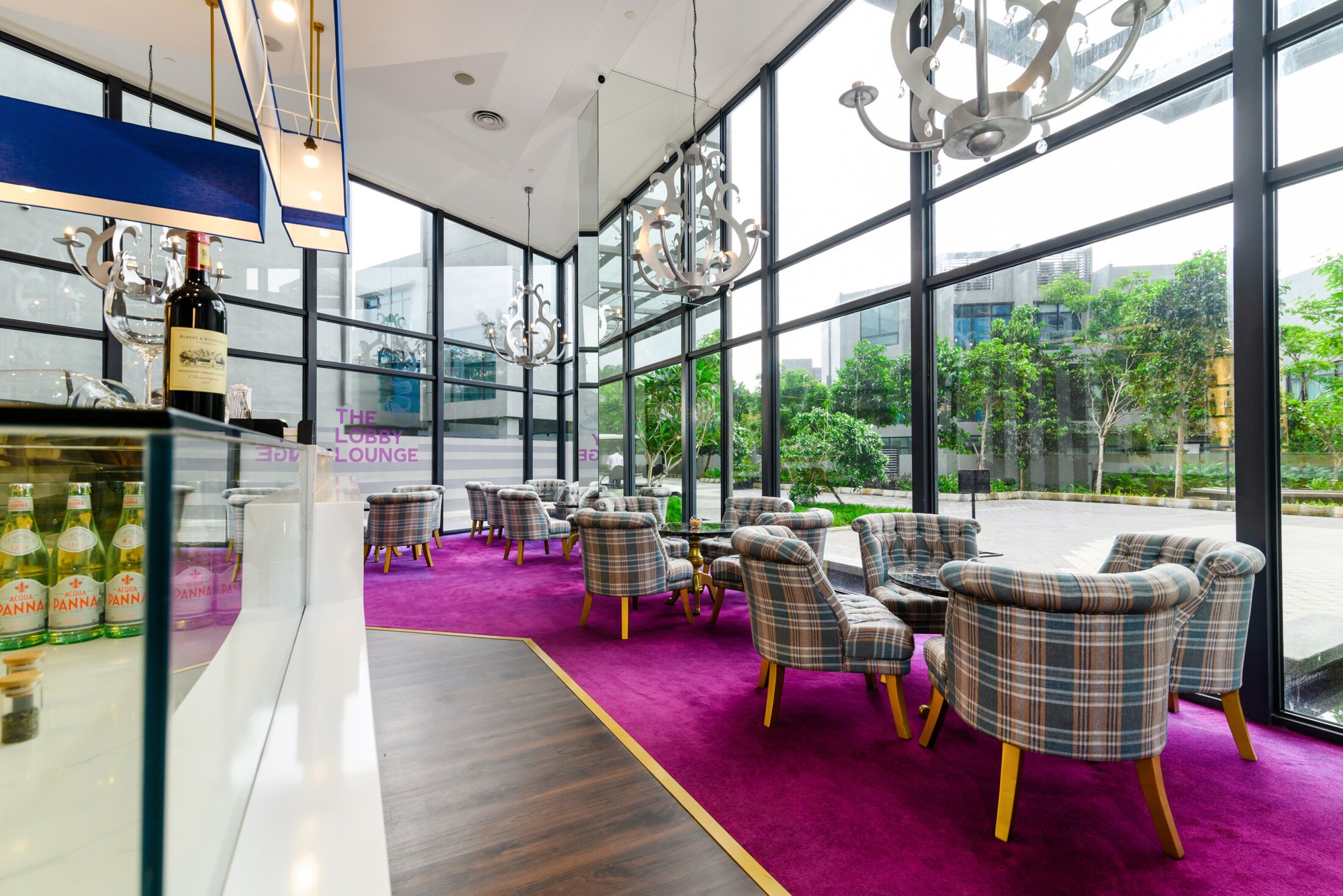
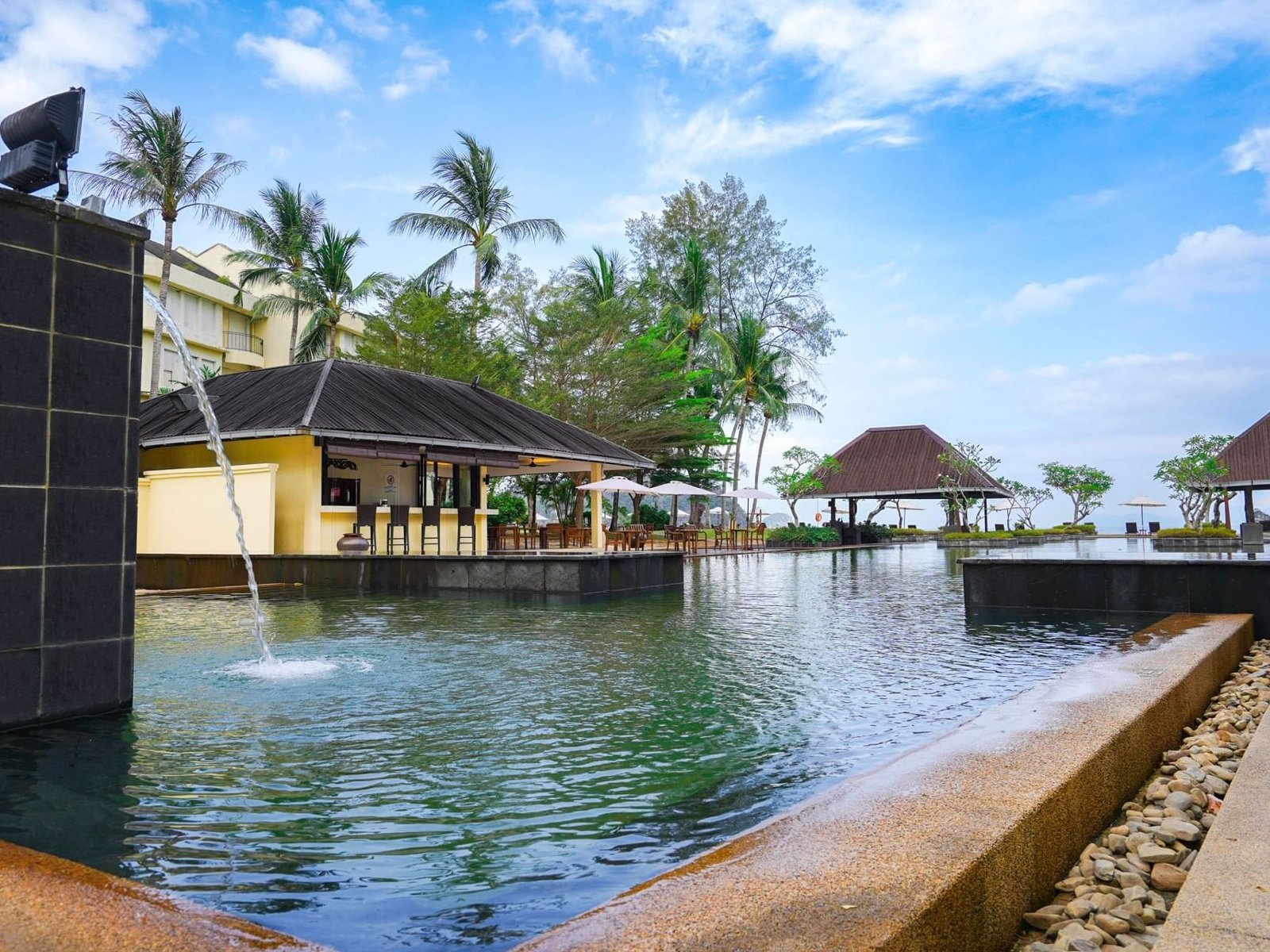
Serene and nostalgic with contemporary classic charm, featuring wooden heritage architecture, airy verandas, and lush tropical surroundings.
Tags
Vibe
Best For
Experience
Amenities
View
About the Stay
- Rooms
- 21
- Check-in
- 14:00
- Check-out
- 12:00
- Property Style
- Boutique Heritage Resort Featuring Restored Antique Houses in a Tropical Estate
- Design Style
- Eclectic Oriental Heritage with Authentic Malay, Chinese, and Colonial Architecture Blended with Contemporary Interiors
Know before you go
Know Before You Go
- Getting there
- Lot 1053, Jalan Pantai Chenang, Pantai Cenang, 07000 Langkawi, Kedah, Malaysia
Planning details
Location
Lot 1053, Jalan Pantai Chenang, Pantai Cenang, 07000 Langkawi, Kedah, Malaysia · Directions
Recognition and awards
Also consider
Where to look if this is not the fit
For a spa-and-resort-first Langkawi trip, start with Four Seasons Resort Langkawi, Malaysia or The Datai. Both are stronger choices when the hotel itself is meant to be the main plan.
For a more traditional luxury hotel feel, compare The Danna Langkawi and The Ritz-Carlton, Langkawi. They are safer picks for travelers who want a more structured resort experience than Temple Tree offers.
Hotel context
How It Compares
Temple Tree Resort Langkawi is the character-led choice in this Langkawi set. It is easier to recommend for travelers who want a relaxed Pantai Cenang base than for guests seeking a full resort bubble. The Ritz-Carlton, Langkawi is the stronger pick for a polished luxury stay with a more conventional resort feel, while The Datai is the better cross-shop for seclusion and a higher-sense-of-occasion escape.
The Danna Langkawi is likely the safer choice for travelers who want classic hotel service and a more formal atmosphere. Four Seasons Resort Langkawi, Malaysia should be the comparison if beach-resort amenities, wellness, and in-resort time are the point of the trip. Temple Tree makes more sense when value is measured by atmosphere and convenience rather than the size of the amenity list.
Irene Pool Villa Resort, Koh Lipe is not a direct Langkawi substitute because it sits outside the metro area, but it is relevant for travelers considering a wider island-hopping plan. Choose it only if the trip can absorb the extra logistics; choose Temple Tree if staying on Langkawi with easier local movement is the priority.
Explore Langkawi
Around this place
Discover more on Pearl
Unlock the full Temple Tree Resort Langkawi guide in Pearl, including awards, comparisons, FAQs, planning details, and nearby places.
Compare Temple Tree Resort Langkawi
| Venue | Location | Awards |
|---|---|---|
| Temple Tree Resort Langkawi | Langkawi | 2025 Michelin Selected Hotels |
| The Ritz-Carlton, Langkawi | Langkawi | 2026 Forbes Recommended2026 La Liste Top Hotels |
| The Danna Langkawi | Langkawi | Small Luxury Hotels Member 2025 |
| The Datai | Langkawi | 2026 Virtuoso Luxury Hotel Collection2026 Mr & Mrs Smith Luxury Hotels2026 La Liste Top HotelsLeading Hotels of the World 20262025 World’s 50 Best Hotels · #85Tatler Best Hotels Asia-Pacific 20252025 Michelin Selected Hotels |
| Four Seasons Resort Langkawi, Malaysia | Langkawi | 2026 La Liste Top HotelsWorld Travel Awards 2025Michelin 2 Keys 20252025 Michelin 2 Keys |
| Irene Pool Villa Resort, Koh Lipe | Ko Lipe | Michelin 1 Key 20252025 Michelin 1 Key |










How Temple Tree Resort Langkawi compares with similar nearby venues.
FAQ
Frequently Asked Questions
Do loyalty programs work at Temple Tree Resort Langkawi?
Temple Tree Resort Langkawi is listed in MICHELIN Guide Hotels Selected 2025. If loyalty benefits are important, compare the current booking terms at Temple Tree Resort Langkawi with options such as The Ritz-Carlton, Langkawi or Four Seasons Resort Langkawi, Malaysia.
How is the dining at Temple Tree Resort Langkawi?
Confirm cuisine style, restaurant names, menu format, price points, and signature dishes directly with the property. If dining is a major part of the trip, compare other Langkawi hotels and restaurants before booking.
Is Temple Tree Resort Langkawi family-friendly?
Temple Tree Resort Langkawi is in Langkawi and has a casual dress code, but travelers should confirm room setup, child policies, and relevant services directly with the property before booking.
How is the location of Temple Tree Resort Langkawi?
Temple Tree Resort Langkawi is in Langkawi. Confirm the exact address and location through the property or your booking channel before travel.
How is the pool and spa at Temple Tree Resort Langkawi?
Temple Tree Resort Langkawi is in Langkawi, has a casual dress code, and is listed in the MICHELIN Guide hotel selection for 2025. If pool or spa facilities are central to the stay, confirm them directly before booking.