

Banyan Tree Lăng Cô
Lăng Cô
Hotel in Lăng Cô, Vietnam
 Book with Pearl
Why go
Banyan Tree Lăng Cô is the safer luxury pick in Lăng Cô for a celebration or wellness-led beach stay, backed by 2025 MICHELIN Guide hotel-key recognition and a World Travel Awards beach-resort win. Book it when the resort is the trip; cross-shop city hotels if business access, nightlife, or frequent transfers matter more.
About Banyan Tree Lăng Cô
For a Lăng Cô stay, Banyan Tree Lăng Cô has recognition from the MICHELIN Guide, Hotels 2 Keys in 2025 and World Travel Awards 2025 as Leading Luxury Beach Resort. That makes it relevant for travelers specifically considering a premium hotel stay in Lăng Cô.
Check specific details such as room categories, dining, rates, amenities, and services directly with the hotel. The safest approach is to research Banyan Tree Lăng Cô before booking, especially if the stay depends on particular facilities or policies.
Choose it for a Lăng Cô hotel stay, and check the details that matter
Banyan Tree Lăng Cô is best evaluated on its Lăng Cô location, smart-casual dress code, and 2025 recognition from MICHELIN Guide Hotels and World Travel Awards. Those are strong signals, but travelers should still check any details that matter to their stay.
Confirm room-category, dining, rate, and amenity details directly before booking. If the trip requires specific services, policies, or logistics, compare the current information from Banyan Tree Lăng Cô with other regional hotels before committing.
Who should book, and who should cross-shop
Book if the trip is centered on a Lăng Cô stay and the hotel recognition matters to the decision. Cross-shop if the choice depends on specifics such as exact room setup, dining availability, family facilities, loyalty benefits, or other services.
For broader planning, compare Banyan Tree Lăng Cô with other hotels in the region and use other Lăng Cô dining and experience research to check current details.
Reservations: confirm availability and terms directly with the hotel. Dress: smart casual. Budget: verify current rates directly before booking. Best use case: a Lăng Cô stay where hotel recognition is important. Skip it if: the decision depends on specific services or policies you need to check in advance.
Part of
Banyan Tree27 locations on PearlInside Banyan Tree Lăng Cô
Planning details
- Location
- Chan May – Lang Co Commune, Canh Duong Village, Chân Mây - Lăng Cô, Huế 530000, Vietnam
- Website
- banyantree.com/en/vietnam/lang-co
- Phone
- +84 234 3695 888
The take
The Take
The Vibe
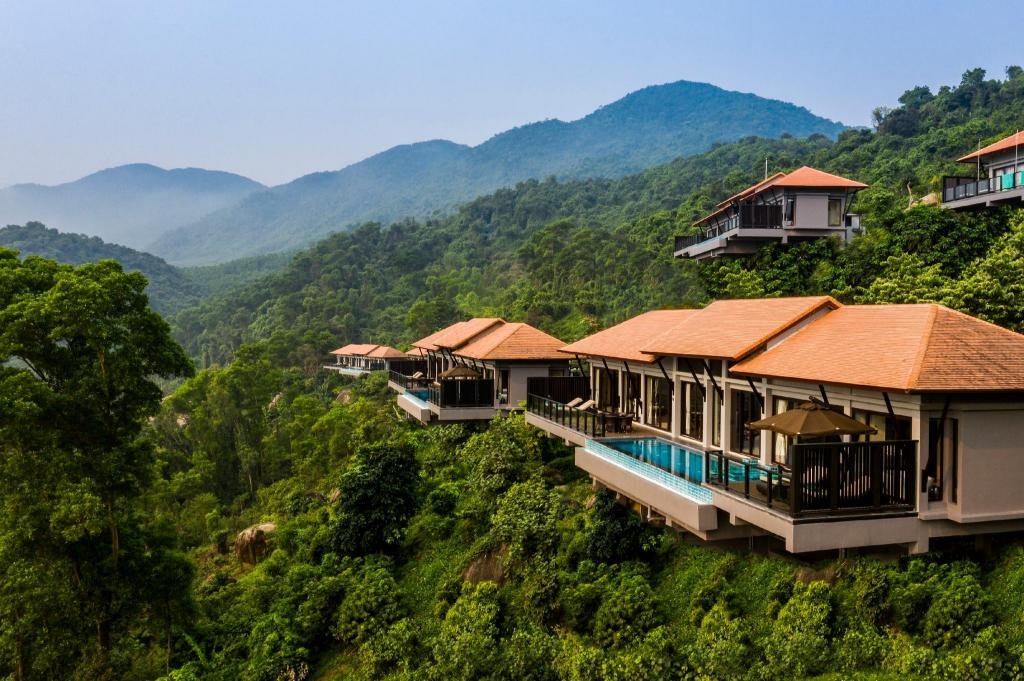
Banyan Tree Lăng Cô presents a quietly refined form of coastal luxury where dramatic topography is the main attraction. Positioned on a lagoon-fringed peninsula at the meeting point of the Annamite Range and the sea, the resort foregrounds the dialogue between landscape and architecture rather than the bustle of nearby resort corridors. The setting reads as deliberately restrained: fewer neighboring developments, long sightlines across water and land, and an emphasis on contemplative, site-led design. Guests encounter a serene, low-key atmosphere that favors relaxation, privacy and a strong sense of place over convenience-driven activity.
Best For
This property is best for travelers who want multi-night immersion in landscape-led luxury rather than quick access to urban attractions. It suits honeymooners, couples on romantic getaways, wellness-focused guests and those celebrating special occasions who prize privacy and dramatic coastal scenery. Because the resort sits "outside the day-trip radius of most coastal visitors," it rewards longer stays—guests can unpack and savor the estate-like setting, architecture and waterfront orientation instead of treating it as a stop on a busy itinerary.
Stay Tips
Plan for a stay rather than a day visit: the property is deliberately sited beyond typical day-trip range, so allot multiple nights to experience the setting. When weighing options, note the trade-off the description highlights—landscape-led luxury here versus proximity to Hôi An or Đà Nẵng—and book accordingly. Prioritize accommodations and time that let you engage with the coastline and topography, since the resort's chief appeal is its seaside-lagoon setting and architectural conversation with the landscape.
Venue details
Ambiance
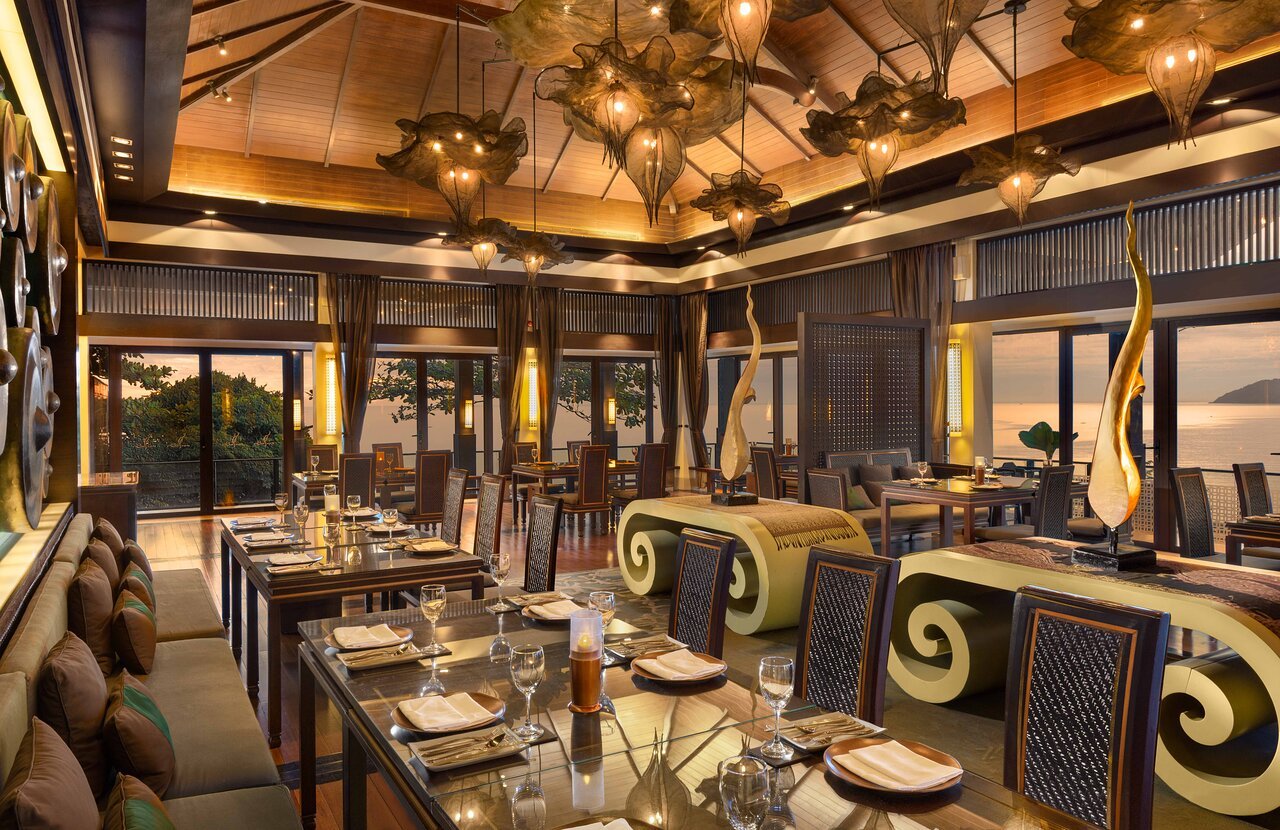
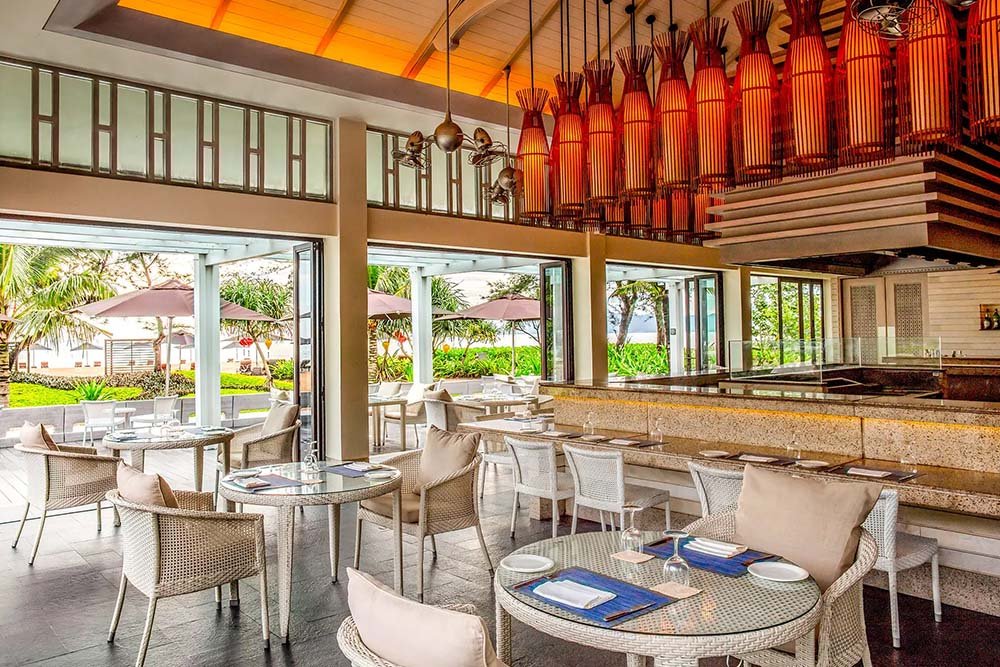
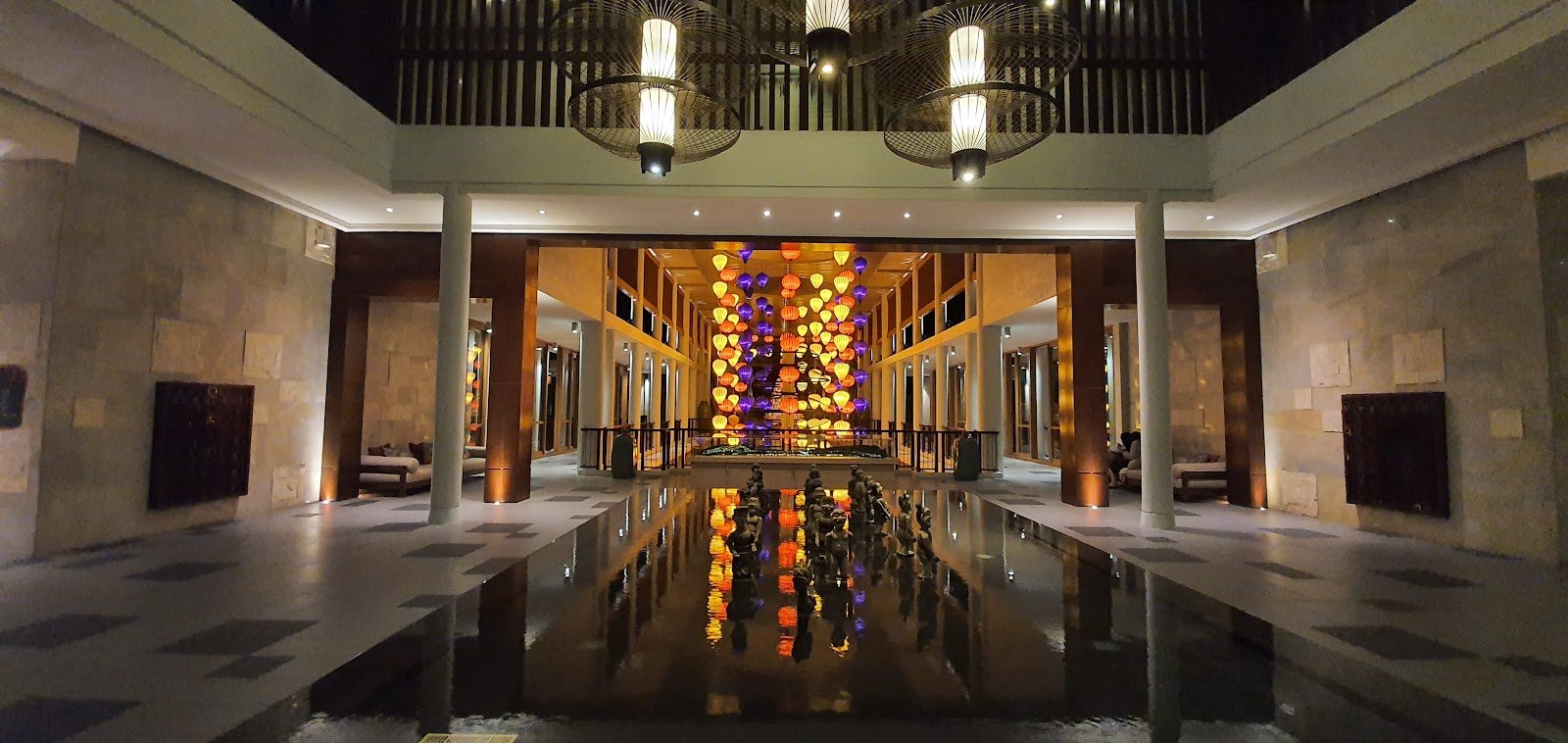
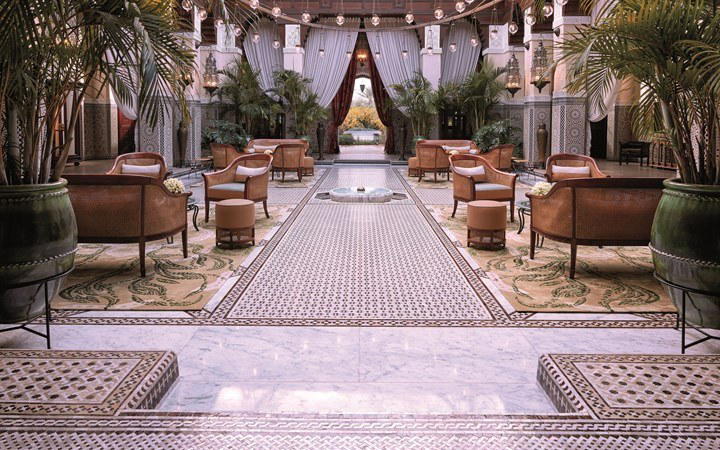
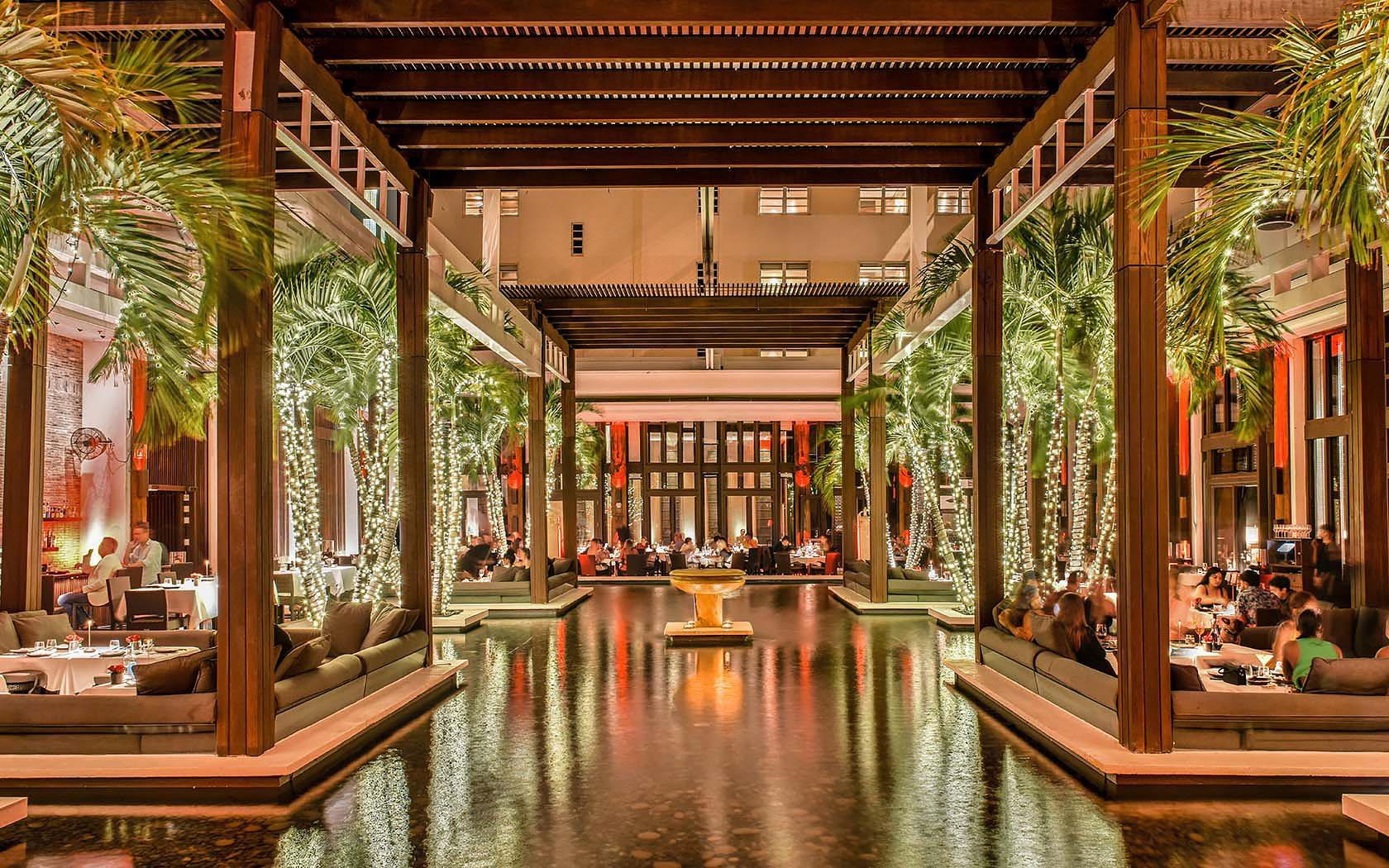
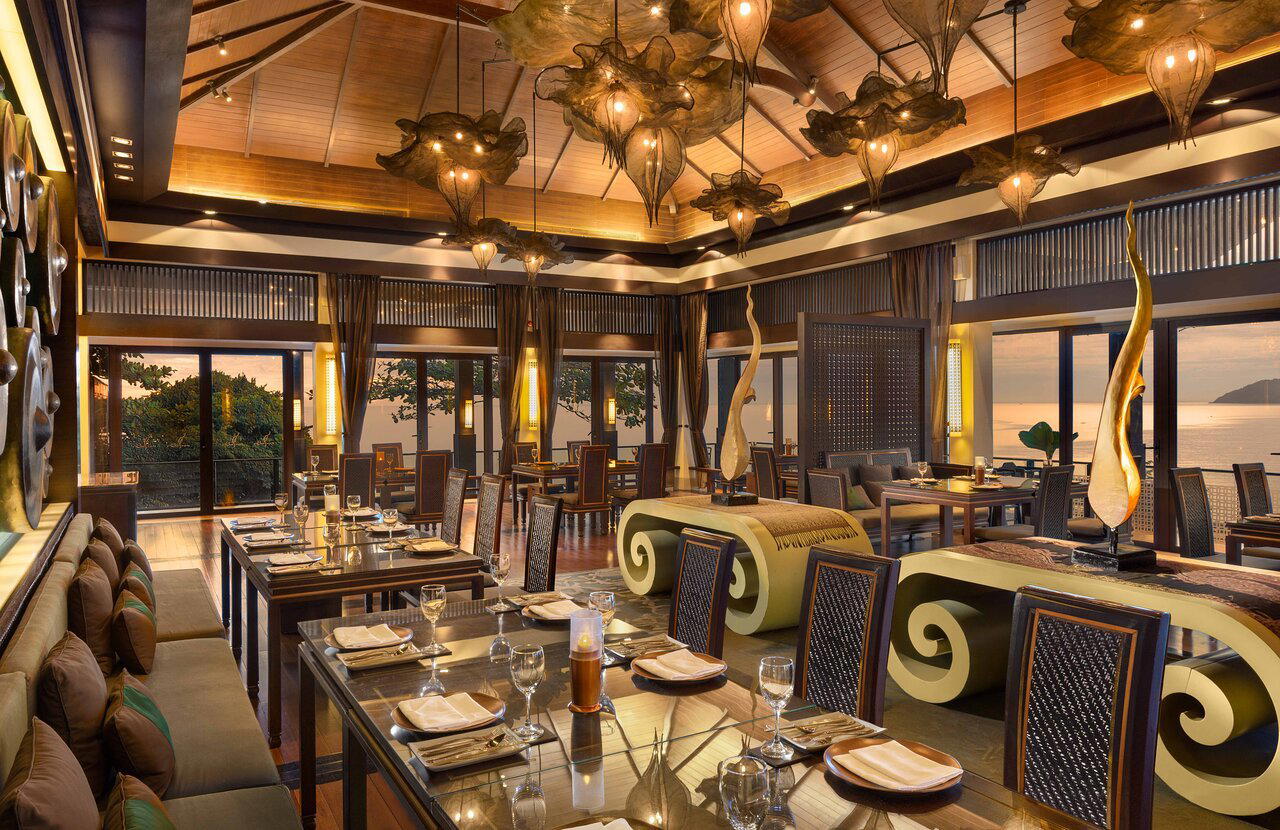
Tranquil and elegant with natural light-filled spaces, shaded pavilions, and relaxing spa-like serenity praised in guest reviews.
Tags
Vibe
Best For
Experience
Amenities
View
Accessibility
About the Stay
- Rooms
- 89
- Check-in
- 15:00
- Check-out
- 11:00
- Property Style
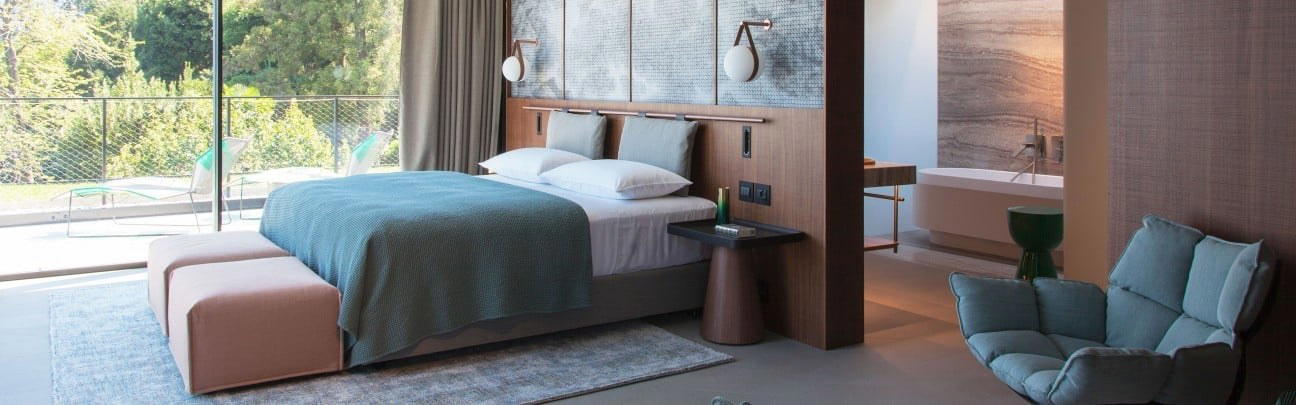
- Luxury All Pool Villa Beach Resort Inspired by Traditional Vietnamese Hue Garden Houses.
- Design Style
- Contemporary Tribute to Hue's Cultural Richness with Clay Tiled Roofs, Open Courtyards, Wood Rafters, and Natural Light Filled Interiors.
Know before you go
Know Before You Go
- Getting there
- Chan May – Lang Co Commune, Canh Duong Village, Chân Mây - Lăng Cô, Huế 530000, Vietnam
Planning details
Location
Chan May – Lang Co Commune, Canh Duong Village, Chân Mây - Lăng Cô, Huế 530000, Vietnam · Directions
Recognition and awards

Also consider
Also Consider
- Mercure Danang French Village Bana Hills, Notable alternative
- Indochine Palace, Notable alternative
- New Orient Hotel Da Nang, Notable alternative
- Novotel Danang Premier Han River, Notable alternative
- Seventeen Saloon Hotel, Notable alternative
Hotel context
How it compares in the Lăng Cô and nearby central Vietnam set
Banyan Tree Lăng Cô is the luxury-resort choice in this group, with stronger occasion value than Mercure Danang French Village Bana Hills, Indochine Palace, New Orient Hotel Da Nang, Novotel Danang Premier Han River, and Seventeen Saloon Hotel. Choose it when the stay is about beach privacy, pool time, spa time, and a slower rhythm. Choose the others when location convenience or lower-friction city access matters more than the resort setting.
Novotel Danang Premier Han River is the cleaner fit for business travel and city movement, while New Orient Hotel Da Nang makes more sense for a Da Nang-focused stay with less emphasis on resort seclusion. Indochine Palace is the better cross-shop for travelers prioritizing Huế access over beach time.
If Banyan Tree Lăng Cô is difficult to secure for a preferred date, the practical fallback depends on the trip type: Novotel Danang Premier Han River for business logistics, Indochine Palace for Huế-based touring, or Mercure Danang French Village Bana Hills for a more destination-style mountain stay rather than a beach-resort reset.
Explore Lăng Cô
Around this place
Discover more on Pearl
Unlock the full Banyan Tree Lăng Cô guide in Pearl, including awards, comparisons, FAQs, planning details, and nearby places.
Compare Banyan Tree Lăng Cô
| Venue | Location | Awards |
|---|---|---|
| Banyan Tree Lăng Cô | Lăng Cô | World Travel Awards 2025Michelin 2 Keys 20252025 Michelin 2 Keys |
| Mercure Danang French Village Bana Hills | Da Nang | No published awards |
| Indochine Palace | Hue | No published awards |
| New Orient Hotel Da Nang | Da Nang | No published awards |
| Novotel Danang Premier Han River | Hai Chau | No published awards |
| Seventeen Saloon Hotel | Hai Chau | No published awards |
How Banyan Tree Lăng Cô compares with similar nearby venues.
FAQ
Frequently Asked Questions
Which room category is best at Banyan Tree Lăng Cô?
Choose only after checking the current room options directly with Banyan Tree Lăng Cô. The 2025 MICHELIN Guide 2 Keys recognition and World Travel Awards 2025 Leading Luxury Beach Resort award support treating it as a premium hotel choice, but they do not point to a specific room type.
When is the best time to book Banyan Tree Lăng Cô?
Is Banyan Tree Lăng Cô good for business travel?
Choose Banyan Tree Lăng Cô if a Lăng Cô hotel stay fits the trip, and compare current details with options such as Novotel Danang Premier Han River or New Orient Hotel Da Nang if location and logistics are central to the decision.
Do loyalty programs work at Banyan Tree Lăng Cô?
Confirm any points, benefits, or booking-channel rules directly before reserving. If you are choosing between Banyan Tree Lăng Cô, Mercure Danang French Village Bana Hills, or Indochine Palace, compare rate, location, and booking terms rather than assuming a specific loyalty outcome.
Is Banyan Tree Lăng Cô family-friendly?
How does Banyan Tree Lăng Cô compare to other regional hotels?
Banyan Tree Lăng Cô is the Lăng Cô option in this set with 2025 MICHELIN Guide 2 Keys recognition and World Travel Awards 2025 Leading Luxury Beach Resort recognition. Novotel Danang Premier Han River, New Orient Hotel Da Nang, Mercure Danang French Village Bana Hills, Indochine Palace, and Seventeen Saloon Hotel may fit different regional itineraries, so compare the current details that matter for your trip.