
    Hotel in Lake Titicaca, Peru

    Titilaka

    350pts

    Altiplano Immersion Hospitality

    Titilaka, Hotel in Lake Titicaca

    About Titilaka

    Titilaka holds Two MICHELIN Keys (2025) on a private peninsula extending into Lake Titicaca, Peru. The property sits at 3,812 metres above sea level, placing it among the highest-altitude luxury hotels recognised by Michelin globally. Its architectural language responds directly to the altiplano setting, where the water, sky, and land compress into a single visual plane.

    A Peninsula at 3,812 Metres

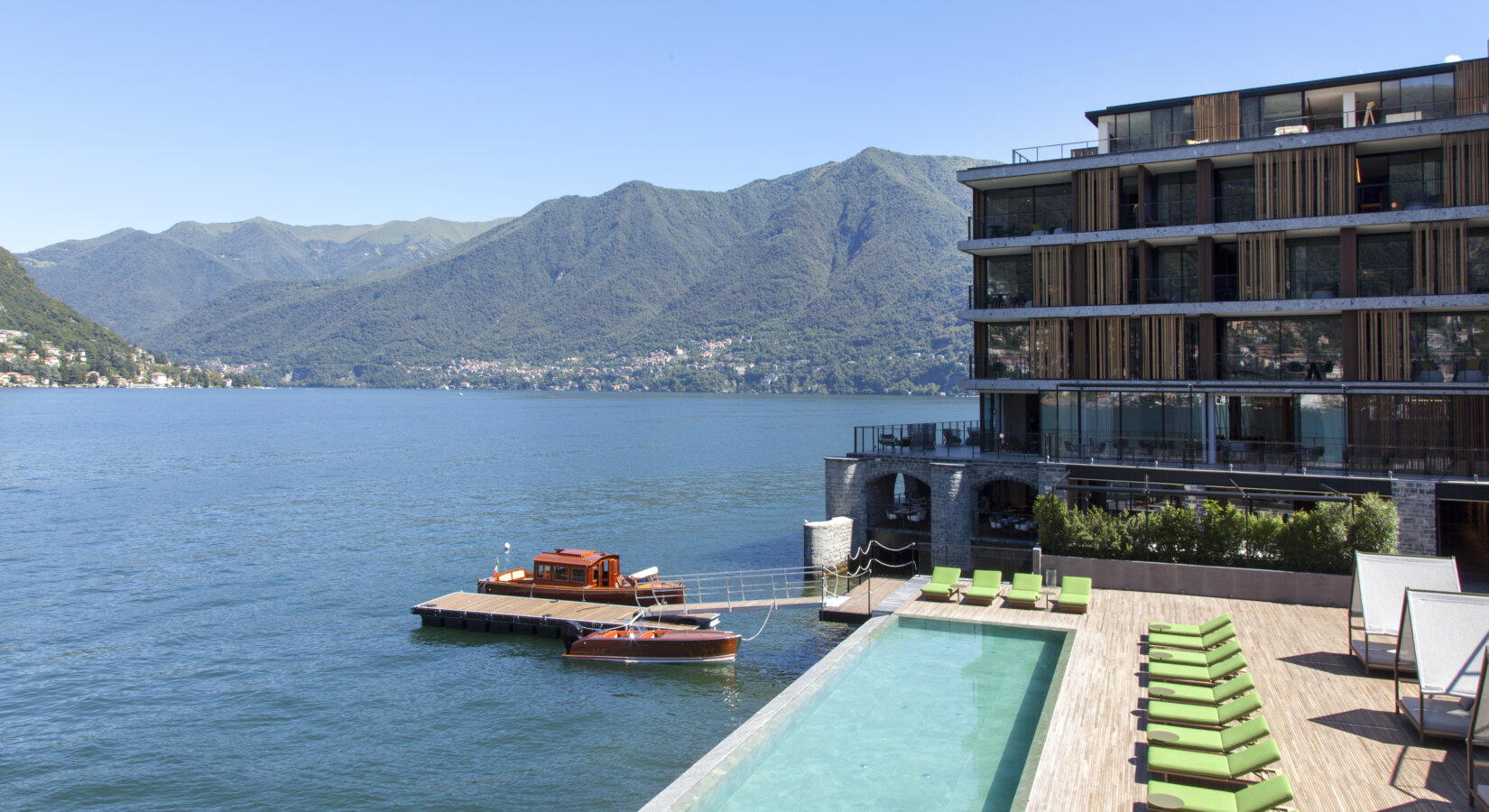
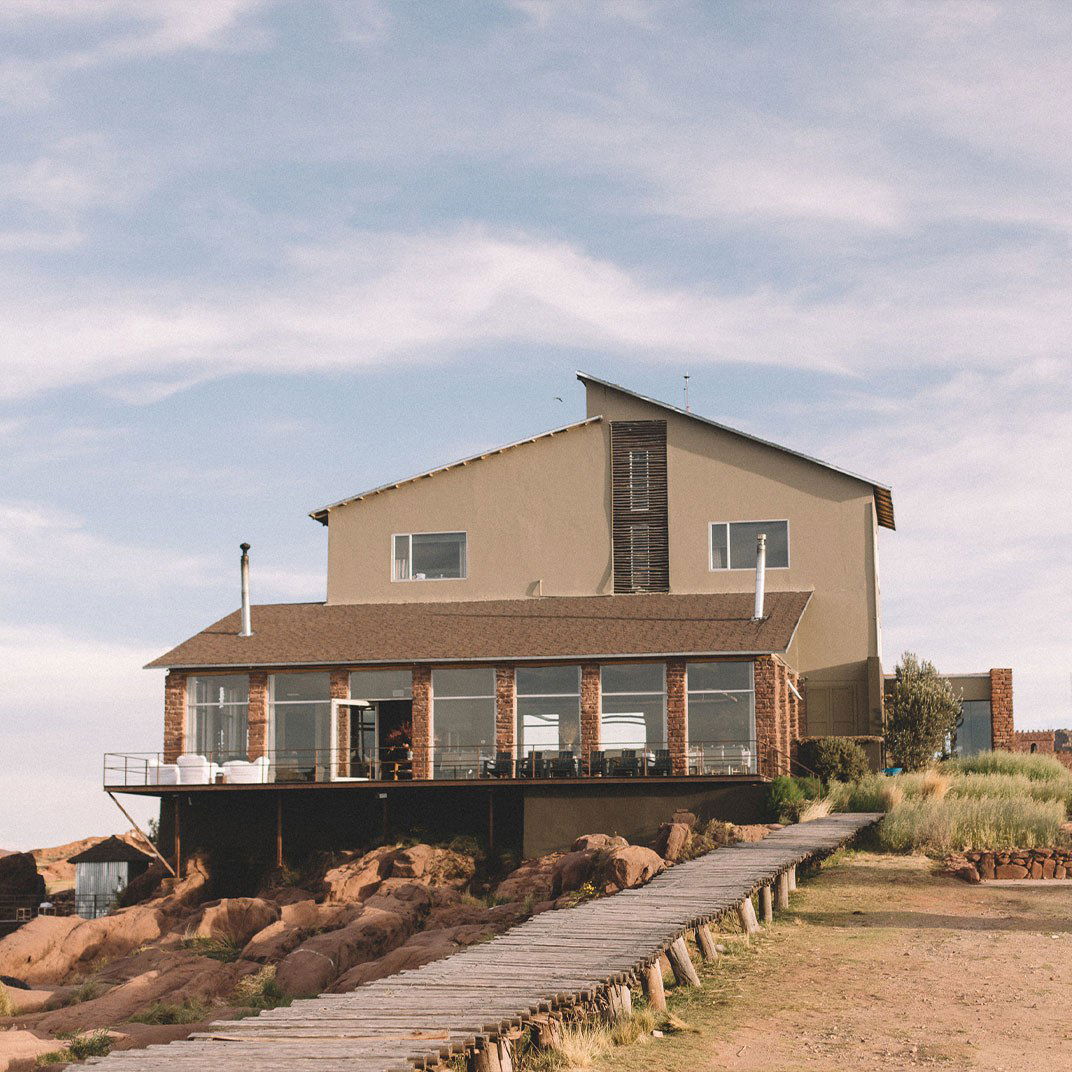
    At altitude, light behaves differently. On the Titilaka peninsula, which extends into Lake Titicaca from the Peruvian shore near Puno, the sky over the water is a deep, pressurised blue that has no equivalent at sea level. The building sits low against the land, its geometry horizontal rather than vertical, as though the architects understood that any structure here competes with one of the most visually commanding bodies of water on the continent. This is not a hotel that announces itself with height or ornamentation. It announces itself by positioning: the water is always in frame, from almost every public space and guest room.

    Lake Titicaca, straddling Peru and Bolivia at 3,812 metres above sea level, is the world's highest navigable lake by conventional definition, and the altiplano communities around it carry one of the Americas' densest concentrations of pre-Inca and Inca cultural history. That context matters when reading Titilaka's design choices. The property is neither a colonial pastiche nor a generic international lodge. Its architecture reads as a considered response to the specific conditions of the altiplano: the horizontal vastness, the quality of the light, the reed-and-stone vernacular of local construction translated into a language that belongs to this decade.

    Michelin awarded Titilaka Two Keys in its 2025 hotel guide, placing it in a tier that recognises not simply comfort but the coherence of the experience as a whole, architecture and setting included. In Peru, properties at this recognition level include a handful of addresses concentrated in Cusco and Lima. Titilaka's position on this list is notable precisely because Lake Titicaca sits outside the usual high-luxury circuit of the Inca Trail, meaning its Michelin standing is earned against the full weight of what the property offers on its own terms, in a location that demands more of a traveller than Cusco does. For context on Peru's broader luxury property set, see hotels such as Palacio Nazarenas in Cusco or Miraflores Park, A Belmond Hotel in Lima, which operate in more established visitor corridors.

    The Architecture as the Programme

    The design approach at Titilaka belongs to a broader tendency in South American luxury hospitality that emerged in the early 2000s and gathered momentum through the following decade: properties built around a specific landscape rather than imported wholesale from international hotel conventions. This is a different model from the grand Cusco colonial conversions, typified by addresses like Andenia Boutique Hotel in the Sacred Valley, where a historical structure provides the primary frame. Titilaka's frame is purely topographical and climatic.

    The peninsula setting means the property is surrounded on three sides by water, which creates an unusual acoustic and visual isolation. The building's orientation is organised around this fact. Public spaces face the lake, private spaces are calibrated to give guests uninterrupted water views, and the overall volume of the structure is kept low enough that the horizon remains the dominant architectural element. This is a compositional decision as much as a practical one: the architect is, in effect, curating the landscape rather than competing with it.

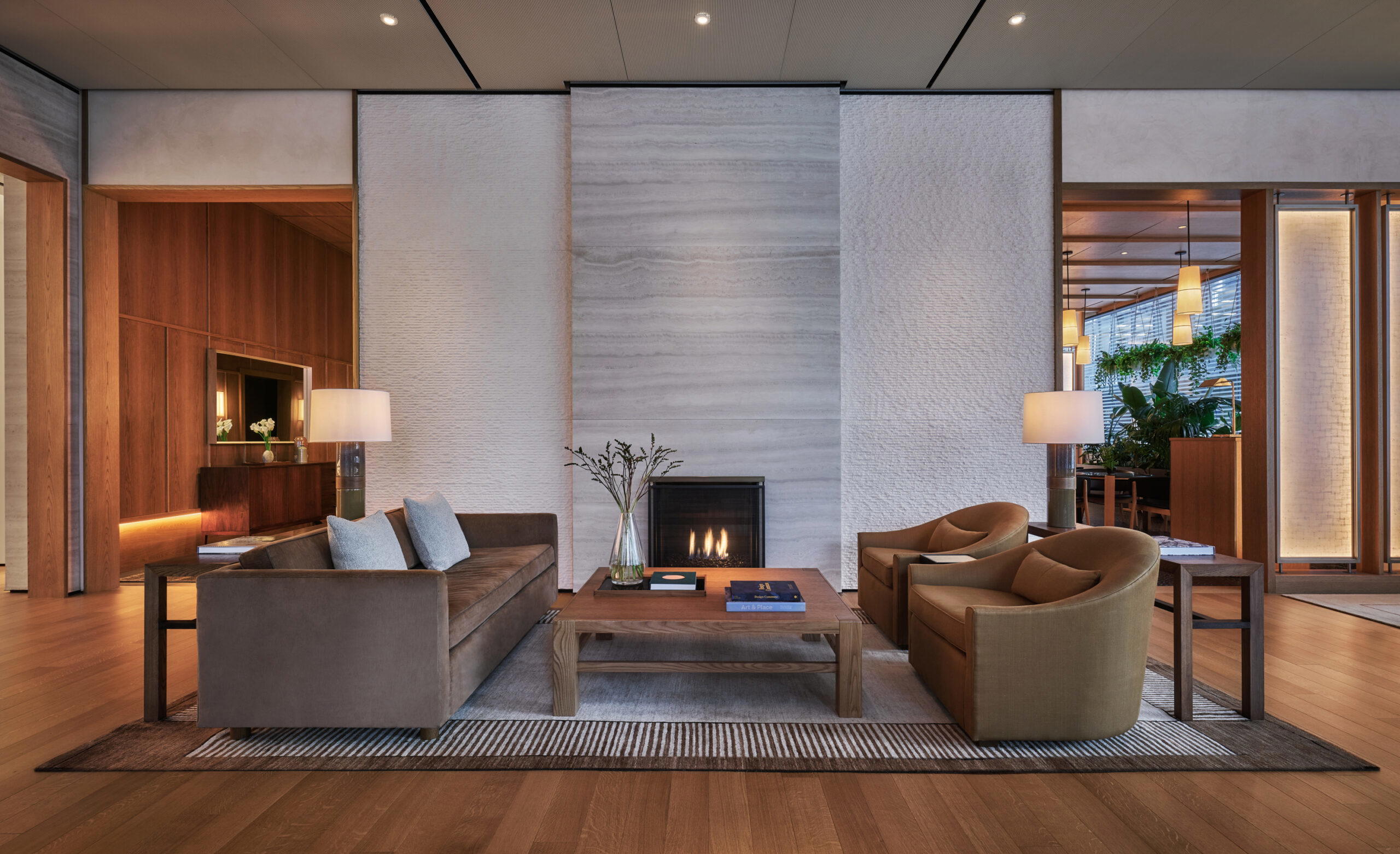
    Materials used in the construction draw from the region's palette. Stone and textiles referencing Andean craft traditions appear in interior finishes without tipping into decorative folklore. The colour range tracks the altiplano itself: ochres, deep reds, the specific grey-blue of the lake under afternoon cloud. The result is an interior that reads as locally inflected rather than locally themed, a distinction that separates this kind of property from the staged rusticity that characterises some high-altitude lodges elsewhere in the Andes.

    What a Stay Here Actually Requires

    Arriving at Lake Titicaca requires either a flight to Juliaca (the nearest commercial airport, approximately an hour from Puno) or the long overland route from Cusco, which most travellers combine with stops along the way. The altitude requires acclimatisation; guests arriving from sea level or even from Cusco's 3,400 metres will feel the additional 400 metres that Titicaca adds. Serious altitude symptoms are less common in people who have already spent two to three days at Cusco-level elevation before continuing south, and most itineraries to this part of Peru are structured accordingly.

    The remoteness of the peninsula is part of what the property offers, but it also means that arriving here is a commitment. Titilaka is not a stopover hotel. The experience is built around the lake itself, with excursions to the floating Uros islands, the island of Taquile, and the Bolivian side available through the property. For those building a longer Peruvian itinerary, properties like Sanctuary Lodge at Machu Picchu, Inkaterra Reserva Amazonica in Tambopata, or Las Casitas, A Belmond Hotel in Arequipa form logical extensions of an itinerary that moves from the Amazon basin through the Andes to the altiplano. The Arequipa-to-Titicaca corridor is particularly coherent as a sequence, passing through canyon country before the landscape opens onto the high plateau.

    For those exploring further north, Inkaterra Hacienda Concepción in Puerto Maldonado, Hotel Kuelap in Utcubamba, and Delfin Amazon Cruises departing from Iquitos represent the Peruvian Amazon end of the spectrum, as different from the altiplano in climate and culture as anywhere in South America. Hotel Paracas and Arennas Máncora anchor the Pacific coast options. See our full Lake Titicaca restaurants and hotels guide for regional planning context.

    Additional Peru properties worth considering for a full circuit include Willka T'ika in Urubamba, Sumaq Machu Picchu Hotel in Aguas Calientes, Puqio in Yanque, Cirqa in Arequipa, Tinajani in Cañon de Tinajani, and Inkaterra Cabo Blanco on the northern coast. For those approaching a Peruvian trip as part of a longer South American or global circuit, international reference points in the Two Key tier include addresses like Aman Venice, Cipriani in Venice, Badrutt's Palace in St. Moritz, Hôtel de Paris Monte-Carlo, and Bvlgari Hotel Tokyo, which provide a useful calibration for what Michelin's Two Keys designation signals in practice. The Fifth Avenue Hotel in New York and Titilaka in Puno round out the reference set for travellers mapping the full Michelin Keys spectrum across different markets.

    Planning Notes

    The dry season on the altiplano runs roughly from May through October, when skies are clearer, temperatures drop significantly at night, and the lake surface is at its calmest for excursions. The wet season (November through April) brings afternoon rains and occasionally stronger winds but also greener surroundings and fewer visitors. Both periods are viable; the choice depends on tolerance for cold nights versus preference for a quieter property.

    Frequently Asked Questions

    What is the general vibe of Titilaka?
    The property reads as quiet and deliberately remote. It holds Two MICHELIN Keys (2025), which signals a high level of overall coherence rather than simply hotel amenities. The setting on a private peninsula means the lake is the constant reference point. This is not a social or event-driven property; the tone is closer to a serious design lodge oriented around landscape and excursion rather than a resort organised around facilities.
    What is the leading room type at Titilaka?
    Given the Two MICHELIN Keys recognition and the architectural priority placed on lake views, rooms facing the water on three sides of the peninsula will capture the full visual logic of the building's positioning. Specific room categories and configurations are leading confirmed directly with the property or through a specialist travel consultant familiar with the current room inventory.
    Why do people go to Titilaka?
    Lake Titicaca draws visitors for its altitude, its cultural significance to Andean civilisations, and its geographical drama. Titilaka provides access to all of that from a base with Michelin-recognised standards, in a country where the competing luxury properties are concentrated in Cusco and Lima. For travellers routing a full Peru circuit, the lake represents the high-altitude conclusion of an itinerary that might begin in the Amazon or on the Pacific coast, and Titilaka is among the most formally recognised addresses for that stop.

    Recognized By

    Keep this place

    Save or rate Titilaka on Pearl

    Keep this venue in your Pearl passport, rate it after you visit, and track it alongside every other place you collect.