
Le Suquet, Sébastien Bras
Laguiole
Hotel in Laguiole, France
 Book with Pearl
The Read
Aubrac Plateau Cuisine
Price
$300–500per night
Why go
Le Suquet, Sébastien Bras is the Laguiole choice for travelers who value service, setting, and a destination-hotel rhythm over simple convenience. The 2026 Relais Châteaux recognition is the key trust signal, and booking is listed as easy, making it better for a planned countryside stay than a scarcity-driven chase.
About Le Suquet, Sébastien Bras
For a trip to Laguiole, Le Suquet, Sébastien Bras is best approached as a smart-casual venue with Relais Chateaux Award (2026) recognition. Those facts can help frame expectations, while menu details, room categories, service formats, and travel logistics should be checked directly before planning around them.
The strongest case for Le Suquet, Sébastien Bras is its recognition and the basic expectation set by the dress code. The Relais Chateaux Award (2026) gives travelers a useful signal when comparing options for a trip to Laguiole. That does not automatically make it the right choice for every traveler. It makes most sense when the visit itself is the priority and when smart-casual expectations fit the occasion.
Choose it when the confirmed signals fit your trip
Le Suquet, Sébastien Bras suits a planned Laguiole stop rather than an improvised one. Decide based on the venue name, the smart-casual dress code, and the Relais Chateaux Award (2026), then confirm practical details directly before committing.
That also sets the trade-off. If a trip depends on specific opening times, lunch availability, dietary accommodations, take-out, delivery, or particular room features, those details should not be assumed; check them directly with the venue. The better use case is a deliberate visit to Laguiole where the known recognition and dress expectations match what you want from the occasion.
For Laguiole, this is a recognition-led choice
For a trip anchored in Laguiole, Le Suquet, Sébastien Bras is an option with a clear recognition signal. Readers who want another point of comparison can look at Restaurant Serge Vieira if the route works. Chez Camillou, Hôtel des Carmes, La Borie d'Hélipse, or Sodade may also be worth comparing, depending on the shape of the trip.
Treat planning as a confirmation exercise rather than a last-minute assumption. Check the venue directly for current availability, timing, and any requirements before arranging the trip. For a broader local scan, use the Laguiole restaurants guide before committing.
Inside Le Suquet, Sébastien Bras
Planning details
- Location
- Route de Laguiole, 12210 Laguiole
- Website
- bras.fr
- Phone
- +33 5 65 51 18 20
The take
The Take
The Vibe
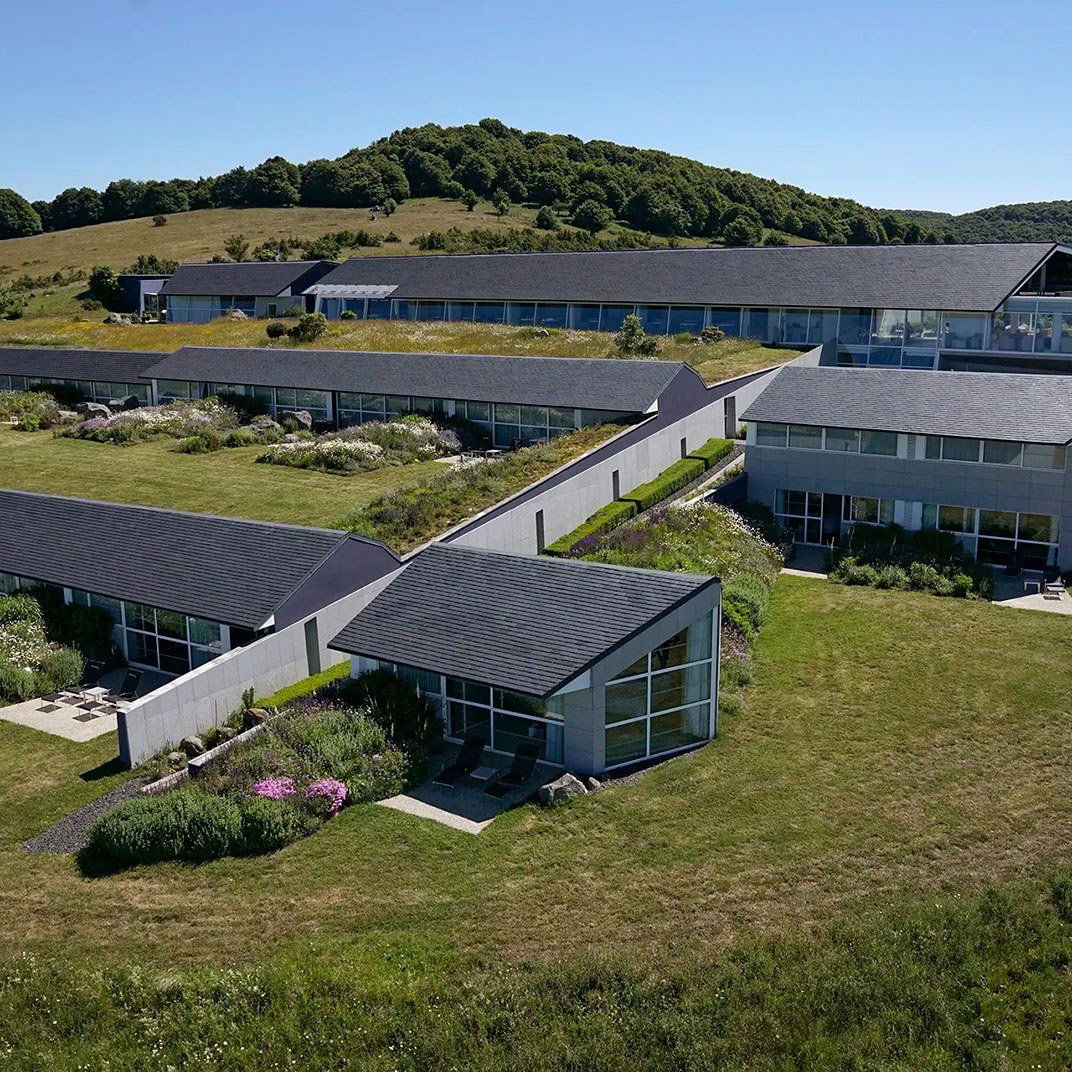
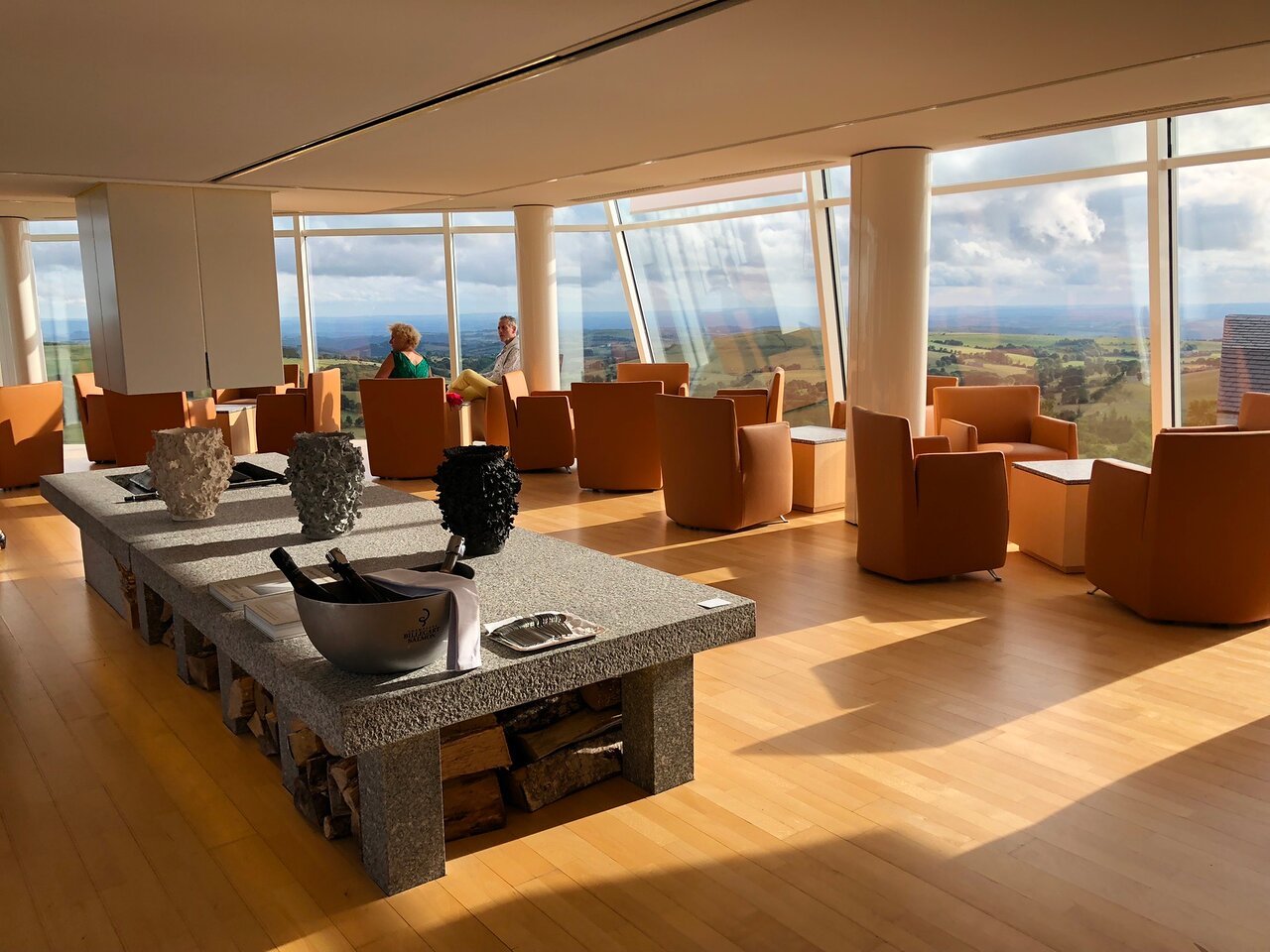
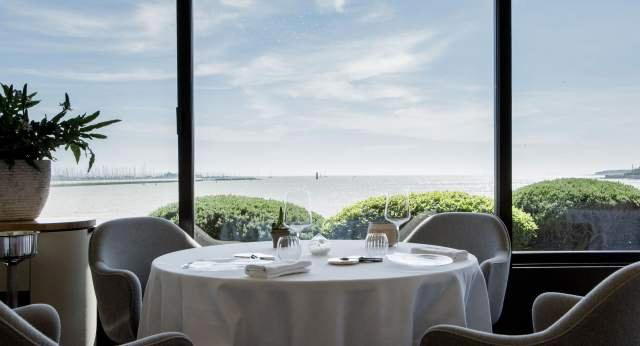
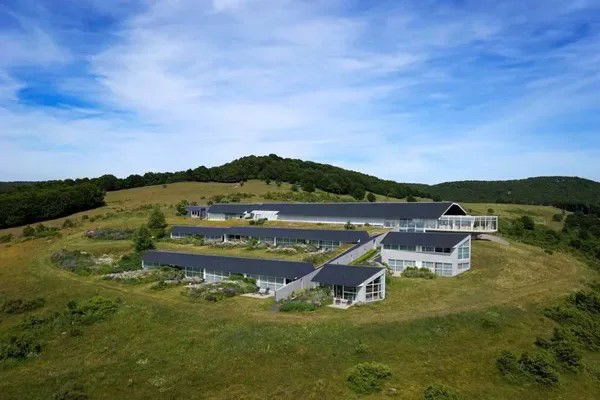
Le Suquet reads as a quietly rigorous response to its high‑plateau setting. The architecture—stone, wood and glass in measured proportion—favors material honesty over ornament, and the house is described as settling into the land rather than asserting itself. That regional modernism produces a restrained, minimalist elegance: interiors are composed around the view so the landscape functions as part of the room. The result is an intimate, serene fine‑dining atmosphere where remoteness and precise design combine to focus attention on the scene outside and the ceremoniousness of the meal within.
Best For
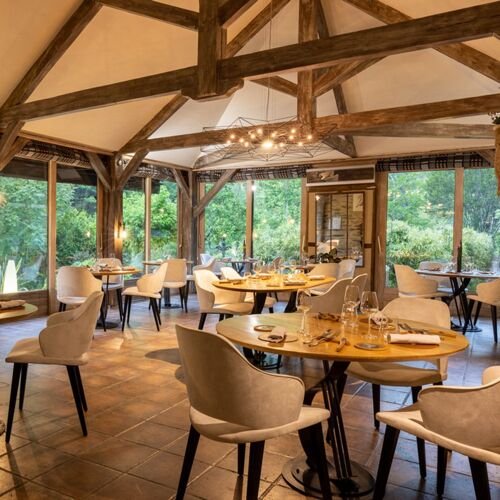
Le Suquet is a destination for diners who make travel decisions around food and landscape. With one Michelin star and a dining room oriented to the Aubrac plateau, it suits people planning a deliberate, special‑occasion visit—those who prioritize provenance, design and a landscape‑led experience. The property peaks in long summer evenings (noted as peak season in May, July and August), when the plateau light becomes integral to the meal, so visitors seeking a seasonal, contemplative dinner in a remote setting will find it most rewarding.
Venue details
Ambiance
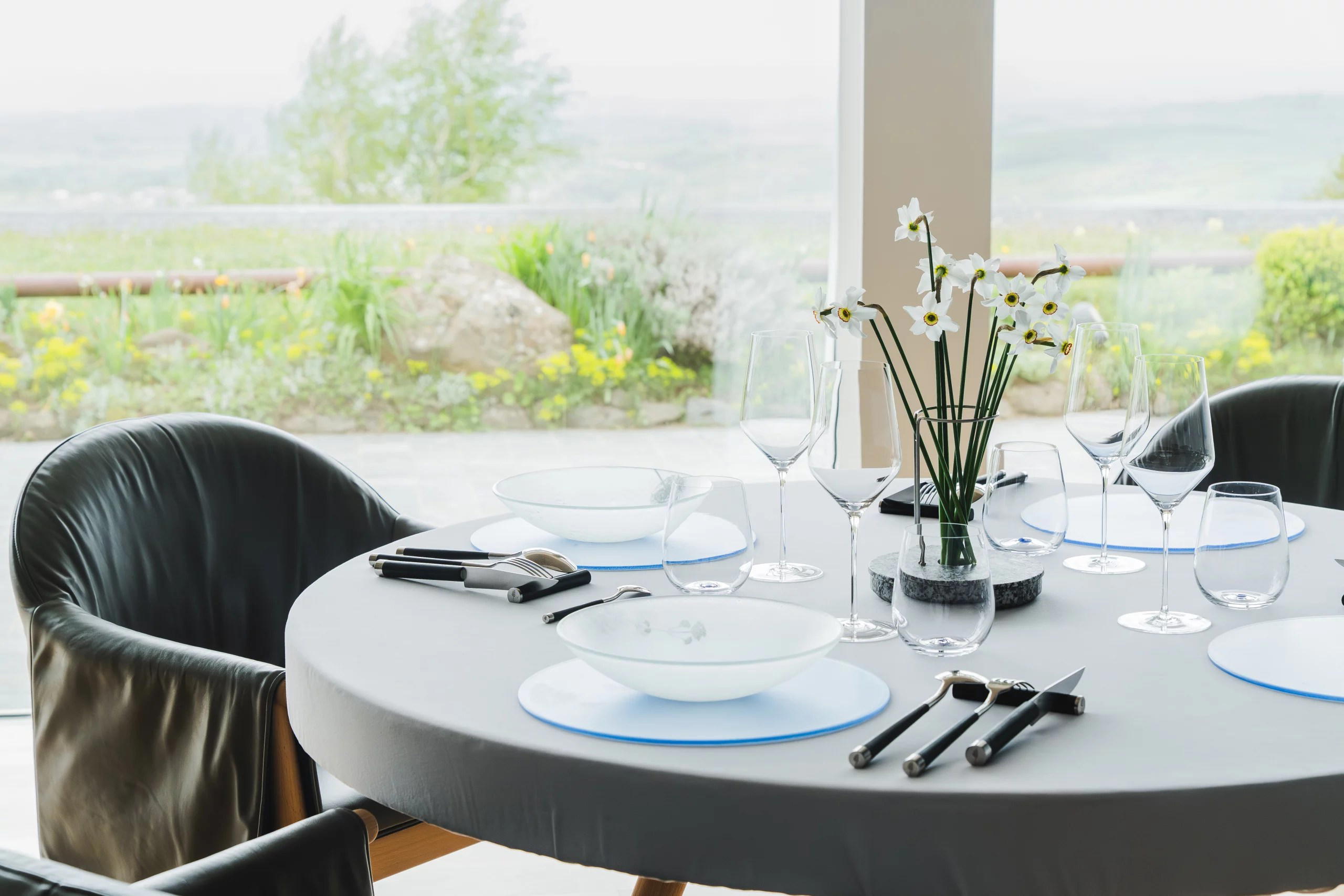
Light-filled spaces with large glass walls offering breathtaking views of the surrounding nature, creating a serene and immersive connection to the landscape.
Tags
Vibe
Best For
Experience
Amenities
View
Accessibility
About the Stay
- Rooms
- 13
- Property Type
- Boutique hotel
- Property Style
- Contemporary Vernacular Architecture Blending with the Aubrac Landscape
- Design Style
- Minimalist with Natural Light and Panoramic Glass Walls
- Pets
- Allowed
Know before you go
Know Before You Go
- Getting there
- Route de Laguiole, 12210 Laguiole
Planning details
Location
Recognition and awards

Also consider
Also Consider
- Restaurant Serge Vieira, Notable alternative
- Sodade, Notable alternative
- Chez Camillou, Notable alternative
- Hôtel des Carmes, Notable alternative
- La Borie d'Hélipse, Notable alternative
Hotel context
How it compares in and around Laguiole
Le Suquet, Sébastien Bras is the splurge-leaning pick for travelers who want the stay itself to carry the trip. Its 2026 Relais Châteaux recognition gives it a clearer hospitality signal than simpler local bases, and the easy booking difficulty makes it less stressful than many destination dining hotels. Choose it when service polish and a composed rural setting matter more than shaving down the nightly spend.
Restaurant Serge Vieira is the stronger cross-shop for readers willing to travel beyond Laguiole for another dining-led experience. Sodade is better considered if the priority is a different out-of-metro routing rather than committing the trip to Aubrac. For a value-seeker, the question is not which name sounds grander; it is whether the itinerary gives enough time for a destination property to justify itself.
Chez Camillou, Hôtel des Carmes, and La Borie d'Hélipse are the practical alternatives to check when the trip needs easier logistics, a simpler overnight, or a less experience-heavy feel. Pick Le Suquet, Sébastien Bras for ambience and staff-led hospitality; cross-shop those three when the hotel is mainly a base.
Explore Laguiole
Around this place
Discover more on Pearl
Unlock the full Le Suquet, Sébastien Bras guide in Pearl, including awards, comparisons, FAQs, planning details, and nearby places.
Compare Le Suquet, Sébastien Bras
| Venue | Location | Awards |
|---|---|---|
| Le Suquet, Sébastien Bras | Laguiole | 2026 Relais Chateaux Hotels2025 Relais Chateaux Award |
| Restaurant Serge Vieira | Chaudes-Aigues | 2026 Relais Chateaux Hotels2025 Relais Chateaux Award |
| Sodade | Chaudes-Aigues | No published awards |
| Chez Camillou | Aumont-Aubrac | No published awards |
| Hôtel des Carmes | Aurillac | No published awards |
| La Borie d'Hélipse | Tournemire | No published awards |
How Le Suquet, Sébastien Bras compares with similar nearby venues.
FAQ
Frequently Asked Questions
How is the dining at Le Suquet, Sébastien Bras?
For cuisine, dishes, pricing, hours, and menu format, check directly with the venue. The smart-casual dress code and Relais Chateaux Award (2026) point to a considered visit.
Do loyalty programs work at Le Suquet, Sébastien Bras?
Plan around the core details: the venue is in Laguiole, has a smart-casual dress code, and carries a Relais Chateaux Award (2026). Ask the venue directly about any loyalty-program arrangements.
How is the location of Le Suquet, Sébastien Bras?
Is Le Suquet, Sébastien Bras family-friendly?
The smart-casual dress code suggests checking expectations with the venue before planning a visit with children.