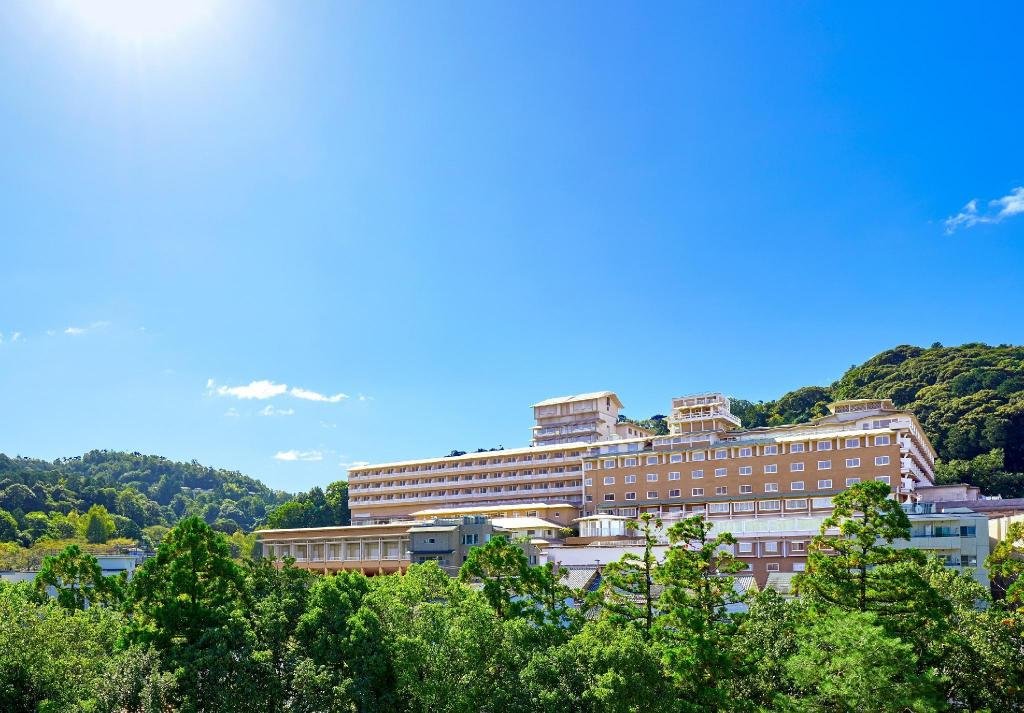


The Westin Miyako Hotel Kyoto
Higashiyama, Kyoto
Hotel in Kyoto, Japan
 Book with Pearl
Why go
A strong Kyoto choice if you want a full-service Higashiyama base rather than a compact city-center stay. The Westin Miyako Hotel Kyoto makes sense for temple-and-garden itineraries, early planners, and travelers who value hotel breadth over boutique intimacy; cross-shop smaller Higashiyama and Okazaki peers if atmosphere matters more than brand-scale infrastructure.
About The Westin Miyako Hotel Kyoto
Should you stay at The Westin Miyako Hotel Kyoto in 2026? It is a Kyoto hotel with Forbes Recommended (2026) and Star Wine List (2026) recognition. Beyond those recognitions and a smart casual dress code, confirm details such as exact facilities, dining formats, pricing, hours, room counts, and service inclusions directly before booking.
The decision point is fit. If you are comparing hotels in Kyoto, The Westin Miyako Hotel Kyoto is a recognized option and then verify the practical details that matter for your trip. For broader planning, compare it with other options in the Kyoto hotels guide.
A Kyoto base with confirmed recognition
The Westin Miyako Hotel Kyoto is best described as a Kyoto hotel with Forbes Recommended (2026) and Star Wine List (2026) recognition. Those are the grounded reasons to keep it on a shortlist; more specific claims about neighborhood feel, amenities, service format, or dining style should not be assumed without checking current hotel information.
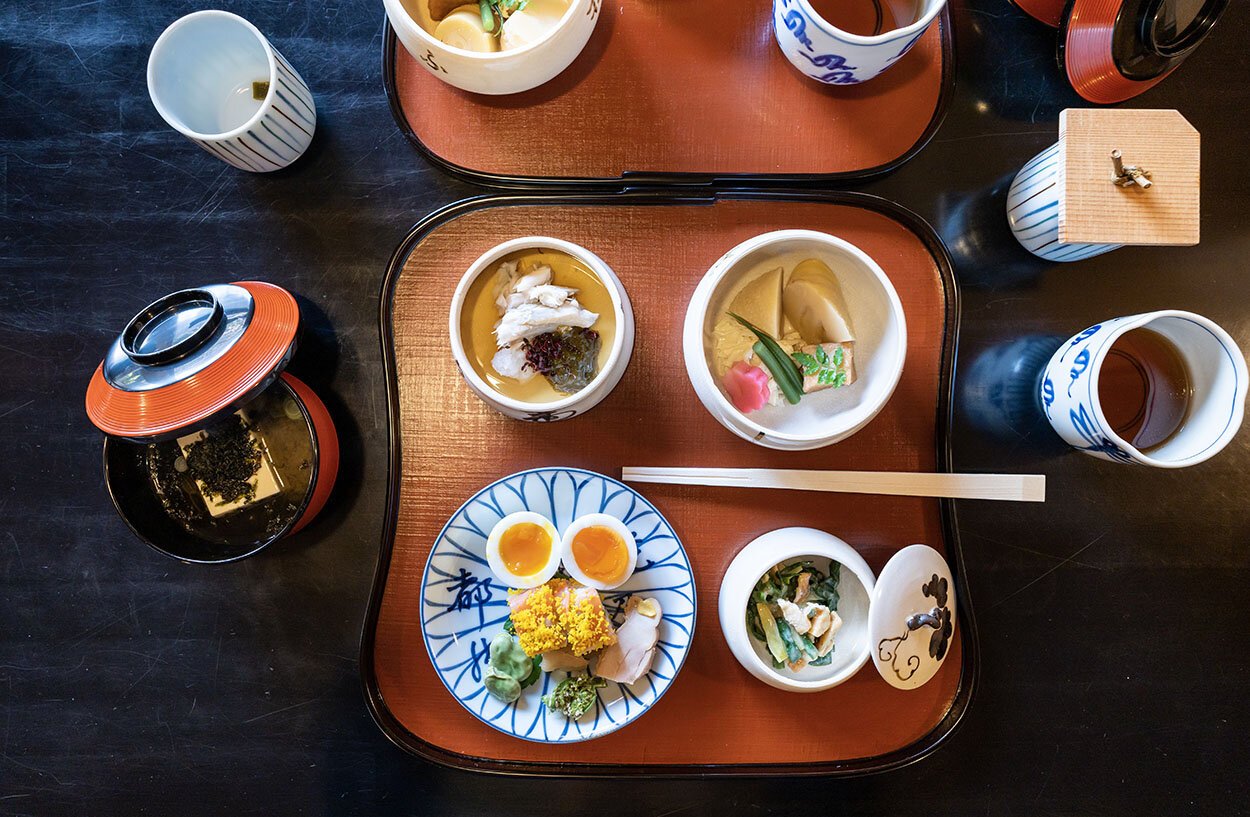
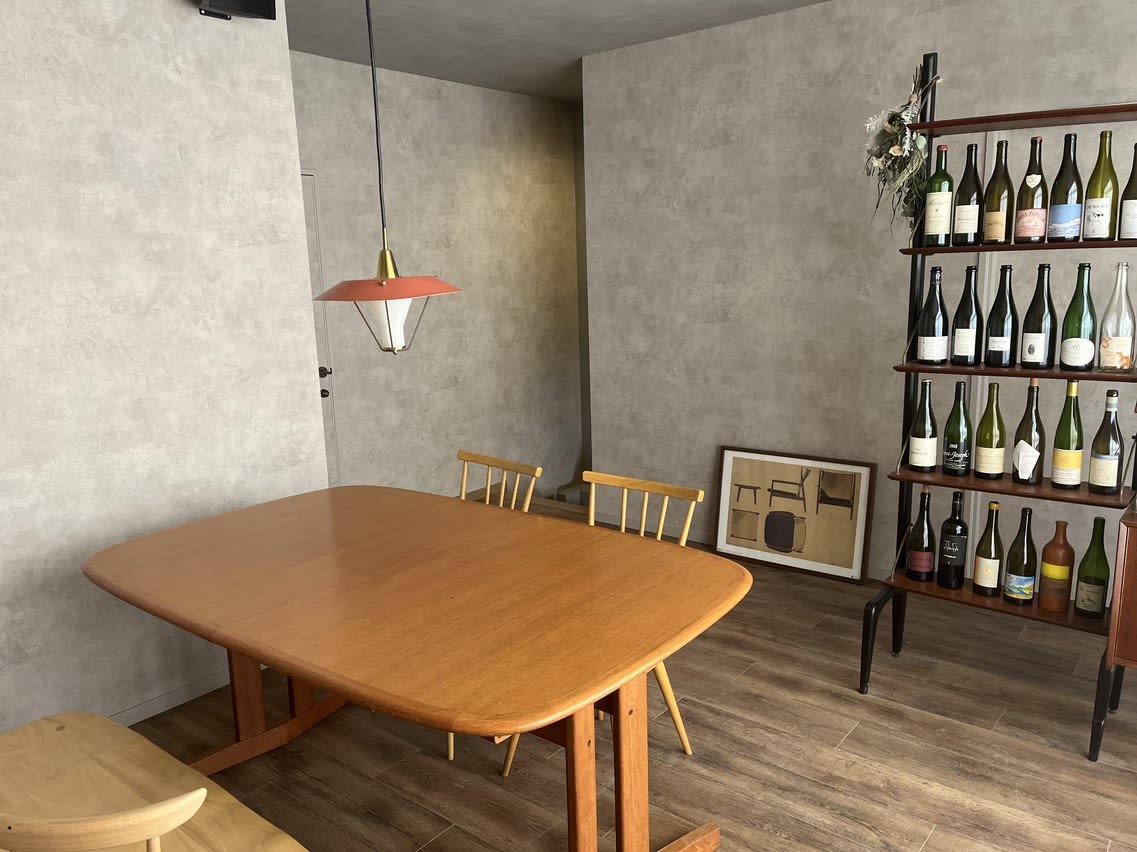
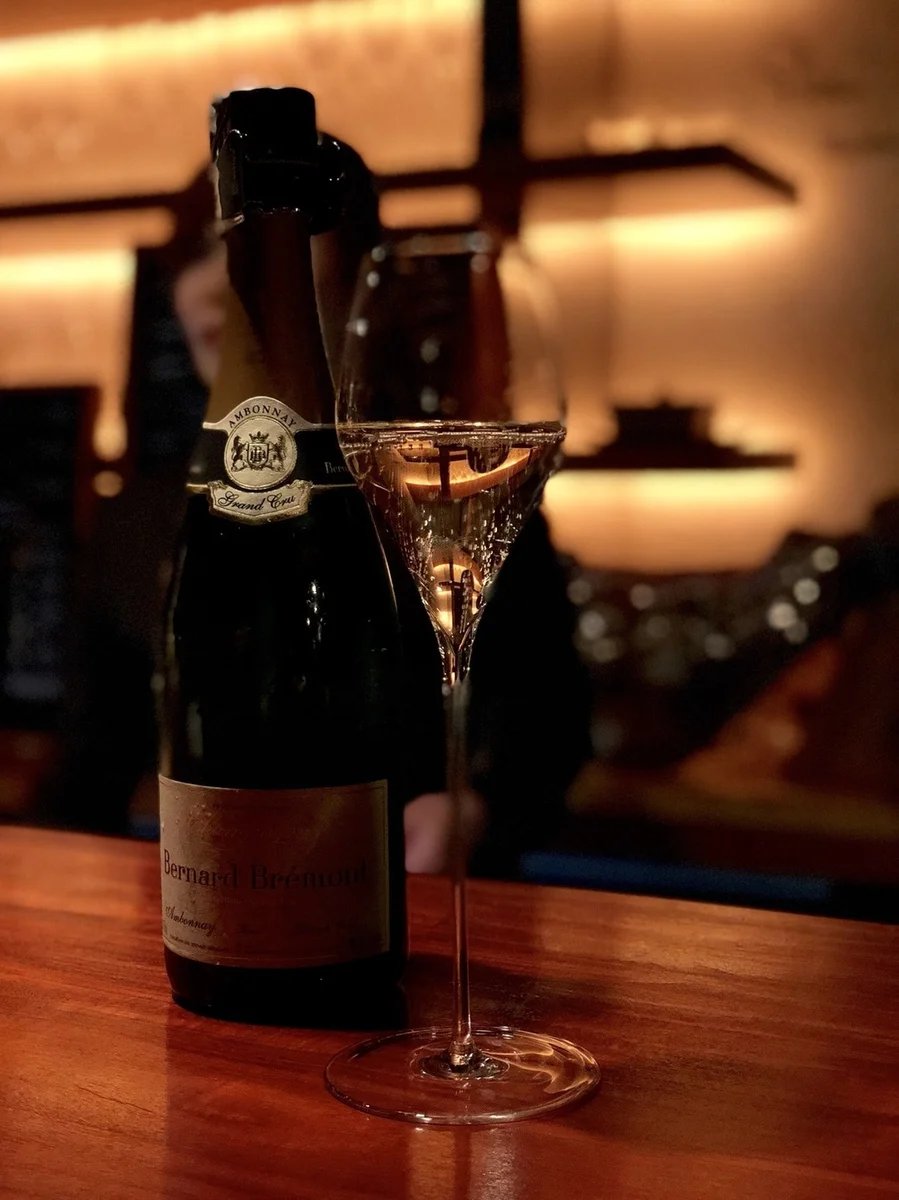
For travelers who care about dining, the Star Wine List (2026) recognition is relevant, but it should not be read as a complete description of the hotel's restaurants or menus. If meals are a major part of the trip, also scan the Kyoto restaurants guide and confirm current dining details directly.
The safest approach is to use the hotel's confirmed recognition as a starting point, then check the details that affect your stay: availability, rates, room type, cancellation terms, dining access, and any specific services you expect to use.
Who should choose it, and who should cross-shop
Choose The Westin Miyako Hotel Kyoto if you want a Kyoto hotel with Forbes Recommended (2026) and Star Wine List (2026) recognition and you are comfortable verifying the remaining stay details before booking. Cross-shop Fufu Kyoto, Higashiyama Shikikaboku, and Hotel Okura Kyoto Okazaki Bettei if you want to compare other Kyoto options.
Travelers comparing Kyoto stays can also consider Japanese Inn YOSHIMIZU and The Hotel Higashiyama by Kyoto Tokyu Hotel, A Pan Pacific Hotel. For a wider search, use the Kyoto hotel guide to compare category, service style, and amenities.
Bottom line: The Westin Miyako Hotel Kyoto is worth shortlisting for a Kyoto trip if confirmed recognition matters to you. Before committing, verify the practical stay details directly, especially if your decision depends on dining, facilities, pricing, or a particular room type.
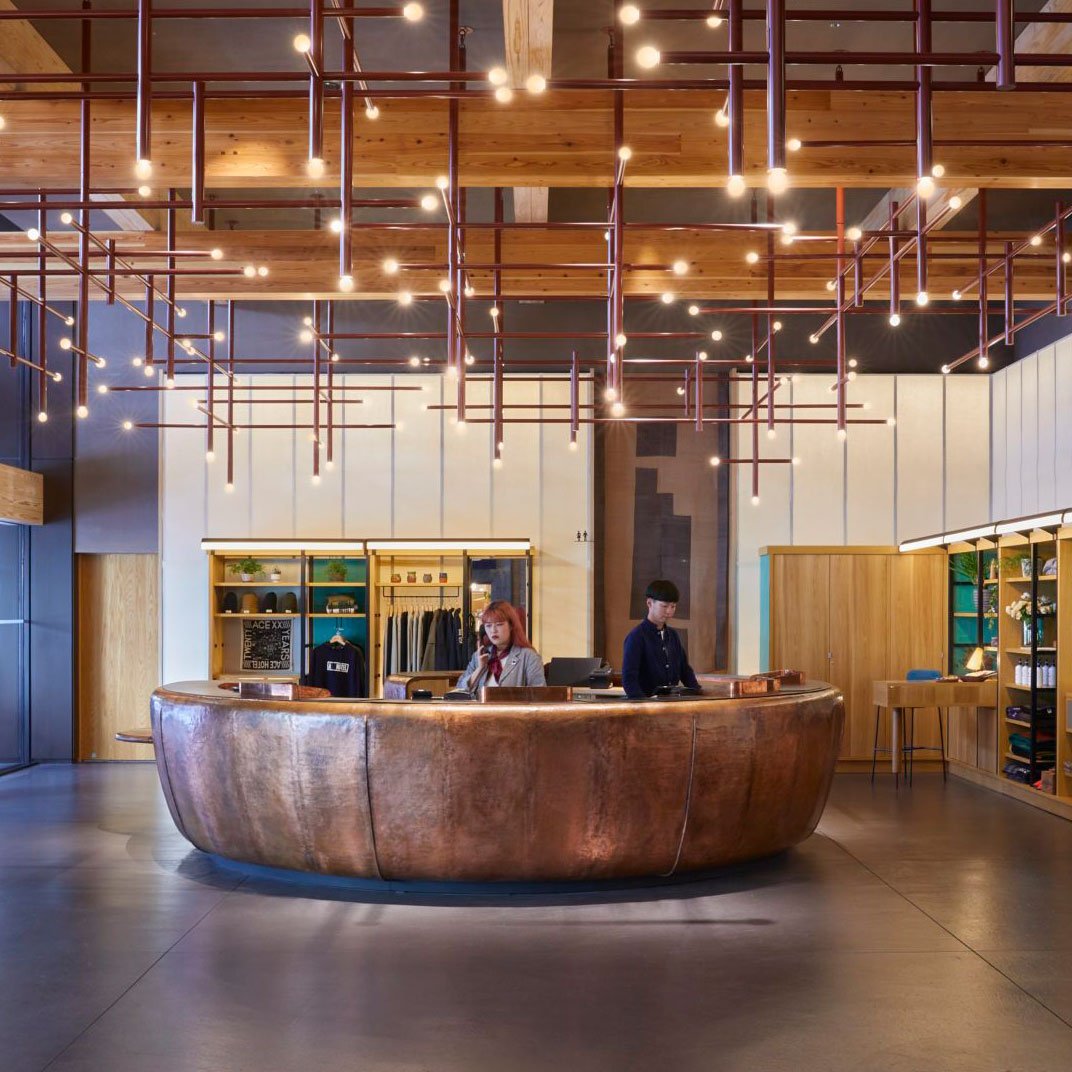
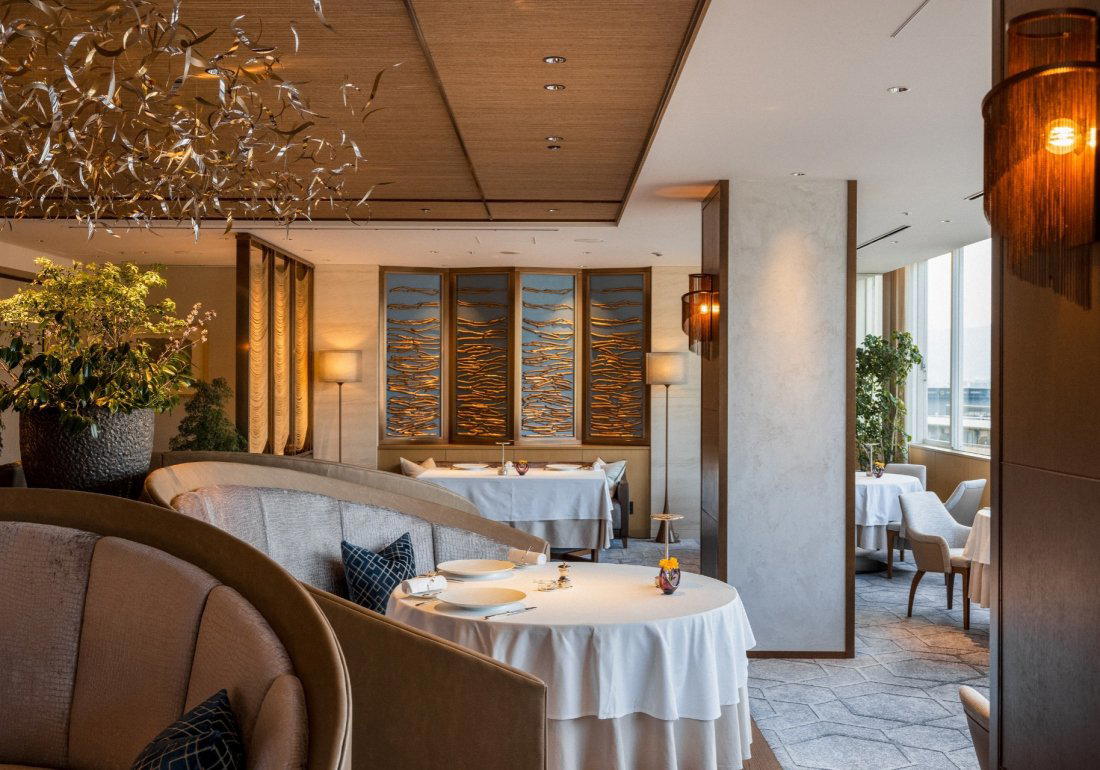
Inside The Westin Miyako Hotel Kyoto
Planning details
- Location
- 1 Awataguchi Kachocho, Higashiyama-ku
- Website
- marriott.com/en-us/hotels/ukywi-the-westin-miyako-kyoto/overview
- Phone
- 81-75-771-7111
The take
The Take
The Vibe
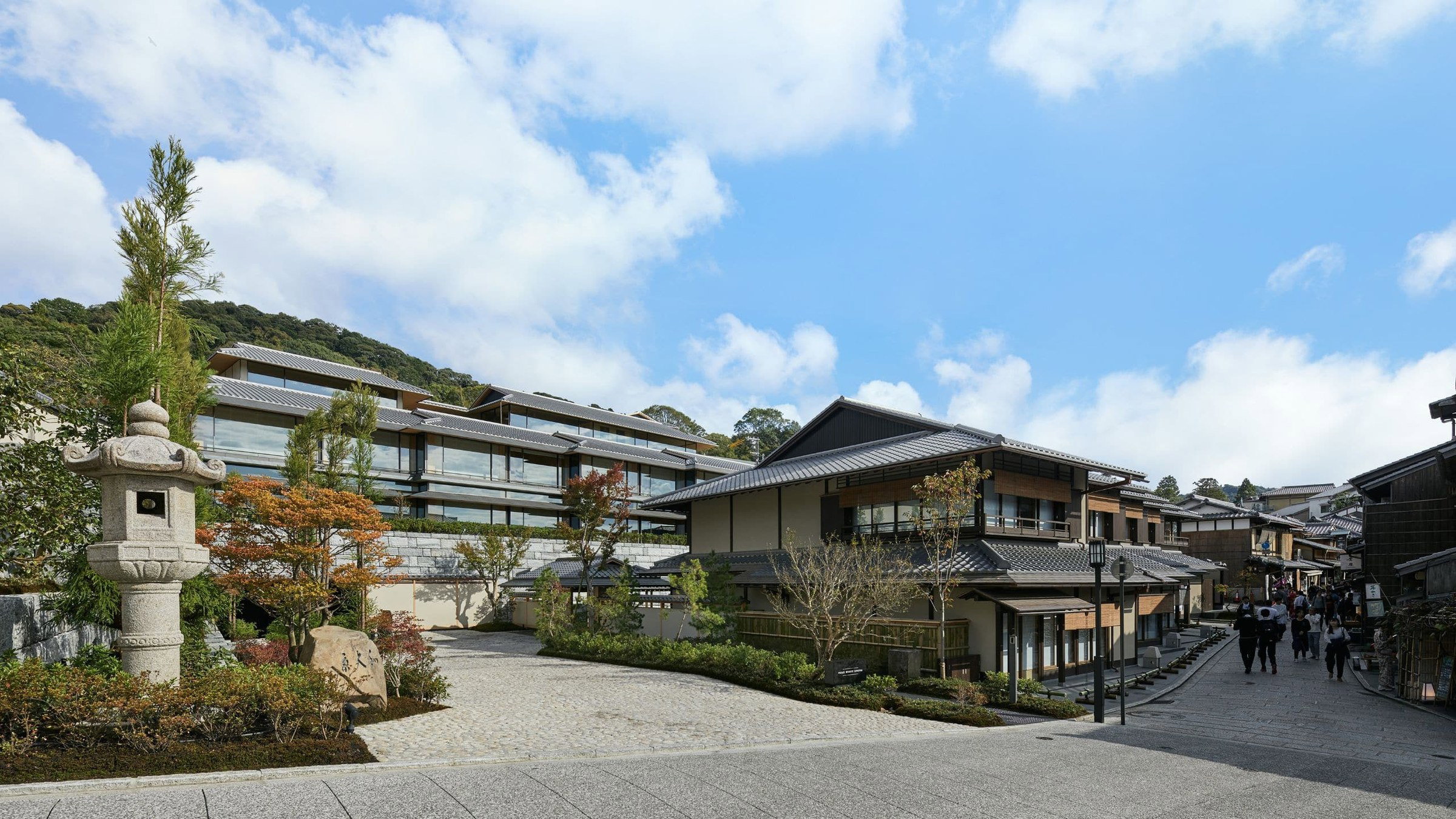
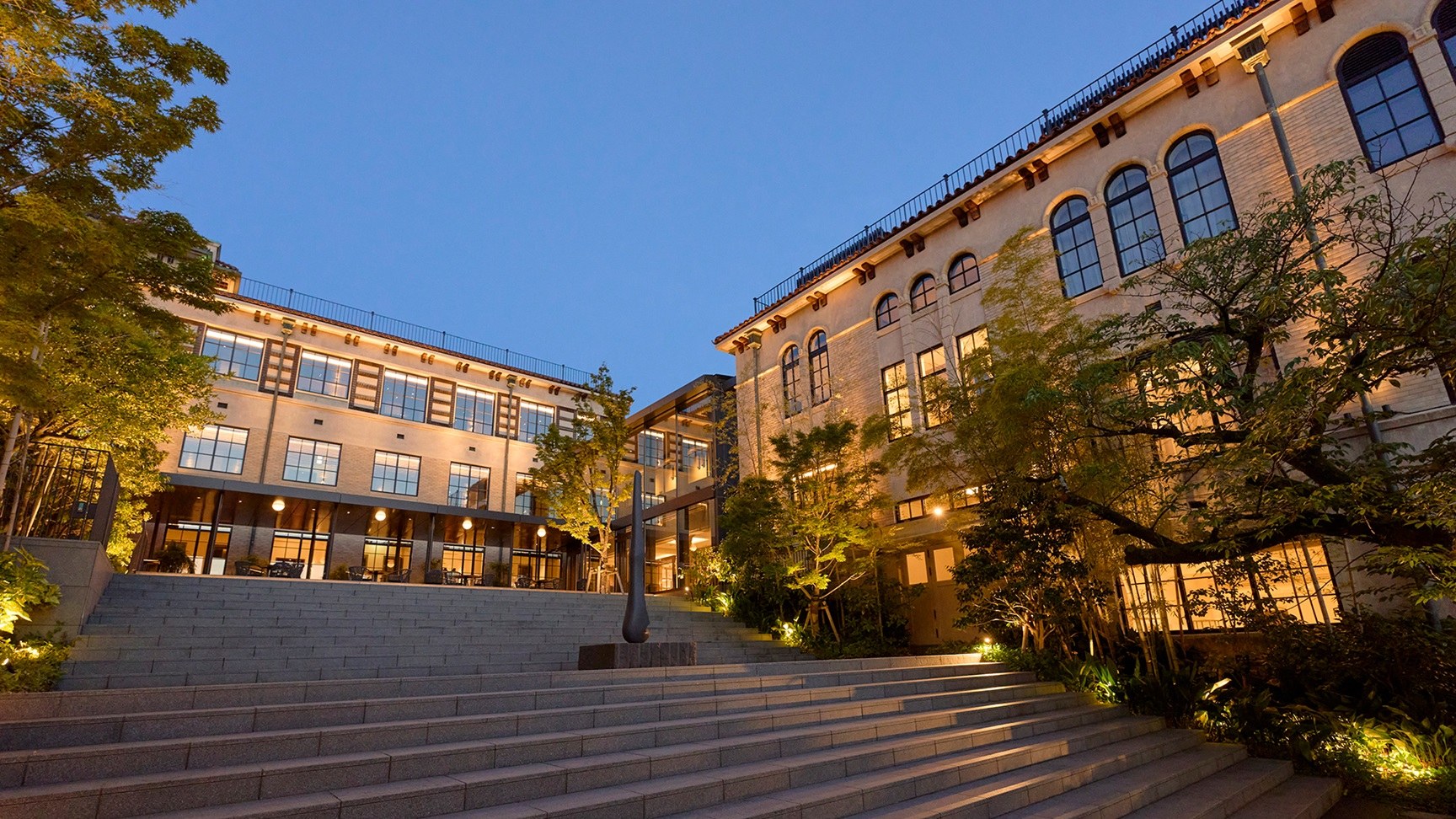
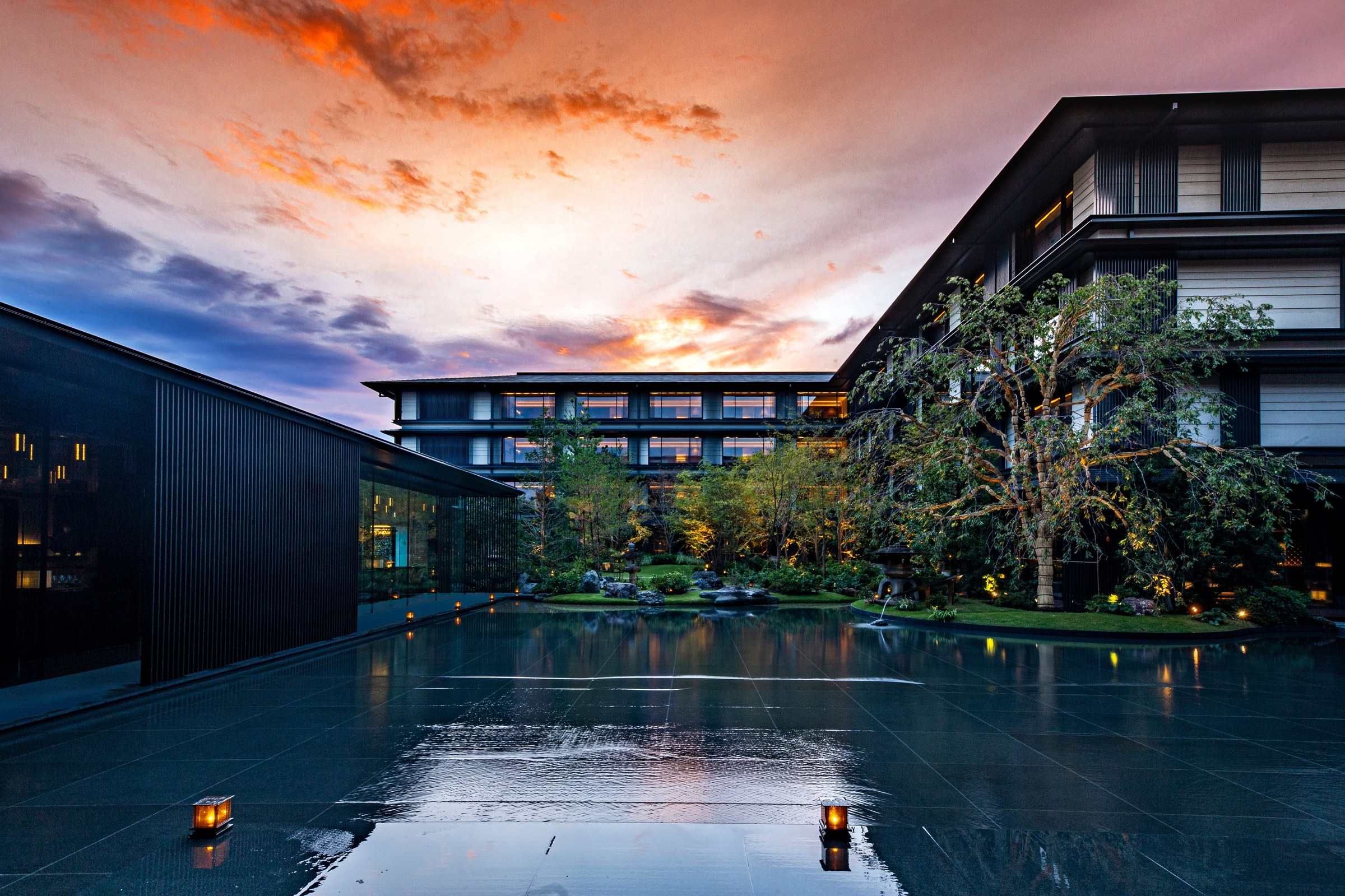
The Westin Miyako reads like an institutional Kyoto classic: quietly poised at the eastern edge of Higashiyama, it benefits from the hush of narrowing streets and the nearby foothills. Its long history—more than 130 years of continuous operation—gives the property a sense of institutional memory and measured confidence that newer luxury launches don’t always convey. The mood is restrained rather than flashy, favoring polished, timeless details and a calm, contemplative pace that suits early-morning walks to nearby temples and the Philosopher’s Path.
Best For
This hotel suits travelers who want to be based in Kyoto’s cultural east: couples on a honeymoon or romantic getaway, guests on business trips who prefer a quieter setting, and wellness-seekers seeking proximity to temple walks and green corridors. The property’s recognized wine program also makes it a good pick for wine-minded visitors who appreciate a curated cellar and thoughtful service. Because many landmark sites are within walking distance, it’s especially useful for those who want to explore the Nanzenji and Heian Shrine areas on foot.
Stay Tips
Ask about the hotel’s Star Wine List and request sommelier recommendations when making dinner reservations—the description highlights a maintained, high-quality cellar and service program. Reserve dining in advance if you plan to experience the beverage program, and mention preferences so staff can suggest pairings from the curated list. For a quieter stay, request a room toward the eastern/foothill side of the property given the description’s emphasis on reduced street noise and proximity to the hills.
Venue details
Ambiance
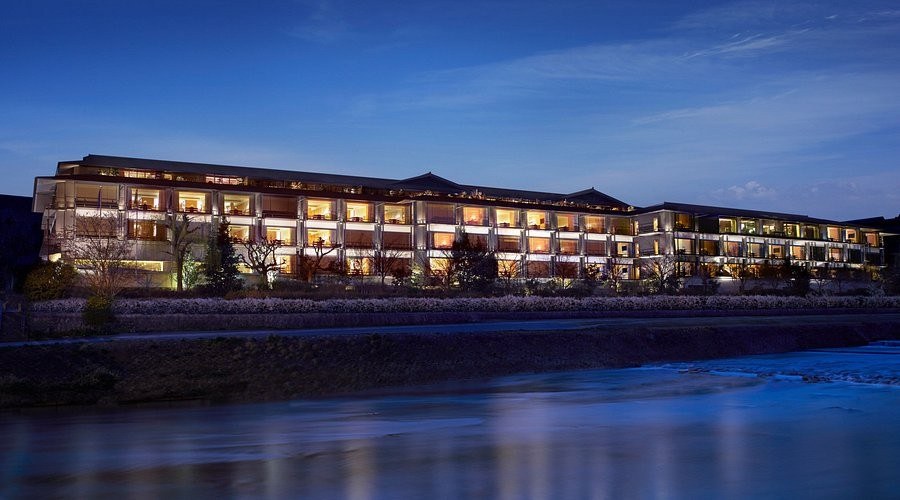
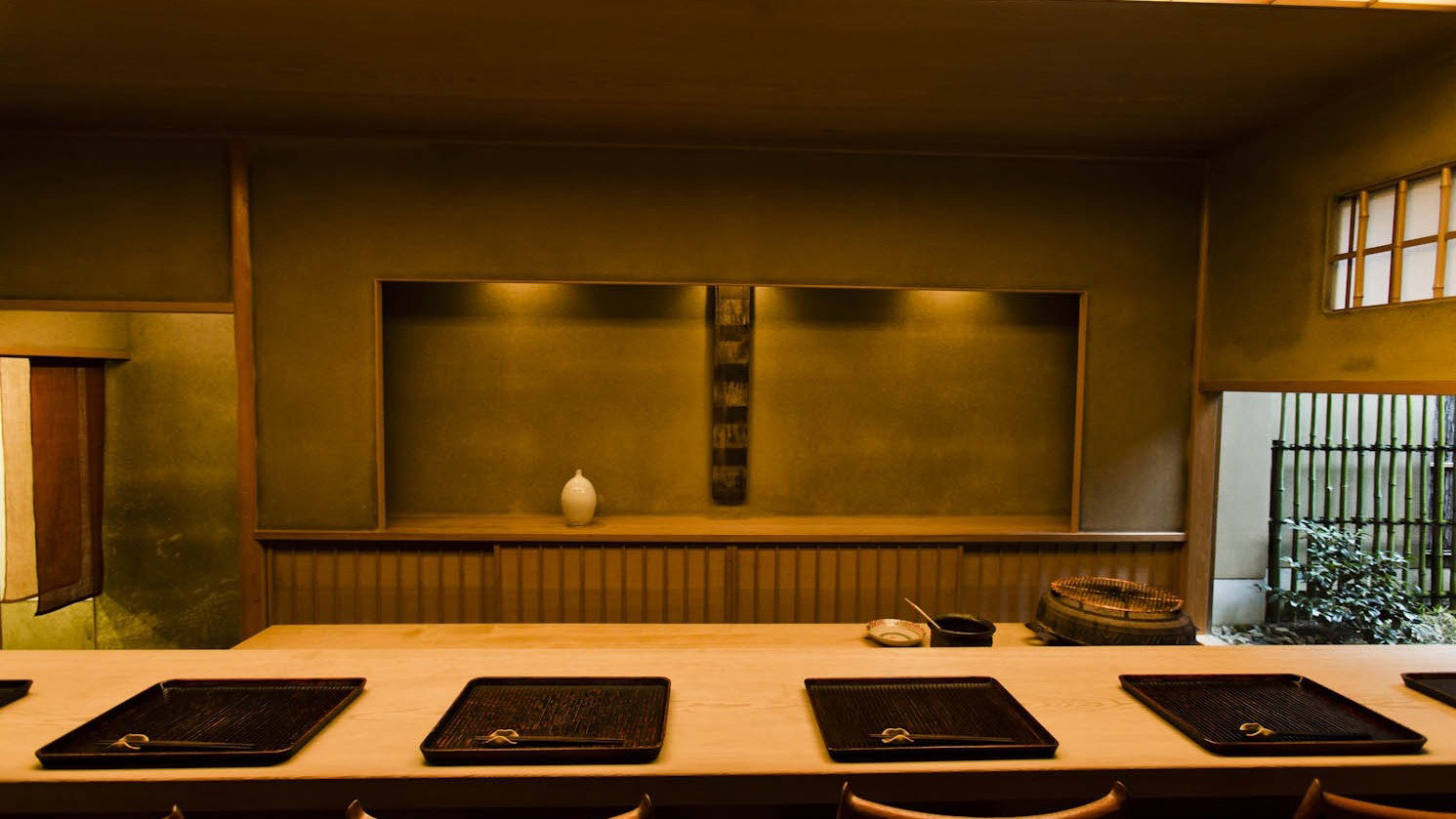
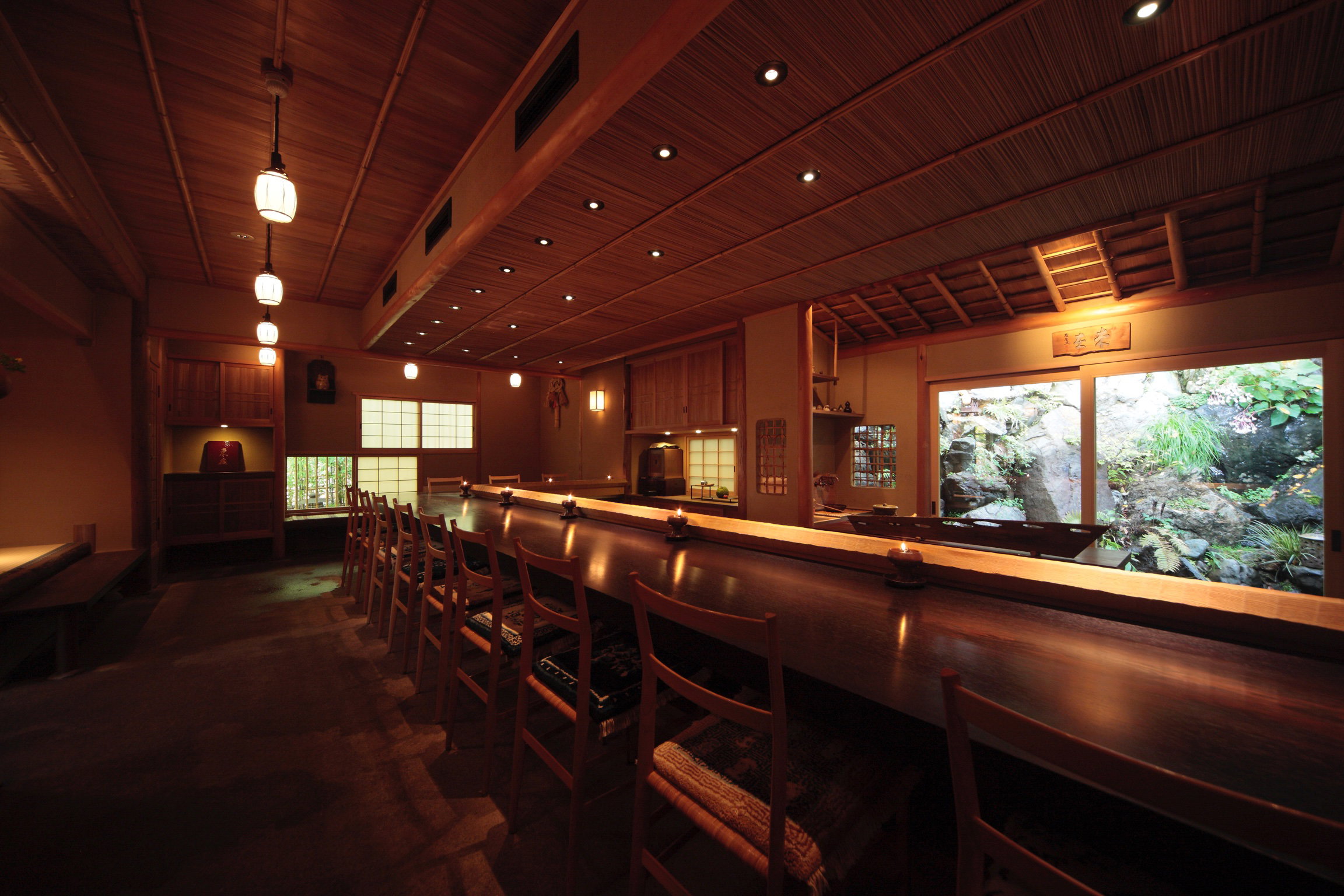
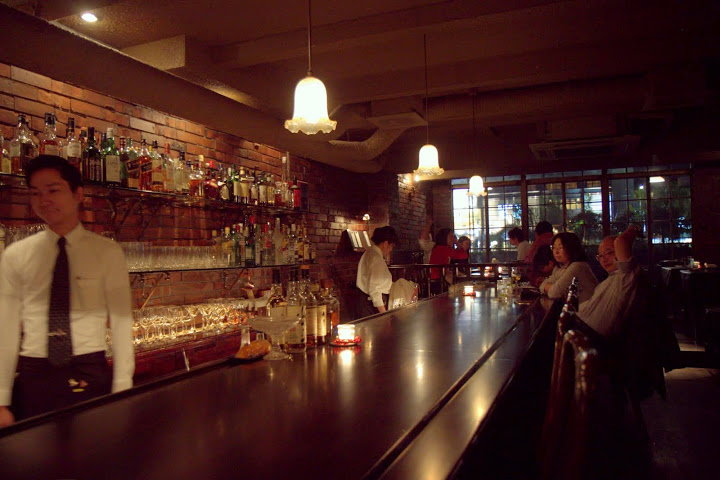
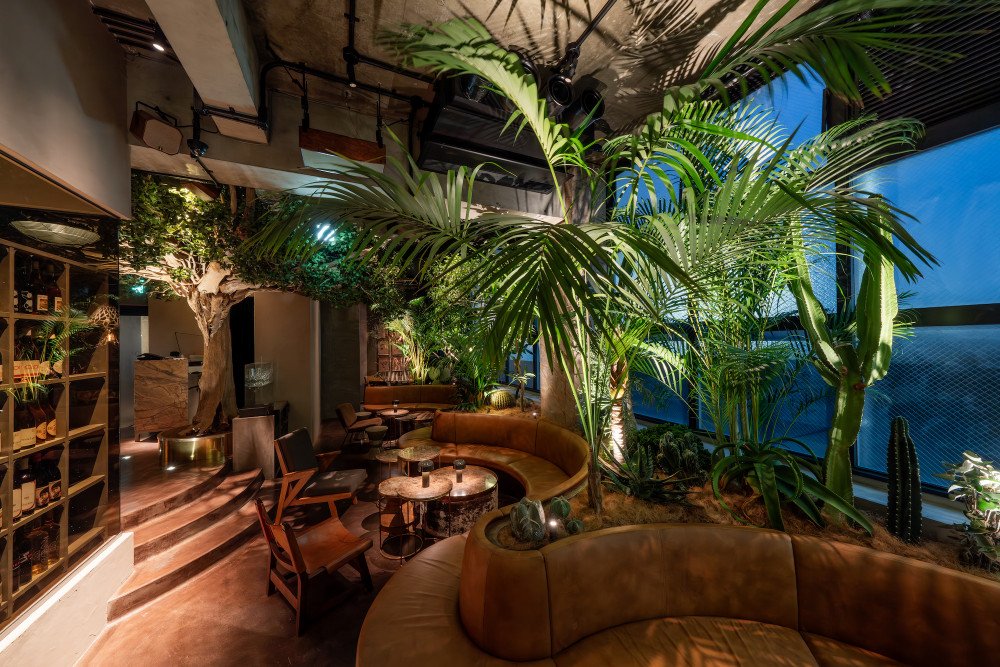
Elegant and serene atmosphere with natural light, mountain views, and tranquil garden settings praised in guest reviews.
Tags
Vibe
Best For
Experience
Amenities
View
Accessibility
About the Stay
- Rooms
- 266
- Check-in
- 15:00
- Check-out
- 11:00
- Property Type
- Heritage hotel
- Property Style
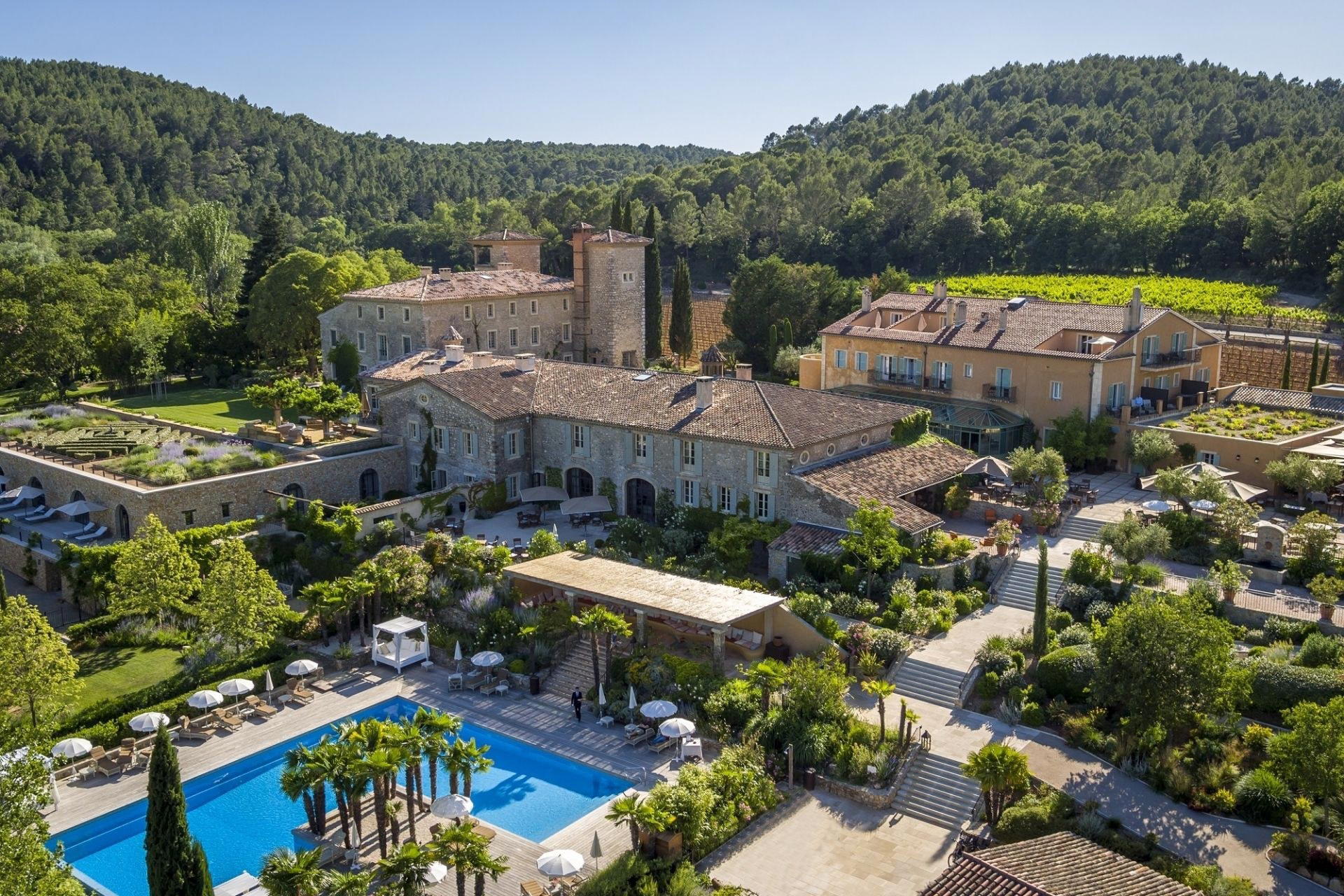
- Historic Luxury Resort Style Hotel Blending Japanese Tradition with Modern Comforts
- Design Style
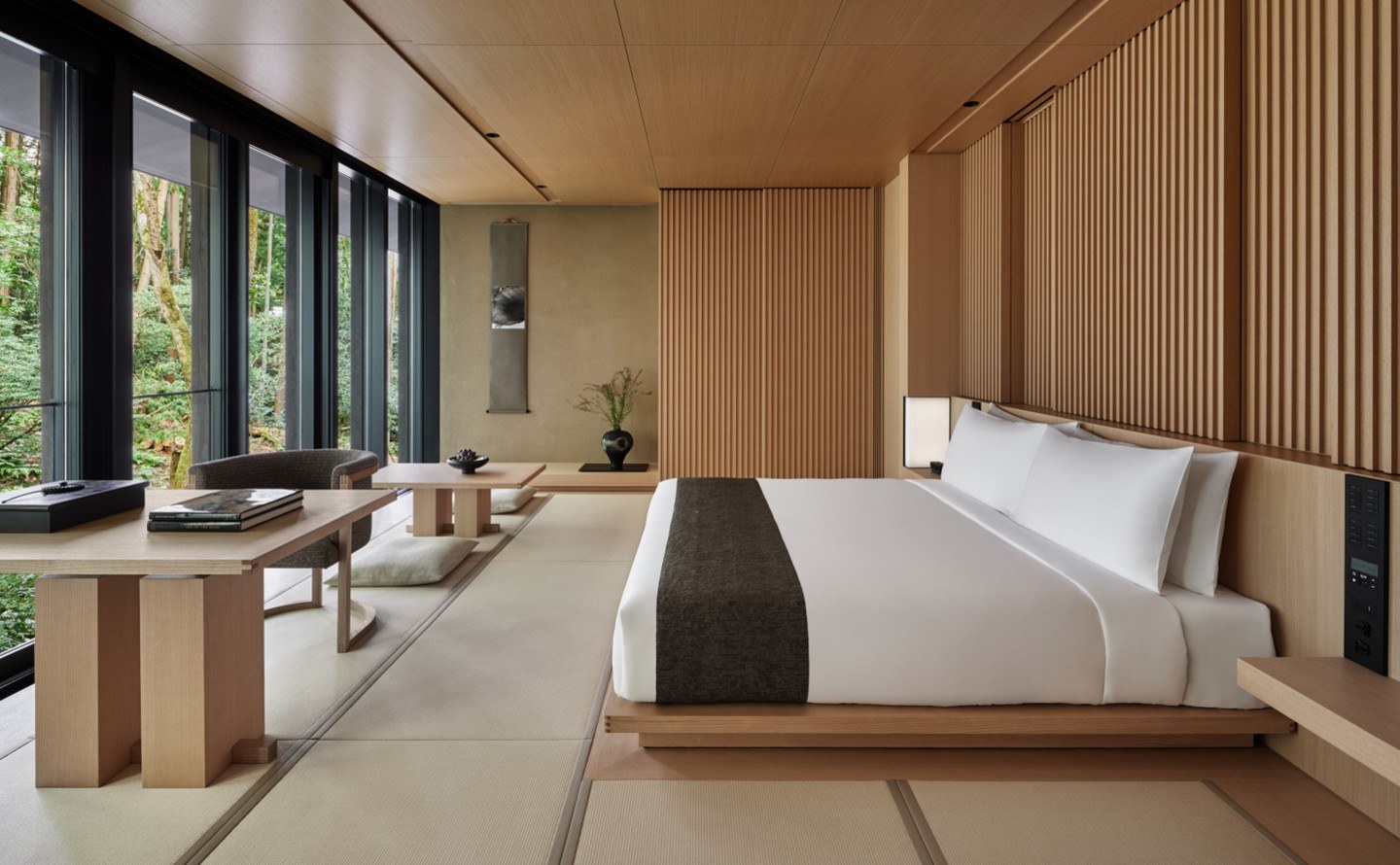
- Elegant Japanese Inspired with Individually Decorated Rooms and Premium Finishes
- Pool
- Yes
- Spa
- Yes
- Families
- Welcome
- Cancellation
- Moderate
Know before you go
Know Before You Go
- Getting there
- 1 Awataguchi Kachocho, Higashiyama-ku
Planning details
Location
1 Awataguchi Kachocho, Higashiyama-ku · Directions
marriott.com/en-us/hotels/ukywi-the-westin-miyako-kyoto/overview
Recognition and awards


Also consider
Also Consider
- Fufu Kyoto, Notable alternative
- The Hotel Higashiyama by Kyoto Tokyu Hotel, A Pan Pacific Hotel, Notable alternative
- Japanese Inn YOSHIMIZU, Notable alternative
- Higashiyama Shikikaboku, Notable alternative
- Hotel Okura Kyoto Okazaki Bettei, Notable alternative
Hotel context
How It Compares
Fufu Kyoto is the cleaner cross-shop if the stay should feel more private and retreat-led, while The Westin Miyako Hotel Kyoto is the safer choice for travelers who want a larger hotel platform and fewer compromises around service breadth. For peak Kyoto dates, the larger property may be easier to work into an itinerary than smaller-format stays, but room choice still needs early planning.
The Hotel Higashiyama by Kyoto Tokyu Hotel, A Pan Pacific Hotel is a useful comparison for travelers who want Higashiyama without committing to the same scale of resort-style hotel experience. Higashiyama Shikikaboku and Japanese Inn YOSHIMIZU are better fits for guests who value smaller, more intimate atmosphere over broad facilities.
Hotel Okura Kyoto Okazaki Bettei is the closest practical alternative for a quieter east-side Kyoto stay. Pick it if the goal is a more restrained hotel mood; pick The Westin Miyako Hotel Kyoto if the priority is a larger full-service base with stronger all-around infrastructure.
Explore Kyoto
Around this place
Discover more on Pearl
Unlock the full The Westin Miyako Hotel Kyoto guide in Pearl, including awards, comparisons, FAQs, planning details, and nearby places.
Compare The Westin Miyako Hotel Kyoto
| Venue | Location | Awards |
|---|---|---|
| The Westin Miyako Hotel Kyoto | Kyoto | 2026 Forbes RecommendedStar Wine Lists 2026 |
| Fufu Kyoto | Kyoto | 2026 Michelin 1 Key2025 Michelin 1 Key2024 Michelin 1 Key |
| The Hotel Higashiyama by Kyoto Tokyu Hotel, A Pan Pacific Hotel | Kyoto | No published awards |
| Japanese Inn YOSHIMIZU | Kyoto Shi | No published awards |
| Higashiyama Shikikaboku | Kyoto | No published awards |
| Hotel Okura Kyoto Okazaki Bettei | Kyoto | No published awards |


How The Westin Miyako Hotel Kyoto compares with similar nearby venues.
FAQ
Frequently Asked Questions
How is the dining at The Westin Miyako Hotel Kyoto?
Star Wine List (2026) recognition is the key dining-related fact. The hotel also has Forbes Recommended (2026) recognition, but specific restaurant formats, menus, cuisine, prices, and service details should be confirmed directly. For a different Kyoto stay, Japanese Inn YOSHIMIZU is a natural cross-shop.
How is the location of The Westin Miyako Hotel Kyoto?
The location is Kyoto. For exact address, access, and transport details, confirm with the hotel before booking. Compared with Hotel Okura Kyoto Okazaki Bettei, this is another Kyoto option to evaluate based on your itinerary.
When is the best time to book The Westin Miyako Hotel Kyoto?
Book when the room type, rate, and cancellation terms work for your trip. Check current booking windows and pricing patterns before you commit. Fufu Kyoto and Higashiyama Shikikaboku are worth checking alongside it if you want to compare other Kyoto stays.
What is check-in like at The Westin Miyako Hotel Kyoto?
Confirm check-in timing, luggage handling, and arrival details directly with the hotel. If you are comparing different Kyoto stays, Higashiyama Shikikaboku is another option to review.
Do loyalty programs work at The Westin Miyako Hotel Kyoto?
If points, member rates, or upgrade eligibility matter, check the current booking channel directly before reserving. Japanese Inn YOSHIMIZU and Hotel Okura Kyoto Okazaki Bettei can be useful comparison points for the overall stay decision.
How does The Westin Miyako Hotel Kyoto compare to nearby hotels?
The differentiators here are Forbes Recommended (2026), Star Wine List (2026), and a smart casual dress code. Fufu Kyoto, Higashiyama Shikikaboku, Hotel Okura Kyoto Okazaki Bettei, Japanese Inn YOSHIMIZU, and The Hotel Higashiyama by Kyoto Tokyu Hotel, A Pan Pacific Hotel are other Kyoto options to compare based on your preferred style, budget, and itinerary.