


Suiran, a Luxury Collection Hotel, Kyoto
Ukyō, Kyoto
Hotel in Kyoto, Japan
 Book with Pearl
The Read
Arashiyama Ryokan Precision
Why go
Suiran, a Luxury Collection Hotel, Kyoto is worth shortlisting for a luxury Arashiyama stay, especially if the setting is part of the point. Its Michelin 1 Key, La Liste 92.5-point hotel score, and Forbes 4-Star recognition support the quality case, but the on-site dining should be treated as a stay amenity rather than the main reason to book.
About Suiran, a Luxury Collection Hotel, Kyoto
Against Kyoto's luxury hotels, the smart reason to consider Suiran, a Luxury Collection Hotel, Kyoto is its hotel recognition rather than specific claims about its restaurant, room, spa, or facilities. The property has Michelin 1 Key recognition for 2024, appears in La Liste Top Hotels 2026 with 92.5 points, and holds Forbes 4-Star recognition for 2026.
The verdict: book it if you want a recognized luxury hotel base in Kyoto and the hotel experience matters to the trip. Do not book it mainly for a standalone dining trip. Without details on the restaurant's format, cuisine, menu, price, or service, it's safer to make dining plans separately rather than treating any specific restaurant experience as the reason to cross town.
Choose it for recognized hotel quality in Kyoto
This is a stronger fit for a Kyoto stay where the hotel itself is a meaningful part of the itinerary. The confirmed recognition gives travelers a clearer signal on the property than on any specific restaurant, room category, spa, or facilities claim.
That trade-off matters because Kyoto rewards careful planning. A stay here works when the guest wants a polished hotel base and is comfortable making separate decisions for dining and other parts of the trip.
Plan dining separately, not as the headline
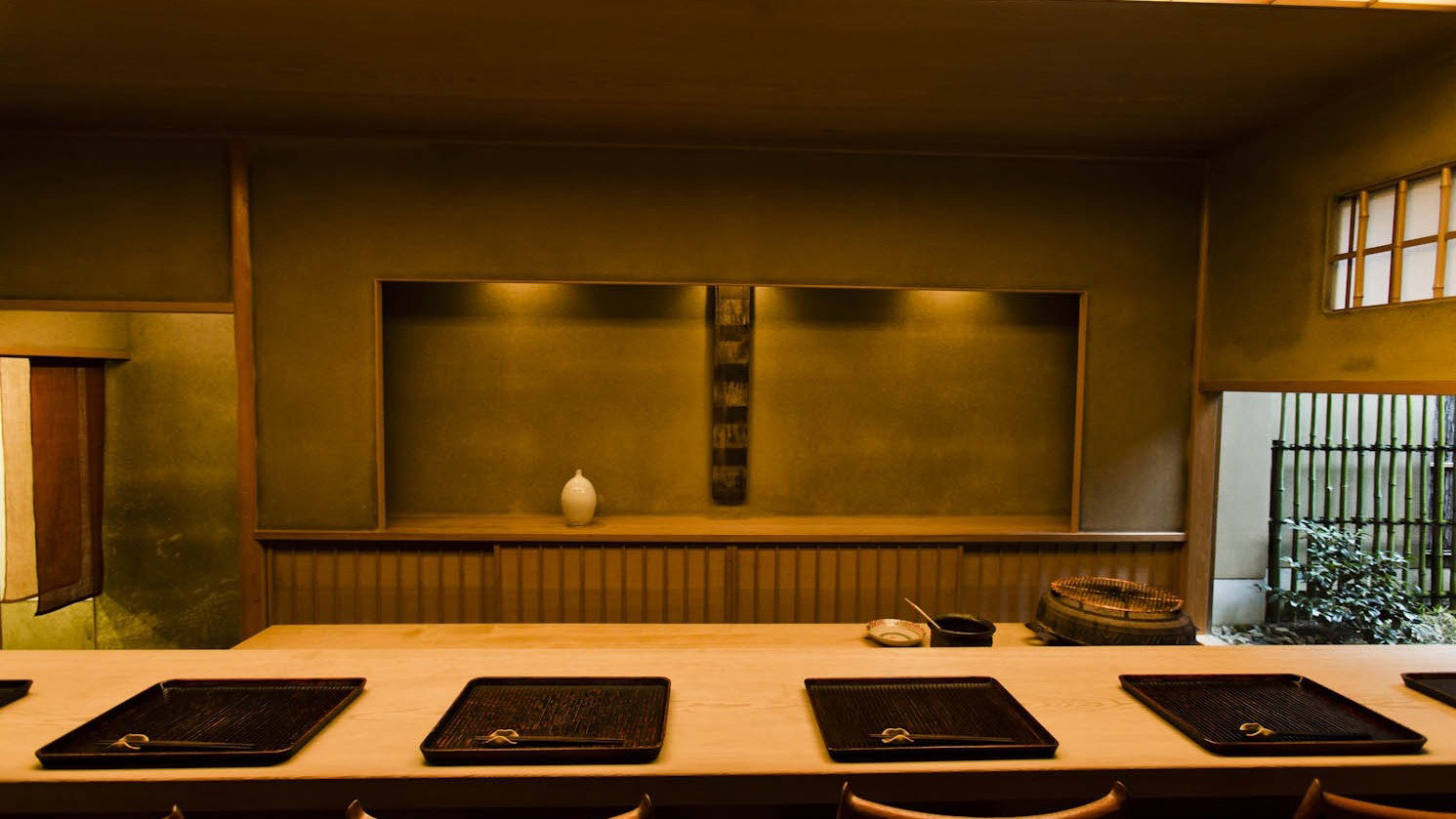
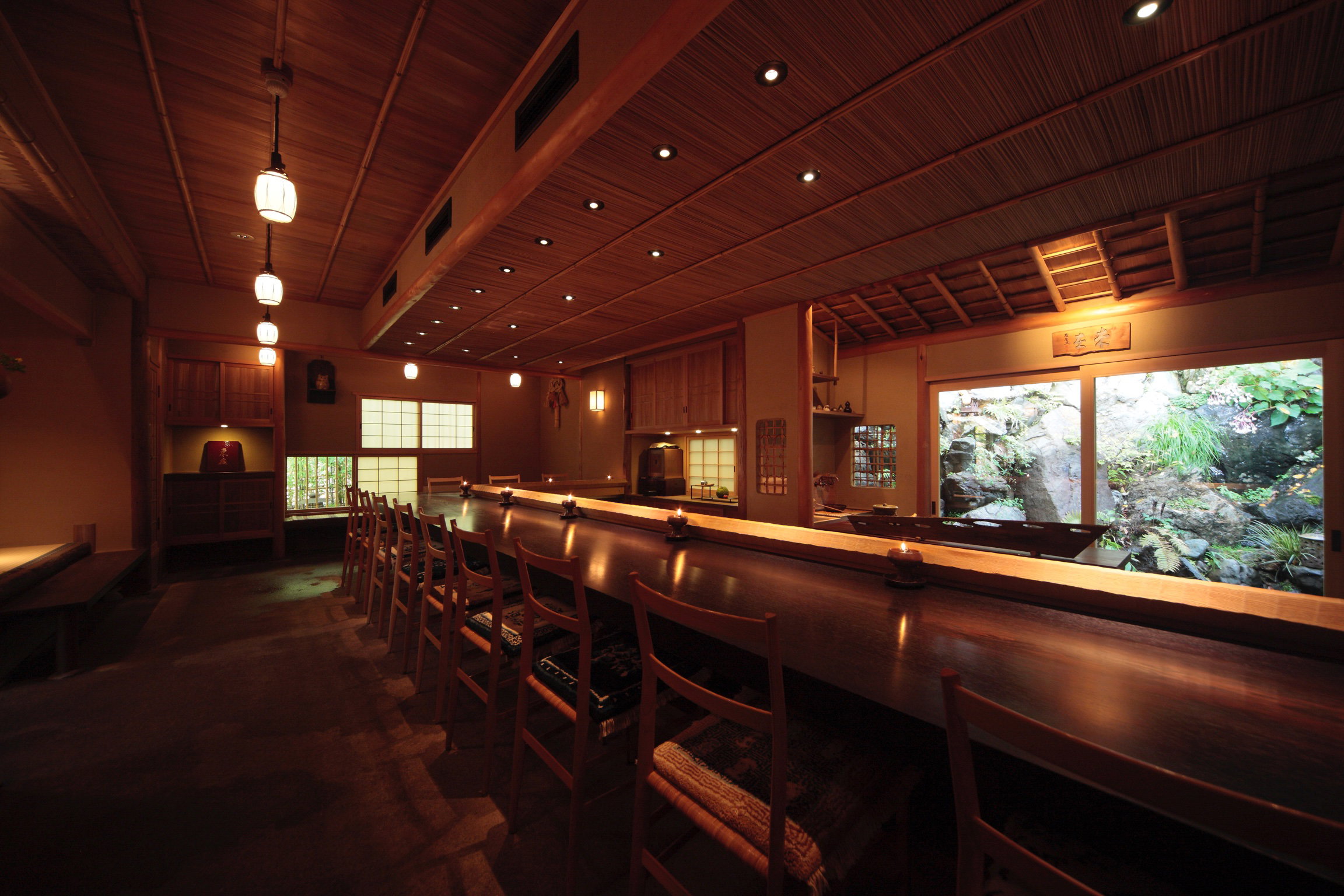
For the dining question, the practical answer is restrained: this should not be treated as a destination restaurant booking on its own. The hotel has serious luxury credentials, but a restaurant experience alone may not justify the trip. First-timers should use the property as a recognized Kyoto hotel base, then make separate restaurant decisions from Our full Kyoto restaurants guide if food is the main priority.
That does not make the hotel a weak choice. It just clarifies the booking logic. The strongest confirmed case is the combination of Kyoto location and recognized hotel quality, including Michelin 1 Key, La Liste Top Hotels, and Forbes 4-Star recognition.
Who should book, and who should look elsewhere
Book if this is a Kyoto stay where the hotel setting matters, or an itinerary where confirmed luxury-hotel recognition is a priority. The dress code is smart casual, where relevant.
Look elsewhere if value is the main constraint, if the trip needs a different Kyoto base, or if the decision turns on a destination restaurant experience. For broader hotel shortlisting, compare it with Our full Kyoto hotels guide, and use other Kyoto guides to build the rest of the trip around it.
Part of
Luxury Collection87 locations on PearlInside Suiran, a Luxury Collection Hotel, Kyoto
Planning details
- Location
- 〒616-8385 Kyoto, Ukyo Ward, Sagatenryūji Susukinobabachō, 翠嵐ラグジュアリーコレクションホテル京都
- Website
- marriott.com/en-us/hotels/ukylc-suiran-a-luxury-collection-hotel-kyoto/overview/?scid=f2ae0541-1279-4f24-b197-a979c79310b0
- Phone
- +81 75-872-0101
The take
The Take
The Vibe
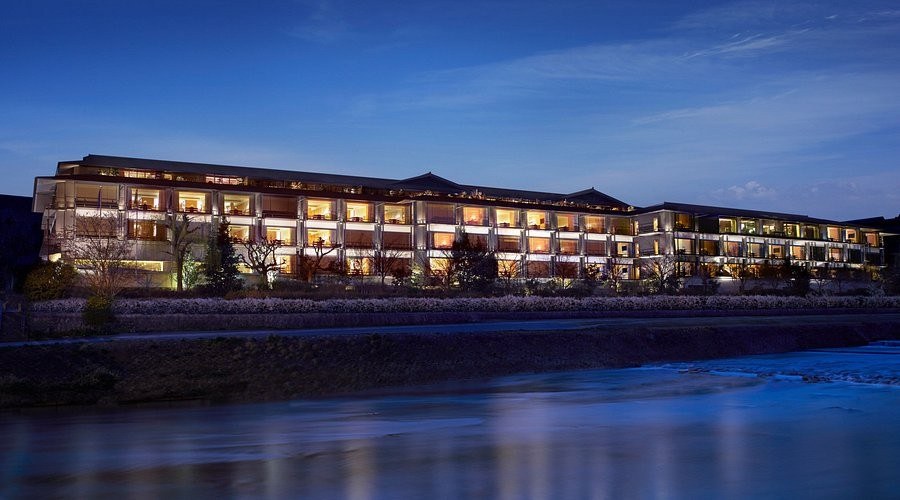
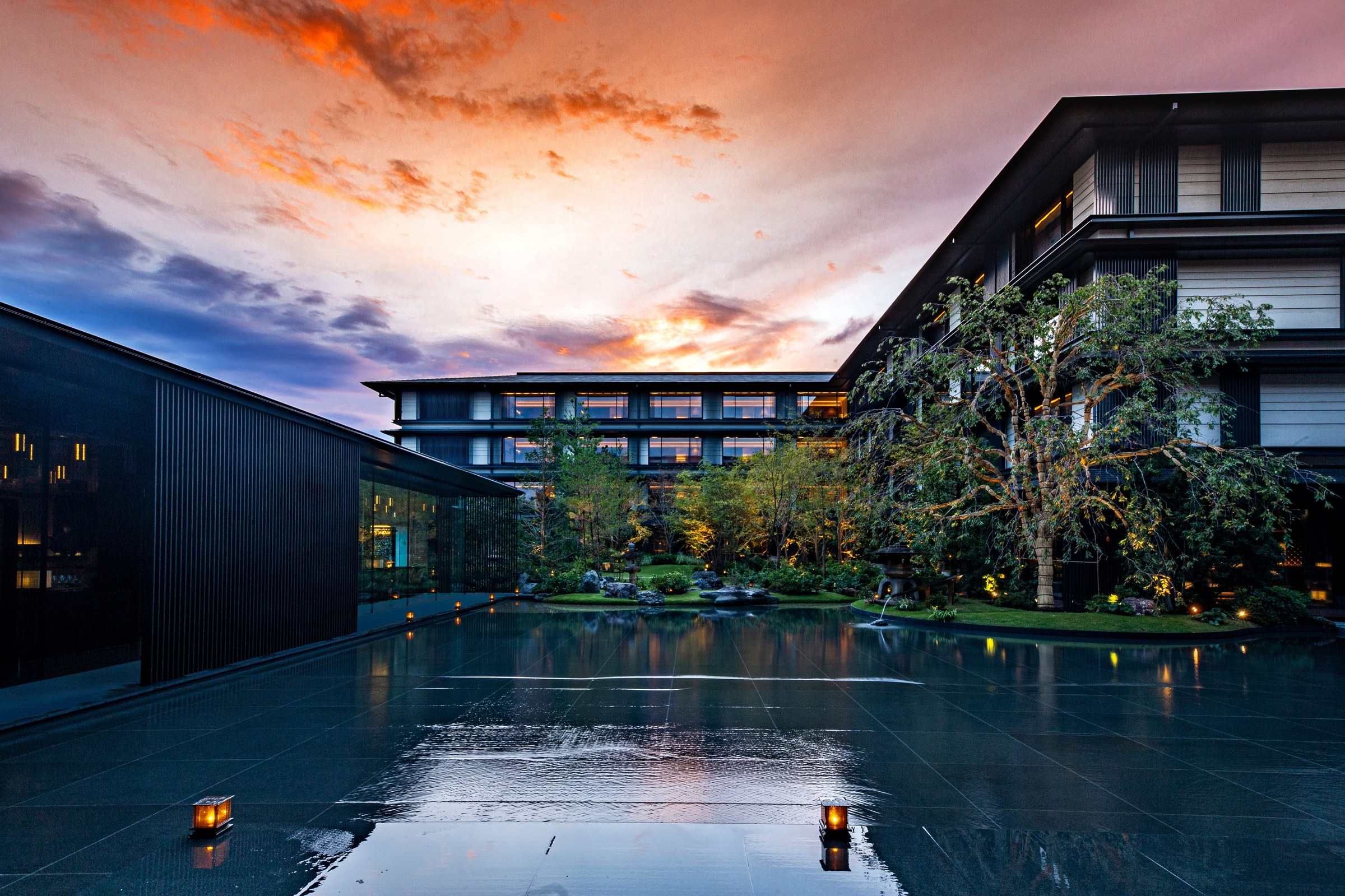
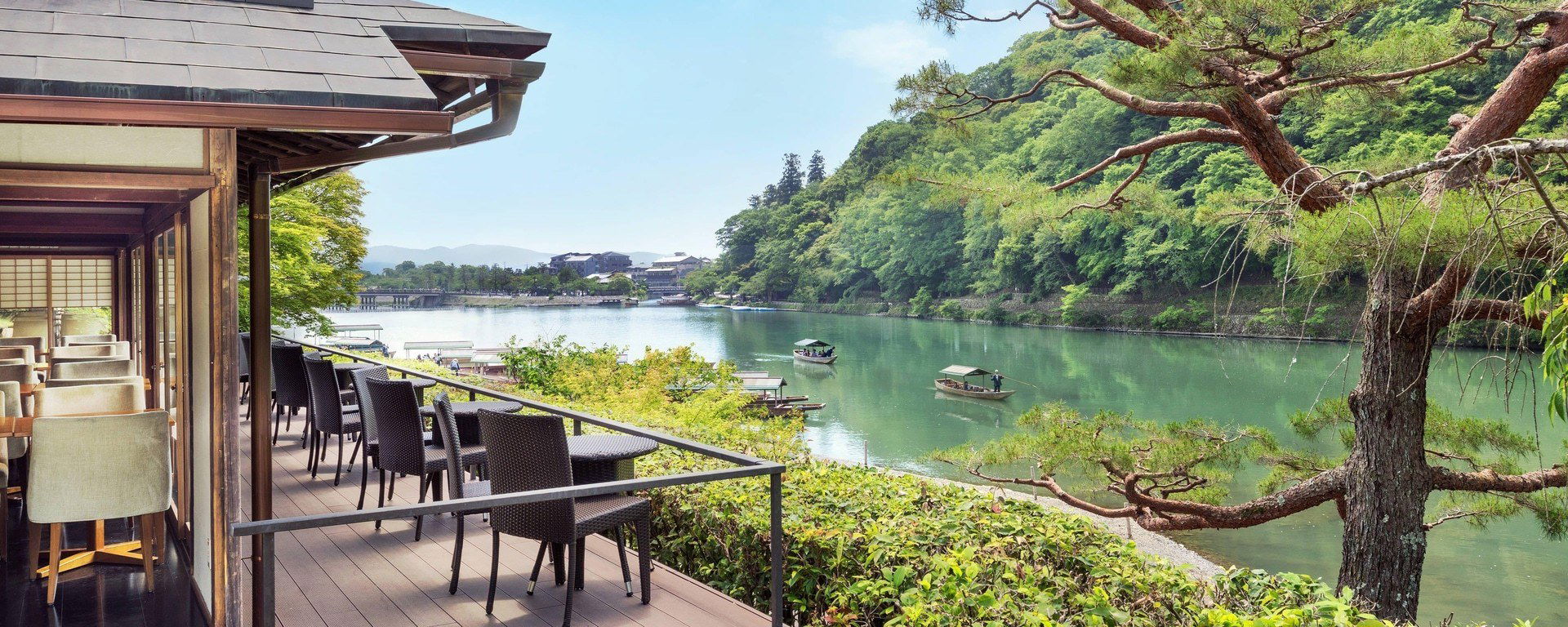
Suiran reads like a refined Kyoto ryokan translated into a Luxury Collection hotel: arrival itself is staged as part of the stay. A narrow cobbled path along the Hozu River, old wooden boats at the bank and a thatched gate lead into manicured gardens, giving the property a quietly historic and charming character. The setting feels intimate and deliberately removed from the downtown cluster; the landscape and attention to approach cultivate a serene mood that favors slow mornings and late-dusk strolls. Its Michelin recognition and La Liste placement underscore the thoughtful hospitality that matches the property's atmospheric arrival.
Best For
Suiran suits travelers seeking a secluded, nature-forward Kyoto experience: couples on romantic getaways and honeymoons, guests celebrating anniversaries, and visitors prioritizing restorative, wellness-minded stays. Its immediate access to the Sagano Bamboo Forest and the Hozu River makes it especially appealing to early-risers who want to explore the landmarks before crowds arrive. The hotel is less about central-city bustle and more about timing and setting — a place for measured days outdoors, contemplative walks and scenic mornings rather than late-night urban activity.
Stay Tips
Plan visits to the Sagano Bamboo Forest for early morning or late dusk to take advantage of the hotel's doorstep location and avoid mid-day crowds. Allow 30–40 minutes of travel if you need to reach central Kyoto — Suiran trades proximity to Gion for direct access to Arashiyama's temples and river gorge. Expect peak demand in cherry-blossom season and autumn koyo; book accordingly if you want the most serene windows. Treat arrival as part of the itinerary: approach via the cobbled riverside path to experience the property's designed transition from public to private grounds.
Venue details
Ambiance
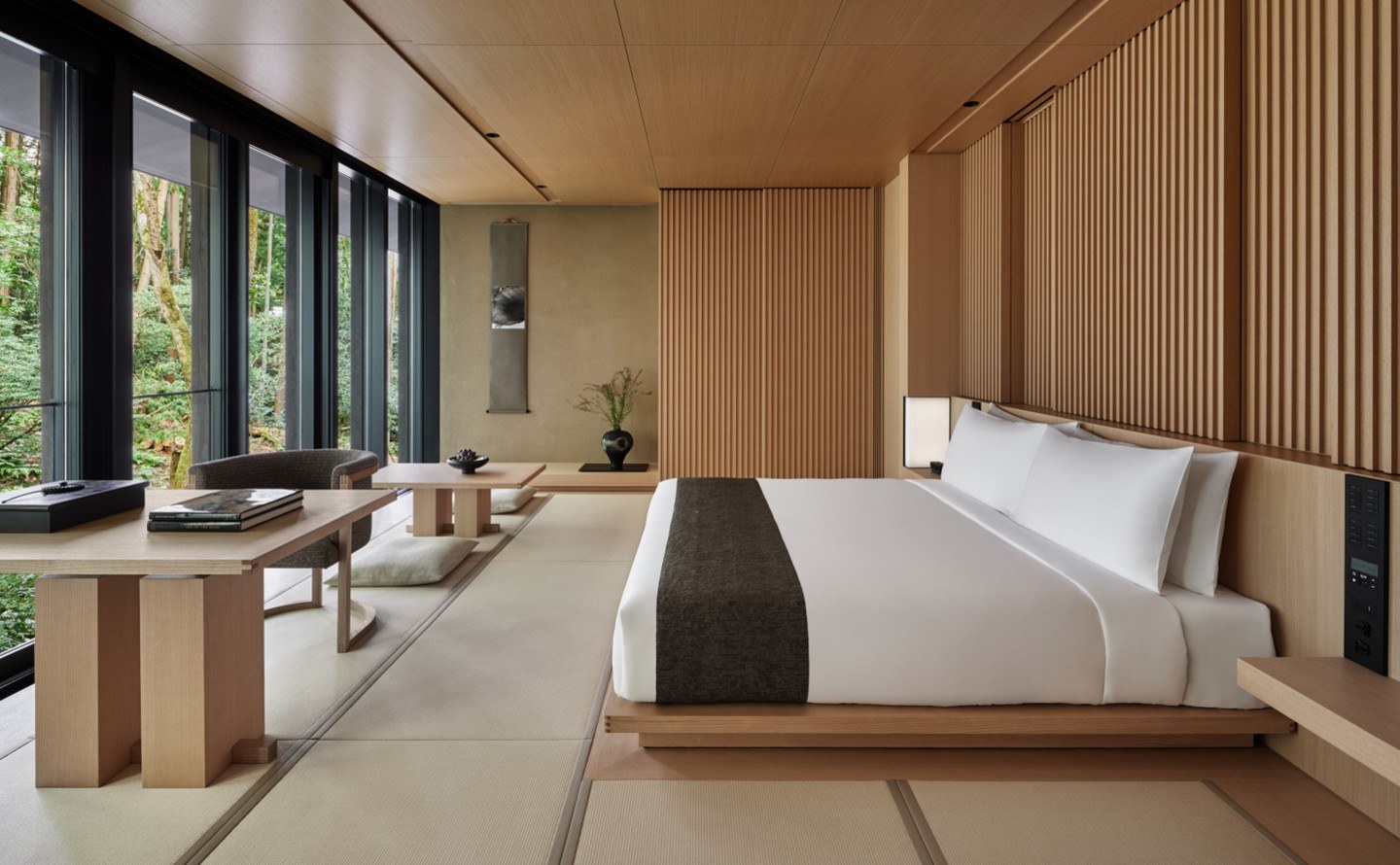
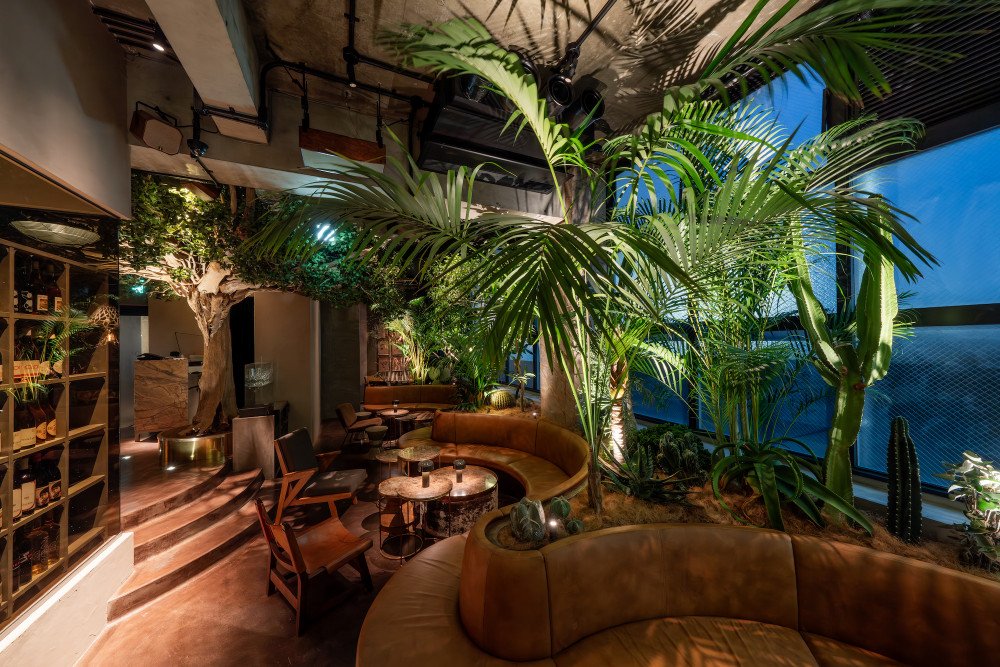
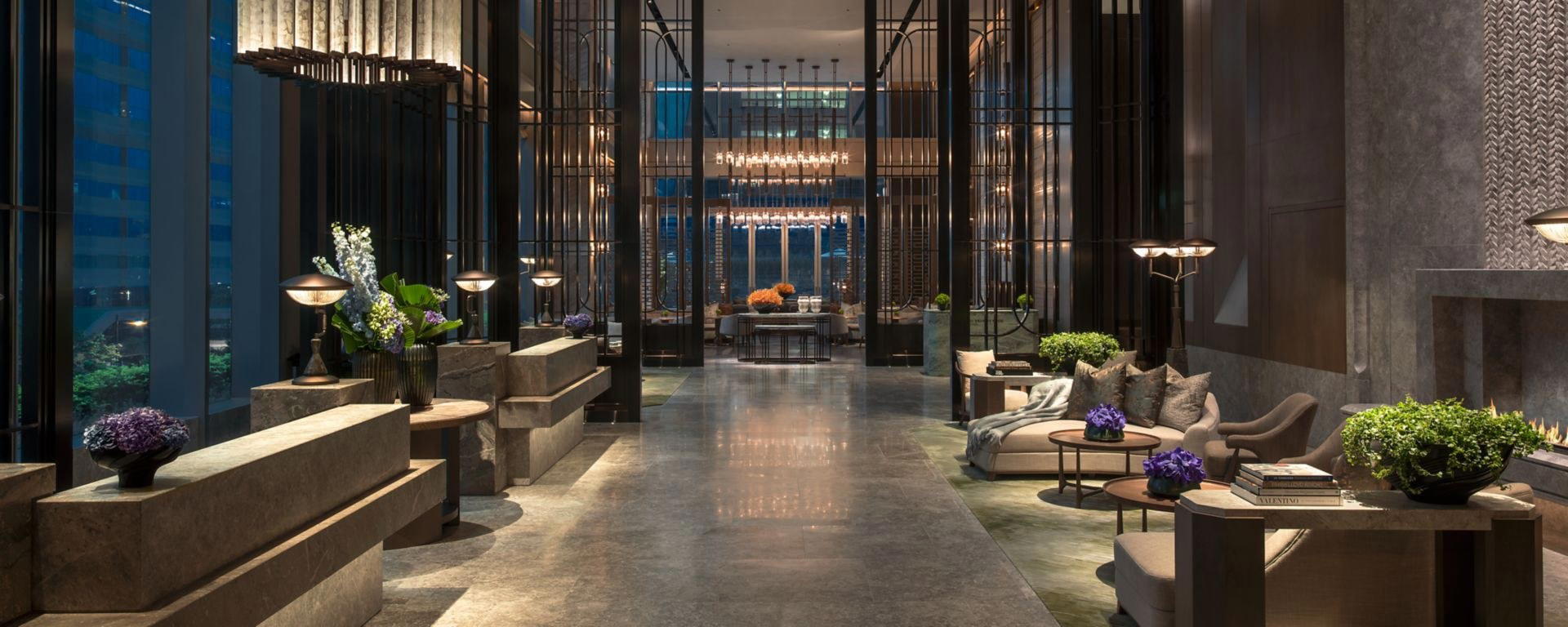
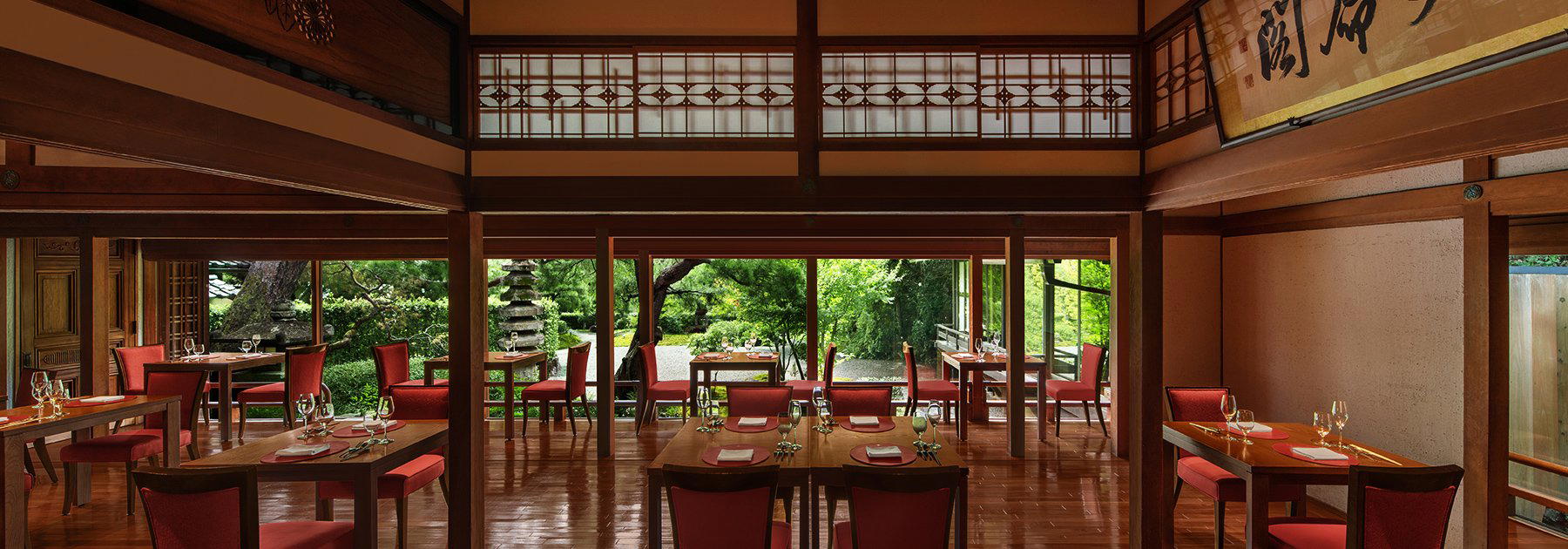
Serene and restful with minimalist Japanese decor, peaceful garden and river views, and tranquil hot spring atmosphere.
Tags
Vibe
Best For
Experience
Amenities
View
Accessibility
About the Stay
- Rooms
- 39
- Check-in
- 15:00
- Check-out
- 12:00
- Property Type
- Heritage hotel
- Property Style
- Traditional Japanese Luxury Ryokan Blended with Modern Amenities
- Design Style
- Minimalist Japanese with Tatami, Dark Woods, and Natural Elements
- Spa
- Yes
- Cancellation
- Moderate
Know before you go
Know Before You Go
- Getting there
- 〒616-8385 Kyoto, Ukyo Ward, Sagatenryūji Susukinobabachō, 翠嵐ラグジュアリーコレクションホテル京都
Planning details
Location
〒616-8385 Kyoto, Ukyo Ward, Sagatenryūji Susukinobabachō, 翠嵐ラグジュアリーコレクションホテル京都 · Directions
Recognition and awards


Also consider
Where to look if it is booked
If Suiran is unavailable, start with MUNI KYOTO by Onko Chishin for the closest Arashiyama-adjacent comparison. For a more secluded retreat profile, check Hoshinoya Kyoto.
Hotel context
How Suiran compares in Kyoto
Choose Suiran, a Luxury Collection Hotel, Kyoto if Arashiyama is the priority and the hotel setting needs to do real work in the itinerary. MUNI KYOTO by Onko Chishin is the closest cross-shop for travelers who want the same western-Kyoto orientation with a more design-forward boutique feel. Suiran is the safer pick for guests who prefer Marriott International infrastructure and a recognized luxury-hotel framework.
Hoshinoya Kyoto is the more retreat-driven alternative, better suited to travelers who want the stay to feel more removed from the city. Suiran makes more sense for first-timers who still want easier access to Arashiyama sightseeing. Aman Kyoto and ROKU KYOTO, LXR Hotels & Resorts sit better for guests prioritizing a resort-style Kyoto stay away from the busiest visitor corridors.
Hotel Utano Kyoto Bessho is the value-sensitive comparison if the goal is a quieter Kyoto stay without chasing the full luxury signal. Suiran is harder to justify on value alone; it works when location, recognition, and a polished hotel base matter more than stretching the budget.
Explore Kyoto
Around this place
Discover more on Pearl
Unlock the full Suiran, a Luxury Collection Hotel, Kyoto guide in Pearl, including awards, comparisons, FAQs, planning details, and nearby places.
Compare Suiran, a Luxury Collection Hotel, Kyoto
| Venue | Location | Awards |
|---|---|---|
| Suiran, a Luxury Collection Hotel, Kyoto | Kyoto | 2026 Forbes 4-Star2026 La Liste Top Hotels2026 Michelin 1 KeyMichelin 1 Key 20252025 Michelin 1 Key2025 Forbes 4-Star2024 Michelin 1 Key |
| MUNI KYOTO by Onko Chishin | Kyoto | 2026 Michelin Guide New Hotels2025 Michelin 1 Key2024 Michelin 1 Key |
| Hoshinoya Kyoto | Kyoto | 2026 Michelin 1 Key2025 Robb Report The 50 Greatest Luxury Hotels on Earth · #33Tatler Best Hotels Asia-Pacific 2025Michelin 1 Key 20252025 Michelin 1 Key |
| Hotel Utano Kyoto Bessho | Kyoto | No published awards |
| Aman Kyoto | Kyoto | 2026 Virtuoso Luxury Hotel Collection2026 La Liste Top Hotels2026 Michelin 2 Keys2025 World’s 50 Best Hotels · #74World Travel Awards 2025Michelin 2 Keys 20252025 Michelin 2 Keys2025 Conde Nast Hotels Gold List2024 Michelin 2 Keys |
| ROKU KYOTO, LXR Hotels & Resorts | Kyoto | 2026 Forbes 5-Star2026 La Liste Top Hotels2026 Michelin 1 Key2025 Michelin 1 Key2024 Michelin 1 Key |









How Suiran, a Luxury Collection Hotel, Kyoto compares with similar nearby venues.
FAQ
Frequently Asked Questions
Which room category is best at Suiran, a Luxury Collection Hotel, Kyoto?
There is no specific best room category, view type, or room-by-room advantage. Choose based on your budget, availability, and the hotel experience you want from a Kyoto stay. The clearest signal is the property's hotel recognition, including Michelin 1 Key recognition.
How is the pool and spa at Suiran, a Luxury Collection Hotel, Kyoto?
Specific pool or spa details are not available. Treat wellness facilities as something to confirm directly with the hotel before booking, rather than as the main reason to choose Suiran, a Luxury Collection Hotel, Kyoto.
What is Suiran, a Luxury Collection Hotel, Kyoto known for?
Suiran, a Luxury Collection Hotel, Kyoto is known as a recognized luxury hotel in Kyoto, with Michelin 1 Key recognition for 2024, La Liste Top Hotels 2026 recognition with 92.5 points, and Forbes 4-Star recognition for 2026.
Where is Suiran, a Luxury Collection Hotel, Kyoto located?
Suiran, a Luxury Collection Hotel, Kyoto is located in Kyoto.