
Hotel in Kyoto Prefecture, Japan
Rakuro Kyoto by THE SHARE HOTELS
150ptsNakagyo-ku Concept Lodging

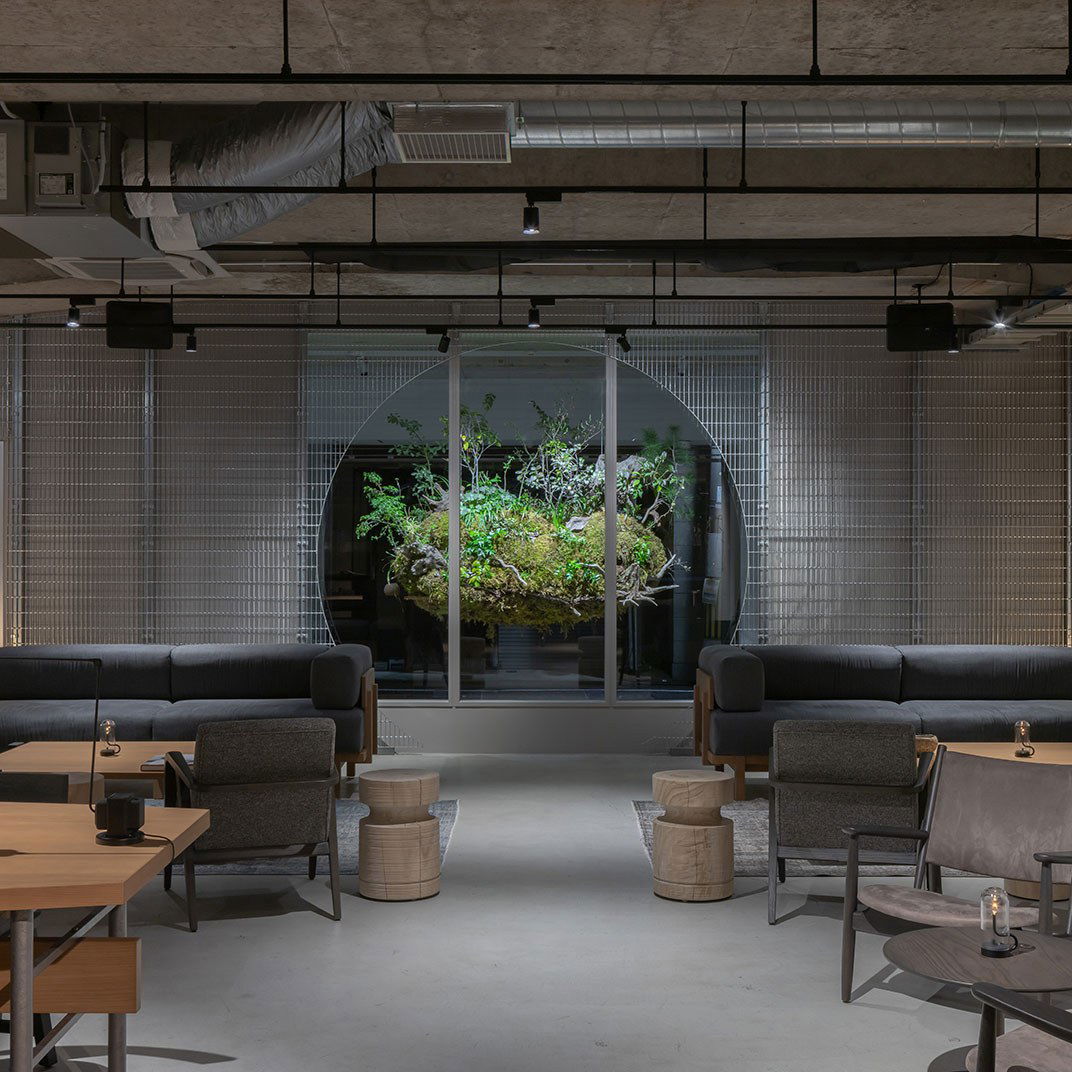
About Rakuro Kyoto by THE SHARE HOTELS
Rakuro Kyoto by THE SHARE HOTELS occupies a Nakagyo-ku address in central Kyoto, holding a MICHELIN Selected distinction in the 2025 guide. The property sits within a growing tier of design-conscious mid-scale hotels that have repositioned Kyoto's hospitality offer away from legacy ryokan formats. It suits travellers who want central access to the city's historic core without the ceremony of a traditional inn.
Nakagyo-ku and the New Shape of Kyoto Hospitality
Kyoto's hotel market has fractured into identifiable tiers over the past decade. At one end sit the ultra-premium ryokan and international flagships, properties like Aman Kyoto and the Four Seasons Hotel Kyoto, where rates reflect both the real estate and the ceremony. At the other end, a generation of design-forward properties has emerged that treats the city as a living context rather than a backdrop for ritual. Rakuro Kyoto by THE SHARE HOTELS belongs to that second cohort, and its Nakagyo-ku address places it directly inside the city's commercial and cultural spine.
Nakagyo-ku runs through the centre of old Kyoto, between Nijo Castle to the west and the Kamo River to the east. The ward contains some of the city's densest concentration of machiya townhouses, traditional merchant streets, and the kind of quiet residential lanes that rarely appear in guidebook photography. A hotel at 186 Joshinyokocho sits in this fabric, close enough to Nishiki Market and the Karasuma corridor that the city's daily rhythms are immediately accessible on foot. This is a different proposition from properties positioned in Higashiyama or the forest periphery, where the appeal depends on seclusion rather than connection.
THE SHARE HOTELS and a Shift in Japanese Boutique Hospitality
THE SHARE HOTELS is a Japanese operator that has built a portfolio across multiple cities, each property developed under a locally specific concept rather than a standardised brand template. This approach puts the group in a different competitive conversation from international chains. Where a global brand brings consistency, a locally conceived property brings editorial specificity. The Kyoto iteration, Rakuro, reflects that model: the name and concept are tied to place, and the property is expected to read as Kyoto rather than as a hotel that happens to be in Kyoto.
This evolution in Japanese boutique hospitality has been gradual but legible. The ryokan format, which dominated Kyoto's premium accommodation for generations, demands a specific kind of guest: one who accepts tatami rooms, kaiseki pacing, and the social choreography of onsen etiquette. For international travellers and younger domestic visitors who want proximity to the city without that ceremonial structure, a gap opened. Properties like Hotel Kanra Kyoto, Candeo Hotels Kyoto Karasuma Rokkaku, and eph KYOTO moved into that space, each with slightly different positioning on the design-versus-value axis. Rakuro occupies a point on that axis where design credibility and MICHELIN recognition meet a format that remains accessible rather than exclusive.
MICHELIN Selection and What It Signals in This Category
The MICHELIN Selected Hotels 2025 designation is the guide's entry-level hotel recognition, sitting below the key distinctions awarded to properties like Hoshinoya Kyoto. What the designation communicates is a standard of hospitality that meets a threshold the guide considers worth flagging to its readership. In a city where dozens of properties compete for the attention of well-travelled guests, appearing in the MICHELIN hotel guide at all is a trust signal, particularly for travellers who use the guide as a filter rather than a destination list.
In Kyoto's hotel market, the MICHELIN Selected tier clusters properties that have moved past the generic business hotel category without reaching the capital investment of a HOTEL THE MITSUI KYOTO. Rakuro sits in that band, alongside a set of properties that have earned recognition through design coherence and service consistency rather than room count or brand affiliation. For a traveller calibrating where to spend in Kyoto, that positioning matters: you are getting a vetted property at a scale where the stay feels considered rather than anonymous.
How the Property Has Evolved Within the THE SHARE HOTELS Framework
THE SHARE HOTELS group has refined its approach across successive openings, and the Kyoto property reflects learning from earlier iterations in other Japanese cities. Early properties in the group's portfolio leaned heavily on co-living and co-working spatial concepts, products of a moment when the line between hotel and shared workspace was being actively tested by operators globally. Rakuro represents a more settled version of that proposition: the communal spaces and local programming remain, but the concept has sharpened into something that reads as a hotel with community values rather than a hostel that charges hotel rates.
This trajectory mirrors a broader arc in Japanese hospitality, where experimental formats that emerged from the 2010s sharing economy wave have matured into more clearly defined products. The properties that survived that period did so by finding a stable identity. Rakuro's identity centres on Kyoto specificity: local materials, neighbourhood connection, and a design language that references the city's visual culture without reproducing it literally. That kind of disciplined local anchoring is what separates properties with longevity from those that age poorly when their trend moment passes.
Placing Rakuro in Japan's Wider Hotel Conversation
Kyoto's design-led mid-scale tier is part of a national pattern. Across Japan, the decade between 2015 and 2025 saw a proliferation of concept hotels that sought to translate place into architecture and programme. Some of the most discussed examples operate at very different price points and contexts: Benesse House in Naoshima anchors its identity in contemporary art; Zaborin in Kutchan works in the Hokkaido landscape; Higashiyama Shikikaboku occupies Kyoto's eastern historic district. Each of these represents a version of the same underlying question: how does a property make the destination legible rather than generic?
Rakuro's answer is urban and accessible rather than remote and immersive. It suits a traveller who will spend the majority of their time outside the hotel, using the city rather than retreating from it. That profile differs from the guest drawn to Gora Kadan in Hakone or Amanemu in Mie, where the property is the destination. Knowing which category you are shopping in resolves most of the comparison work before you book.
Planning Your Stay
Rakuro Kyoto is at 186 Joshinyokocho, Nakagyo-ku, in central Kyoto, within walking distance of the Karasuma and Shijo transport hubs. Kyoto's peak periods cluster around spring cherry blossom season (late March through early April) and autumn foliage season (mid-November), when accommodation across all tiers books out months in advance. Planning six to eight weeks ahead for peak periods is a minimum; MICHELIN-recognised properties in the city's central wards tend to fill faster than their star ratings might suggest, because the addressable guest pool is self-selecting and relatively small. For off-peak travel, February and June offer the most availability, and the city's temple circuits are substantially quieter. See our full Kyoto Prefecture restaurants guide for the broader dining and neighbourhood picture across the city.
For travellers building a wider Japan itinerary that includes accommodation at a comparable standard, properties such as Fufu Nikko in Nikko, Nishimuraya Honkan in Kinosaki-cho, and Kamenoi Besso in Yufu offer regional counterpoints to the Kyoto urban base. At the international end of the spectrum, Bvlgari Hotel Tokyo represents the capital's premium tier, while Halekulani Okinawa and Jusandi in Ishigaki extend the itinerary south. For those cross-referencing against global luxury standards, Badrutt's Palace Hotel in St. Moritz, Hôtel de Paris Monte-Carlo, and The Fifth Avenue Hotel in New York City occupy the equivalent recognition tier in their respective markets.
Frequently Asked Questions
- What is the standout characteristic of Rakuro Kyoto by THE SHARE HOTELS?
- The property holds a MICHELIN Selected distinction in the 2025 guide, placing it in a vetted tier of Kyoto accommodation that has been assessed for consistent hospitality standards. Its central Nakagyo-ku address gives it a practical advantage for guests whose primary interest is the city itself rather than seclusion. Within the THE SHARE HOTELS portfolio, the Kyoto property represents a locally anchored concept hotel rather than a standardised chain product.
- How far ahead should I plan for Rakuro Kyoto by THE SHARE HOTELS?
- If you are travelling during Kyoto's cherry blossom season (late March to early April) or autumn foliage period (mid-November), booking six to eight weeks in advance is a conservative minimum. MICHELIN-recognised properties in the central wards of Kyoto draw a concentrated, advance-planning audience. For off-peak periods such as February or June, the booking window is considerably shorter, and availability is typically easier to find.
- What is the leading use case for Rakuro Kyoto by THE SHARE HOTELS?
- The property suits travellers who want a design-considered base in central Kyoto with MICHELIN-vetted credentials, without committing to the ceremony and pricing of a full-service ryokan or five-star international brand. The Nakagyo-ku location makes it particularly well-suited for guests planning to cover significant ground across the city on foot or by public transport.
- What is the leading suite at Rakuro Kyoto by THE SHARE HOTELS?
- Room configuration and suite details are not confirmed in the current venue record. The MICHELIN Selected 2025 recognition indicates a property that has met the guide's hospitality threshold, which typically encompasses both room quality and service consistency. For confirmed room categories and current rates, checking directly with the property or the MICHELIN Hotels booking portal is the most reliable approach.
- How does Rakuro Kyoto fit into the THE SHARE HOTELS brand concept, and what does that mean for the guest experience?
- THE SHARE HOTELS develops each property under a locally specific concept, meaning Rakuro is designed to read as a Kyoto property rather than a generic brand outpost. This typically translates to communal spaces that reference local culture and a programming approach tied to the neighbourhood. The MICHELIN Selected 2025 recognition confirms that the concept has been executed to a standard the guide considers worth recommending to its readership.
Recognized By

Similar venues by awards
Related editorial
- Asia's 50 Best Restaurants 2026: The Chairman and Wing Go 1-2 from the Same BuildingThe Chairman takes No. 1 and Wing climbs to No. 2 at Asia's 50 Best Restaurants 2026. Both operate from the same Hong Kong building. Here's what it means.
- Four Seasons Yachts Debut: 95 Suites, 11 Restaurants, and a March 2026 Maiden VoyageFour Seasons I launches March 20, 2026, with 95 suites, a one-to-one staff ratio, and 11 onboard restaurants. Worth tracking if you want hotel-grade service at sea.
- LA Michelin Guide 2026: Seven New Restaurants from Tlayudas to Uzbek DumplingsMichelin's March 2026 California Guide update adds six LA restaurants and one Montecito newcomer, spanning Oaxacan tlayudas, Uzbek manti, and Korean-Italian pasta.
Save or rate Rakuro Kyoto by THE SHARE HOTELS on Pearl
Keep this venue in your Pearl passport, rate it after you visit, and track it alongside every other place you collect.