
Hotel in Kyoto Prefecture, Japan
Node Hotel
150ptsCentral Kyoto Positioning

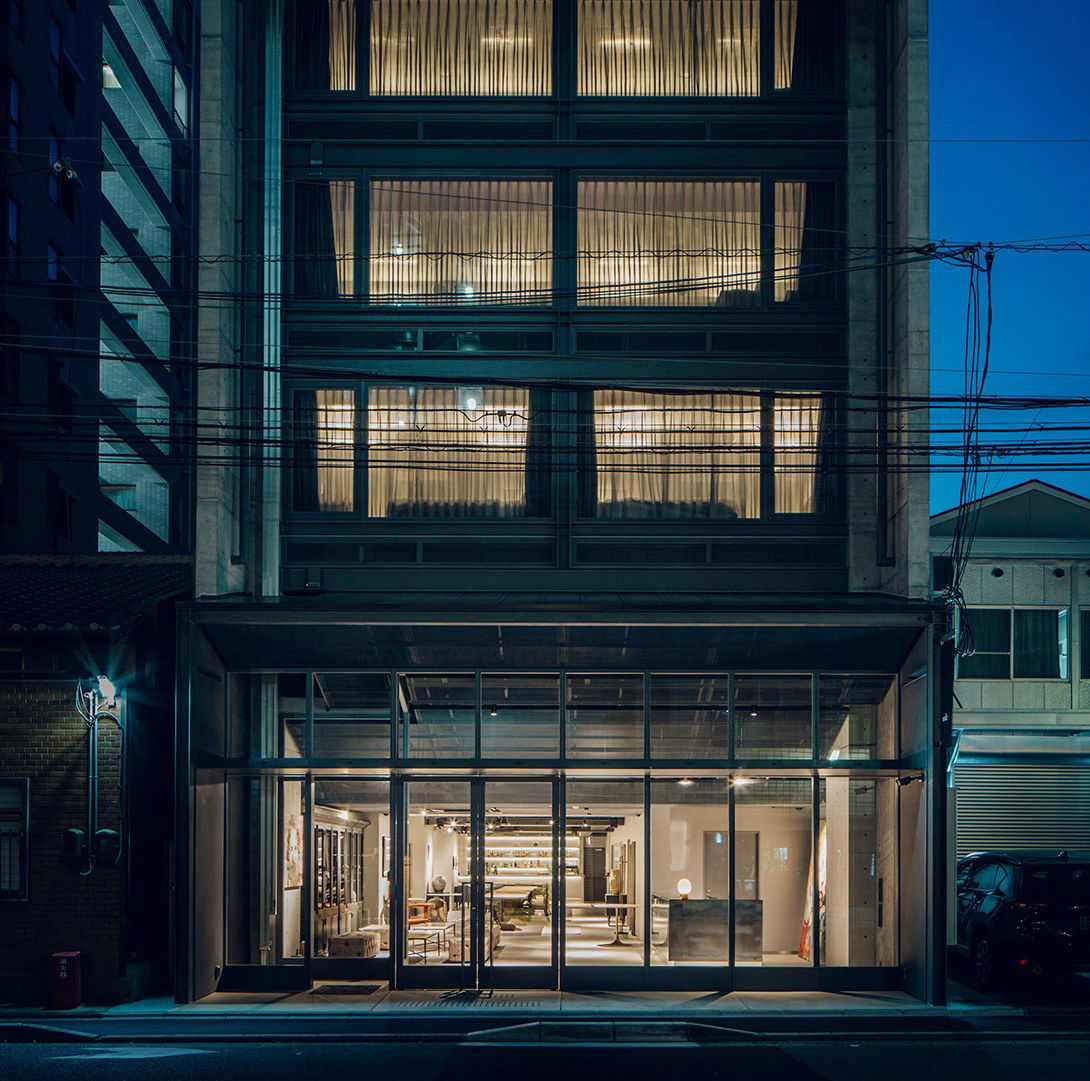
About Node Hotel
Node Hotel holds a Michelin Selected distinction in the 2025 Michelin Hotels guide, placing it in a recognised tier of Kyoto accommodation that values quality of experience over scale. Located in Nakagyo-ku, the property sits within one of Kyoto's most historically layered central wards, within reach of the city's temple districts, covered arcades, and traditional machiya streetscapes.
Nakagyo-ku and the Case for Central Kyoto
Kyoto's accommodation market has long divided along a familiar axis: large international hotels clustered near Kyoto Station, and smaller, atmosphere-led properties distributed through the older residential and temple wards to the north and east. Node Hotel occupies the middle ground of that geography, addressed to Touroyamacho in Nakagyo-ku, the ward that runs through the city's commercial and cultural core. This placement matters more than it might appear. Nakagyo-ku gives guests access to Nishiki Market, the covered Teramachi and Shinkyogoku shopping arcades, and the dense network of machiya-lined lanes that define Kyoto at street level, without the commute overhead that comes with choosing a hotel anchored to the bullet train terminus at the city's southern edge.
For visitors planning a programme built around the city's historic east side, the Higashiyama ward and its temple approach paths remain accessible without a lengthy transit leg. That positioning — central but not corporate — is the defining characteristic of the Nakagyo tier, and it shapes the kind of stay Node Hotel is designed to support.
Michelin Recognition and What It Signals About Peer Set
Node Hotel carries a Michelin Selected distinction in the 2025 Michelin Hotels guide, the entry point into Michelin's hotel recognition framework and a credential that places the property in a specific competitive conversation. Michelin Selected status, applied to hotels rather than restaurants, signals a consistent standard of comfort, service, and setting as assessed through the same editorial rigour applied to the culinary guide. It does not imply the same depth of distinction as a Key award, but it does place Node Hotel above unvetted accommodation options and aligns it with a peer set that has passed external quality review.
In Kyoto specifically, Michelin hotel recognition spans a wide range of formats, from large-scale properties like Four Seasons Hotel Kyoto through design-led boutique addresses such as eph KYOTO and Hotel Kanra Kyoto. Node Hotel sits within that recognised cohort, offering an independently verified point of reference for travellers who use award frameworks to organise their shortlist. See the full Kyoto Prefecture restaurants and hotels guide for a broader picture of the city's recognised properties.
Service Orientation in a City That Sets a High Bar
Kyoto has one of the most demanding service cultures of any city in Japan, which itself maintains one of the highest baseline standards for guest experience anywhere in the world. The city's ryokan tradition, sustained by properties like Hoshinoya Kyoto and Higashiyama Shikikaboku, has set a deep precedent for anticipatory, personalised attention that smaller and newer hotels across the city now measure themselves against whether they operate in a traditional or contemporary format.
For properties in the Nakagyo-ku central zone, the guest experience tends to be shaped by proximity and ease: the ability to orient visitors quickly, to give reliable local guidance rather than scripted recommendations, and to make a stay in a dense, complex city feel navigable without friction. These are the practical dimensions of service that distinguish a well-run Kyoto hotel from one that is simply well-located. Michelin's selection process places weight on exactly these qualities, which is part of what the credential communicates in a market where location alone is insufficient.
At the scale of a city-centre property in Nakagyo-ku, the service register tends toward attentive efficiency rather than the immersive, staff-intensive care associated with traditional inn formats. The comparison set here is less Yoshida Sanso and more properties like Candeo Hotels Kyoto Karasuma Rokkaku or GRANBELL HOTEL KYOTO, where the guest relationship is built around practical helpfulness and a well-executed physical product.
Kyoto in the Context of Japan's Wider Hotel Landscape
Booking a stay in Kyoto increasingly means making a considered choice between formats rather than simply between price points. At the upper end, international brand properties provide the infrastructure and consistency associated with their global networks. At the other extreme, small ryokan and machiya guesthouses offer immersive traditional formats with significant cultural depth. The middle tier, where Michelin Selected properties like Node Hotel operate, is the space that has grown most substantially in the past decade, partly because it addresses a segment of travellers who want quality and location without committing to either the formality of a full-service international hotel or the full immersion of a traditional inn stay.
For context across Japan's wider premium hotel spectrum, the range of Michelin-recognised options is substantial. Properties at the ryokan end of the scale, such as Gora Kadan in Hakone, Asaba in Izu, and Nishimuraya Honkan in Kinosaki-cho, represent the deepest articulation of Japanese hospitality tradition. Resort formats like Zaborin in Kutchan, Benesse House in Naoshima, and Halekulani Okinawa serve different trip architectures entirely. Within Kyoto itself, Aman Kyoto and HOTEL THE MITSUI KYOTO sit at the leading of the market by price and profile. Node Hotel occupies a different position in that range, one defined by its Michelin recognition, its central ward address, and the practical logic of its location.
For travellers mapping Japan beyond Kyoto, the country's broader hotel offering at this quality tier includes recognised properties across formats and regions: Amanemu in Mie, Kamenoi Besso in Yufu, Fufu Nikko, Jusandi in Ishigaki, and Sekitei in Hatsukaichi-shi. Internationally, the Michelin framework extends across properties as varied as Bvlgari Hotel Tokyo, The Fifth Avenue Hotel in New York City, Badrutt's Palace Hotel in St. Moritz, and Hôtel de Paris Monte-Carlo.
Planning a Stay
Node Hotel is located at 461 Touroyamacho, Nakagyo-ku, Kyoto Prefecture, in the central part of the city. Booking details including availability, current rates, and reservation methods should be confirmed directly, as pricing and policies are not published in the data available at time of writing. For current room availability, prospective guests should check directly through the property's booking channel. Kyoto sees sustained demand throughout the cherry blossom period in late March and early April, and again during autumn foliage season in November. Both windows fill recognised properties quickly, so advance planning during those periods is advisable.
Frequently Asked Questions
- What room category do guests prefer at Node Hotel?
- Specific room category data is not available in the current record. As a Michelin Selected property in Nakagyo-ku, Node Hotel has been assessed for consistent quality across its accommodation offering. Prospective guests are advised to review available room types directly with the property and consider how the room configuration fits the length and purpose of their Kyoto stay, particularly given the hotel's central location and access to the city's main districts.
- Why do people go to Node Hotel?
- The combination of Michelin Selected recognition and a Nakagyo-ku address gives Node Hotel a clear positioning: externally validated quality in a ward that provides direct access to Kyoto's commercial, cultural, and historic core. For travellers who use award frameworks to shortlist accommodation and want a central base without defaulting to the city's large-scale international hotels, it fits a specific and practical requirement. The property sits in a recognised peer set that includes other Michelin-acknowledged Kyoto addresses such as eph KYOTO and Hotel Kanra Kyoto.
- Should I book Node Hotel in advance?
- Given its Michelin Selected status and central Kyoto address, Node Hotel is likely to fill during the city's two peak seasons: cherry blossom (late March to mid-April) and autumn foliage (late October to mid-November). Outside those windows, booking lead times are typically shorter, but early confirmation is still advisable for weekend stays and public holiday periods in Japan. Direct booking details should be confirmed through the property, as website and phone information is not available at time of writing.
- Is Node Hotel a good base for visiting Kyoto's temple and shrine districts?
- A Nakagyo-ku address places Node Hotel in practical proximity to multiple temple and shrine routes. The Higashiyama district, which includes Kiyomizudera and the Gion preserved streetscape, is reachable from central Kyoto by transit or on foot, making this ward a functional base for visitors planning a dense sightseeing programme. The hotel's Michelin Selected status provides an independent quality anchor for travellers planning around cultural itineraries across the city.
Recognized By

Similar venues by awards
Related editorial
- Asia's 50 Best Restaurants 2026: The Chairman and Wing Go 1-2 from the Same BuildingThe Chairman takes No. 1 and Wing climbs to No. 2 at Asia's 50 Best Restaurants 2026. Both operate from the same Hong Kong building. Here's what it means.
- Four Seasons Yachts Debut: 95 Suites, 11 Restaurants, and a March 2026 Maiden VoyageFour Seasons I launches March 20, 2026, with 95 suites, a one-to-one staff ratio, and 11 onboard restaurants. Worth tracking if you want hotel-grade service at sea.
- LA Michelin Guide 2026: Seven New Restaurants from Tlayudas to Uzbek DumplingsMichelin's March 2026 California Guide update adds six LA restaurants and one Montecito newcomer, spanning Oaxacan tlayudas, Uzbek manti, and Korean-Italian pasta.
Save or rate Node Hotel on Pearl
Keep this venue in your Pearl passport, rate it after you visit, and track it alongside every other place you collect.