
Raku Suisan
Kabayama, Kutchancho, Abuta Gun
Hotel in Kutchancho, Abuta Gun, Japan
 Book with Pearl
Why go
Book Raku Suisan if the trip calls for a quieter, more considered Niseko-area stay rather than a large resort machine. Its 2025 MICHELIN Guide hotel selection is the main trust signal; value depends on whether privacy and atmosphere matter more than loyalty benefits, broad amenities, or chain-hotel predictability.
About Raku Suisan
Raku Suisan is a hotel in Kutchancho, Abuta Gun with MICHELIN Guide Hotels Selected 2025 recognition. Travelers should use the hotel's official channels for the latest practical details before booking.
A Kutchancho, Abuta Gun choice to match to your trip
Raku Suisan is a Kutchancho, Abuta Gun hotel recognized in the MICHELIN Guide Hotels Selected 2025 list. For details such as room categories, facilities, dining style, or on-site services, match the hotel directly against your trip requirements before booking.
If your decision depends on specific amenities, accessibility needs, meal arrangements, or group logistics, confirm those points with the property before committing. If you are comparing several stays, use the MICHELIN recognition as one signal rather than assuming features without checking.
Book it for the MICHELIN recognition; cross-shop it for fit
Use Our full Kutchancho, Abuta Gun hotels guide to compare the wider stay map. Travelers can also compare Raku Suisan with other options such as Hilton Niseko Village, The Vale Niseko, Kimamaya by Odin, and Niseko Grandpapa Lodge / accommodation. For trip planning around meals, compare other dining in Kutchancho, Abuta Gun separately rather than assuming any particular hotel dining feature.
Planning details
- Location
- 119-1 Kabayama, Kutchan, Abuta District, Hokkaido 044-0078, Japan
- Website
- raku-suisan.com
- Phone
- +81 136-22-0520
The take
The Take
The Vibe
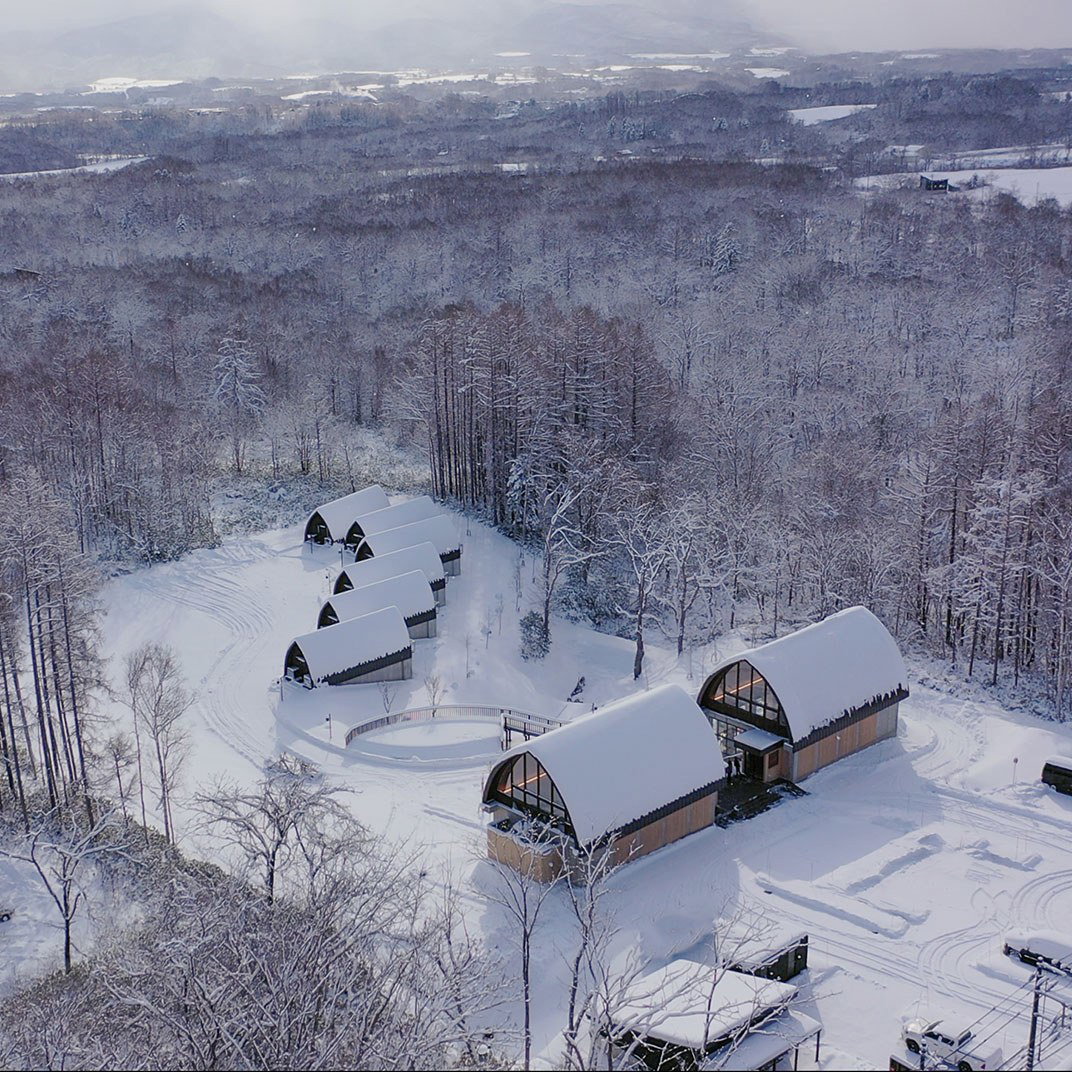
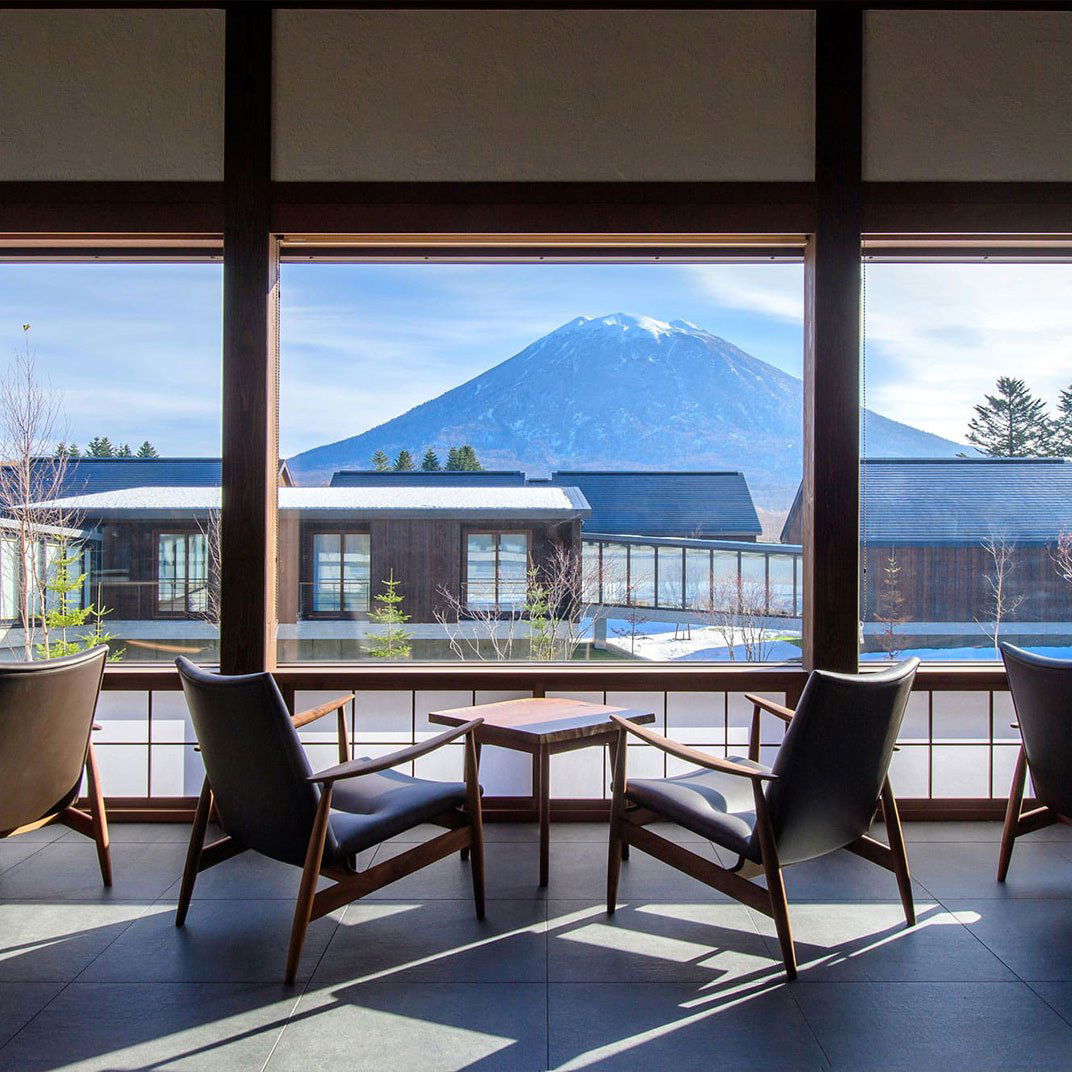
Raku Suisan sits quietly on Kabayama's agricultural fringe, presenting a deliberately low-key alternative to Niseko's loud resort towers. The hotel's design emphasizes material character and stillness, trading ski-in convenience for intimate, considered spaces; Michelin Selected status underlines that focus on place and comfort. Low roof lines and farmland views make the property feel embedded in landscape rather than stage-managed for tourism. Interiors favor restraint and thoughtful details, so guests experience a serene, sophisticated environment that foregrounds calm, seasonal rhythms over spectacle.
Best For
Raku Suisan is best for travelers who prize calm and design more than ski-in access. Its Kabayama setting appeals to guests looking to step away from Niseko's busy resort corridor for slow mornings, long views over farmland and evenings defined by quiet. The Michelin Selected designation signals thoughtful service and an emphasis on place, so the hotel suits readers who value architecture, materiality and understated luxury. It's a strong pick for solo travelers, couples after a restorative break, and design-minded visitors who want a small, considered property as their base for exploring Hokkaido's quieter landscapes.
Venue details
Ambiance
Quiet, intimate, and serene, with a refined Japanese ryokan atmosphere shaped by minimalist interiors, Hokkaido wood, fireplace and lounge spaces, and mountain views.
Tags
Vibe
Best For
Experience
Amenities
View
Accessibility
About the Stay
- Rooms
- 18
- Check-in
- 14:00
- Check-out
- 11:00
- Property Style
- Upscale Ryokan Style Mountain Retreat with Detached Guesthouses and Private Onsen.
- Design Style
- Minimalist Japanese Ryokan Style with Contemporary Touches and Warm Hokkaido Wood Materials.
Know before you go
Know Before You Go
- Getting there
- 119-1 Kabayama, Kutchan, Abuta District, Hokkaido 044-0078, Japan
Planning details
Location
119-1 Kabayama, Kutchan, Abuta District, Hokkaido 044-0078, Japan · Directions
Recognition and awards
Also consider
Also Consider
- Niseko Grandpapa Lodge / accommodation, Notable alternative
- Hilton Niseko Village, Notable alternative
- The Vale Niseko, Notable alternative
- Kimamaya by Odin, Notable alternative
- Kimamaya by Odin, Notable alternative
Hotel context
How It Compares
Raku Suisan is the more occasion-led choice in this set: stronger for travelers who want a quieter Kabayama stay with Michelin hotel-selection credibility, weaker for anyone prioritizing predictable resort infrastructure. Hilton Niseko Village is the safer practical pick for guests who want a larger hotel environment and easier group logistics.
The Vale Niseko is the better cross-shop if location convenience and apartment-style flexibility matter more than a hushed retreat feel. Niseko Grandpapa Lodge / accommodation should be considered by value-focused travelers who would rather spend less on the room and put more of the trip budget toward skiing, dining, or transport.
Kimamaya by Odin sits closer to Raku Suisan in spirit than the larger resort options: smaller-scale, more personal, and better suited to travelers avoiding a big-hotel feel. Choose Raku Suisan for the stronger recognition signal; choose Kimamaya by Odin if the goal is a more intimate alternative and availability lines up better.
Explore Kutchancho, Abuta Gun
Around this place
Discover more on Pearl
Unlock the full Raku Suisan guide in Pearl, including awards, comparisons, FAQs, planning details, and nearby places.
Compare Raku Suisan
| Venue | Location | Awards |
|---|---|---|
| Raku Suisan | Kutchancho, Abuta Gun | 2025 Michelin Selected Hotels |
| Niseko Grandpapa Lodge / accommodation | Hirafu Station | No published awards |
| Hilton Niseko Village | Niseko | No published awards |
| The Vale Niseko | Kutchan | 2026 Forbes Recommended2025 Forbes Recommended |
| Kimamaya by Odin | Niseko Hokkaido | No published awards |
| Kimamaya by Odin | Kutchan | No published awards |

How Raku Suisan compares with similar nearby venues.
FAQ
Frequently Asked Questions
How does Raku Suisan compare to other hotels?
Choose Raku Suisan if you want to consider a Kutchancho, Abuta Gun hotel with MICHELIN Guide Hotels Selected 2025 recognition. Hilton Niseko Village, The Vale Niseko, Kimamaya by Odin, and Niseko Grandpapa Lodge / accommodation are useful alternatives to compare depending on your preferred hotel style and trip needs.
What is check-in like at Raku Suisan?
When is the best time to book Raku Suisan?
Raku Suisan is a Kutchancho, Abuta Gun hotel with MICHELIN Guide Hotels Selected 2025 recognition. If your travel dates are important, book when the hotel can confirm availability and the specific details you need.
How is the dining at Raku Suisan?
Do loyalty programs work at Raku Suisan?
How is the pool and spa at Raku Suisan?
Check directly with Raku Suisan before you count on wellness facilities, and compare alternatives such as The Vale Niseko or Hilton Niseko Village for overall fit if those details are essential.
Which room category is best at Raku Suisan?
Choose only after confirming the current room inventory, layout, and policies directly with Raku Suisan; Kimamaya by Odin and other stays may also be worth comparing for your preferred setup.