
OMO5 Kumamoto by Hoshino Resorts
Chuo Ward, Kumamoto
Hotel in Kumamoto, Japan
 Book with Pearl
Why go
OMO5 Kumamoto by Hoshino Resorts is a sensible city-base booking, especially for short Kumamoto stays where location and value matter more than resort extras. The dining case is not strong enough to make it a destination on its own, so plan meals around the city and use the hotel for convenient access.
About OMO5 Kumamoto by Hoshino Resorts
OMO5 Kumamoto by Hoshino Resorts is a hotel in Kumamoto with a casual dress code and recognition in the MICHELIN Guide hotel selection for 2025. Read the property straightforwardly: use it as a Kumamoto stay, and check dining, room, wellness, and service details directly if they matter to your trip.
The important reset is expectations. Do not assume a destination dining format, named cuisine, chef-led counter, tasting menu, published signature dishes, prices, hours, or a drinks program at the hotel. Travelers planning a food-focused trip should treat meals as a separate part of the itinerary and confirm current options directly before booking.
Book it for a Kumamoto stay, not for assumed extras
The clearest signal is external recognition from the MICHELIN Guide hotel selection, which gives OMO5 Kumamoto by Hoshino Resorts a useful credibility marker for travelers comparing places to stay in Kumamoto. The dress code is casual, so guests should not expect a formal dress requirement.
For dining-led travelers, the recommendation is to plan independently rather than assume the hotel restaurant is the reason for the trip. That is not a criticism of the property; it is simply the most accurate way to avoid building an itinerary around assumed details. Use this as a Kumamoto hotel option, then research meals separately. Our full Kumamoto restaurants guide is the better starting point for that part of the trip.
The value case depends on what you need from a Kumamoto hotel
OMO5 Kumamoto by Hoshino Resorts makes the most sense for travelers who want a hotel in Kumamoto with a MICHELIN Guide hotel-selection signal and casual expectations. If you need specific amenities, exact room layouts, on-site dining details, wellness facilities, prices, or operating hours, check them directly before you commit.
Travelers comparing different kinds of stays can also look at other named options such as RYOTEI HANZUIRYO, TAYUTA amakusa, Ohana, Azumaen, or L'isola THE BIRD depending on the style of trip they want. For OMO5 Kumamoto by Hoshino Resorts specifically, the grounded case is simple: it is a Kumamoto hotel with MICHELIN Guide Hotels Selected recognition in 2025; plan separately for destination dining or resort-style programming.
Quick read: consider it for a casual Kumamoto hotel stay with MICHELIN Guide hotel-selection recognition; confirm any dining, room, amenity, or service details directly before booking.
Planning details
- Location
- Japan, 〒860-0808 Kumamoto, Chuo Ward, Tetorihoncho, 5−1 HAB@ 3F
- Website
- hoshinoresorts.com/ja/hotels/omo5kumamoto
- Phone
- +81 50-3134-8095
The take
The Take
The Vibe
OMO5 Kumamoto reads as a thoughtfully designed, neighbourhood-minded city hotel. The property foregrounds spatial logic — common areas work as departure lounges rather than passive lobbies — and the brand frames each stay as a curated encounter with the surrounding streets, markets and workshops. It trades the full-service trappings of resort hotels for programmatic engagement, local recommendations and staff-led activities, producing an approachable yet refined atmosphere that favours cultural depth and practical legibility over ostentation.
Best For
This hotel is best for travellers who want to use Kumamoto as a base for neighbourhood exploration. It suits solo explorers and culturally curious guests who prioritise access to castle grounds, covered arcades and artisan workshops over on-site luxury amenities. OMO5’s middle-tier positioning and curated common spaces also make it a strong pick for weekend escapes and families seeking a practical, well-located hotel that doubles as a local guidebook in physical form.
Stay Tips
Treat the hotel’s common areas as part of your itinerary: use the departure lounge resources — maps, neighbourhood recommendations and staff-led programming — to plan outings. Ask staff for their curated suggestions rather than relying on generic guidebooks, and check the hotel’s in-house programming to time visits to markets or local events. Because the property is oriented toward neighbourhood engagement, arriving with a loose plan and asking the team for on-the-ground tips yields a richer Kumamoto experience.
Venue details
Ambiance
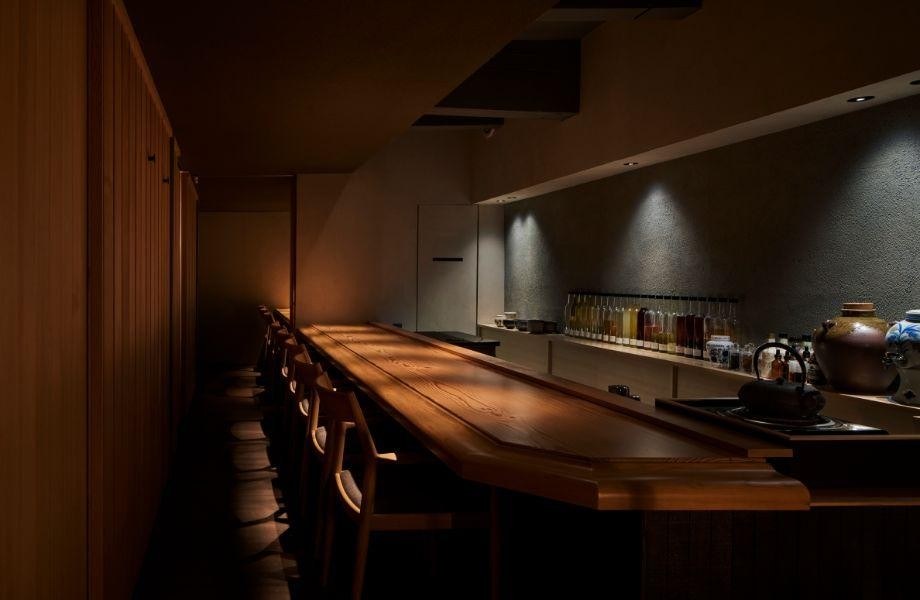
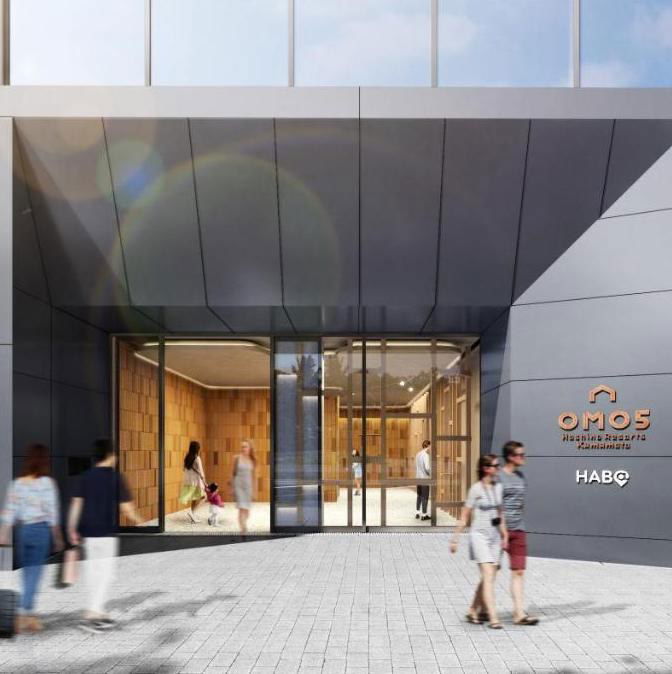
Contemporary minimalist design with colorful accents, bright natural lighting from castle views, casual social spaces encouraging guest interaction and local exploration.
Tags
Vibe
Best For
Experience
Amenities
View
Accessibility
About the Stay
- Rooms
- 160
- Check-in
- 15:00
- Check-out
- 11:00
- Property Style
- Contemporary Urban Design Hotel Positioned as a Budget Conscious Alternative for Travelers Seeking Local Cultural Immersion and Modern Amenities.
- Design Style
- Ultra Minimalist with Colorful Accents, Featuring Artwork and Furniture Capturing the Essence of Kumamoto; Yagura Rooms Incorporate Japanese Tatami Mats and Loft Style Vertical Space.
Know before you go
Know Before You Go
- Getting there
- Japan, 〒860-0808 Kumamoto, Chuo Ward, Tetorihoncho, 5−1 HAB@ 3F
Planning details
Location
Japan, 〒860-0808 Kumamoto, Chuo Ward, Tetorihoncho, 5−1 HAB@ 3F · Directions
Recognition and awards
Also consider
Also Consider
- L'isola THE BIRD, Notable alternative
- TAYUTA amakusa, Notable alternative
- Azumaen, Notable alternative
- RYOTEI HANZUIRYO, Notable alternative
- Ohana, Notable alternative
Hotel context
How it compares in the Kumamoto area
OMO5 Kumamoto by Hoshino Resorts is the practical city pick in this set: easier to book, better for short stays, and more useful if the day is built around Kumamoto rather than the hotel itself. L'isola THE BIRD and TAYUTA amakusa sit out of metro, so they make more sense when the trip is intentionally slower and the stay is part of the itinerary, not just the base.
For atmosphere, Azumaen, RYOTEI HANZUIRYO, and Ohana are better cross-shops if the goal is a more traditional or retreat-style stay outside the city rhythm. The tradeoff is convenience: out-of-metro properties require a more deliberate schedule, while OMO5 Kumamoto by Hoshino Resorts is the cleaner choice for sightseeing, business, and restaurant-hopping in Kumamoto.
Value-seekers should start here if they want an easy, guide-recognized hotel without building the whole trip around lodging. Choose the out-of-metro peers when ambiance matters more than access, or when the stay itself needs to feel like the main plan.
Explore Kumamoto
Around this place
Discover more on Pearl
Unlock the full OMO5 Kumamoto by Hoshino Resorts guide in Pearl, including awards, comparisons, FAQs, planning details, and nearby places.
Compare OMO5 Kumamoto by Hoshino Resorts
| Venue | Location | Awards |
|---|---|---|
| OMO5 Kumamoto by Hoshino Resorts | Kumamoto | 2025 Michelin Selected Hotels |
| L'isola THE BIRD | Amakusa | No published awards |
| TAYUTA amakusa | Kami Amakusa | 2025 Michelin 1 Key |
| Azumaen | Unzen | No published awards |
| RYOTEI HANZUIRYO | Unzen | 2025 Michelin 1 Key |
| Ohana | Yanagawa | No published awards |

How OMO5 Kumamoto by Hoshino Resorts Review compares with similar nearby venues.
FAQ
Frequently Asked Questions
How is the dining at OMO5 Kumamoto by Hoshino Resorts?
Plan dining separately rather than assuming a specific dining format, cuisine, tasting menu, signature dishes, prices, hours, or drinks program. The MICHELIN Guide, Hotels Selected (2025) recognition applies to the hotel listing rather than making the property a specific restaurant draw.
What is check-in like at OMO5 Kumamoto by Hoshino Resorts?
How is the location of OMO5 Kumamoto by Hoshino Resorts?
OMO5 Kumamoto by Hoshino Resorts is in Kumamoto. Check directly with the hotel for address, district, building, or landmark-based location details.
How does OMO5 Kumamoto by Hoshino Resorts compare to other stays?
Choose OMO5 Kumamoto by Hoshino Resorts if you want a Kumamoto hotel with MICHELIN Guide, Hotels Selected (2025) recognition and a casual dress code. Other options to compare, depending on the kind of trip you want, include TAYUTA amakusa, Ohana, Azumaen, L'isola THE BIRD, and RYOTEI HANZUIRYO.
How is the pool and spa at OMO5 Kumamoto by Hoshino Resorts?
Which room category is best at OMO5 Kumamoto by Hoshino Resorts?
Choose based on the current room descriptions provided by the hotel and the amount of space you need for your Kumamoto stay.
Is OMO5 Kumamoto by Hoshino Resorts good for business travel?
OMO5 Kumamoto by Hoshino Resorts is in Kumamoto, has a casual dress code, and is MICHELIN Guide, Hotels Selected (2025). Travelers visiting for work should confirm practical details such as room setup, services, and access directly with the hotel.