

Zannier Hotels Phum Baitang
Krong Siem Reap
Hotel in Krong Siem Reap, Cambodia
 Book with Pearl
Why go
A strong choice for a special-occasion Siem Reap stay when privacy, resort space, polished dining matter more than city-center convenience. The 2026 Forbes 4-Star and Star Wine List recognition make the food-and-drink side more credible than a standard resort add-on, but travelers focused on late nights in town should compare central options first.
About Zannier Hotels Phum Baitang
Zannier Hotels Phum Baitang is a premium hotel in Krong Siem Reap with a smart casual dress code and recognition from Forbes 4-Star (2026) and Star Wine List (2026). For exact pricing, room categories, dining formats, amenities, service inclusions, use the hotel's official channels before booking.
The value case depends on whether you want this specific Krong Siem Reap property and whether its recognition matters for your trip. If you are comparing hotels, keep the decision grounded in the basics: location in Krong Siem Reap, smart casual expectations, the 2026 recognition.
Book for a Krong Siem Reap stay with notable recognition
The clearest reasons to shortlist Zannier Hotels Phum Baitang are its Krong Siem Reap location and its Forbes 4-Star (2026) and Star Wine List (2026) recognition. Those facts support treating it as a serious premium-hotel option. For room layouts, amenities, menus, prices, service formats, check the latest details directly with the hotel.
Travelers comparing a stay here with other nearby options can also consider Anantara Angkor Resort, Anjali By Syphon, Park Hyatt Siem Reap, Rambutan Hotel & Resort - Siem Reap, Sokhalay Angkor Villa Resort. Use current official information from each property to compare availability, rates, inclusions, practical fit.
The recognition adds weight, but specifics still need checking
Forbes 4-Star (2026) and Star Wine List (2026) are the key accolades for Zannier Hotels Phum Baitang. They are useful signals when deciding whether the hotel belongs on a premium Krong Siem Reap shortlist, especially for travelers who care about recognized hospitality and wine-related recognition.
Do not read those accolades as promises of a particular cuisine, dish, tasting format, price point, chef, or beverage program. If dining, wine, dietary needs, or a specific meal plan are central to the trip, confirm the current details directly with the hotel before committing.
Who should skip it
Skip it if you need firm advance answers on details such as exact pricing, room types, amenities, dining formats, or transportation logistics. Consider it if a Krong Siem Reap hotel with smart casual expectations and Forbes 4-Star (2026) and Star Wine List (2026) recognition fits the trip. For comparison, look at other Krong Siem Reap options such as Anantara Angkor Resort, Anjali By Syphon, Park Hyatt Siem Reap, Rambutan Hotel & Resort - Siem Reap, Sokhalay Angkor Villa Resort.
Planning details
- Location
- Neelka Way
- Website
- zannierhotels.com/phumbaitang
- Phone
- 855-63-961-111
The take
The Take
The Vibe
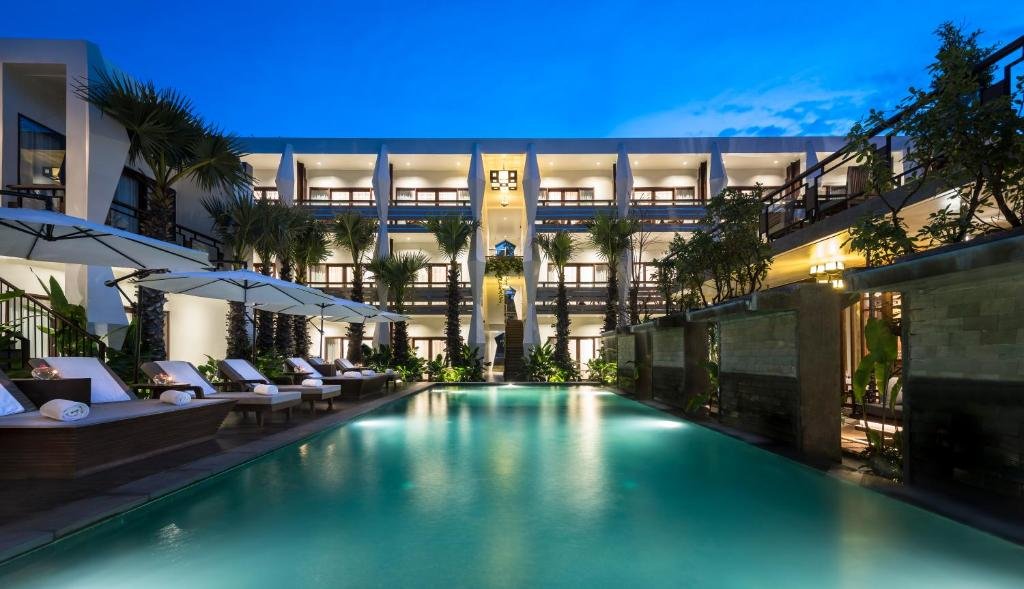
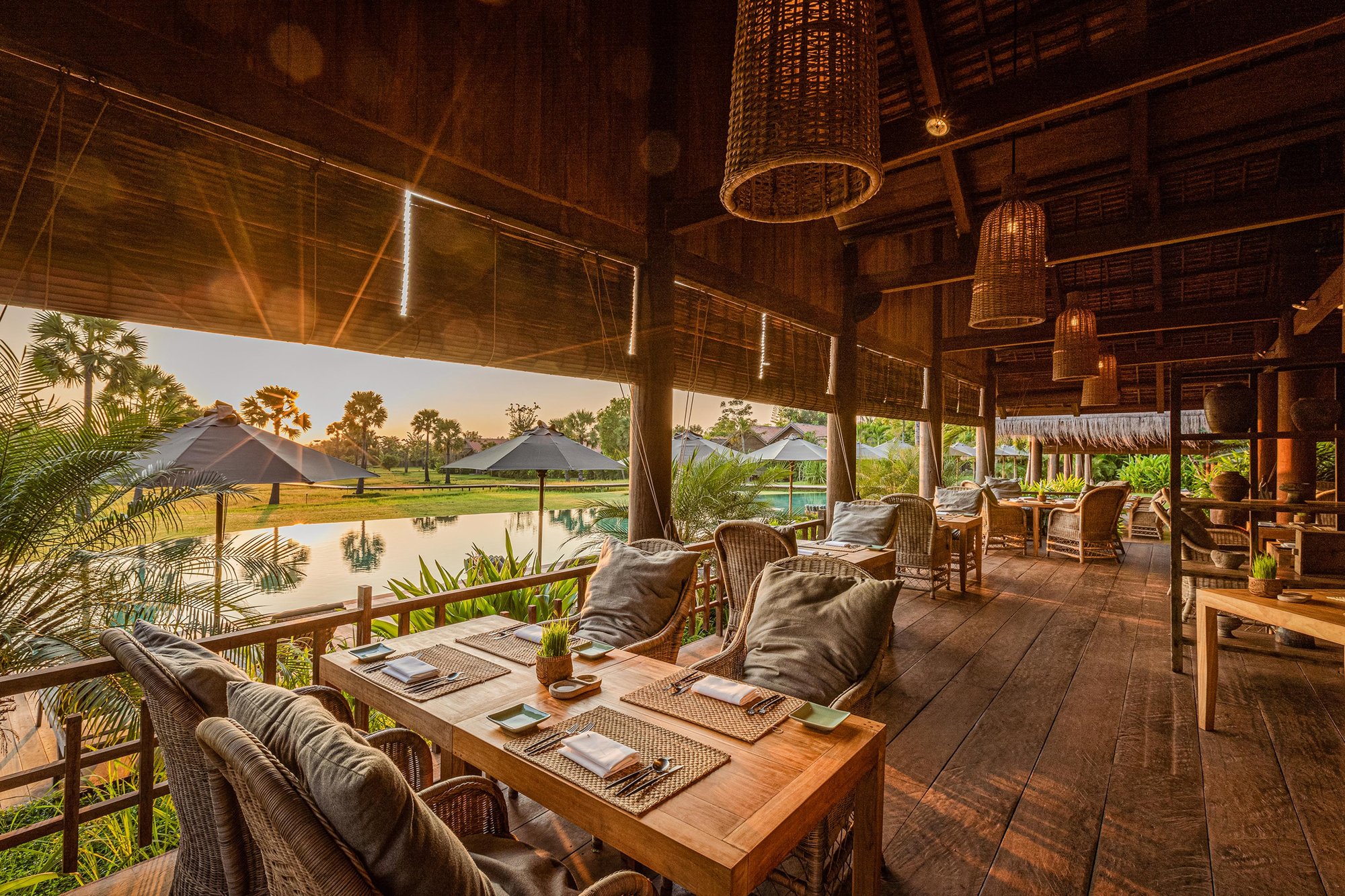
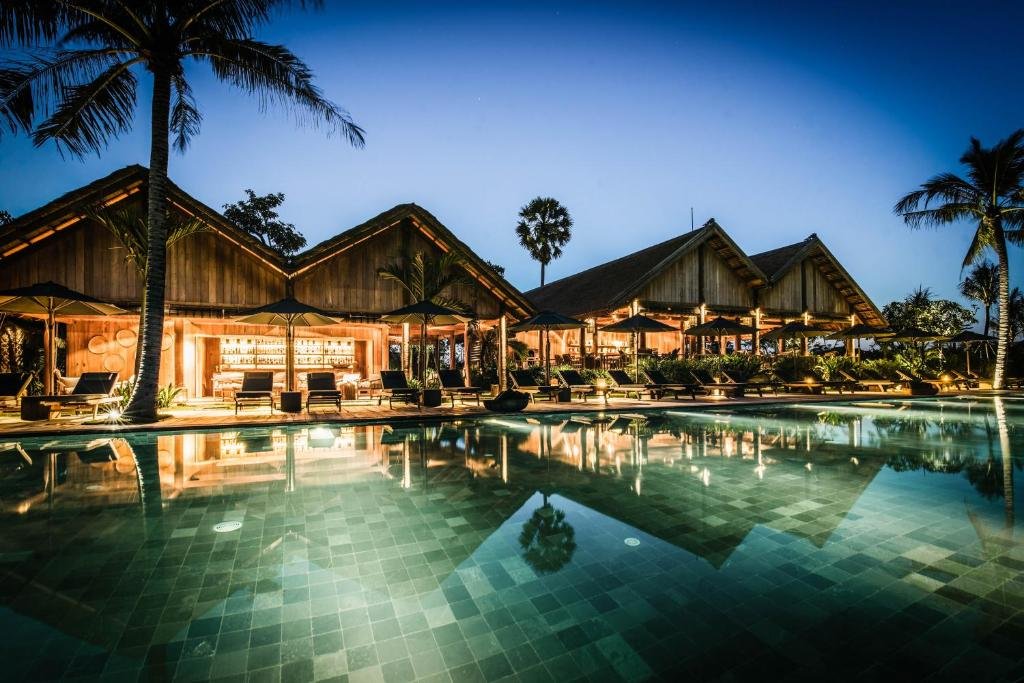
Zannier Hotels Phum Baitang leans into rural Cambodian life rather than masking it. The property reads like a carefully considered working village: 45 stilted villas sit amid rice paddies and green compound space, and the name itself—'green village'—frames the experience as immersion in landscape and vernacular architecture. Arrival feels intentionally low-key; architects use scale and tradition to create a quietly refined retreat that favors space and landscape over urban gloss. The result is a charming, serene resort that places the countryside at the center of its identity.
Best For
Phum Baitang suits travelers who want to be inside Cambodia's countryside rather than beside it. It is ideal for guests who seek separation from Siem Reap’s busy centre after temple days, visitors focused on understanding rural Khmer life, and couples or families who prefer expansive compound feel over tight urban footprints. Compared with city-centre boutique hotels, this property trades walking proximity for privacy, scale and green views—so it rewards those prioritizing calm, space and a landscape-led stay.
Stay Tips
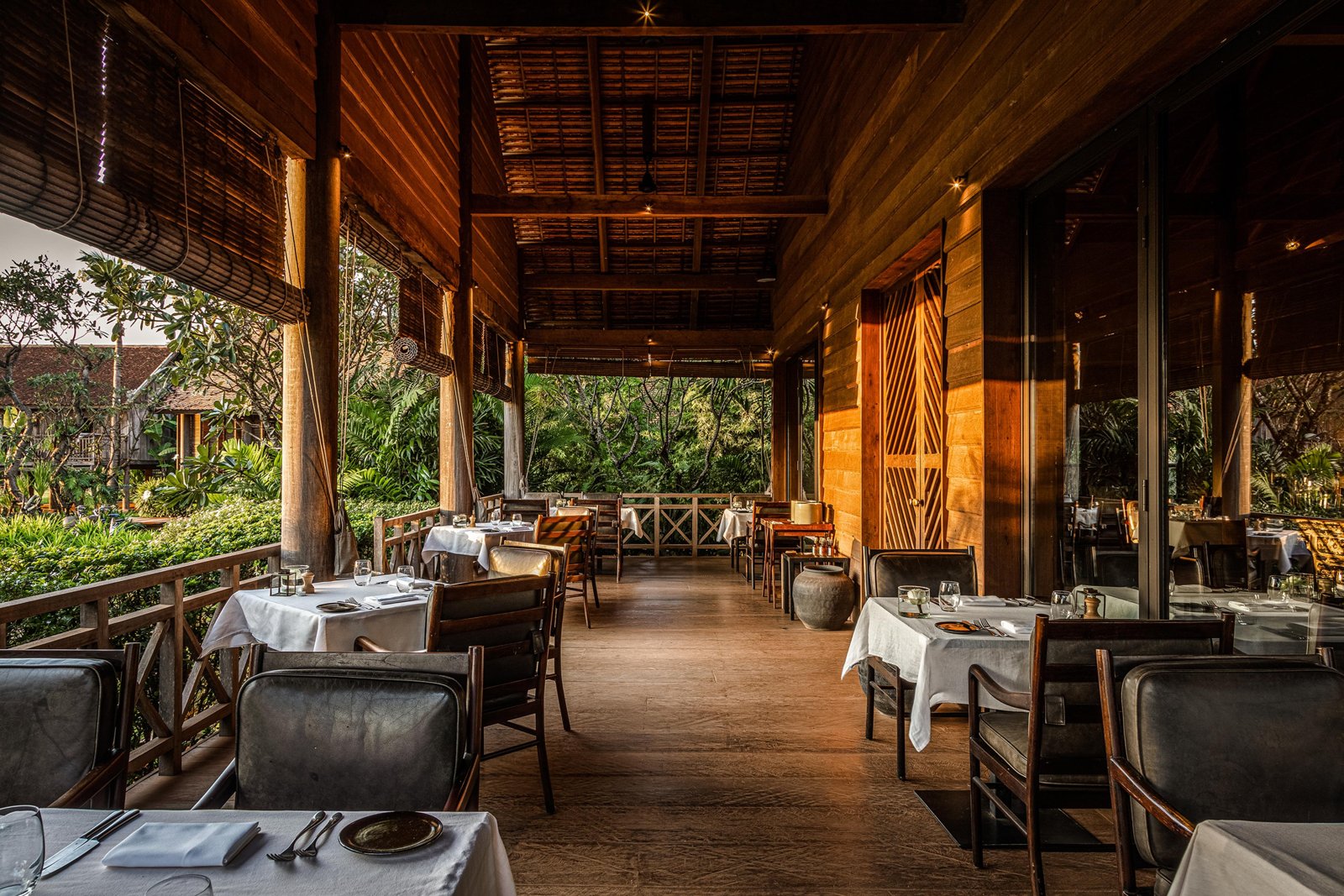
The hotel’s dining programme gets prominent billing, so make dinner reservations and ask about the wine offering when you arrive. The property positions its restaurant and wine programme as a notable feature, so inquire with staff about cellar selections or suggested pairings and whether tasting options are available. Because the resort trades urban proximity for compound scale, also allow time for transfers to and from temples and plan dining around travel schedules to make the most of evening service.
Venue details
Ambiance
Serene and elegant with rustic luxury, natural textures, soft lighting in thatched pavilions, and peaceful rice paddy views creating a relaxing retreat.
Tags
Vibe
Best For
Experience
Amenities
View
About the Stay
- Rooms
- 45
- Check-in
- 15:00
- Check-out
- 12:00
- Property Style
- Traditional Cambodian Village Resort Blending Vernacular Architecture with Modern Luxury Villas.
- Design Style
- Rustic Elegance Featuring Timber, Bamboo, Stone, Khmer Motifs, and Hand Picked Antiques.
Planning details
Location
Recognition and awards


Also consider
Where to Look If This Is Full
If dates are tight, try Park Hyatt Siem Reap for a more central polished stay. For a lighter-budget fallback, compare Anjali By Syphon and Rambutan Hotel & Resort - Siem Reap; both make more sense when simple access and value matter more than resort seclusion.
Hotel context
How It Compares
Choose Zannier Hotels Phum Baitang over Anantara Angkor Resort or Sokhalay Angkor Villa Resort when the stay needs a quieter, more retreat-led mood. It is the stronger call for couples and celebration travelers who want the hotel to be part of the trip, not just a base for Angkor touring.
Park Hyatt Siem Reap is the better cross-shop if central access and polished city-hotel structure matter more than space and seclusion. Anjali By Syphon and Rambutan Hotel & Resort - Siem Reap are more practical alternatives when value and simpler logistics outweigh a resort-style setting.
Booking difficulty is the main reason to keep a backup. If this is unavailable for peak Siem Reap dates, Park Hyatt Siem Reap is the safer polished fallback, while Anjali By Syphon and Rambutan Hotel & Resort - Siem Reap are better for travelers who would rather protect budget than chase a quieter resort atmosphere.
Explore Krong Siem Reap
Around this place
Discover more on Pearl
Unlock the full Zannier Hotels Phum Baitang guide in Pearl, including awards, comparisons, FAQs, planning details, and nearby places.
Compare Zannier Hotels Phum Baitang
| Venue | Location | Awards |
|---|---|---|
| Zannier Hotels Phum Baitang | Krong Siem Reap | 2026 Forbes 4-StarStar Wine Lists 2026 |
| Anantara Angkor Resort | Siem Reap | 2026 Forbes 4-Star2025 Michelin Selected Hotels2025 Forbes 4-Star |
| Sokhalay Angkor Villa Resort | Siem Reap | No published awards |
| Anjali By Syphon | Siem Reap | No published awards |
| Park Hyatt Siem Reap | Siem Reap | 2026 Forbes Recommended2026 Virtuoso Luxury Hotel Collection2025 Forbes Recommended2025 Michelin 1 Key |
| Rambutan Hotel & Resort - Siem Reap | Siem Reab | No published awards |



How Zannier Hotels Phum Baitang compares with similar nearby venues.
FAQ
Frequently Asked Questions
Is Zannier Hotels Phum Baitang family-friendly?
If you are planning a family stay in Krong Siem Reap, confirm room setup, bedding, children's services, any relevant policies directly with the hotel before booking.
Which room category is best at Zannier Hotels Phum Baitang?
Choose based on the latest room descriptions, availability, pricing from the hotel's official channels, compare those details with other Krong Siem Reap options such as Rambutan Hotel & Resort - Siem Reap if room style and budget are deciding factors.
Is Zannier Hotels Phum Baitang good for business travel?
If you are traveling for business in Krong Siem Reap, confirm practical requirements directly with the hotel and compare with options such as Park Hyatt Siem Reap or Anantara Angkor Resort.
Do loyalty programs work at Zannier Hotels Phum Baitang?
Evaluate loyalty-program benefits through the hotel's current official booking terms. Treat Zannier Hotels Phum Baitang as a Krong Siem Reap hotel to assess on its Forbes 4-Star (2026) and Star Wine List (2026) recognition, smart casual dress code, booking terms.
How is the pool and spa at Zannier Hotels Phum Baitang?
If relaxation amenities are important to your Krong Siem Reap stay, confirm current facilities, access, hours, any booking requirements directly with the hotel before reserving.