
Shakti 360° Leti
Leti village, Kottakuppam
Hotel in Kottakuppam, India
 Book with Pearl
The Read
Four-Tent Ridge Immersion
Why go
Shakti 360° Leti is a strong special-occasion pick for travelers who want a remote Himalayan hotel with serious recognition, including Robb Report's 2025 luxury-hotel list and a 2026 Mr & Mrs Smith Seal of Approval. It is less suitable for business travel or points-driven bookings, since public detail on price, dining, spa, room categories is limited.
About Shakti 360° Leti
Shakti 360° Leti in Kottakuppam is a premium hotel entry with two clear recognition signals: Robb Report placed it at #34 on The 50 Greatest Luxury Hotels on Earth in 2025, Mr & Mrs Smith gave it a Seal of Approval in 2026.
Before booking, check current availability, inclusions, dining format, room categories, amenities, prices, on-property details directly.
Choose it for standout recognition
The strongest reason to keep Shakti 360° Leti on a shortlist is its recognition from Robb Report and Mr & Mrs Smith. For planning, verify current availability, inclusions, on-property details directly before making decisions.
Where it fits in a hotel shortlist
Travelers comparing premium stays can weigh Shakti 360° Leti against other distinctive properties such as Brij Atmanya Bhowali, Mary Budden Estate, Saraca Corbett, Shakti Prana, The Kumaon. For local browsing, compare it with other Kottakuppam options and confirm practical details before booking.
Planning details
- Location
- Shakti 360° Leti, Hamit Katri, Kapkot 263632, Bageshwar, Uttarakhand, India
- Website
- shaktihimalaya.com
- Phone
- +911244563899
The take
The Take
The Vibe
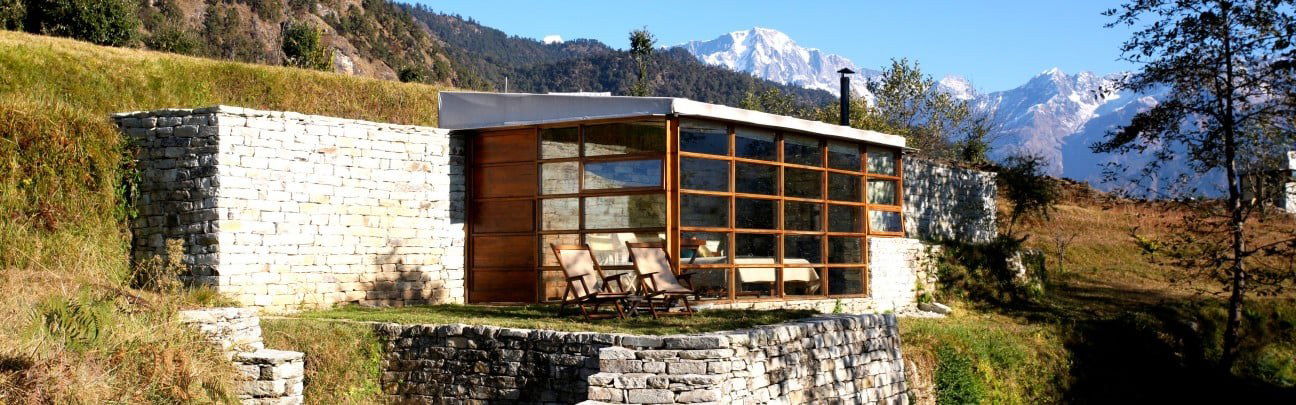
Shakti 360° Leti reads like a deliberate exercise in quiet, high-altitude restraint. Perched at 7,500 feet on a remote Kumaon ridge, the property replaces lowland noise with expansive views of snow-capped peaks, including Nanda Devi. The four luxury tents are treated as architectural statements: floor-to-ceiling glazing and private decks frame the ridge rather than block it, and the compact, four-tent layout prioritizes privacy and sightlines over scale. The result is a serene, carefully composed retreat where the drama of the Himalayan topography is the principal design ingredient.
Best For
This is a property for travelers who prize seclusion and viewpoint-driven experiences. The remote approach — reachable only on foot or by mule from the nearest road head — and the tiny, four-tent capacity make it especially well suited to guests seeking solitude, uninterrupted mountain panoramas, and an intimate connection to place. It suits pairs or small groups who value architectural detail and a singular sense of arrival; the emphasis is on presence in the ridge environment rather than resort-style amenities or high-capacity programming.
Stay Tips
Plan logistics carefully: the hotel sits on a ridge accessible only on foot or by mule from the nearest road head, so transfers require physical approach and time. With just four tents on the property, availability is extremely limited — book well in advance to secure dates. Note the accommodation’s design focus: floor-to-ceiling windows and private decks are the primary vantage points, so request a tent with an unobstructed sightline if views are your priority. The description frames the property as a small-capacity specialist, so expect an experience curated around access and setting rather than extensive built infrastructure.
Planning details
Location
Shakti 360° Leti, Hamit Katri, Kapkot 263632, Bageshwar, Uttarakhand, India · Directions
Recognition and awards

Also consider
Also Consider
- Mary Budden Estate, Notable alternative
- The Kumaon, Notable alternative
- Shakti Prana, Notable alternative
- Brij Atmanya Bhowali, Notable alternative
- Saraca Corbett, Notable alternative
Hotel context
How it compares
Choose Shakti 360° Leti over Mary Budden Estate, The Kumaon, Shakti Prana if the priority is a remote, recognition-backed Himalayan stay and booking friction is a concern. Its listed booking difficulty is easy, which makes it a practical special-occasion option when flexibility is low.
Brij Atmanya Bhowali is the safer cross-shop for travelers who want a more conventional hill-stay decision, while Saraca Corbett makes more sense when the trip is built around Corbett rather than a high-altitude retreat. Without comparable public price tiers for the group, value is less about nightly rate and more about whether the remote setting is central to the trip.
If the celebration needs privacy and a sense of remove, Shakti 360° Leti is the sharper pick. If the group includes business travelers, mixed-age family logistics, or guests who need clearer amenity planning before arrival, start with Brij Atmanya Bhowali or Saraca Corbett instead.
Explore Kottakuppam
Around this place
Discover more on Pearl
Unlock the full Shakti 360° Leti guide in Pearl, including awards, comparisons, FAQs, planning details, and nearby places.
Compare Shakti 360° Leti
| Venue | Location | Awards |
|---|---|---|
| Shakti 360° Leti | Kottakuppam | 2026 Mr & Mrs Smith Luxury Hotels2025 Robb Report The 50 Greatest Luxury Hotels on Earth · #34 |
| Mary Budden Estate | Almora | Small Luxury Hotels Member 2025 |
| The Kumaon | Almora | 2026 Mr & Mrs Smith Luxury Hotels2025 Michelin 1 Key |
| Shakti Prana | Kasar Devi | No published awards |
| Brij Atmanya Bhowali | Nainital | No published awards |
| Saraca Corbett | Bhakrakot | No published awards |



How Shakti 360° Leti Kottakuppam compares with similar nearby venues.
FAQ
Frequently Asked Questions
How is the dining at Shakti 360° Leti?
For dining plans, check the current cuisine, menu format, schedule before booking. The clearer booking signal is the hotel's recognition, including Robb Report The 50 Greatest Luxury Hotels on Earth #34 in 2025.
Is Shakti 360° Leti good for business travel?
Which room category is best at Shakti 360° Leti?
Choose based on the current options and inclusions provided at the time of booking rather than relying on an assumed room hierarchy.
Do loyalty programs work at Shakti 360° Leti?
Do not plan around points or status value unless the property or booking channel confirms it.