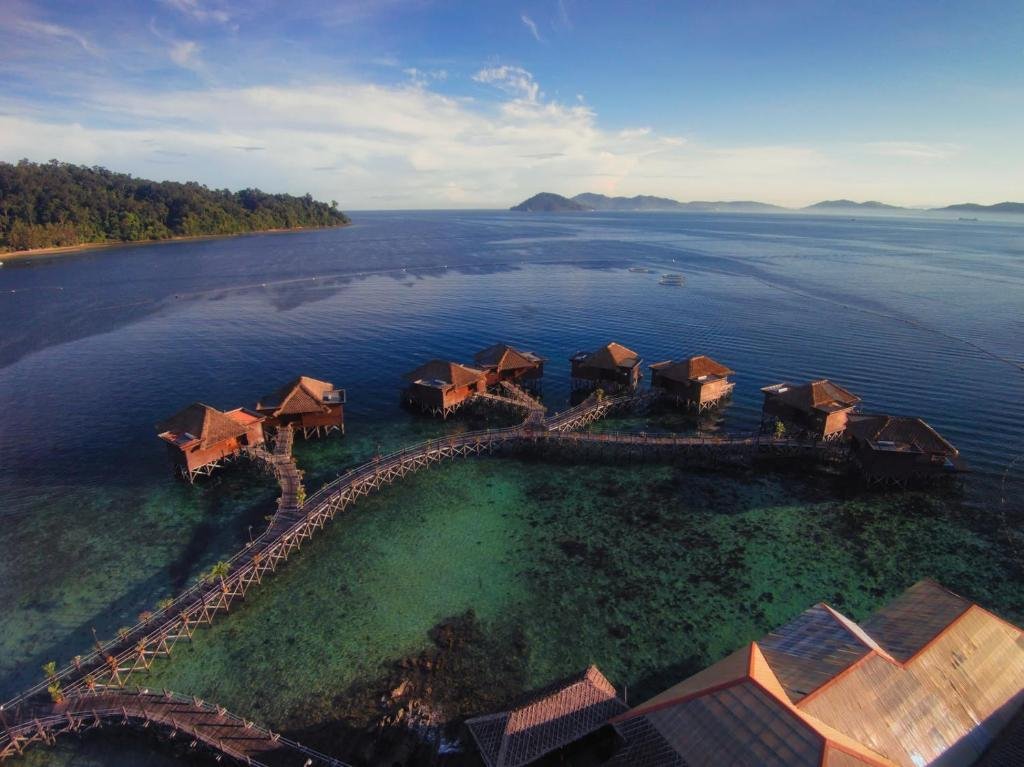


Gayana Marine Resort
Gaya Island, Kota Kinabalu
Hotel in Kota Kinabalu, Malaysia
 Book with Pearl
The Read
Reef-Integrated Over-Water Retreat
Why go
Book Gayana Marine Resort when the Kota Kinabalu stay should feel removed from the city rather than embedded in it. Its Pulau Gaya setting is better for leisure, incentive travel, or work trips with downtime than for meeting-heavy schedules. The 2025 Preferred Hotels membership adds a useful trust signal, but compare city hotels if convenience is the priority.
About Gayana Marine Resort
In practical terms, the profile supports only a careful first impression, not a complete booking decision.
Use this page as a cautious planning note rather than a full amenity review. If a particular feature matters to the trip, confirm it directly before booking, because the supplied venue profile does not verify details such as restaurants, bars, spa facilities, pool access, room categories, transfer logistics, family services, or business amenities. That extra step is especially important when the stay is being planned around a specific expectation, such as a particular room type, a preferred dining setup, or a need for easy access during a tight itinerary.
Book with the confirmed basics in mind
The clearest trust signal is that Gayana Marine Resort is listed as a Preferred Hotels Member for 2025. That does not confirm a specific room standard, dining format, benefit, or service promise, but it does place the property within a recognized hotel network. For travelers, that recognition can be useful as a starting point when sorting through options, while still leaving the important booking questions unresolved until they are checked at the source.
The confirmed dress code is casual, which gives a limited sense of the expected atmosphere but should not be stretched into a broader claim about formality, service style, or the nature of the stay. Beyond that, the available profile does not establish a price range, cuisine, restaurant format, check-in experience, room count, opening year, or any detailed facilities. Travelers choosing between stays should treat any amenity as something to check directly with the property, rather than relying on assumptions or comparisons that the profile itself does not support.
How to decide between peers
For a stay in or around Kota Kinabalu, compare Gayana Marine Resort with options such as Gayana Eco Resort, Bungaraya Island Resort, Hyatt Centric Kota Kinabalu, Sutera Sanctuary Lodges, and The Luma Hotel. The right choice depends on the trip purpose, but the supplied profile does not verify detailed amenity differences among these properties. That means the comparison should stay practical: location, availability, booking terms, access, and directly confirmed facilities are more reliable decision points than any description.
If convenience is the priority, compare access and current booking details directly before choosing among Gayana Marine Resort, Hyatt Centric Kota Kinabalu, The Luma Hotel, or other relevant options. If the trip calls for a resort-led stay, Gayana Marine Resort, Gayana Eco Resort, Bungaraya Island Resort, or Sutera Sanctuary Lodges may belong on the same shortlist. For dining and activities, compare other options generically and verify current details before committing, since the profile does not confirm what is available on site, nearby, or as part of a stay.
For wider travel planning, the useful comparison is not an invented amenity list but the purpose of the trip. Decide first whether the stay needs a city base, a resort setting, or a broader itinerary around Kota Kinabalu, then confirm current booking terms, facilities, and access details directly with the property. This keeps the planning process grounded in what is known, while leaving room to ask targeted questions before money, dates, or expectations are locked in.
Planning details
- Location
- Malohom Bay, Pulau Gaya, 88000 Kota Kinabalu, Sabah
- Website
- echoresorts.com/gayana
- Phone
- +60 88-380 390
The take
The Take
The Vibe
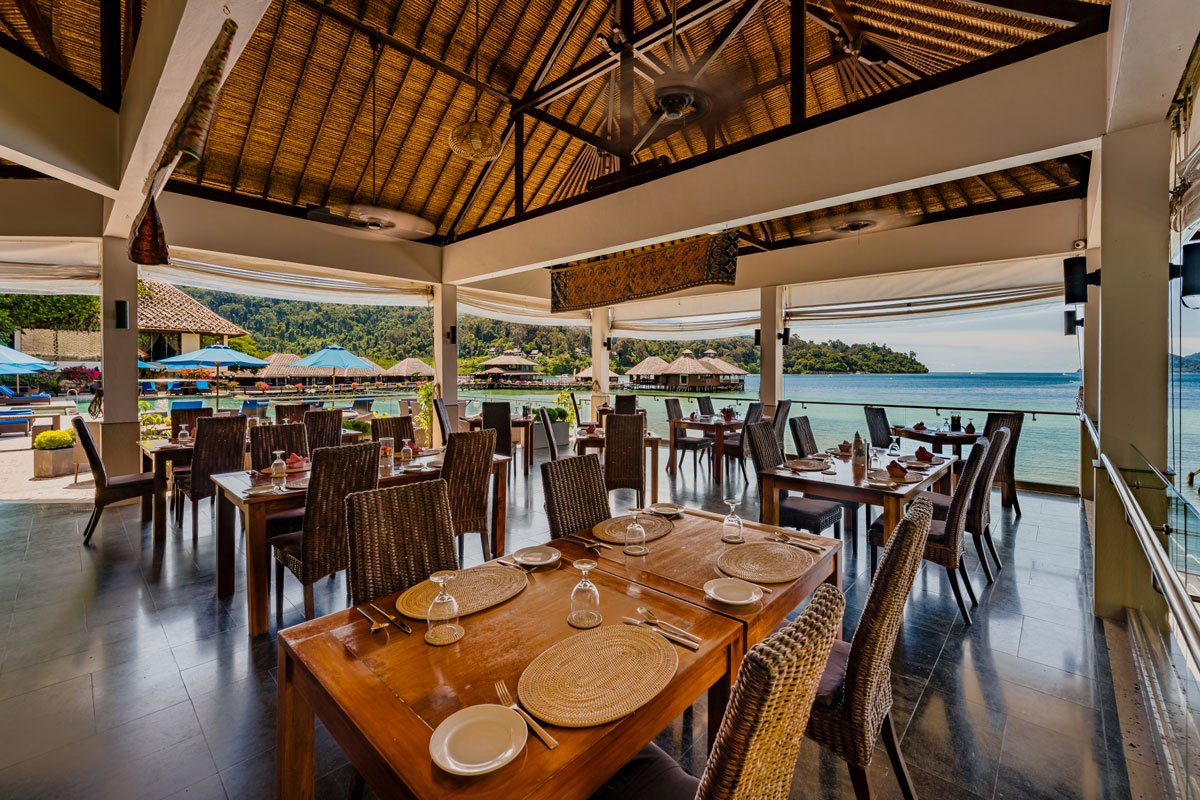
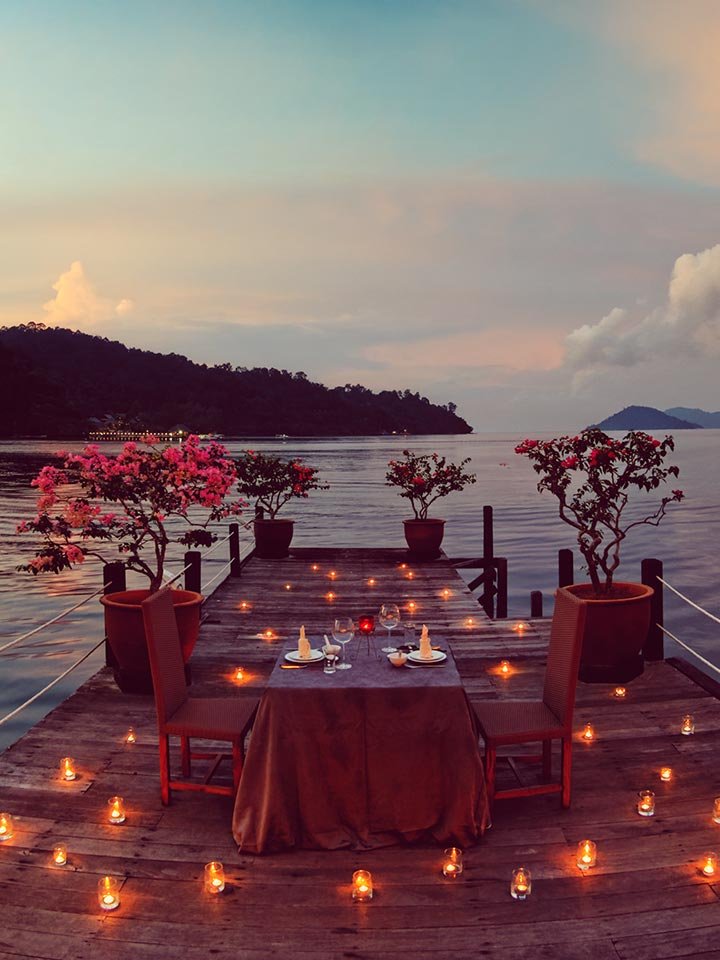
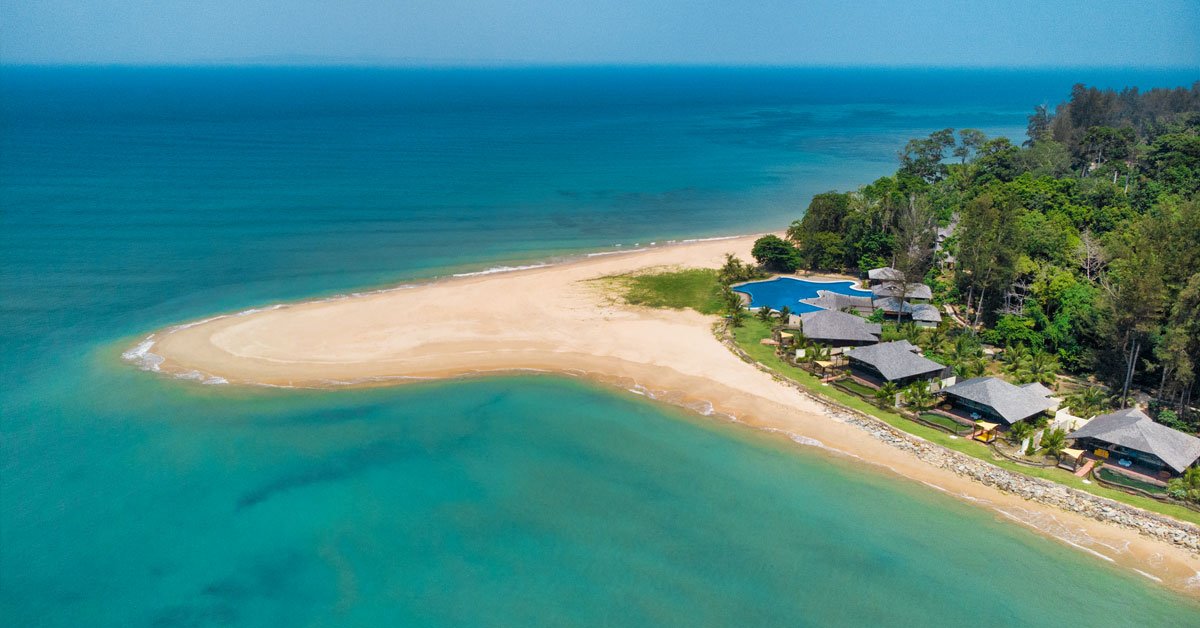
Gayana Marine Resort presents a quietly intimate and marine-focused escape. Arriving by boat signals a deliberate separation from Kota Kinabalu; the Sulu Sea and stilted over-water structures immediately orient you toward the ocean. With just 44 over-water rooms and a deliberately low guest-to-space ratio, the pace is calm and attentive rather than busy or transactional. The property leans into the marine environment as the primary subject of the stay, so guests experience an unhurried rhythm, gentle sea sounds and expansive water views that define the character of the resort.
Best For
This resort suits travelers who prize seclusion and immersive marine encounters over bustling hotel programming. The compact 44-room layout favors couples and small groups seeking privacy, personalized service and a slow pace. Because the property treats the surrounding sea as the main focus, it also appeals to guests looking for a restorative break from city life—those who want to trade urban logistics for a quiet, water-centered setting. The over-water format and short boat approach from Kota Kinabalu make it ideal for guests planning a short island escape centered on relaxation and nature.
Stay Tips
Plan ahead: with a strict 44-room ceiling, availability is limited so book early to secure an over-water accommodation. Book and confirm your boat transfer from Kota Kinabalu, as the 15-minute crossing is the essential arrival moment and shapes timing for check-in and departures. Request over-water rooms if water views and direct sea access are priorities—the description highlights that rooms are distributed over the water. Expect attentive, unhurried service and allow extra time for island logistics rather than anticipating the tempo of a mainland property.
Venue details
Ambiance
Serene and tranquil with natural tropical surroundings; mornings feature gentle waves lapping below villas while evenings showcase stunning tropical sunsets from private terraces.
Tags
Vibe
Best For
Experience
Amenities
View
Accessibility
About the Stay
- Rooms
- 52
- Check-in
- 15:00
- Check-out
- 11:00
- Property Type
- Boutique hotel
- Property Style
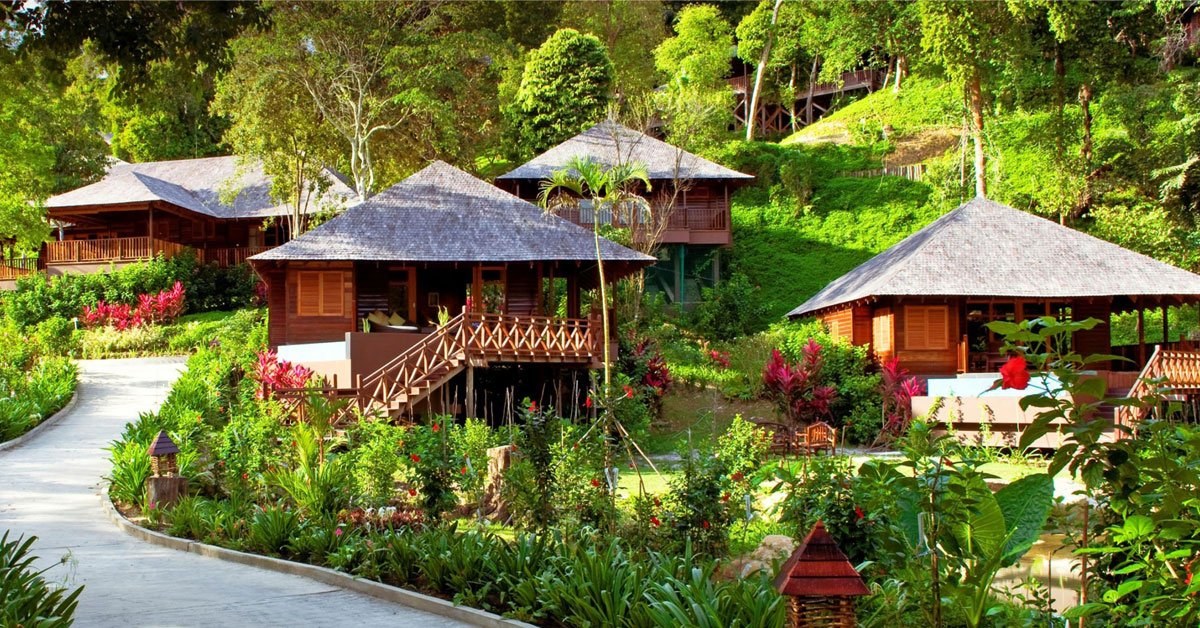
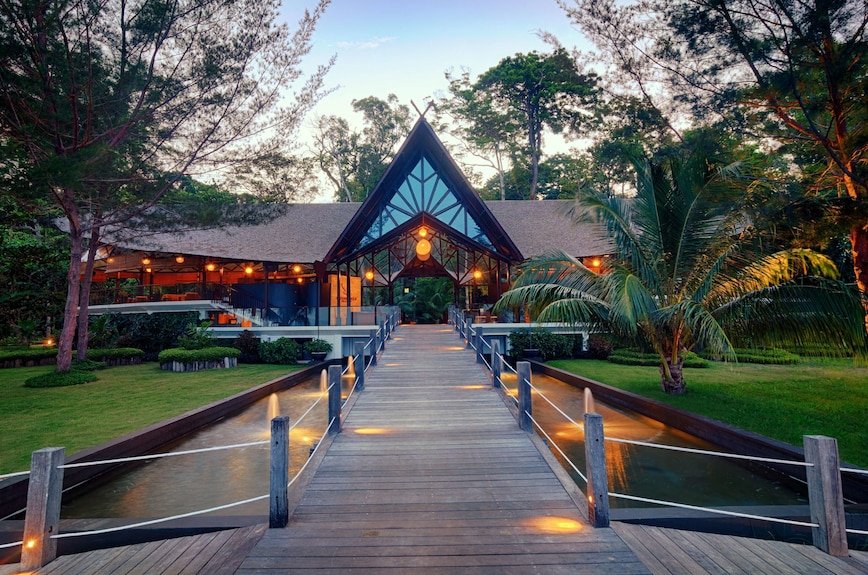
- Luxury Eco Resort with Stilted Overwater Villas Inspired by Borneo Architecture and Traditions, Blending Natural Minimalism with Modern Sophistication.
- Design Style
- Minimalist Tropical Aesthetic with Natural Color Palettes, Hardwood Interiors, and Glass Flooring Elements; No Bold Color Statements, Emphasizing Calm and Connection to Marine Environment.
- Airport Transfer
- Available
- Pool
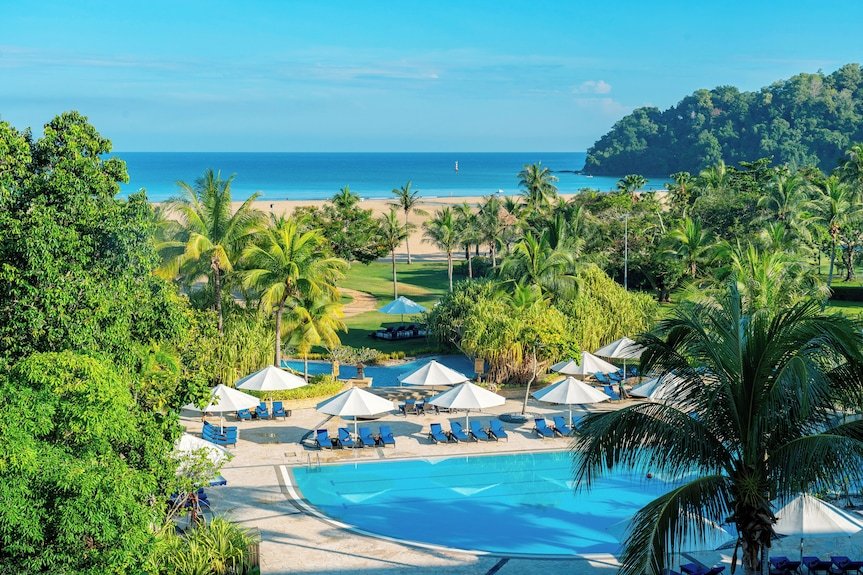
- Yes
- Spa
- Yes
- Families
- Welcome
- Cancellation
- Moderate
Know before you go
Know Before You Go
- Getting there
- Malohom Bay, Pulau Gaya, 88000 Kota Kinabalu, Sabah
Planning details
Location
Malohom Bay, Pulau Gaya, 88000 Kota Kinabalu, Sabah · Directions
Recognition and awards
Also consider
Where to Look If This Does Not Fit
Choose Hyatt Centric Kota Kinabalu if the trip is work-first and the day needs city access. Choose Bungaraya Island Resort if the goal is a more retreat-led island stay rather than a business-compatible resort base.
Hotel context
How It Compares
Gayana Eco Resort is the closest like-for-like comparison: both work for travelers who want an island base rather than a downtown Kota Kinabalu hotel. Choose Gayana Marine Resort when the priority is a marine-resort setting and an easier, slower stay; compare both carefully if price is the deciding factor, since no reliable public price range is supplied here.
Bungaraya Island Resort is the stronger cross-shop for travelers who want the stay to feel more retreat-led, while Hyatt Centric Kota Kinabalu is the practical pick for business travelers who need city access and fewer transfer variables. Booking difficulty is listed as easy for Gayana Marine Resort, which helps if plans are short-notice.
Sutera Sanctuary Lodges and The Luma Hotel serve different needs: Sutera Sanctuary Lodges is better for a nature-led itinerary, while The Luma Hotel is better for an urban stay with restaurants, meetings, and city movement built in. Pick Gayana Marine Resort only when ambiance matters more than maximum convenience.
Explore Kota Kinabalu
Around this place
Discover more on Pearl
Unlock the full Gayana Marine Resort guide in Pearl, including awards, comparisons, FAQs, planning details, and nearby places.
Compare Gayana Marine Resort
| Venue | Location | Awards |
|---|---|---|
| Gayana Marine Resort | Kota Kinabalu | 2025 Michelin Selected HotelsPreferred Hotels Member 2025 |
| Gayana Eco Resort | Kota Kinabalu | No published awards |
| Bungaraya Island Resort | Kota Kinabalu | 2025 Michelin Selected HotelsPreferred Hotels L.V.X. Collection 2025Small Luxury Hotels Member 2025 |
| Hyatt Centric Kota Kinabalu | Kota Kinabalu | No published awards |
| Sutera Sanctuary Lodges | Manukan Island | No published awards |
| The Luma Hotel | Kota Kinabalu Sabah | No published awards |

How Gayana Marine Resort Kota Kinabalu Guide compares with similar nearby venues.
FAQ
Frequently Asked Questions
Do loyalty programs work at Gayana Marine Resort?
Hyatt Centric Kota Kinabalu is another option to consider for comparison.
How is the location of Gayana Marine Resort?
Gayana Marine Resort is in Kota Kinabalu. The supplied profile does not verify a more specific address, neighborhood, landmark, or access detail, so location-sensitive travelers should confirm current arrival logistics directly with the property. The Luma Hotel is another option to compare.
How is the pool and spa at Gayana Marine Resort?
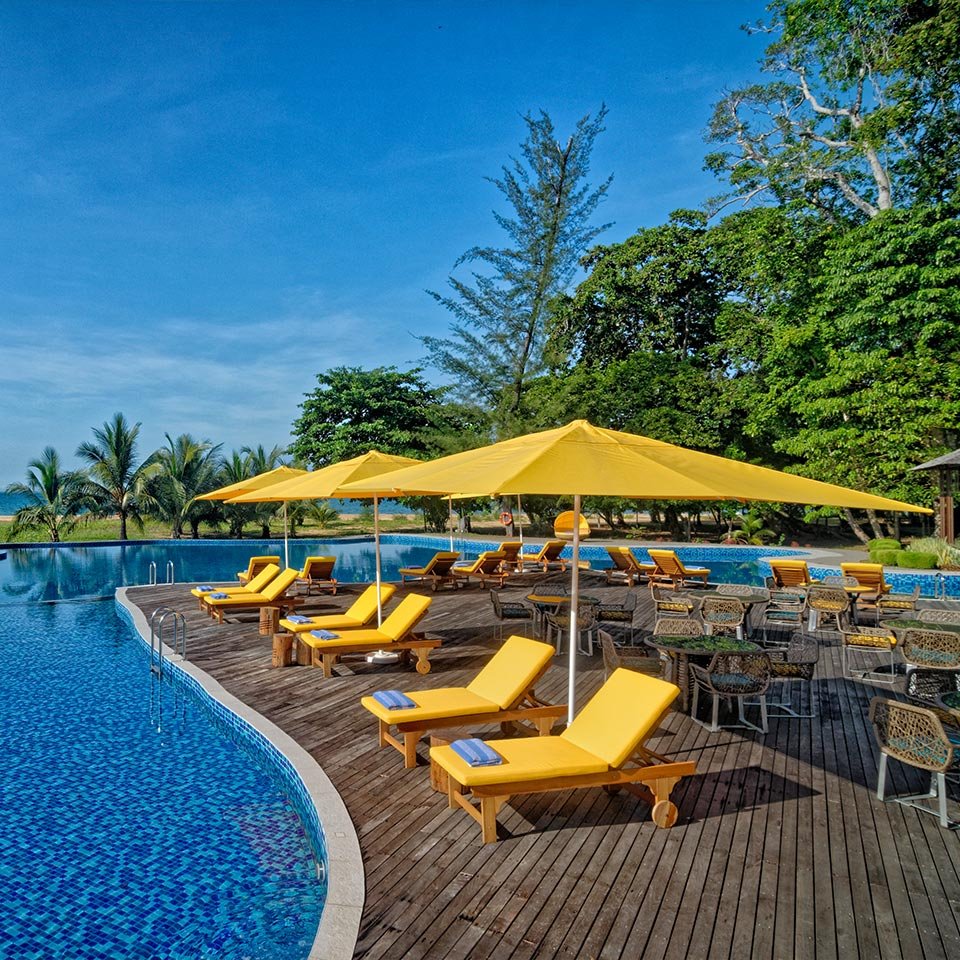
The supplied profile does not verify pool or spa details for Gayana Marine Resort. If those facilities are important to the stay, confirm availability, access, and operating details directly before booking. Bungaraya Island Resort and Gayana Eco Resort may also be useful comparisons for a resort-led trip.
How is the dining at Gayana Marine Resort?
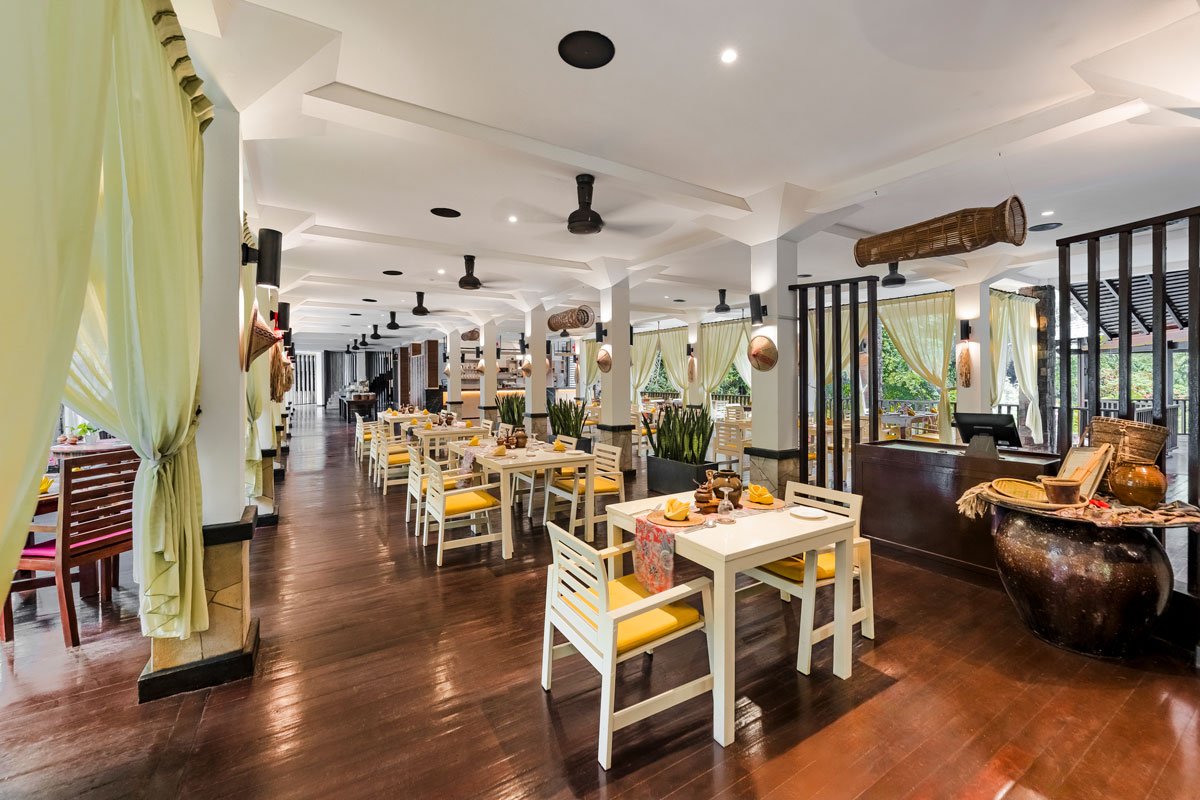
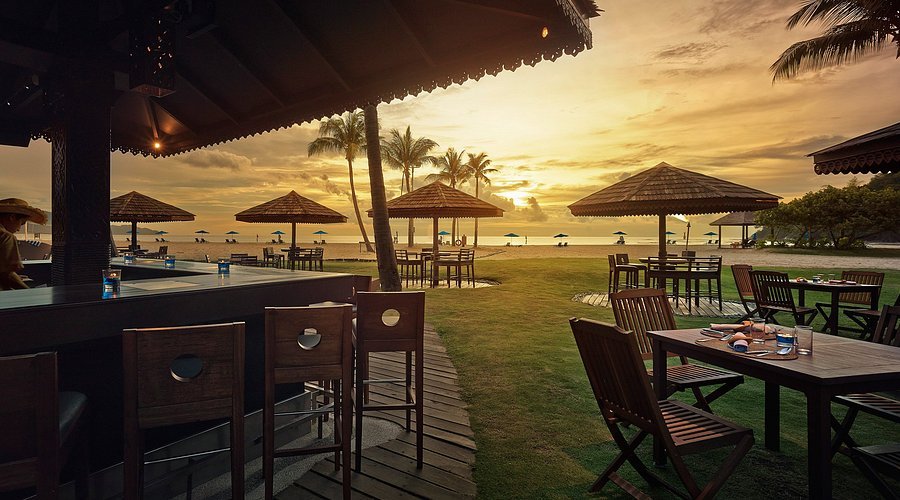
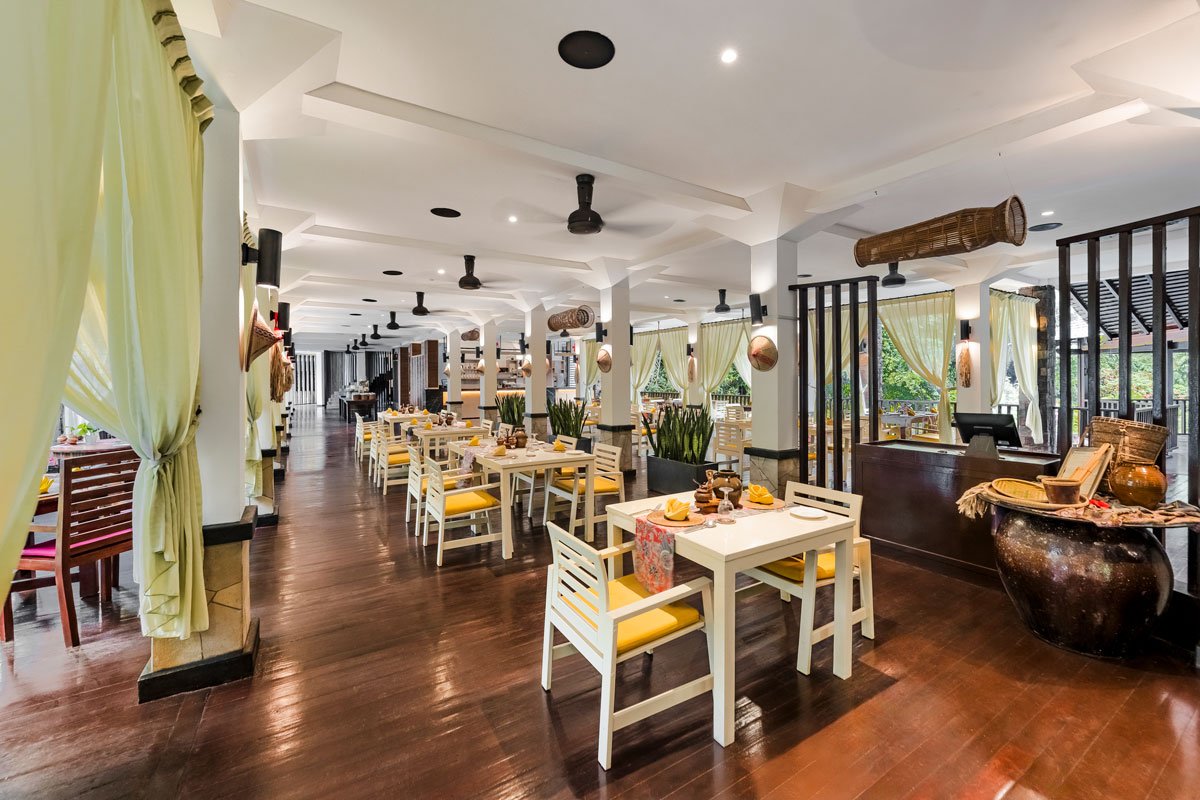
The supplied profile does not verify dining venues, cuisine, menus, meal periods, or beverage programs at Gayana Marine Resort. The confirmed dress code is casual, but specific restaurant details should be checked directly with the property. Travelers who want to compare other options may also consider Hyatt Centric Kota Kinabalu.
Is Gayana Marine Resort family-friendly?
The supplied profile does not verify family-specific amenities, children's services, room setups, or activity details at Gayana Marine Resort. Families should confirm practical requirements directly before booking. Sutera Sanctuary Lodges and The Luma Hotel are other options to compare depending on the trip style.