
Hotel Kitzhof Mountain Design Resort
Kitzbühel town center area, Kitzbühel
Hotel in Kitzbühel, Austria
 Book with Pearl
The Read
Alpine Modernism at Resort Scale
Why go
Hotel Kitzhof Mountain Design Resort is a strong Kitzbühel choice for travelers who want a design-led alpine base close to town rather than a remote chalet stay. Its Michelin 1 Key and Preferred Hotels L.V.X. Collection recognition make it credible, but compare seasonal rates carefully before peak ski weeks.
About Hotel Kitzhof Mountain Design Resort
Is Hotel Kitzhof Mountain Design Resort worth considering for a Kitzbühel trip? Yes, if you want a Kitzbühel hotel with notable recognition. Hotel Kitzhof Mountain Design Resort holds a Michelin 1 Key (2025) and is part of the Preferred Hotels L.V.X. Collection (2025). The dress code is smart casual.
The clearest way to evaluate the hotel is to focus on its Kitzbühel setting, smart-casual standard, and recognition.
Pick it for a recognized Kitzbühel hotel stay
The strongest reason to shortlist Hotel Kitzhof Mountain Design Resort is its recognition profile. A Michelin 1 Key (2025) and Preferred Hotels L.V.X. Collection (2025) status give it a credible hotel signal in Kitzbühel. That makes it a sensible option to consider if you prefer to compare properties using awards and affiliations rather than claims about restaurants, rooms, or facilities.
For broader planning beyond Hotel Kitzhof Mountain Design Resort, compare details directly and consider other Kitzbühel options where relevant.
Where the trade-offs matter
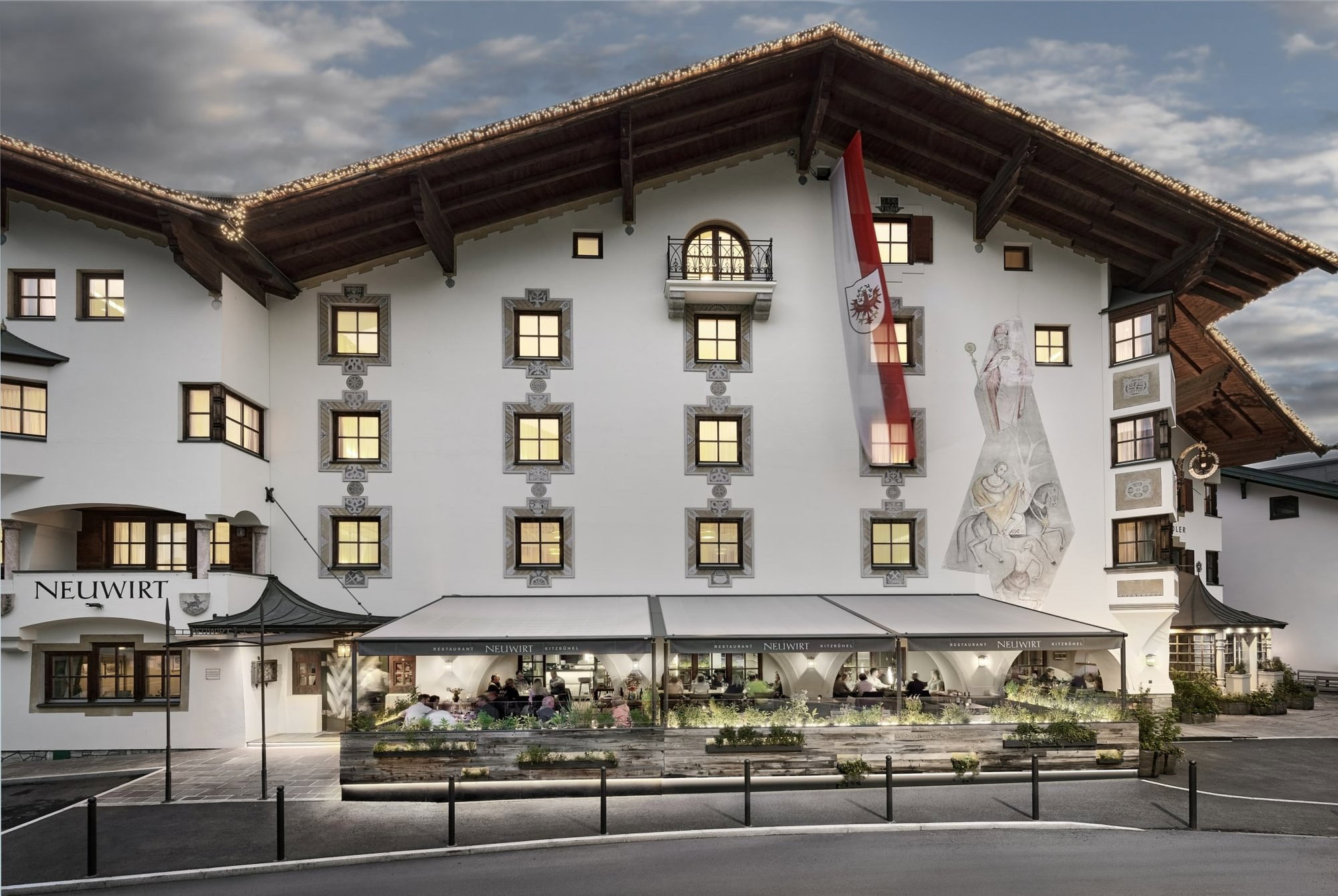
Do not choose this solely for dining, a named chef, a specific room category, a particular service format, or detailed facilities unless those details suit your trip after checking with the hotel before committing. The safer decision frame is hotel-first: Kitzbühel, smart casual, Michelin 1 Key (2025), and Preferred Hotels L.V.X. Collection (2025). If you are comparing hotels, consider Hotel Weisses Roessl, A-ROSA Kitzbühel, Hotel Tennerhof, Schwarzer Adler, or Q! Hotel Maria Theresia as other Kitzbühel options.
Verdict: choose Hotel Kitzhof Mountain Design Resort when you want a recognized Kitzbühel hotel. Keep researching if your decision depends on details such as dining format, room layout, rates, family facilities, or specific services.
Planning details
- Location
- Schwarzseestraße 8/10, 6370 Kitzbühel
- Website
- hotel-kitzhof.com
- Phone
- +43 5356 632110
The take
The Take
The Vibe
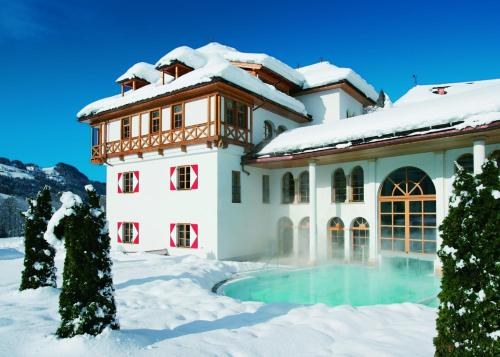
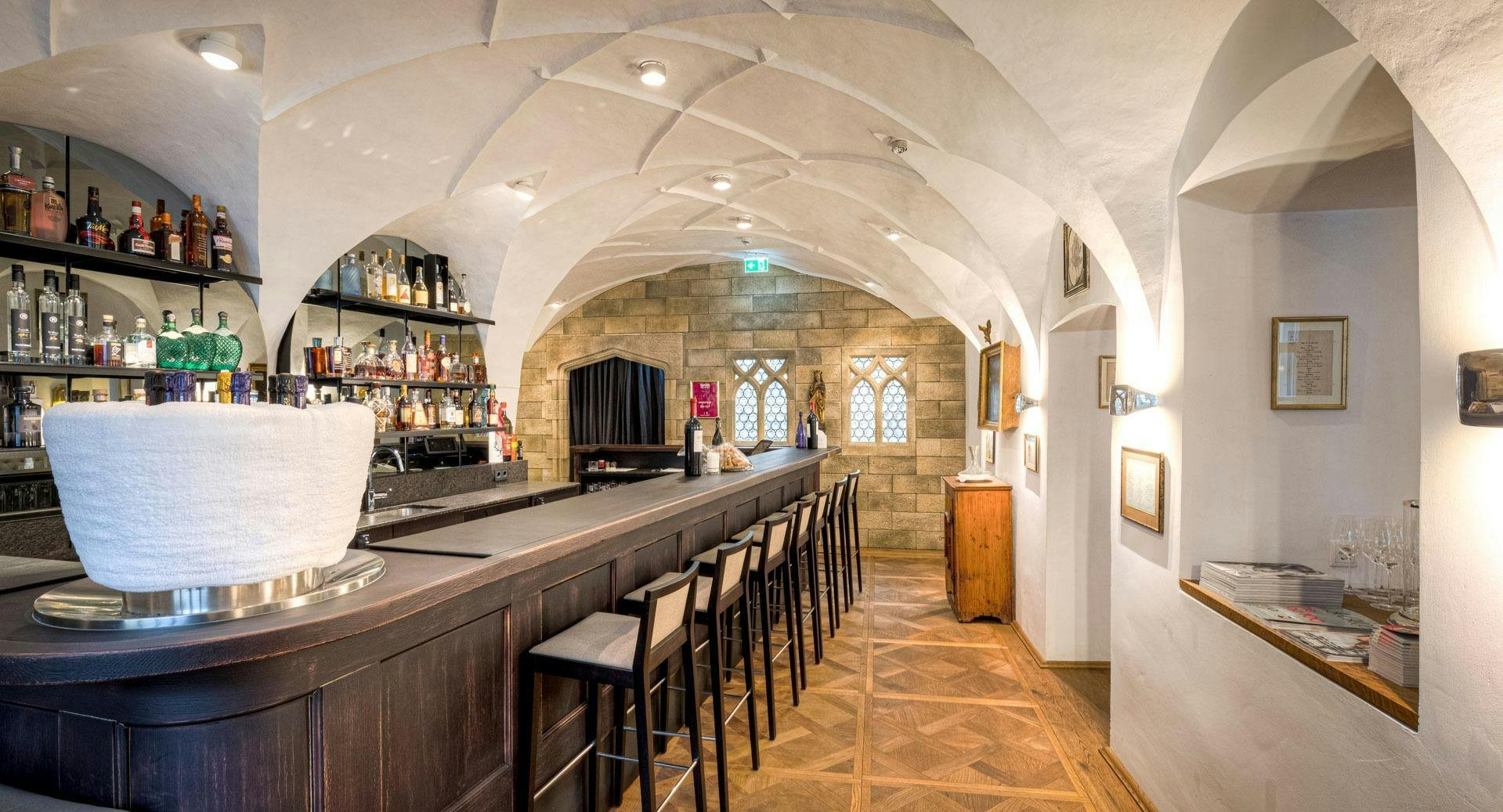
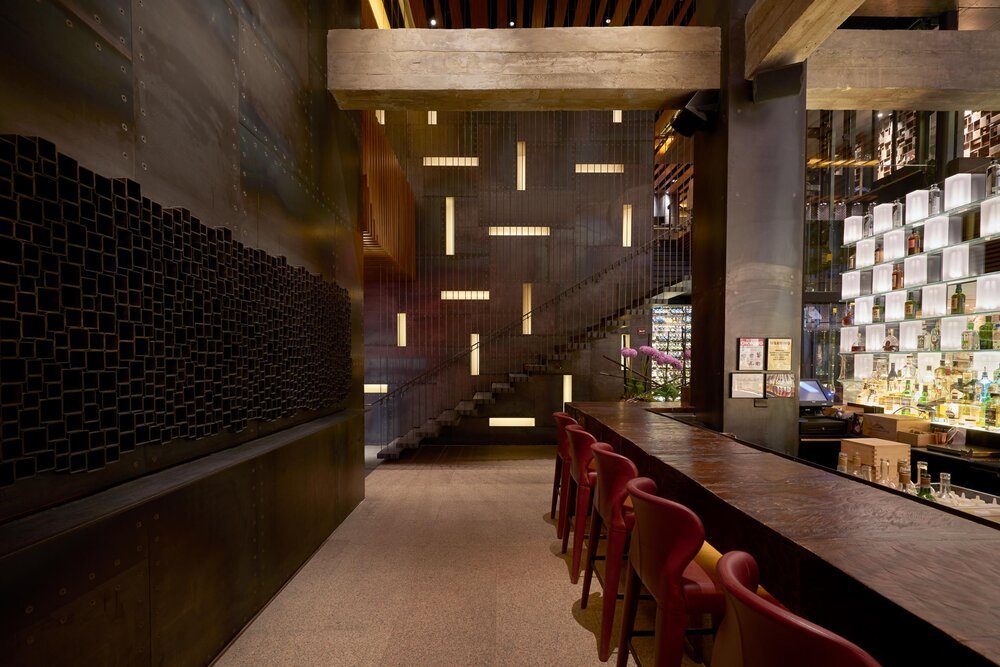
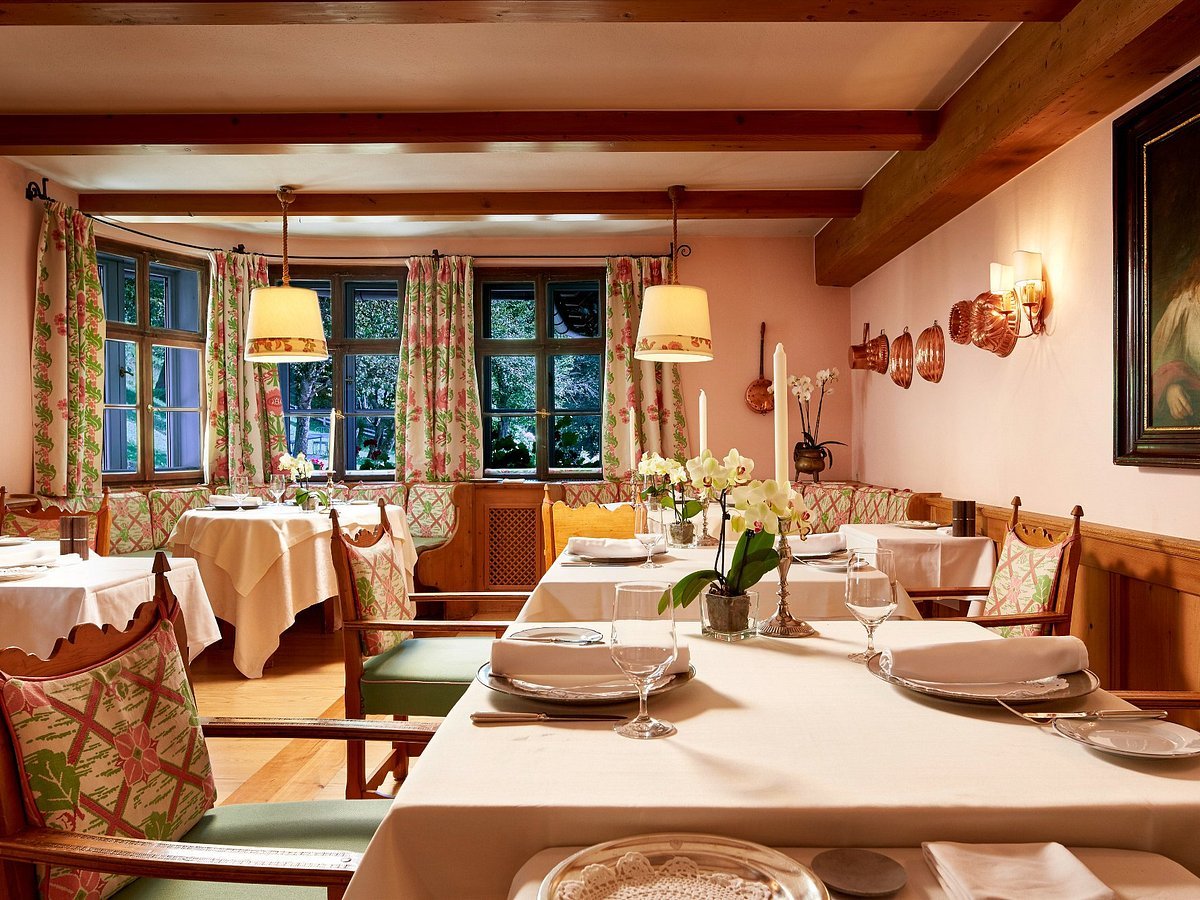
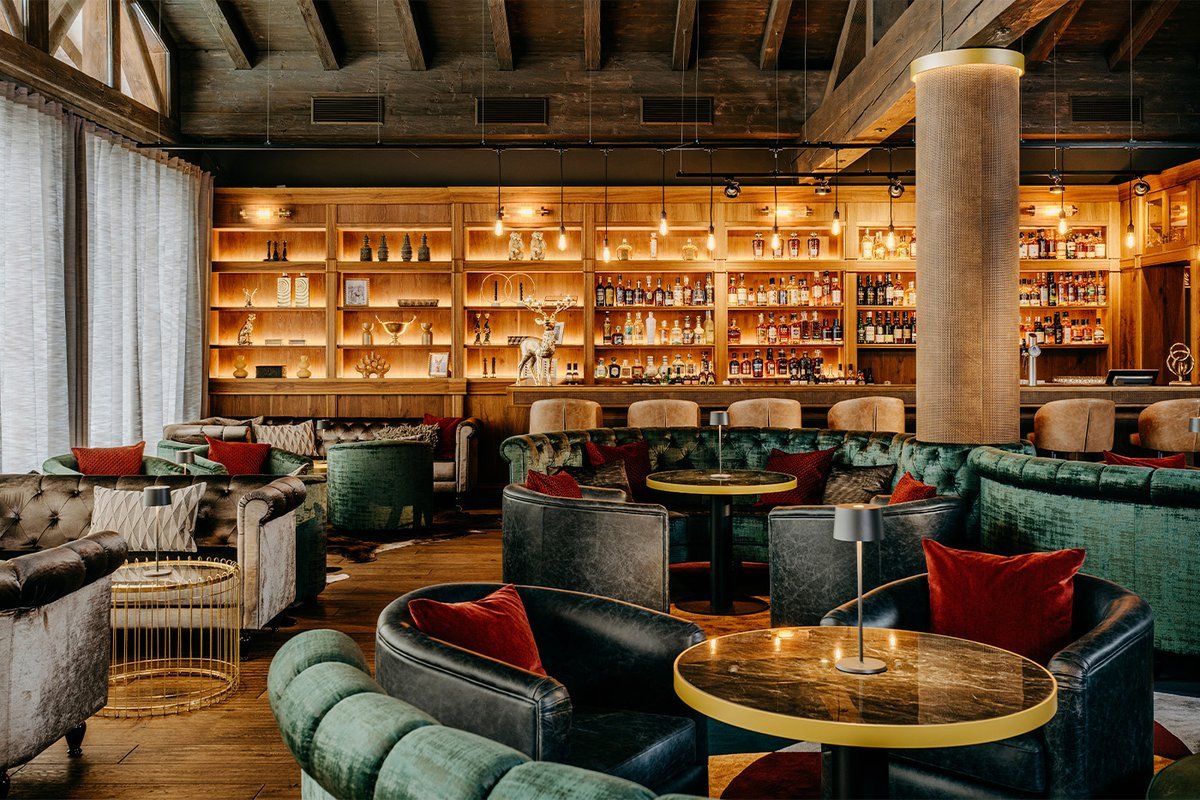
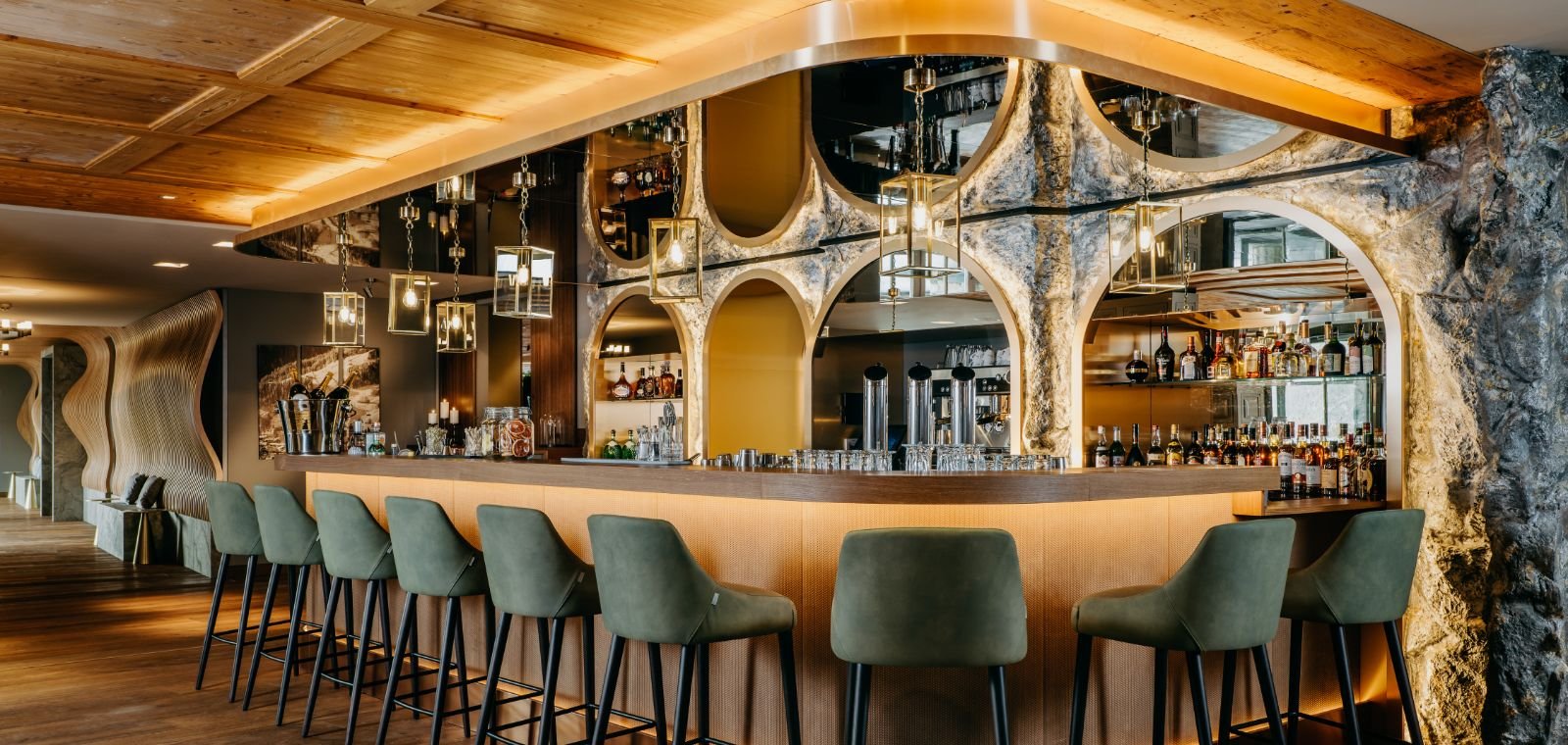
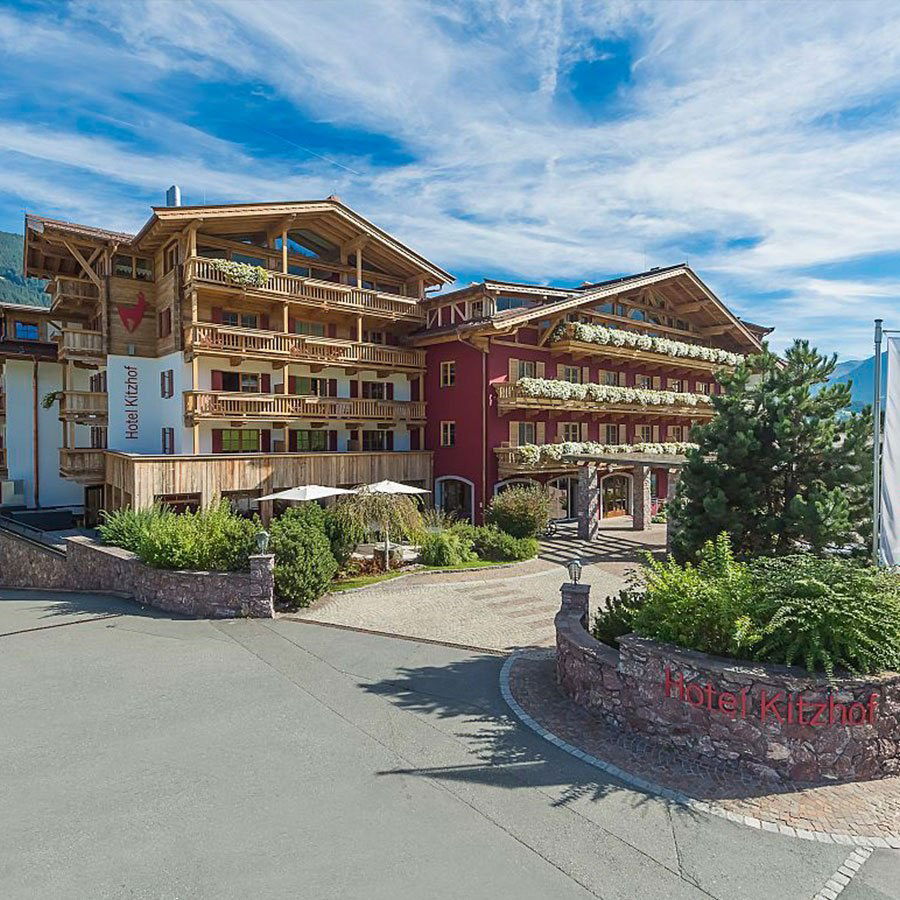
Hotel Kitzhof Mountain Design Resort presents a considered, contemporary take on alpine style. The 163-room property uses familiar lodge materials—pine panelling, black-and-white ski photographs and antler mounts—but the scale and arrangement feel deliberately modern rather than nostalgically chalet-like. The write-up positions the hotel in Kitzbühel’s upper tier of fashionable destinations, so the overall impression is polished and design-led: an alpine resort that privileges curated details and clean architectural composition over cozy kitsch. It reads as sophisticated and design-focused while retaining a measure of alpine charm tied to the town’s medieval core.
Best For
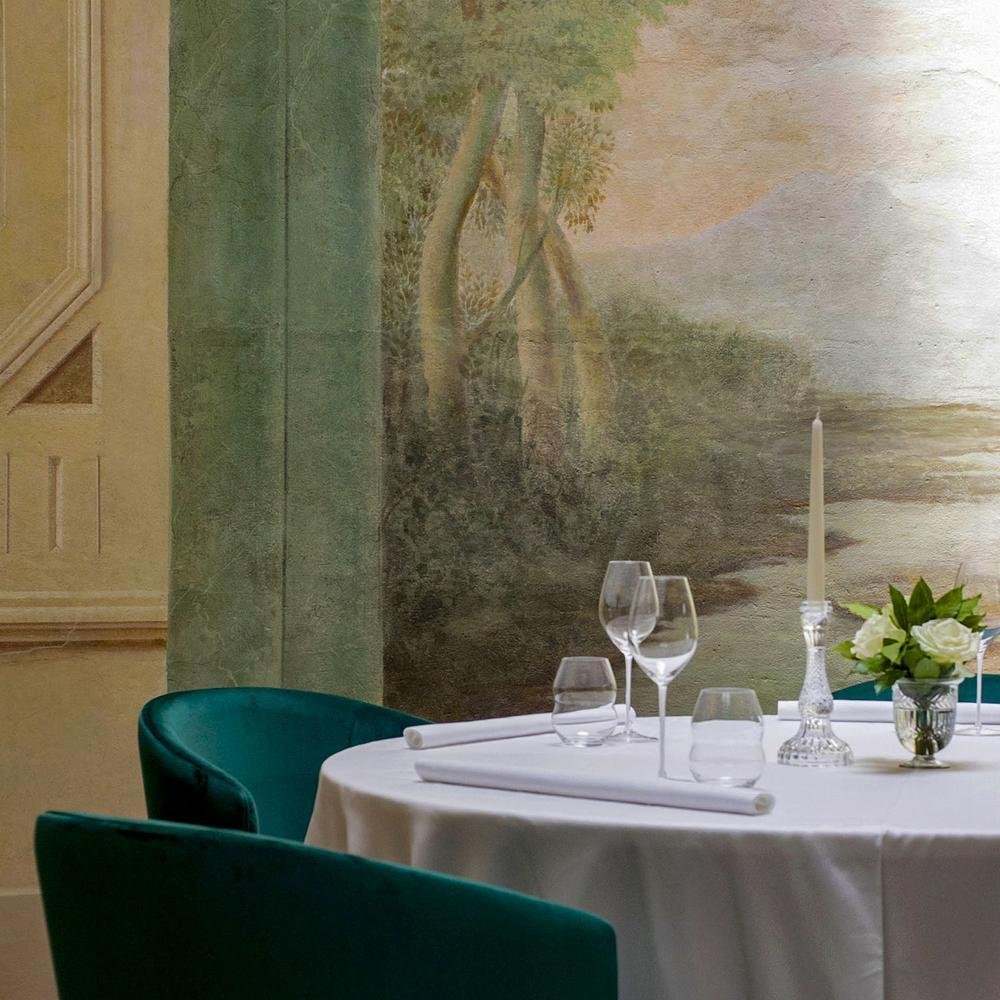
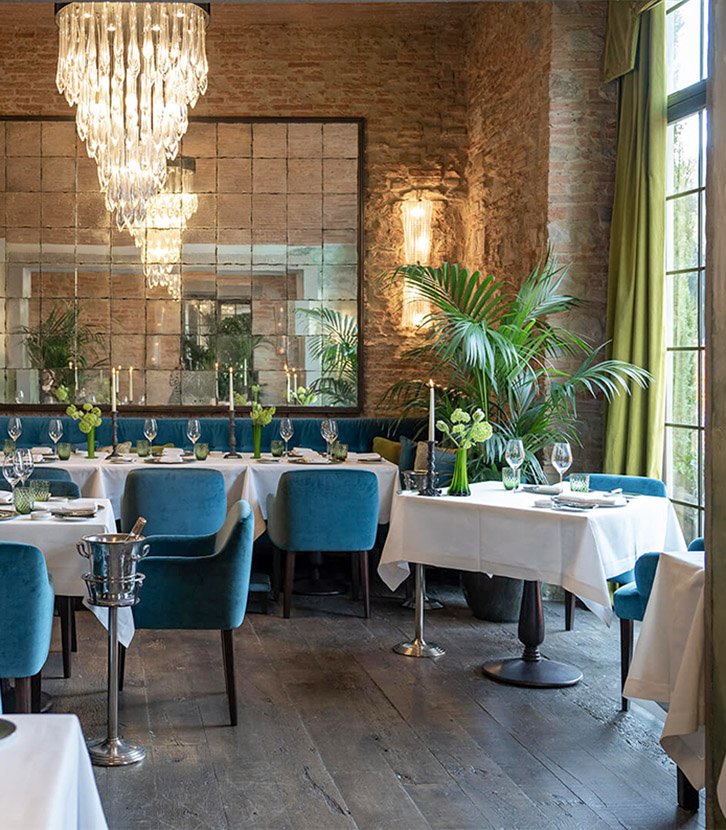
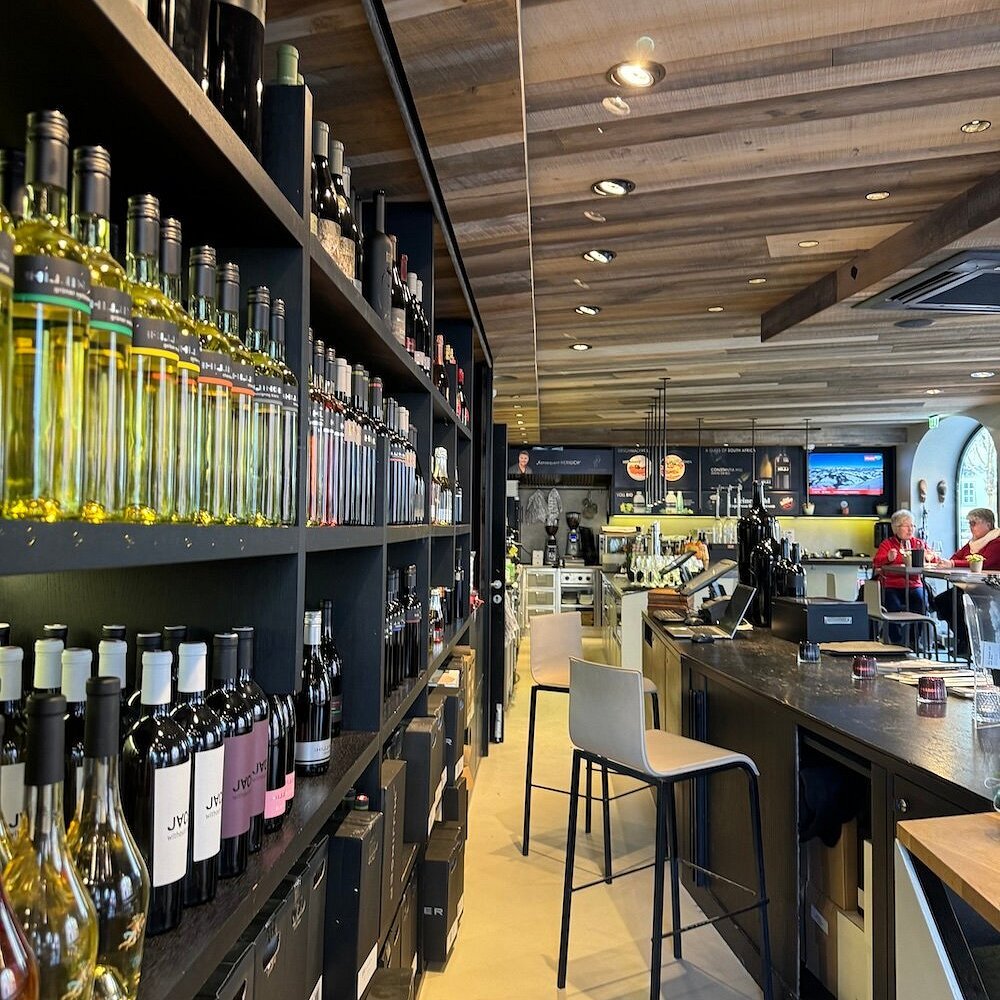
This hotel is best for travelers who prioritize design-forward accommodations in the heart of Kitzbühel. It suits visitors who want a stylish town-center base—especially those in town for the well-documented race calendar or for short, design-minded escapes. Because the property is described as part of the destination’s upper tier, it appeals to guests seeking more curated, contemporary alpine surroundings than the region’s traditional guesthouses. The on-site dining programme and wine-cellar element also make it a good choice for diners who value restaurant quality and wine-focused experiences within their hotel stay.
Stay Tips
Ask about the dining programme and wine-cellar offerings when you book: the property’s food and beverage slate explicitly ranges from Tyrolean staples to a dedicated wine cellar, so reservations for dinner and any cellar experiences are wise. The hotel sits at the higher, design-oriented end of Kitzbühel’s market and is noted for its place in a town with a busy race calendar—book early around event weeks. If you prefer a more traditional, nostalgic chalet vibe, clarify room and decor choices in advance, since the hotel emphasizes contemporary alpine design over classic cozy conventions.
Venue details
Ambiance
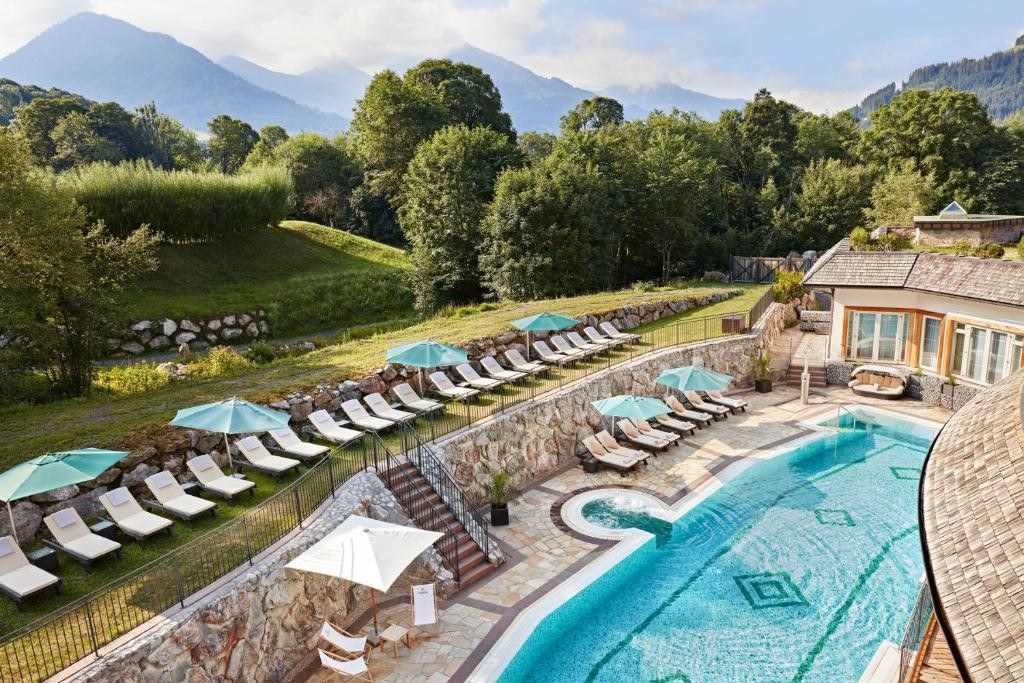
Warm and inviting with modern alpine aesthetics, featuring a fireplace lounge, abundant natural light, wooden accents, and a blend of contemporary design with traditional Tyrolean charm.
Tags
Vibe
Best For
Experience
Amenities
View
Accessibility
About the Stay
- Rooms
- 163
- Check-in
- 15:00
- Check-out
- 11:00
- Property Style
- Contemporary Alpine Design Resort That Reimagines Traditional Lodge Elements Through Modern Luxury Aesthetics and Sophisticated Furnishings.
- Design Style
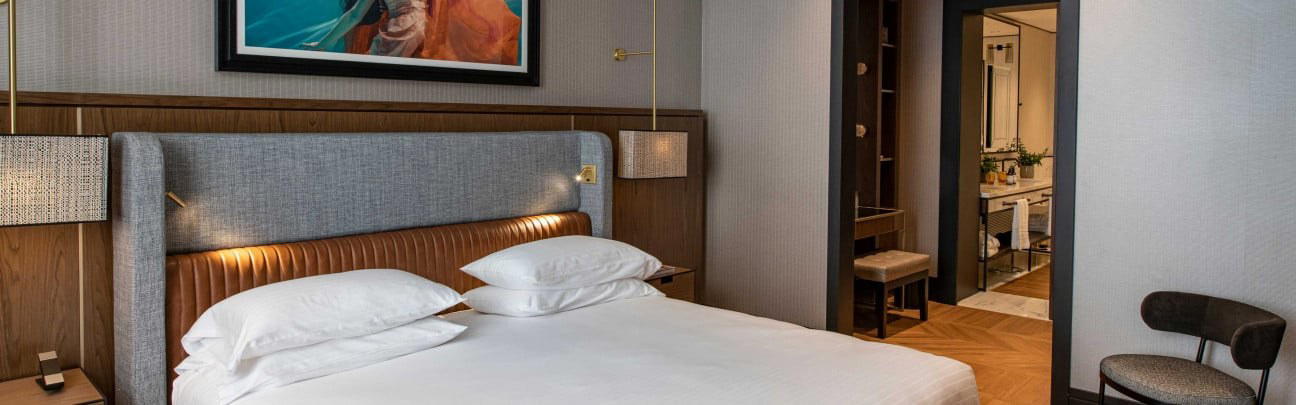
- Modern Alpine with Leather Accents, Stone Bathrooms, Wooden Elements, and Exclusive Designer Furniture by Baxter, Dedon, Artemide, and Foscarini.
Know before you go
Know Before You Go
- Getting there
- Schwarzseestraße 8/10, 6370 Kitzbühel
Planning details
Location
Recognition and awards
Also consider
Where to look if this is full
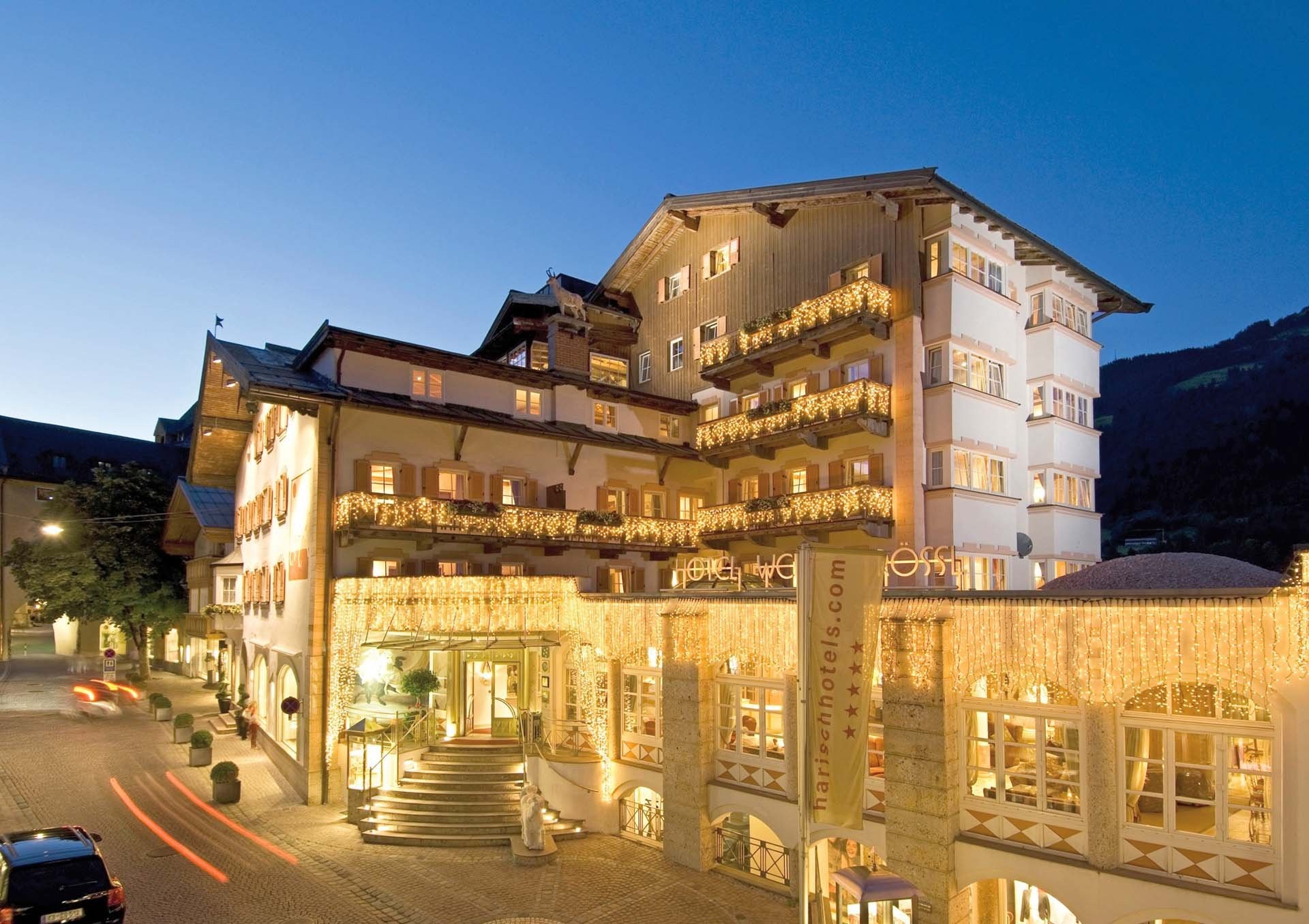
If availability is tight, start with Hotel Weisses Roessl for a classic Kitzbühel alternative, then compare A-ROSA Kitzbühel if a larger resort feel is useful for the trip.
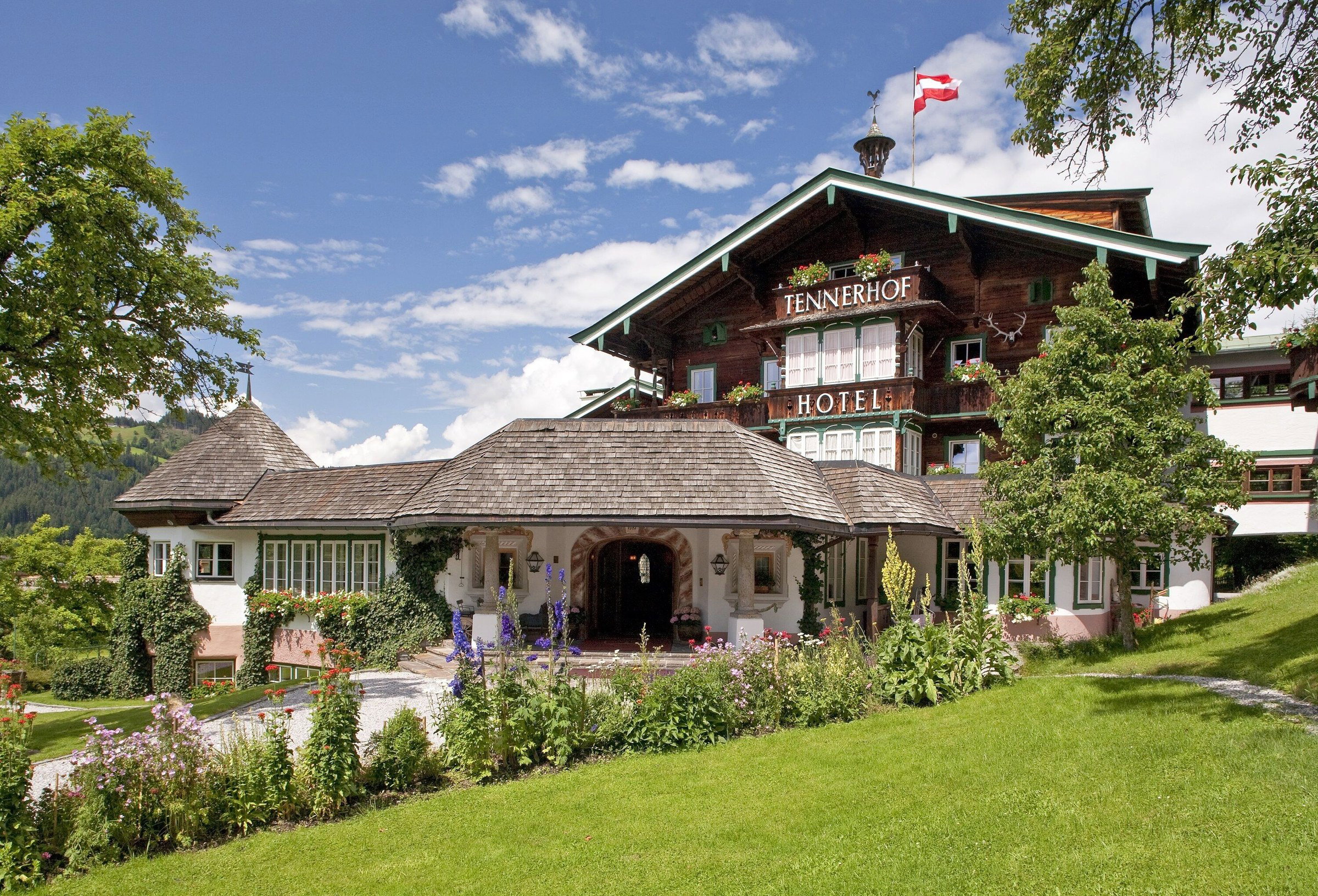
For a quieter shortlist, check Hotel Tennerhof and Schwarzer Adler before widening the search.
Hotel context
How it compares in Kitzbühel
Choose Hotel Kitzhof Mountain Design Resort if the priority is a polished mountain base with town access and recognized luxury credentials. Against Hotel Weisses Roessl, it reads as the more design-led choice; Hotel Weisses Roessl is the one to cross-shop if the goal is a more classic central-hotel feel.
A-ROSA Kitzbühel is the better comparison for travelers who want a larger resort atmosphere, while this is the easier recommendation for a first Kitzbühel trip focused on town time. Hotel Tennerhof belongs on the shortlist for a more intimate stay, especially if the trip is more about quiet than convenience.
For value checks, compare dates against Q! Hotel Maria Theresia and Schwarzer Adler. If Hotel Kitzhof is pricing at a steep ski-season premium, those peers may make more sense unless design and external recognition are doing real work for the trip.
Explore Kitzbühel
Around this place
Discover more on Pearl
Unlock the full Hotel Kitzhof Mountain Design Resort guide in Pearl, including awards, comparisons, FAQs, planning details, and nearby places.
Compare Hotel Kitzhof Mountain Design Resort
| Venue | Location | Awards |
|---|---|---|
| Hotel Kitzhof Mountain Design Resort | Kitzbühel | 2026 Michelin 1 KeyMichelin 1 Key 20252025 Michelin 1 KeyPreferred Hotels L.V.X. Collection 2025 |
| Hotel Weisses Roessl | Kitzbühel | Leading Hotels of the World 20262026 Michelin 1 Key2025 Michelin 1 Key |
| Q! Hotel Maria Theresia | Kitzbühel | No published awards |
| Schwarzer Adler | Kitzbühel | 2026 Michelin 1 Key2025 Michelin 1 Key |
| Hotel Tennerhof | Kitzbühel | 2026 Virtuoso Luxury Hotel Collection2026 Relais Chateaux Hotels2025 Michelin Selected Hotels2025 Relais Chateaux Award |
| A-ROSA Kitzbühel | Kitzbühel | No published awards |





How Hotel Kitzhof Mountain Design Resort Kitzbühel Review compares with similar nearby venues.
FAQ
Frequently Asked Questions
How is the location of Hotel Kitzhof Mountain Design Resort?
Which room category is best at Hotel Kitzhof Mountain Design Resort?
The best room category depends on your space needs, budget, and any room details provided by the hotel before booking.
What is check-in like at Hotel Kitzhof Mountain Design Resort?
Review the hotel’s current arrival instructions before travel. Hotel Kitzhof Mountain Design Resort has Michelin 1 Key (2025) recognition and Preferred Hotels L.V.X. Collection status, with a smart-casual dress code.
How does Hotel Kitzhof Mountain Design Resort compare to other hotels?
Hotel Kitzhof Mountain Design Resort is one Kitzbühel option with Michelin 1 Key (2025) and Preferred Hotels L.V.X. Collection (2025) recognition. For comparison, you may also look at Hotel Weisses Roessl, Hotel Tennerhof, A-ROSA Kitzbühel, Schwarzer Adler, and Q! Hotel Maria Theresia.
How is the dining at Hotel Kitzhof Mountain Design Resort?
When is the best time to book Hotel Kitzhof Mountain Design Resort?
If timing matters, compare current rates and cancellation terms directly for your dates.