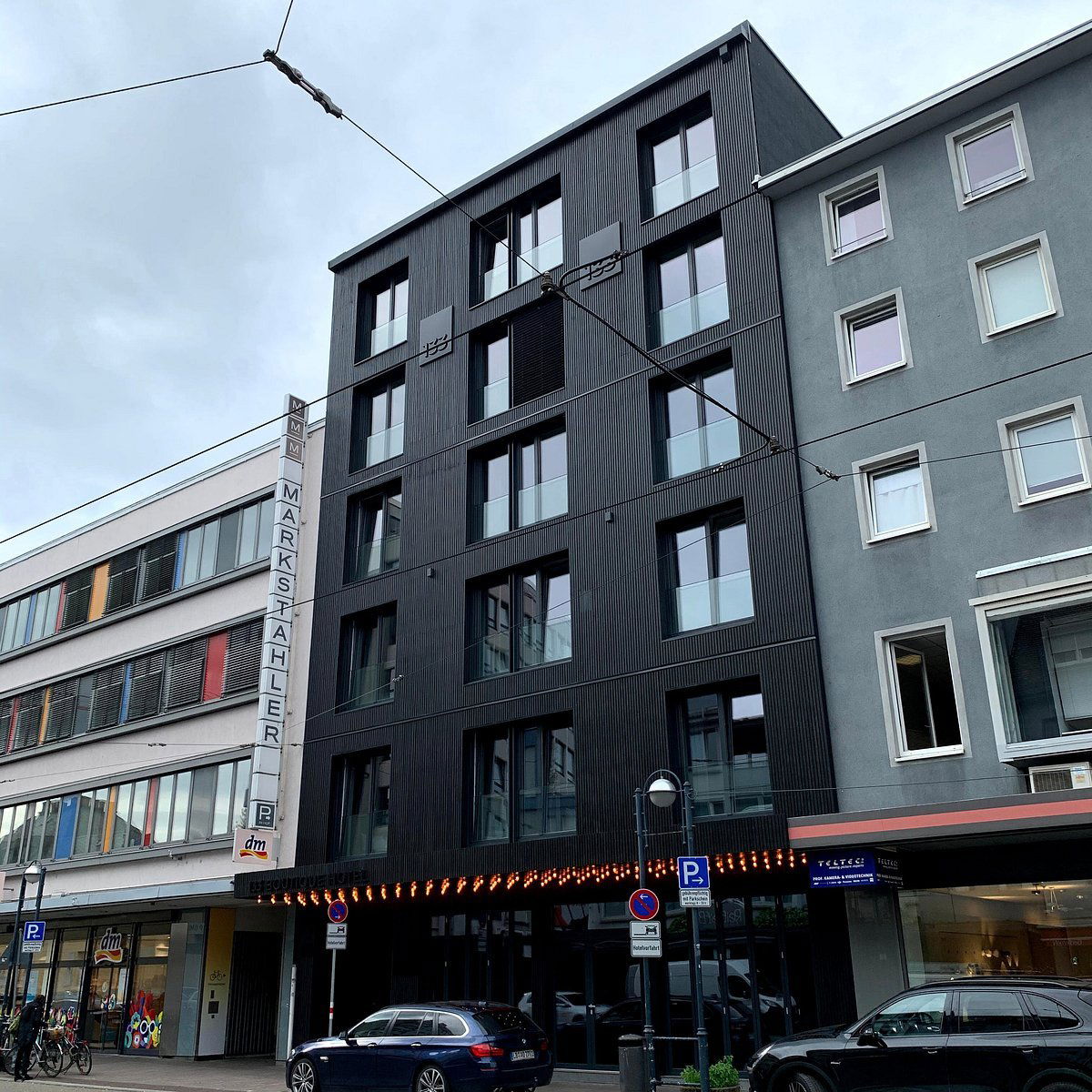

133 Boutique Hotel
Innenstadt-West, Karlsruhe
Hotel in Karlsruhe, Germany
 Book with Pearl
Why go
Book 133 Boutique Hotel if you want a practical Karlsruhe base with a credible quality signal and less resort-style markup. It is a better fit for short city stays than spa-led escapes; for a heavier luxury or wellness trip, compare it with Baden-Baden and countryside peers before committing.
About 133 Boutique Hotel
For 133 Boutique Hotel, the picture is simple: it is a hotel in Karlsruhe, and it is listed in the MICHELIN Guide hotel selection for 2025. That is a useful quality signal, but the available data here does not establish detailed claims about facilities, dining, room categories, service style, pricing, or exact location within the city.
A Karlsruhe base with a confirmed MICHELIN hotel listing
The clearest reason to consider 133 Boutique Hotel is that it gives travelers a Karlsruhe hotel option with a confirmed MICHELIN Guide Hotels Selected listing for 2025. Beyond that recognition, this guide should not overstate the property. Specific claims about amenities, restaurant service, check-in style, loyalty benefits, or room formats are not in the data available here.
That makes the value question a practical one: compare current rates, cancellation terms, and official hotel information before booking. If your trip is centered on Karlsruhe, 133 Boutique Hotel belongs on the shortlist; if you are comparing a wider regional stay, weigh it against the other named hotel options below without assuming that the properties offer the same style or level of service.
Other hotels to compare
If you are comparing beyond 133 Boutique Hotel, consider checking current availability and official details at Brenners Park-Hotel & Spa, Hotel Erbprinz – Gourmet & Spa, Maison Messmer, Schloss Eberstein, or Steigenberger Icon Europäischer Hof Baden Baden. The right choice depends on the latest rates, location needs, and the facilities each hotel currently confirms directly.
For broader planning, cross-check current dining and activity information through local resources such as the Karlsruhe restaurants guide and official venue channels.
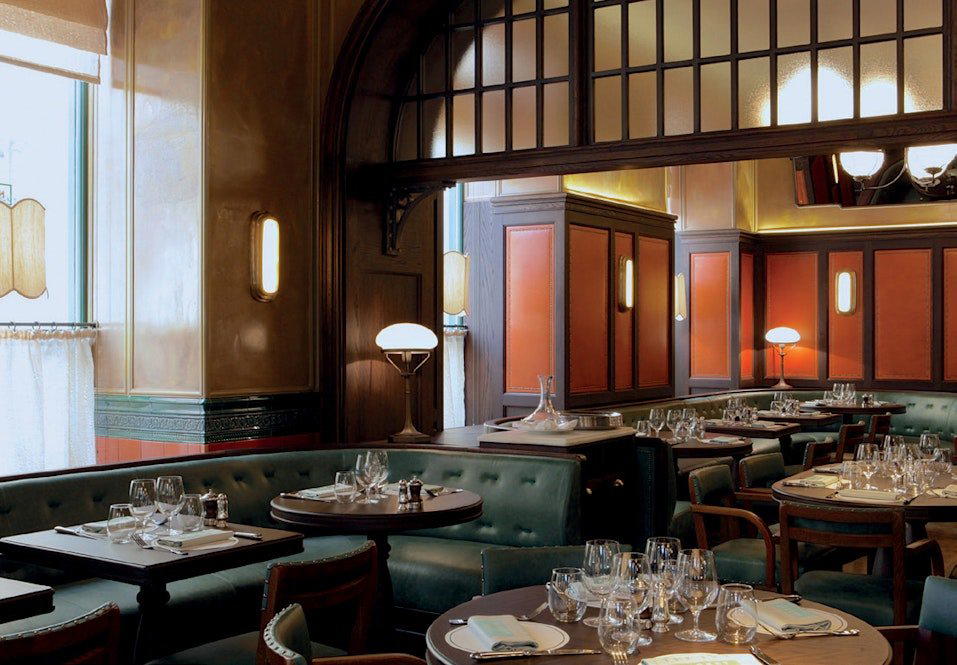
Inside 133 Boutique Hotel
Planning details
- Location
- Karlstraße 34, 76133 Karlsruhe, Germany
- Website
- 133hotel.com
- Phone
- +49 721 96312042
The take
The Take
The Vibe
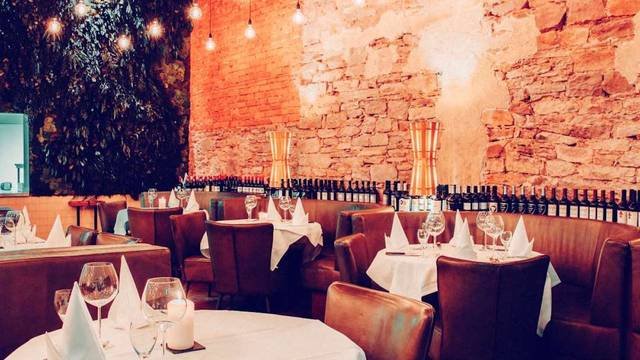
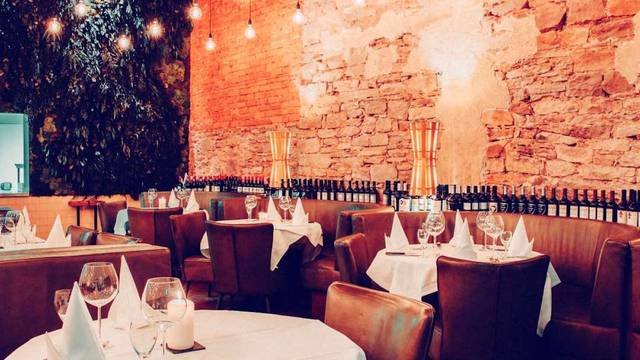
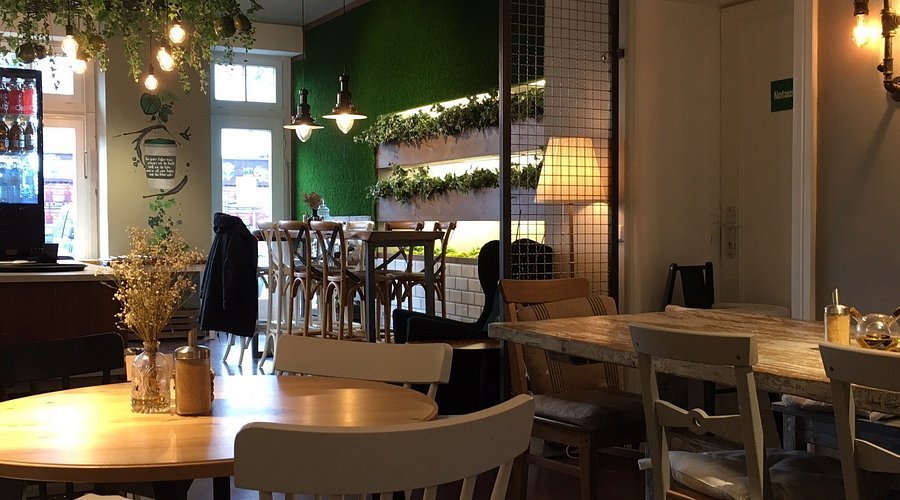
133 Boutique Hotel presents a restrained, design-forward personality that reads as polished rather than flashy. The interiors favor parquet floors, dark metallic accents and glossy black fixtures that lean Deco-adjacent, while rooms are scaled for comfort rather than spectacle. The overall register tilts toward clean geometry and contemporary urban refinement, delivering a sophisticated, elegant atmosphere that feels considered in a city that historically lacked that tier of accommodation. It’s a quietly curated stay that prioritizes form and finish over theatrics.
Best For
This property is best for urban travelers who need a well-appointed, design-minded base in Karlsruhe. It clearly targets professionals and visitors to the Federal Constitutional Court, the Karlsruhe Institute of Technology and the local tech sector, making it a strong pick for business trips. At the same time, its contemporary aesthetic and comfortable room proportions make it suitable for short leisure stays or a weekend escape where guests want a more polished alternative to typical regional options.
Venue details
Ambiance
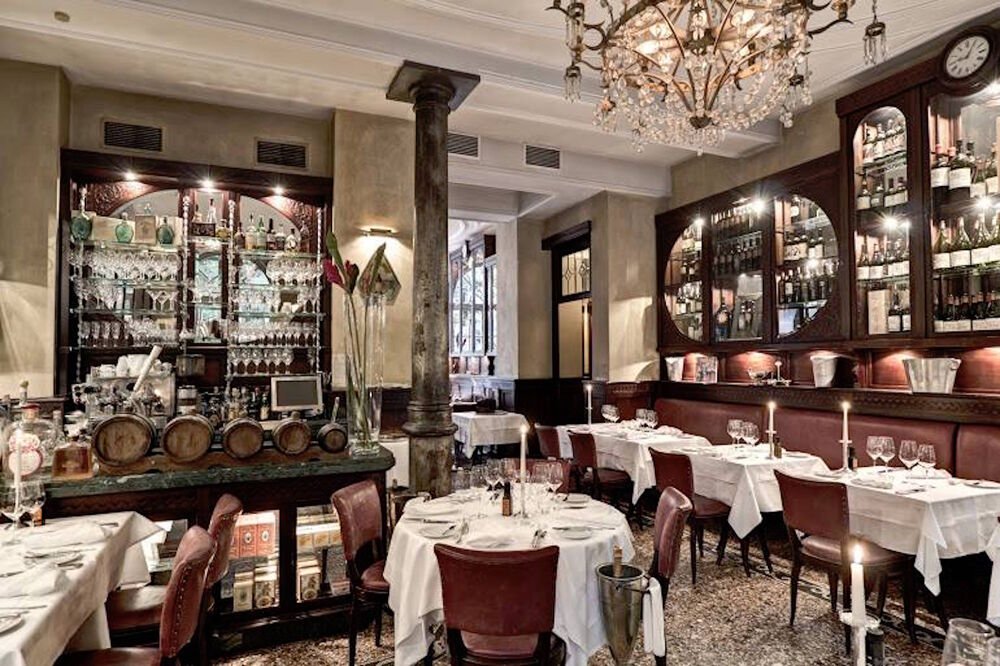
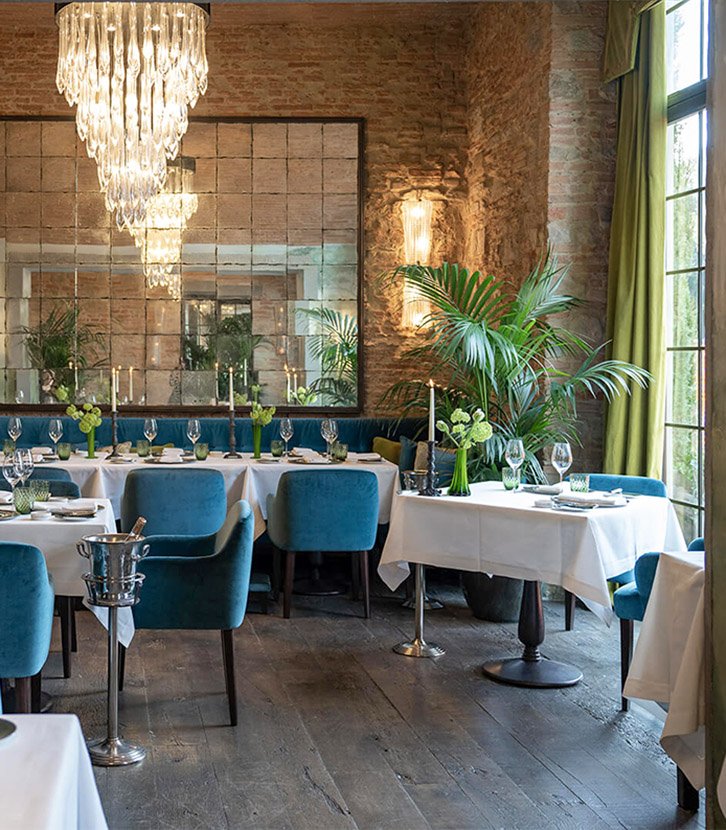
Modern and lively with warm design elements, parquet floors, Art Deco fixtures, and stylish bistro atmosphere in the restaurant.
Tags
Vibe
Best For
Experience
Amenities
Accessibility
About the Stay
- Rooms
- 36
- Check-in
- 14:00
- Check-out
- 12:00
- Property Style
- Urban Lifestyle Boutique Hotel Breaking From Traditional Norms.
- Design Style
- Modern Design with Warm Forms, Colors, Parquet Floors, and Art Deco Elements.
Know before you go
Know Before You Go
- Getting there
- Karlstraße 34, 76133 Karlsruhe, Germany
Planning details
Location
Recognition and awards
Also consider
Also Consider
- Hotel Erbprinz – Gourmet & Spa, Notable alternative
- Schloss Eberstein, Notable alternative
- Steigenberger Icon Europäischer Hof Baden Baden, Notable alternative
- Maison Messmer, Notable alternative
- Brenners Park-Hotel & Spa, Notable alternative
Hotel context
How It Compares
Against Hotel Erbprinz – Gourmet & Spa and Schloss Eberstein, 133 Boutique Hotel is the more practical Karlsruhe choice. Pick it for city access and a lighter spend; choose Erbprinz for a stronger food-and-spa reason to stay put, or Schloss Eberstein if the trip is built around a countryside setting rather than Karlsruhe logistics.
Steigenberger Icon Europäischer Hof Baden Baden, Maison Messmer, and Brenners Park-Hotel & Spa sit in a different lane: Baden-Baden leisure hotels with more of a destination-stay feel. They are the better cross-shop for spa time, service depth, and a more formal hotel atmosphere.
The value call is simple: 133 Boutique Hotel works when the hotel is a base and the itinerary is Karlsruhe-led. If the room, spa, dining, and lobby life are meant to carry the trip, spend up for Brenners Park-Hotel & Spa or compare Maison Messmer for a less maximal Baden-Baden option.
Around this place
Discover more on Pearl
Unlock the full 133 Boutique Hotel guide in Pearl, including awards, comparisons, FAQs, planning details, and nearby places.
Compare 133 Boutique Hotel
| Venue | Location | Awards |
|---|---|---|
| 133 Boutique Hotel | Karlsruhe | 2025 Michelin Selected Hotels |
| Hotel Erbprinz – Gourmet & Spa | Ettlingen | No published awards |
| Schloss Eberstein | Gernsbach | 2025 Michelin 1 Key |
| Steigenberger Icon Europäischer Hof Baden Baden | Baden-Baden | 2025 Michelin 1 Key |
| Maison Messmer | Baden-Baden | World Luxury Hotel Awards 20252025 Michelin 1 Key |
| Brenners Park-Hotel & Spa | Baden-Baden | 2026 Virtuoso Luxury Hotel CollectionTown & Country Hotel Awards 20262026 Robb Report The 50 Greatest Luxury Hotels on Earth2026 La Liste Top Hotels2025 Michelin Selected Hotels |





How 133 Boutique Hotel Karlsruhe compares with similar nearby venues.
FAQ
Frequently Asked Questions
What is check-in like at 133 Boutique Hotel?
Specific check-in procedures are not in the available data here. Before arrival, confirm timing, access instructions, and any identification or payment requirements directly with 133 Boutique Hotel. Travelers comparing a different style of stay can also review current details for Maison Messmer.
How is the location of 133 Boutique Hotel?
133 Boutique Hotel is in Karlsruhe. A more specific street address or neighborhood claim is not included in the data here, so confirm the exact location directly before booking. If you are comparing a stay outside the city, Schloss Eberstein is another option to research separately.
Which room category is best at 133 Boutique Hotel?
The data here does not identify a best room category, suite program, room size, or standout room format at 133 Boutique Hotel. Choose based on the room descriptions, photos, cancellation terms, and rates shown on the hotel's official booking channels. If room variety or service level is a priority, compare current details with Hotel Erbprinz – Gourmet & Spa.