
Mauna Kea Beach Hotel, Autograph Collection
Kohala Coast, Kamuela
Hotel in Kamuela, United States
 Book with Pearl
Why go
Mauna Kea Beach Hotel, Autograph Collection is the heritage-leaning Kohala Coast choice for travelers who want a classic beachfront Kamuela stay over a newer resort feel. Its 2026 Virtuoso Luxury Hotel Partner recognition helps justify considering it for a luxury Hawaii trip, especially if the goal is an easy resort rhythm rather than a dining-first itinerary.
About Mauna Kea Beach Hotel, Autograph Collection
Mauna Kea Beach Hotel, Autograph Collection is a hotel in Kamuela. To evaluate it, focus on the property name, its Kamuela location, its 2026 Virtuoso Luxury Hotel Partner recognition. Travelers comparing stays in the area should use those facts as a starting point rather than assuming specific dining, service, room, or amenity details.
A Kamuela hotel to compare carefully
For planning purposes, Mauna Kea Beach Hotel, Autograph Collection is a Kamuela lodging candidate. Specific restaurants, room categories, service formats, prices, hours, or amenity details should be checked directly before booking.
Dining should also be evaluated separately rather than assumed from the hotel name or reputation. If restaurants are a major part of the trip, compare current options in Kamuela and confirm any on-property details directly with the hotel. For a broader lodging scan, compare it with other hotel choices such as Fairmont Orchid, Kona Village, A Rosewood Resort, Mauna Lani, Auberge Collection, Mauna Lani, Auberge Resorts Collection.
Who should choose it over other hotel options
Choose Mauna Kea Beach Hotel, Autograph Collection if you want a Kamuela hotel that carries a luxury-travel recognition: Virtuoso Luxury Hotel Partner for 2026. That is the main external trust signal. Look beyond that label if your decision depends on specific dining, room, service, loyalty, or amenity details, as those particulars are not described in this guide.
Quick reference: best considered as a Kamuela hotel with 2026 Virtuoso Luxury Hotel Partner recognition; compare directly against other hotel options before booking.
Part of
Autograph Collection160 locations on PearlPlanning details
- Location
- 62-100 Kaunaoa Dr
The take
The Take
The Vibe
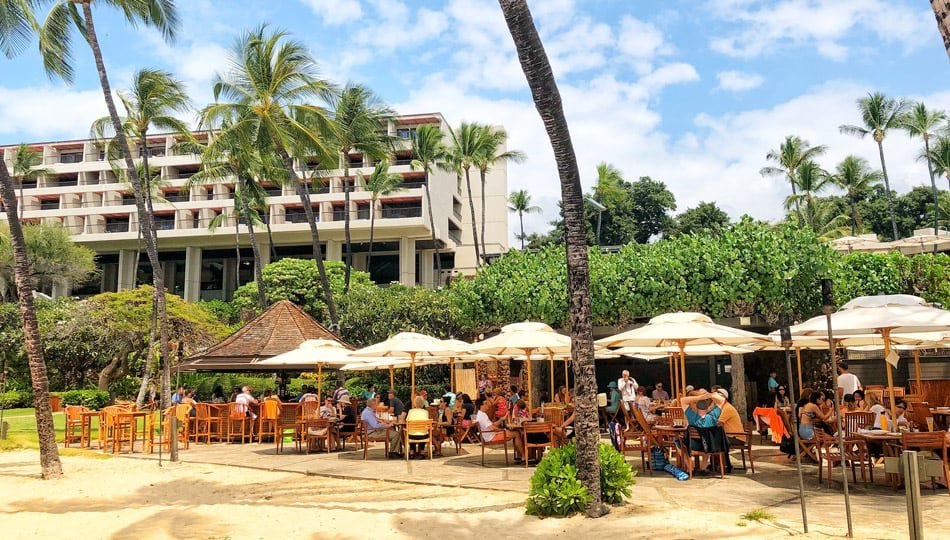
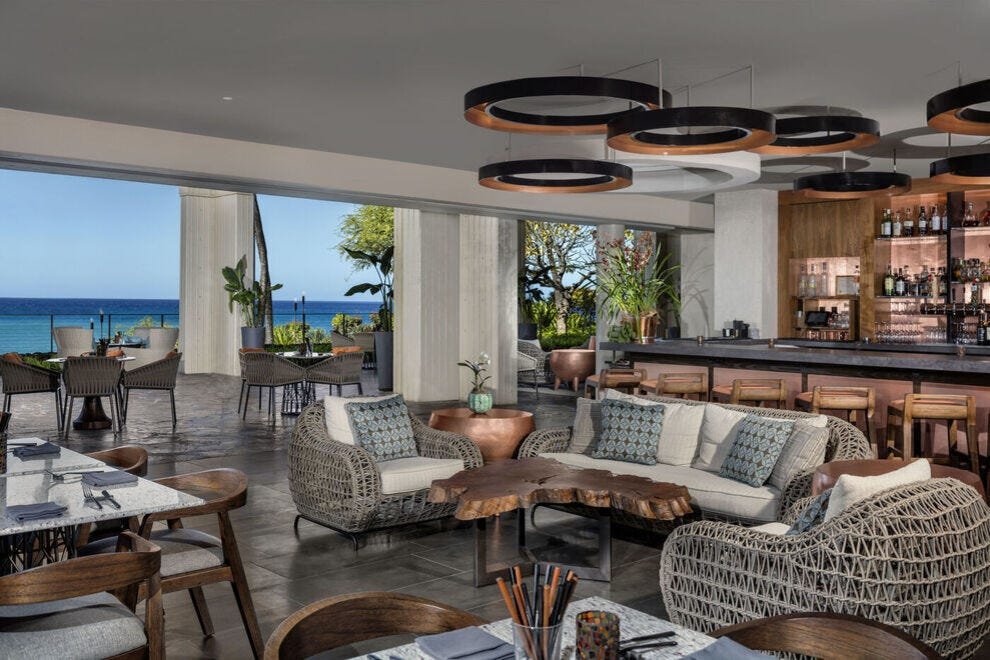
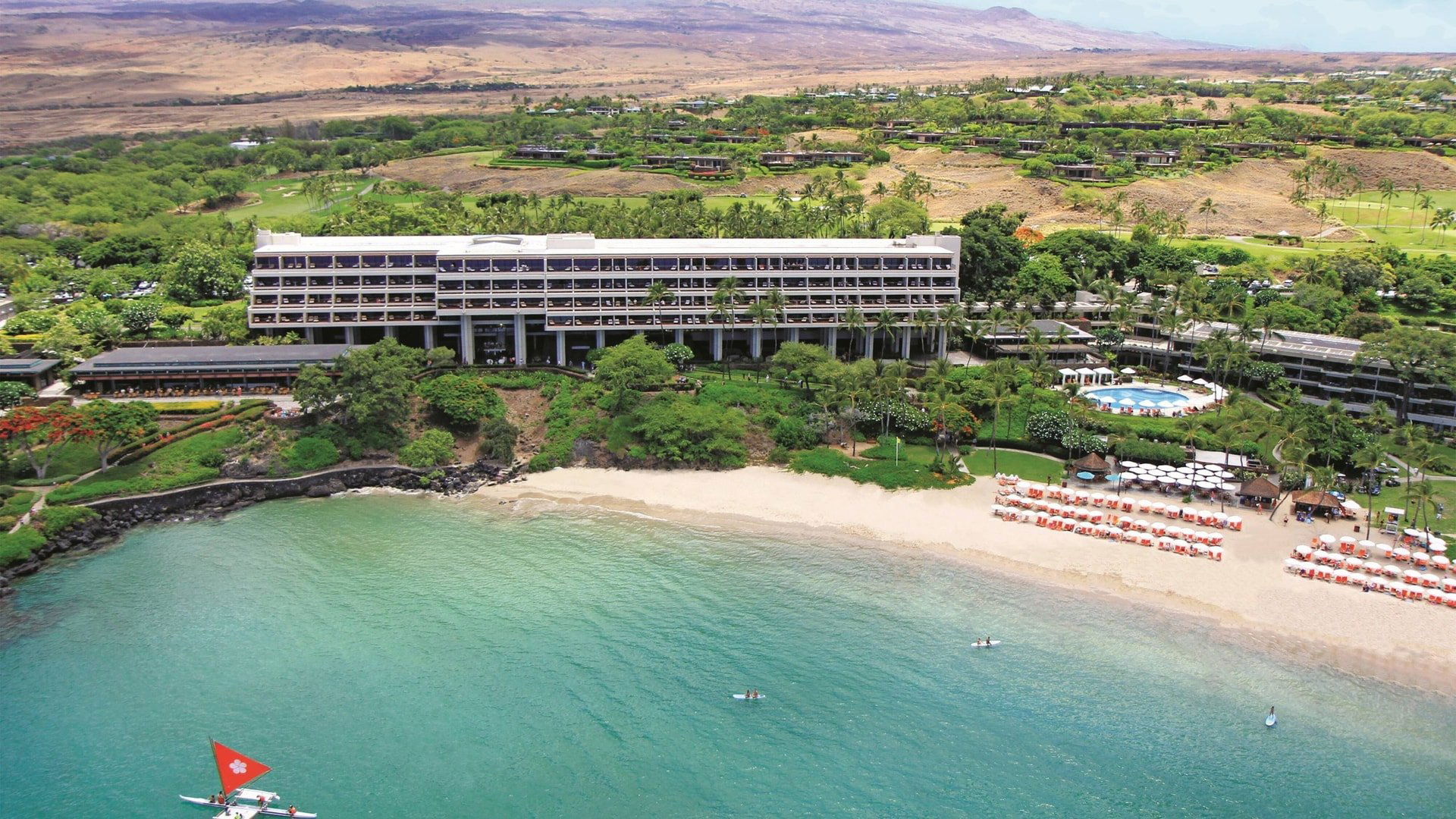
Mauna Kea Beach Hotel reads as a mid-century modern study in place-making. The low-slung, design-forward buildings are deliberately oriented to Kauna'oa Bay and the volcanic Kohala range, and open-air corridors and deep overhangs make circulation feel like a series of communal rooms. Trade winds are built into the logic of comfort here—natural ventilation replaces the hermetic luxury model—and interiors and exterior thresholds are choreographed to channel guests through the landscape. The hotel's art collection is presented not as decoration but as a spatial argument, reinforcing the property’s identity as a design-minded, seaside resort with quiet gravitas.
Best For
The resort is best for travelers who prize classic Hawaiian beachfront architecture and a thoughtful, design-forward setting. Couples and honeymooners find the Pacific-facing siting and quietly sophisticated spaces appealing, while those planning destination weddings and special occasions benefit from the hotel’s iconic presence on Kauna'oa Bay. The open-air circulation and communal rooms also suit guests who appreciate connecting with the environment—trade winds, ocean views and the volcanic backdrop—making it a strong choice for anniversary trips, wellness-focused stays and anyone seeking a quintessential Big Island resort experience rooted in mid-century design.
Stay Tips
When planning a stay, prioritize accommodations that emphasize the hotel's Pacific orientation: rooms facing Kauna'oa Bay or the volcanic range will make the most of the property's core design premise. Expect open-air circulation and deep overhangs to shape how you move around the resort; arrive prepared to experience breezy, naturally ventilated common areas rather than enclosed, air-conditioned corridors. If architecture and the art program matter to you, mention an interest in the property's design legacy when booking so staff can highlight viewpoints and communal spaces that best showcase the mid-century planning.
Venue details
Ambiance
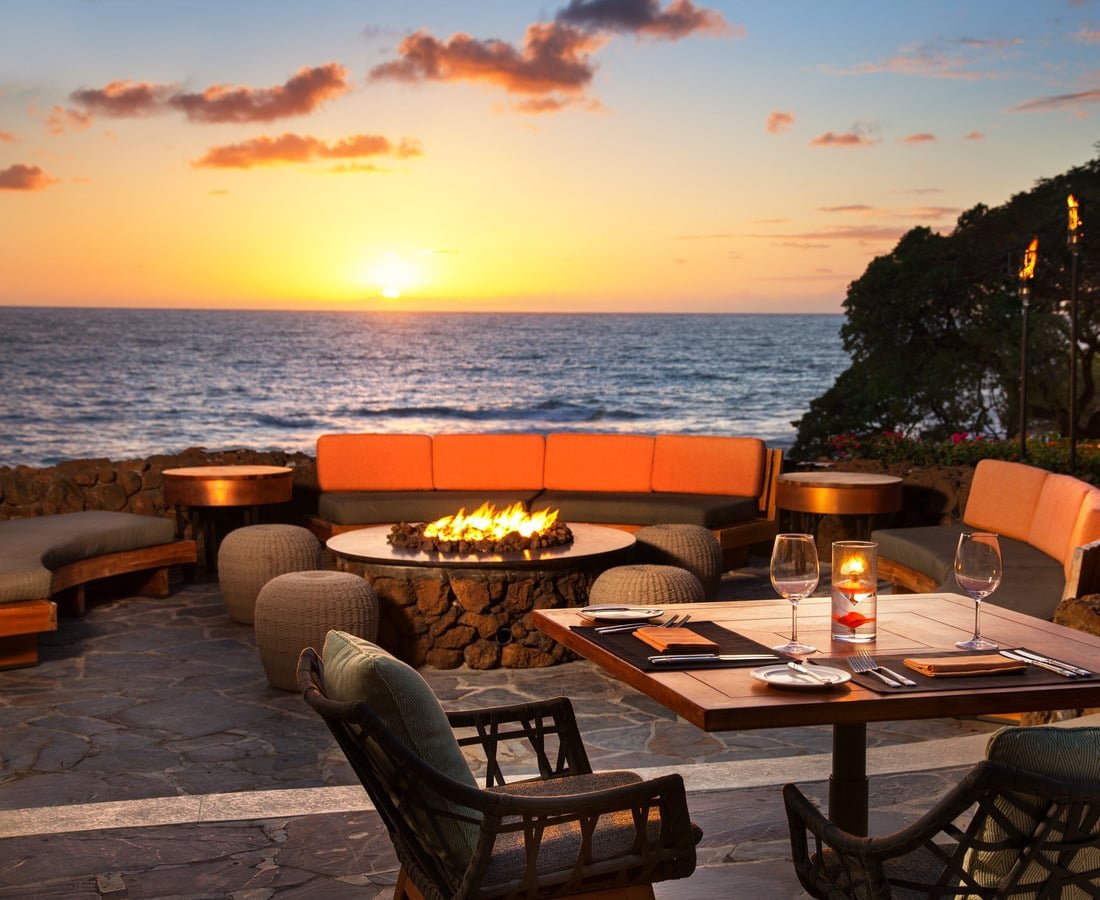
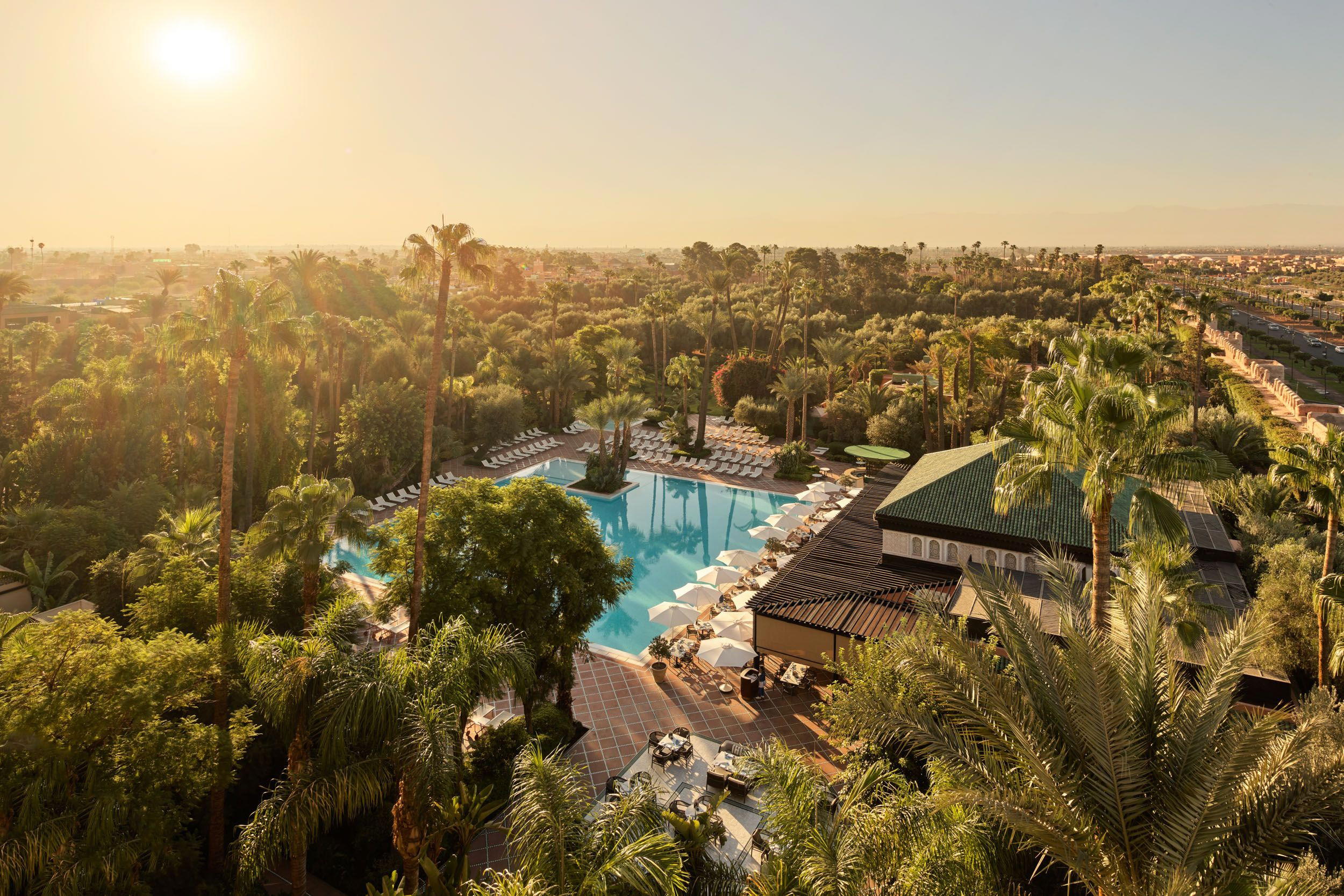
Elegant and serene oceanfront atmosphere with relaxing spa vibes and tropical garden settings.
Tags
Vibe
Best For
Experience
Amenities
View
Accessibility
About the Stay
- Rooms
- 300
- Check-in
- 15:00
- Check-out
- 11:00
- Property Style
- Iconic Beachfront Resort
- Design Style
- Island Elegance
Planning details
Location
62-100 Kaunaoa Dr · Directions
Recognition and awards

Also consider
Also Consider
- Fairmont Orchid, Notable alternative
- Fairmont Orchid, Notable alternative
- Mauna Lani, Auberge Collection, Notable alternative
- Mauna Lani, Auberge Resorts Collection, Notable alternative
- Kona Village, A Rosewood Resort, Notable alternative
Hotel context
How it compares on the Kohala Coast
Fairmont Orchid is the easier cross-shop for travelers who want a large resort format and a familiar luxury-hotel rhythm. Mauna Kea Beach Hotel, Autograph Collection is the better fit when the decision is more beach-first and heritage-led; Fairmont Orchid makes more sense when predictability and broad-resort infrastructure matter more than character.
Mauna Lani, Auberge Collection and Mauna Lani, Auberge Resorts Collection are stronger picks for travelers who want a more current luxury-resort feel. Choose Mauna Lani if ambiance and modern polish drive the booking; choose Mauna Kea if the appeal is a classic Kohala Coast stay with less emphasis on newness.
Kona Village, A Rosewood Resort is the splurge-oriented alternative for travelers chasing a more rarefied resort experience. If value for money is the filter, compare live rates carefully: Mauna Kea is the more practical call when the beach and location carry the stay, while Kona Village is the one to price only if the resort itself is the main event.
Explore Kamuela
Around this place
Discover more on Pearl
Unlock the full Mauna Kea Beach Hotel, Autograph Collection guide in Pearl, including awards, comparisons, FAQs, planning details, and nearby places.
Compare Mauna Kea Beach Hotel, Autograph Collection
| Venue | Location | Awards |
|---|---|---|
| Mauna Kea Beach Hotel, Autograph Collection | Kamuela | 2026 Virtuoso Luxury Hotel Collection |
| Fairmont Orchid | Kohala Coast | No published awards |
| Fairmont Orchid | Puako | No published awards |
| Mauna Lani, Auberge Collection | Waimea | No published awards |
| Mauna Lani, Auberge Resorts Collection | Kohala Coast | 2026 Virtuoso Luxury Hotel Collection2025 Forbes Recommended2024 Michelin 1 Key |
| Kona Village, A Rosewood Resort | Kailua Kona | 2026 Virtuoso Luxury Hotel Collection2026 Forbes 4-Star2026 Mr & Mrs Smith Luxury Hotels2026 La Liste Top HotelsConde Nast Gold List 2026World Travel Awards 20252025 Forbes 4-Star2025 AAA 5 Diamond Hotel2024 Michelin 3 Keys |







How Mauna Kea Beach Hotel, Autograph Collection compares with similar nearby venues.
FAQ
Frequently Asked Questions
How is the dining at Mauna Kea Beach Hotel, Autograph Collection?
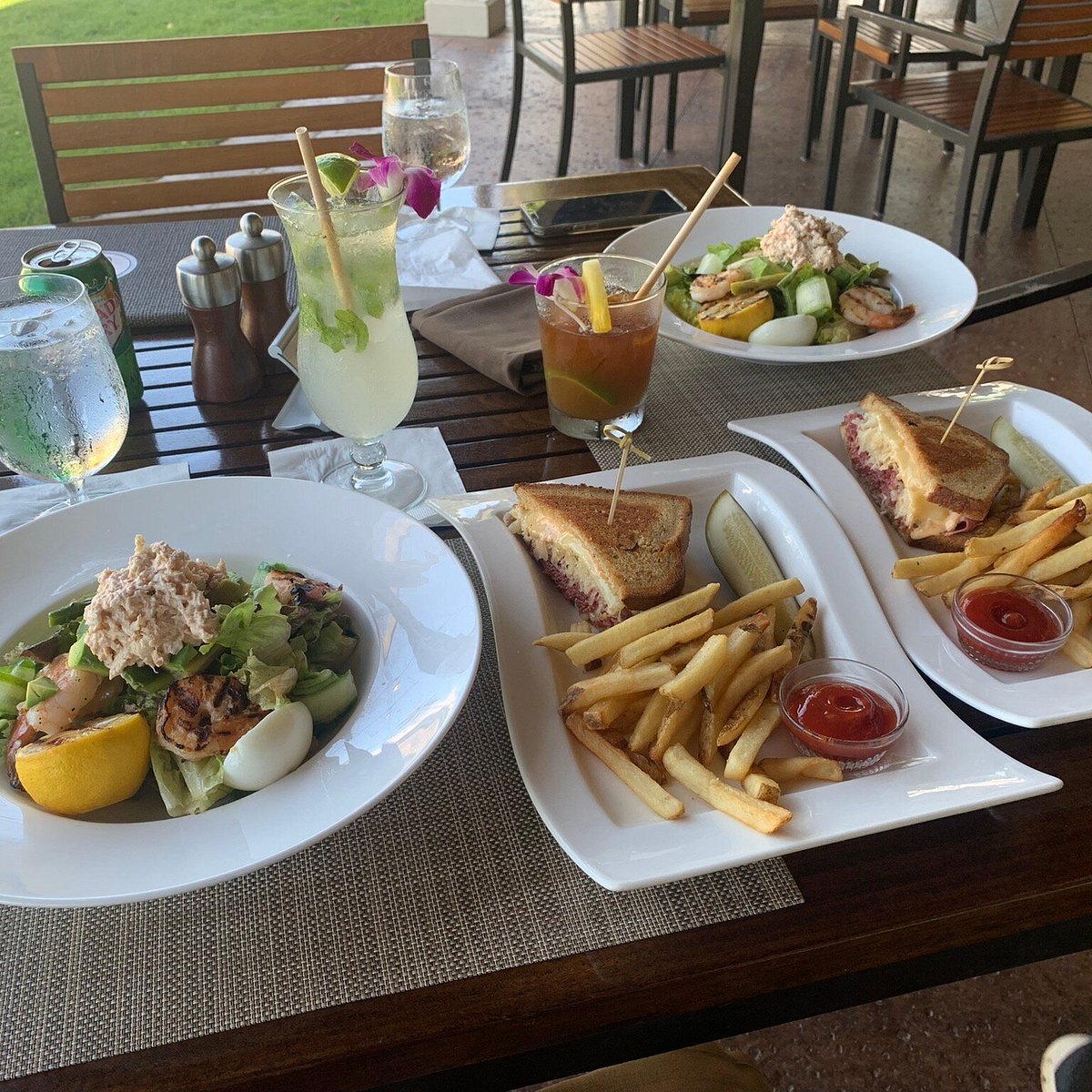
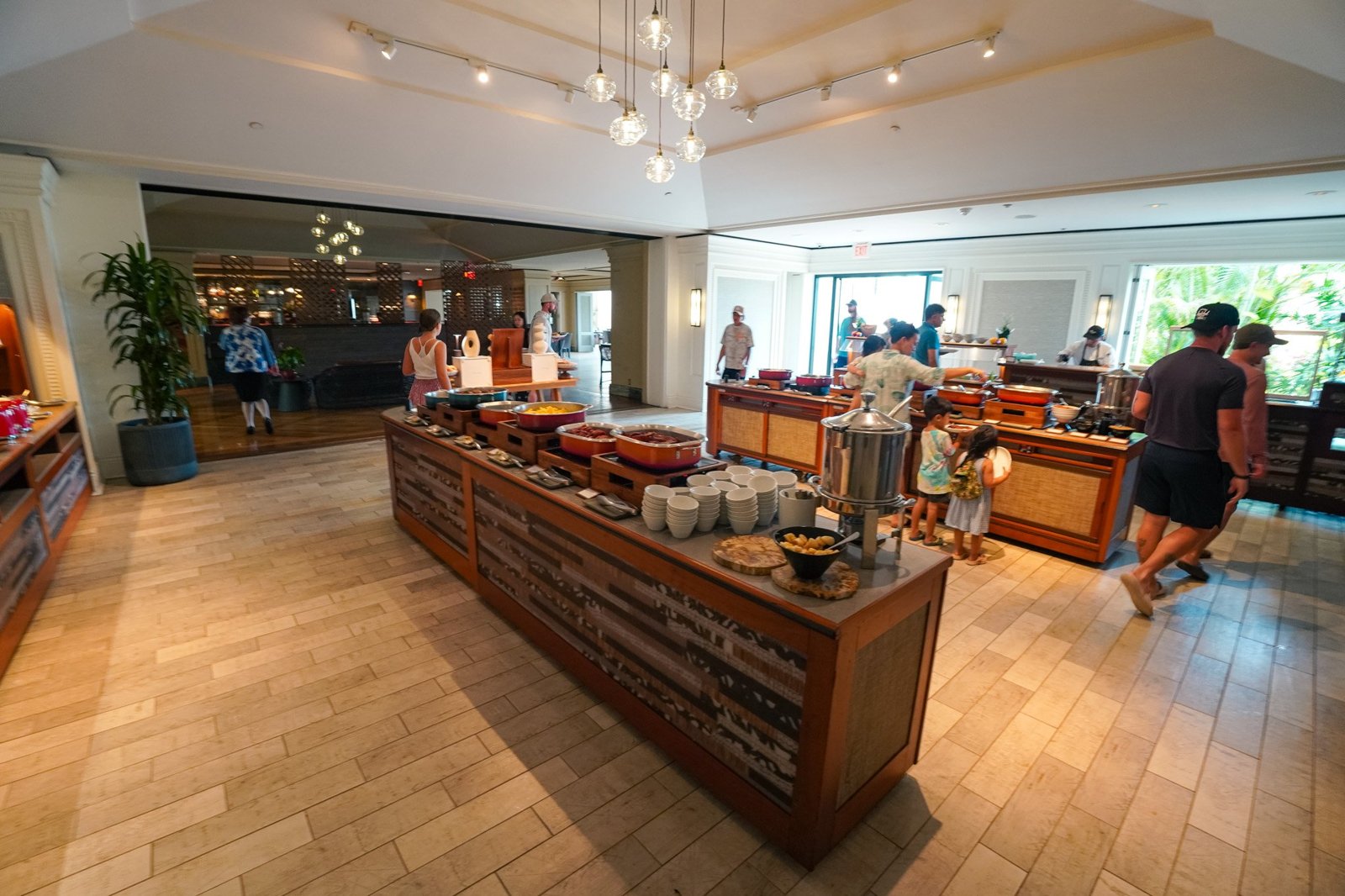
Specific dining venues, cuisines, menus, hours, or prices at Mauna Kea Beach Hotel, Autograph Collection are not described here. If dining is central to your stay, confirm current options directly with the hotel and compare other Kamuela dining choices separately.
Do loyalty programs work at Mauna Kea Beach Hotel, Autograph Collection?
Loyalty-program details for Mauna Kea Beach Hotel, Autograph Collection are not described here. If points, elite benefits, or preferred booking channels matter, confirm the current terms directly before reserving.
How is the location of Mauna Kea Beach Hotel, Autograph Collection?
Mauna Kea Beach Hotel, Autograph Collection is in Kamuela. If location is a deciding factor, compare it with other hotel options such as Kona Village, A Rosewood Resort and Mauna Lani, Auberge Collection based on your itinerary and confirmed travel plans.
When is the best time to book Mauna Kea Beach Hotel, Autograph Collection?
Booking patterns, seasonal demand, or room availability for Mauna Kea Beach Hotel, Autograph Collection are not described here. Check current rates and availability directly, compare with Fairmont Orchid and Mauna Lani, Auberge Resorts Collection before committing.
What is check-in like at Mauna Kea Beach Hotel, Autograph Collection?
Check-in procedures or arrival experience details are not described here. Contact Mauna Kea Beach Hotel, Autograph Collection directly for current check-in timing, policies, any arrival requirements.