
Kempinski Hotel Das Tirol
Jochberg
Hotel in Jochberg, Austria
 Book with Pearl
The Read
Price
$300–500per night
Why go
For ski weeks and school-holiday mountain trips, Kempinski Hotel Das Tirol is a sensible Jochberg choice when families want a calmer base outside central Kitzbühel. Book it for resort-style ease and a vetted luxury-hotel feel; cross-shop Kitzbühel town hotels if walkability and nightlife matter more.
About Kempinski Hotel Das Tirol
Kempinski Hotel Das Tirol is a hotel in Jochberg with a MICHELIN Guide hotel selection for 2025. It is best evaluated as a Jochberg hotel choice, as specific details about restaurants, facilities, room count, prices, or service formats are not available. The dress code is smart casual.
A MICHELIN-selected hotel base in Jochberg
Kempinski Hotel Das Tirol is included in the MICHELIN Guide Hotels Selected list for 2025. That recognition is a useful trust signal for travellers comparing hotels.
For travellers deciding between Kempinski Hotel Das Tirol and other hotel options, the key question is location preference. Kempinski Hotel Das Tirol keeps the stay based in Jochberg. If another setting matters more, compare it with A-ROSA Kitzbühel, Grand Tirolia Kitzbühel, Hotel Weisses Roessl, Schwarzer Adler, or Q! Hotel Maria Theresia.
Who should book it, and who should not
Book Kempinski Hotel Das Tirol if you specifically want a Jochberg hotel and value the reassurance of a MICHELIN Guide hotel selection. It is also worth considering if a smart-casual hotel setting suits the kind of trip you are planning.
For broader comparison, keep the decision grounded in place and recognition: Kempinski Hotel Das Tirol is the Jochberg option, while A-ROSA Kitzbühel, Grand Tirolia Kitzbühel, Hotel Weisses Roessl, Schwarzer Adler, and Q! Hotel Maria Theresia are separate hotel references for a different location preference.
Part of
Kempinski44 locations on PearlPlanning details
- Location
- Kitzbüheler Str. 48, 6373 Jochberg, Austria
- Website
- kempinski.com/en/hotel-das-tirol
- Phone
- +43 5355 50100
The take
The Take
The Vibe
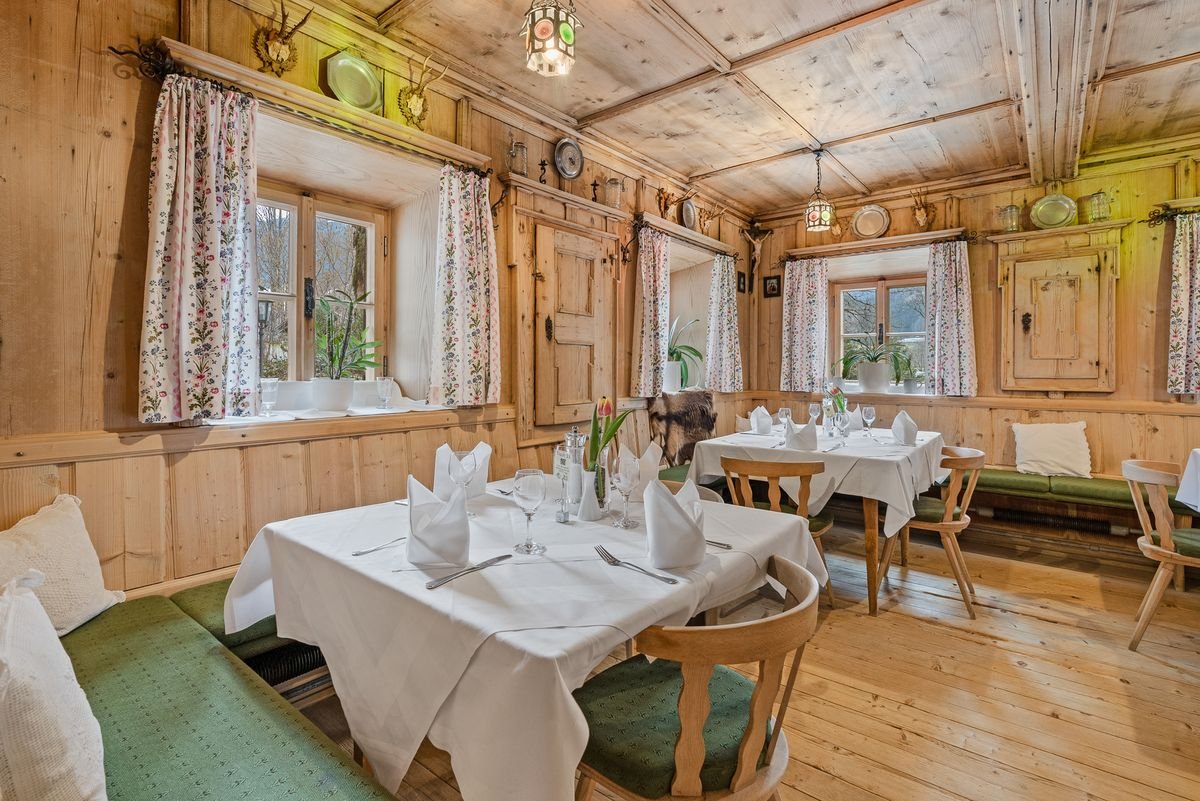
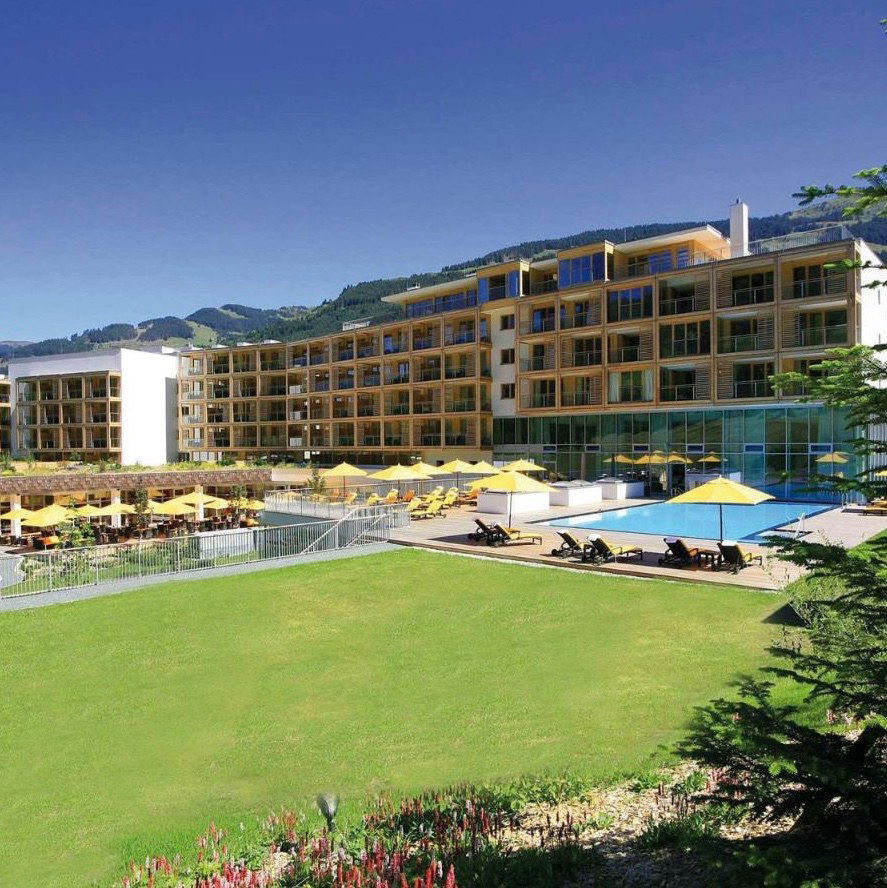
Kempinski Hotel Das Tirol reads as a deliberate, contemporary alpine retreat. The writing emphasizes integration with the mountain (the hotel's geometry responds to slope, sightlines and light) so design feels grounded in landscape rather than in historic pastiche. Situated in Jochberg, the property deliberately distances itself from Kitzbühel’s high-visibility bustle, favoring a quieter, more measured presence. The result is a composed, modern alpine hotel that privileges serenity and a refined material palette, offering a restful counterpoint to the racetrack energy of nearby Kitzbühel while retaining Kempinski’s luxury orientation.
Best For
This hotel suits travellers who want direct access to Kitzbühel’s ski terrain without staying in the town’s busiest enclave. It functions as a base for ski-focused weekend escapes and quieter alpine stays, and the property’s positioning already aligns with family vacations, romantic getaways and wellness retreats. Guests who prioritise mountain views, measured pace and design-forward lodging over being in the centre of après-ski activity will find this a sensible pick. The location works well for those seeking proximity to the circuit while avoiding the peak-event visibility of Kitzbühel itself.
Venue details
Ambiance
Elegant and relaxing with warm Tyrolean hospitality, spacious rooms featuring modern Alpine style, mountain views, and luxurious spa atmosphere.
Tags
Vibe
Best For
Experience
Amenities
View
About the Stay
- Rooms
- 156
- Check-in
- 15:00
- Check-out
- 12:00
- Property Style
- Modern Architecture Meets Tyrolean Naturalness
- Design Style
- Modern Alpine with Classical Luxurious Austrian Elements
- Breakfast
- Included
- Airport Transfer
- Available
- Pool
- Yes
- Spa
- Yes
- Pets
- Allowed
- Families
- Welcome
- Cancellation
- Moderate
Know before you go
Know Before You Go
- Getting there
- Kitzbüheler Str. 48, 6373 Jochberg, Austria
Planning details
Location
Kitzbüheler Str. 48, 6373 Jochberg, Austria · Directions
Recognition and awards
Also consider
Also Consider
- Grand Tirolia Kitzbühel, Notable alternative
- A-ROSA Kitzbühel, Notable alternative
- Q! Hotel Maria Theresia, Notable alternative
- Schwarzer Adler, Notable alternative
- Hotel Weisses Roessl, Notable alternative
Hotel context
How It Compares
Choose Kempinski Hotel Das Tirol if the trip is family-led and the group would rather stay in Jochberg than manage the busier Kitzbühel centre every day. Against Grand Tirolia Kitzbühel and A-ROSA Kitzbühel, the decision is mainly location and trip style: Jochberg feels better for a quieter mountain base, while the Kitzbühel options are stronger for guests who want more town access.
Q! Hotel Maria Theresia and Schwarzer Adler make more sense when the stay is built around Kitzbühel itself. They are easier to justify for short breaks, nightlife, or travellers who do not want to plan around transfers. Kempinski Hotel Das Tirol is easier to recommend for longer alpine stays where hotel comfort and family logistics matter more than being central.
Hotel Weisses Roessl is the peer to consider if the brief is a more traditional Kitzbühel address. For value, compare live rates rather than assuming one winner: no reliable public price tier is available here. On booking difficulty, the practical advantage goes to whichever property has suitable rooms during peak ski and holiday weeks, so families should prioritize room configuration first, then location.
Explore Jochberg
Around this place
Discover more on Pearl
Unlock the full Kempinski Hotel Das Tirol guide in Pearl, including awards, comparisons, FAQs, planning details, and nearby places.
Compare Kempinski Hotel Das Tirol
| Venue | Location | Awards |
|---|---|---|
| Kempinski Hotel Das Tirol | Jochberg | 2025 Michelin Selected Hotels |
| Grand Tirolia Kitzbühel | Kitzbühel | 2026 La Liste Top Hotels2026 Michelin 2 Keys2025 Michelin 2 Keys2024 Michelin 2 Keys |
| A-ROSA Kitzbühel | Kitzbühel | No published awards |
| Q! Hotel Maria Theresia | Kitzbühel | No published awards |
| Schwarzer Adler | Kitzbühel | 2026 Michelin 1 Key2025 Michelin 1 Key |
| Hotel Weisses Roessl | Kitzbühel | Leading Hotels of the World 20262026 Michelin 1 Key2025 Michelin 1 Key |





How Kempinski Hotel Das Tirol Jochberg compares with similar nearby venues.
FAQ
Frequently Asked Questions
How does Kempinski Hotel Das Tirol compare to other hotels?
Choose Kempinski Hotel Das Tirol if you want a Jochberg hotel with a MICHELIN Guide Hotels Selected 2025 listing. For a different location preference, compare it with A-ROSA Kitzbühel, Grand Tirolia Kitzbühel, Hotel Weisses Roessl, Schwarzer Adler, or Q! Hotel Maria Theresia.