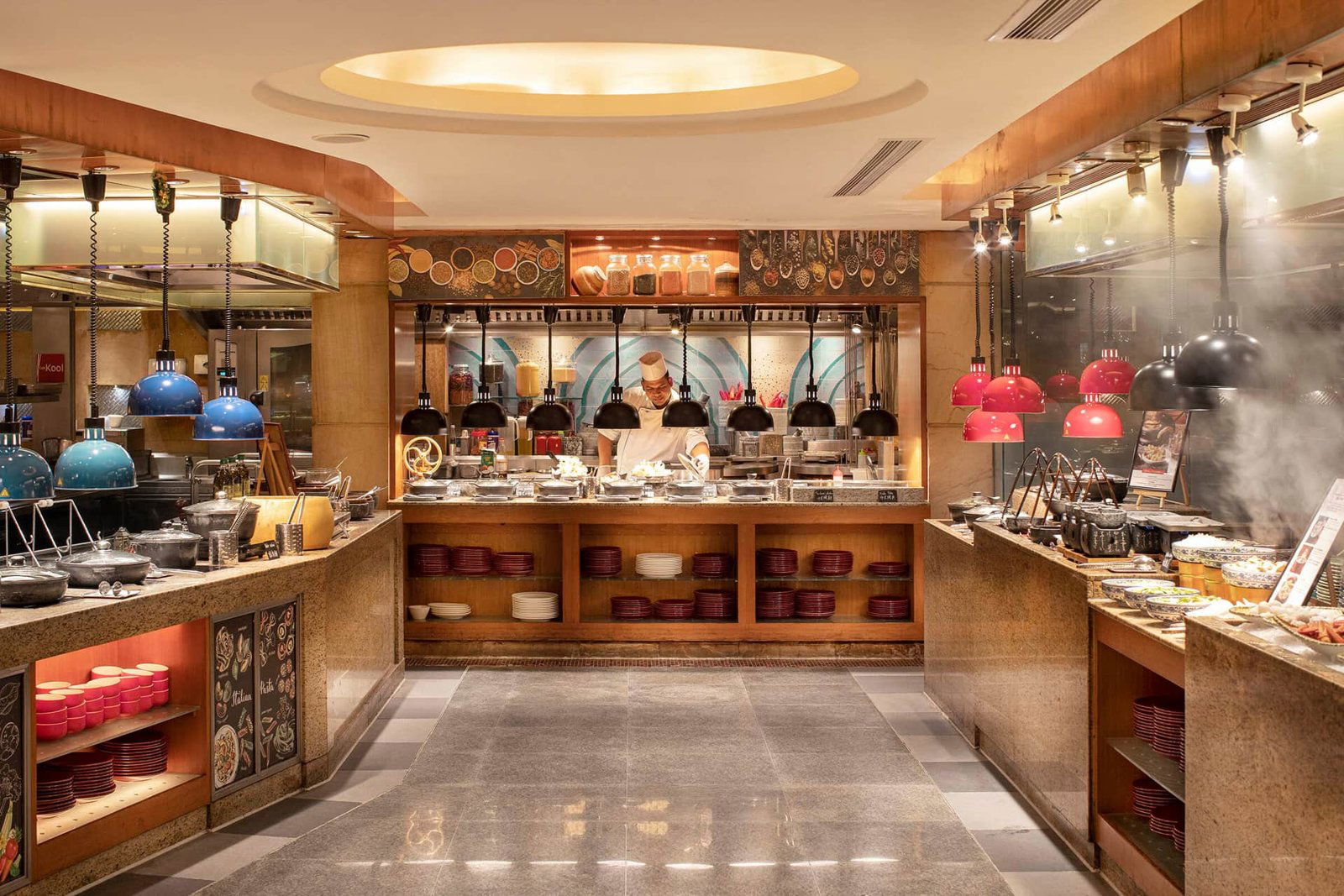

Kowloon Shangri-La
Yau Tsim Mong South, Hong Kong
Hotel in Hong Kong, Hong Kong
 Book with Pearl
The Read
Harbour-Front Lobby Living
Price
$300–500per night
Why go
Kowloon Shangri-La is the right Hong Kong pick for a polished Tsim Sha Tsui stay where reliability matters more than trend value. It suits celebrations, business travel, and family trips that need a composed base on the Kowloon side; cross-shop Rosewood Hong Kong for a bigger splurge or Mondrian Hong Kong for a newer design-led mood.
About Kowloon Shangri-La
Kowloon Shangri-La is a Hong Kong venue with confirmed Forbes 4-Star recognition for 2026. Beyond that accolade and a smart casual dress code, details are not available regarding rooms, dining, amenities, service style, pricing, or location within the city.
If you are comparing premium venues in Hong Kong, keep the decision grounded in your own priorities, current rates, and the details confirmed directly by Kowloon Shangri-La at the time of booking.
A Hong Kong venue with limited details
Kowloon Shangri-La may be worth considering when you want a venue in Hong Kong with a recognition marker. The confirmed Forbes 4-Star recognition gives it a clear quality reference, but information about specific amenities, room categories, family services, dining venues, or event capabilities is not available.
If you are comparing other Hong Kong options, Mondrian Hong Kong may be part of the same research set. If the brief is a broader comparison, Rosewood Hong Kong is another option to review. Keep the comparison practical: confirm current room types, inclusions, and policies directly before booking.
Check-in to check-out: Confirm operational details
Specific claims about arrival style, views, dining access, nightlife convenience, or service flow are not available. Kowloon Shangri-La is in Hong Kong, has Forbes 4-Star recognition in 2026, and has a smart casual dress code.
For a booking decision, compare the live rate, cancellation terms, descriptions, and any inclusions shown by the venue or booking channel. If a particular view, room size, accessibility feature, dining plan, or special-occasion setup matters, it is advisable to confirm these directly rather than assume from the name.
Who should cross-shop before committing
Travelers comparing Hong Kong venues can also review The Royal Garden and InterContinental Grand Stanford Hong Kong, especially if the decision comes down to rate, category, or booking conditions. Kimpton Tsim Sha Tsui and Mondrian Hong Kong may also be relevant comparison points for travelers weighing options in Hong Kong.
Verdict: consider Kowloon Shangri-La if you want a Hong Kong venue with confirmed Forbes 4-Star recognition for 2026 and are comfortable confirming the operational details directly before booking. Avoid assumptions about amenities, room categories, dining, or location specifics when making the final choice.
Inside Kowloon Shangri-La
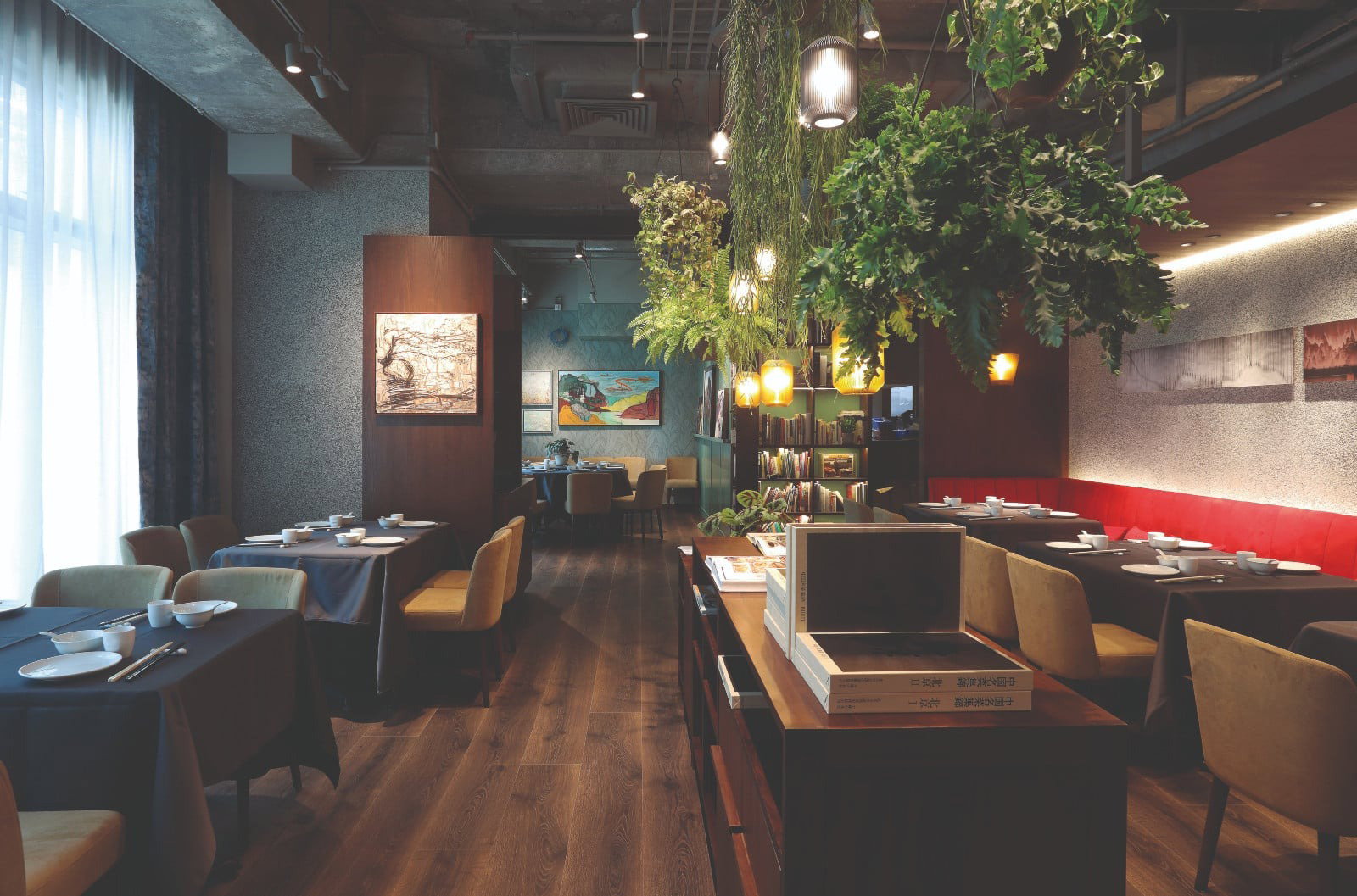
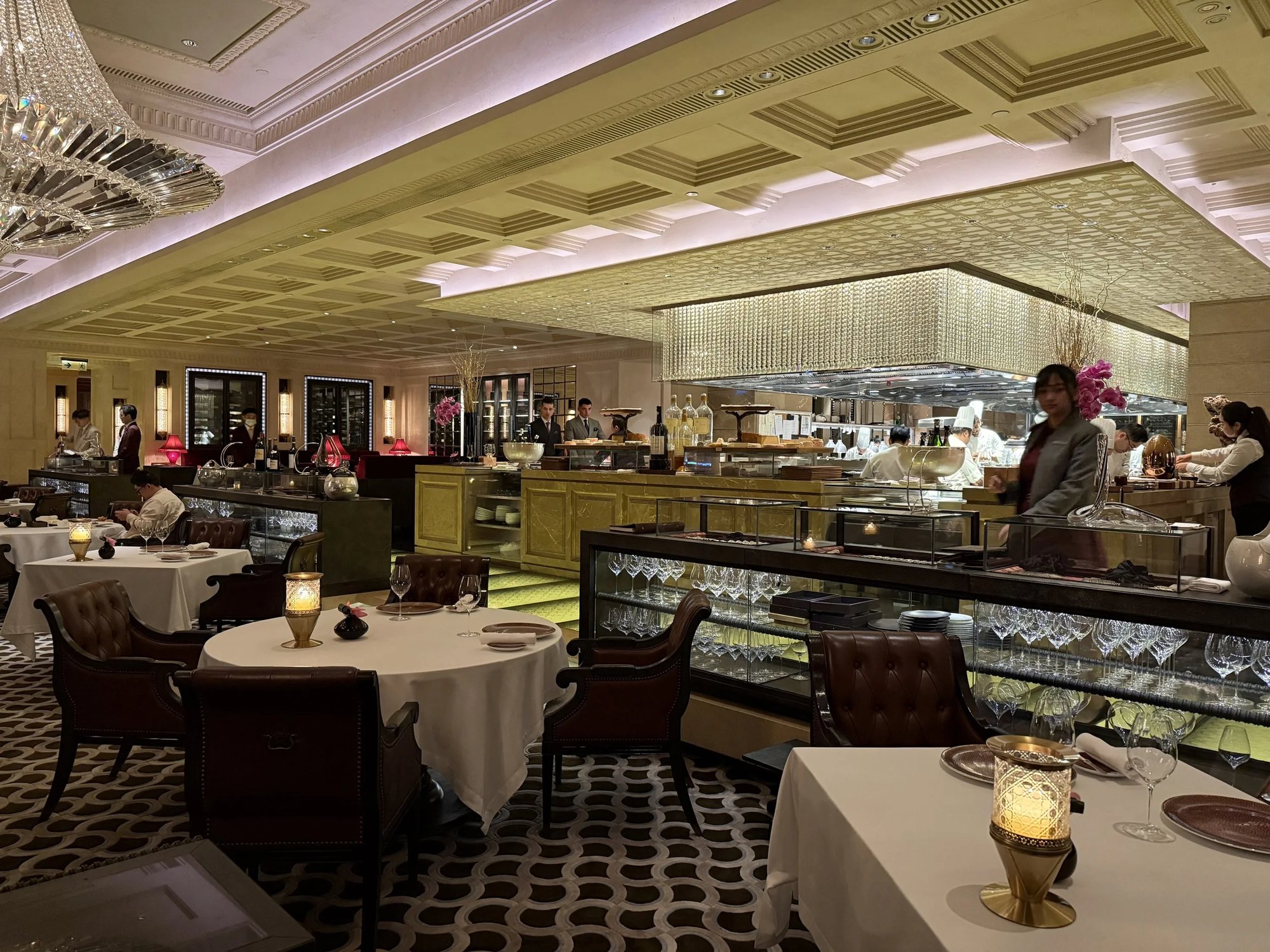
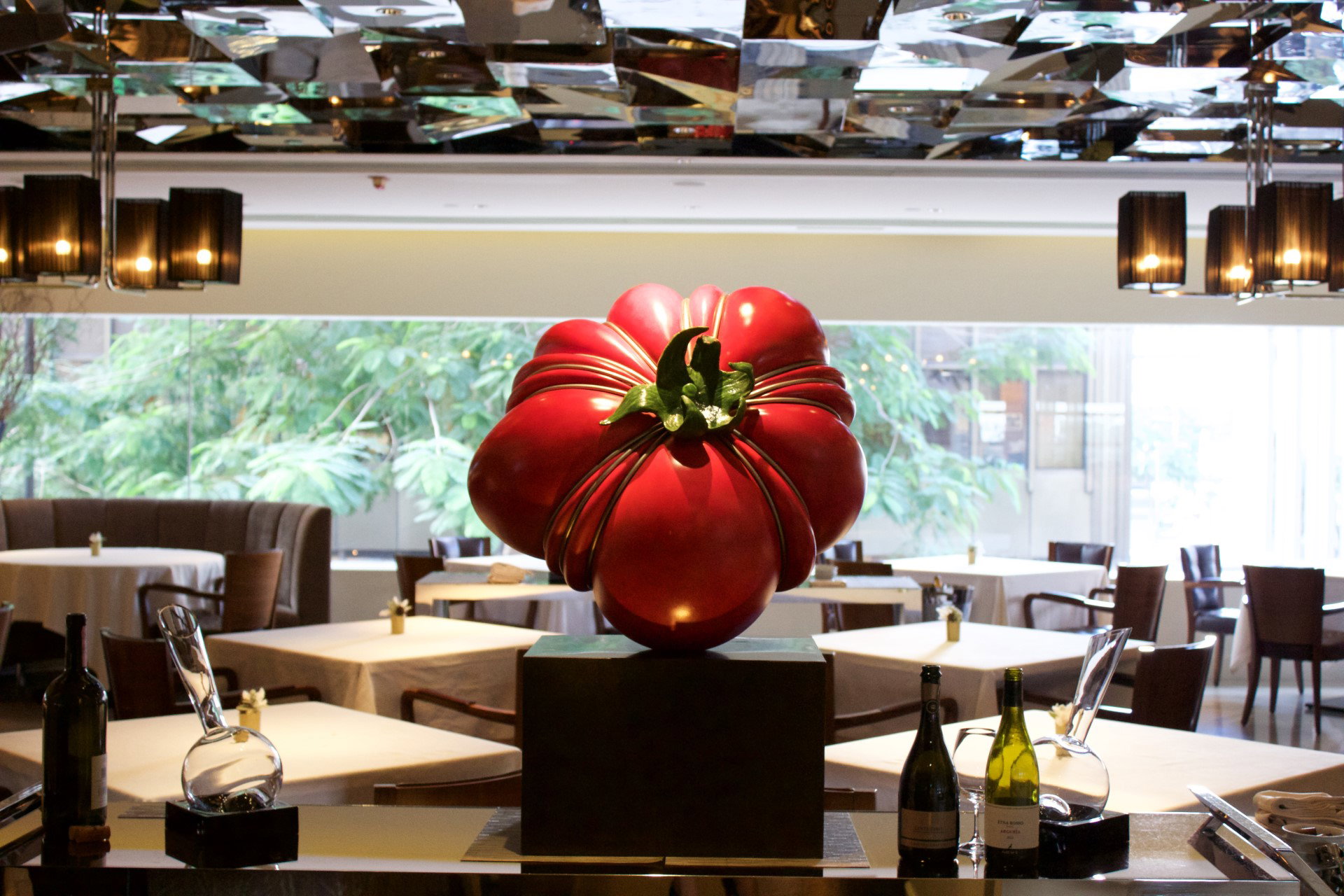
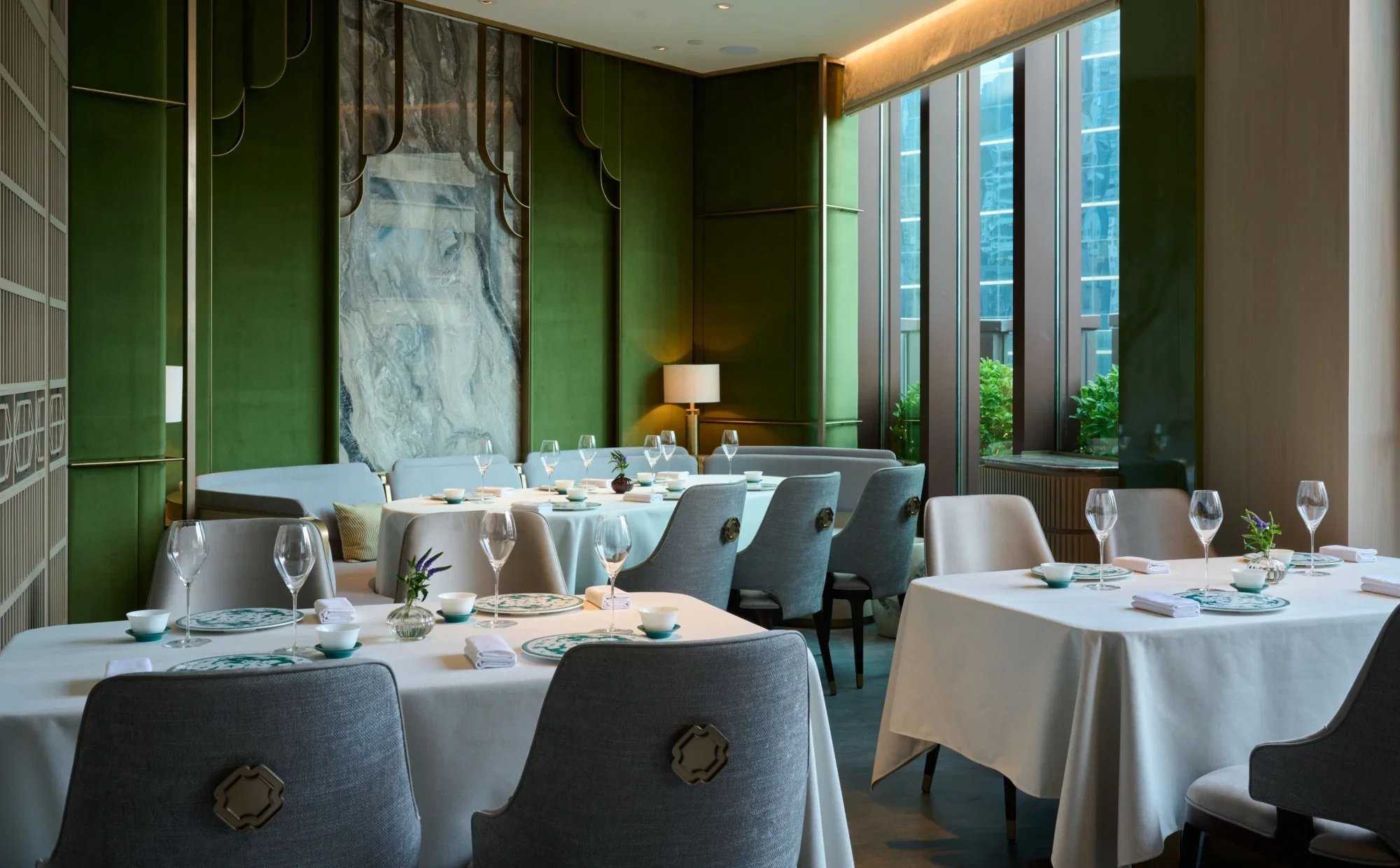
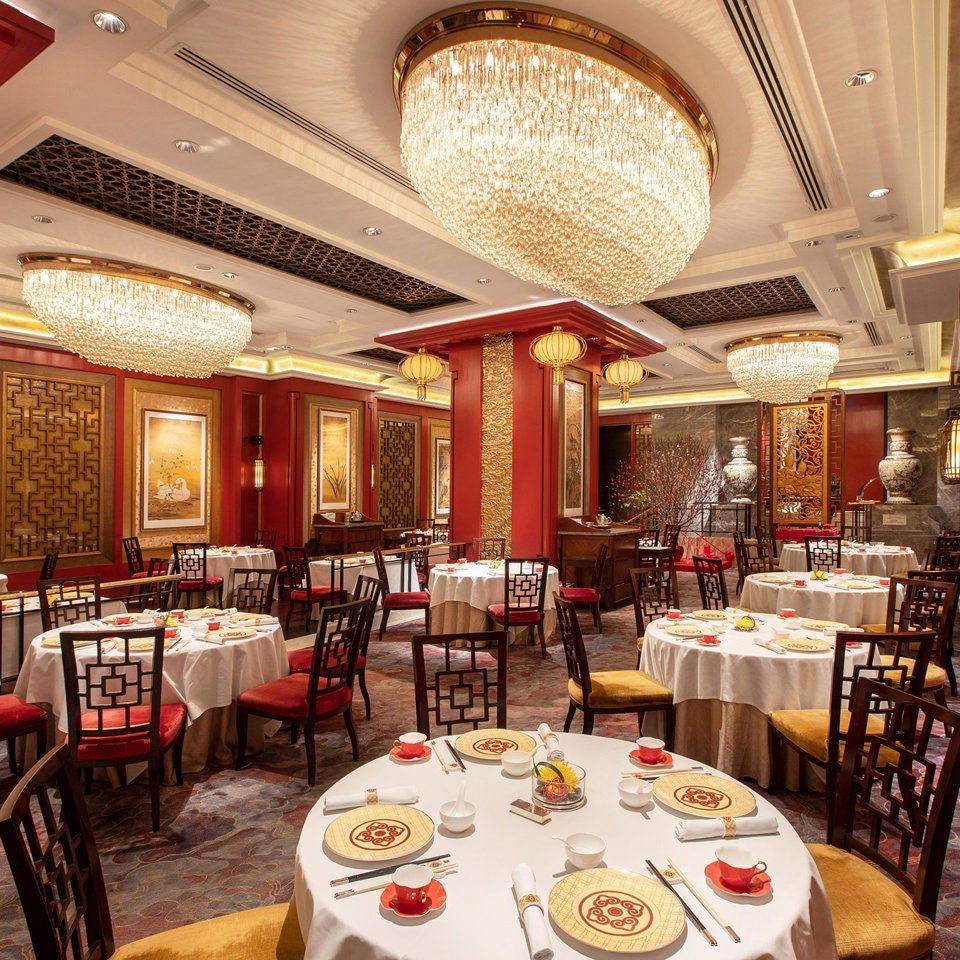 restaurantShang PalaceShang Palace occupies a storied position in Tsim Sha Tsui's Cantonese dining hierarchy, operating from Level I of 64 Mody Road in one of Hong Kong's most hotel-dense corridors. The restaurant carries the lineage that has defined luxury Chinese dining across Asia for decades, placing it in a comparable set where formality, dim sum craft, and roast tradition intersect at the premium end of the spectrum.
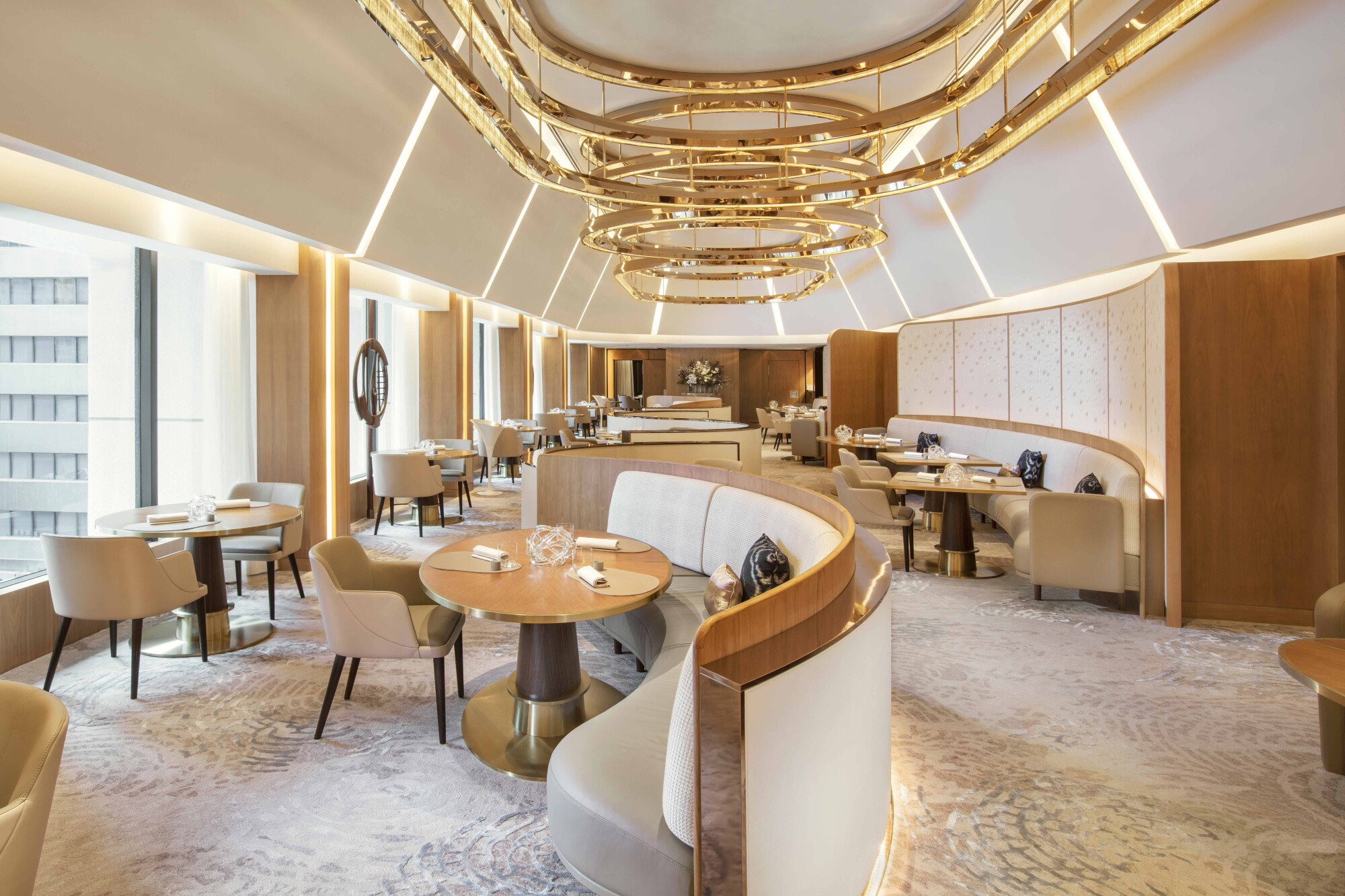
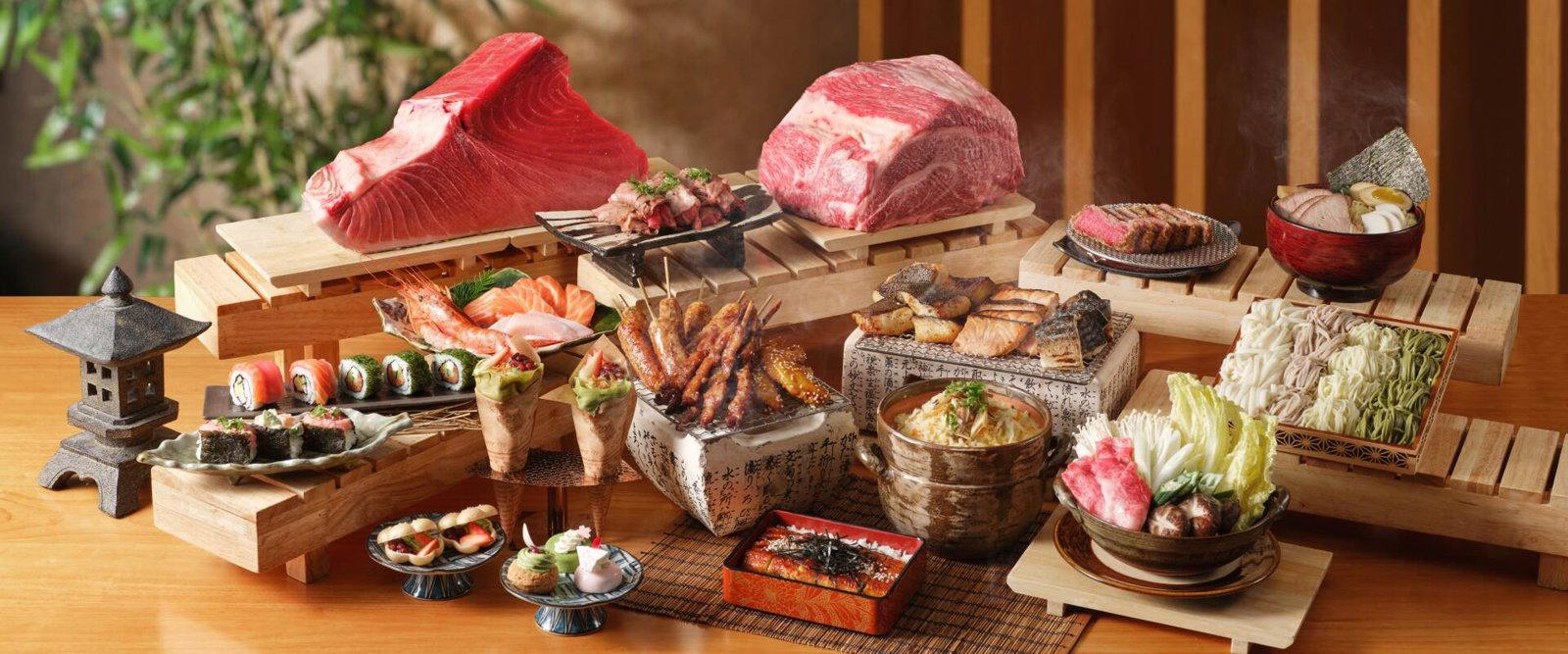 restaurantNadaman at Island Shangri-laNadaman at Island Shangri-La Hong Kong brings 180 years of kaiseki mastery to Hong Kong fine dining, where Chef Takao Kojima's seasonal multi-course artistry unfolds across intimate teppanyaki, sushi, and traditional dining spaces within this legendary Japanese restaurant's first international outpost.
Planning details
- Location
- 64 Mody Rd, Tsim Sha Tsui
- Website
- shangri-la.com/hongkong/kowloonshangrila
- Phone
- +852 2721 2111
The take
The Take
The Vibe
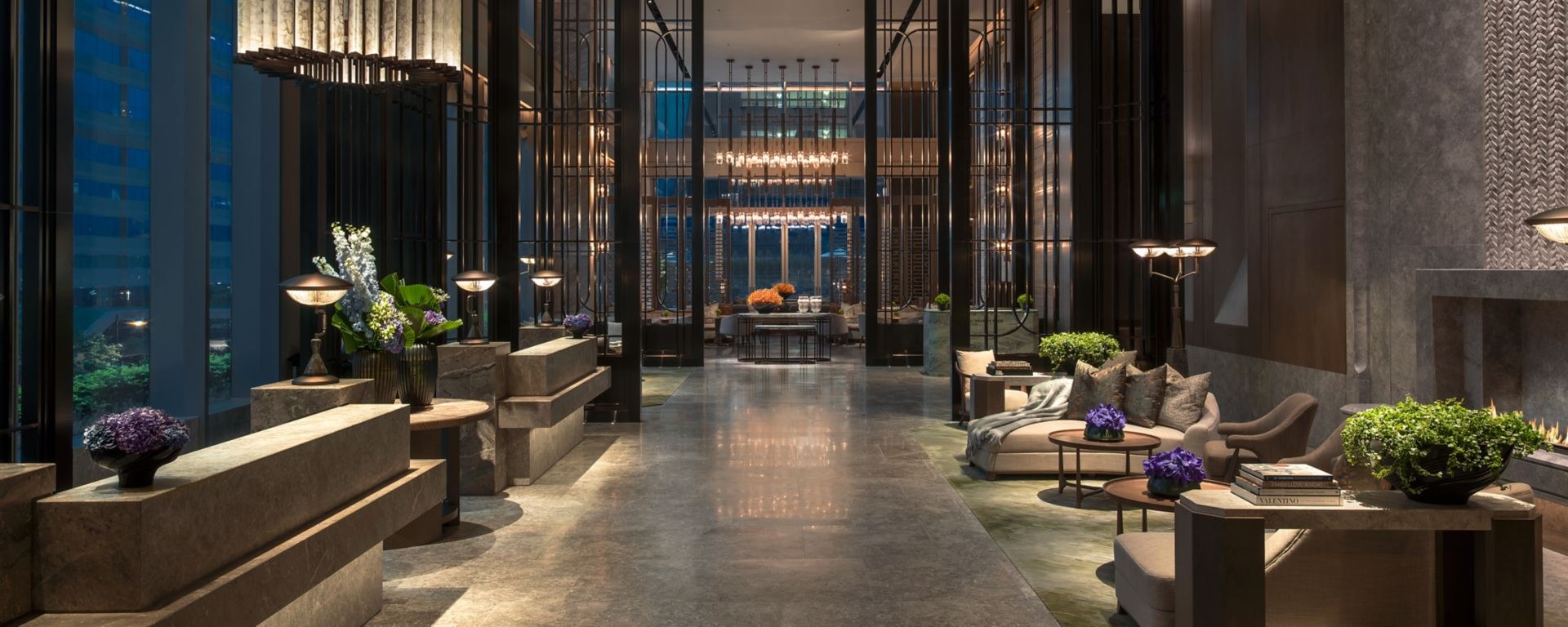
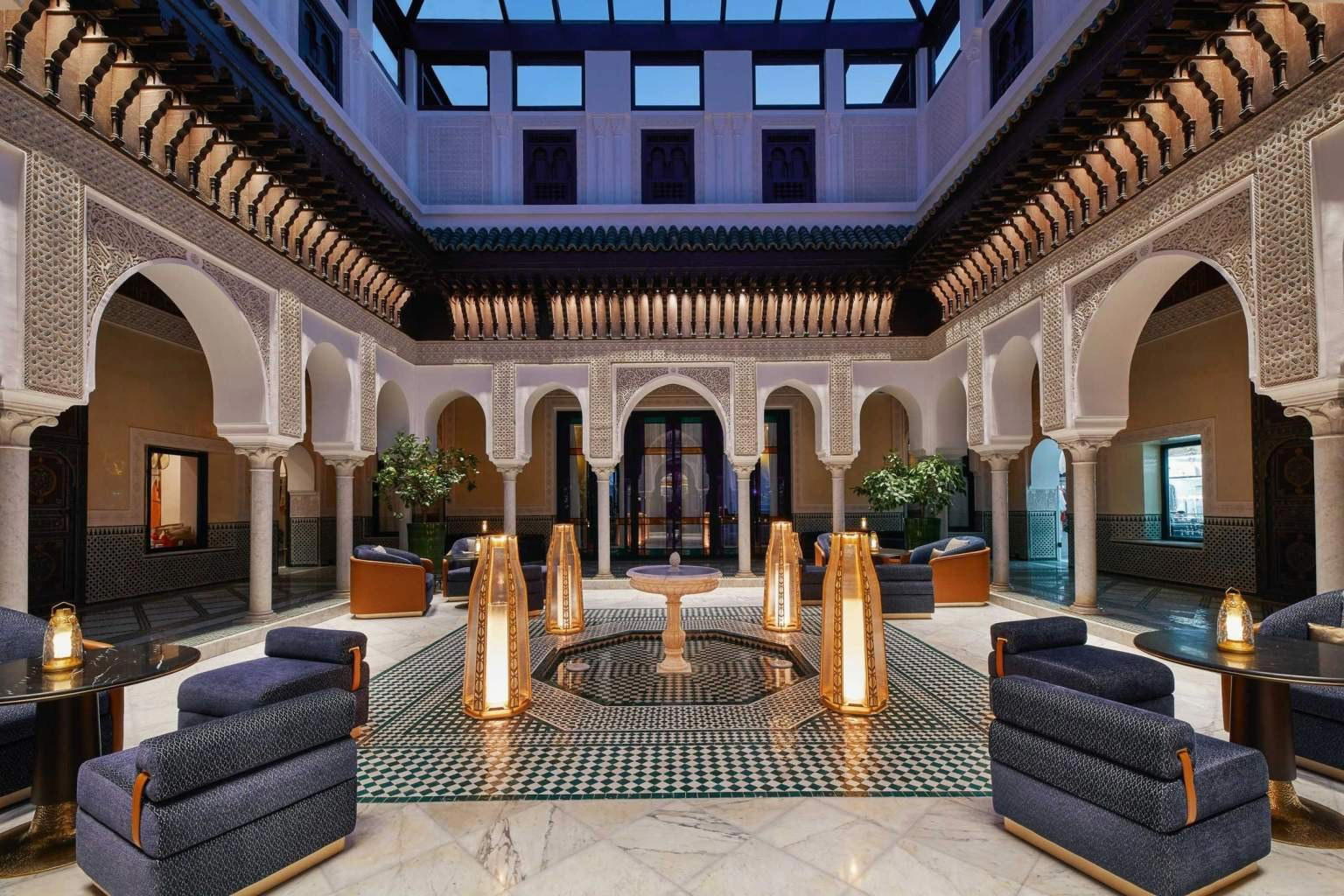
The Kowloon Shangri‑La presents a classical, opulent hotel experience anchored in a deliberately ceremonial arrival. The lobby’s enormous golden chandeliers and central fountain register as traditional luxury, while a nightly classical‑music program in the lounge reinforces a calm, refined tone. The property prioritizes a composed public realm over buzzy novelty, favoring stately design cues and measured hospitality. Guests encounter a polished, slightly formal atmosphere where arrival and lounge time feel like part of the stay’s cultural program rather than mere transition points.
Best For
This hotel suits travelers who value strategic orientation and a reassuring standard of luxury. Its location atop East Tsim Sha Tsui MTR and a short walk to the Star Ferry compresses intra‑city travel time, making it practical for guests who want to maximize sightseeing or move efficiently between Kowloon and the island. The ceremonial lobby and evening classical music make it appealing for those seeking a composed, service‑forward stay rather than a nightlife destination; it supports business‑minded itineraries and leisurely, culturally minded visits alike.
Stay Tips
Use the hotel’s direct access to East Tsim Sha Tsui MTR to shave city travel time—an escalator descent from the lobby converts longer taxi rides into a quick subway connection. Plan a moment in the lobby lounge in the evening to hear the classical music program and enjoy the decorative setting around the fountain and chandeliers. Because the property emphasizes arrival sequence and orientation, allow extra time for the lobby experience on your first evening to get a sense of the hotel’s tone and how it positions you for the rest of your time in the city.
Venue details
Ambiance
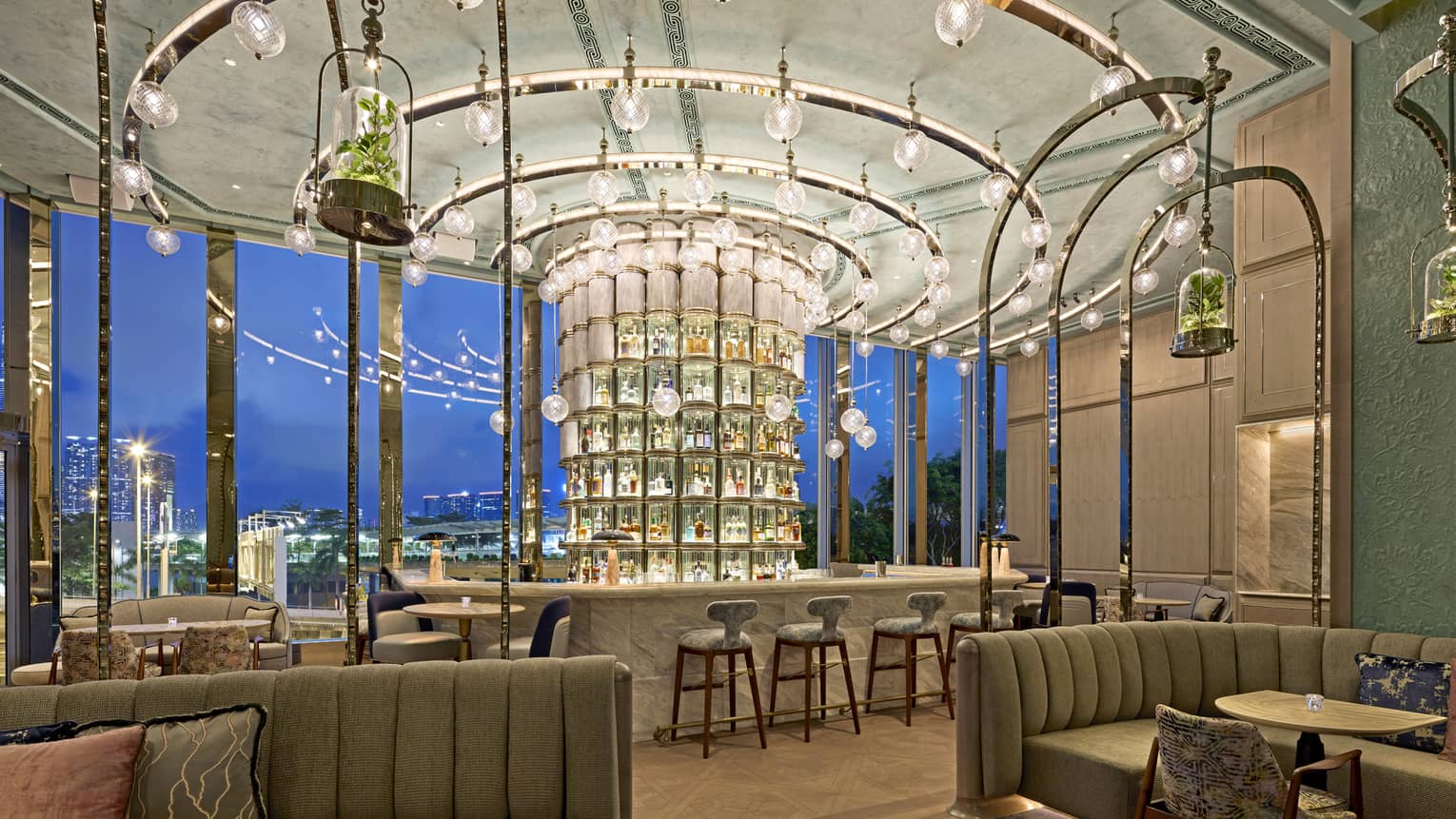
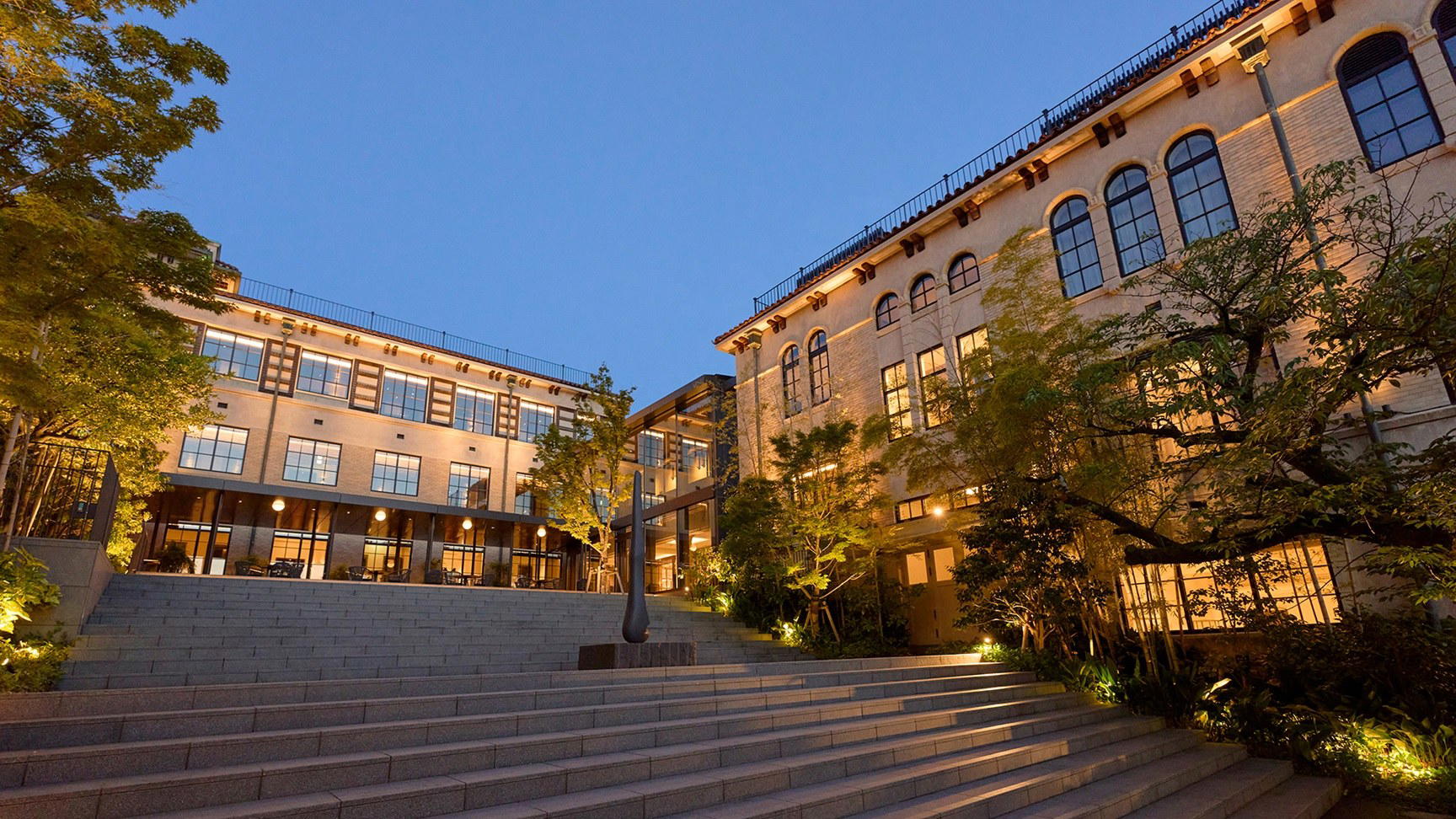
Elegant and refined with floor-to-ceiling bay windows offering stunning harbour vistas; sophisticated lobby with attentive multilingual staff creating a welcoming, upscale atmosphere.
Tags
Vibe
Best For
Experience
Amenities
View
Accessibility
About the Stay
- Rooms
- 679
- Check-in
- 15:00
- Check-out
- 12:00
- Property Type
- Heritage hotel
- Property Style
- Luxury Waterfront Hotel Blending Contemporary Comfort with Classic Elegance, Positioned as a Premier Business and Leisure Destination in Hong Kong's Prime Tsim Sha Tsui Location.
- Design Style
- Contemporary Luxury with Traditional Asian Influences; Spacious Rooms Feature Modern Furnishings, Floor to Ceiling Windows, and Refined Bathrooms with Premium Toiletries and Separate Bath/shower Combinations.
- Airport Transfer
- Available
- Pool
- Yes
- Spa
- Yes
- Families
- Welcome
- Cancellation
- Moderate
Know before you go
Know Before You Go
- Getting there
- 64 Mody Rd, Tsim Sha Tsui
Planning details
Location
Recognition and awards

Also consider
Where to Look If This Is Full
If Kowloon Shangri-La is unavailable, try InterContinental Grand Stanford Hong Kong first for a comparable Kowloon-side stay with a conventional hotel feel. For a more design-led fallback, Mondrian Hong Kong is the better match.
Hotel context
How It Compares
Kowloon Shangri-La is the safest pick in this Tsim Sha Tsui set if the goal is formal service, a calm arrival, and a classic luxury-hotel feel. Rosewood Hong Kong is the stronger splurge if budget is secondary and the stay itself is the centerpiece. Mondrian Hong Kong is better for guests who want a newer, more design-forward atmosphere.
For value, compare hard against The Royal Garden and InterContinental Grand Stanford Hong Kong. Both make sense if location and room practicality matter more than brand prestige. Kowloon Shangri-La earns its place when the occasion needs a more traditional service tone.
Kimpton Tsim Sha Tsui is the alternative for travelers who want a fresher personality and a less formal mood. Kowloon Shangri-La is better for business trips, parent trips, and celebrations where predictability is part of the value.
Explore Hong Kong
Around this place
Discover more on Pearl
Unlock the full Kowloon Shangri-La guide in Pearl, including awards, comparisons, FAQs, planning details, and nearby places.
Compare Kowloon Shangri-La
| Venue | Location | Awards |
|---|---|---|
| Kowloon Shangri-La | Hong Kong | 2026 Forbes 4-Star2025 Forbes 4-Star |
| The Royal Garden | Hong Kong | 2026 Forbes Recommended2025 Forbes Recommended |
| Mondrian Hong Kong | Hong Kong | No published awards |
| Rosewood Hong Kong | Hong Kong | 2026 World’s 50 Best Hotels 1-50 · #12026 Virtuoso Luxury Hotel Collection2026 Forbes Recommended2026 Mr & Mrs Smith Luxury Hotels2026 La Liste Top Hotels2026 Cathay Members’ Choice Awards — Venue Winners2026 Michelin 3 Keys2025 World’s 50 Best Hotels · #1Tatler Best Hotels Asia-Pacific 2025 |
| InterContinental Grand Stanford Hong Kong | Hong Kong | No published awards |
| Kimpton Tsim Sha Tsui | Hong Kong | 2026 Michelin Guide New Hotels2026 Conde Nast Traveler Hot List Hotels2026 Cathay Members’ Choice Awards — Venue Winners2025 Michelin Selected Hotels |








How Kowloon Shangri-La Hong Kong compares with similar nearby venues.
FAQ
Frequently Asked Questions
Which category is best at Kowloon Shangri-La?
A best category at Kowloon Shangri-La is not identified. Choose based on the current descriptions, rate differences, cancellation terms, and any specific needs you confirm directly with the venue.
What is check-in like at Kowloon Shangri-La?
The check-in experience is not described. Kowloon Shangri-La is in Hong Kong, has Forbes 4-Star recognition for 2026, and has a smart casual dress code.
When is the best time to book Kowloon Shangri-La?
A best booking window or seasonal pricing pattern is not established. Compare current rates and policies for your dates, and consider checking Mondrian Hong Kong or Kimpton Tsim Sha Tsui if you are reviewing other Hong Kong options.