
Anantara Hoi An Resort
An Bang Beach, Hoi An
Hotel in Hoi An, Vietnam
 Book with Pearl
The Read
Price
$300–500per night
Why go
Anantara Hoi An Resort is a strong first-timer pick if the goal is an easy luxury base in Hoi An rather than a destination dining or wellness-led stay. Its 2026 Virtuoso Luxury Hotel Partner status is the main trust signal; compare Almanity for wellness and Namia River Retreat for a more retreat-focused choice.
About Anantara Hoi An Resort
Anantara Hoi An Resort is a resort in Hoi An with a smart-casual dress code and Virtuoso Luxury Hotel Partner recognition for 2026. That is enough to place it in consideration, but not enough to support a detailed promise about what every stay will include. Beyond that, specific claims about room counts, restaurants, rates, service formats, or exact on-property facilities should be checked directly before booking, especially if those details would change the way you plan the trip.
That makes this a practical shortlist candidate for travelers who want a recognized hotel name in Hoi An. Treat the information as a starting point, then test it against the particulars of your own stay. If exact priorities matter, room category, dining plans, arrival timing, or inclusions, confirm them with the hotel or booking channel rather than assuming they are part of the stay.
Choose this for a Hoi An resort shortlist
The on-site dining angle should be handled carefully. Specific details regarding the restaurant program, cuisine, menu format, chef, beverage program, or price point are not available. In practical terms, that means the hotel may still work well as a place to stay, but the food case should not be overstated without confirming current details. If dining is the main decision driver, use the hotel as one possible base and plan meals separately with our full Hoi An restaurants guide.
For hotel comparisons, keep the decision grounded in your needs rather than assumptions. Travelers comparing Anantara Hoi An Resort with Almanity Hoi An Wellness Resort should check the current inclusions, room types, and policies for both properties before deciding. The same applies when comparing other named options: the right pick depends on the specific stay details available for your dates, not on a general impression that may miss important booking conditions.
How to think about value against alternatives
A public price band is not available, so value should not be framed around a specific nightly rate. A more reliable comparison starts with what is actually being offered at the moment you book. Compare Anantara Hoi An Resort with Hoi An Memories Resort & Spa, Hotel Royal Gallery Hoi An, Hotel Royal Hoi An Danang, and other relevant options by checking live rates, cancellation terms, room descriptions, and inclusions.
The clearest trust signal is external: Anantara Hoi An Resort is a Virtuoso Luxury Hotel Partner for 2026. That recognition does not automatically make it the right choice for every traveler, but it is a useful point if the shortlist is built around recognized luxury-hotel networks. It can help separate its standing from softer marketing language, while still leaving the practical details to be checked. For a broader scan before committing, compare it with our full Hoi An hotels guide; if the trip extends beyond hotels, the city pages for Hoi An bars and other Hoi An guides can help build the rest of the itinerary.
Bottom line: choose this if you want to consider a Hoi An resort with Virtuoso Luxury Hotel Partner status for 2026 and a smart-casual dress code. It is best read as a credible candidate rather than a fully defined promise.
Part of
Anantara51 locations on PearlPlanning details
- Location
- 1 Pham Hong Thai Street
The take
The Take
The Vibe
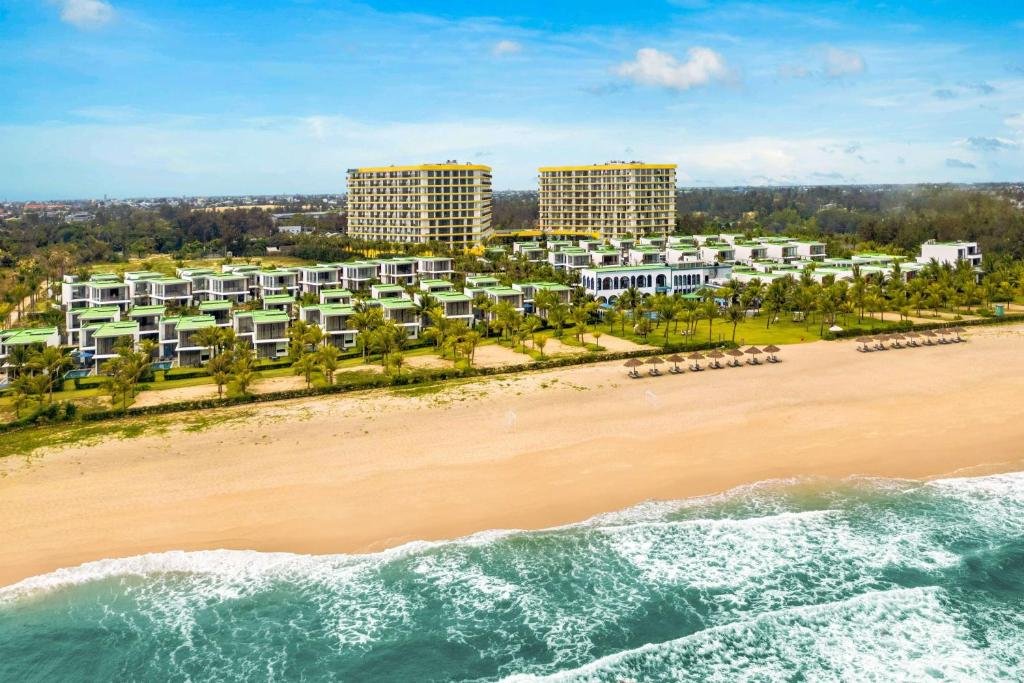
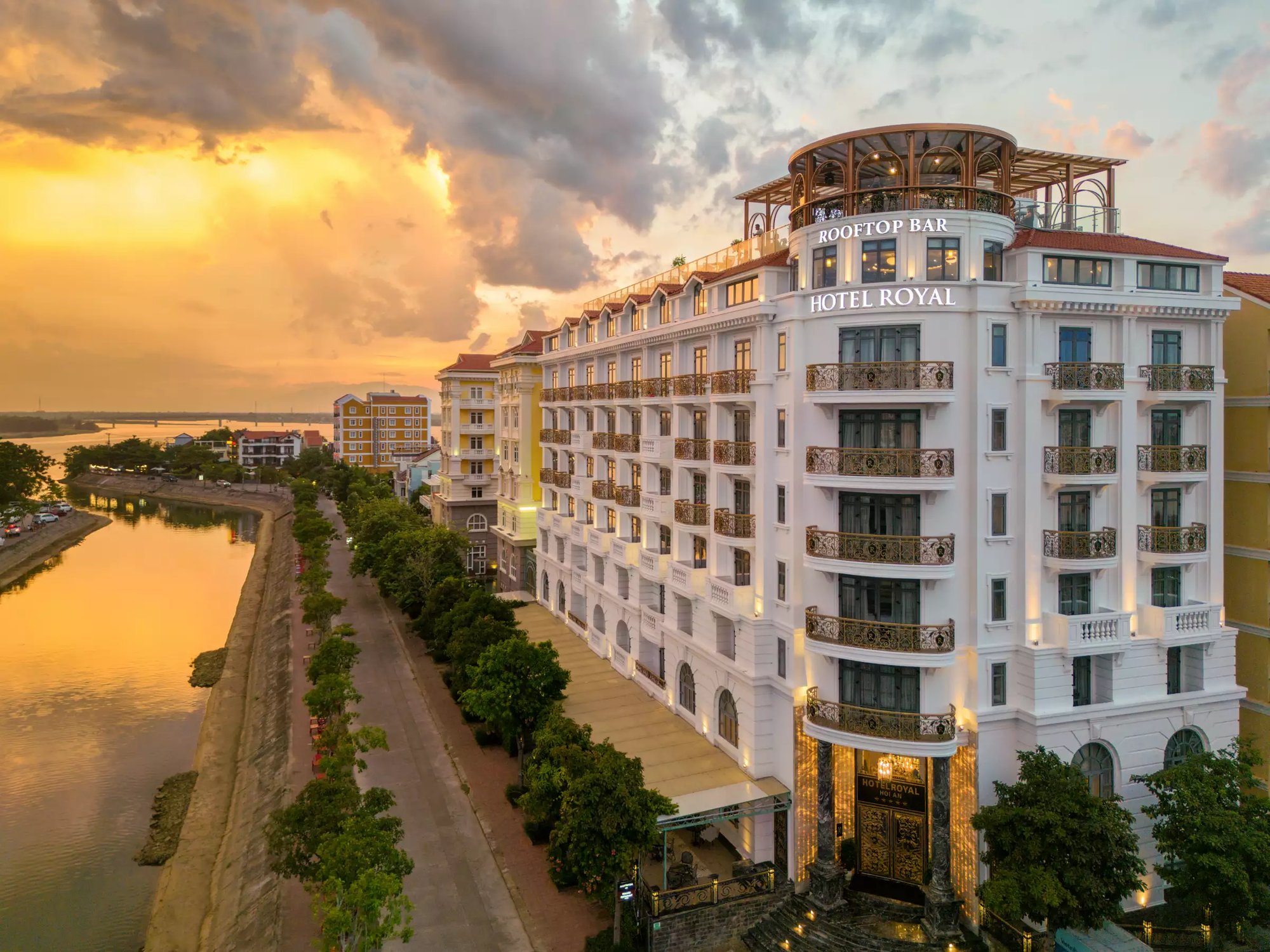
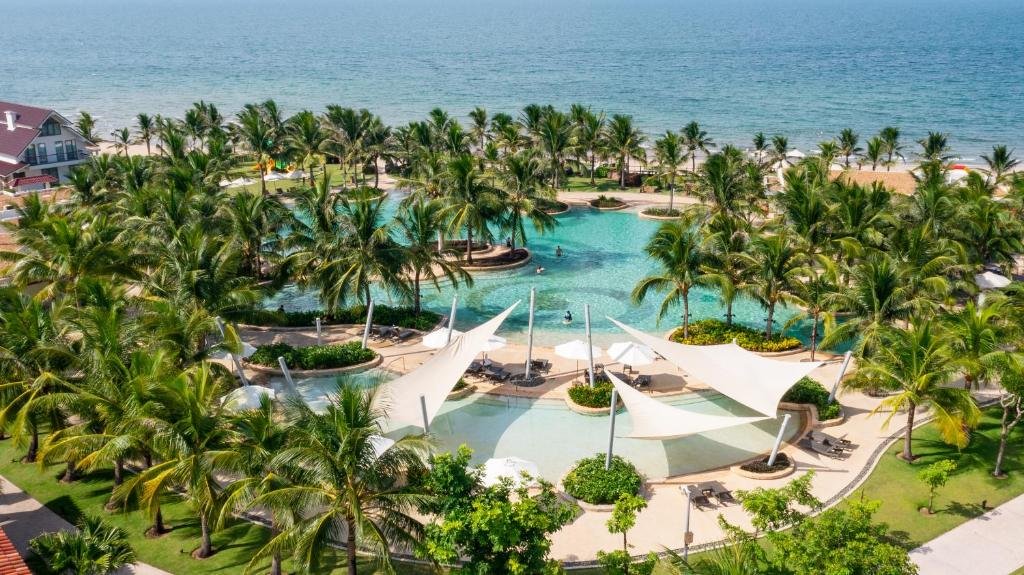
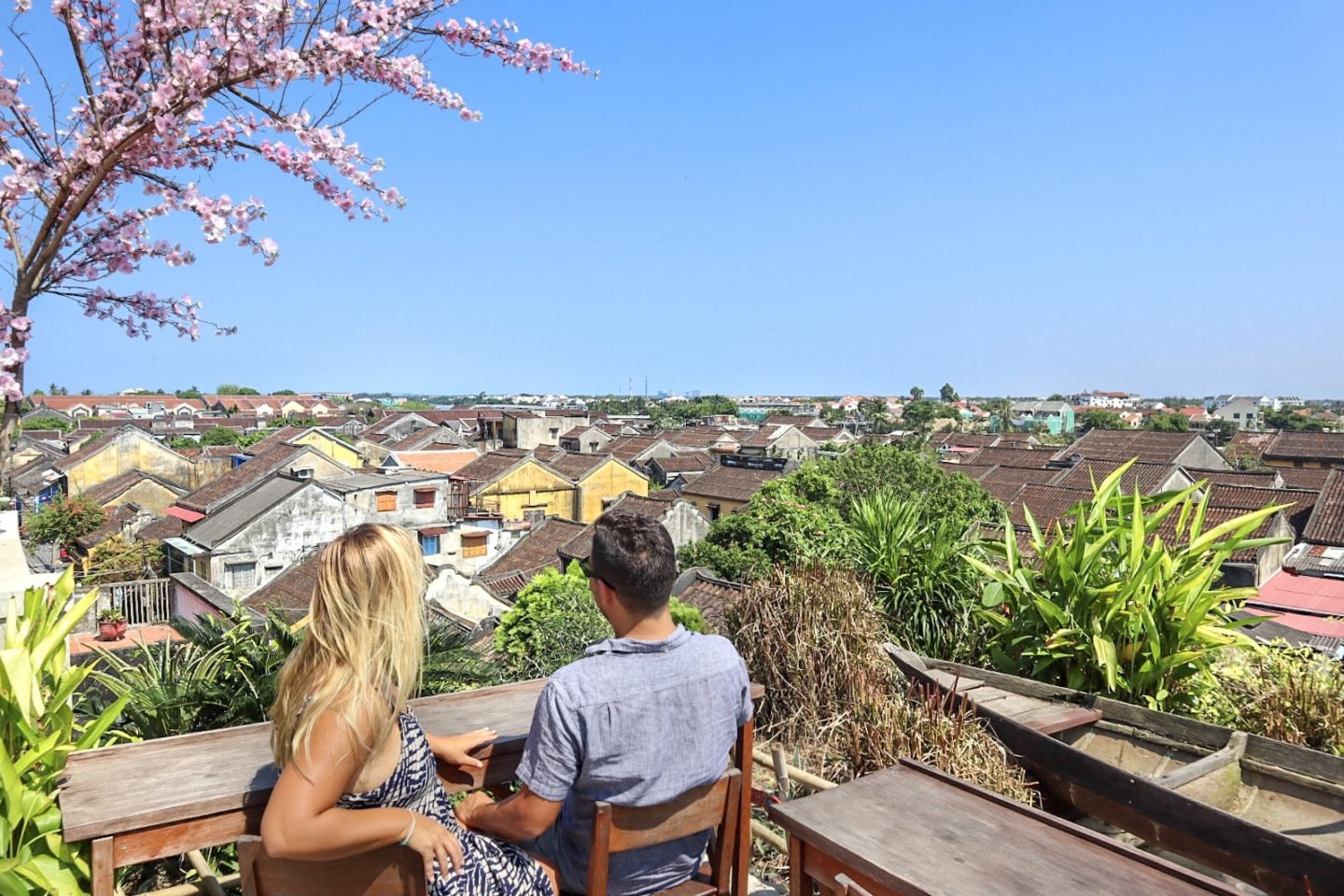
Anantara Hoi An Resort positions itself on the Thu Bon River with a focus on framing the historic town across the water. The property leans into a boutique-luxury temperament: deliberate design, local cultural programming and lush riverside gardens that make the river the resort's organizing element. Even at busier times the promenade and hotel orientation preserve a quiet, serene atmosphere. The lantern-lit Ancient Town across the water and the hotel's riverfront programming create an experience that feels both quietly refined and firmly rooted in Hoi An's heritage.
Best For
This resort is best for travelers who prize a peaceful, scenic riverside base close to Hoi An's Ancient Town. It clearly suits couples and honeymooners seeking romantic river views and sunset programming, and families or wellness-minded guests who appreciate the resort's tranquil garden frontage and boutique scale. Because the hotel treats the river as a primary amenity, guests who want easy promenade access, riverfront dining and cultural activities tied to the town's riverside life get the most from a stay here.
Stay Tips
Prioritize river-facing experiences: request a riverside table for dinner or a seat on one of the property's sunset river activities to make the most of the lantern-lit Ancient Town views. The resort's dining programme is oriented toward the river, so aim for evening reservations when the town and river traffic become part of the atmosphere. For exploring local food traditions, combine on-site riverfront dining with a short trip into the Ancient Town to sample cao lau, white rose dumplings and longstanding banh mi counters mentioned as part of the area’s culinary texture.
Venue details
Ambiance
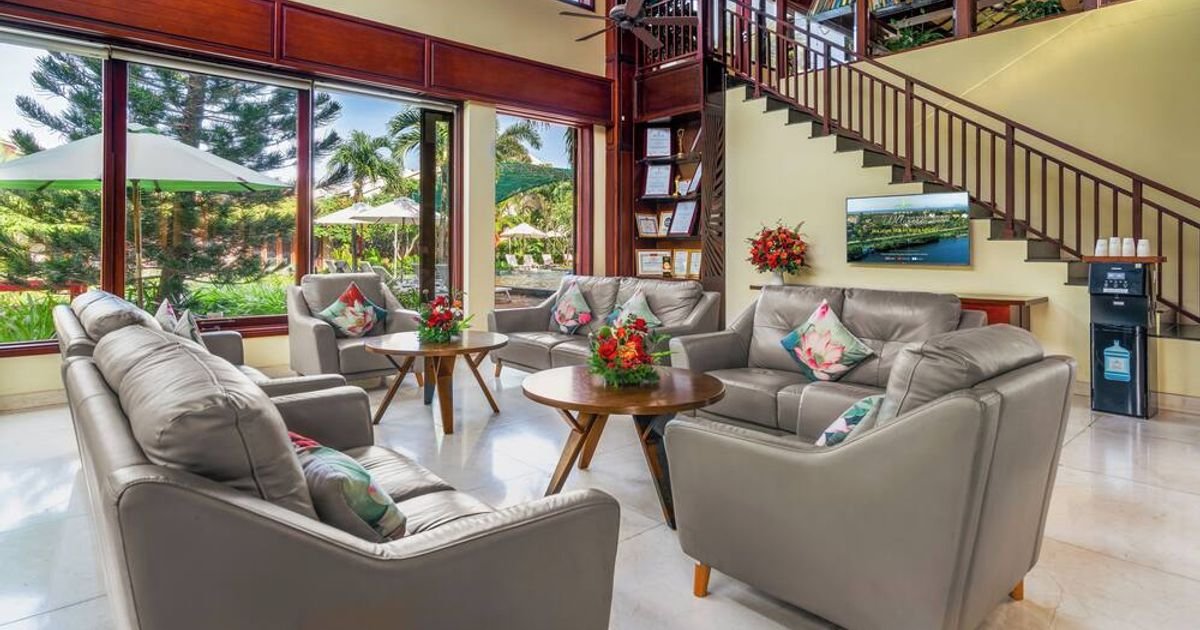
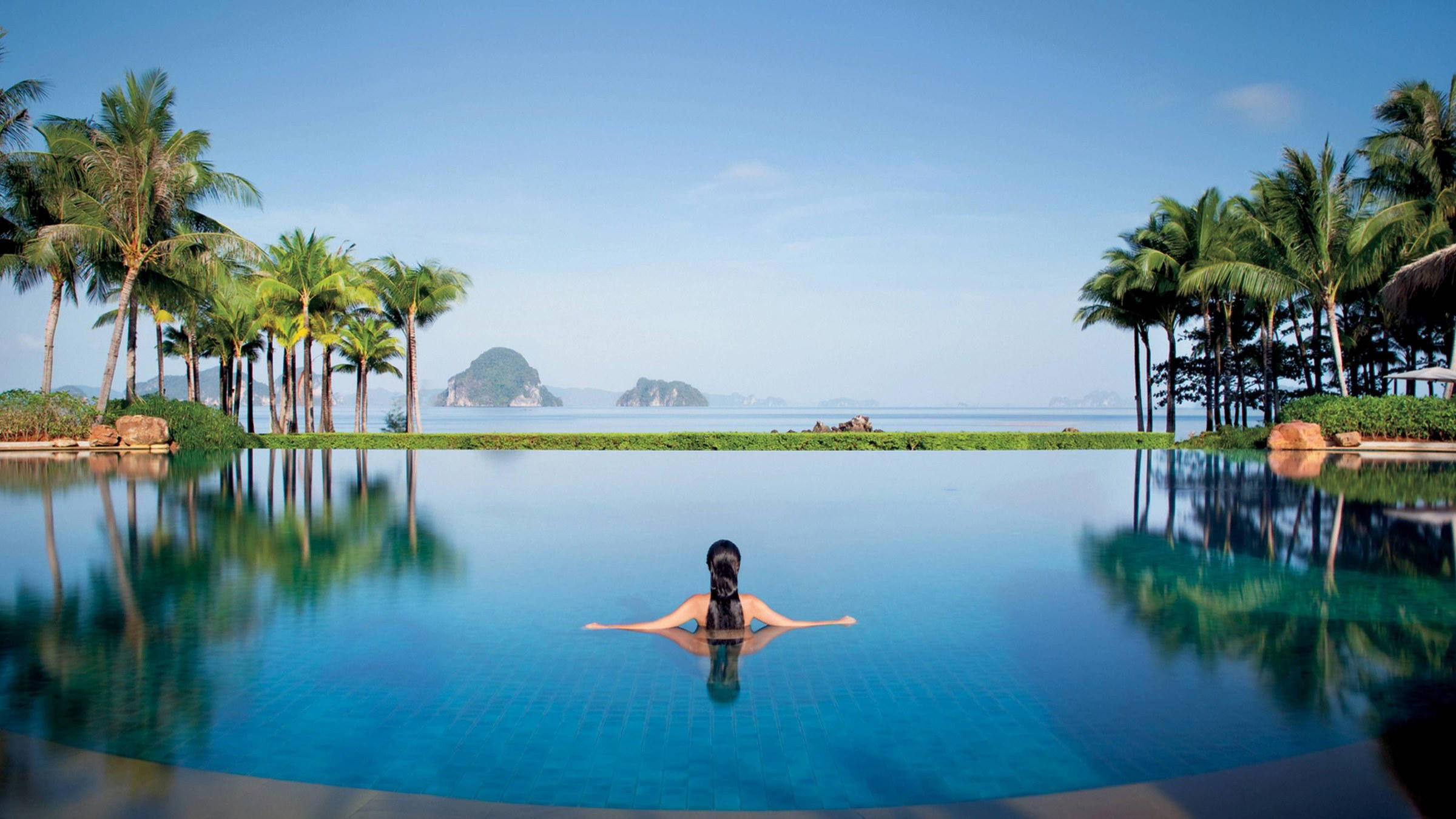
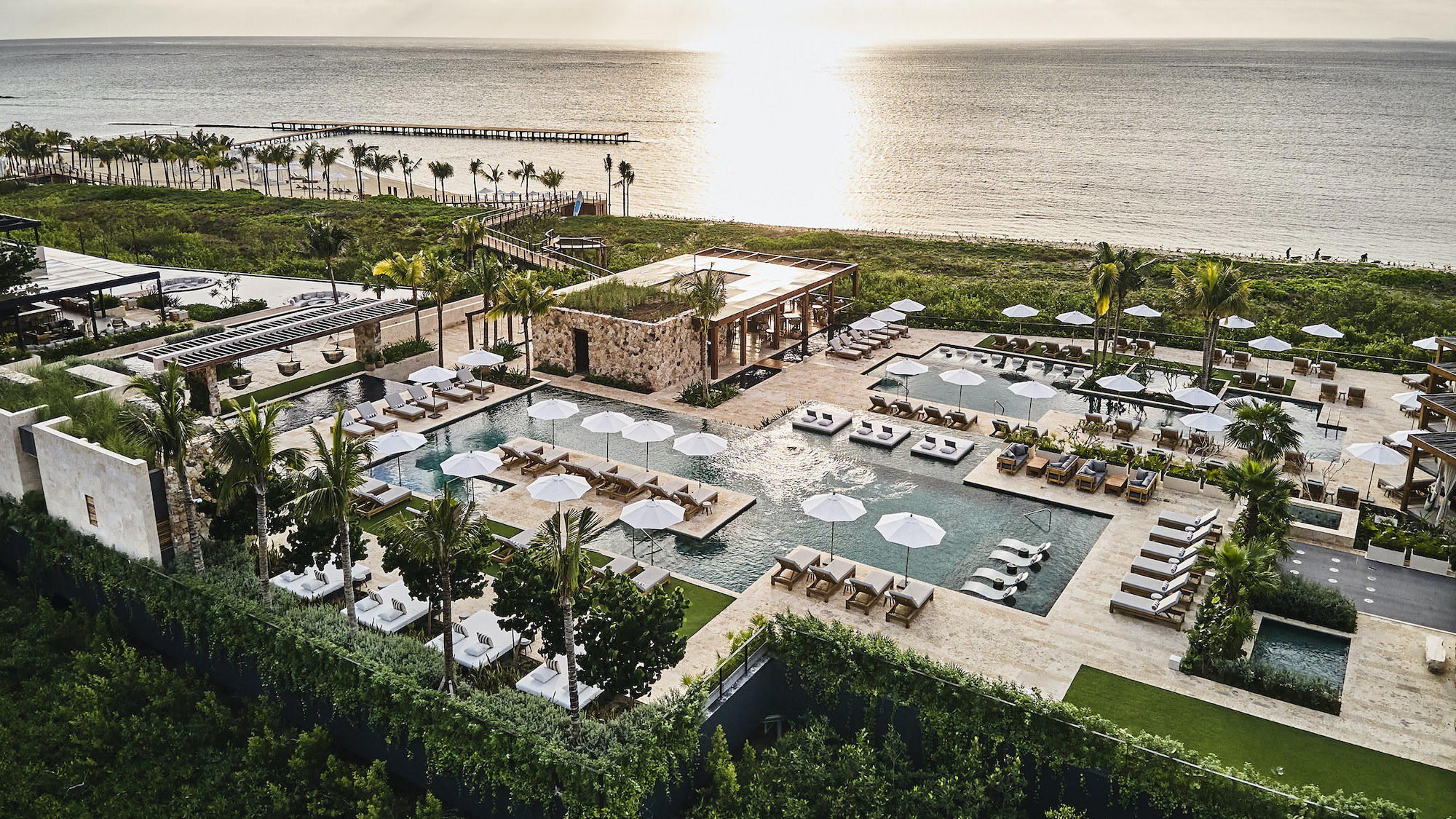
Relaxed and serene riverside atmosphere with gentle breezes, garden views, and peaceful poolside lounging.
Tags
Vibe
Best For
Experience
Amenities
View
Accessibility
About the Stay
- Rooms
- 92
- Check-in
- 15:00
- Check-out
- 12:00
- Property Type
- Boutique hotel
- Property Style
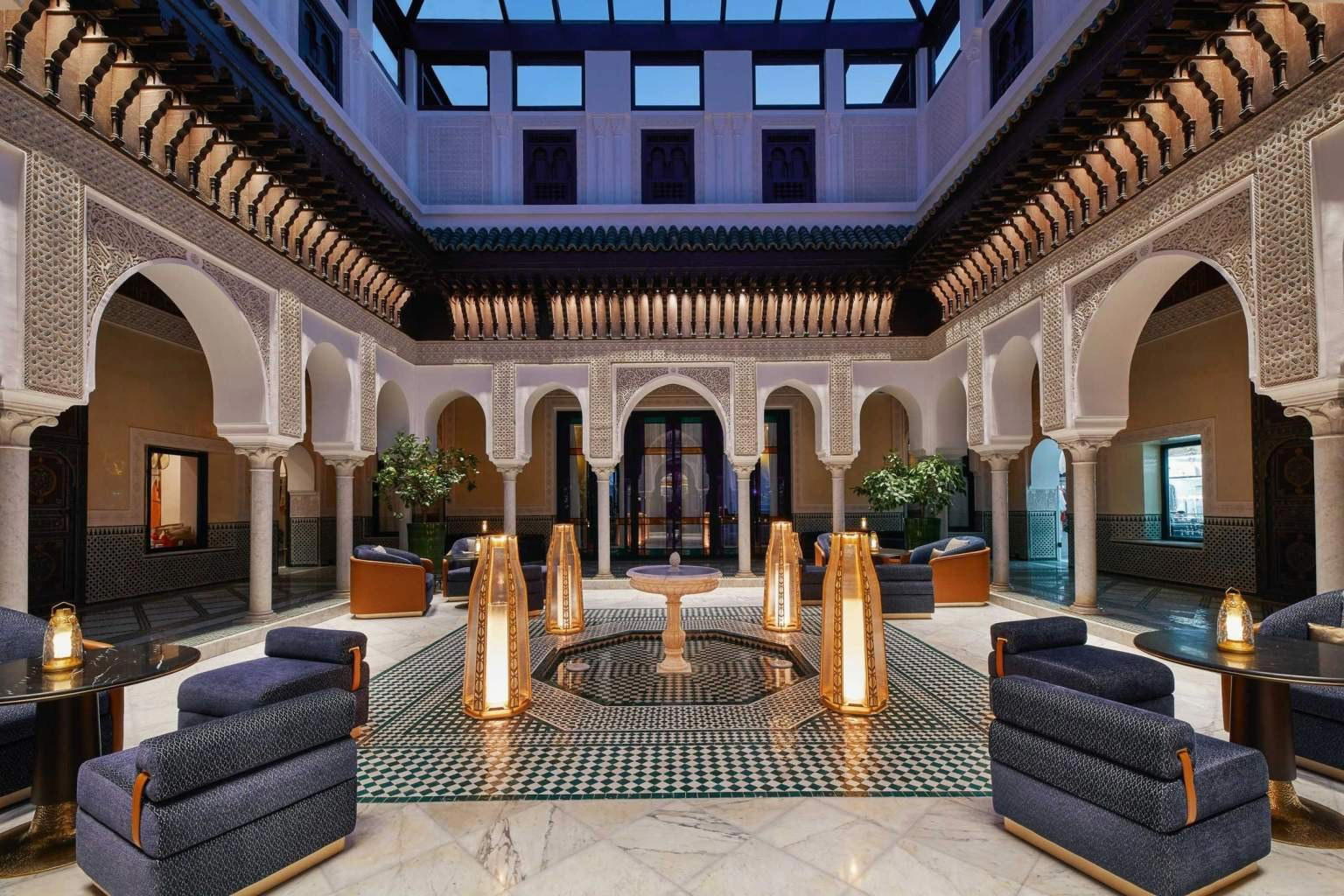
- Split Level Colonial Architecture Inspired by Asian and French Influences
- Design Style
- Elegant Blend of Colonial and Asian Aesthetics with Individually Decorated Rooms
- Breakfast
- Included
- Airport Transfer
- Available
- Pool
- Yes
- Spa
- Yes
- Families
- Welcome
- Cancellation
- Moderate
Know before you go
Know Before You Go
- Getting there
- 1 Pham Hong Thai Street
Planning details
Location
1 Pham Hong Thai Street · Directions
Recognition and awards

Also consider
Also Consider
- Hoi An Memories Resort & Spa, Notable alternative
- Almanity Hoi An Wellness Resort, Notable alternative
- Namia River Retreat - Wellness Inclusive Resort, Notable alternative
- Hotel Royal Gallery Hoi An, Notable alternative
- Hotel Royal Hoi An Danang, Notable alternative
Hotel context
How Anantara Hoi An Resort compares in Hoi An
Choose Anantara Hoi An Resort if the brief is a polished, easy-to-book Hoi An base with recognized luxury-hotel partner status. Hoi An Memories Resort & Spa is the more obvious cross-shop for travelers who want a larger resort feel, while Anantara is the safer fit for guests who want a calmer, more conventional luxury stay.
Almanity Hoi An Wellness Resort makes more sense when wellness is the organizing reason for the trip. Namia River Retreat - Wellness Inclusive Resort is the stronger alternative for a retreat-style stay; Anantara is better when the hotel should support old-town time rather than define every day.
For travelers comparing city-hotel energy with resort downtime, Hotel Royal Gallery Hoi An and Hotel Royal Hoi An Danang are worth checking. Pick them if the room and city access matter more than resort atmosphere; pick Anantara if the stay needs to feel softer and more residential between Hoi An outings.
Explore Hoi An
Around this place
Discover more on Pearl
Unlock the full Anantara Hoi An Resort guide in Pearl, including awards, comparisons, FAQs, planning details, and nearby places.
Compare Anantara Hoi An Resort
| Venue | Location | Awards |
|---|---|---|
| Anantara Hoi An Resort | Hoi An | 2026 Virtuoso Luxury Hotel Collection |
| Hoi An Memories Resort & Spa | Hoi An | No published awards |
| Almanity Hoi An Wellness Resort | Hoi An | No published awards |
| Namia River Retreat - Wellness Inclusive Resort | Hoi An | No published awards |
| Hotel Royal Gallery Hoi An | Hoi An | No published awards |
| Hotel Royal Hoi An Danang | Hoi An | No published awards |
How Anantara Hoi An Resort compares with similar nearby venues.
FAQ
Frequently Asked Questions
Do loyalty programs work at Anantara Hoi An Resort?
Anantara Hoi An Resort is a Virtuoso Luxury Hotel Partner for 2026. Any loyalty-program benefits, booking perks, or partner amenities should be checked through the hotel or your booking advisor before you rely on them.
When is the best time to book Anantara Hoi An Resort?
Book when the live rate, room type, and cancellation terms suit your trip. If your dates are flexible, compare Anantara Hoi An Resort with Hoi An Memories Resort & Spa and Almanity Hoi An Wellness Resort before locking in.
How does Anantara Hoi An Resort compare to other hotels?
Anantara Hoi An Resort has Virtuoso Luxury Hotel Partner status for 2026 and a smart-casual dress code. For comparisons with Hotel Royal Gallery Hoi An, Hotel Royal Hoi An Danang, Almanity Hoi An Wellness Resort, Namia River Retreat - Wellness Inclusive Resort, or other options, check current rates, policies, and inclusions for your dates.