

The Henry Jones Art Hotel
Hobart CBD, Hobart
Hotel in Hobart, Australia
 Book with Pearl
The Read
Industrial Heritage Gallery Hotel
Why go
The Henry Jones Art Hotel is a strong Hobart pick if location and character matter more than a resort-style stay. Its Hunter Street address makes it practical for waterfront plans, while Michelin 1 Key recognition in 2025 and a 91-point La Liste Top Hotels 2026 score give the booking stronger credibility than a standard boutique option.
About The Henry Jones Art Hotel
The Henry Jones Art Hotel is a Hobart hotel for travellers considering a stay with a clearly identified art-hotel identity rather than an unnamed, generic base. With its Hobart setting, smart casual dress code, and confirmed hotel recognition, the safest way to assess it is to focus on whether the property itself fits the tone of the trip.
The hotel may suit travellers who want to stay in Hobart and prefer a named property over a standardised hotel choice. It makes sense to check exact facilities, room categories, dining details, service style, and street location directly with the hotel before booking.
Choose it for a Hobart stay, not for extras
Strongest confirmed planning point is simple: The Henry Jones Art Hotel is in Hobart. If the trip is built around Hobart itself, it belongs on the shortlist alongside other notable hotel options in the city and region.
Room choice should be value-led. The safest way to book is to pay for the room that gives the level of space and comfort needed, rather than relying on assumptions about outlook, layout, or inclusions. For a short stay, prioritise the essentials you can confirm directly with the hotel before arrival.
Recent hotel recognition raises expectations
Recent recognition gives this stay more weight than a standard hotel pick: Michelin 1 Key in 2025 and La Liste Top Hotels 2026 with 91 points. That does not automatically make it the right hotel for every Hobart trip, but it does provide confirmed external recognition for travellers weighing it against other options.
That matters for the decision. If the aim is a recognised Hobart hotel, compare it closely with The Tasman, MACq 01 Hotel, and Moss Hotel. The Islington Hotel and MONA Pavilions may also be useful comparisons depending on the setting and practical details you confirm before booking.
Who should book, and who should cross-shop
Book here if the trip is centred on Hobart and the hotel needs to carry some personality without relying on claims about facilities or format. The confirmed smart casual dress code also gives a useful sense of tone for guests planning the stay.
Cross-shop if the hotel is meant to be the main event or if a different setting is central to the trip. Compare The Henry Jones Art Hotel with MONA Pavilions, The Islington Hotel, The Tasman, MACq 01 Hotel, and Moss Hotel according to the details that matter for your stay and that you can confirm before booking. For planning beyond the hotel, use our full Hobart hotels guide, then pair the stay with our full Hobart restaurants guide and our full Hobart bars guide.
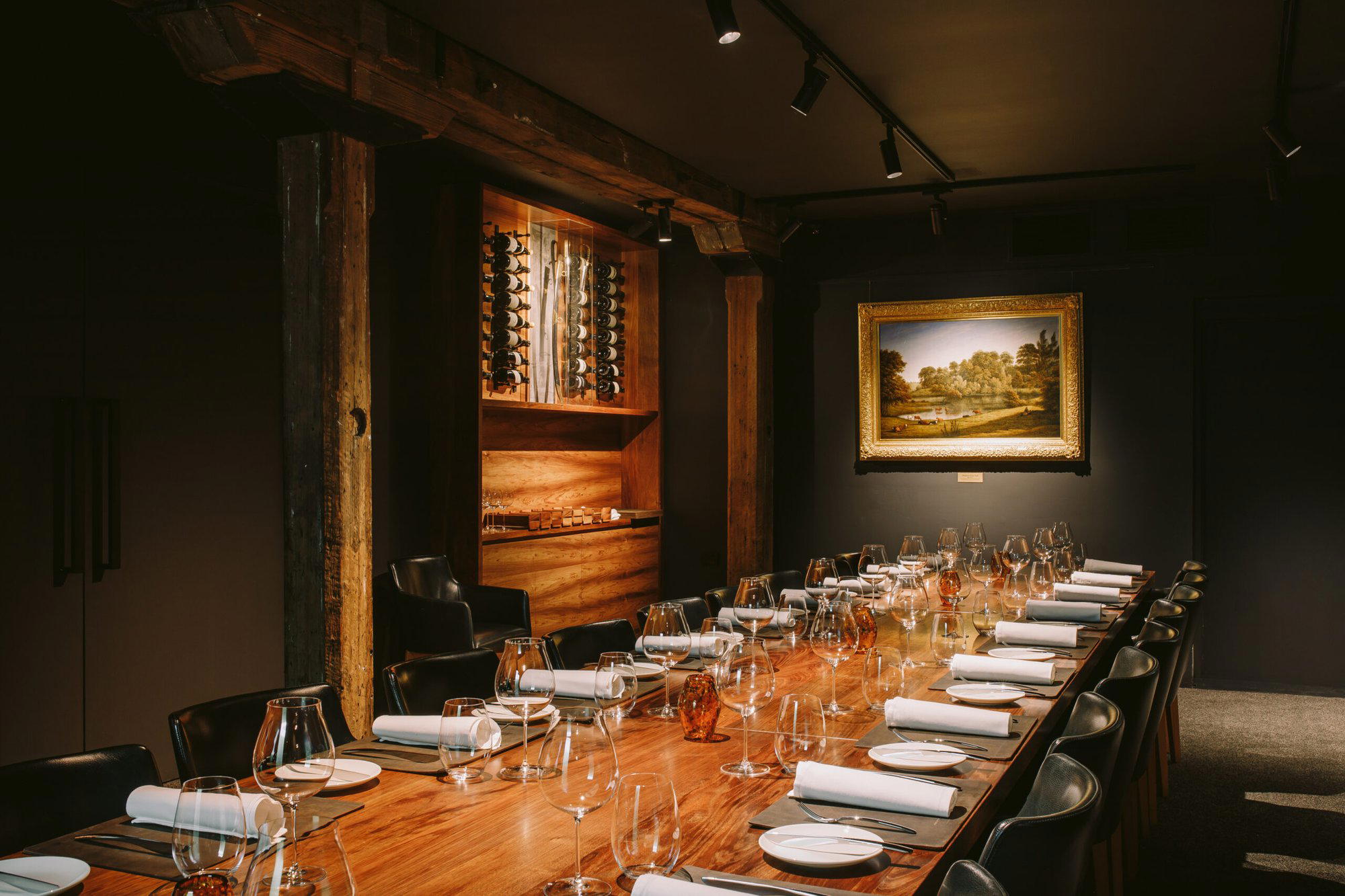
Inside The Henry Jones Art Hotel
Planning details
- Location
- 25 Hunter St, Hobart TAS 7000
- Website
- thehenryjones.com
- Phone
- +61 3 6210 7700
The take
The Take
The Vibe
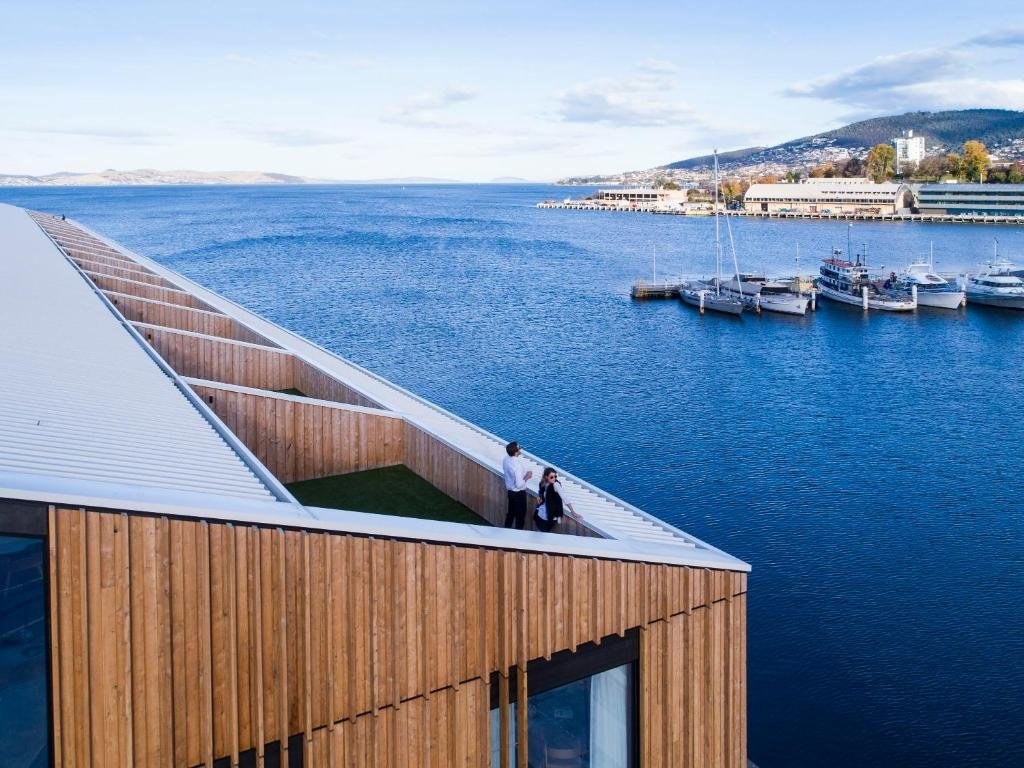
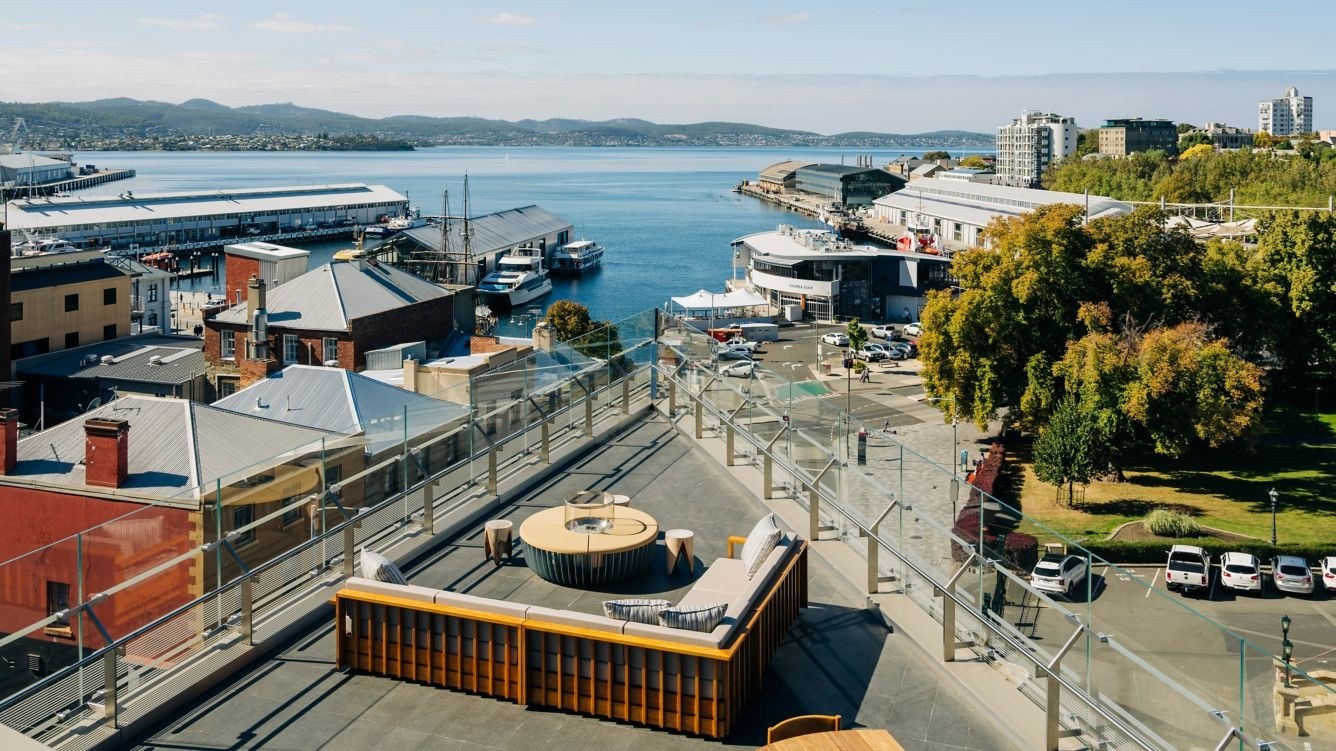
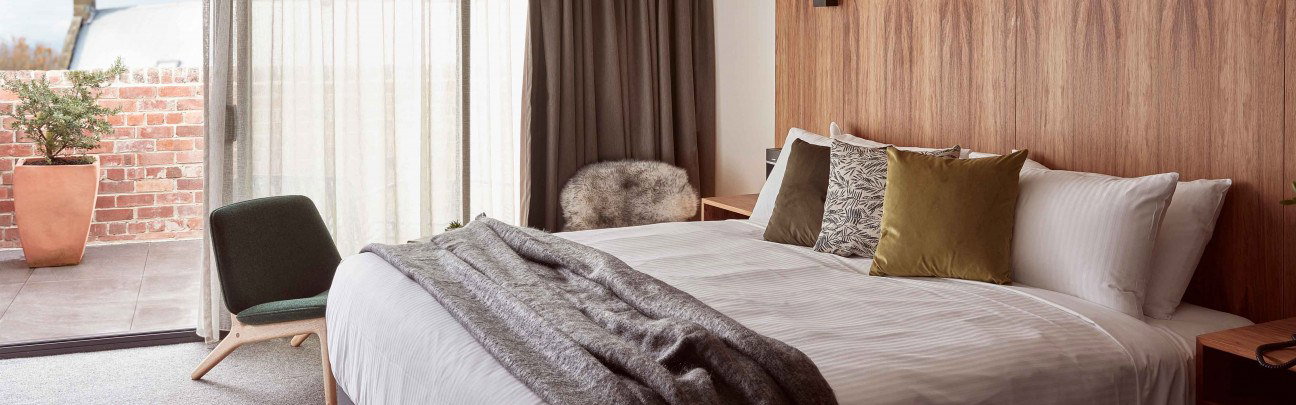
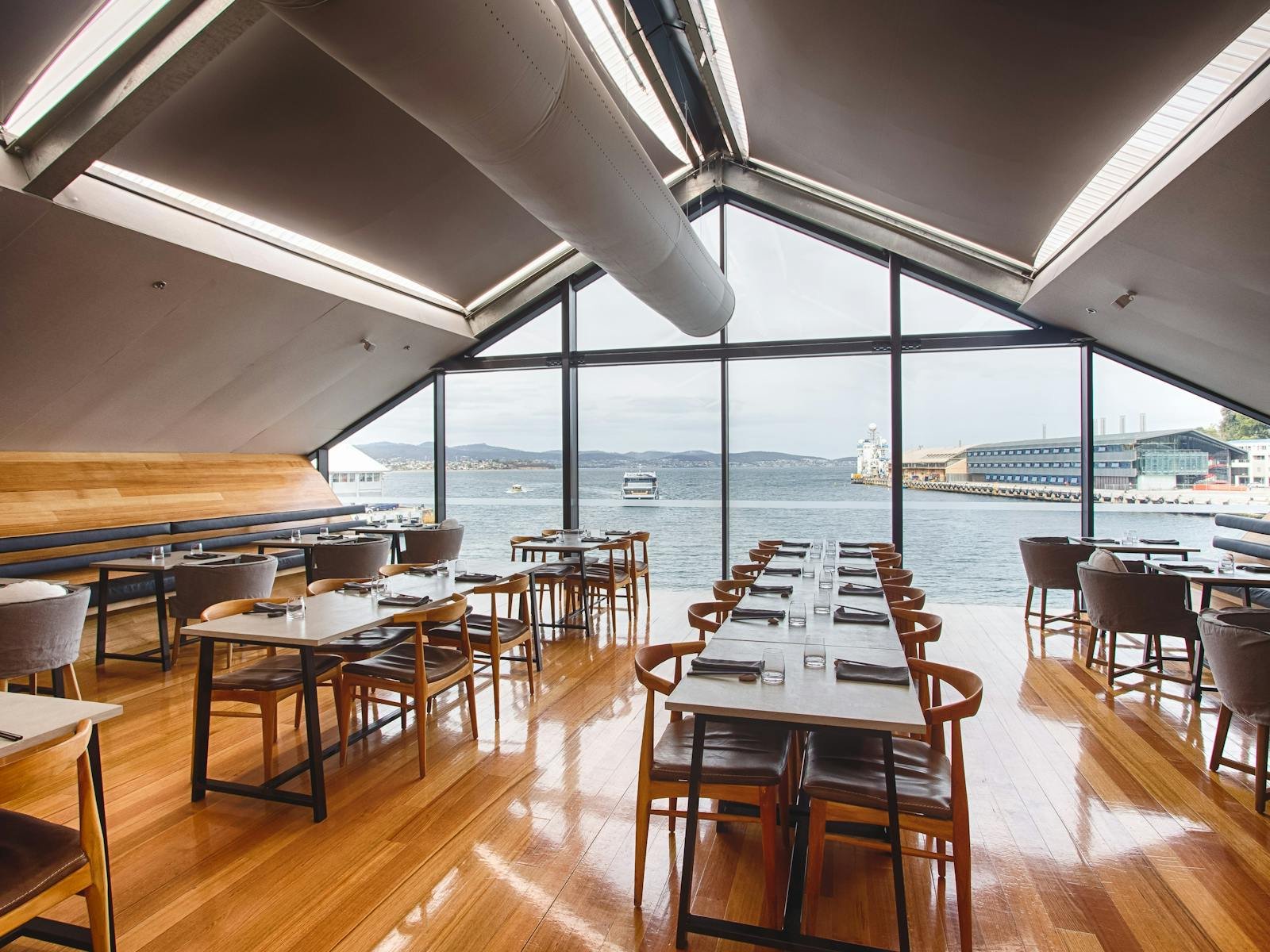
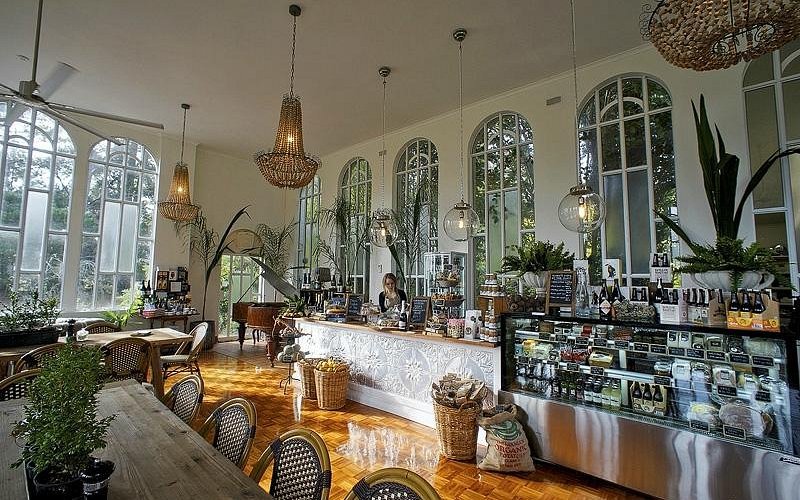
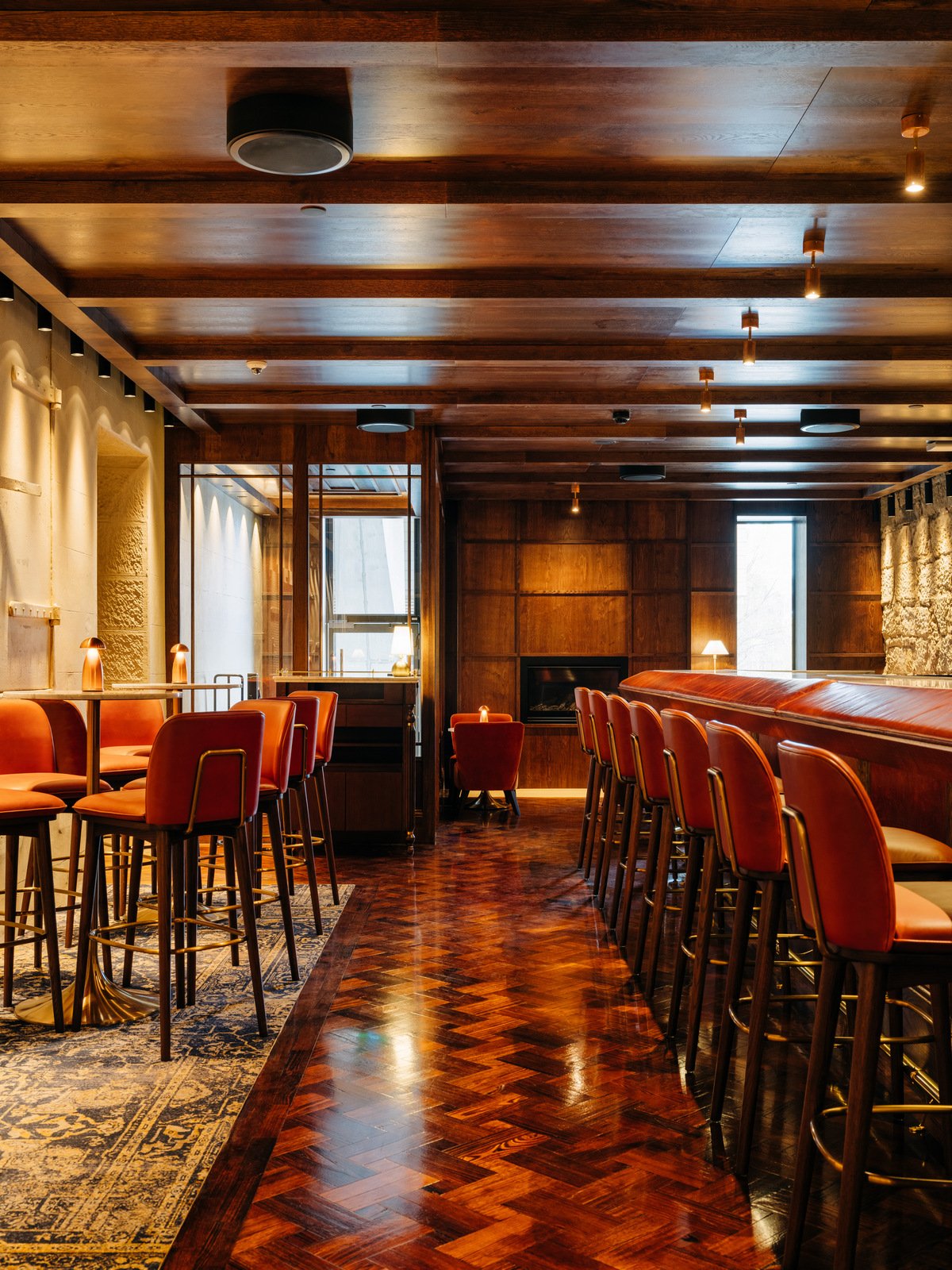
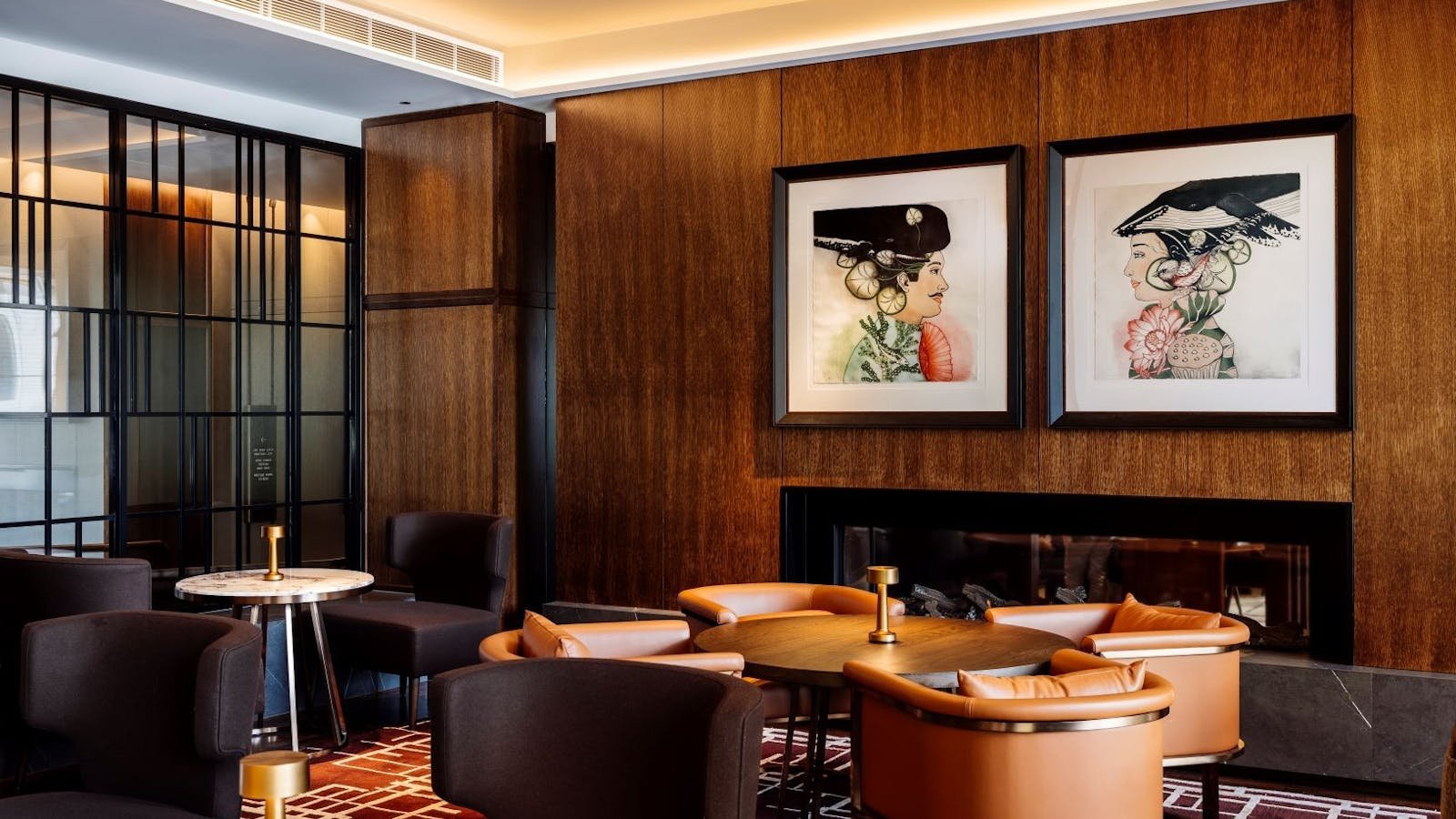
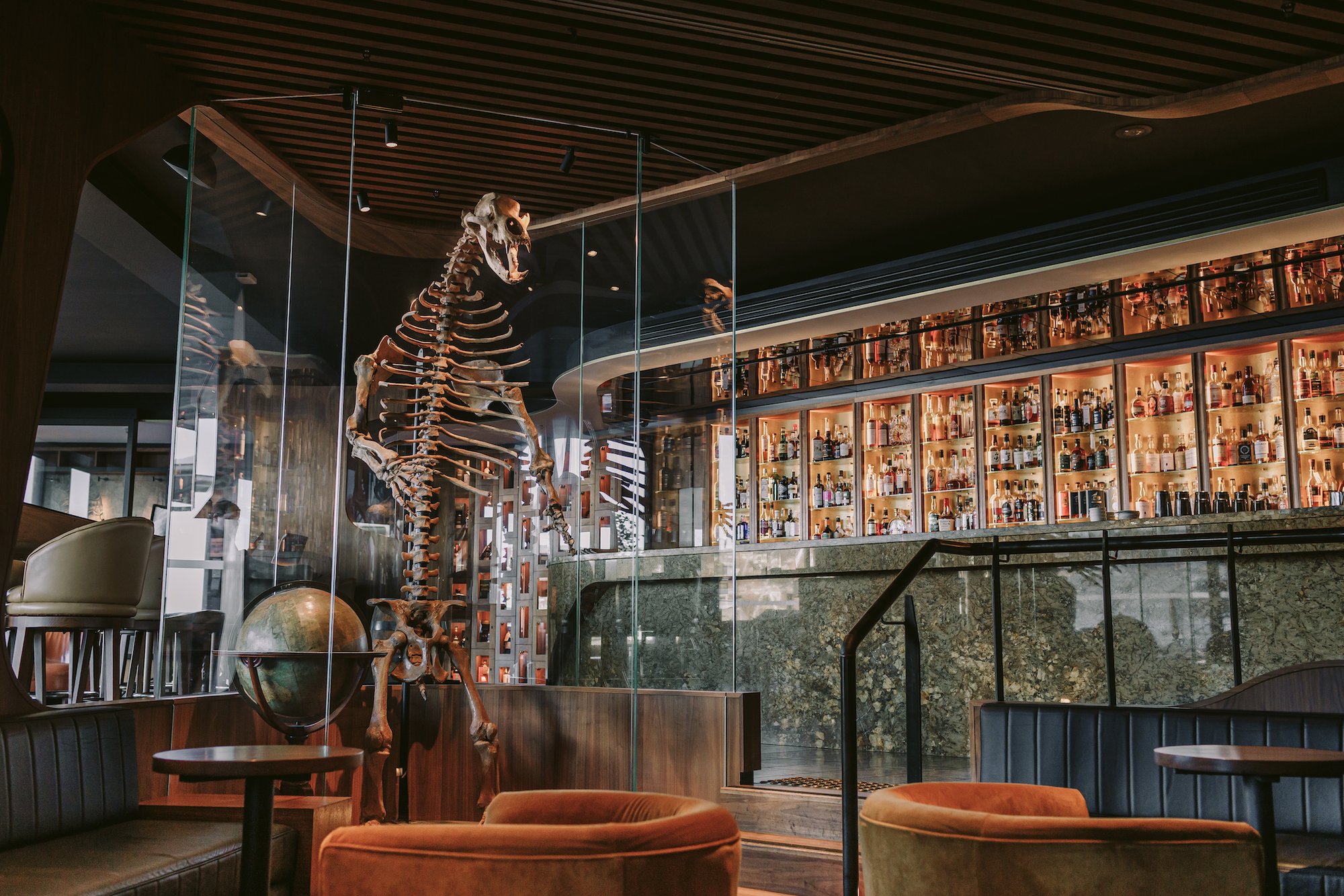
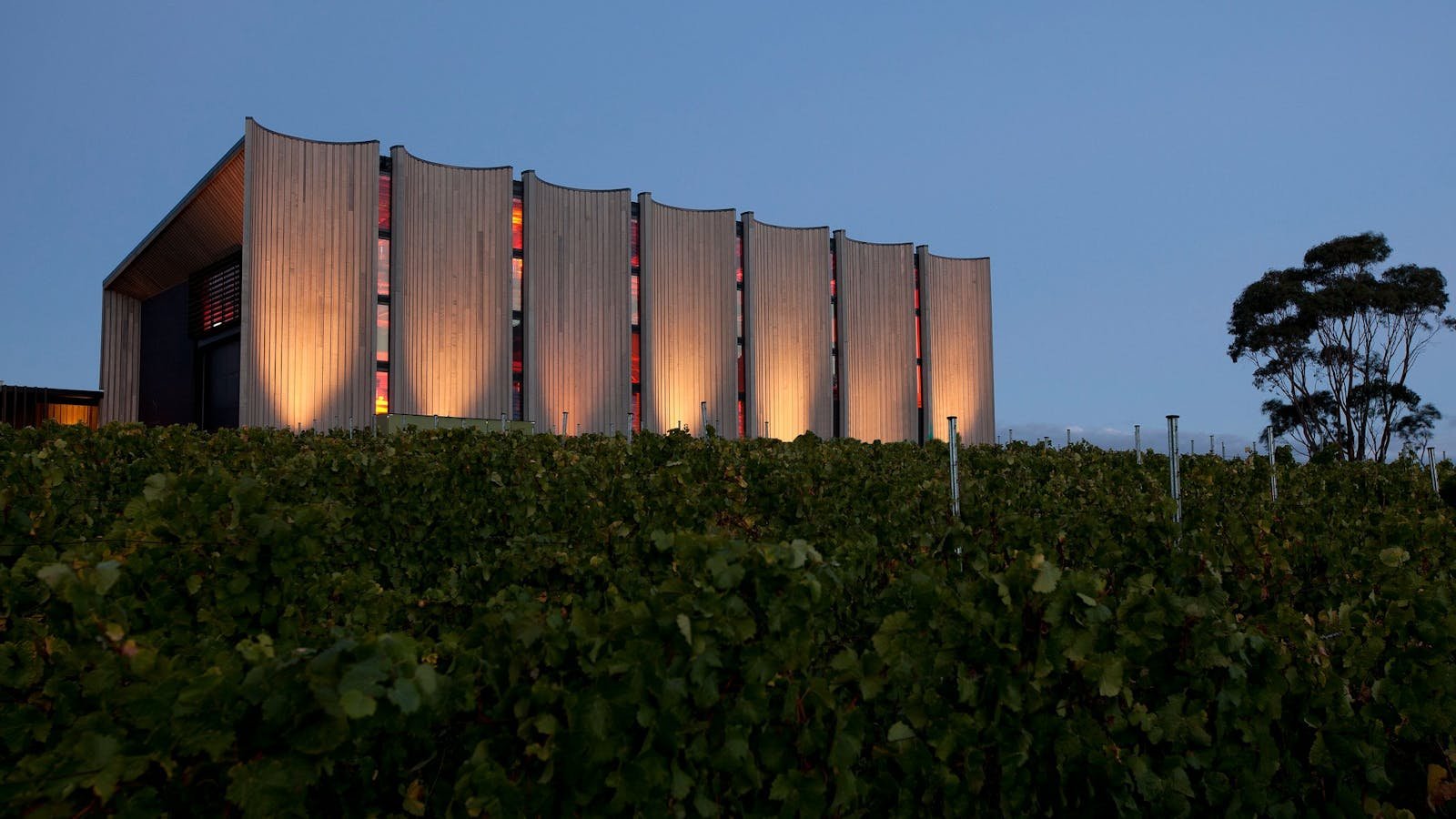
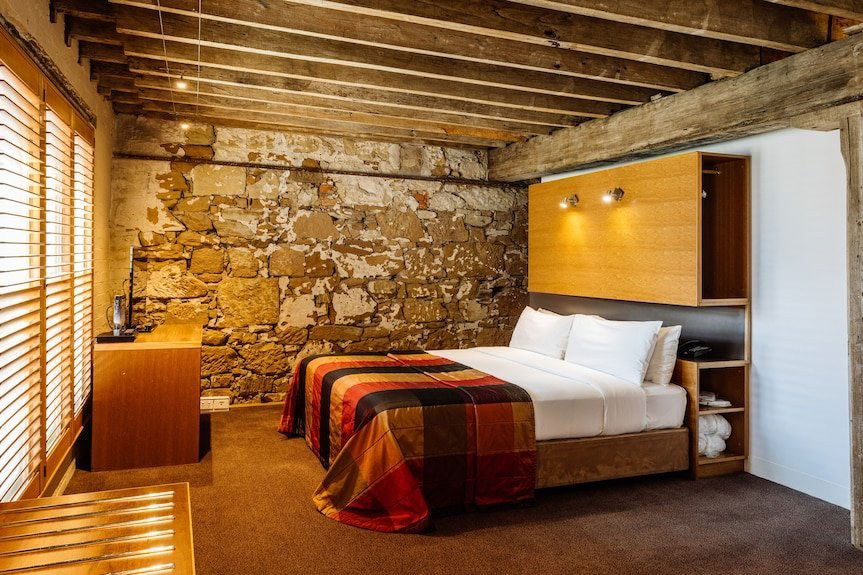
The Henry Jones Art Hotel reads as an industrial-heritage stronghold whose art collection determines its architectural logic. The converted jam factory keeps its exposed brick, vaulted timber ceilings and original staircases, so the place feels rooted rather than stylized. Artwork punctuates corridors and public rooms, positioning the property somewhere between a small museum and a hotel. On the water at Sullivans Cove, the hotel balances the rawness of nineteenth-century industrial bones with a quietly elevated hospitality approach, creating an experience that is both historic and deliberately curated for design-minded travelers.
Best For
This hotel suits travelers who prize history, art and a distinctive sense of place. Couples seeking a romantic getaway or celebrating an anniversary will appreciate the historic fabric and waterside setting, while business travelers find a premium, centrally located address in Hobart’s CBD. Art-minded guests and design-savvy visitors benefit most here: the hotel’s collection and commissioned works shape public spaces, so staying feels like being inside a small, permanent exhibition as much as a luxury property.
Venue details
Ambiance
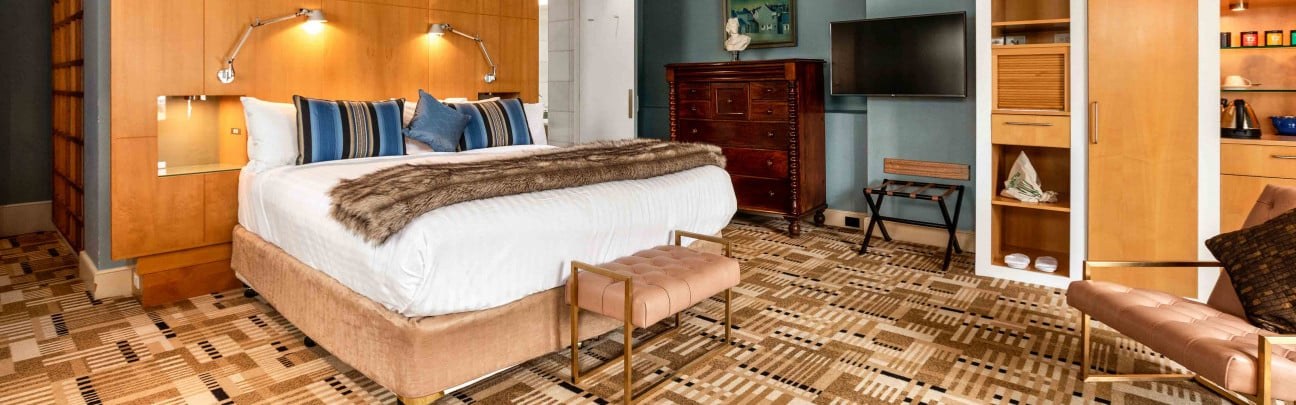
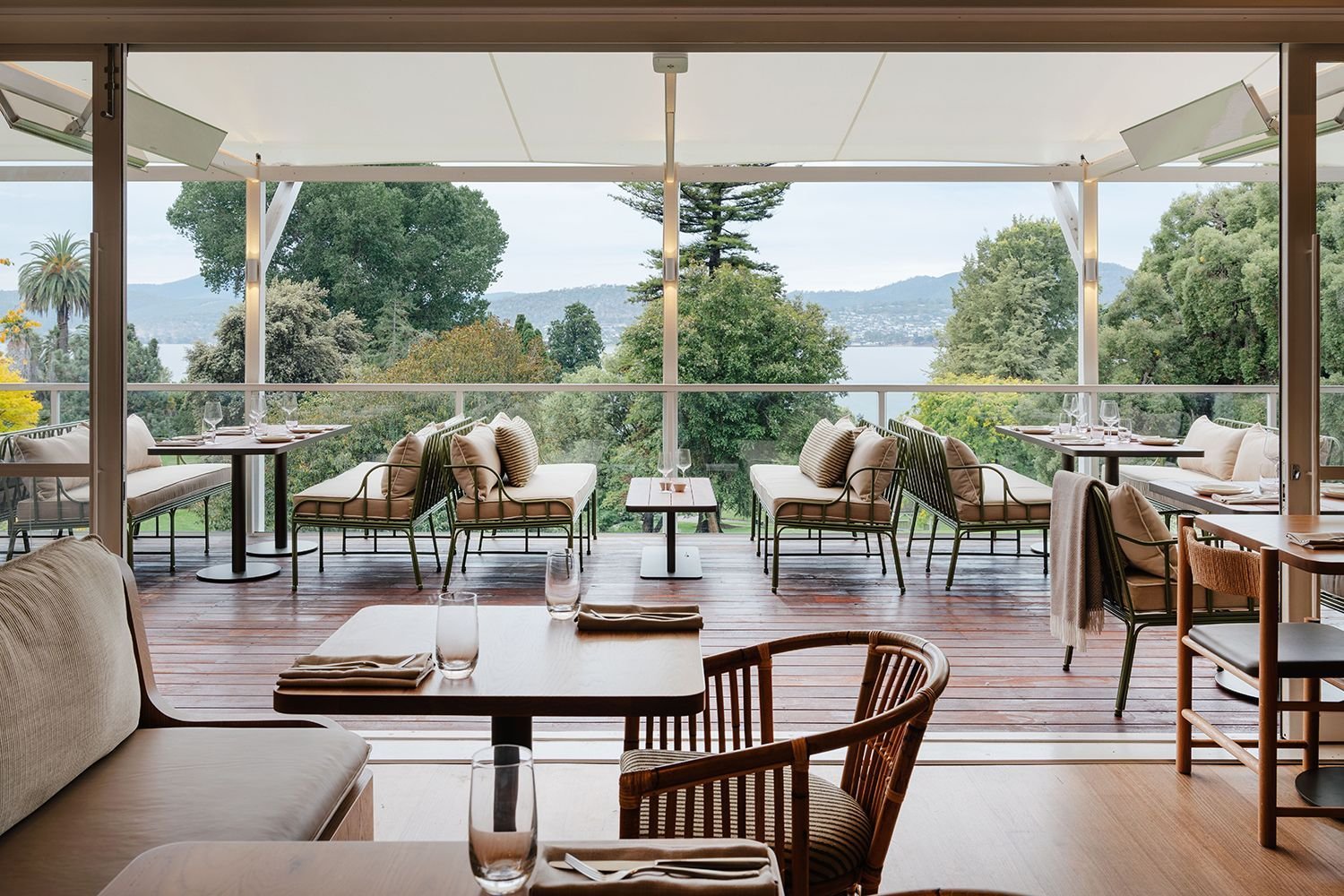
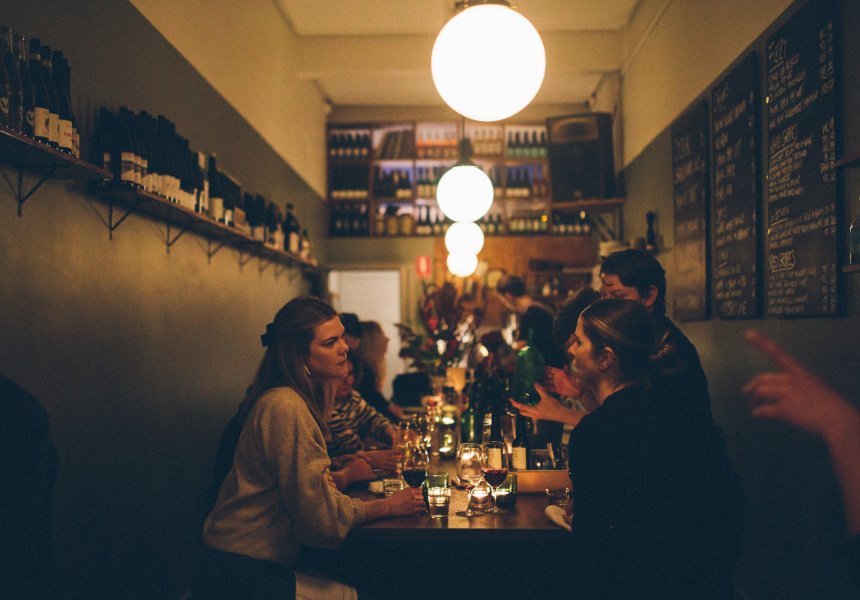
Art-filled historic spaces blending industrial heritage with modern luxury, warm lighting, and a vibrant yet refined atmosphere praised for its charm and comfort.
Tags
Vibe
Best For
Experience
Amenities
View
Accessibility
About the Stay
- Rooms
- 56
- Property Style
- Restored 19th Century Waterfront Warehouse Turned Luxury Art Hotel
- Design Style
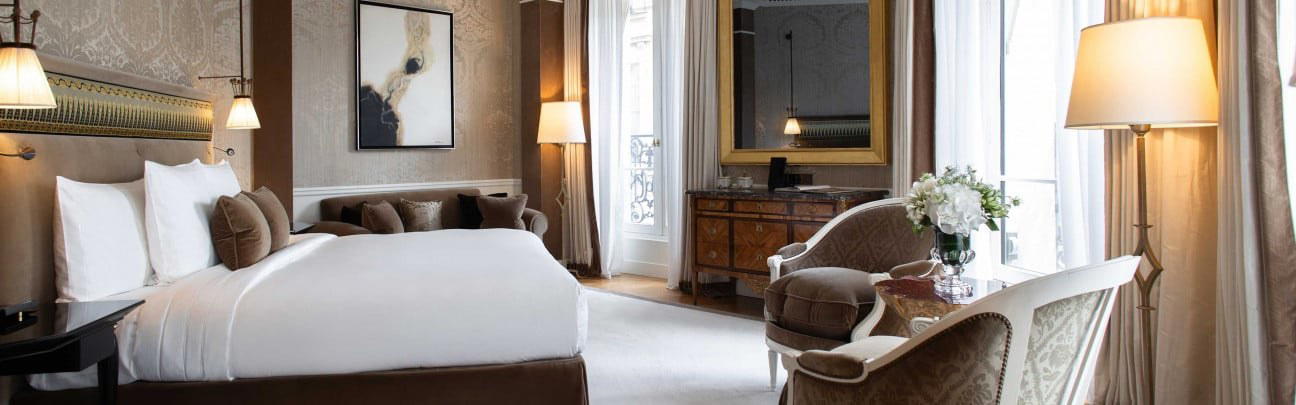
- Contemporary Art Infused Heritage with Unique Room Designs and Modern Glass Bathrooms
Know before you go
Know Before You Go
- Getting there
- 25 Hunter St, Hobart TAS 7000
Planning details
Location
Recognition and awards

Also consider
Also Consider
- MACq 01 Hotel, Notable alternative
- The Tasman, Notable alternative
- Moss Hotel, Notable alternative
- The Islington Hotel, Notable alternative
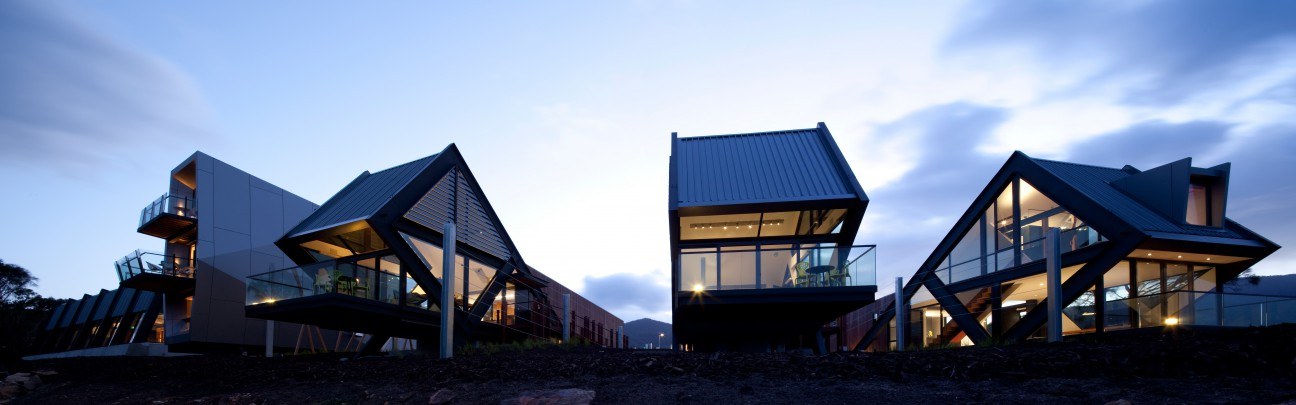
- MONA Pavilions, Notable alternative
Hotel context
How it compares in Hobart
Choose The Henry Jones Art Hotel over Moss Hotel if waterfront access and a more established hotel feel matter. Choose Moss Hotel if the brief is smaller, simpler, and more design-led. For value, the deciding factor is room use: short stays should prioritise location, while longer stays should compare room size carefully before paying up.
MACq 01 Hotel is the closest cross-shop for travellers who want the harbour to define the trip. The Henry Jones Art Hotel is the better fit if art-hotel character is the draw; MACq 01 Hotel is the cleaner choice if the stay should lean into waterfront storytelling. The Tasman is the stronger comparison for travellers who want a more conventional luxury-hotel frame.
If the trip is less about central Hobart, look at MONA Pavilions for a museum-led stay or The Islington Hotel for a quieter mood away from the harbour. The Henry Jones Art Hotel is the practical pick when the plan is to stay close to the docks and use the hotel as a characterful city base.
Around this place
Discover more on Pearl
Unlock the full The Henry Jones Art Hotel guide in Pearl, including awards, comparisons, FAQs, planning details, and nearby places.
Compare The Henry Jones Art Hotel
| Venue | Location | Awards |
|---|---|---|
| The Henry Jones Art Hotel | Hobart | 2026 La Liste Top HotelsMichelin 1 Key 20252025 Michelin 1 Key |
| MACq 01 Hotel | Hobart | 2025 Michelin 1 Key |
| The Tasman | Hobart | 2025 Michelin 1 Key2024 World's 50 Best Hotels · #49 |
| Moss Hotel | Hobart | No published awards |
| The Islington Hotel | Hobart | 2026 Mr & Mrs Smith Luxury HotelsSmall Luxury Hotels Member 20252025 Michelin 1 Key |
| MONA Pavilions | Hobart | No published awards |


How The Henry Jones Art Hotel Hobart compares with similar nearby venues.
FAQ
Frequently Asked Questions
Is The Henry Jones Art Hotel family-friendly?
If you are travelling with children, confirm room layouts, bedding, and any relevant services directly with The Henry Jones Art Hotel before booking. MONA Pavilions is another option to research.
Is The Henry Jones Art Hotel good for business travel?
It may work for a Hobart business trip if the location and hotel style fit your plans. The confirmed Michelin 1 Key and La Liste recognition indicate external hotel recognition, while practical details should be checked directly with the property. MACq 01 Hotel is another Hobart hotel to compare.
How is the location of The Henry Jones Art Hotel?
The location to rely on here is Hobart. Confirm the exact arrival and transport details directly with the hotel. The Tasman is a useful comparison if you want another Hobart hotel to consider.
Do loyalty programs work at The Henry Jones Art Hotel?
The confirmed facts to rely on are its Hobart location, smart casual dress code, Michelin 1 Key status in 2025, and La Liste Top Hotels 2026 recognition with 91 points. If your trip depends on points or status benefits, compare the practical booking terms with The Tasman or MACq 01 Hotel.
How does The Henry Jones Art Hotel compare to other hotels?
It makes the most sense to compare The Henry Jones Art Hotel as a recognised Hobart hotel with an art-hotel identity. Compared with The Tasman, MACq 01 Hotel, Moss Hotel, The Islington Hotel, and MONA Pavilions, the right choice depends on the setting, style, and practical details you confirm before booking.