
Amanaki Saigon Boutique Hotel
Quan 1, Ho Chi Minh City
Hotel in Ho Chi Minh City, Vietnam
 Book with Pearl
The Read
Price
$100–200per night
Why go
Amanaki Saigon Boutique Hotel is a sensible Ho Chi Minh City pick for travelers who want a smaller central stay rather than a large luxury tower. Choose the room category for usable space and bedding needs, not for status; if loyalty benefits or full-service facilities matter, compare Hilton Saigon or The Reverie Saigon first.
About Amanaki Saigon Boutique Hotel
In Ho Chi Minh City, Amanaki Saigon Boutique Hotel is a hotel with a smart-casual dress code and WLHA Regional Winner recognition. For travelers comparing it with named hotel options such as The Reverie Saigon, Hilton Saigon, The Myst Dong Khoi Hotel, Fusion Original Saigon Centre, or Anima Saigon Boutique - Vietnamese Contemporary Art Hotel, the safest planning move is to confirm current room types, facilities, and booking terms directly before committing.
Use Amanaki Saigon Boutique Hotel as a Ho Chi Minh City candidate when the venue name, recognition, and overall fit are enough to put it on the shortlist. Do not assume details about amenities, room inventory, dining, location within the city, or loyalty benefits from the listing alone.
Choose the room by space needs, not status signaling
For room selection, the practical move is to compare the hotel's current categories against the needs of the trip: number of guests, luggage, bedding setup, and any work or rest requirements. The best category is the one the hotel can confirm as matching those needs, rather than the one with the most appealing label.
Travelers comparing options should treat the named alternatives as useful reference points rather than assume a like-for-like match. Hilton Saigon, The Reverie Saigon, The Myst Dong Khoi Hotel, Fusion Original Saigon Centre, and Anima Saigon Boutique - Vietnamese Contemporary Art Hotel may all be worth checking depending on the trip, but the final choice should come down to current details.
Who should book this, and who should trade up
Book Amanaki Saigon Boutique Hotel if you want a Ho Chi Minh City stay with WLHA Regional Winner recognition and you are comfortable checking the practical details directly. The recognition is a useful signal, but it should not be read as a guarantee of any specific facility, service style, room size, dining program, or location within the city.
If you need particular amenities, event support, loyalty benefits, room layouts, or family arrangements, confirm them before booking or compare with other Ho Chi Minh City hotels. For broader trip planning, use Our full Ho Chi Minh City hotels guide, then cross-check food and drink plans through Our full Ho Chi Minh City restaurants guide and Our full Ho Chi Minh City bars guide.
Planning details
- Location
- 65 Hồ Tùng Mậu, Bến Nghé, Quận 1, Hồ Chí Minh, Vietnam
- Website
- amanaki.vn/vi/amanaki-boutique-saigon
- Phone
- +84 823 634 488
The take
The Take
The Vibe
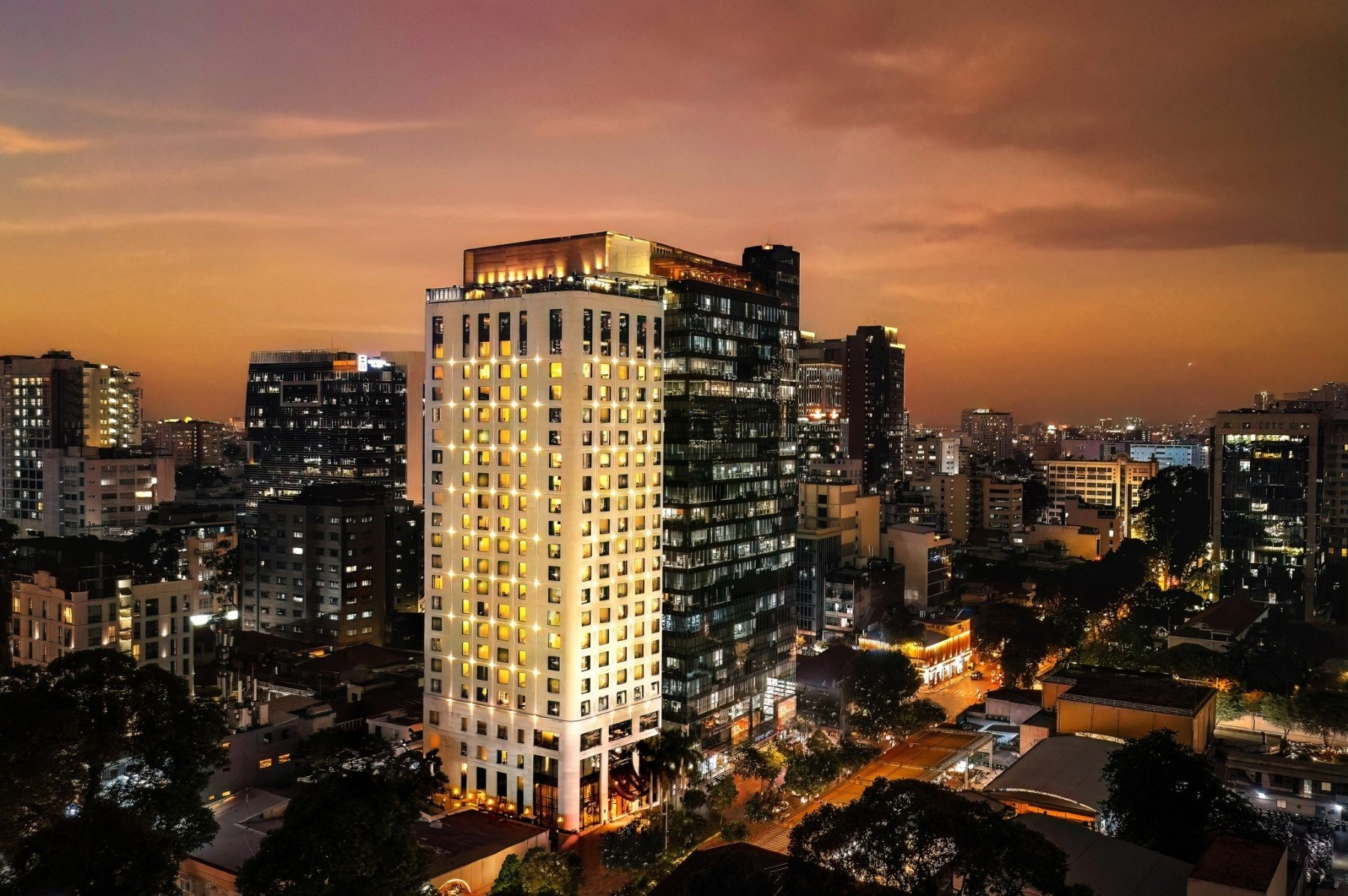
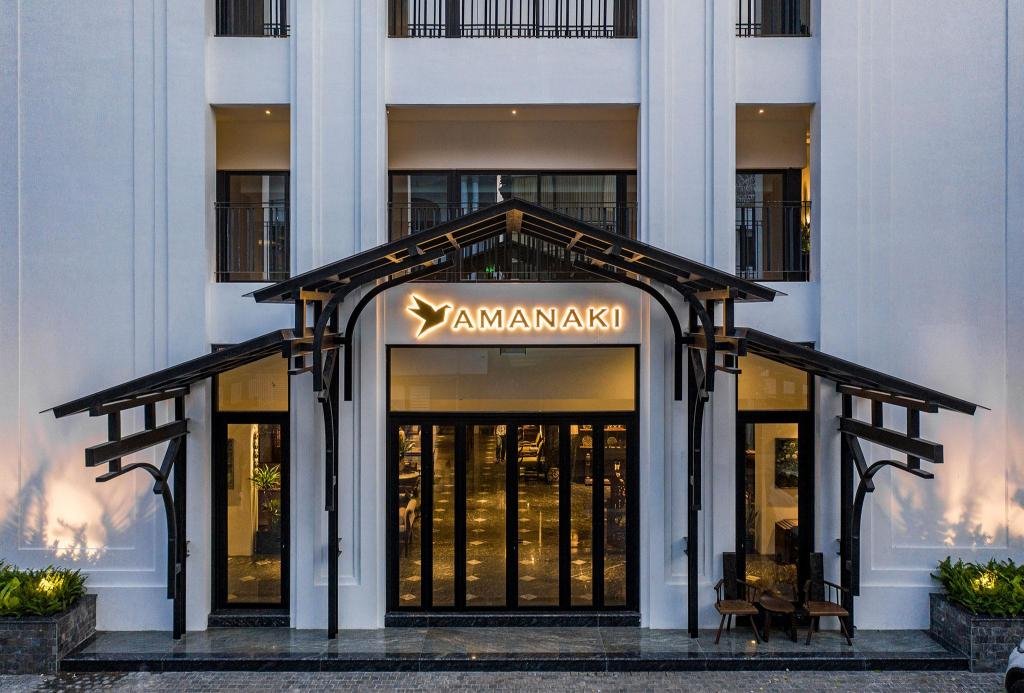
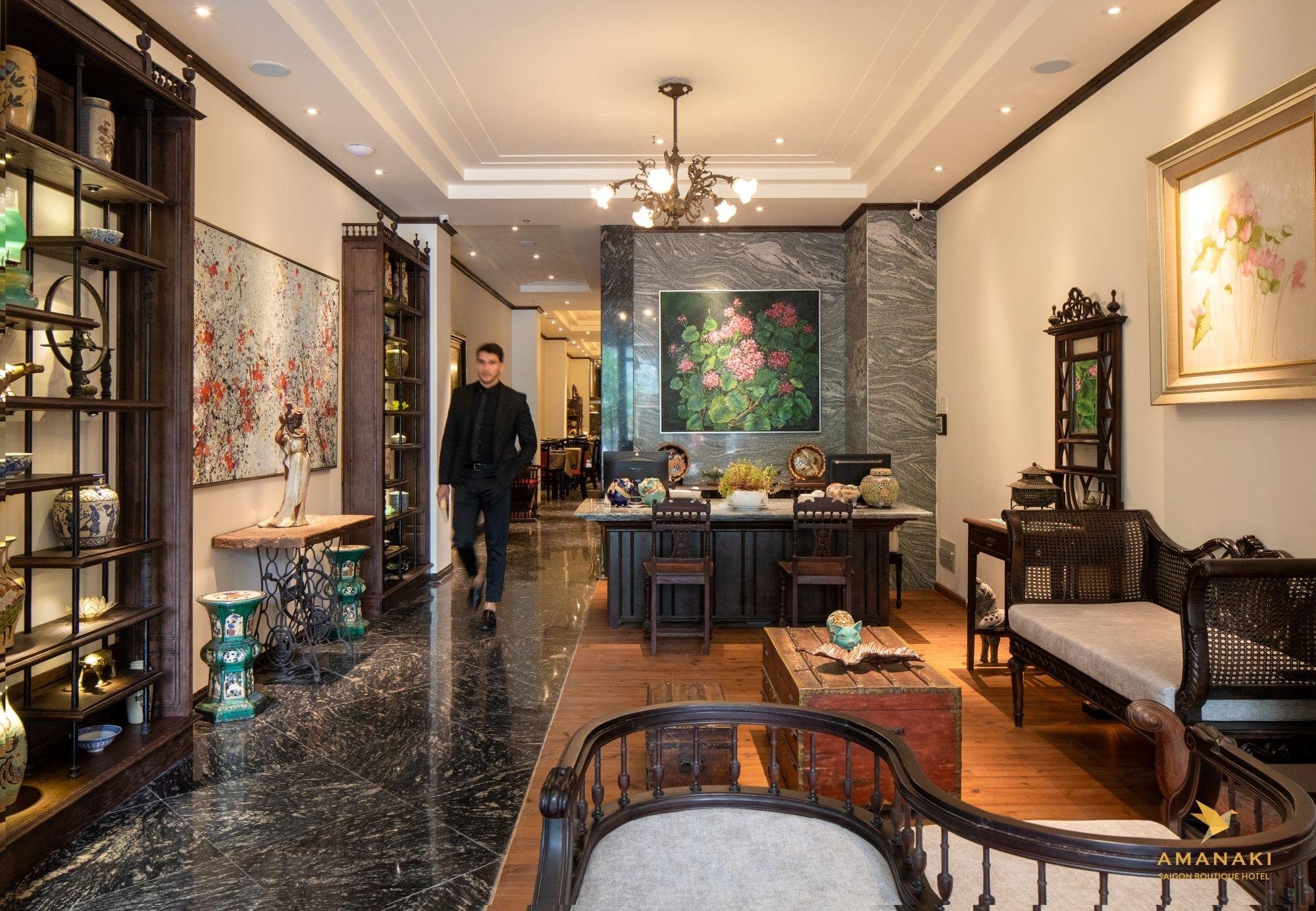
Amanaki Saigon presents a compact, design-forward alternative to Ho Chi Minh City’s tower hotels. The editorial frame leans on material specificity and curatorial density: furniture, objects and visual reference are drawn from South Vietnam to establish a strong sense of place rather than relying on scale or lobbies. Its 2025 World Luxury Hotel Awards in Luxury Design Boutique Hotel and Luxury Eco Hotel underline a commitment to thoughtful aesthetics and sustainability. Tucked into working District 1 and within minutes of the Saigon River, the hotel reads as an intimate, carefully crafted retreat for travellers who prioritise design and locality over brand spectacle.
Best For
This hotel is best for travellers who care about design, provenance and a quieter, boutique stay in District 1. It suits design-conscious visitors who prefer independent properties to large chains, plus business travellers who need proximity to the city's working core. The intimate scale and curated interiors also make it a good pick for couples seeking a low-key romantic escape or for anyone looking for a weekend pause rooted in local material culture. The property's awards signal appeal to guests who value both aesthetic thoughtfulness and eco-minded practices.
Stay Tips
Because Amanaki Saigon is positioned as a smaller, design-led independent, rooms are likely limited—book early, especially around city events. When reserving, ask about room placement and how the hotel’s design interventions manifest across room types so you get the particular material details you prize. If proximity to the Saigon River matters, confirm how close the property sits to the river and whether any rooms offer that aspect. Finally, reference the hotel's Luxury Design and Luxury Eco recognitions if you want staff to point out sustainable or design-specific features during your stay.
Venue details
Ambiance
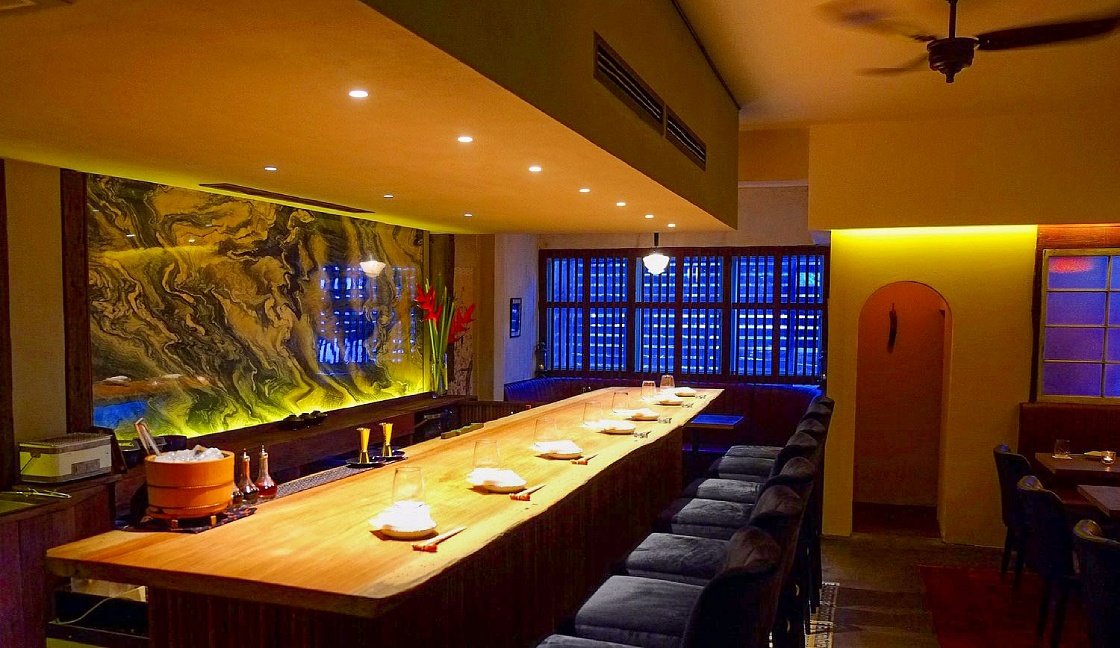
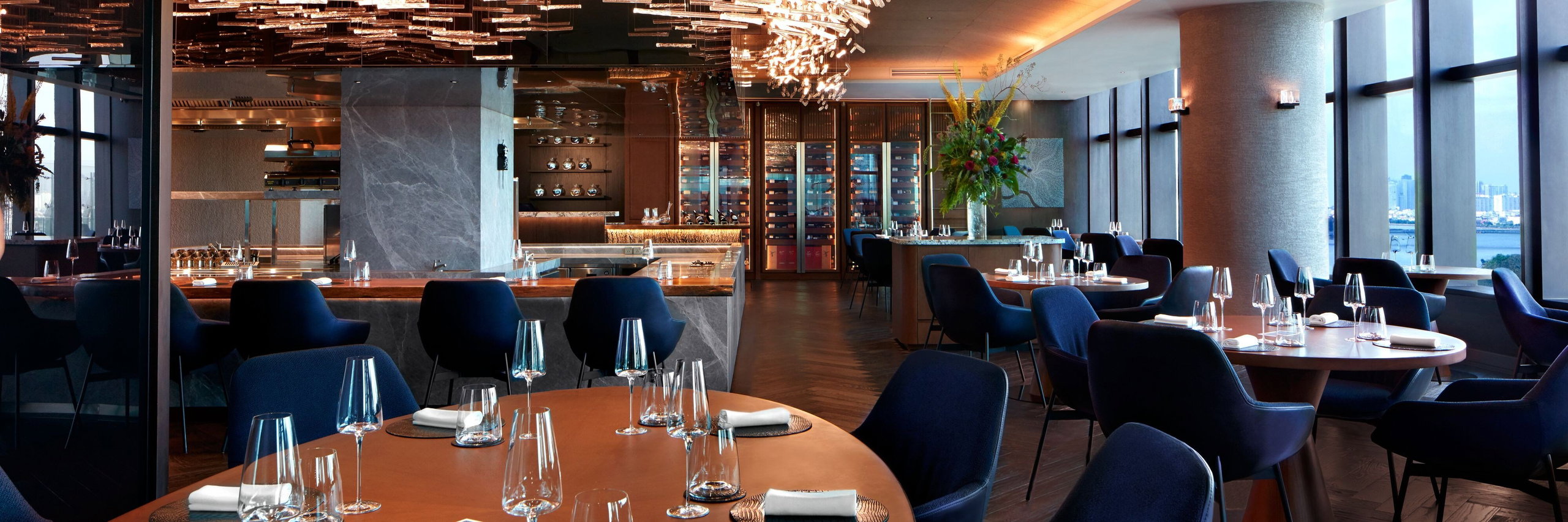
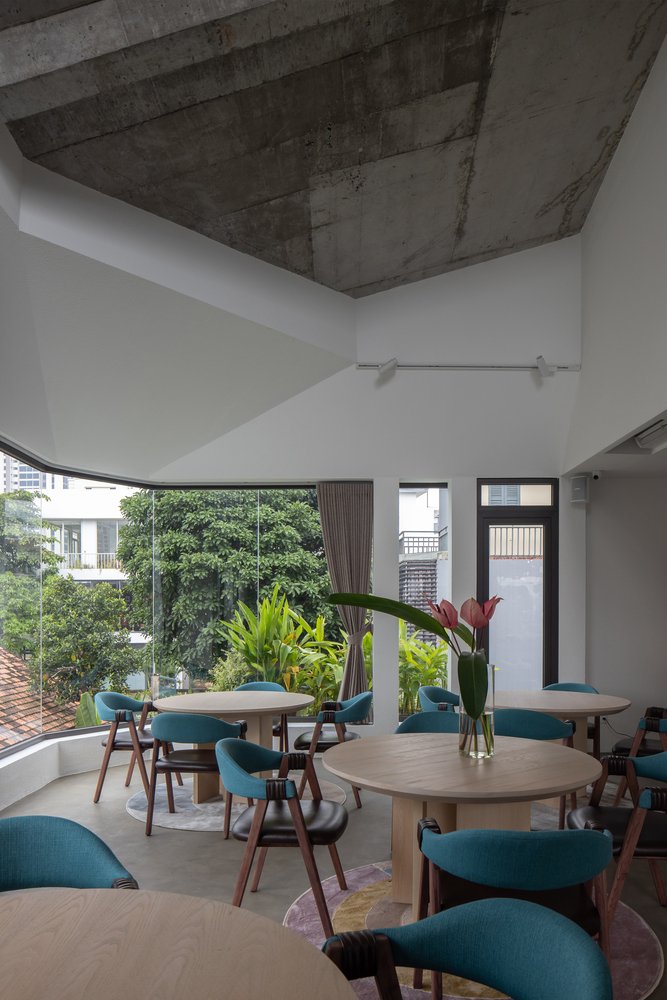
Calm and serene atmosphere with thoughtful, elegant interiors blending Vietnamese patterns and modern touches, praised as a respite from the bustling city.
Tags
Vibe
Best For
Amenities
View
Accessibility
About the Stay
- Rooms
- 43
- Check-in
- 15:00
- Check-out
- 11:00
- Property Type
- Boutique hotel
- Property Style
- Boutique Hotel with Characterful, Eco Conscious Design Maximizing a Small Footprint.
- Design Style
- Elegant Blend of Vietnamese Traditional Patterns, French Colonial Vibes, and Modern Minimalism with Gorgeous Wooden Furniture.
- Breakfast
- Included
- Airport Transfer
- Available
Know before you go
Know Before You Go
- Getting there
- 65 Hồ Tùng Mậu, Bến Nghé, Quận 1, Hồ Chí Minh, Vietnam
Planning details
Location
65 Hồ Tùng Mậu, Bến Nghé, Quận 1, Hồ Chí Minh, Vietnam · Directions
Recognition and awards
Also consider
Also Consider
- Anima Saigon Boutique - Vietnamese Contemporary Art Hotel, Notable alternative
- The Reverie Saigon, Notable alternative
- Fusion Original Saigon Centre, Notable alternative
- The Myst Dong Khoi Hotel, Notable alternative
- Hilton Saigon, Notable alternative
Hotel context
Amanaki Saigon Boutique Hotel is the practical boutique choice if the goal is a smaller Ho Chi Minh City base with easy booking rather than a grand-hotel experience. The Reverie Saigon is the obvious trade-up for travelers who want a more formal luxury stay, while Hilton Saigon is the safer pick for brand predictability and loyalty-program comfort.
For atmosphere, compare it more closely with Anima Saigon Boutique - Vietnamese Contemporary Art Hotel and The Myst Dong Khoi Hotel. Those are better cross-shops if the hotel's design personality matters as much as location. Amanaki is the cleaner decision when the room is mainly a base and the city is the point of the trip.
Fusion Original Saigon Centre is the peer to check if a more contemporary, larger-format stay is appealing. For value, the decision is simple: choose Amanaki if boutique scale and easy booking are enough; choose Fusion Original Saigon Centre, Hilton Saigon, or The Reverie Saigon if facilities, brand systems, or a more expansive hotel experience will materially improve the stay.
Explore Ho Chi Minh City
Around this place
Discover more on Pearl
Unlock the full Amanaki Saigon Boutique Hotel guide in Pearl, including awards, comparisons, FAQs, planning details, and nearby places.
Compare Amanaki Saigon Boutique Hotel
| Venue | Location | Awards |
|---|---|---|
| Amanaki Saigon Boutique Hotel | Ho Chi Minh City | World Luxury Hotel Awards 2025 |
| Anima Saigon Boutique - Vietnamese Contemporary Art Hotel | Ho Chi Minh City | No published awards |
| The Reverie Saigon | Ho Chi Minh City | 2026 Forbes 4-StarStar Wine Lists 2026Leading Hotels of the World 20262026 La Liste Top Hotels2025 Michelin Selected Hotels2025 Forbes 4-Star |
| Fusion Original Saigon Centre | Ho Chi Minh City | No published awards |
| The Myst Dong Khoi Hotel | Ho Chi Minh City | No published awards |
| Hilton Saigon | Ho Chi Minh City | No published awards |





How Amanaki Saigon Boutique Hotel compares with similar nearby venues.
FAQ
Frequently Asked Questions
How does Amanaki Saigon Boutique Hotel compare to other hotels?
Amanaki Saigon Boutique Hotel is a Ho Chi Minh City option with WLHA Regional Winner recognition and a smart-casual dress code. If you are comparing it with The Reverie Saigon, Hilton Saigon, The Myst Dong Khoi Hotel, Fusion Original Saigon Centre, or Anima Saigon Boutique - Vietnamese Contemporary Art Hotel, verify current rooms, amenities, and booking terms directly before choosing.
Is Amanaki Saigon Boutique Hotel family-friendly?
Families should ask Amanaki Saigon Boutique Hotel directly about room layouts, bedding, occupancy, and any relevant services before booking, and compare details with other Ho Chi Minh City hotels if more space or specific facilities are needed.
Which room category is best at Amanaki Saigon Boutique Hotel?
The best room category is the one the hotel can confirm as fitting your space, bedding, and comfort needs. Choose based on current information from Amanaki Saigon Boutique Hotel rather than assuming a particular tier is better.
Do loyalty programs work at Amanaki Saigon Boutique Hotel?
Do not plan around points, elite benefits, or chain-style perks unless Amanaki Saigon Boutique Hotel confirms them directly. If those benefits are essential, compare options across other Ho Chi Minh City hotels.
When is the best time to book Amanaki Saigon Boutique Hotel?
Book when your Ho Chi Minh City plans are firm, and contact Amanaki Saigon Boutique Hotel directly if you need a specific room type, date, or arrangement.