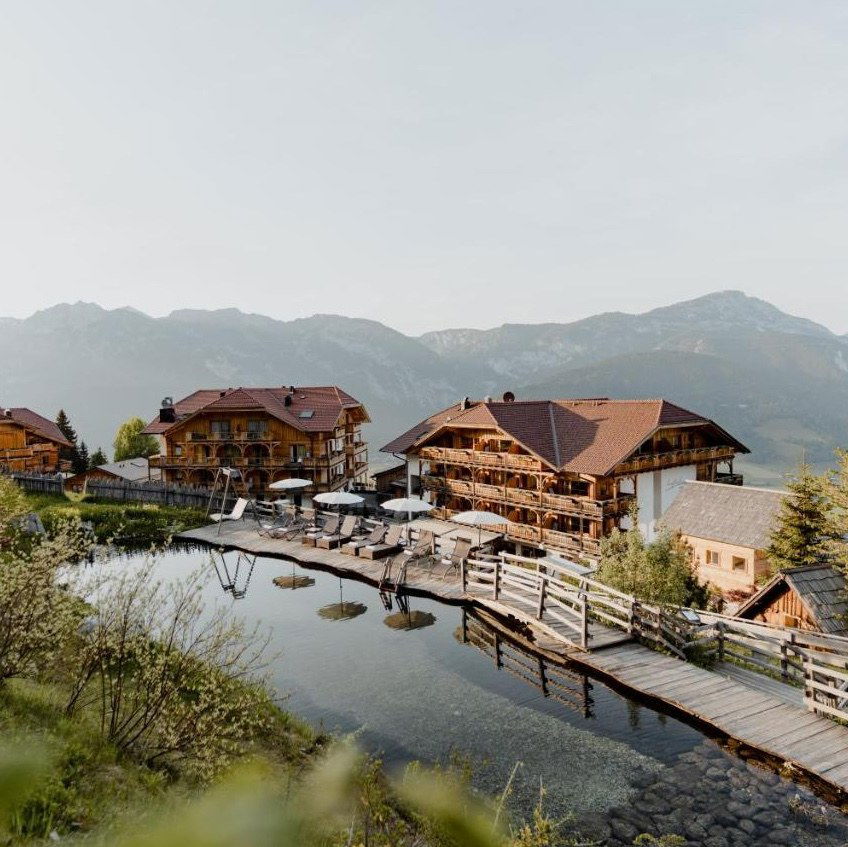

Natur- und Wellnesshotel Höflehner
Haus im Ennstal, Haus Im Ennstal
Hotel in Haus Im Ennstal, Austria
 Book with Pearl
Why go
Natur- und Wellnesshotel Höflehner is worth considering for a leisure-first alpine stay in Haus im Ennstal, especially if wellness and mountain setting matter more than city access. Booking difficulty is easy, and the 2025 MICHELIN Guide hotel selection gives it a credible quality signal, but travelers needing business convenience should compare alternatives first.
About Natur- und Wellnesshotel Höflehner
For a first trip to Haus Im Ennstal, Natur- und Wellnesshotel Höflehner is best treated as a hotel choice to verify against your own travel needs rather than as a page with many confirmed practical details. The strongest signal is that it appears in the MICHELIN Guide hotel selection for 2025. Beyond that, the available record here does not confirm specific dining formats, prices, room features, check-in details, or service inclusions.
Use the name and location as the starting point: Natur- und Wellnesshotel Höflehner in Haus Im Ennstal. If the hotel's positioning is important to your trip, confirm the current facilities, packages, and policies directly with the hotel before booking. If your plans depend on a particular restaurant setup, dietary accommodation, loyalty benefit, or arrival time, check those details with the property rather than assuming them from the listing.
Book it for a Haus Im Ennstal hotel option with MICHELIN Guide recognition
The practical appeal is direct: Natur- und Wellnesshotel Höflehner is a Haus Im Ennstal hotel with MICHELIN Guide, Hotels Selected recognition for 2025. That is a useful quality signal, but it does not by itself confirm every detail a first-time guest may want, such as dining format, dress expectations, facility access rules, or loyalty participation.
Use Natur- und Wellnesshotel Höflehner as a confirmed Haus Im Ennstal hotel option. For a wider Austrian hotel comparison, cross-shop Alpin Life Resort Lürzerhof, ALMMONTE PRÄCLARUM SUITES Design Hotel, Imlauer Hotel Schloss Pichlarn, Kesselspitze Valamar Collection Hotel, or MAYRLIFE Medical Health Resort Altaussee. If the trip includes meals beyond the hotel, also check other Haus Im Ennstal dining options generically and verify current details before making plans.
Planning details
- Location
- Gumpenbergweg 2, 8967 Gumpenberg, Austria
- Website
- hoeflehner.com
- Phone
- +43 3686 2548
The take
The Take
The Vibe
Natur- und Wellnesshotel Höflehner presents a quietly assured alpine aesthetic that reads the mountain setting first and builds comfort from that foundation. The property leans on exposed timber, natural stone and warm-toned materials to create interiors that feel rooted in local material culture rather than stylized resort design. Spa zones and common spaces are conceived to be in dialogue with the Enns Valley and nearby slopes, so the emphasis is on visual access and restorative calm. The hotel’s inclusion in the Michelin Guide underscores a consistently curated hospitality approach that privileges quality, restraint and a close relationship to landscape.
Best For
This hotel is best for travelers seeking a nature-first wellness escape: people who prioritize quiet mountain views, restorative spa time and carefully considered alpine design. It suits couples or solo travelers who want an understated, high-quality retreat rather than a bustling ski-resort experience. The property’s focus on local materials and landscape-oriented planning also makes it attractive to guests who appreciate architecture and interiors that reflect regional traditions and a measured sense of place.
Stay Tips
When booking, prioritize rooms and suites described as having mountain-facing views or proximity to the wellness zones to make the most of the hotel's landscape orientation. Expect interiors finished in warm-toned timber and stone; if a specific atmosphere matters, request a room on a quieter side of the property. The hotel’s Michelin Guide recognition suggests limited high-demand inventory during peak season, so reserve early to secure preferred dates and room placement.
Venue details
Ambiance
Cozy alpine ambiance with natural Swiss stone pine wood, immaculate design, and serene mountain views fostering deep relaxation.
Tags
Vibe
Best For
Experience
Amenities
View
About the Stay
- Rooms
- 104
- Check-in
- 15:00
- Check-out
- 11:00
- Property Style
- Natural Luxury in Secluded Mountain Position with Sustainable Design
- Design Style
- Rustic Swiss Stone Pine Wood with Cozy Alpine Aesthetic
Know before you go
Know Before You Go
- Getting there
- Gumpenbergweg 2, 8967 Gumpenberg, Austria
Planning details
Location
Recognition and awards
Also consider
Also Consider
- Alpin Life Resort Lürzerhof, Notable alternative
- Kesselspitze Valamar Collection Hotel, Notable alternative
- MAYRLIFE Medical Health Resort Altaussee, Notable alternative
- Imlauer Hotel Schloss Pichlarn, Notable alternative
- ALMMONTE PRÄCLARUM SUITES Design Hotel, Notable alternative
Hotel context
How it compares
Natur- und Wellnesshotel Höflehner is the safer choice for travelers who want an alpine wellness base around Haus im Ennstal without a difficult booking process. Against Alpin Life Resort Lürzerhof and Kesselspitze Valamar Collection Hotel, it reads as the more relevant pick if the trip is anchored in the Ennstal area rather than a broader Austria resort circuit.
Choose MAYRLIFE Medical Health Resort Altaussee if the stay is specifically health-program driven; choose Natur- und Wellnesshotel Höflehner if the goal is a mountain wellness hotel with a recognized hotel-selection signal. Imlauer Hotel Schloss Pichlarn is the more useful cross-shop for travelers who want a grander resort feel, while ALMMONTE PRÄCLARUM SUITES Design Hotel is better for a design-led stay.
On value, the issue is not a confirmed price tier but trip fit: book here for ambiance and location if Haus im Ennstal is the target. If the address is secondary, compare the wider Austrian set before committing.
Explore Haus Im Ennstal
Around this place
Discover more on Pearl
Unlock the full Natur- und Wellnesshotel Höflehner guide in Pearl, including awards, comparisons, FAQs, planning details, and nearby places.
Compare Natur- und Wellnesshotel Höflehner
| Venue | Location | Awards |
|---|---|---|
| Natur- und Wellnesshotel Höflehner | Haus Im Ennstal | 2025 Michelin Selected Hotels |
| Alpin Life Resort Lürzerhof | Untertauern | No published awards |
| Kesselspitze Valamar Collection Hotel | Obertauern | No published awards |
| MAYRLIFE Medical Health Resort Altaussee | Altaussee | No published awards |
| Imlauer Hotel Schloss Pichlarn | Aigen im Ennstal | Preferred Hotels L.V.X. Collection 2025 |
| ALMMONTE PRÄCLARUM SUITES Design Hotel | Wagrain | No published awards |

How Natur- und Wellnesshotel Höflehner compares with similar nearby venues.
FAQ
Frequently Asked Questions
Is Natur- und Wellnesshotel Höflehner good for business travel?
Natur- und Wellnesshotel Höflehner is in Haus Im Ennstal, so whether it works for business travel depends on your schedule and access needs. The MICHELIN Guide, Hotels Selected (2025) listing is a useful trust signal, but confirm practical requirements such as meeting access, arrival timing, and transport directly with the hotel.
Do loyalty programs work at Natur- und Wellnesshotel Höflehner?
No loyalty-program participation is confirmed in the record here. If points, elite benefits, or member rates matter to your stay, confirm eligibility directly before booking. The confirmed recognition is MICHELIN Guide, Hotels Selected (2025).
How does Natur- und Wellnesshotel Höflehner compare to other Austrian hotels?
Choose Natur- und Wellnesshotel Höflehner if you are specifically considering a Haus Im Ennstal hotel with MICHELIN Guide, Hotels Selected (2025) recognition. For broader Austrian hotel comparisons, look at Alpin Life Resort Lürzerhof, Imlauer Hotel Schloss Pichlarn, Kesselspitze Valamar Collection Hotel, MAYRLIFE Medical Health Resort Altaussee, and ALMMONTE PRÄCLARUM SUITES Design Hotel, then verify which property best matches your trip needs.
When is the best time to book Natur- und Wellnesshotel Höflehner?
No specific booking difficulty or seasonal demand pattern is confirmed in the record here. If your dates are important, book when the hotel has the room type and terms you want, and confirm current availability directly.