
Sierra Resort Hakuba
Hakuba Village, Hakubamura, Kitazumino Gun
Hotel in Hakubamura, Kitazumino Gun, Japan
 Book with Pearl
The Read
Price
$300–500per night
Why go
Sierra Resort Hakuba is worth shortlisting if the priority is a calmer Hakubamura base with a 2025 MICHELIN Guide hotel selection signal. It is less compelling for travelers focused on loyalty points, named dining, or verified spa specifics, so compare room terms carefully before committing.
About Sierra Resort Hakuba
Sierra Resort Hakuba is a hotel in Hakubamura, Kitazumino Gun. It is best considered as a short-list candidate rather than a property with confirmed specifics about dining, wellness facilities, room types, or on-site services.
The clearest signal is recognition from the MICHELIN Guide as a Hotels Selected property in 2025. That supports considering Sierra Resort Hakuba within Hakubamura, Kitazumino Gun.
Choose it for a Hakubamura, Kitazumino Gun hotel option
For planning, keep the decision grounded in what is confirmed: the venue is Sierra Resort Hakubamura, Kitazumino Gun, and the dress code is casual. Specific claims about rates, booking difficulty, loyalty-program value, room categories, included amenities, or seasonal demand are not available.
If those details matter for a stay, confirm them directly before booking. That is especially important for travelers comparing hotels based on exact inclusions, cancellation terms, meal plans, or transportation needs.
What to expect before choosing this over a simpler hotel
There is not enough detail here to sell the hotel on dining, spa facilities, room count, design, or a specific service style. That does not make Sierra Resort Hakuba a weak choice; it simply means the case for it should stay focused on its location in Hakubamura, Kitazumino Gun and its MICHELIN Guide Hotels Selected 2025 recognition.
Treat that recognition as a useful quality signal, not a substitute for checking the current room type, meal inclusions, accessibility, transportation, and any on-site facilities for your dates.
For broader trip planning, compare Sierra Resort Hakuba with other dining and lodging options in Hakubamura, Kitazumino Gun generically, then verify the practical details that matter for your itinerary before committing.
Planning details
- Location
- 14863-6 Hokujo, Hakubamura, Kitazumino-gun, Japan
- Phone
- (81) 261-72-3250
The take
The Take
The Vibe
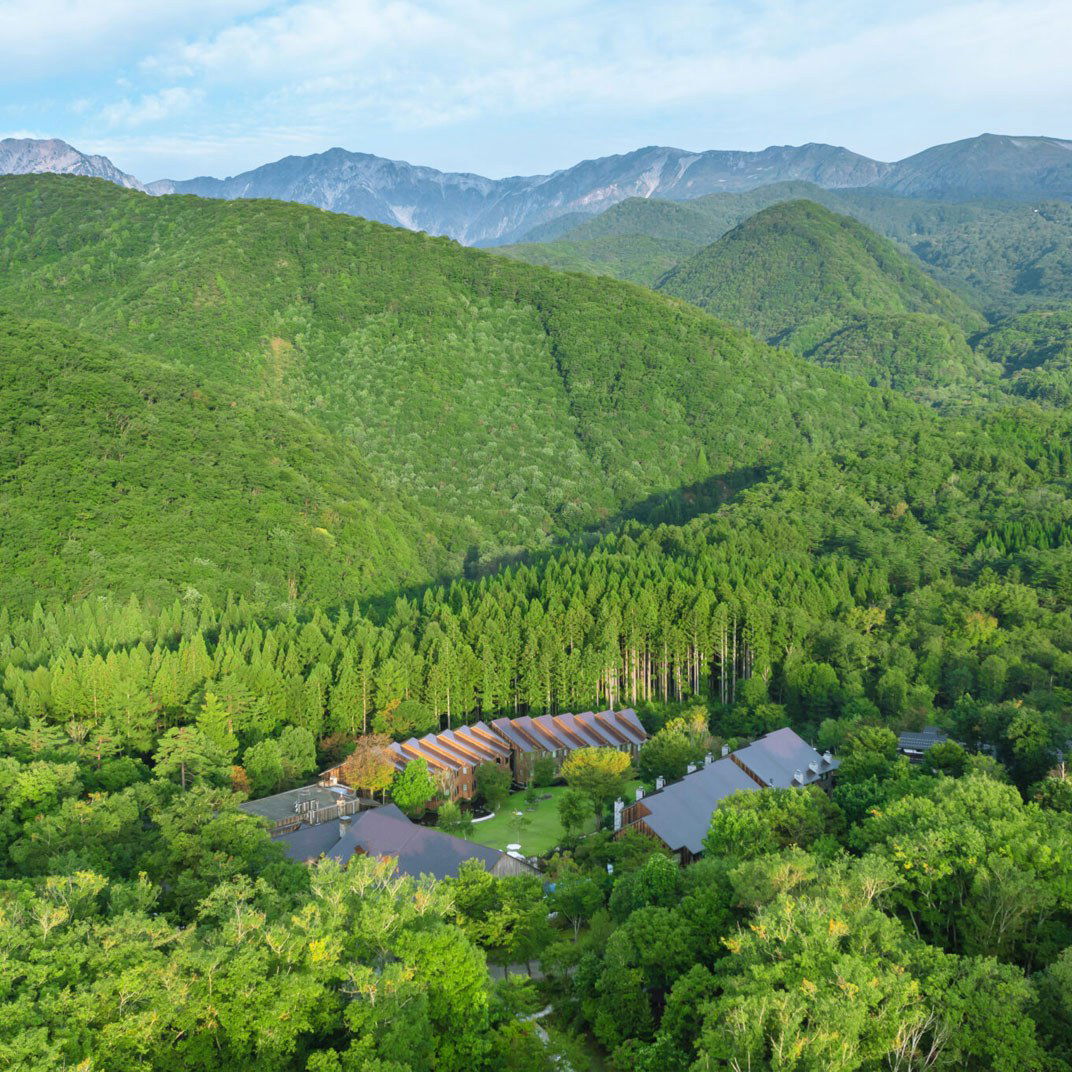
Sierra Resort Hakuba reads as a quietly considered mountain retreat where architecture is the defining feature. The building explicitly treats heavy snowfall as a design partner, balancing roof pitches and the proportion of glass with solid wall to frame the white landscape. Interiors prioritize warmth against the perpetual snow outside, and spaces are calibrated to the scale of a private house rather than a grand hotel. The Michelin Selected distinction underscores a measured, design-forward sensibility: sophisticated but intimate, restrained in materiality and focused on thoughtful spatial relationships with the mountain.
Best For
This is a destination for travelers who prize design, quiet mountain time and dependable winter conditions. The resort sits in Hakuba Valley, a heavy-snow ski region, so it suits skiers and snow-focused visitors seeking a quieter, more intimate alternative to larger grand hotels. Its small, deliberate footprint and emphasis on regional materials attract design-minded couples or solo travelers and groups who prefer refined service and calm surroundings. The Michelin Selected classification signals consistency in service and experience, making it a solid pick for discerning weekend escapes and wellness-focused stays during the snow season.
Stay Tips
Plan around Hakuba’s snow season (December through late March or early April) when the resort’s architectural advantages and mountain conditions are most pronounced. Because Sierra Resort Hakuba occupies a smaller, house-scaled footprint, availability can be limited compared with larger valley properties: book early for peak winter dates. The property’s Michelin Selected status and focus on design coherence suggest a polished guest experience; if you prioritize quiet, intimate accommodation and reliable snow access, aim for midweek or early/late-season windows to secure preferred room types and a more tranquil stay.
Venue details
Ambiance
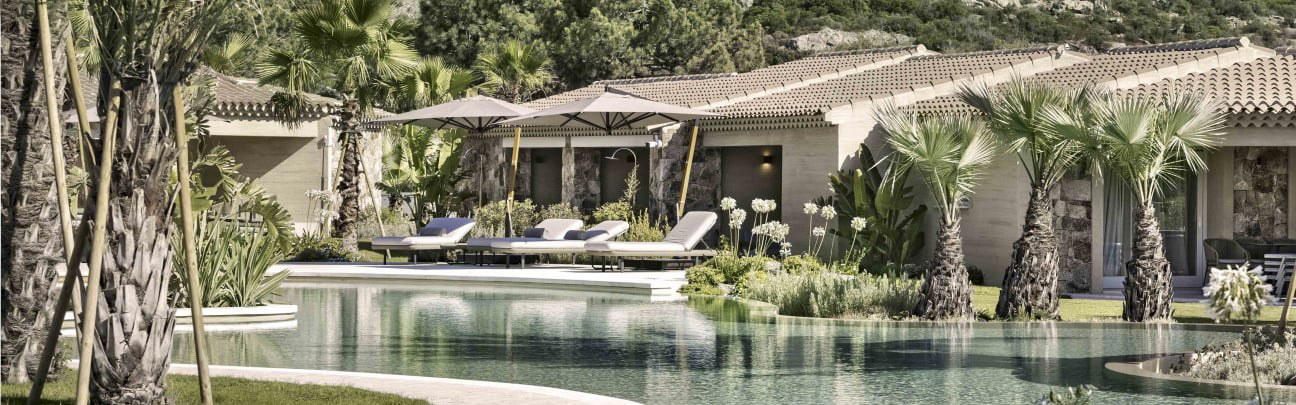
Serene and tranquil with modern comfort; large windows frame spectacular mountain and forest views; warm, welcoming atmosphere enhanced by traditional architectural elements and natural surroundings.
Tags
Vibe
Best For
Experience
Amenities
View
About the Stay
- Rooms
- 0
- Check-in
- 15:00
- Check-out
- 10:00
- Property Style
- Western Style Luxury Mountain Resort Blending Contemporary Comfort with Traditional Japanese Architecture and Natural Hot Spring Heritage.
- Design Style
- Modern with Rustic Japanese Elements; Traditional Edo Period Timber Construction Combined with Contemporary Amenities; Emphasis on Natural Materials and Forest Integration.
- Airport Transfer
- Available
- Pool
- Yes
- Spa
- Yes
- Families
- Welcome
Know before you go
Know Before You Go
- Getting there
- 14863-6 Hokujo, Hakubamura, Kitazumino-gun, Japan
Planning details
Location
14863-6 Hokujo, Hakubamura, Kitazumino-gun, Japan
Recognition and awards
Explore Hakubamura, Kitazumino Gun
Around this place
Discover more on Pearl
Unlock the full Sierra Resort Hakuba guide in Pearl, including awards, comparisons, FAQs, planning details, and nearby places.
FAQ
Frequently Asked Questions
How does Sierra Resort Hakuba compare to nearby hotels?
Sierra Resort Hakuba is a hotel in Hakubamura, Kitazumino Gun with MICHELIN Guide Hotels Selected 2025 recognition. Beyond that, specific comparisons on amenities, service style, pricing, or room setup are not available here.