
HOTEL LA VIGNE HAKUBA by Onko Chishin
Echoland, Hakuba
Hotel in Hakuba, Japan
 Book with Pearl
Why go
A strong Hakuba choice for travelers who want a more polished mountain stay and are booking for a celebration or design-led escape. Value will depend heavily on seasonality, so compare rates against House of Finn Juhl Hakuba and Hakuba Tokyu Hotel before committing.
About HOTEL LA VIGNE HAKUBA by Onko Chishin
Should you stay at HOTEL LA VIGNE HAKUBA by Onko Chishin? Consider it if you are specifically looking for a hotel in Hakuba with a clearly confirmed MICHELIN Guide hotel selection. Beyond that recognition, confirm current stay details directly before booking.
The cleanest way to evaluate it is against your own Hakuba plans and the dates you are considering. Do not rely on assumptions about amenities, dining, service style, or seasonal value unless those details are confirmed by the hotel at the time of booking.
Book for a Hakuba stay with a confirmed selection signal
This is a better fit for travelers who already want to be in Hakuba and are using the MICHELIN Guide, Hotels Selected (2025) recognition as one decision factor. For business travel or highly specific amenity needs, the case depends on what the hotel confirms directly, as corporate facilities, transport details, or room-service-style conveniences are not specified.
How to think about the dining question
Dining should not be the deciding factor unless a current meal program is confirmed through the hotel. The safer recommendation is to treat the stay as the anchor, then use Our full Hakuba restaurants guide for meal planning. For the broader trip, compare it with Our full Hakuba hotels guide, then fill in evenings through Our full Hakuba bars guide, local activities via Our full Hakuba experiences guide, and wine-led side planning through Our full Hakuba wineries guide.
Planning details
- Location
- 1116 3020 Hokujo, Hakuba, Kitaazumi District, Nagano 399-9301, Japan
- Website
- lavigne.by-onko-chishin.com
- Phone
- +81 261-85-5166
The take
The Take
The Vibe
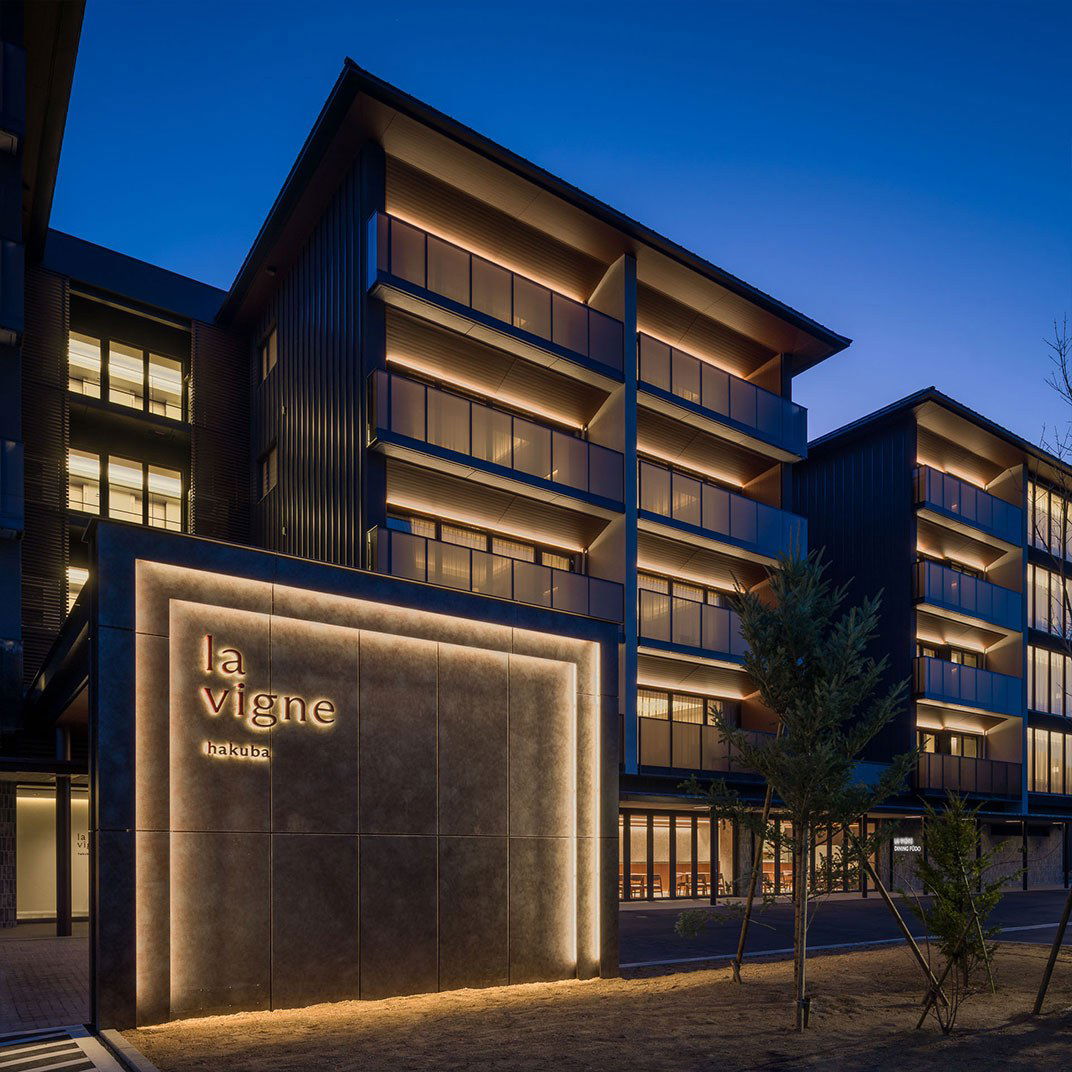
Hotel La Vigne Hakuba by Onko Chishin presents a restrained, classical take on alpine hospitality. The property leans into the Japan Alps setting rather than trying to outcompete it, placing considered design and quiet comfort at the forefront. It sits in a tier of smaller, design-minded properties that favour deliberate calm over slope-side bustle, so the mood feels intimate and serene. The Onko Chishin philosophy—finding new meaning by returning to what is classical—shapes the hotel’s approach, producing an experience that is polished without being flashy, quietly rooted in place and the mountain landscape that surrounds it.
Best For
This hotel is best suited to travellers who value scenery and considered design as much as access to the slopes. Hakuba’s valley draws serious skiers, and Hotel La Vigne positions itself for guests who want distance from the lift-queue energy and a quieter base for their trip. It also appeals to those who appreciate hospitality traditions that treat meals as central to the stay: the dining programme figures prominently in the experience. In short, the property works well for design-minded skiers, couples seeking a calm alpine stay, and small groups looking for a quieter, more thoughtful mountain retreat.
Stay Tips
The description emphasizes that the dining programme plays a central role in the hotel experience and that the property aligns with ryokan and boutique mountain-hotel traditions where meals are integral. Guests should expect the hotel’s food offering to be a significant element of a stay rather than an afterthought. Because the property intentionally situates considered hospitality within its alpine context, plan to allow time within your itinerary to experience the hotel’s dining programme as part of the overall visit; engaging with the meals will reflect the Onko Chishin approach to place and hospitality.
Venue details
Ambiance
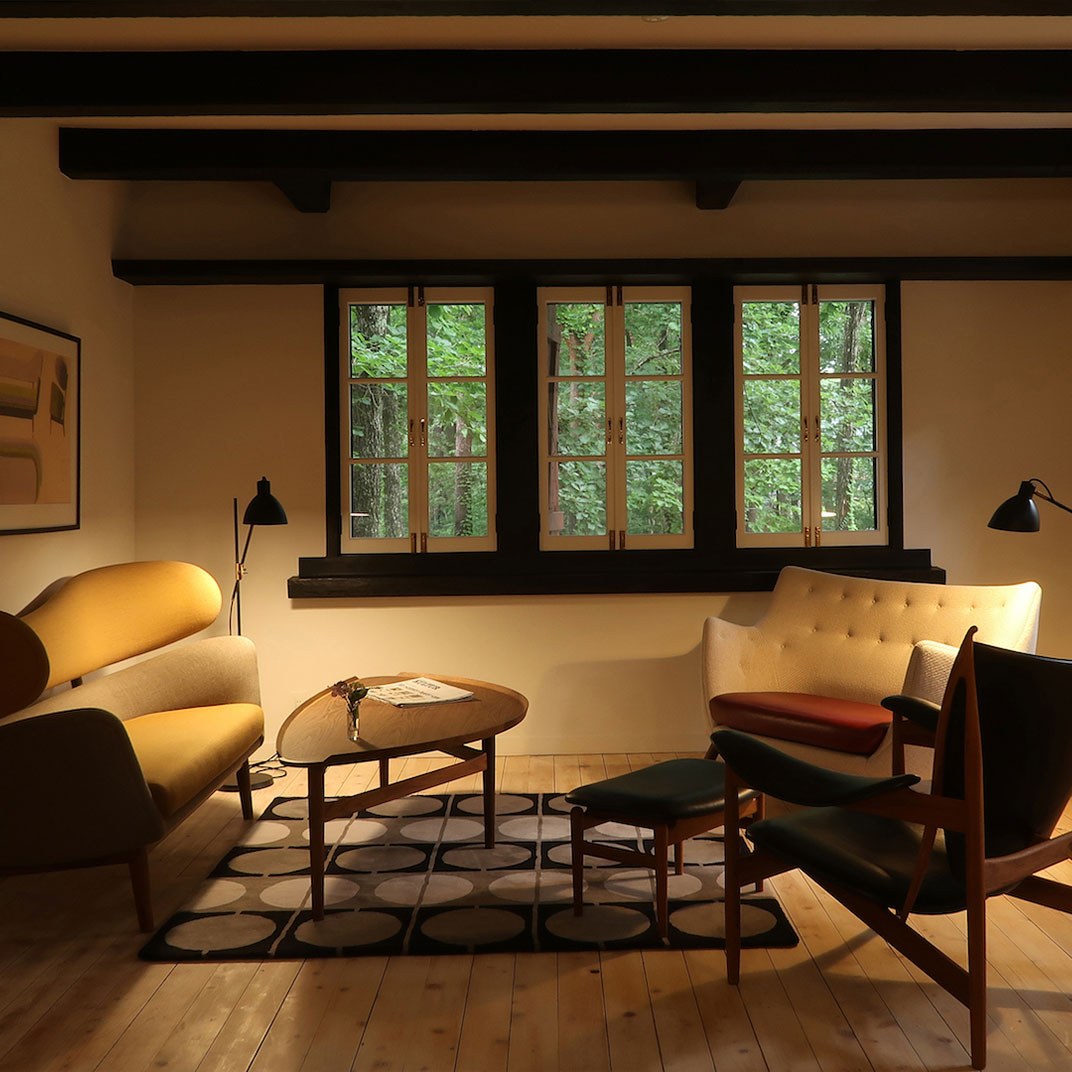
Light-filled living rooms with sleek modern interiors, high ceilings reminiscent of snow-viewing shoji screens, local wood sculptural works, and pendant lights creating a peaceful, clean, cozy, and welcoming minimalist atmosphere.
Tags
Vibe
Best For
Experience
Amenities
View
About the Stay
- Rooms
- 38
- Check-in
- 15:00
- Check-out
- 11:00
- Property Style
- Modern Alpine Resort Aparthotel
- Design Style
- Minimalist with Sophisticated Interiors and Local Wood Elements
Know before you go
Know Before You Go
- Getting there
- 1116 3020 Hokujo, Hakuba, Kitaazumi District, Nagano 399-9301, Japan
Planning details
Location
1116 3020 Hokujo, Hakuba, Kitaazumi District, Nagano 399-9301, Japan · Directions
Recognition and awards
Also consider
Where to look if this is not the right fit
Choose House of Finn Juhl Hakuba if design is the main reason for the trip. Choose Hakuba Tokyu Hotel if the group wants a larger, more conventional Hakuba hotel setup.
Hotel context
How It Compares
Against House of Finn Juhl Hakuba, HOTEL LA VIGNE HAKUBA by Onko Chishin is the safer pick if the priority is a refined hotel stay in Hakuba with recognized guide-level credibility. House of Finn Juhl Hakuba is the cross-shop for design-focused travelers who want the hotel itself to feel more like the point of the trip.
Hakuba Tokyu Hotel is the more conventional resort comparison: better for travelers who want a familiar hotel format and likely broader on-property infrastructure. Choose HOTEL LA VIGNE HAKUBA by Onko Chishin for a more intimate special-occasion feel; choose Hakuba Tokyu Hotel if ease and scale matter more than atmosphere.
Awai Togakushi, Matsumoto Jujo, and Shoraiso make more sense if the trip can move beyond Hakuba. They are less direct ski-village substitutes and more regional alternatives, useful when the goal is a quieter Nagano stay rather than immediate Hakuba access.
Explore Hakuba
Around this place
Discover more on Pearl
Unlock the full HOTEL LA VIGNE HAKUBA by Onko Chishin guide in Pearl, including awards, comparisons, FAQs, planning details, and nearby places.
Compare HOTEL LA VIGNE HAKUBA by Onko Chishin
| Venue | Location | Awards |
|---|---|---|
| HOTEL LA VIGNE HAKUBA by Onko Chishin | Hakuba | 2025 Michelin Selected Hotels |
| House of Finn Juhl Hakuba | Hakuba | No published awards |
| Hakuba Tokyu Hotel | Nagano | Preferred Hotels Member 2025 |
| Awai Togakushi | Nagano | No published awards |
| Matsumoto Jujo | Matsumoto | No published awards |
| Shoraiso | Yamanouchi | 2025 Michelin 1 Key |


How HOTEL LA VIGNE HAKUBA by Onko Chishin compares with similar nearby venues.
FAQ
Frequently Asked Questions
How is the dining at HOTEL LA VIGNE HAKUBA by Onko Chishin?
Do not choose this hotel for dining alone unless the current meal setup is confirmed before arrival. The hotel is recognized by the MICHELIN Guide, Hotels Selected (2025), not for a specific restaurant program. If dining is the priority, confirm the hotel's current food offering directly before booking.
Is HOTEL LA VIGNE HAKUBA by Onko Chishin good for business travel?
It may work if the trip is centered on Hakuba, but business-specific facilities or services are not specified. Confirm the practical details you need directly with the hotel before booking.
What is check-in like at HOTEL LA VIGNE HAKUBA by Onko Chishin?
How is the pool and spa at HOTEL LA VIGNE HAKUBA by Onko Chishin?
Do not assume a pool or spa from the hotel's profile. If those facilities matter, confirm them directly before booking, because the hotel is recognized by the MICHELIN Guide, Hotels Selected (2025), not for a stated wellness program.
Do loyalty programs work at HOTEL LA VIGNE HAKUBA by Onko Chishin?
How does HOTEL LA VIGNE HAKUBA by Onko Chishin compare to other hotels?
Use HOTEL LA VIGNE HAKUBA by Onko Chishin as a Hakuba option with a confirmed MICHELIN Guide hotel selection, then compare it with Hakuba Tokyu Hotel and House of Finn Juhl Hakuba if you are weighing other Hakuba stays. Awai Togakushi, Matsumoto Jujo, and Shoraiso can also be considered as separate comparison properties, depending on the wider trip you are planning.
When is the best time to book HOTEL LA VIGNE HAKUBA by Onko Chishin?
A best booking window is not specified. If your dates are fixed, especially for a trip centered on Hakuba, confirm availability and cancellation terms directly before committing.