
Hotel in Hakonemachi U002c Ashigarashimo Gun, Japan
nol hakone myojindai
150ptsMountain Stillness Lodging

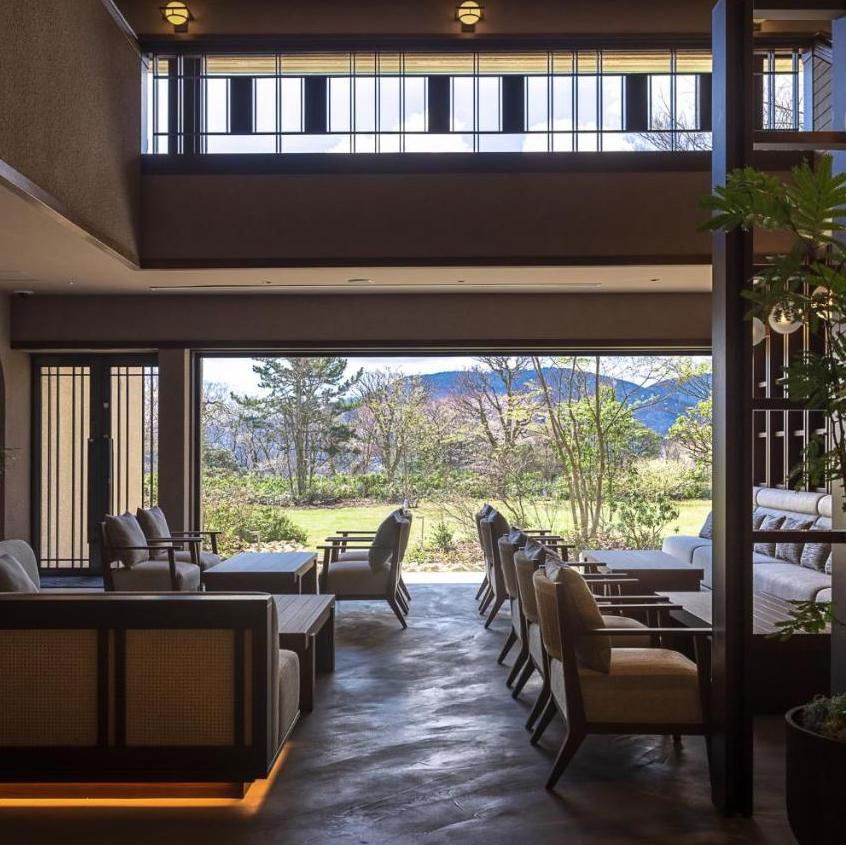
About nol hakone myojindai
Situated in the Myojindai area of Hakone, nol hakone myojindai holds a MICHELIN Selected distinction for 2025, placing it within the curated tier of ryokan-style accommodation the guide recognises for quality across Japan's most competitive onsen destinations. The property sits at address 1488 Hakonemachi, within reach of Hakone's volcanic highland trails and the broader Fuji-Hakone-Izu National Park corridor.
Myojindai, Hakone, and the Geography of Stillness
Hakone's accommodation map divides cleanly along elevation and access. The valley floor around Yumoto and Tonosawa concentrates the oldest, most traditional ryokan stock, where hot spring culture has run continuously for centuries. The Gora and Miyagino plateaus attract the design-forward properties that emerged from the 1990s onward. The Myojindai area, further into the highlands and buffered from the main tourist arteries, represents a quieter sub-zone, one where the volcanic terrain and forested ridgelines do more to set the atmosphere than any interior scheme could.
nol hakone myojindai sits within that geography, at 1488 Hakonemachi in the Ashigarashimo-gun district. The address places it away from the commercial centre of Hakone-machi and outside the main Gora resort corridor, which is significant context for a traveller deciding between the Hakone options. Where properties like Gora Kadan and Hotel Indigo Hakone Gora benefit from proximity to the Hakone Tozan Railway and the Gora park precinct, Myojindai positions itself as a destination you choose deliberately, not one you stumble into off the tourist path.
MICHELIN Selected in a Competitive Field
The MICHELIN Selected designation for hotels, awarded through the 2025 edition of the guide's hotel programme, operates differently from the star system applied to restaurants. Selection signals that the guide's inspectors found the property worthy of recommendation within its category, without implying a rank order among selected properties. In Hakone, a district that consistently produces some of Japan's most scrutinised accommodation, earning inclusion at any level carries weight. The Hakone cohort in the MICHELIN hotel guide includes properties across several price and format tiers, from large resort complexes like Hyatt Regency Hakone Resort and Spa to intimate ryokan-format properties like Matsuzakaya Honten.
nol hakone myojindai's selection places it within that peer set, competing not on scale but on the quality of experience delivered within its own format. For travellers cross-referencing options, the MICHELIN credential provides a useful baseline, particularly when specific review data is limited. Japan's onsen hotel scene is crowded with properties claiming heritage and atmosphere; independent recognition from a named programme separates credentialled claims from ambient marketing.
The Hakone Tradition and Where Myojindai Sits Within It
Hakone has operated as a recuperative retreat for Tokyo residents since the Edo period, when the Tokaido road made the mountain passes navigable and the hot springs at Yumoto became a recognised stopping point. The region's identity as Japan's premier short-break destination from the capital, roughly 90 minutes from Shinjuku on the Romancecar express, has layered over that historical base without erasing it. The onsen ryokan remains the dominant format, even as design-led boutique properties and international hotel brands have entered the market over the past two decades.
What distinguishes the Myojindai location within this history is its relationship to the less-trafficked northern reaches of the park area. The hot spring geology extends throughout Hakone's volcanic complex, meaning properties in Myojindai draw from the same hydrothermal sources as the more famous Kowakudani and Gora outlets, without the accompanying visitor density those areas attract during peak season. Spring cherry blossom season (late March to mid-April) and autumn foliage season (mid-October to late November) bring the heaviest demand across all Hakone accommodation, so the relative seclusion of the Myojindai area carries practical as well as atmospheric value during those periods.
Comparable properties in Japan's highland onsen belt, including Zaborin in Kutchan, Fufu Nikko, and Asaba in Izu, share a common logic: the site itself does substantive work, and the accommodation exists to frame access to landscape, thermal water, and silence rather than to substitute for it. nol hakone myojindai's positioning in Myojindai suggests that same logic applies here.
Hakone's Broader Accommodation Tier and Where nol Fits
Japan's onsen accommodation market has increasingly segmented into identifiable tiers. At the leading, historic ryokan with multi-generational ownership and kaiseki dining programmes, properties like Gora Kadan or, in different regions, Nishimuraya Honkan in Kinosaki and Kamenoi Besso in Yufu, command premium rates and multi-year reputations. Below that, a growing cohort of design-conscious properties, often operating under newer brand identities, targets travellers who want the onsen experience without the formal ryokan ritual. The nol brand name suggests the latter category: a contemporary hospitality format applying modern design and service sensibilities to the Japanese resort context.
For travellers deciding between Hakone's options, the distinction matters. Hakone Retreat Villa 1/f and Sengokubara COCON occupy adjacent positions in this contemporary-format segment. Hakone Kowakien Tenyu takes a different approach through its affiliation with the larger Kowakien resort complex. nol hakone myojindai, positioned in a quieter district and holding MICHELIN Selected status, reads as a property that has separated itself from the midrange bracket without necessarily competing in the top-tier historic ryokan category.
Planning a Stay: Timing, Access, and Context
The Myojindai area of Hakone sits within the broader Fuji-Hakone-Izu National Park system, reachable via the Hakone Tozan Bus network from Hakone-Yumoto Station, which itself connects to Odawara on the JR and Odakyu lines. Odawara is roughly 35 minutes from Shinjuku by Odakyu Romancecar, making Hakone one of the most accessible mountain resort zones from Tokyo. Travellers arriving from Kyoto or Osaka typically route through Odawara on the Shinkansen, adding a direct connection without requiring a Tokyo night.
The two peak seasons for Hakone, spring blossom and autumn colour, drive significant advance booking pressure across all quality properties. Shoulder months, particularly September and early October before the foliage peaks, and late April through June (the quieter post-blossom window before summer holidays), offer both better availability and the cleaner weather that the Hakone mountain microclimate can otherwise complicate. The region sits in a zone where mist and low cloud are common in summer, which many visitors consider atmospheric rather than inconvenient, but clear-sky views toward Mount Fuji from the Owakudani area require luck at any time of year.
For broader context on Japan's MICHELIN-recognised hotel circuit, properties like HOTEL THE MITSUI KYOTO, Amanemu in Mie, Benesse House in Naoshima, and Jusandi in Ishigaki each illustrate how Japan's premium accommodation spans well beyond the capital's luxury hotel market, represented by properties like Bvlgari Hotel Tokyo. Internationally, the design-led boutique format that nol represents has parallels across the premium tier in cities as different as New York, St. Moritz, and Monte Carlo, though the onsen ryokan tradition it draws from remains distinctly Japanese in character.
See our full Hakonemachi guide for dining, transport, and neighbourhood context across the broader district. For comparable stays in Japan's mountain and thermal resort belt, Fufu Kawaguchiko and Halekulani Okinawa represent adjacent points on the spectrum of MICHELIN-recognised Japanese resort accommodation. For a closer-range alternative in Hatsukaichi, Sekitei offers another data point in the tradition-rooted onsen property format.
Frequently Asked Questions
- What is the atmosphere like at nol hakone myojindai?
- The Myojindai area of Hakone sits away from the main tourist corridors around Gora and Yumoto, which means the property operates in a quieter register than hotels in those zones. For travellers who prioritise access to the national park landscape and thermal water over proximity to shops or the Hakone Tozan Railway, the location is a deliberate advantage. The MICHELIN Selected designation for 2025 signals inspector-level quality recognition, which in Hakone's competitive field confirms a meaningful standard rather than simply reflecting the volume of positive reviews.
- What room types are available at nol hakone myojindai?
- Specific room configuration data is not available in our current record. In Japan's contemporary onsen hotel format, which the nol brand identity suggests, properties typically offer a range from standard guest rooms with access to communal baths through to suites or detached rooms with private open-air baths. The private-bath suite category commands a significant premium across all Hakone properties and books out earliest during peak seasons. We recommend confirming room categories and onsen access formats directly with the property before booking, as these details vary significantly within the format and materially affect the experience.
Recognized By

Similar venues by awards
Related editorial
- Asia's 50 Best Restaurants 2026: The Chairman and Wing Go 1-2 from the Same BuildingThe Chairman takes No. 1 and Wing climbs to No. 2 at Asia's 50 Best Restaurants 2026. Both operate from the same Hong Kong building. Here's what it means.
- Four Seasons Yachts Debut: 95 Suites, 11 Restaurants, and a March 2026 Maiden VoyageFour Seasons I launches March 20, 2026, with 95 suites, a one-to-one staff ratio, and 11 onboard restaurants. Worth tracking if you want hotel-grade service at sea.
- LA Michelin Guide 2026: Seven New Restaurants from Tlayudas to Uzbek DumplingsMichelin's March 2026 California Guide update adds six LA restaurants and one Montecito newcomer, spanning Oaxacan tlayudas, Uzbek manti, and Korean-Italian pasta.
Save or rate nol hakone myojindai on Pearl
Keep this venue in your Pearl passport, rate it after you visit, and track it alongside every other place you collect.