
Matsuzakaya Honten
Ashinoyu, Hakonemachi, Ashigarashimo Gun
Hotel in Hakonemachi, Ashigarashimo Gun, Japan
 Book with Pearl
Why go
Matsuzakaya Honten is a smart Hakone pick for travelers who want a quieter ryokan-style stay over a facilities-heavy resort. Its 2025 MICHELIN Guide hotel selection helps justify considering it against flashier Hakone names, especially when booking needs to stay easy and the room-and-onsen rhythm matters more than brand polish.
About Matsuzakaya Honten
Matsuzakaya Honten is a hotel in Hakonemachi, Ashigarashimo Gun, and is listed in the MICHELIN Guide as Hotels Selected (2025). For planning, keep the decision grounded in that recognition and the location rather than assumptions about facilities, room types, dining, or service style.
Choose it as a MICHELIN-selected hotel in Hakonemachi, Ashigarashimo Gun
The clearest reason to consider Matsuzakaya Honten is its MICHELIN Guide hotel selection for 2025. Travelers comparing options may also look at Hyatt Regency Hakone Resort and Spa, Gora Kadan, Hakone Kowakien Tenyu, Nazuna Hakone Miyanoshita, and ESPACIO The Hakone Geihinkan Rin-Poh-Ki-Ryu as other named hotels to review.
The stay makes sense if the details fit your trip
Because public details here are limited, avoid assuming specific amenities, room categories, dining formats, prices, hours, or service features unless you verify them directly with the hotel or booking channel. The dependable facts are direct: Matsuzakaya Honten is in Hakonemachi, Ashigarashimo Gun, and is included in the MICHELIN Guide, Hotels Selected (2025).
For broader planning, compare Matsuzakaya Honten with the named hotels above and use Pearl's Hakonemachi hotels guide. If a particular feature matters to your trip, confirm it before booking rather than relying on assumptions from the hotel category or location.
Planning details
- Location
- 57 Ashinoyu, Hakone, Ashigarashimo District, Kanagawa 250-0523, Japan
- Website
- kinnotake-resorts.com/matsuzakayahonten
- Phone
- +81 460-83-6511
The take
The Take
The Vibe
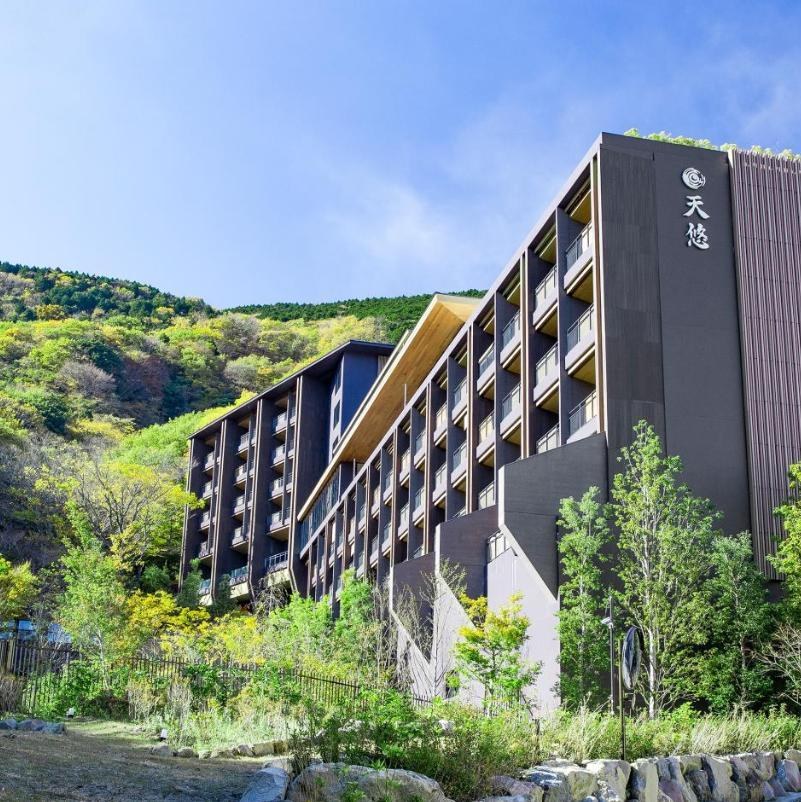
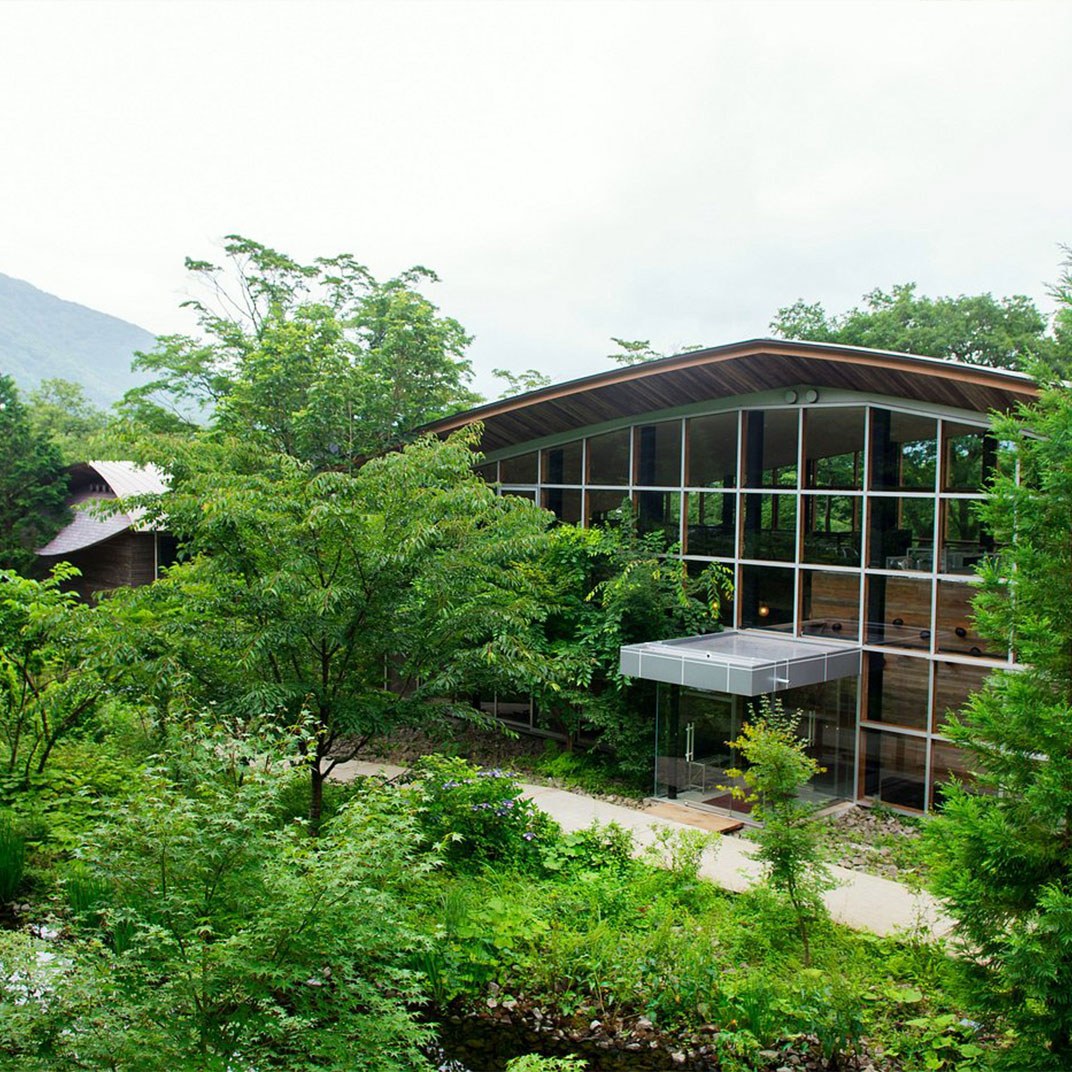
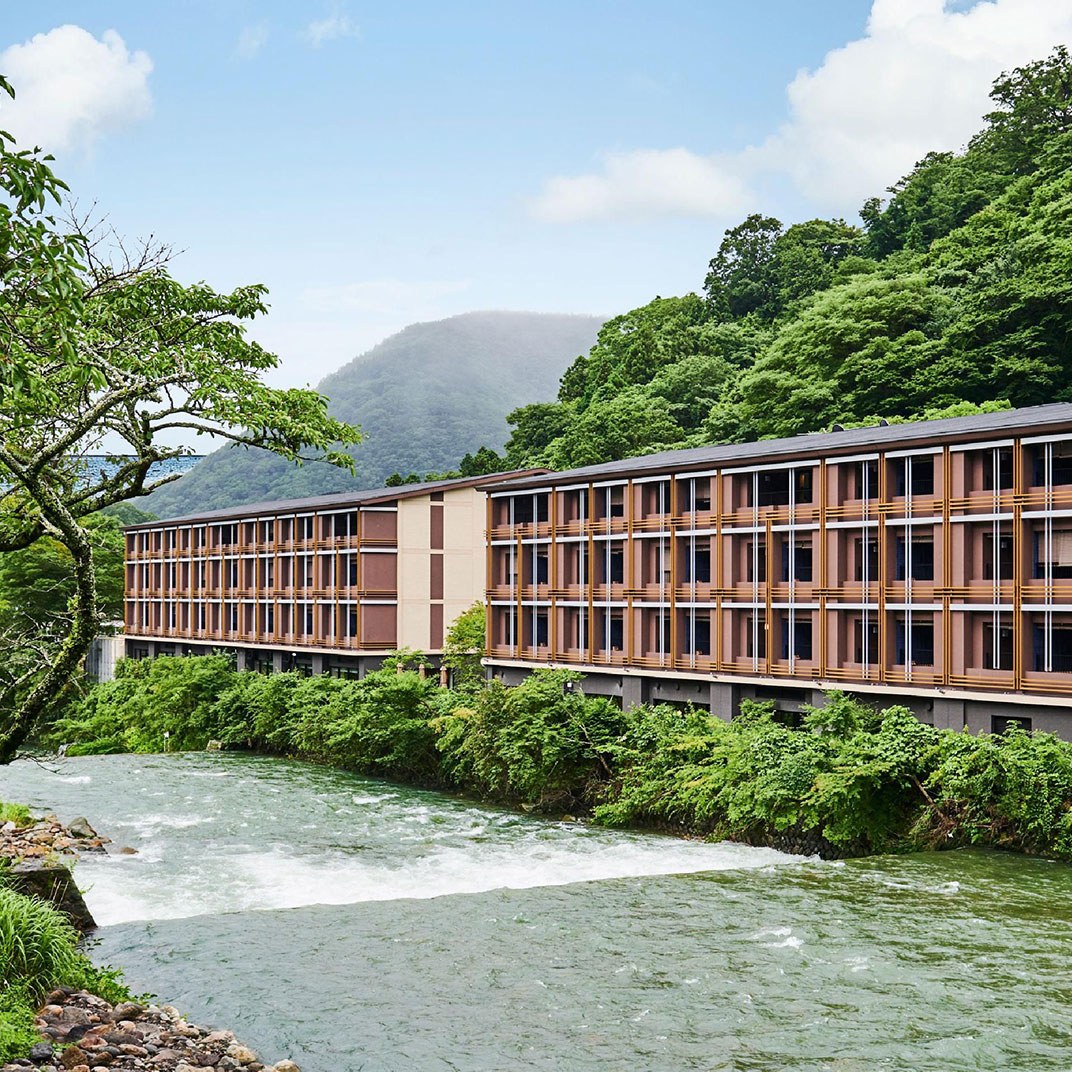
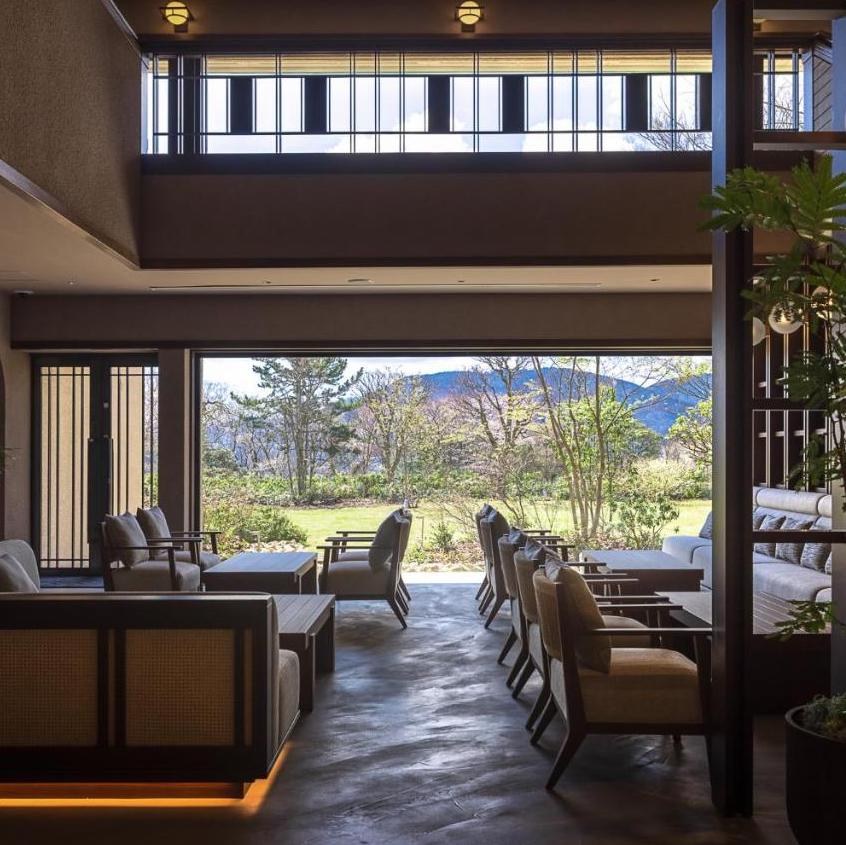
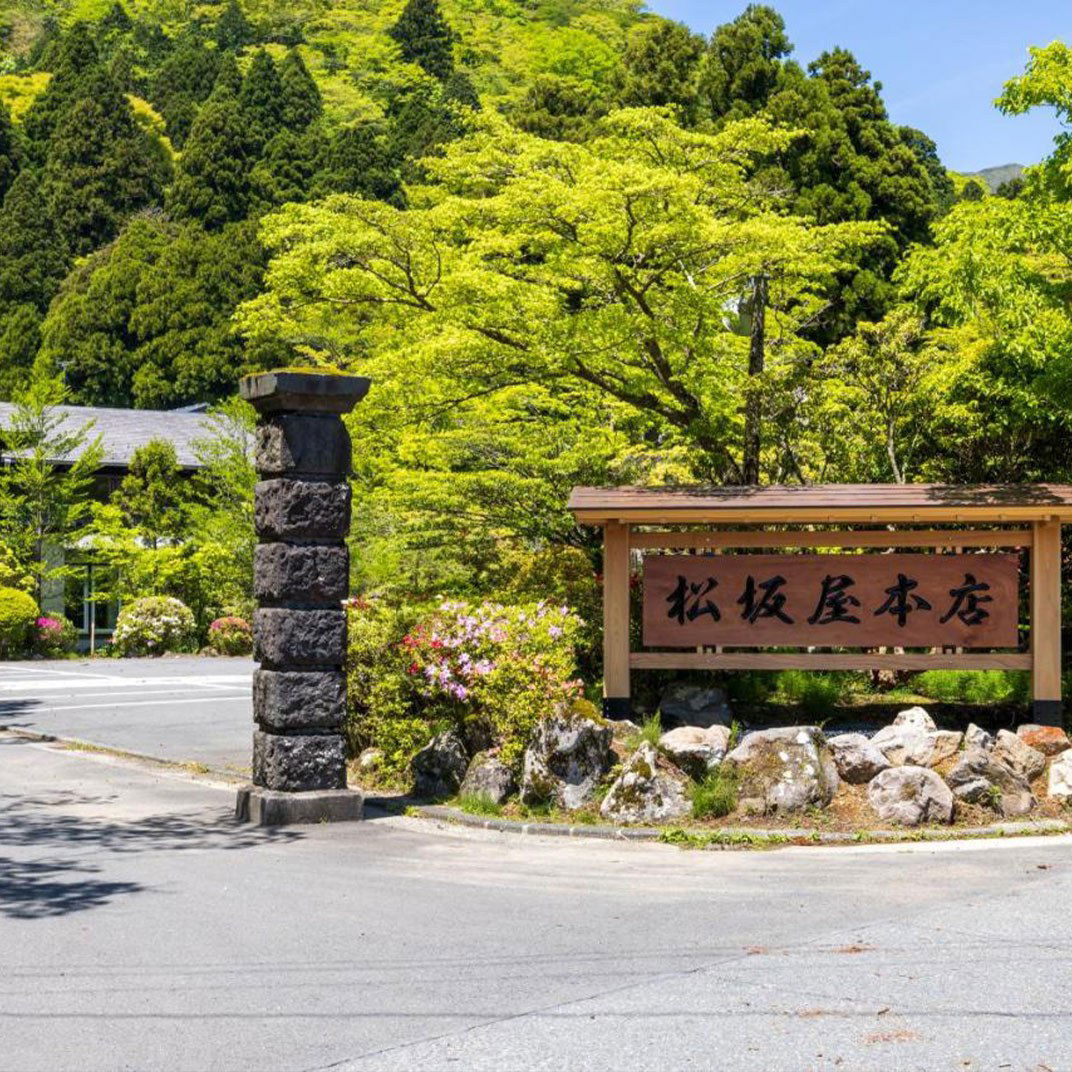
Matsuzakaya Honten reads like a study in traditional ryokan architecture where the building itself stages the stay. Timber corridors, engawa verandas and a sequence of spatial transitions—the genkan, the corridor, the room, the path to the bath—place emphasis on materiality and movement rather than bombastic design gestures. The property sits high in Ashinoyu, where geothermal steam punctuates the landscape; that volatile edge gives the hotel a quietly rustic, historic charm and an intimate, contemplative mood focused on immersion in the mineral waters.
Best For
This ryokan is best for travellers who prioritise onsen immersion and architectural authenticity over transport convenience or lakeside spectacle. Guests seeking a wellness-focused retreat or a low-key romantic escape appreciate that the bath is the organising logic of the stay. Lovers of traditional Japanese form—those who savour timber details, engawa verandas and rooms composed to frame garden views or volcanic steam—will find the property especially rewarding. It suits couples and small groups looking for a quiet, restorative experience rooted in place.
Stay Tips
Choose accommodations and sightlines with intention: the copy highlights rooms 'arranged to frame garden views or volcanic steam,' so request a room with an engawa veranda or outward-facing aspect if views and immersion matter to you. Expect the ryokan's choreography—the genkan entry, corridors and the walk to the bath—to structure the visit; treat circulation as part of the experience rather than mere transit. Note that the property prioritises proximity to the geothermal source over transport links or lakeside panoramas, and plan logistics accordingly.
Venue details
Ambiance
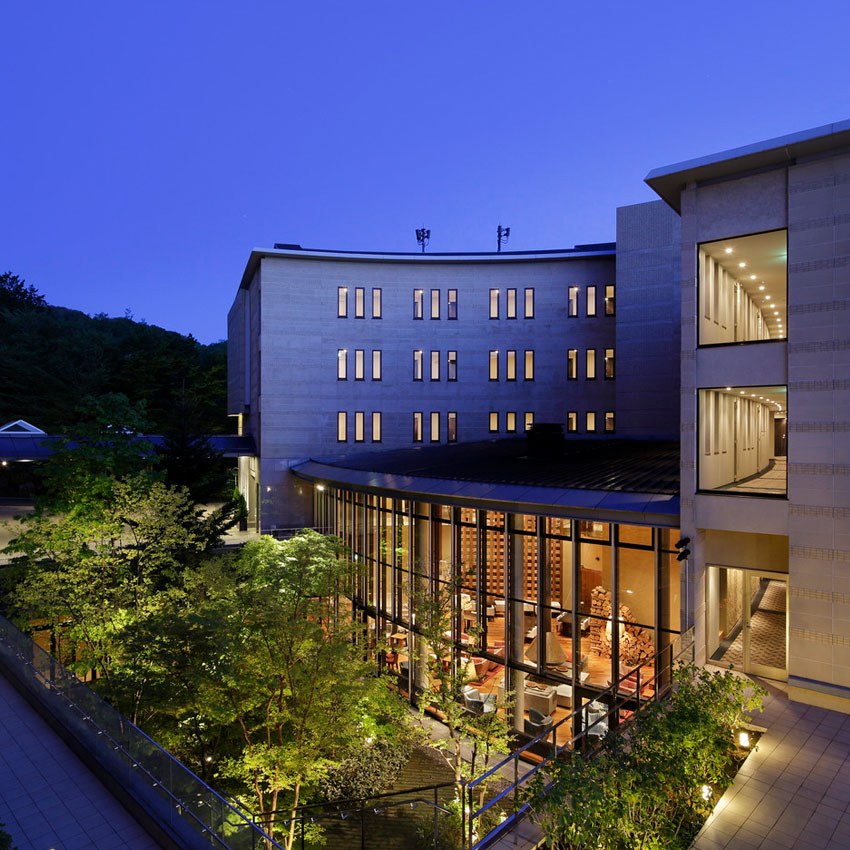
Historic and refined, with a blend of traditional Japanese architecture and preserved Meiji-era and European-Japanese nostalgic design elements; the atmosphere is described as quiet, elegant, and deeply relaxing, with garden views, wood details, and onsen-focused serenity.
Tags
Vibe
Best For
Experience
Amenities
View
About the Stay
- Rooms
- 21
- Check-in
- 15:00
- Check-out
- 11:00
- Property Style
- Historic Onsen Ryokan with Luxury Renovation and Preserved Traditional Architecture.
- Design Style
- Traditional Japanese Ryokan with Contemporary Luxury Renovation, Preserved Historic Architecture, Tatami Rooms, Wooden Interiors, Garden Views, and Meiji Era Details.
Know before you go
Know Before You Go
- Getting there
- 57 Ashinoyu, Hakone, Ashigarashimo District, Kanagawa 250-0523, Japan
Planning details
Location
57 Ashinoyu, Hakone, Ashigarashimo District, Kanagawa 250-0523, Japan · Directions
Recognition and awards
Also consider
Also Consider
- Hakone Kowakien Tenyu, Notable alternative
- Gora Kadan, Notable alternative
- Nazuna Hakone Miyanoshita, Notable alternative
- ESPACIO The Hakone Geihinkan Rin-Poh-Ki-Ryu, Notable alternative
- Hyatt Regency Hakone Resort and Spa, Notable alternative
Hotel context
How it compares in Hakone
Matsuzakaya Honten is the better fit if value means a calm, traditional-feeling stay without chasing the most formal luxury signal. Gora Kadan is the stronger choice for a higher-touch ryokan splurge, while Hakone Kowakien Tenyu suits travelers who want a larger resort feel and broader on-site scale.
Against Hyatt Regency Hakone Resort and Spa, Matsuzakaya Honten is less about international-hotel familiarity and more about a quieter Hakone mood. Nazuna Hakone Miyanoshita is the cross-shop for a smaller, design-led stay, while ESPACIO The Hakone Geihinkan Rin-Poh-Ki-Ryu is the more indulgent comparison when budget is less sensitive.
For ease, Matsuzakaya Honten has the edge: booking difficulty is listed as easy, which matters in Hakone, where ryokan planning can tighten around weekends and seasonal travel. Choose it when the goal is a vetted, quieter stay; choose the peers when the trip needs a larger resort, a bigger luxury statement, or more predictable international-hotel structure.
Explore Hakonemachi, Ashigarashimo Gun
Around this place
Discover more on Pearl
Unlock the full Matsuzakaya Honten guide in Pearl, including awards, comparisons, FAQs, planning details, and nearby places.
Compare Matsuzakaya Honten
| Venue | Location | Awards |
|---|---|---|
| Matsuzakaya Honten | Hakonemachi, Ashigarashimo Gun | 2025 Michelin Selected Hotels |
| Hakone Kowakien Tenyu | Hakonemachi, Ashigarashimo Gun | No published awards |
| Gora Kadan | Hakone | 2026 Relais Chateaux Hotels2026 La Liste Top Hotels2025 Relais Chateaux AwardMichelin 3 Keys 20252025 Michelin 3 Keys2024 Michelin 3 Keys |
| Nazuna Hakone Miyanoshita | Hakone | No published awards |
| ESPACIO The Hakone Geihinkan Rin-Poh-Ki-Ryu | Ashigarashimo-Gun | Leading Hotels of the World 20262025 Michelin 1 Key |
| Hyatt Regency Hakone Resort and Spa | Hakonemachi, Ashigarashimo Gun | No published awards |





How Matsuzakaya Honten compares with similar nearby venues.
FAQ
Frequently Asked Questions
Do loyalty programs work at Matsuzakaya Honten?
Matsuzakaya Honten is in Hakonemachi, Ashigarashimo Gun, and is listed in the MICHELIN Guide, Hotels Selected (2025). If points or elite benefits matter, confirm directly with the booking channel before reserving.
Is Matsuzakaya Honten family-friendly?
Family-specific policies and amenities are not listed here. Matsuzakaya Honten is in Hakonemachi, Ashigarashimo Gun, and is listed in the MICHELIN Guide, Hotels Selected (2025), but travelers should confirm room setup, child policies, and any family needs directly before booking.
Which room category is best at Matsuzakaya Honten?
Choose based on the current room descriptions and policies shown by the hotel or booking channel, and confirm any important details directly with Matsuzakaya Honten before reserving.
How is the pool and spa at Matsuzakaya Honten?
Matsuzakaya Honten is a MICHELIN Guide, Hotels Selected (2025) hotel in Hakonemachi, Ashigarashimo Gun, but specific wellness facilities should be checked directly with the hotel.
How does Matsuzakaya Honten compare to other hotels?
Matsuzakaya Honten can be compared with Hyatt Regency Hakone Resort and Spa, Hakone Kowakien Tenyu, Gora Kadan, Nazuna Hakone Miyanoshita, and ESPACIO The Hakone Geihinkan Rin-Poh-Ki-Ryu when planning a stay. The differentiator for Matsuzakaya Honten in this guide is its MICHELIN Guide, Hotels Selected (2025) recognition and its location in Hakonemachi, Ashigarashimo Gun.
When is the best time to book Matsuzakaya Honten?
If Matsuzakaya Honten is a priority for your Hakonemachi, Ashigarashimo Gun trip, check live availability through the hotel or booking channel and confirm any important policies before booking.