
Hotel Indigo Hakone Gora
Hakone Gora, Hakonemachi, Ashigarashimo Gun
Hotel in Hakonemachi, Ashigarashimo Gun, Japan
 Book with Pearl
Why go
Hotel Indigo Hakone Gora is the practical pick for travelers who want a contemporary Gora base rather than a formal ryokan stay. The case is strongest for location, flexibility, and easy booking; choose a more ryokan-focused peer if the meal program or ceremony is the main reason for the trip.
About Hotel Indigo Hakone Gora
Hotel Indigo Hakone Gora is a hotel in Hakonemachi, Ashigarashimo Gun. Consider it as a hotel option in the area, with a casual dress code and MICHELIN Guide Hotels Selected recognition for 2025. If the trip depends on comparing stays, consider it alongside Gora Kadan before committing.
Book for the hotel stay, not for extras
Hotel Indigo Hakone Gora should not be chosen on the basis of assumed dining, facilities, access, or a particular stay format.
What can be said with confidence is narrower: this is Hotel Indigo Hakone Gora in Hakonemachi, Ashigarashimo Gun; dress is casual; and the hotel is listed in the MICHELIN Guide Hotels Selected for 2025. Use those points as the basis for comparison, then confirm current booking details directly before travel.
Who should compare it with other Hakonemachi, Ashigarashimo Gun hotel options
Choose Hotel Indigo Hakone Gora if you are looking at hotel options in Hakonemachi, Ashigarashimo Gun and want a casual-dress property with confirmed MICHELIN hotel recognition. Avoid building the decision around specifics such as a particular cuisine, wellness program, room type, or service schedule.
For a broader short list, compare it with Hakone Gora Karaku, Fufu Hakone, Nazuna Hakone Miyanoshita, and Hyatt Regency Hakone Resort and Spa. These comparisons are most useful when you check each property's current rooms, services, and policies directly rather than relying on assumptions.
For planning, use the wider Hakonemachi, Ashigarashimo Gun lists to decide whether this should be the anchor or the backup: Our full Hakonemachi, Ashigarashimo Gun hotels guide, Our full Hakonemachi, Ashigarashimo Gun restaurants guide, Our full Hakonemachi, Ashigarashimo Gun bars guide, Our full Hakonemachi, Ashigarashimo Gun wineries guide, and Our full Hakonemachi, Ashigarashimo Gun experiences guide.
Planning details
- Location
- 924-1 Kiga, Kiga, Hakone, Ashigarashimo District, Kanagawa 250-0402, Japan
- Website
- ihg.com/hotelindigo/hotels/us/en/hakone/hkhhg/hoteldetail?cm_mmc=GoogleMaps-_-IN-_-JP-_-HKHHG
- Phone
- +81 460-83-8310
The take
The Take
The Vibe
Hotel Indigo Hakone Gora positions itself as a design-led, sophisticated alternative within Gora’s resort hierarchy. It sits in the tier below long-established ryokan, offering an internationally legible onsen-resort proposition while respecting local context. The 2025 Michelin Selected designation underlines that the property clears a quality threshold for character and comfort; the brand’s practice of shaping each hotel around a neighbourhood story means the property reads the local cues rather than imposing a generic template. Overall the tone is polished and thoughtful — a contemporary, place-aware hotel that leans on design to interpret Gora’s cooler, museum-rich setting.
Best For
This hotel is best for travelers who want a contemporary, design-driven stay in Gora without booking a traditional ryokan. It suits visitors planning cultural outings — the neighbourhood includes a funicular and serious art museums — and anyone seeking a weekend escape or romantic break with reliably vetted accommodations (the Michelin Selected tag functions as a quality signal). The property is also appropriate for wellness-minded guests and families who prefer a modern, internationally readable approach to the onsen-resort experience rather than a heritage, kaiseki-focused ryokan.
Venue details
Ambiance
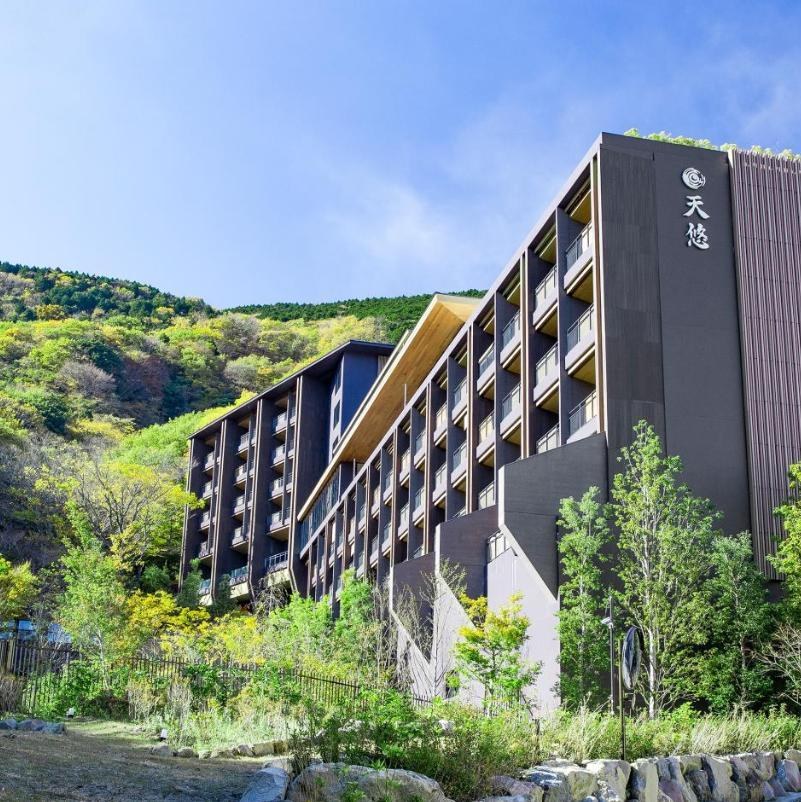
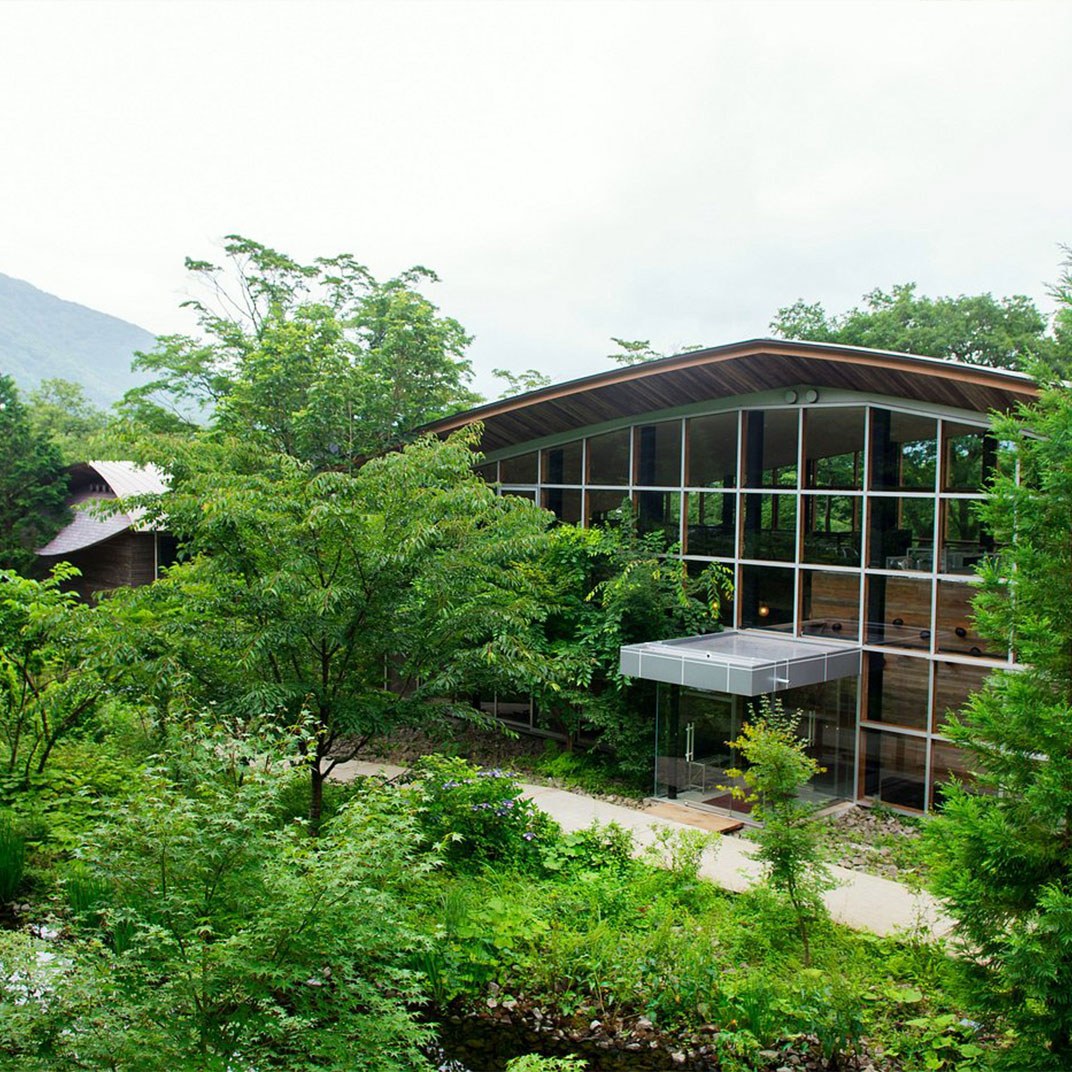
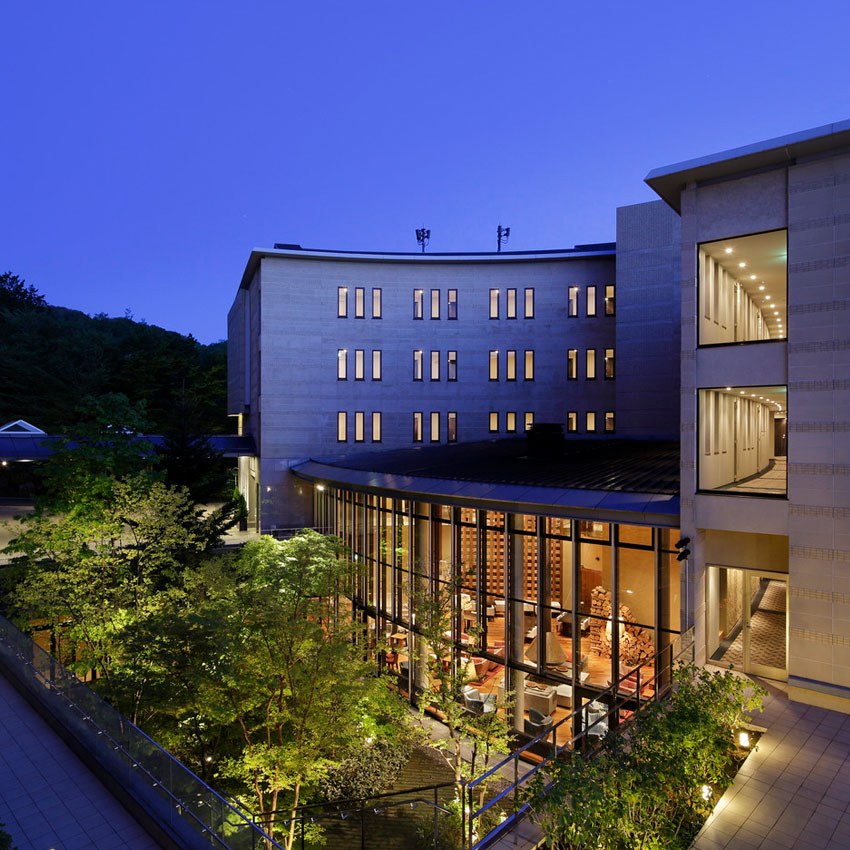
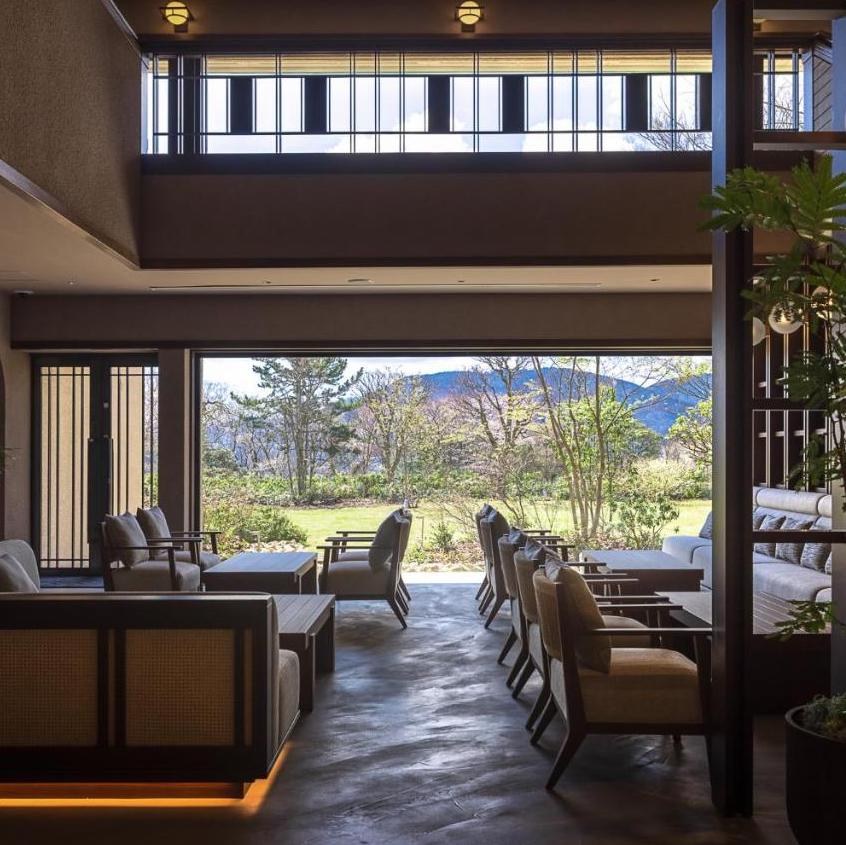
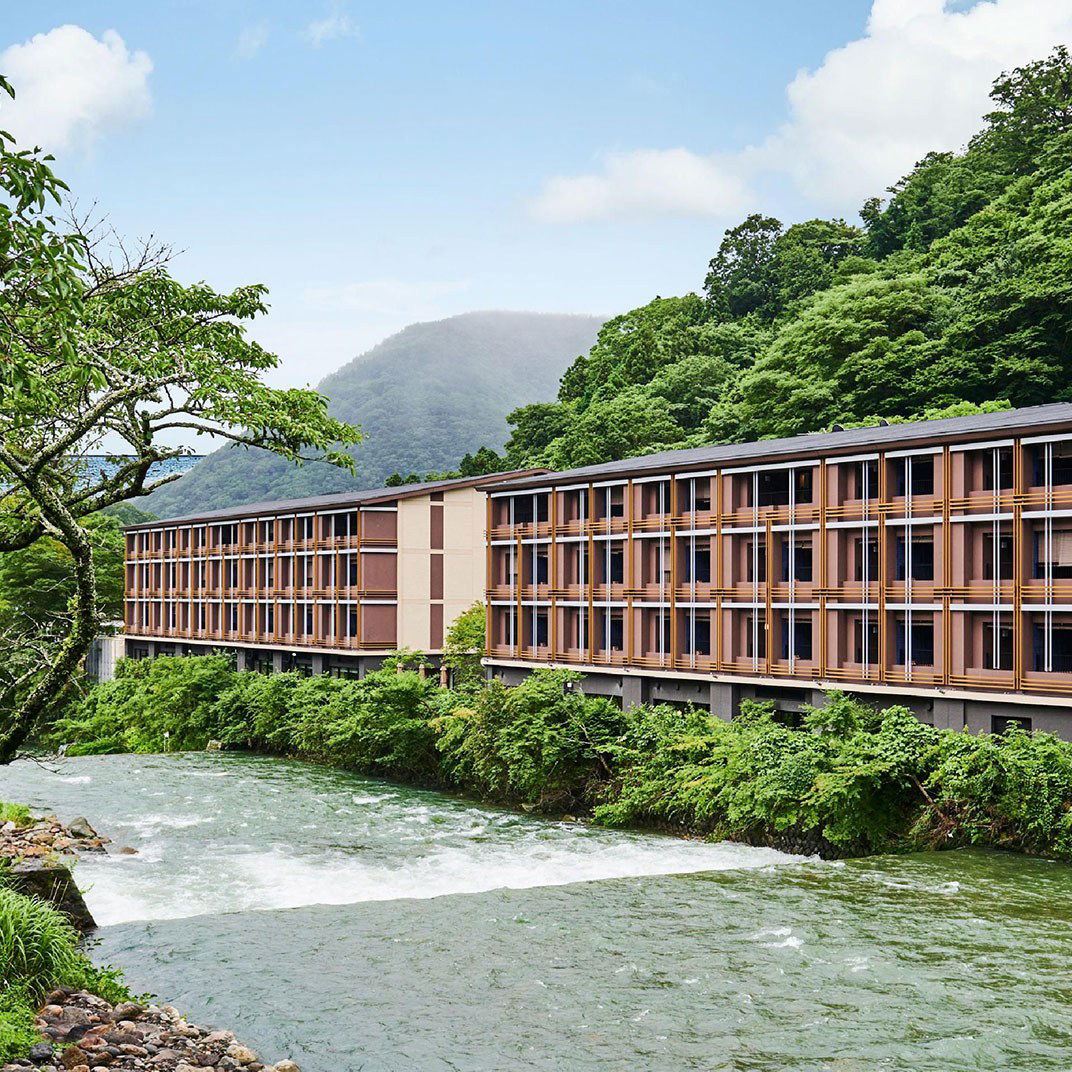
Contemporary Japanese aesthetic with warm wooden elements, hexagonal ceiling details, and soft natural lighting that transforms throughout the day; sophisticated blend of mid-century modern and traditional ryokan-inspired design.
Tags
Vibe
Best For
Experience
Amenities
View
Accessibility
About the Stay
- Rooms
- 98
- Check-in
- 15:00
- Check-out
- 11:00
- Property Style
- Modern Boutique Hotel Celebrating Local Neighborhood Culture and Heritage Through Contemporary Design and Immersive Storytelling.
- Design Style
- Mid Century Modern Meets Traditional Japanese with Contemporary Art, Reclaimed Timber, Hexagonal Geometric Accents, and Ukiyo E Inspired Elements Throughout.
Know before you go
Know Before You Go
- Getting there
- 924-1 Kiga, Kiga, Hakone, Ashigarashimo District, Kanagawa 250-0402, Japan
Planning details
Location
924-1 Kiga, Kiga, Hakone, Ashigarashimo District, Kanagawa 250-0402, Japan · Directions
ihg.com/hotelindigo/hotels/us/en/hakone/hkhhg/hoteldetail?cm_mmc=GoogleMaps-_-IN-_-JP-_-HKHHG
Recognition and awards
Also consider
Also Consider
- Hakone Gora Karaku, Notable alternative
- Gora Kadan, Notable alternative
- Nazuna Hakone Miyanoshita, Notable alternative
- Fufu Hakone, Notable alternative
- Hyatt Regency Hakone Resort and Spa, Notable alternative
Hotel context
How it compares in Hakone
Hotel Indigo Hakone Gora is the easier, more flexible choice against the luxury-leaning ryokan set. Gora Kadan is the splurge comparison for travelers who want a stay built around tradition and high-touch atmosphere. Hakone Gora Karaku and Fufu Hakone make more sense when the hotel itself is meant to be the main event.
For value and booking ease, Hotel Indigo Hakone Gora is the safer play than the more occasion-led options, especially for a short Hakone stop or a return visit where flexibility matters. Hyatt Regency Hakone Resort and Spa is the closest alternative for a familiar resort feel; choose between them based on preferred location, room availability, and rate on the dates needed.
Nazuna Hakone Miyanoshita is the better cross-shop for a smaller, more intimate mood. Hotel Indigo Hakone Gora is the better fit for guests who want less ceremony, a modern hotel rhythm, and an easier base for moving around Gora.
Explore Hakonemachi, Ashigarashimo Gun
Around this place
Discover more on Pearl
Unlock the full Hotel Indigo Hakone Gora guide in Pearl, including awards, comparisons, FAQs, planning details, and nearby places.
Compare Hotel Indigo Hakone Gora
| Venue | Location | Awards |
|---|---|---|
| Hotel Indigo Hakone Gora | Hakonemachi, Ashigarashimo Gun | 2025 Michelin Selected Hotels |
| Hakone Gora Karaku | Hakone | 2025 Michelin 1 Key2024 Michelin 1 Key |
| Gora Kadan | Hakone | 2026 Relais Chateaux Hotels2026 La Liste Top Hotels2025 Relais Chateaux AwardMichelin 3 Keys 20252025 Michelin 3 Keys2024 Michelin 3 Keys |
| Nazuna Hakone Miyanoshita | Hakone | No published awards |
| Fufu Hakone | Hakone | 2025 Michelin 1 Key2024 Michelin 1 Key |
| Hyatt Regency Hakone Resort and Spa | Hakonemachi, Ashigarashimo Gun | No published awards |




How Hotel Indigo Hakone Gora compares with similar nearby venues.
FAQ
Frequently Asked Questions
Which room category is best at Hotel Indigo Hakone Gora?
Choose based on your party size, budget, and the current room descriptions from the hotel. The hotel is MICHELIN Guide Hotels Selected for 2025.
What facilities are available at Hotel Indigo Hakone Gora?
How is the dining at Hotel Indigo Hakone Gora?
Dining details such as cuisine, chef, menu format, pricing, and service schedule should be confirmed directly with the hotel. The confirmed facts are the casual dress code and MICHELIN Guide Hotels Selected recognition for 2025.
When is the best time to book Hotel Indigo Hakone Gora?
If Hotel Indigo Hakone Gora is a priority for your Hakonemachi, Ashigarashimo Gun trip, check live availability and cancellation terms directly before making plans. You can also compare it with Gora Kadan or Fufu Hakone when deciding which stay best fits the trip.
Is Hotel Indigo Hakone Gora family-friendly?
Family-specific services and policies should be confirmed directly with the hotel before booking. For comparison, you may also review options such as Nazuna Hakone Miyanoshita.